Environment News: March 2026 - Issue 652

Week One March 2026: Issue 652 (published Sunday March 1)

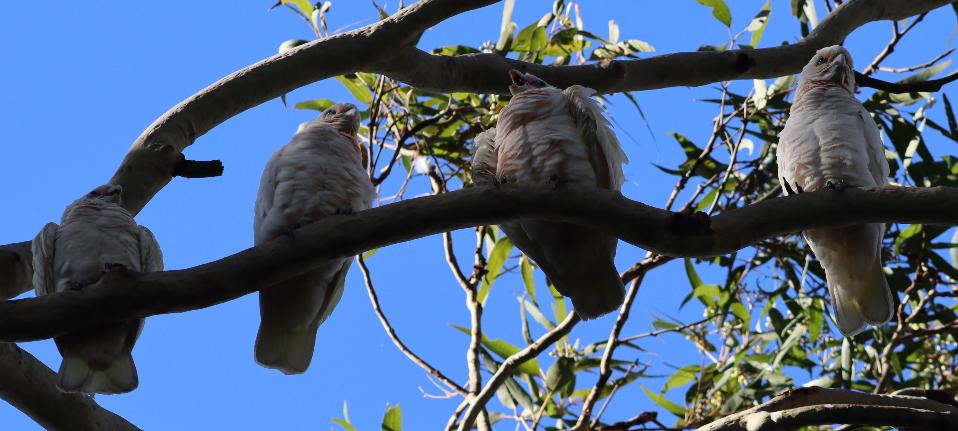
When Sulphur-Crested Cockatoos are Yelling to each other, They're Sounding A Warning or claiming 'my branch'

The sulphur-crested cockatoo can communicate with extremely loud screeching calls on occasion. This cacophonous noise from a large rowdy flock can be near-deafening. 


Why are they doing this?: according to research being complied by Big City Birds, a citizen-science project launched by the University of New South Wales, they're sounding a warning! We've noticed they will do this when a Sea Eagle flies over from Pittwater towards Bangalley Headland and the ocean beyond - probably to go fishing or look for prey in the bush that covers that headland. 

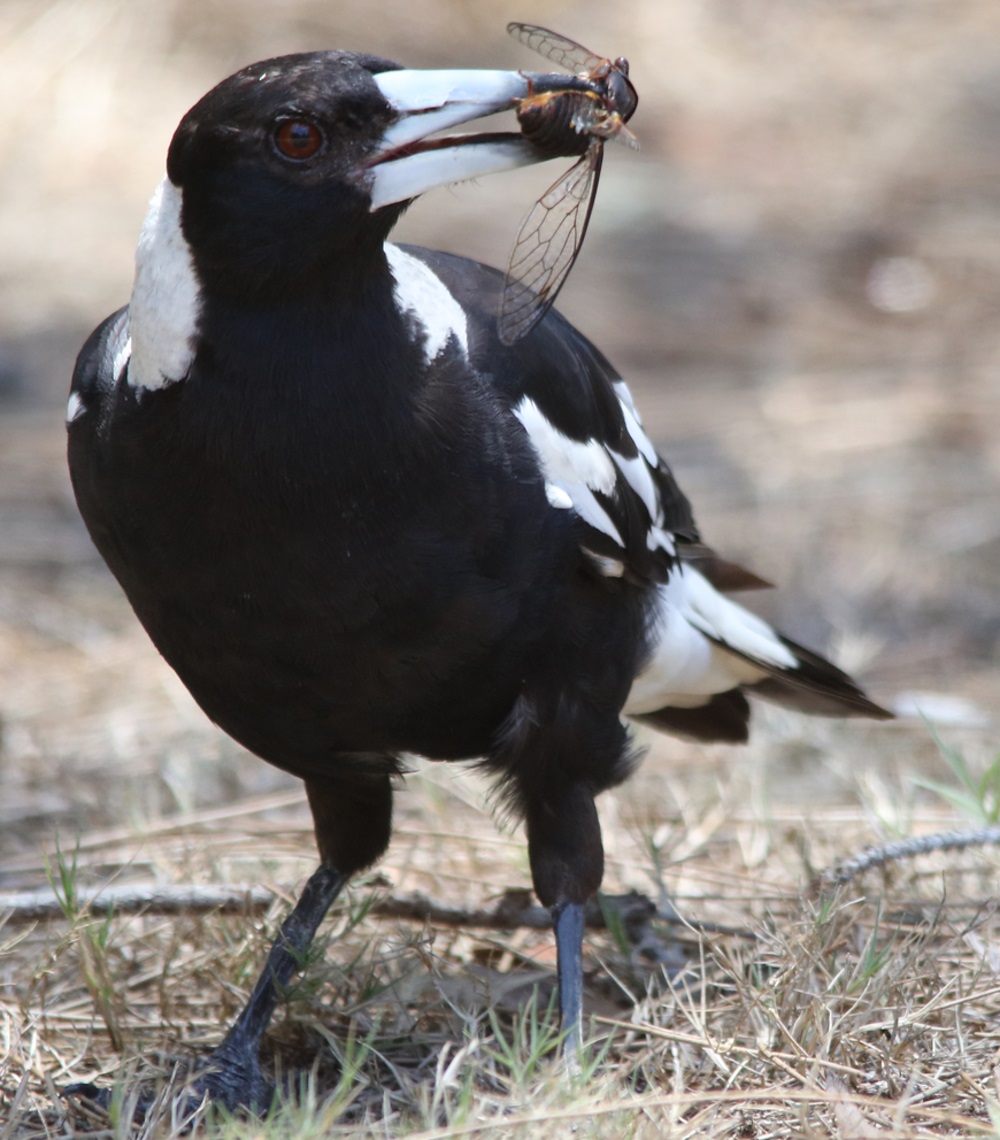
The flock of cockatoos will fly in a wide arc in the opposite direction, away from the Sea Eagle, while parent Magpie birds will actually chase after the Sea Eagles, nipping at their tail or diving at them until they are far from their nests.


Sulphur-crested cockatoos are known for this 'yelling'. It's a loud, raucous screeching as they zoom overhead, and can be deafening when they're in big numbers and land in local trees to continue calling.

"The worst I ever heard was a flock of 150 that sounded like a freight train. It was frightening," bird expert Professor Gisela Kaplan of the University of New England said in an interview with the ABC on the Big City Birds citizen science project.

Professor Kaplan says this behaviour evolved as a way of terrifying away would-be predators.

When they flip upside down and stretch out their wings they are claiming their territory. It can be a way for a cockatoo to claim a specific branch or spot as their own, showing off how big and strong they are.

Others state Cockatoos hanging upside down while screeching and flapping their wings is a common, normal, display of high energy, excitement, or playfulness. This behaviour is frequently seen in both wild and captive birds, often accompanied by a raised crest (excitement) or "heart-shaped" wings (joy).


Professor Kaplan explains they have other shorter calls for communication too. 

Cockatoos also communicate by changing the shape of their yellow crest and combining this with different body postures to indicate alarm, availability or something lighter.

For 15 years she's taken care of a cockatoo called 'Pumpkin' who can no longer fly due to injury, and knows when Pumpkin is feeling playful: "His crest goes up completely and his head starts bobbing up and down and sideways."


Did you know sulphur-crested cockatoos are "left-handed", can live for 100 years, or that they pick bindi-eyes out of your lawn before the weeds turn prickly? Cockatoos as a group evolved 95 million years ago on the ancient continent of Gondwana and are some of the smartest birds around.

The term "clever cockie" doesn't come out of nowhere.

"They're comparable to a chimpanzee in intelligence," Professor Kaplan said

This is because they pack a lot of neurons into their bird brains, which are organised in a way that enables complex processing.
This "lateralisation" results in a preference for using one foot over another — and sulphur-crested cockatoos being "left-handed".

"They can balance on one foot while they eat with the other foot," Professor Kaplan says.

Sometimes you'll see a bunch of birds busily biting off branches and leaves from a tree but dropping them on the ground. This isn't about getting food but more likely helping them to keep their beak trimmed and sharp, especially after eating - so, like a toothbrush, but for cockies.

Research shows flocks of about 50 to 100 tend to spend all their time — whether sleeping or feeding — in the same small 5-square-kilometre area. The birds hang out in various combinations, including gangs of 5 to 20 birds who are best mates.

Sometimes multiple flocks will converge on a particular area for a festival of feeding.


Tracking has also found cockies are very egalitarian when it comes to parenting, with each long-term partner taking turns to stay with the eggs and the chicks, while the other goes out foraging.

You can only tell the gender of these birds by the colour of the eyes: males have a solid black iris, females have a red iris.

You're not like to see baby cockatoos because they don't emerge from the nest until they're bigger. But if you listen carefully you might hear them — they make a droning 'arrrrrrrr' call when they're begging for food and a quick staccato squeak when they're fed.

Cockatoo being fed - April 2024

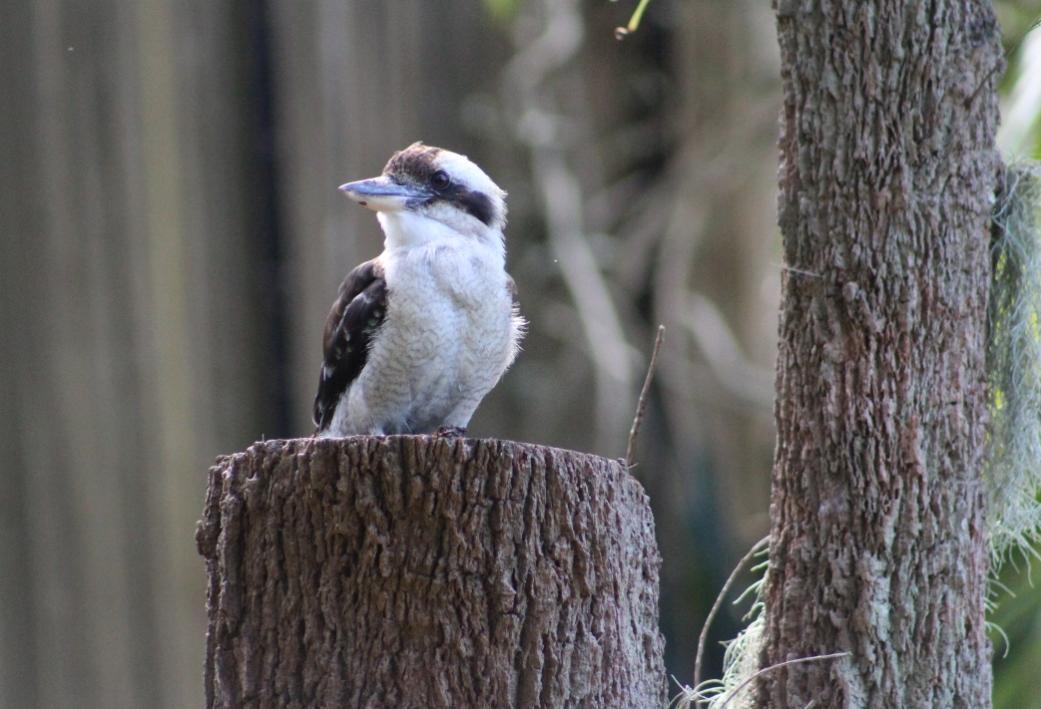
Doing the 'this branch is mine' dance, February 24, 2026

See you later!
_____________________________________________________

Information sourced from: Big City Birds citizen science project and ABC report by Anna Salleh, 'Sulphur-crested cockatoos can be noisy and destructive, but they're also very clever. Here are some facts you may not know' published October 18, 2020

The Big City Birds citizen science project tracks how five Australian bird species—Sulphur-crested Cockatoo, Australian Brush-turkey, Australian White Ibis, Little Corella, and Long-billed Corella—adapt to urban environments. Launched by the University of Sydney in 2020, it encourages the public to report sightings, behaviours, and nest locations via an app or website to study animal intelligence and urban adaptability. More at: www.spotteron.com/bigcitybirds/info

Professor Gisela Kaplan is an Emeritus Professor in Animal Behaviour in the University of New England's School of Science and Technology. She is the author of over 250 research articles and 23 books, and has conducted ground-breaking research into vocal learning, communication and cognition of birds and other vertebrates. She has become a public voice for science on wildlife, especially native birds.

Photos: local Avalon Beach-Clareville-Careel Bay Magpie (2022 photo) and Sulphur Crested Cockatoos, April 2024 feeding - rest were taken February 24 2026 - by A J Guesdon

Rare Sighting - Australian Shelducks Visit Macquarie University 

Published February 24 2026 by BIBY TV
Nature had a surprise in store for us in February 2026!
The lovely lake within the campus of Macquarie University was enhanced by the arrival of an Australian Shelduck pair. These large, handsome ducks are usually found further south, in the SE and SW corners of Australia, although their possible range extends northwards on both sides of the continent. While they are widespread in the main parts of their range - and sometimes seen in large numbers - they are infrequently noted in the Sydney area and mostly as singles or pairs. For the Macquarie University campus, it was an exciting new addition to their ebird records. A rare sighting indeed! 

Australian Shelduck
Scientific name: Tadorna tadornoides
Alternative name/s: Chestnut-breasted Shelduck, Mountain Duck and Sheldrake

The Australian Shelduck is a large, brightly coloured duck with a small head and bill. The male head and neck are black, tinged green, with a white neck ring and occasionally a white ring around the base of the bill. The upper parts are mainly black, while the underparts are dark brown with a cinnamon breast. White upperwing coverts form a white shoulder patch. The wings are black and deep chestnut with a large green speculum (window in wing). The female has a white eye-ring and a chestnut breast.

Australian Shelducks are usually unmistakable, with the upright stance and dark head contrasting with the white neck ring.

Habitat
The Australian Shelduck prefers fresh waters and if in saltwater habitat, needs to be within easy reach of fresh water.

Distribution
The Australian Shelduck can be found in south western and south eastern parts of Australia. It is a vagrant (only occasionally seen) north to the Kimberley region of Western Australia and in Central Australia.

Seasonality
After breeding some migrate long distances to particular large wetlands such as Lake George, Australian Captial Territory, and the Coorong, South Australia, to moult flight and tail feathers.

Feeding and diet
The Australian Shelduck grazes on green grass on land or in shallow water. It also eats algae, insects and molluscs.

Communication
A loud honking, deeper and more grunted from the male, higher and more resonant from the female, 'ong ank, ong ank'.

Breeding behaviours
The nest of the Australian Shelduck is usually in a large tree hollow, well lined with down. They have also been known to breed in rabbit burrows and in large hollows on cliff faces . Flightless downy young may gather in creches. Only the female Australian Shelduck incubates the eggs, while the male defends the brood territory. This species is monogamous and some birds are known to create permanent pair-bonds.

Breeding season July to December
Clutch size: Ten to fourteen.
Incubation: 33 days
Conservation status
The clearing and conversion of some areas to cropland and pasture has led to an increase in some local populations of the Australian Shelduck. Breeding territories are often established around farm dams.

References
  • Marchant, S. and Higgins, P.J. (eds.), 1990. Handbook of Australian, New Zealand and Antarctic Birds. Vol. 1. Part B. Oxford University Press: Melbourne.
  • Simpson, K and Day, N. 1999. Field guide to the birds of Australia, 6th Edition. Penguin Books, Australia.
  • Morecombe M. 1986 The Great Australian Birdfinder. Lansdowne, Australia.
  • Australian Museum: https://australian.museum/learn/animals/birds/australian-shelduck/


Chuditch and Bilbies returned to NSW now Thriving

Taronga Western Plains Zoo-bred Chuditch and Bilbies are thriving in the wild in north-west NSW, according to recent data from the Wild Deserts Partnership Project.

Managed by UNSW Sydney’s Centre for Ecosystem Science in collaboration with Taronga Conservation Society Australia (Taronga), NSW National Parks and Wildlife Service (NPWS) and Ecological Horizons, Wild Deserts has seen 72 Chuditch (also known as Western Quoll) and 305 Bilbies released into the Wild Training Zone (WTZ), a 100km2 area within Sturt National Park where feral predators have not been eradicated but instead are carefully managed.

New population monitoring in the WTZ has confirmed breeding and survivorship of over 12 months for Chuditch bred in the Taronga Sanctuary, a 110-hectare feral predator-proof area behind the scenes at Taronga Western Plains Zoo on Wiradjuri Country near Dubbo.

Over four days in late 2025, teams captured 57 individuals including six new animals which confirmed breeding in the WTZ. Taronga Indigenous Trainee Keeper Vincent Hamilton was part of the team that discovered a new juvenile Chuditch born in the WTZ that had never been captured before.

“He was actually in our very last trap and we thought it was a Golden Bandicoot at the time, and then opened the trap and here comes this beautiful, very young boy who hasn't been caught or seen before,” Mr Hamilton said.

“We measured and weighed him, took samples of his skin and photographed his spot patterns for researchers, and then I actually got to release him.

“Sending this young juvenile quoll on its way, knowing that it’s a new quoll and it’s going to start a new life, I actually was pretty emotional. Everyone was very happy that day.”

Taronga Community Support Officer, Trainee Keeper and Kamilaroi Barkindji man Jarred Clark worked alongside conservation keepers to prepare zoo-bred Bilbies for release to the wild and also travelled to Sturt National Park to assist with the population monitoring.

“I’m just so ecstatic to be able to work on these projects where we’re reintroducing species back onto Country where they haven’t been around for over 100 years,” Mr Clark said.

“These species have such strong cultural and ecological importance – to be able to work hands-on with them and see them thriving is something that I’m really proud to be a part of.”

The Taronga Sanctuary was established thanks to the generous support of philanthropists Alan and Lynne Rydge. The sanctuary is home to a number of Taronga’s conservation breeding programs, including the Greater Bilby, with a free-ranging breeding population established in 2019. Taronga’s Chuditch conservation breeding program was established in 2022, thanks to a generous philanthropic donation from The Kinghorn Foundation.

Both Chuditch and Bilby populations have been reduced to 5-10% of their former ranges since European settlement, exacerbated by habitat loss, which has fragmented populations, together with competition with introduced species such as rabbits and predation from feral cats and foxes. In 2020, 10 Taronga-bred Bilbies were released into Sturt National Park. This was followed by the first 16 Taronga-bred Chuditch in 2024, marking the species’ return in NSW since the last recorded sighting in 1841.

Since then, another 52 Chuditch and 20 Bilbies have been released to the WTZ, including the final 21 Taronga-bred Chuditch in November.

“To me, it’s the highlight of the whole program,” said Senior Chuditch Keeper Nick Atchison.

“The animals that we have here, we’re really only ever the custodians of them. They’re not our animals, they come in from the wild, they breed here, then we hold onto them with this purpose of releasing them back to the wild.

“It’s a fantastic feeling to see them head off and hopefully make their way in the wild.”

Taronga Wildlife Conservation Officer Rachael Schildkraut said a key objective of Taronga’s breed-for-release programs to deliver broad conservation benefits, and healthy, genetically robust animals with behavioural skills to survive post-release.

“To see some of the original Taronga-bred Chuditch now producing wild-born young of their own in Sturt National Park, that’s the ultimate goal of our program,” she said.

“It’s a real highlight to see them thriving, and also to work together with Taronga’s Cultural team and First Nations stakeholders to achieve these significant conservation milestones.”

Mr Clark said the week at Sturt National Park was an amazing opportunity.

“As a proud young Indigenous man, it means a lot to be a part of this project,” Clark said.

“It feels like I’m contributing to something that’s bigger than myself.

“Caring for Country isn’t just a job; it's something that’s deeply rooted in who I am. I hope this shows other young Indigenous people that there’s a role for us in conservation."

Photo: Taronga Western Plains Zoo Conservation Keeper Leonie Pascua and trainee keeper Jarred Clark assess a Greater Bilby in the Taronga Sanctuary. Photo Credit Rick Stevens - report Taronga Zoo


When feral cats are away, potoroos and bandicoots are more likely to play

Fidel Fernando/Unsplash
Euan RitchieDeakin UniversityAmy CoetseeThe University of MelbourneAnthony RendallDeakin University, and Duncan SutherlandThe University of Melbourne

All animals need to eat to survive, grow and reproduce. To do so, they also need to avoid being eaten. This is a big challenge for many of Australia’s native mammals, because when they search for food, they must also escape the attention of introduced predators, namely, feral cats and red foxes.

Tragically, many have been unable to overcome this test of survival, becoming one of the 40 native mammal species driven to extinction since European colonisation.

But what happens if we reduce the numbers of introduced predators? Do our surviving native species think there is less risk of being the next meal for a cat or fox? How do they respond? And how might we tell? With peanut butter balls, of course!

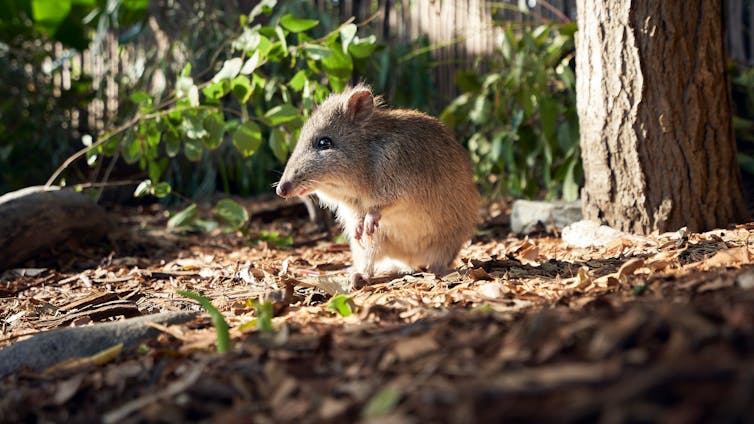
Long-nosed potoroos are vulnerable to predation by non-native feral cats and red foxes. Leo Berzins/flickrCC BY-ND

A deadly game of hide and seek

Natural environments contain predators and prey engaged in a deadly game of hide and seek, and – from the prey’s perspective – a landscape of fear. The extent to which the two groups are aware of each other and able to respond (hunting vs hiding and escape) varies across time and space. Prey might perceive some areas as a riskier proposition, such as more open habitats or times when predators are most active. They therefore reduce their activity to minimise the likelihood of being eaten.

But avoiding being eaten comes at an energetic cost. It may mean preferred areas or times to feed are reduced, which in turn limits rates of growth, reproduction and survival of prey species. Prey animals are constantly weighing up this tradeoff of risk vs reward as they go about their lives.

Tasty treats can assess risk appetite

We can’t know for sure how much animals fear being eaten, but we can assess it indirectly, through their willingness to eat. In our recently published study, we measured how much food animals don’t eat as a indicator of their fear of being eaten. The more food they give up, the greater the risk of predation those animals are assumed to perceive. These experiments are made easier by the fact many mammals are mad about gobbling up peanut butter.

French Island has long been fox free, but had thousands of feral cats. In 2010, authorities began a feral cat eradication, which made it a perfect place for our research.

Importantly, we were able to start our experiment prior to an eradication program of feral cats, which began in 2010 on French Island, Victoria. This means we were able to measure changes in long-nosed potoroos and eastern barred bandicoots habitat use and foraging as cat numbers and activity fell.

Feral cat activity per month at one site on French Island, south-eastern Australia, across a 2-year period during a cat eradication program. The red arrow indicates when the cat eradication program began and the blue arrows indicate when we undertook our GUD experiments. CC BY-NC-ND

So, on fox-free French Island, we placed balls of peanut butter, rolled oats and golden syrup into trays with soil and dug them into the ground, ensuring they were below the soil surface. We did this in more open grassland areas (likely riskier habitat, with less cover and protection from feral cats) and more densely vegetated areas (less risky habitat, due to increased cover).

We used camera traps to measure how often potoroos and bandicoots visited these feeding trays to dig up the tasty treats, and how much of the peanut butter balls they left behind in different habitats and at different periods throughout the ongoing feral cat eradication program.

A deadly game of feral cat and long-nosed potoroo, as revealed by our camera trap. We can confirm that this potoroo survived, this time. Te Ao Marama Eketone (Deakin University)CC BY-NC-ND

When feral cats are away, native animals play (more)

As the number of feral cats on French Island was reduced, potoroos and bandicoots used both open and closed habitat types more frequently, and they increased their activity, giving up less food over time. This suggests bandicoots and potoroos do recognise feral cats as a threat, and are able to fairly rapidly change their habitat use and foraging accordingly.

Aside from the obvious benefits of fewer feral cats killing and eating potoroos and bandicoots on French Island, our study suggests there may be substantial benefits for native wildlife — namely increased access to habitats and foraging opportunities — even before the ultimate longer-term goal of cat eradication can be achieved.

Our study’s results are encouraging. Outside the safe havens of invasive predator-free islands and fenced sanctuaries, feral cats are notoriously hard to eradicate from large areas, and there is a constant threat of their return.

To change this, new and more effective ways to control and eradicate feral cats are needed. But until then, reducing and keeping feral cat numbers lower, while also carefully managing habitats to benefit wildlife, can still give native animals the helping hand they need to survive.

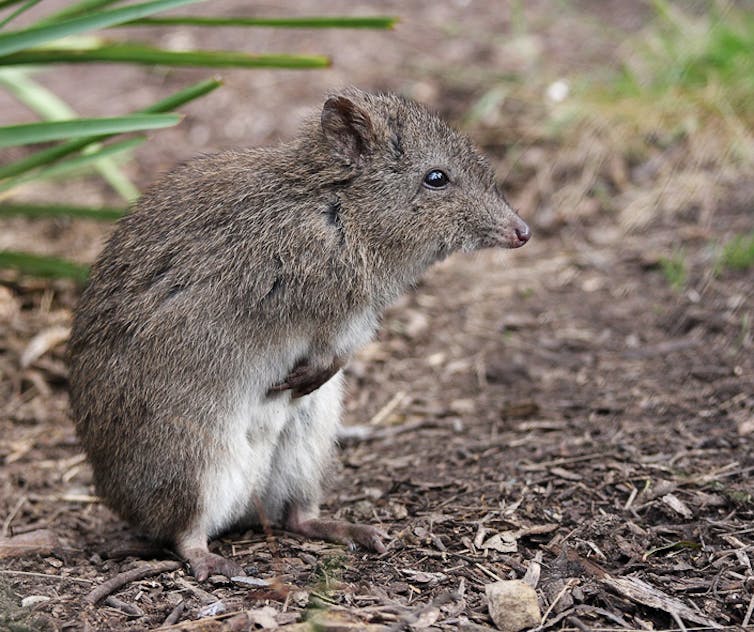
We need to do all that we can to give Australia’s native mammals, including eastern barred bandicoots, a helping hand. Zoos VictoriaCC BY-NC-ND

We would like to acknowledge that this work was led by former Deakin University Honours student, Te Ao Marama Eketone, and it occurred on the unceded Country of the Bunurong/Boonwurrung peoples.The Conversation

Euan Ritchie, Professor in Wildlife Ecology and Conservation, School of Life & Environmental Sciences, Deakin UniversityAmy Coetsee, Threatened Species Biologist, The University of MelbourneAnthony Rendall, Lecturer in Conservation Biology, School of Life and Environmental Sciences, Deakin University, and Duncan Sutherland, Deputy Director of Research, Phillip Island Nature Parks; Research Fellow, The University of Melbourne

This article is republished from The Conversation under a Creative Commons license. Read the original article.

Climate outlook for March to June

Issued 12 February 2026 by BOM

Long-range forecast overview

The long-range forecast for March to May shows:

  • Rainfall is likely to be below average for most of the southern two-thirds of Australia.
  • Daytime temperatures are very likely to be above average across most of the southern two-thirds of Australia and parts of far northern Australia.
  • Overnight temperatures are likely to very likely to be above average across much of Australia.

Rainfall—Summary

Below average autumn rainfall likely for much of the south

March to May

  • Autumn rainfall is likely to be below average (60 to 80% chance) for most of the southern two-thirds of Australia. The drier than average forecast signal generally increases in extent and likelihood as the season progresses.
  • For much of northern Australia, the rainfall forecast for March to May does not strongly favour a particular outcome, meaning there are roughly equal chances that rainfall will be above, below or close to average.
  • This rainfall forecast from ACCESS-S is generally consistent with forecasts from most international models although ACCESS-S predicts higher chances of below average rainfall.
  • There is an increased chance of unusually low rainfall1 (over 50% chance) for parts of north-eastern Tasmania and South Australia's interior. 
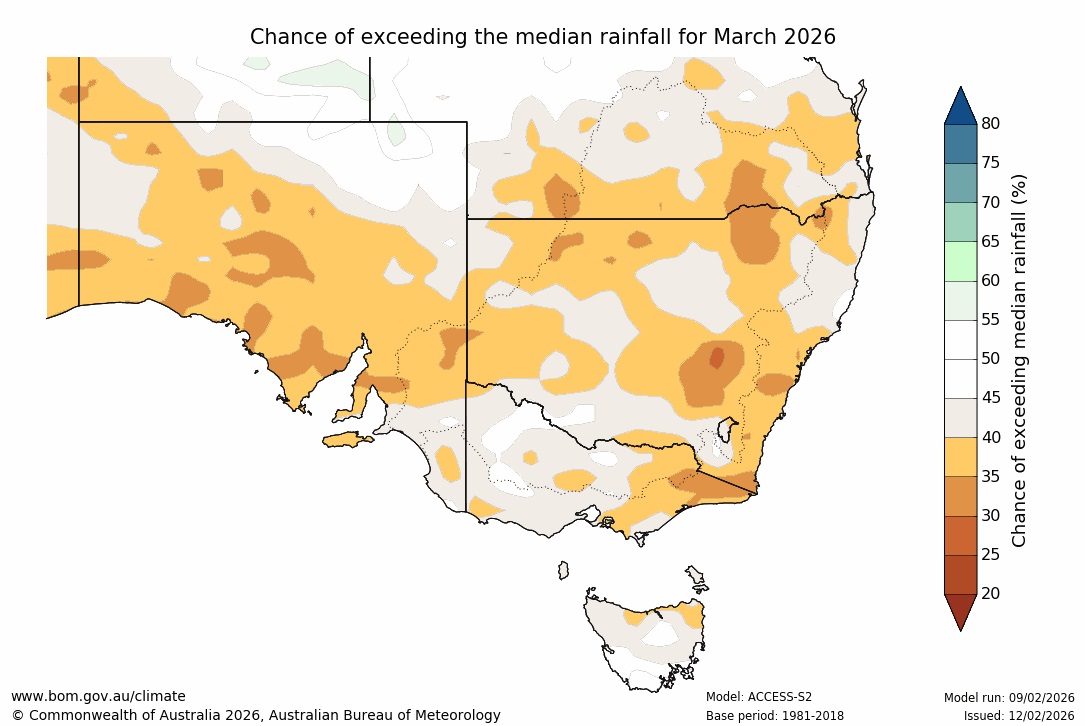
  • For the month of March, the rainfall forecast does not strongly favour a particular outcome for much of the country, however rainfall is likely to be above average (60 to 70% chance) for parts of Cape York Peninsula, the Top End and northern Kimberley and below average in scattered parts of southern and central Australia.

1Unusually low rainfall is that in the driest 20% of March to May records between 1981 and 2018.

Temperature—Summary

Warmer than average autumn days and nights likely across most of Australia

March to May

  • Maximum temperatures for autumn are very likely to be above average (more than 80% chance) across most of Australia.
  • The chance of above average maximum temperatures is closer to 50% for northern parts of Queensland and the Northern Territory, where rainfall and increased cloud cover, particularly during March, may act to moderate temperatures.
  • These temperature forecasts from ACCESS-S are generally consistent with most international models, although ACCESS-S predicts higher chances of warmer than average temperatures, especially over the northern interior of Australia.
  • Much of Australia has an increased chance of unusually high maximum temperatures2 (over 50% chance), with the strongest chances in north-eastern Tasmania, and far western and eastern Australia (over 70% chance).
  • Minimum temperatures are likely to be above average (60% to over 80% chance) across most of Australia, with lower chances (closer to 50%) for the Kimberley, central Australia and some inland parts of south-eastern Australia.
  • There is an increased chance of unusually high minimum temperatures2 (over 50% chance) for parts of far western Australia and the Cape York Peninsula.

2Unusually high maximum and minimum temperatures are those in the warmest 20% of March to May days and nights, respectively, between 1981 and 2018.

We use our long-range model, ACCESS-S, to forecast up to four months ahead. It simulates how the atmosphere and oceans may change, using millions of observations from satellites, land stations, and ocean instruments.

We also track global climate indicators to help understand long-term weather patterns. These mainly reflect how the ocean and atmosphere interact.

Current climate indicators:

  • Sea surface temperatures (SSTs) during January 2026 were the sixth warmest on record in the Australian region and the fourth warmest for the global average.
  • The sea surface temperature (SST) analysis for the week ending 8 February 2026 shows warmer than average waters persist off parts of the Western Australian coastline, in particular the Gascoyne and south-western Pilbara coasts. Cooler than average waters remain in the Tasman Sea, Bass Strait and in the Arafura and Timor seas to Australia's north.
  • Forecasts for March to May show SSTs are likely to be warmer-than-average across much of the Australian region, but closer to average off parts of the southern and northern Australian coasts. Warmer oceans can provide increased moisture and energy, that can enhance the severity of storms, cyclones and rain systems.
  • La Niña is easing in the tropical Pacific

Mona Vale Dunes bushcare group: 2026 Dates

What’s Happening? Mona Vale Dunes Bushcare group catch-up. 

In 2026 our usual work mornings will be the second Saturday and third Thursday of each month. You can come to either or both. 

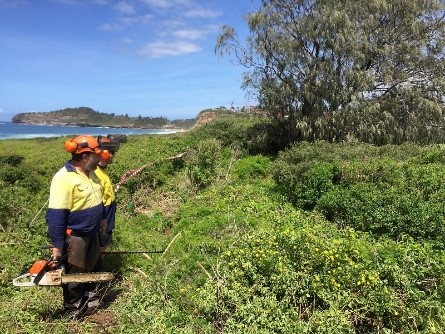
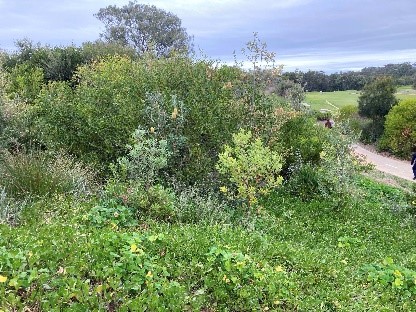
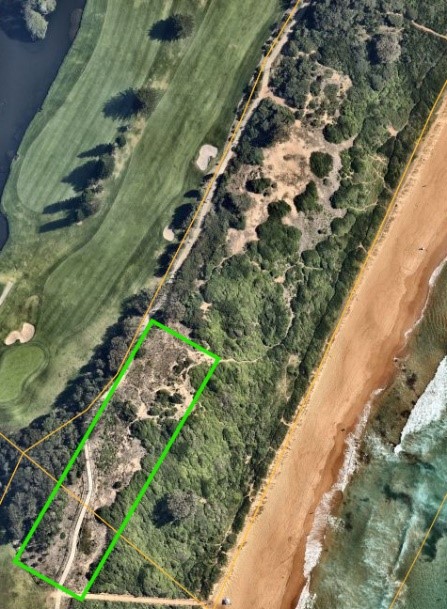
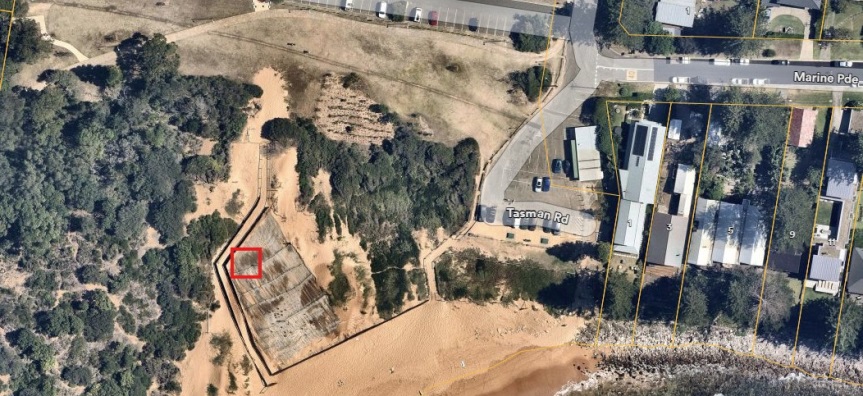
We are maintaining an area south of Golf Avenue. This was cleared of dense lantana, green cestrum and ground Asparagus in 2019-2020. 600 tubestock were planted in June 2021, and natural regeneration is ongoing. 

Photos: The site In November 2019, chainsaws at the ready. In July 2025, look at the difference - coastal dune vegetation instead of dense weeds. But maintenance continues and bushcarers are on the job. Can you join us?

(access to this southern of MV Dunes  - parking near Mona Vale Headland reserve, or walk from Golf Ave.) 

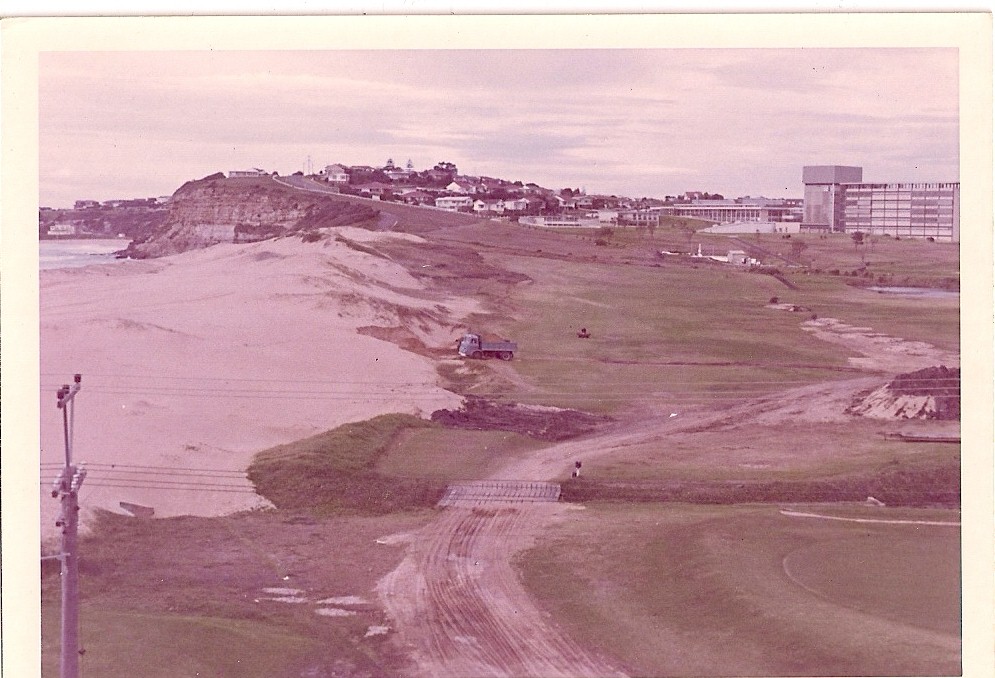
For comparison, see this image of MV dunes in 1969!, taken from atop the home units at the end of Golf Avenue. 

2026 Dates

North Avalon Beach Dune Planting: March 1

Sunday, 1 March 2026 - 08:30 am to 12:00 pm

Join us to stabilise North Avalon Beach Dune. All community members are welcome from 8:30am-midday.

Please bring:

  • Gloves
  • Hat, sunglasses and sunscreen
  • Wear long pants and sleeved shirt
  • Enclosed boots/shoes 

Meeting point: North Avalon Beach; Refer to exact location below:

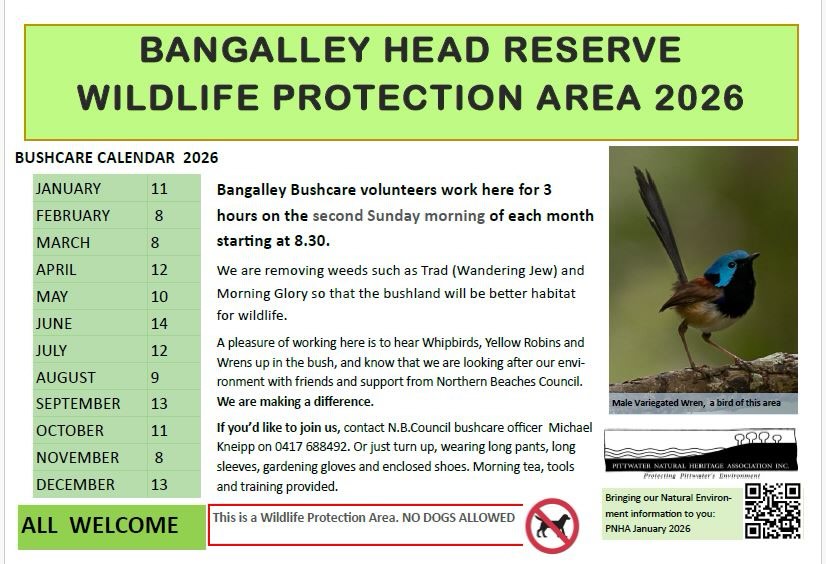
Bangalley Headland WPA Bushcare 2026

Watch out for PNHA signs telling you about bush regeneration and our local environment. This is one of many coming up.

March 2026 at Kimbriki

Mondays to Thursdays:

Tuesdays: Avalon Boomerang Bags
November 5 2025: 
It is with great sadness that we announce that we can no longer operate out of the community centre in Avalon after 10 wonderful years, as we are finding the rent too expensive. 

We will move to The Hub at Kimbriki Resource Recovery Center in January 2026 and would still love you to come and visit us there, drop off fabric or buy a bag. We will be there on a Tuesday from 11-3pm.


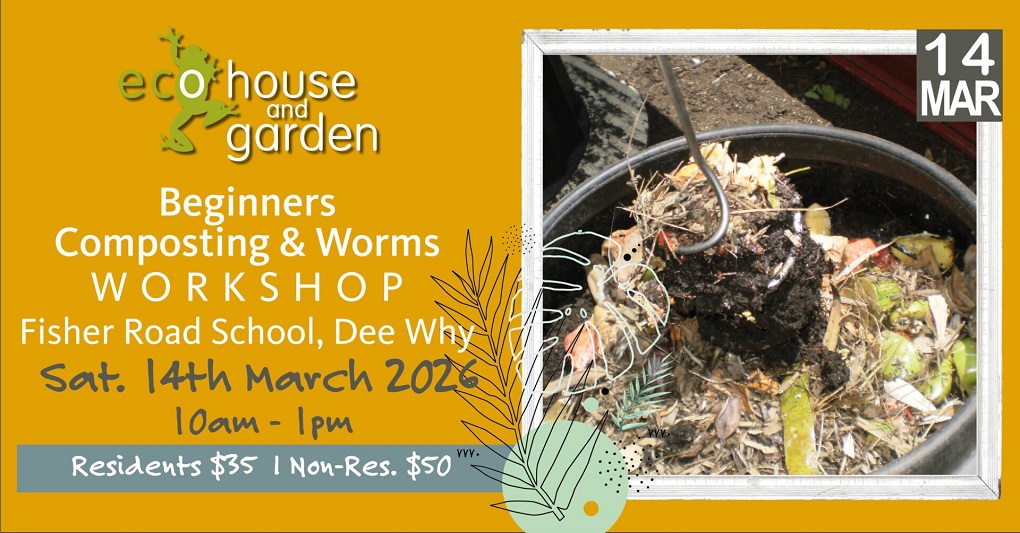
ECO WORKSHOP – Beginners Composting & Worms
Composting and worm farming are great alternatives to disposing of your food waste in the rubbish bin while creating natural fertiliser for your garden. By recycling food scraps in a compost bin or worm farm you can help reduce organic waste disposed in landfill, in turn reducing the production of leachate and greenhouse gases from landfills. Compost and worm ‘castings’ are both ideal natural fertiliser for your garden.

*Northern Beaches Residents attending the entire Composting & Worms workshop: Northern Beaches Council would like to support its residents in recycling food waste at home by giving you a voucher towards buying a worm farm or compost bin. Northern Beaches Council will issue a $90 voucher to Northern Beaches residents who attend a Kimbriki Composting and Worms workshop and who have not had a free worm farm, compost bin or voucher from Council in the past. One voucher per household (not per person) is issued irrespective of number of workshops attended. The vouchers are issued directly from Council after you have attended the workshop. Please allow up to 3-4 weeks for the voucher to be issued and posted to your residential address. Voucher can be used at New Leaf Nursery in Ingleside or at the Kimbriki Eco House & Garden Eco shop.

Polystyrene Drop Off Collection Day
Venue: The HUB, Kimbriki (1 Kimbriki Road, Ingleside 2101)
Halfway down the hill on the left-hand side
Northern Beaches Council are encouraging residents to bring their rigid pieces of 100% clean, white and dry expanded polystyrene (EPS) used for packaging of appliances and electronics to Kimbriki Resource Recovery Centre for recycling on our collection day for free.

The polystyrene must not be contaminated with dirt, soil, tape, concrete, food, labels, plastic cardboard, ink printing and no bean bag beads to ensure the product can be recycled.
If you can bend the polystyrene and it snaps then it is EPS.

Waste & Sustainability in Early Childhood Centres
The day has been developed in line with the Early Years Learning Frameworks with particular focus on the new sustainability principle incorporated into the frameworks.


Whether you have been engaged with sustainability at your centre for some time or are just beginning to engage in response to the revised frameworks, there will be plenty on offer for all to engage further and learn from each other. We advocate for a shared and collaborative approach in this professional development day, which will allow educators to build confidence in integrating sustainability into their centre’s everyday activities and programs; learn from case studies from other centres; hear from guest speakers who can support your programs in biodiversity and water saving gardening; provide guidance on setting up effective systems at your centre to minimise and manage waste and access to a whole host of resources to take back to your centre.

Includes:
  • 5 hours of educator elected professional development, meeting standards appropriate to your context and needs and contributes to your ongoing professional learning
  • Morning tea and light lunch
  • Goodie bag
  • Lucky door prizes
  • Mountains of opportunity for collaboration and support 😊
To book immediately & receive an invoice/receipt for your credit card payment click “BUY TICKETS”  and fill in your details and to proceed to the check out.

If you prefer an invoice to be sent to your Centre, Email Event Organiser –  ECO.house@kimbriki.com to send us your request. We will send you a Booking Form to complete and return to us with your Purchase Order. Your place will be held and an invoice will be issued.

NSW Threatened Species Scientific Committee final determinations for February 2026

Published February 27, 2026

The NSW Threatened Species Scientific Committee assesses which species are eligible for listing as threatened species.

Five plants have been listed as threatened species; critically endangered and endangered with extinction. One minor amendment due to change in a species name.

NSW Threatened Species Scientific Committee final determinations

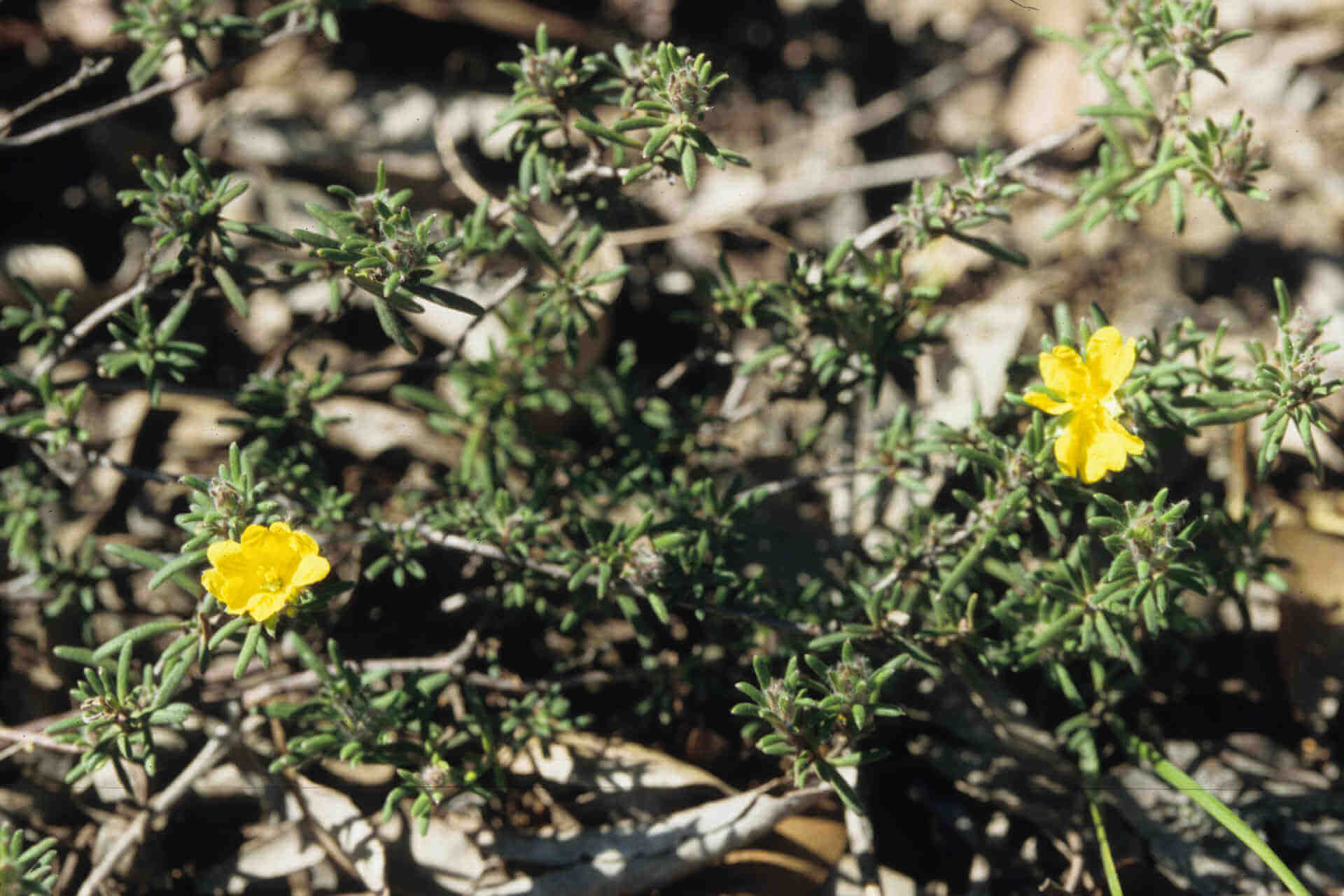
1. Hibbertia superans

Hibbertia superans has been listed as a critically endangered species.

Hibbertia superans is a range-restricted species endemic to the Greater Sydney region of New South Wales.

More information on the species can be found in the Committee’s reasons for final determination and conservation assessment report using the common assessment method: Hibbertia superans. 

An extract provides:

Hibbertia superans Toelken was found to be Critically Endangered in accordance with  the following provisions in the Biodiversity Conservation Regulation 2017:  4.2(1 a)(2 b) because it is projected to experience a very large population reduction of  78–96% over a three-generation period (30 years) as a result of clearing for urban development, adverse fire regimes, and competition from weeds. 

Hibbertia superans is a range-restricted species endemic to the Greater Sydney region of New South Wales (NSW). Hibbertia superans mainly occurs in northwest Sydney between Baulkham Hills and Wisemans Ferry, though has also been recorded in Dural, Berowra Valley National Park (NP), Hornsby Heights, and Kuring-gai Chase NP in northern Sydney and in Warrimoo, Winmalee and Faulconbridge in the lower Blue Mountains. 

The Extent of Occurrence (EOO) is estimated to be 1,048 km2 and is based on a minimum convex polygon enclosing a cleaned dataset of known occurrences of  the species, the method of assessment recommended by IUCN (2024). The Area of Occupancy (AOO) of Hibbertia superans is estimated to be 140 km2 using 2 x 2 km grid cells, the scale recommended by IUCN (2024). 

As of 2025, there is an estimated 453 mature individuals in the population of  Hibbertia superans, with the population consisting of 16 subpopulations following the IUCN (2024) definition. Numbers of Hibbertia superans fluctuate over time, dependent on the frequency of fire which stimulates germination (James 2012).  The population appears to be in long-term decline. 

Hibbertia superans is considered severely fragmented. Almost all subpopulations  consist of low numbers of individuals, with eight of 16 subpopulations estimated to  contain 13 mature individuals or fewer in 2025, and five others having unknown but  likely very low numbers. The three remaining subpopulations have 240, 141 and  42 mature individuals, and it is likely that these subpopulations are also declining in size. This means that all subpopulations can be considered small and at high risk of extinction, especially with increasing risks of clearing for urban development in the larger subpopulations that can rapidly reduce abundance. All subpopulations of Hibbertia superans are also considered isolated, as the maximum seed dispersal distances are highly unlikely to breach the 1 km subpopulation delineation distance. This means that all subpopulations are relatively small and isolated and  therefore meet the definition of being severely fragmented (IUCN 2024). 

Hibbertia superans occurs in woodlands on sandstone ridgetops and plateaus in sandy soils with some clay influence close to shale/sandstone transitions (Toelken 2000; James 2012). The species prefers open areas in heath or open woodlands (James 2012). Associated vegetation often includes Allocasuarina littoralis, Angophora bakeri, A. hispida, Corymbia gummifera, C. eximia, Eucalyptus piperita, E. racemosa, E. squamosa, Gaudium trinervium, G. parvifolium, Pultenaea tuberculata, Dillwynia retorta, Grevillea buxifolia, Baeckea spp. and Calytrix tetragona (James 2012; Miller 2022).

Hibbertia superans. Credit: Alan Fairley/DCCEEW

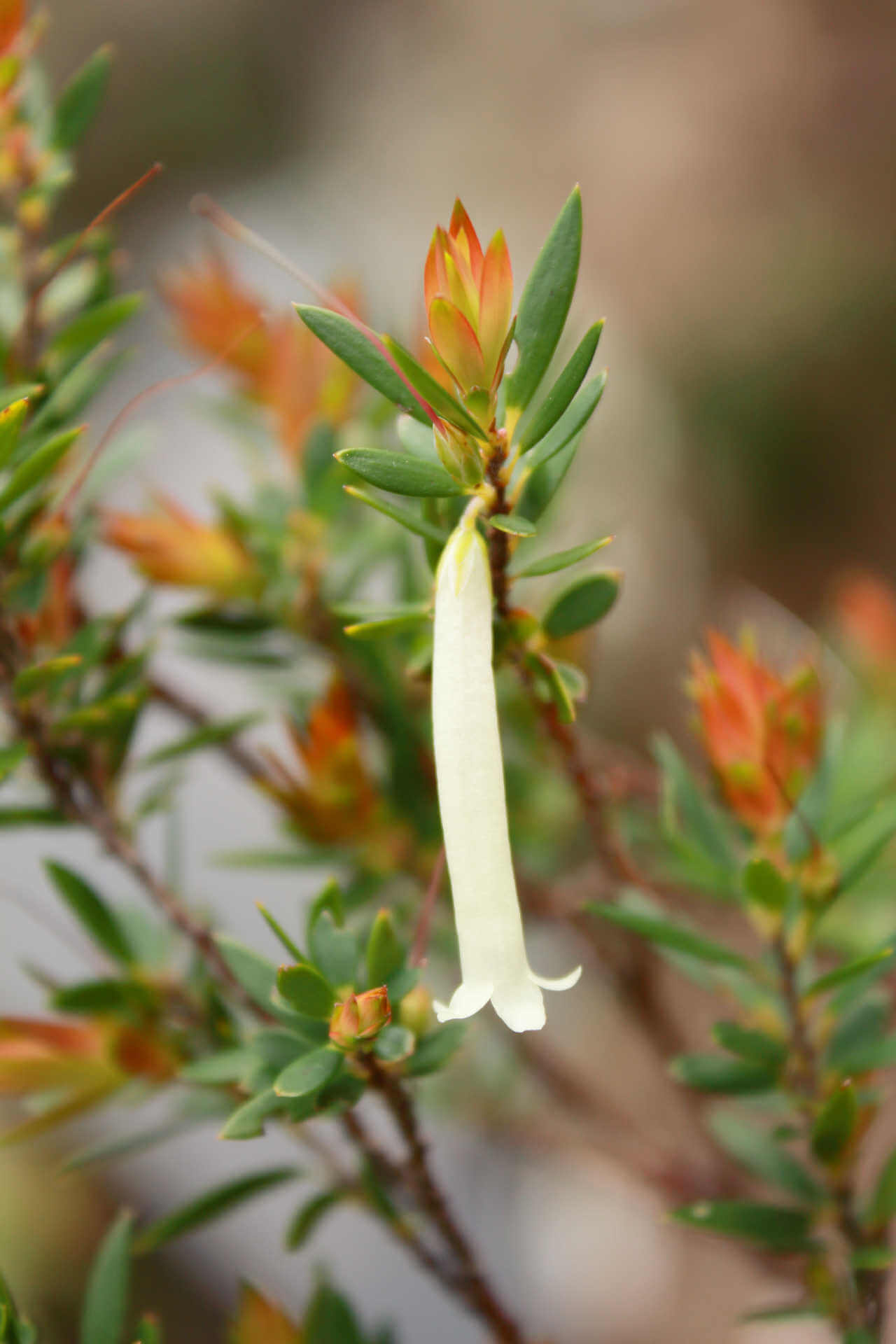
2. Epacris sparsa

Epacris sparsa has been listed as an endangered species.

Epacris sparsa is restricted to the lower Grose River in the Blue Mountains, west of Sydney.

More information on the species can be found in the Committee’s reasons for final determination: Epacris sparsa.

Epacris sparsa. Credit: Gavin Phillips/DCCEEW

3. Tasmannia purpurascens

Tasmannia purpurascens has been listed as an endangered species.

Tasmannia purpurascens occurs in the Barrington Tops and Gloucester Tops areas of the NSW Northern Tablelands, as well as Ben Halls Gap Nature Reserve.

More information on the species can be found in the Committee’s reasons for final determination and conservation assessment report using the common assessment method: Tasmannia purpurascens.

Tasmannia purpurascens. Credit: Gavin Phillips/DCCEEW

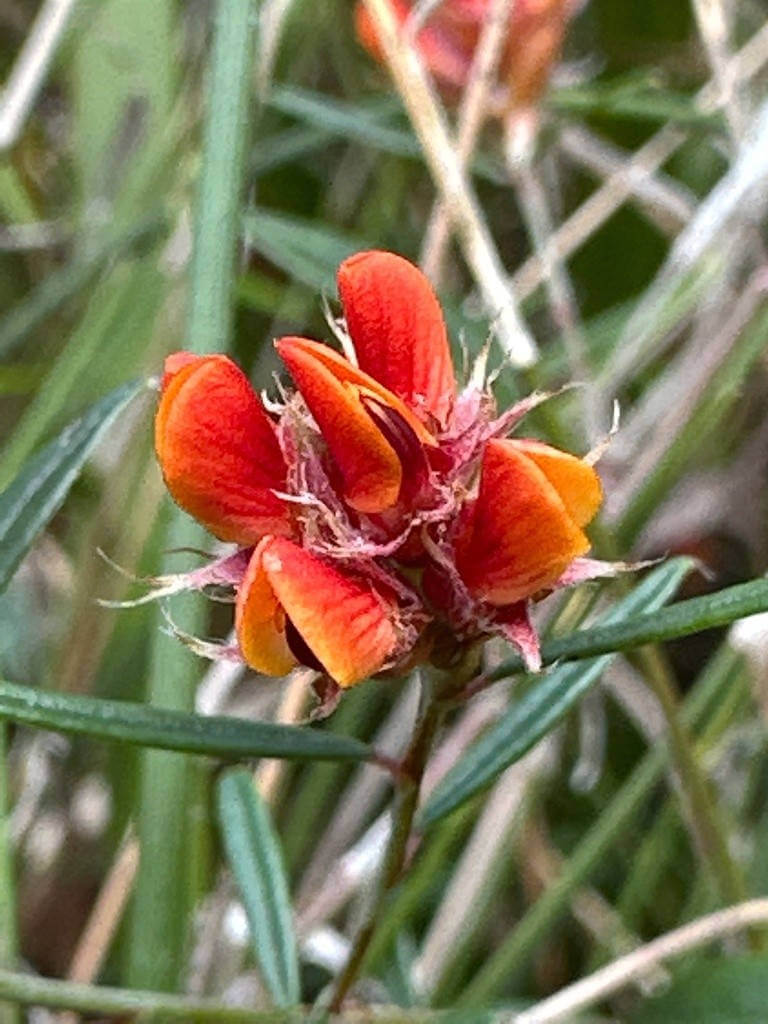
4. Pultenaea rubescens

Pultenaea rubescens has been listed as an endangered species.

Pultenaea rubescens is endemic to New South Wales; occurring in the Carrai Plateau, Walcha Plateau, and Comboyne Plateau subregions.

More information on the species can be found in the Committee’s reasons for final determination and conservation assessment report using the common assessment method: Pultenaea rubescens.

Pultenaea rubescens. Credit: Paul Rossington/DCCEEW

5. Nematolepis rhytidophylla

Nematolepis rhytidophylla has been listed as a critically endangered species.

Nematolepis rhytidophylla is endemic to the Nalbaugh Plateau in South East Forest National Park in the southeast of New South Wales.

More information on the species can be found in the Committee’s reasons for final determination: Nematolepis rhytidophylla.

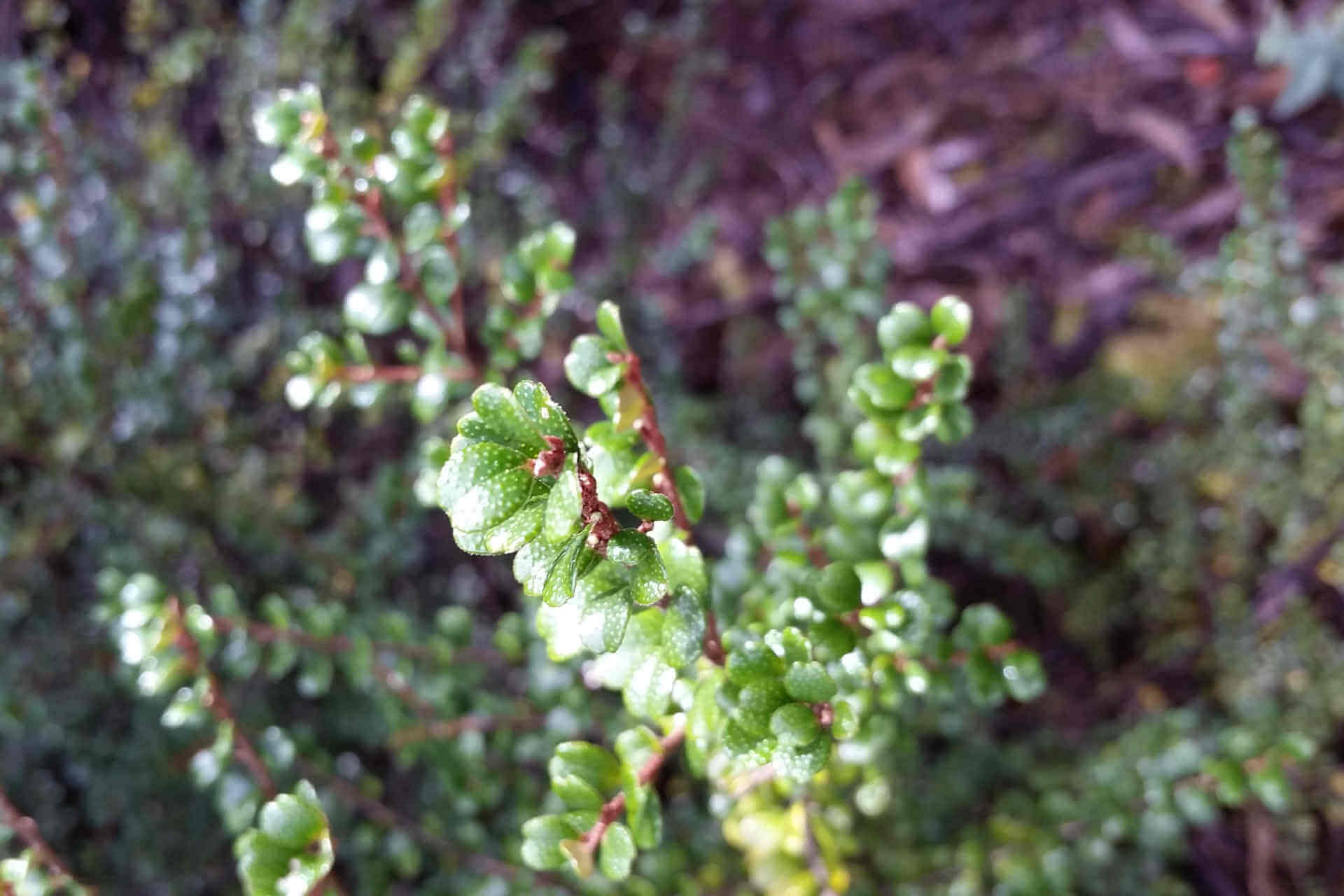
Nematolepis rhytidophylla. Credit: Dean Ansell/DCCEEW

6. Diuris callitrophila

A minor amendment was made due to a change in the name of a species.

Reference to Diuris sp. (Oaklands, D.L. Jones 5380) was replaced with Diuris callitrophila D.L.Jones.

More information can be found in the Committee’s final determination for a minor amendment: Diuris callitrophila.

Diuris callitrophila. Credit: Brian Towle/DCCEEW

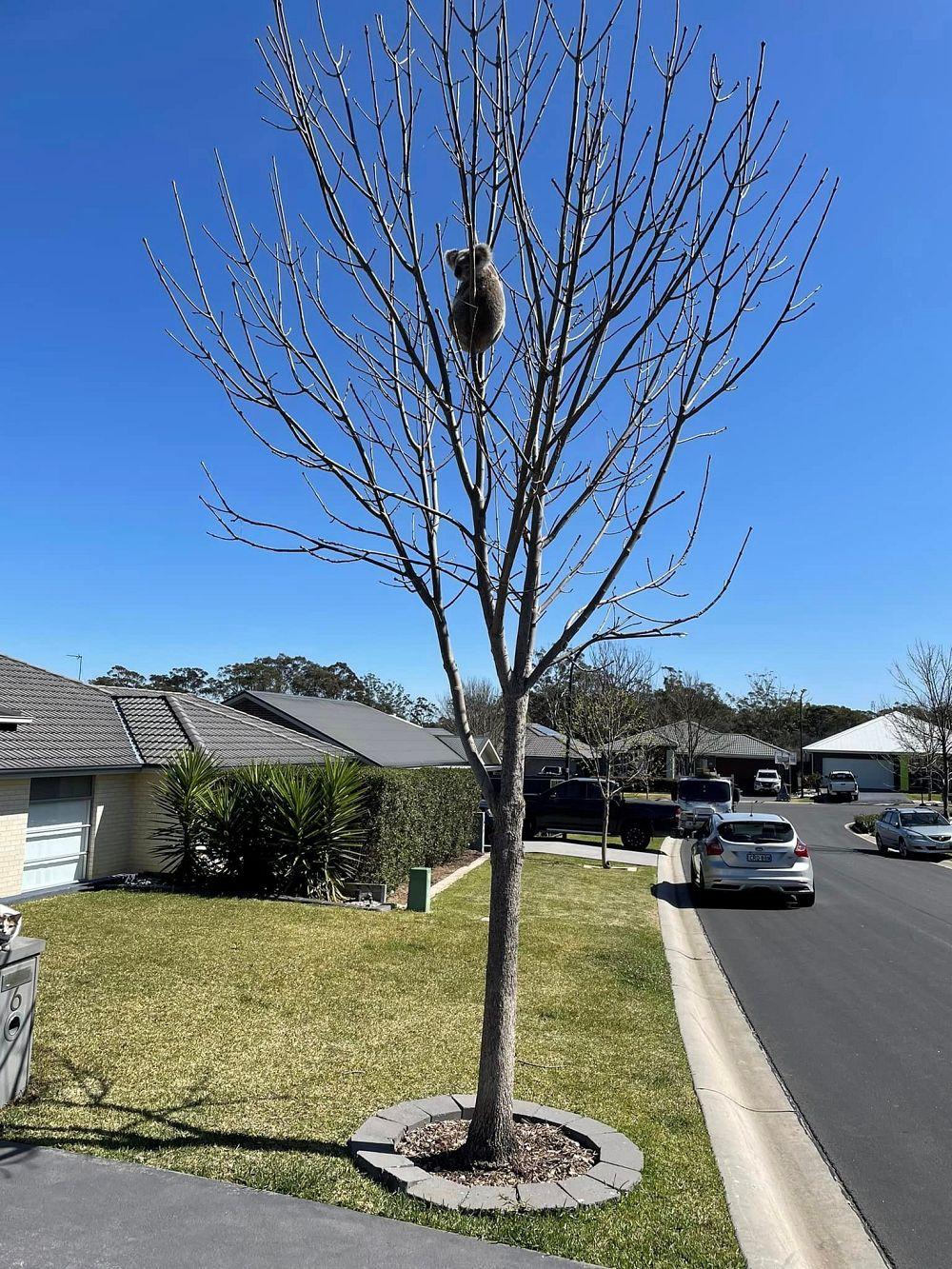
Koala habitat tree field guide and workshops empowering Northern Rivers communities

The Field Guide to Koala Habitat Trees – Far North Coast NSW is helping communities across the Northern Rivers better understand and protect koala habitat.

Produced over an 18-month period, the guide was developed as a practical tool for conservation practitioners, bush regenerators, landholders and anyone involved in koala habitat restoration across the Tweed, Byron, Ballina, Lismore, Kyogle and Richmond Valley areas.

Designed as a quick-reference tool, the guide allows users to identify tree species by their most obvious field characteristics, making it easier to spot and protect koala habitat on the ground. Funded by the NSW Koala Strategy and WWF-Australia, Byron Shire Council led the early development, with ecological consultants Earthscapes subcontracted to write and compile the guide. The project was a true collaborative effort, with all partners regularly meeting to share ideas, solve challenges and refine the content.

To help communities make the most of the guide, the NSW Koala Strategy has engaged Earthscapes to deliver 12 hands-on workshops across the region. So far, 9 workshops have recently been completed, reaching bush regenerators, landholders, Friends of the Koala volunteers, leaf collectors, and other community members. Two sessions were specifically tailored for First Nations rangers and community members, with another targeted workshop planned for early 2026.

Key workshop learnings

Through these workshops, a few clear lessons have emerged:

  • participants gain valuable insights from the guide, no matter their prior knowledge
  • workshops are most effective when they consider participants’ experience, interests and learning preferences
  • confidence grows through hands-on experience, particularly when learning to identify features like the 6 bark types
  • accurate tree identification sometimes requires further research, seasonal observations, or additional specimens due to natural variation or limited material
  • seeing people use the guide in the field helped developers understand what worked and what didn’t, and feedback from the workshops has been incorporated to make the guide more user-friendly.

These workshops are not just about teaching people how to use a guide, they are about building local capability, improving habitat identification skills and empowering communities to actively support local koala populations and their habitat.

To find out more, visit Field Guide to Koala Habitat Trees – Far North Coast NSW

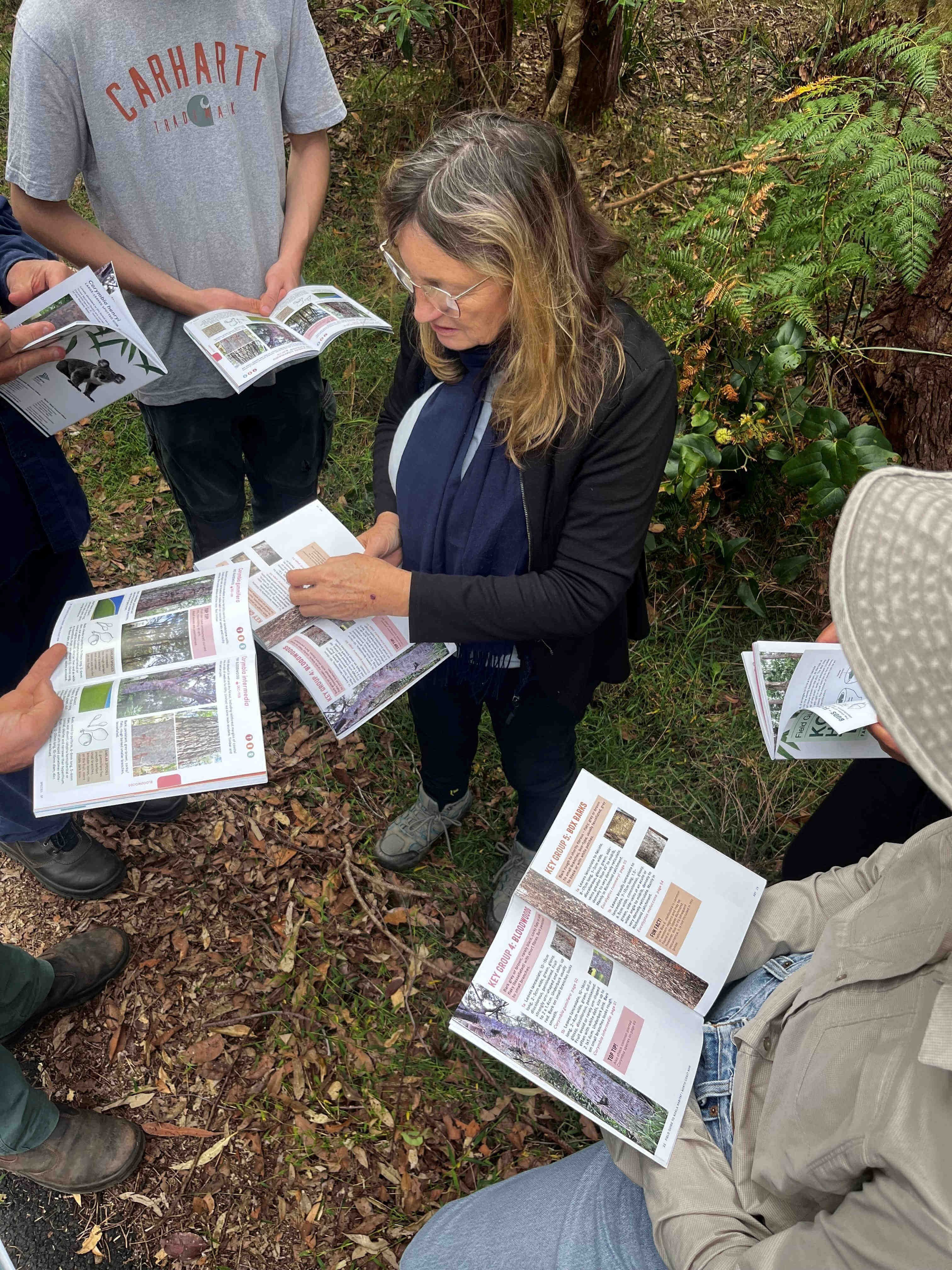
Trainer Jo Green delivering instruction on use of the Field Guide. Credit: Brendan Taylor DCCEEW

Motorway bridge offers koalas Royal habitat connection

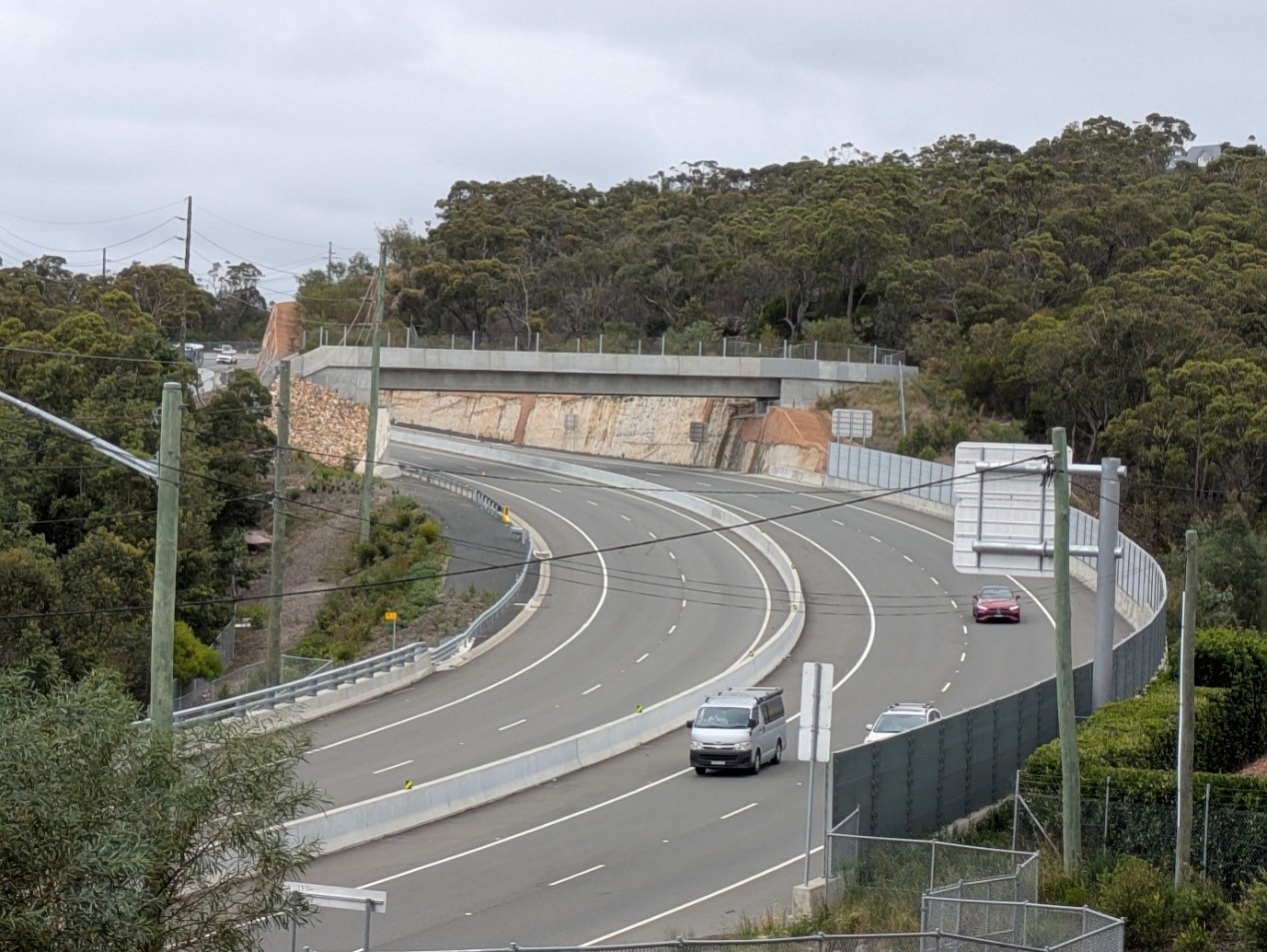
Koalas and other wildlife will be able to move more easily between two of southern Sydney’s major national parks thanks to the repurposing of a road bridge over the busy Princes Motorway.

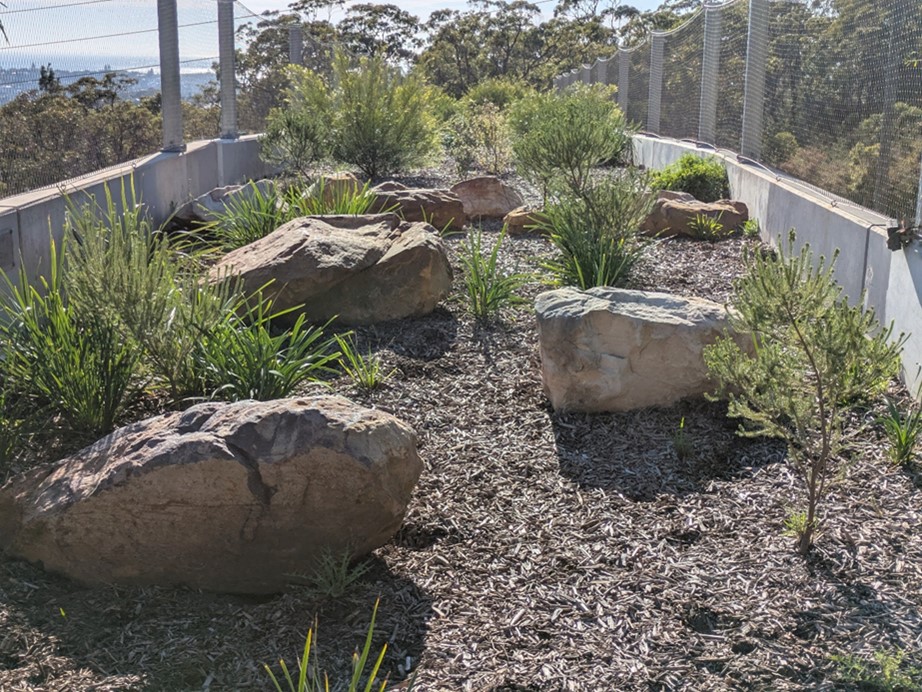
The project will see part of Cawleys Bridge, south of Waterfall, transformed into a wildlife crossing that links Heathcote National Park in the west to Garawarra State Conservation Area and the Royal National Park in the east.

The hope is that the bridge will allow koala and wombat populations in Heathcote National Park expand east into Garawarra State Conservation Area and Royal National Park.

There has been a long history of community advocacy for this bridge conversion, first having been put forward by Bob Crombie, a now retired former National Parks and Wildlife Service (NPWS) ranger in Royal National Park.

The bridge is 70 metres long and 7.5 metres wide, with four metres width required for vehicle crossing which will still be available for emergency and management access.

The remaining 3.5 metres will be modified for the passage of the koalas and other species including wombats, gliders and snakes.

Monitoring with infrared drones, cameras and song meters is also underway to better understand how wildlife use the overpass ahead of the conversion.

The project is funded by the NSW Department of Climate Change, Energy, the Environment and Water (DCCEEW) and the work is being undertaken by Transport for NSW (TfNSW) with completion expected in March, subject to weather.

Department of Climate Change, Energy, the Environment and Water officer Kylie Madden said this past week:

“This is one of the most exciting and rewarding projects I’ve worked on – a true collaboration.

“Creating a network of interconnected koala habitat is essential to the future of the southern Sydney koala population, and reconnecting Heathcote National Park to Garrawarra and Royal National Park across the Motorway is a great start.

“Monitoring wildlife movement is important as it will help us understand how koalas and other wildlife are moving across the bridge.”

Matthew Burns, Director Regional Delivery & Statewide Services – Transport for NSW, said:

“This section of the Princes Motorway sees well over 40,000 vehicles per day, so this infrastructure will contribute to fauna and driver safety.

“Transport for NSW has observed more than 25,000 animals across 67 native species use our crossings throughout NSW, which shows these structures are having a major positive effect.

“We've delivered more than 300 fauna safety structures across the state but this is the first retro-fitted crossing we’ve installed and it maximises value by re-purposing part of the existing bridge.”

 Bob Crombie, retired ecologist (former NPWS Ranger at Royal National Park 1970-80s, and former TAFE Head Teacher) said:

“Repurposing this bridge to become more wildlife friendly is brilliant, and absolutely necessary for the wellbeing of our national parks. The wildlife is the park, the park is not just land with trees on it, no, it’s a living thing.

“I think people driving that way south will see this thing and start asking for more.

“I feel very, very happy – this was a real achievement, and Australia is listening and the world is finally starting to do something more for wildlife.”

Environment Groups call on Environment Minister to revoke Alcoa’s 'national interest' exemption in Northern Jarrah Forest

On February 18 2026, Alcoa was fined a record $55 million by the Australian Federal Government for unlawfully clearing Northern Jarrah Forest habitat for bauxite mining between 2019 and 2025. While allowing continued operations via an exemption, the government has required extensive rehabilitation, with critics questioning restoration success, biodiversity impacts, and water supply risks.

“It took place in a known habitat for nationally protected species,” Minister Watts’ release stated.

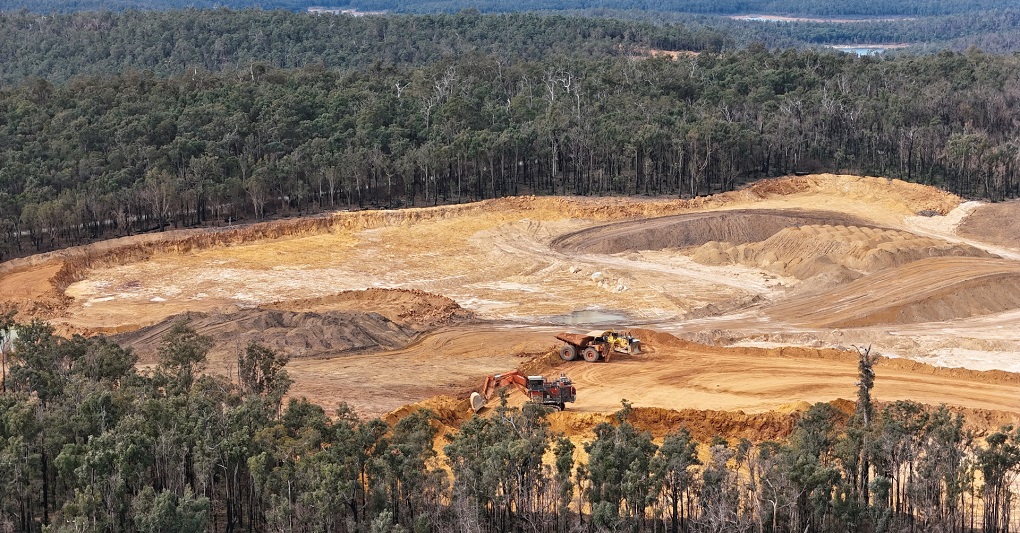
section of the Alcoa bauxite strip mining operations in Western Australia’s globally unique northern jarrah forests - free to keep destroying the Australian environment. Photo: Conservation Council of Western Australia

The End Forest Mining (EFM) alliance has called the agreement reached with the Australian Government and US mining giant Alcoa to pay $55 million to “remediate historical land clearing” without approval as “a slap on the wrist”. 

EFM spokespeople, including the Conservation Council of WA (CCWA), the WA Forest Alliance (WAFA) and The Wilderness Society (TWS), said it was alarming the Federal Government had given Alcoa an 18-month exemption to keep mining in Perth’s Northern Jarrah Forest until a full assessment is completed. 

CCWA Executive Director Matt Roberts said It was alarming that Alcoa had been given an 18-month exemption to keep strip-mining.

“Time and again we’ve seen Alcoa cannot be trusted when it comes to its 60-year history of mining in the Northern Jarrah Forest, destroying critical habitat for endangered species like the iconic black cockatoo, and putting Perth’s drinking water supply at imminent risk of contamination,” Mr Roberts said.

“The Minister said that among his priorities for granting an exemption under the ‘national interest’ was to support future gallium production, minerals for defence purposes and strengthening partnerships with trading partners, the US and Japan.

“Last on the list of priorities was protecting the jobs of people who work at Alcoa while the strategic assessment is completed.

“The federal government should be working with the state government on an exit policy for this company and other bauxite miners from our South West forests, with a plan to transition workers into other industries.”

WAFA Director Jess Boyce, said that while the Federal Government appeared to be taking Alcoa's destruction of the Northern Jarrah Forests seriously with this $55 million fine today, there was “devil in the detail”.

“WAFA, and our partners in the EFM alliance, are deeply concerned about how the assessment has been framed as guiding Alcoa in mining sustainably, which is simply not possible,” Ms Boyce said. 

“Research shows that the unique Northern Jarrah Forests cannot be replaced once mined for bauxite, and Alcoa's rehabilitation has failed at every level.

“Alcoa has been operating under an exemption from the WA Government since late 2023 and is currently being investigated for a claimed breach of that order for mining within 10 metres of a significant roosting tree. 

“Now the Federal Government has uncovered unauthorised clearing for at least six years, and yet Alcoa has been given another exemption. 

“Enough is enough, both exemption orders must be revoked, and Alcoa’s mining operations halted until governments can thoroughly assess the serious and long-term impact of its mining.”

TWS WA Campaigns Manager Alyx Douglas said “we have a jarrah forest that doesn’t exist anywhere else in the world, and once it’s strip-mined, it cannot be bought back to its original condition, no matter how much money you throw at it – once it’s gone, it’s gone forever”.

“As recently as last year, Alcoa stated that it had rehabilitated 75% of the area it has mined over the past 60 years. That claim was called-out by Ads Standards Australia as false,” Ms Douglas said.

“In reality, Alcoa has not rehabilitated even one hectare of land successfully according to state government requirements, or community standards. Yet time and time again, Alcoa is handed these ‘get out of jail free cards’ by the state—and now federal—government, no matter how much irrecoverable damage is being done.”

The EDO stated on February 20:

''Federal Environment Minister Murray Watt’s decision to allow Alcoa to continue destroying Western Australia’s jarrah forest for another 18 months is a concerning extraordinary use of the “national interest” exemption under our federal environmental laws.''

Minister Watt announced on Wednesday February 18 he had “granted a national‑interest exemption to Alcoa allowing for limited land clearing to continue its mining operations for a period of 18 months.” [1] 

The exemption follows a record $55 million penalty for Alcoa’s breaches of federal environmental laws between 2019-2025. 

This penalty takes the form of an enforceable undertaking, which is a legal agreement between the government and a proponent to address breaches of the law.  

The national interest exemption power has only been used eight times over the last five years, exclusively for emergency works in the interests of safety or to rescue a species from potential extinction. [2]  

The power was only used once in 2025, for emergency works during the 2025-26 Queensland summer storm season. 

Minister Watt’s formal reasons for granting the national interest exemption were published late on Thursday (February 19). [3] 

''The reasons rely on the potential for by-products of Alcoa’s bauxite mining to produce gallium, identified as a critical mineral, and Alcoa’s partnerships with the governments of the United States and Japan. These are very broad definitions of the ‘national interest’. Such a broad approach to interpretation of the ‘national interest’ could see the power used in respect of almost any activity.'' EDO stated

Along with the exemption, Minister Watt announced a process of strategic assessment of Alcoa’s ongoing operations.  

“Giving out this exemption to a company that has been breaching federal environmental laws for years is not what the power was designed for,” EDO Special Counsel Ruby Hamilton said. 

“This announcement looks like a great outcome for Alcoa and a terrible outcome for nature, accountability and public confidence in our environmental laws. 

“Alcoa will lose the equivalent of two days of its annual revenue to pay this fine but has gained months of exemptions and a special pathway for approval to operate for decades to come. 

“Given the scale of legal breaches, a penalty of only $55 million and support to continue activities outside of federal environmental laws is clearly a good deal for Alcoa. 

“We are concerned that the minister has characterised the proposed strategic assessment as a way to “regularise environmental approvals” for Alcoa out to 2045. 

“The federal government needs to deliver an accountable process under environment laws that properly assesses whether the impacts of mining the Northern Jarrah Forest should be approved at all. 

“Australia’s national interest is in protecting our iconic species, not overriding protections because they are inconvenient for a multinational company that has been breaching environment laws for many years.” 

On February 25, 2026 Australian Greens, Senator Sarah Hanson-Young said:

“Minister Watt’s decision to give Alcoa a free pass to continue strip-mining the precious Northern Jarrah Forest is all the more staggering in light of evidence that the company has been unlawfully clearing for up to 15 years with no consequences.

“You cannot talk up being tough on crime, and in the same breath reward those that break the laws with a free pass to continue clearing in a biodiversity hotspot.

“Let’s be clear - the deal that has been struck is not a punishment for Alcoa, it is just the cost of doing business.

“Alcoa has been illegally clearing native forest without approval for many years. More allegations this week make it clear that this US-owned company systemically breaches its agreements and has no regard for our laws or the nature they protect.

“Giving them a free pass to continue doing so only reinforces that bad behaviour, while putting threatened species, critical drinking water and the climate at risk. This is not in the national interest.

“There should be a one-strike-and-you’re-out rule. These big Trump-backed US companies cannot be trusted with Australia’s native forests and our Environment Minister should not be handing out free passes for them to do so.

“When concerns were raised about the national interest test, the Minister said it would only be used in very rare circumstances. Yet at the first opportunity, he’s handing an exemption to a US company that has ignored environmental laws for years to keep Trump happy. This is a worrying precedent, and there’s no doubt other mining companies are lining up for the same treatment.

“The Greens will be examining this issue at the Senate inquiry on Friday into national environment standards.”

Jess Beckerling, WA Greens MLC said:

“It is not in the national interest to threaten Perth’s water supply or to destroy nationally listed species habitat. This exemption is absurd and has been met with visceral anger here in WA.

“Minister Watt’s statement of reasons reveals that the federal department has been informing Alcoa it requires federal approval since 2011. Why did they not intervene in any meaningful way, allowing clearing illegally for 15 years in WA’s beloved northern jarrah forests?

“Alcoa appears to have zero regard for state or federal laws. I have now submitted three suspected breaches of its WA exemption order and as soon as they are confirmed, the law there is black and white, it must be cancelled and clearing must stop."

References 

[1] Alcoa path to compliance and environmental accountability, media release, Federal Environment Minister Murray Watt, 18 February 2026.  

[2] For example, see the s158 exemptions in relation to: emergency works in respect of Victoria’s 2024-2025 bushfire season: MS24-002073-Statement of Reasons (12 January 2026); safety operations at the Northern Endeavour Facility: Statement of reasons for granting an exemption under section 158 of the EPBC Act (12 December 2022); the red handfish (21 December 2023): Statement of Reasons. 

[3] Statement of reasons for granting an exemption under section J 58 of the Environment protection and Biodiversity Conservation Act 1999 (Cth) (dated 18 February 2026, published 19 February 2026). 

Condemnation of Minister’s greenlight for large-scale deforestation in NT

On February 25 2026, news broke that a controversial plan from the owners of Claravale Farm and Station will not be required to undergo assessment under federal environment laws.

The Claravale Farm and Claravale Station Development Project Stage 2 proposal involves the clearing of native vegetation and development of 3,271.3 hectares (Albers) within NT Portion 1169 (Claravale Station) associated with Northern Territory of Australia Clearing Permit Number PLC25/14A, and a further proposed 1,313.76 hectares (Albers) within NT Portion 1188 (Claravale Farm) relating to development permit DP2024/0006.  Claravale Station and Claravale Farm are adjacent properties, located in the Daly River catchment of the Northern Territory.

The Stage 2 proposed areas include clearing and development of land for agricultural cropping and unsealed farm vehicle access tracks, representing 4,585.06 hectares in total.

There are existing Northern Territory development permit areas at both Claravale Farm and Claravale Station that represent Stage 1 of the Development Project.  These include permit number PLC21/02 at Claravale Station (926.85 ha) and EU21/0001 at Claravale Farm (279.12 ha), consisting of 1,205.97 hectares in total.

The Environment Centre NT said:

''After years of fighting to protect the precious tropical savanna at Claravale Farm and Station on the banks of the iconic Daly River, Murray Watt has just waved through the bulldozers.''

The Daly River region is a biodiversity hotspot. It’s home to extraordinary species like the ghost bat, freshwater sawfish, pig-nosed turtle and the partridge pigeon – creatures that have thrived here for millennia under the careful stewardship of Traditional Owners. But farming expansion is tearing through these habitats at alarming rates.

As Dr Kirsty Howey, Executive Director of ECNT explains:

“The Daly River is treasured by Territorians, but it’s under huge risk from accelerated industrial farming expansion."

In 2021, Traditional Owners first alerted ECNT to bulldozing at Claravale Farm – where native vegetation was cleared almost to the river’s edge without a permit. Shocking images aired on ABC’s 7.30 and Four Corners programs showed the brutal extent of the damage.

Despite soaring land clearing approvals across the Territory, not once has a pastoral land clearing application in the NT been referred for federal environmental assessment under Australia’s nature laws. 

Greens Senator Hanson-Young said:

“The Minister said he would be tough on deforestation, yet he has quietly allowed the bulldozing of habitat almost ten times the size of Sydney’s CBD to go unassessed. This is yet another case of the Minister not walking his own talk.

“Despite this company having previously been in the spotlight for allegations of unlawful clearing, they escaped prosecution and now have a free pass to finish the job without any federal oversight.

“We cannot keep letting big mining and agriculture companies break the law and get away with it. It makes a mockery of our laws and the nature they are intended to protect.

“Bulldozing thousands of hectares of habitat for the expansion of big cotton is deeply concerning, not only for the futures of the 18 threatened species that call this tropical savanna home, but for the precious water resources that must be protected from over-extraction.

“In the Northern Territory anything goes when it comes to approving destruction and handing out mega water licenses for free - federal assessment must be a safeguard against this. I urge the Minister to take another look at the impacts and reassess this decision.

NSW Government's Heat Pump Feasibility Grant for businesses: closes March 31

Learn how heat pumps could lower your energy costs and emissions here.

Key information

  • Status: open now
  • Grant amount: up to $30,000 to cover up to 75% of the project costs
  • Application closing date: Tuesday, 31 March 2026 at 5 pm (AEDT) or earlier, if funding is exhausted
  • Total funding amount: $1 million

Heat pumps are an effective solution to cut costs and decarbonise heating systems. Switching to heat pumps can benefit your businesses in many ways, including:

  • lowering energy costs
  • reducing exposure to volatile global energy prices
  • reducing carbon emissions.

Discover energy savings that were identified during the NSW Government's Heat Pump Feasibility pilot program. 

The Heat Pump Feasibility Grant is a great opportunity for eligible NSW businesses to assess whether a heat pump is a feasible option for your site. You can apply for up to $30,000 to cover 75% of the project costs.

What’s included in the grant funding

The grant provides funding to help you work with a specialist consultant who will first assess your site for any major barriers to installing a heat pump. If these barriers can be overcome, you will receive funding for a detailed feasibility study. This will help you make an informed decision about whether a heat pump is the right fit for your site.  

The grant includes 3 milestones:

  • Milestone 1: Up to $5,000 to cover up to 75% of the cost to identify if a heat pump is suitable for your business site. This is an opportunity to identify potential barriers to heat pump implementation and assess possible solutions. The results of milestone 1 will determine your progression to milestone 2.
  • Milestone 2: Develop the heat pump design against the site’s current process requirements. There is no payment of Grant funding at milestone 2.
  • Milestone 3: Up to $25,000 (covering up to 75% of costs) to develop a detailed heat pump feasibility study (for milestone 2 and 3).  

For full details about what is included and what is not, please read the funding guidelines (PDF, 637KB). 

Who can apply  

To be eligible for this Grant, you must meet all the following criteria:    

  • You have an Australian Business Number (ABN) and are registered for goods and services tax (GST).    
  • You are delivering your heat pump project at a NSW business site address.  
  • You use between 5,000 and 100,000 gigajoules (GJ) of gas (liquified natural gas, liquified petroleum gas, natural gas) per year at your business site, excluding fuel for transport. You must be able to provide evidence of your annual gas use, such as energy bills. You must submit the most recent available evidence, no more than 2 years old at the time you apply.      
  • You have identified a specialist consultant(s) to complete the Grant milestones.  

You are not eligible for this Grant if you:  

  • are a Commonwealth, state or local government entity  
  • have already been approved for this Grant funding  
  • have received or are going to receive funding from the NSW Government for the same activities.  

Have your say on the Murray-Darling Basin Plan Review

The Murray-Darling Basin Authority (MDBA) has released a Discussion Paper to support public consultation on the Basin Plan Review.

As part of the 2026 Basin Plan Review, the Murray-Darling Basin Authority (MDBA) are inviting you to share your views by making a submission. Your feedback will help shape water management for future generations.

The 12-week public consultation is open until 1 May 2026. The MDBA want to hear your thoughts on: 

  • The issues and options presented in the Discussion Paper
  • Any other issues and options we should consider
  • What you see as the priorities, and why.

“The release of the Discussion Paper kicks off the Basin Plan Review” MDBA Chief Executive Andrew McConville said.

“Through the Discussion Paper the Authority has explored progress that has been made to date and considered some of the issues and challenges for the Basin as we look forward over the next decade.”

“The Basin Plan has delivered real benefits, and we are starting to see improvements in some of the Basin’s most important rivers and wetlands.

“But the evidence is also clear that climate change, ageing infrastructure, disconnected floodplains, declining native fish and poor water quality mean we need to do some things differently.

Looking ahead we need a Plan that supports greater adaptation to a changing climate.''

Mr McConville explained that the release of the Discussion Paper is the start of the consultation process on the Basin Plan Review.

“We’ve been transparent about the evidence we’ve gathered from governments, basin communities and industries, First Nations and scientists, to get to this point. We’ve used this evidence to propose ideas and actions for the future – now we want to know what the community thinks of that.

“At this point it is a discussion, not a set of decisions. Nothing in the Review is yet settled, and we want to have a genuine conversation with communities, informed by their lived experience.”

Consultation on the Discussion Paper will run for 12 weeks from 5 February 2026 until 1 May 2026, during which the Authority will be encouraging individuals, communities, peak bodies and anyone with an interest in achieving better outcomes for the Basin, to make a submission.

“Our consultation over the coming few months will be extensive. We will be out in the Basin listening to people to understand what is working, what isn’t and what might need to change. We will be explaining what is in the Discussion Paper and outlining how people might get involved by making a submission,” said Mr McConville.

At the conclusion of the public consultation period, the submissions received will help inform the Authority as it develops the Review which is to be finalised and delivered to the Commonwealth Government before the end of the year.

Minister for the Environment and Water, Senator Murray Watt said that a healthy Murray-Darling Basin means resilient ecosystems, stronger industries, thriving communities and opportunities for future generations.

“Our challenge in the Basin is to balance competing pressures: reducing stress on major ecological systems, supporting Basin economies and communities, and adapting to a drying climate with increased scarcity and competition for water,” Minister Watt said.

“For well over a decade, the Basin Plan has been the blueprint for restoring the health of the Murray−Darling Basin while supporting communities and industry.

“As we near its final stages we want to be clear on what has worked and take honest and frank feedback on what can be improved.

“The Review will inform the future of the Basin Plan, to secure long-term sustainability for the environment and for Basin communities.

I encourage everyone in the Basin to get involved in the Review to have your say on how the Basin should be managed.

More information

Climate change is drying out the ‘forgotten rivers’ that keep the Murray-Darling alive. We need a new plan

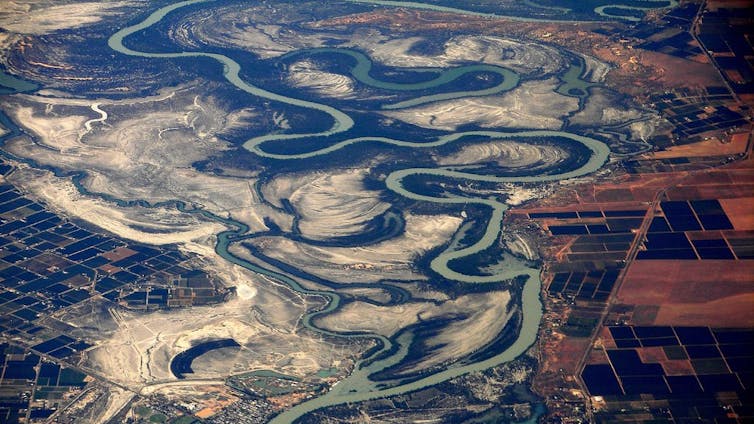
Michael Storer/flickr
Avril HorneThe University of MelbourneNick BondLa Trobe University, and Robert MordenThe University of Melbourne

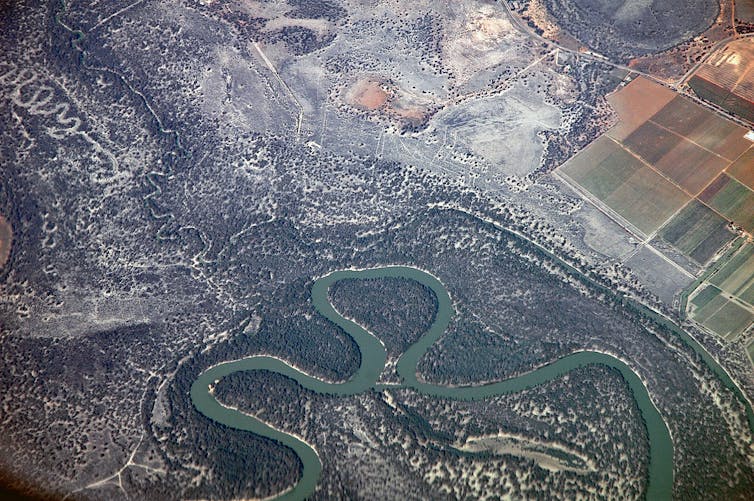
If you stand beside Seven Creeks in Victoria or Spring Creek in Queensland, they might seem small and unremarkable. But these creeks flow into the mighty Goulburn and Condamine Rivers, and punch far above their weight.

Small headwater creeks, at the beginning of a river network, act as the first source of water for bigger rivers. Headwaters deliver the first cool winter flows and the large seasonal pulses of water that trigger fish migration, setting the river’s rhythm. But they’re also the first to suffer from drought, heatwaves and water captured by thousands of small farm dams.

As the rivers of Australia’s largest system, the Murray-Darling Basin, experience a hotter and more variable climate, their headwaters are at the forefront of change.

This year, the Murray-Darling Basin Authority is reviewing the basin plan. The plan sets sustainable, legally enforceable limits on water usage, and rightly identifies climate change as a central challenge. Yet its new discussion paper pays surprisingly little attention to the vast network of smaller tributaries that feed the basin’s larger rivers.

We need attention on these “forgotten” rivers and streams, which are increasingly central to the survival of the Murray-Darling Basin as a whole.

The Basin’s blind spot under climate change

The discussion paper focuses on the big-name river systems in the basin, such as the Darling (Baaka) River in the north and heavily regulated rivers in the south such as the Murray, where big dams, barrages and diversions shape almost every drop of water.

This omission reflects how the original plan was conceived, and then in released 2012. Environmental priorities were defined around “priority assets”, such as major river reaches, internationally protected wetlands and refuges for wildlife where environmental flows were expected to deliver measurable ecological benefits.

This made sense when pressure from agricultural water extraction was the major threat. But this leaves out a huge part of the basin’s story.

Threading through the Basin are thousands of kilometres of small, so-called “unregulated” rivers and headwater streams. Historically, they were assumed to be relatively healthy because big dams were absent. But climate change is overturning that assumption. With declining rainfall and hotter temperatures, even small reductions in runoff can dramatically affect their flow.

Worse still, thousands of small farm dams scattered across the landscape are reducing how much water flows through these waterways. More of these streams are now ceasing to flow for the first time, or remaining dry for longer. Climate change is amplifying every existing stress on smaller rivers.

If we are serious about preparing the basin for climate change, we can no longer overlook the springs and creeks which feed the system. These rivers are not peripheral – they’re central to its resilience.

How the warming climate is changing streams

Headwater streams may be small, but they form the ecological backbone of the basin’s rivers. These upper tributaries are biodiversity hotspots, supporting insects, frogs, fish and riverbank species dependent on regular flushes of water and cool, shaded habitats.

When these streams dry out, warm up or fragment into pools, these delicate ecological processes are disrupted. The effects stretch far downstream. Climate change is pushing these streams into more extreme boom–bust cycles, with longer, hotter dry periods punctuated by short bursts of intense rainfall. In small catchments, these shifts affect the entire flow regime: low flows become lower, and flooding becomes less reliable or arrives at the wrong time of year.

Headwater streams are known to be highly sensitive to changes in flow. Under a drier climate these disruptions will intensify.

Can these changes be managed?

We can adapt to some degree. Rules limiting pumping from rivers during low flow periods, and better oversight of farm dams, can help keep water moving during crucial dry periods.
But when rivers are high, it’s a different picture. When river are full or even break their banks, it’s great for aquatic life. Fish move and breed, habitat is refreshed, nutrients moved downstream and wetlands rejoin the system.

Unregulated rivers lack the infrastructure, such as dams or barrages, to create or shape the big replenishing flows that ecosystems rely on, and climate change means these may simply happen less often.

If smaller rivers stop sending these floods downstream, larger rivers lose an essential part of their ecological rhythm.

Why this matters for the whole basin

What happens in the smaller creeks and rivers has a big impact. These small streams set the baseline conditions for the entire Murray–Darling system – from water quality and temperature to the timing of flows. When they falter, the effects are felt downstream.

The 2026 Basin Plan Review offers us a chance to revisit its original assumptions. Focusing on major rivers once addressed the dominant sources of environmental decline, but under climate change, risk is no longer confined to those places.

If the basin loses its headwaters, no amount of downstream engineering can compensate. Bringing these “forgotten rivers” into climate planning isn’t optional — it underpins our environmental, cultural and economic future.The Conversation

Avril Horne, Research Fellow, Department of Infrastructure Engineering, The University of MelbourneNick Bond, Professor of Freshwater Ecology and Director of the Centre for Freshwater Ecosystems, La Trobe University, and Robert Morden, Researcher in Hydrology and Ecology, The University of Melbourne

This article is republished from The Conversation under a Creative Commons license. Read the original article.

Birdwood Park Bushcare Group Narrabeen

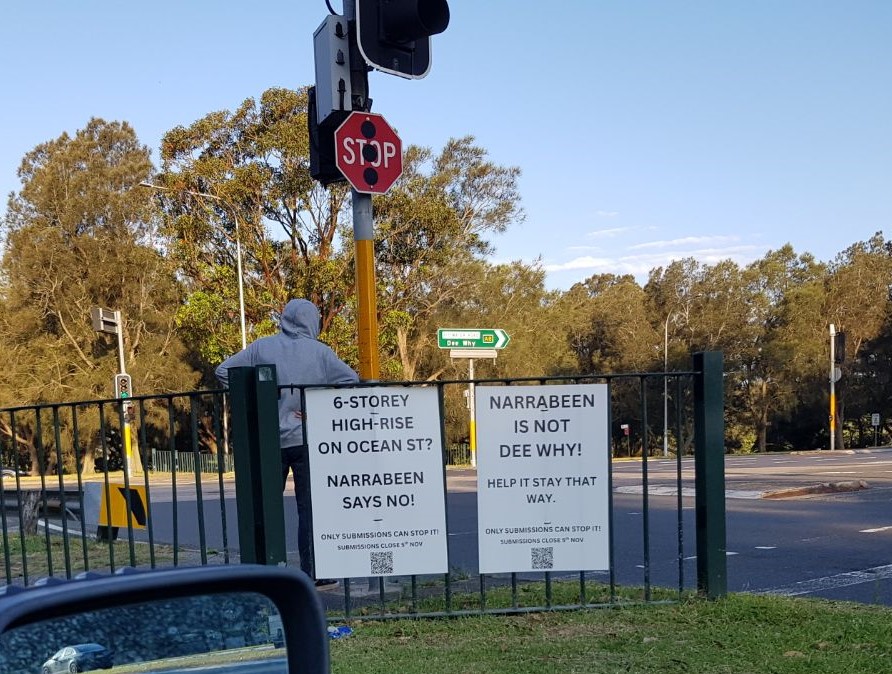
The council has received an application from residents to volunteer to look after bushland at 199/201 Ocean street North Narrabeen.

The group will meet once a month for 2-3 hours at a time to be decided by the group. Activities will consist of weeding out invasive species and encouraging the regeneration of native plants. Support and supervision will be provided by the council.

If you have questions or are interested in joining the group please email the council on bushcare@northernbeaches.nsw.gov.au

Sydney Wildlife (Sydney Metropolitan Wildlife Services) Needs People for the Rescue Line

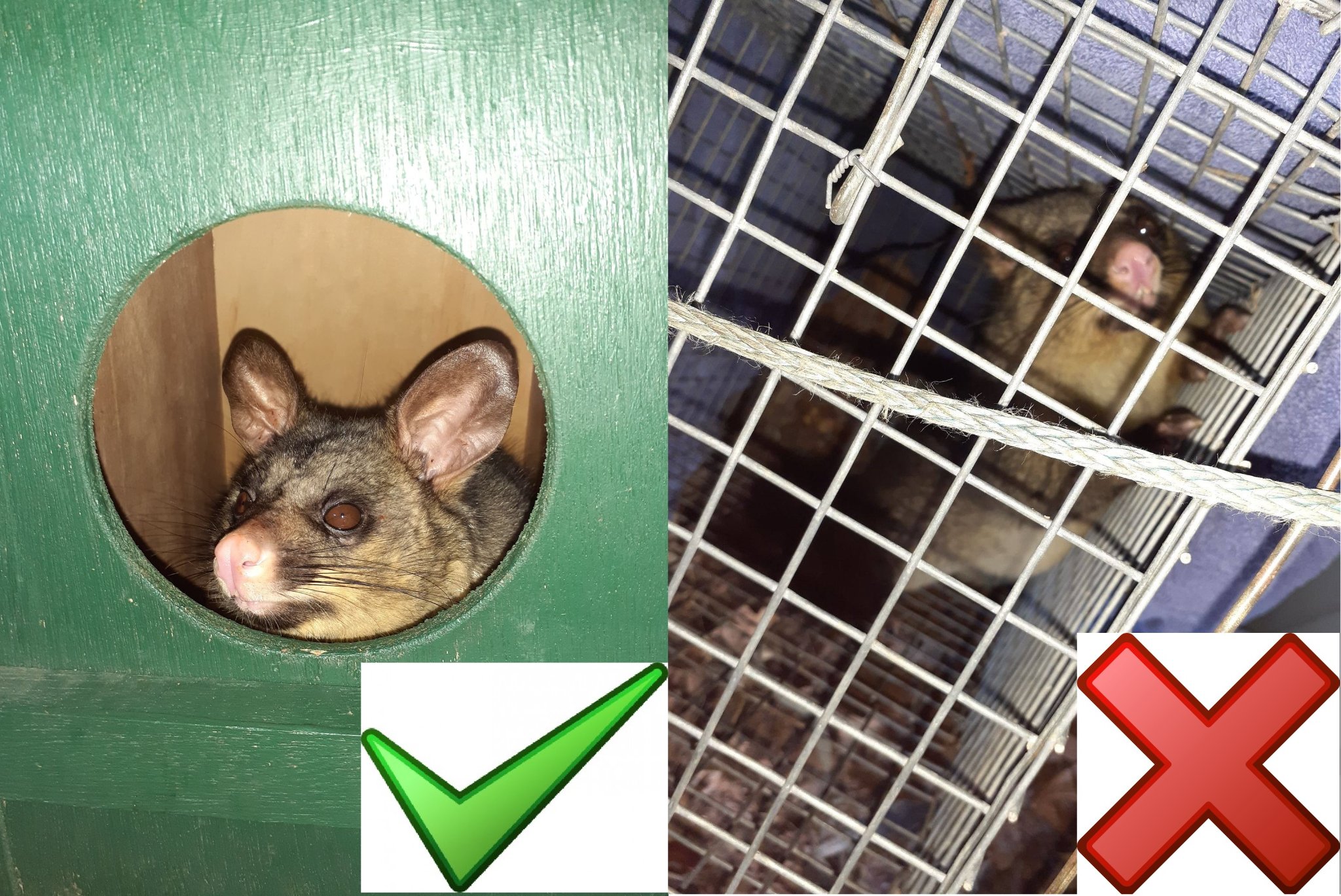
We are calling on you to help save the rescue line because the current lack of operators is seriously worrying. Look at these faces! They need you! 

Every week we have around 15 shifts either not filled or with just one operator and the busy season is around the corner. This situation impacts on the operators, MOPs, vets and the animals, because the phone line is constantly busy. Already the baby possum season is ramping up with calls for urgent assistance for these vulnerable little ones.

We have an amazing team, but they can’t answer every call in Spring and Summer if they work on their own.  Please jump in and join us – you would be welcomed with open arms!  We offer lots of training and support and you can work from the office in the Lane Cove National Park or on your home computer.

If you are not able to help do you know someone (a friend or family member perhaps) who might be interested?

Please send us a message and we will get in touch. Please send our wonderful office admin Carolyn an email at sysneywildliferesxueline@gmail.com

2025-26 Seal Reveal underway

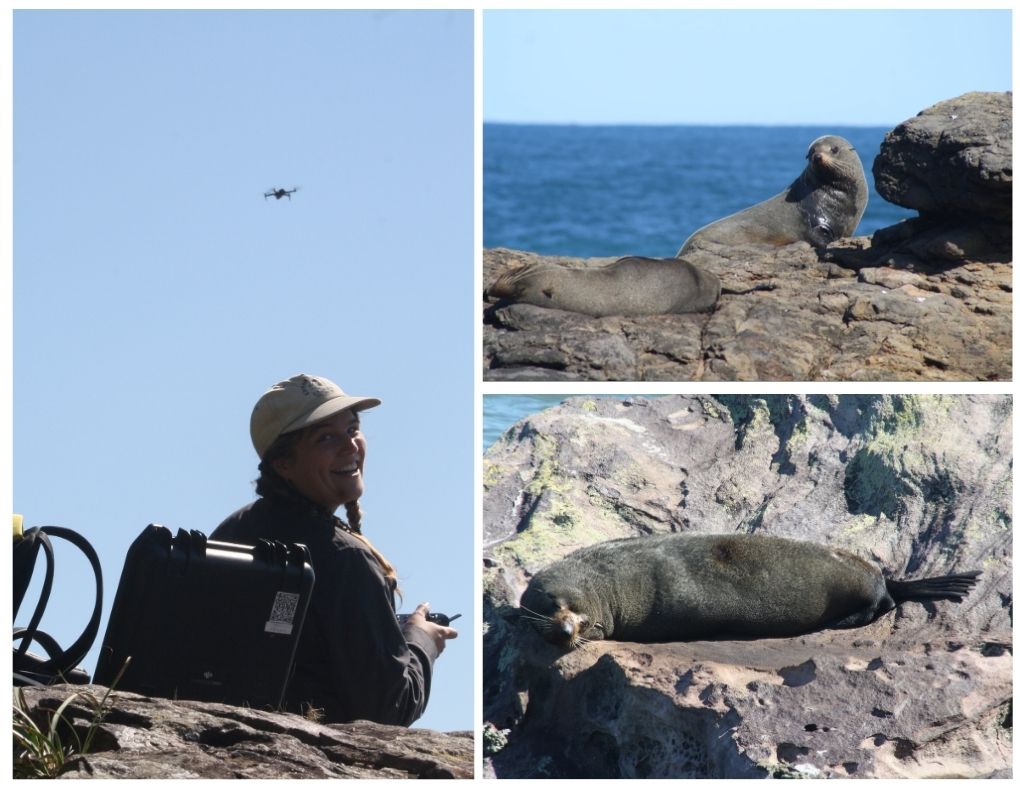
Photo: Seals caught on camera at Barrenjoey Headland during the Great Seal Reveal 2025. Montage: DCCEEW

The 2025 Great Seal Reveal is underway with the first seal surveys of the season taking place at known seal breeding and haul out sites - where seals temporarily leave the water to rest or breed.

The NSW Department of Climate Change, Energy, the Environment and Water (DCCEEW) is using the Seal Reveal, now in its second year, to better understand seal populations on the NSW coast.

Drone surveys and community sightings are used to track Australian (Arctocephalus pusillus doriferus) and New Zealand (Arctocephalus forsteri) fur seals.  Both Australian and New Zealand fur seals have been listed as vulnerable under the NSW Biodiversity Conservation Act 2016.

Survey sites
Scientific surveys to count seal numbers will take place at:
  • Martin Islet
  • Drum and Drumsticks
  • Brush Island
  • Steamers Head
  • Big Seal Rock
  • Cabbage Tree Island
  • Barrenjoey Headland
  • Barunguba (Montague) Island.
Seal Reveal data on seal numbers helps to inform critical marine conservation initiatives and enable better management of human–seal interactions.

Results from the population surveys will be released in early 2026.

Citizen science initiative: Haul-out, Call-out
The Haul-out, Call-out citizen science platform invites the community to support seal conservation efforts by reporting sightings along the NSW coastline.

Reports from the public help identify important haul-out sites so we can get a better understanding of seal behaviour and protect their preferred habitat.

The Great Seal Reveal is part of the Seabirds to Seascapes (S2S) program, a four-year initiative led by NSW DCCEEW and funded by the NSW Environmental Trust to protect, rehabilitate, and sustainably manage marine ecosystems in NSW.

NSW DCCEEW is a key partner in the delivery of the Marine Estate Management Strategy (MEMS), with the S2S program contributing to MEMS Initiative 5 to reduce threats to threatened and protected species.

622kg of Rubbish Collected from Local Beaches: Adopt your local beach program

Sadly, our beaches are not as pristine as we'd all like to think they are. 

Surfrider Foundation Northern Beaches' Adopt A beach ocean conservation program is highlighting that we need to clean up our act.

Surfrider Foundation Northern Beaches' states:
''The collective action by our amazing local community at their monthly beach clean events across 9 beach locations is assisting Surfrider Foundation NB in the compilation of quantitative data on the volume, type and often source of the marine pollution occurring at each location.

In just 6 sessions, clear indicators are already forming on the waste items and areas to target with dedicated litter prevention strategies.

Plastic pollution is an every body problem and the solution to fixing it lies within every one of us.
Together we can choose to refuse this fate on our Northern beaches and turn the tide on pollution. 
A cleaner coast together !''

Join us - 1st Sunday of the month, Adopt your local for a power beach clean or donate to help support our program here. https://www.surfrider.org.au/donate/

Event locations 
  • Avalon – Des Creagh Reserve (North Avalon Beach Lookout)
  • North Narrabeen – Corner Ocean St & Malcolm St (grass reserve next to North Narrabeen SLSC)
  • Collaroy– 1058 Pittwater Rd (beachfront next to The Beach Club Collaroy)
  • Dee Why Beach –  Corner Howard Ave & The Strand (beachfront grass reserve, opposite Blu Restaurant)
  • Curl Curl – Beachfront at North Curl Curl Surf Club. Shuttle bus also available from Harbord Diggers to transport participants to/from North Curl Curl beach. 
  • Freshwater Beach – Moore Rd Beach Reserve (opposite Pilu Restaurant)
  • Manly Beach – 11 South Steyne (grass reserve opposite Manly Grill)
  • Manly Cove – Beach at West Esplanade (opposite Fratelli Fresh)
  • Little Manly– 55 Stuart St Little Manly (Beachfront Grass Reserve)
… and more to follow!

Surfrider Foundation Northern Beaches

This Tick Season: Freeze it - don't squeeze it

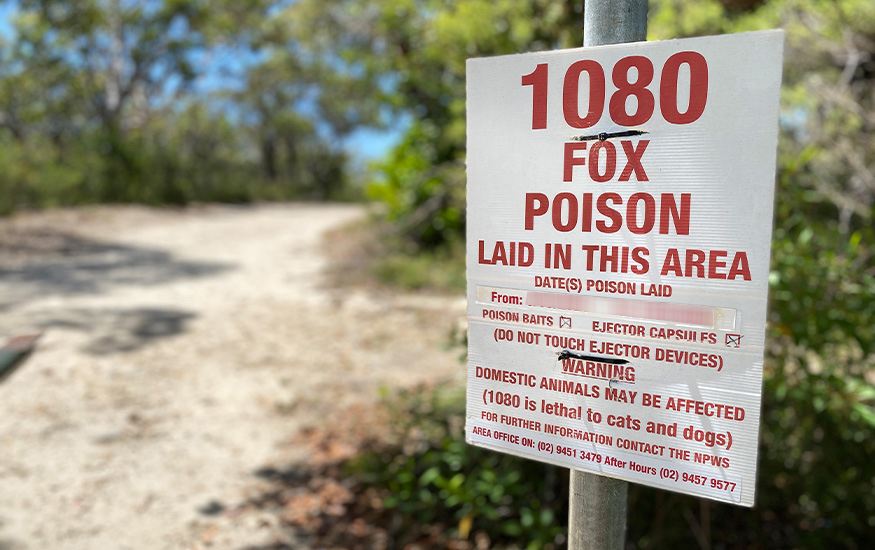
Notice of 1080 Poison Baiting

The NSW National Parks and Wildlife Service (NPWS) will be conducting a baiting program using manufactured baits, fresh baits and Canid Pest Ejectors (CPE’s/ejectors) containing 1080 poison (sodium fluoroacetate) for the control of foxes. The program is continuous and ongoing for the protection of threatened species.

This notification is for the period 1 August 2025 to 31 January 2026 at the following locations:

  • Garigal National Park
  • Lane Cove National Park (baits only, no ejectors are used in Lane Cove National Park)
  • Ku-ring-gai Chase National Park
  • Sydney Harbour National Park – North Head (including the Quarantine Station), Dobroyd Head, Chowder Head & Bradleys Head managed by the NPWS
  • The North Head Sanctuary managed by the Sydney Harbour Federation Trust
  • The Australian Institute of Police Management, North Head

DO NOT TOUCH BAITS OR EJECTORS

All baiting locations will be identifiable by signs.

Please be reminded that domestic pets are not permitted on NPWS Estate. Pets and working dogs may be affected (1080 is lethal to cats and dogs). Pets and working dogs must be restrained or muzzled in the vicinity and must not enter the baiting location. Penalties apply for non-compliance.

In the event of accidental poisoning seek immediate veterinary assistance.

For further information please call the local NPWS office on:

NPWS Sydney North (Middle Head) Area office: 9960 6266

NPWS Sydney North (Forestville) Area office: 9451 3479

NPWS North West Sydney (Lane Cove NP) Area office: 8448 0400

NPWS after-hours Duty officer service: 1300 056 294

Sydney Harbour Federation Trust: 8969 2128

Volunteers for Barrenjoey Lighthouse Tours needed

Details:

Johnson Brothers Mitre 10 Recycling Batteries: at Mona Vale + Avalon Beach

Over 18,600 tonnes of batteries are discarded to landfill in Australia each year, even though 95% of a battery can be recycled!

That’s why we are rolling out battery recycling units across our stores! Our battery recycling units accept household, button cell, laptop, and power tool batteries as well as mobile phones! 

How To Dispose Of Your Batteries Safely: 

  1. Collect Your Used Batteries: Gather all used batteries from your home. Our battery recycling units accept batteries from a wide range of products such as household, button cell, laptop, and power tool batteries.
  2. Tape Your Terminals: Tape the terminals of used batteries with clear sticky tape.
  3. Drop Them Off: Come and visit your nearest participating store to recycle your batteries for free (at Johnson Brothers Mitre 10 Mona Vale and Avalon Beach).
  4. Feel Good About Your Impact: By recycling your batteries, you're helping support a healthier planet by keeping hazardous material out of landfills and conserving resources.

Environmental Benefits

  • Reduces hazardous waste in landfill
  • Conserves natural resources by promoting the use of recycled materials
  • Keep toxic materials out of waterways 

Reporting Dogs Offleash - Dog Attacks to Council

If the attack happened outside local council hours, you may call your local police station. Police officers are also authorised officers under the Companion Animals Act 1998. Authorised officers have a wide range of powers to deal with owners of attacking dogs, including seizing dogs that have attacked.

You can report dog attacks, along with dogs offleash where they should not be, to the NBC anonymously and via your own name, to get a response, at: https://help.northernbeaches.nsw.gov.au/s/submit-request?topic=Pets_Animals

If the matter is urgent or dangerous call Council on 1300 434 434 (24 hours a day, 7 days a week).

If you find injured wildlife please contact:
  • Sydney Wildlife Rescue (24/7): 9413 4300 
  • WIRES: 1300 094 737

Plastic Bread Ties For Wheelchairs

The Berry Collective at 1691 Pittwater Rd, Mona Vale collects them for Oz Bread Tags for Wheelchairs, who recycle the plastic.

Berry Collective is the practice on the left side of the road as you head north, a few blocks before Mona Vale shops . They have parking. Enter the foyer and there's a small bin on a table where you drop your bread ties - very easy.

A full list of Aussie bread tags for wheelchairs is available at: HERE 


Stay Safe From Mosquitoes 

NSW Health is reminding people to protect themselves from mosquitoes when they are out and about.

NSW Health states Mosquitoes in NSW can carry viruses such as Japanese encephalitis (JE), Murray Valley encephalitis (MVE), Kunjin, Ross River and Barmah Forest. The viruses may cause serious diseases with symptoms ranging from tiredness, rash, headache and sore and swollen joints to rare but severe symptoms of seizures and loss of consciousness.

A free vaccine to protect against JE infection is available to those at highest risk in NSW and people can check their eligibility at NSW Health.

People are encouraged to take actions to prevent mosquito bites and reduce the risk of acquiring a mosquito-borne virus by:
  • Applying repellent to exposed skin. Use repellents that contain DEET, picaridin, or oil of lemon eucalyptus. Check the label for reapplication times.
  • Re-applying repellent regularly, particularly after swimming. Be sure to apply sunscreen first and then apply repellent.
  • Wearing light, loose-fitting long-sleeve shirts, long pants and covered footwear and socks.
  • Avoiding going outdoors during peak mosquito times, especially at dawn and dusk.
  • Using insecticide sprays, vapour dispensing units and mosquito coils to repel mosquitoes (mosquito coils should only be used outdoors in well-ventilated areas)
  • Covering windows and doors with insect screens and checking there are no gaps.
  • Removing items that may collect water such as old tyres and empty pots from around your home to reduce the places where mosquitoes can breed.
  • Using repellents that are safe for children. Most skin repellents are safe for use on children aged three months and older. Always check the label for instructions. Protecting infants aged less than three months by using an infant carrier draped with mosquito netting, secured along the edges.
  • While camping, use a tent that has fly screens to prevent mosquitoes entering or sleep under a mosquito net.
Remember, Spray Up – Cover Up – Screen Up to protect from mosquito bite. For more information go to NSW Health.

Mountain Bike Incidents On Public Land: Survey

This survey aims to document mountain bike related incidents on public land, available at: https://www.surveymonkey.com/r/K88PSNP

Sent in by Pittwater resident Academic for future report- study. 

Report fox sightings

Fox sightings, signs of fox activity, den locations and attacks on native or domestic animals can be reported into FoxScan. FoxScan is a free resource for residents, community groups, local Councils, and other land managers to record and report fox sightings and control activities. 

Our Council's Invasive species Team receives an alert when an entry is made into FoxScan.  The information in FoxScan will assist with planning fox control activities and to notify the community when and where foxes are active.


marine wildlife rescue group on the Central Coast

A new wildlife group was launched on the Central Coast on Saturday, December 10, 2022.

Marine Wildlife Rescue Central Coast (MWRCC) had its official launch at The Entrance Boat Shed at 10am.

The group comprises current and former members of ASTR, ORRCA, Sea Shepherd, Greenpeace, WIRES and Wildlife ARC, as well as vets, academics, and people from all walks of life.

Well known marine wildlife advocate and activist Cathy Gilmore is spearheading the organisation.

“We believe that it is time the Central Coast looked after its own marine wildlife, and not be under the control or directed by groups that aren’t based locally,” Gilmore said.

“We have the local knowledge and are set up to respond and help injured animals more quickly.

“This also means that donations and money fundraised will go directly into helping our local marine creatures, and not get tied up elsewhere in the state.”

The organisation plans to have rehabilitation facilities and rescue kits placed in strategic locations around the region.

MWRCC will also be in touch with Indigenous groups to learn the traditional importance of the local marine environment and its inhabitants.

“We want to work with these groups and share knowledge between us,” Gilmore said.

“This is an opportunity to help save and protect our local marine wildlife, so if you have passion and commitment, then you are more than welcome to join us.”

Marine Wildlife Rescue Central Coast has a Facebook page where you may contact members. Visit: https://www.facebook.com/profile.php?id=100076317431064


Watch out - shorebirds about

Pittwater is home to many resident and annually visiting birds. If you watch your step you won't harm any beach-nesting and estuary-nesting birds have started setting up home on our shores.

Did you know that Careel Bay and other spots throughout our area are part of the East Asian-Australasian Flyway Partnership (EAAFP)?

This flyway, and all of the stopping points along its way, are vital to ensure the survival of these Spring and Summer visitors. This is where they rest and feed on their journeys.  For example, did you know that the bar-tailed godwit flies for 239 hours for 8,108 miles from Alaska to Australia?

Not only that, Shorebirds such as endangered oystercatchers and little terns lay their eggs in shallow scraped-out nests in the sand, NSW National Parks and Wildlife Service (NPWS) Threatened Species officer Ms Katherine Howard has said.
Even our regular residents such as seagulls are currently nesting to bear young.

What can you do to help them?
Known nest sites may be indicated by fencing or signs. The whole community can help protect shorebirds by keeping out of nesting areas marked by signs or fences and only taking your dog to designated dog offleash area. 

Just remember WE are visitors to these areas. These birds LIVE there. This is their home.

Four simple steps to help keep beach-nesting birds safe:
1. Look out for bird nesting signs or fenced-off nesting areas on the beach, stay well clear of these areas and give the parent birds plenty of space.
2. Walk your dogs in designated dog-friendly areas only and always keep them on a leash over summer.
3. Stay out of nesting areas and follow all local rules.
4. Chicks are mobile and don't necessarily stay within fenced nesting areas. When you're near a nesting area, stick to the wet sand to avoid accidentally stepping on a chick.


Possums In Your Roof?: do the right thing

Possums in your roof? Please do the right thing 
On the weekend, one of our volunteers noticed a driver pull up, get out of their vehicle, open the boot, remove a trap and attempt to dump a possum on a bush track. Fortunately, our member intervened and saved the beautiful female brushtail and the baby in her pouch from certain death. 

It is illegal to relocate a trapped possum more than 150 metres from the point of capture and substantial penalties apply.  Urbanised possums are highly territorial and do not fare well in unfamiliar bushland. In fact, they may starve to death or be taken by predators.

While Sydney Wildlife Rescue does not provide a service to remove possums from your roof, we do offer this advice:

✅ Call us on (02) 9413 4300 and we will refer you to a reliable and trusted licenced contractor in the Sydney metropolitan area. For a small fee they will remove the possum, seal the entry to your roof and provide a suitable home for the possum - a box for a brushtail or drey for a ringtail.
✅ Do-it-yourself by following this advice from the Department of Planning and Environment: 

❌ Do not under any circumstances relocate a possum more than 150 metres from the capture site.
Thank you for caring and doing the right thing.


Sydney Wildlife photos

Aviaries + Possum Release Sites Needed

Pittwater Online News has interviewed Lynette Millett OAM (WIRES Northern Beaches Branch) needs more bird cages of all sizes for keeping the current huge amount of baby wildlife in care safe or 'homed' while they are healed/allowed to grow bigger to the point where they may be released back into their own home. 

If you have an aviary or large bird cage you are getting rid of or don't need anymore, please email via the link provided above. There is also a pressing need for release sites for brushtail possums - a species that is very territorial and where release into a site already lived in by one possum can result in serious problems and injury. 

If you have a decent backyard and can help out, Lyn and husband Dave can supply you with a simple drey for a nest and food for their first weeks of adjustment.

Bushcare in Pittwater: where + when

For further information or to confirm the meeting details for below groups, please contact Council's Bushcare Officer on 9970 1367 or visit Council's bushcare webpage to find out how you can get involved.

BUSHCARE SCHEDULES 
Where we work                      Which day                              What time 

Avalon     
Angophora Reserve             3rd Sunday                         8:30 - 11:30am 
Avalon Dunes                        1st Sunday                         8:30 - 11:30am 
Avalon Golf Course              2nd Wednesday                 3 - 5:30pm 
Careel Creek                         4th Saturday                      8:30 - 11:30am 
Toongari Reserve                 3rd Saturday                      9 - 12noon (8 - 11am in summer) 
Bangalley Headland            2nd Sunday                         9 to 12noon 
Catalpa Reserve              4th Sunday of the month        8.30 – 11.30
Palmgrove Park              1st Saturday of the month        9.00 – 12 

Bayview     
Winnererremy Bay                 4th Sunday                        9 to 12noon 

Bilgola     
North Bilgola Beach              3rd Monday                        9 - 12noon 
Algona Reserve                     1st Saturday                       9 - 12noon 
Plateau Park                          1st Friday                            8:30 - 11:30am 

Church Point     
Browns Bay Reserve             1st Tuesday                        9 - 12noon 
McCarrs Creek Reserve       Contact Bushcare Officer     To be confirmed 

Clareville     
Old Wharf Reserve                 3rd Saturday                      8 - 11am 

Elanora     
Kundibah Reserve                   4th Sunday                       8:30 - 11:30am 

Mona Vale     
Mona Vale Beach Basin          1st Saturday                    8 - 11am 
Mona Vale Dunes                     2nd Saturday +3rd Thursday     8:30 - 11:30am 

Newport     
Bungan Beach                          4th Sunday                      9 - 12noon 
Crescent Reserve                    3rd Sunday                      9 - 12noon 
North Newport Beach              4th Saturday                    8:30 - 11:30am 
Porter Reserve                          2nd Saturday                  8 - 11am 

North Narrabeen     
Irrawong Reserve                     2nd Saturday                   2 - 5pm 

Palm Beach     
North Palm Beach Dunes      3rd Saturday                    9 - 12noon 

Scotland Island     
Catherine Park                          2nd Sunday                     10 - 12:30pm 
Elizabeth Park                           1st Saturday                      9 - 12noon 
Pathilda Reserve                      3rd Saturday                      9 - 12noon 

Warriewood     
Warriewood Wetlands             1st Sunday                         8:30 - 11:30am 

Whale Beach     
Norma Park                               1st Friday                            9 - 12noon 

Western Foreshores     
Coopers Point, Elvina Bay      2nd Sunday                        10 - 1pm 
Rocky Point, Elvina Bay           1st Monday                          9 - 12noon

Friends Of Narrabeen Lagoon Catchment Activities

Bush Regeneration - Narrabeen Lagoon Catchment  
This is a wonderful way to become connected to nature and contribute to the health of the environment.  Over the weeks and months you can see positive changes as you give native species a better chance to thrive.  Wildlife appreciate the improvement in their habitat.

Belrose area - Thursday mornings 
Belrose area - Weekend mornings by arrangement
Contact: Phone or text Conny Harris on 0432 643 295

Wheeler Creek - Wednesday mornings 9-11am
Contact: Phone or text Judith Bennett on 0402 974 105
Or email: Friends of Narrabeen Lagoon Catchment : email@narrabeenlagoon.org.au

Gardens and Environment Groups and Organisations in Pittwater


Ringtail Posses 2023

How ‘smart’ rainwater tanks can help keep platypus habitat healthy

Photo by Trevor McKinnon on Unsplash
Kathryn RussellThe University of MelbourneAlison MillerThe University of MelbourneDarren BosThe University of MelbourneRhys ColemanThe University of Melbourne, and Tim D FletcherThe University of Melbourne

A growing number of new housing developments feature a little known but powerful bit of tech: smart rainwater tanks.

That’s where the rainwater tank next to each house is fitted with a little computer to open and close a valve that releases water. Software can tell the valve to open to let some water out when, for instance, a storm is coming and you don’t want the tank to overflow. Or, it can keep it closed when you want to capture rainfall to boost household water supplies.

Our research is investigating new ways to network smart tanks together. When the tanks are part of a network, a computer program can keep track of what every tank is doing, and which ones need to release water and where.

Our project is implementing this smart rainwater tank technology to protect and restore stream habitats for platypus in Monbulk Creek, east of Melbourne.

We aim to scale up this ecologically-informed approach so it can be used anywhere, regardless of what species needs to be protected.

Tanks for platypus

Our project, known as Tanks for Platypus, focuses on using a network of smart water tanks in Monbulk Creek to support local platypus populations.

Once widespread across Melbourne and surrounds, the iconic platypus is now listed as vulnerable in Victoria.

Reasons for this decline include urbanisation, changes to stream flows and habitat fragmentation and loss.

Platypus require water flow conditions that support waterbugs (their main food source). They also need space to swim and hide from predators.

The Tanks for Platypus project involves offering eligible residents in the Monbulk Creek catchment a free smart rainwater tank.

We aim to use these networked rainwater tanks and three urban lakes to provide more natural flow conditions for platypus. When finished, this smart rain grid will be distributed across both private and public land with the cooperation of local residents, schools and businesses.

What we did

We have developed a new algorithm that manages how water is released from tanks into waterways, to improve the habitat for platypus and other aquatic life in Monbulk Creek.

We surveyed the creek in detail and simulated flow to map creek habitat. We mapped how much habitat is underwater and where water is deep enough for a platypus to be fully submerged under different flow conditions.

We can now use this information to guide our stormwater release and storage algorithms. For example, when water is not deep enough for platypus to feed and hide, our algorithm requests releases from the rainwater tanks.

During dry periods, supplementing creek flow with water releases from these tanks could significantly improve habitat conditions for platypus.

At times, just 1 megalitre per day (less than half an Olympic swimming pool) can increase available habitat by more than 10%.

This makes the water available when it’s needed and reduces the risk of flooding due to tanks overflowing during rain.

In fact, our algorithms can calculate how much water the tank should release before a storm. This means the tank ends up almost full after a storm, keeping rainwater available for residents.

Where to from here?

We are now investigating how our designs and findings in Monbulk Creek can be applied more broadly, including in high-density housing and new urban developments.

One ecological objective might be, for instance, to reduce incidents where water gushes from overflowing tanks into waterways, eroding streambeds and banks, and potentially disturbing native species. Another might be to boost water levels in local creeks or lakes during dry periods.

Algorithms could be programmed to meet these needs, as well as others such as providing water from the tank to the household water for toilet flushing and garden watering.

And those lucky enough to live near a waterway with platypus will also know they are doing their bit to look after a unique part of our Australian wildlife.The Conversation

Kathryn Russell, Research Fellow, Urban Stream Geomorphology, The University of MelbourneAlison Miller, Visiting Fellow, School of Agriculture, Food and Ecosystem Sciences, The University of MelbourneDarren Bos, Senior Research Fellow (Knowledge Broker) School of Agriculture, Food and Ecosystem Sciences, The University of MelbourneRhys Coleman, Honorary Researcher, School of Agriculture, Food and Ecosystem Sciences, The University of Melbourne, and Tim D Fletcher, Professor of Urban Ecohydrology, The University of Melbourne

This article is republished from The Conversation under a Creative Commons license. Read the original article.

‘Don’t leave late’ is the best advice for fires or floods. These terrifying videos show why

On Demand News
Sara FazeliUNSW SydneyMilad HaghaniThe University of MelbourneMoe Mohammad MojtahediUNSW Sydney, and Taha Hossein RashidiUNSW Sydney

Where are you at most risk when a flood or bushfire strikes? You might think it’s at home. But in reality, the most dangerous time is when you leave and jump in your car. Many flood and bushfire deaths are linked to vehicles, often driven by people evacuating late.

One of the clearest examples comes from the 2009 Black Saturday bushfires in Victoria, in which 173 people lost their lives; 35 of those deaths occurred during evacuation, with many on the road.

What is going through people’s minds as they try to escape? We don’t have to guess – many self-recorded evacuation videos are publicly posted on social media. We analysed hundreds of these videos from around the globe to get a better understanding of how people end up in these dangerous situations.

We found many people either evacuated late after realising the situation was more dangerous than they first thought, or drove back to defend their property. They thought they were doing the right thing in trying to flee to safety – only to find the roads were far more dangerous than they expected.

A father and son drive into an increasingly dangerous fire situation and start praying for help.

How risky are roads during bushfires?

When disasters escalate rapidly, the decision to leave can become one of the most crucial moments people face.

Between 2010 and 2020, bushfire deaths in Australia often occurred on the road rather than at the fire front. An analysis found 33 of 65 bushfire deaths during this period were vehicle-related, many during late evacuations.

More recently, an ABC program documented survivor accounts from Black Saturday, including firefighters, people who defended their properties and those who took to the road in the final minutes.

One firefighter’s account, in particular, captures how quickly conditions can change on the road. At first, nothing about the drive appeared unusual.

when I drove up over the top of the hill down into Kinglake, there was nothing untoward. It was just a normal hot day […] a bit of smoke around.

But within minutes, the road environment changed completely.

so I do a U-turn, and there was a wall of smoke. I’m thinking, where did that come from? All of a sudden, […] You can’t see. It was pitch black. As we’re driving, the sides of the roads were igniting.

The risk of conditions changing is not confined to a single event or location. It is a recurring and ongoing feature of bushfire emergencies in Australia.

A father sings to his daughter to comfort her as they drive through a bushfire.

How dangerous are roads during floods?

Floods present a different kind of threat, but the risks on the road can be just as severe.

In Australia, nearly half of all flood fatalities are associated with vehicles, most commonly when people attempt to drive through flooded roads, crossings, or causeways.

This is not unique to Australia. A study of flood fatalities in Texas, covering the period from 1959 to 2009, shows around 80% of flood deaths with known circumstances were vehicle-related.

These deaths often occur when drivers underestimate water depth or flow speed, assume the road ahead is still passable, or follow other vehicles into floodwater. This can quickly lead to vehicles stalling, being swept away, or trapping occupants in fast-moving water.

A school bus is swept away by floodwater in Texas, US.

What people experience inside a vehicle

To gain a first-person view of what actually unfolds on the road in these situations, we analysed hundreds of self-recorded evacuation videos.

On bushfire-affected roads, conversations inside vehicles revealed uncertainty as conditions changed quickly. Many drivers showed fear and stress – some prayed, while others tried to stay calm for their families.

Videos show people caught in intense heat and heavy smoke, struggling with poor visibility and concern over falling trees or bursting tyres. Some said they were struggling to breathe while others decided to stop or turn around.

Conditions appeared hazardous even for firefighters. Conversations between drivers and passengers often reflected the complexity of the environment and a lack of certainty about what to do.

Some drivers travelled with their windows open and suddenly realised how hot the air was.

Drivers struggled with visibility and some cases showed families expressing extreme distress. Parents comforted their children and sometimes sang to them.

On flood-affected roads, drivers showed signs of distress and intense emotion, often reflected in swearing and expressions of regret, or praying.

They sought reassurance from the actions of others, reflecting an “if they can do it, we can too” sentiment. Extreme cases showed water entering the vehicle, causing the vehicle to become unstable or dysfunctional, with water levels reaching the windshield.

Some drivers could not make it through and were forced to escape.

Importantly, these flood and fire videos only represented those who managed to escape and survive.

A video of people driving through fires in California, where the drivers are distressed and can hear tyres popping.

The best way to stay safe

In our analysis of these flood and fire videos, we found a recurring theme – surprise. People found themselves in a very different situation to the one they imagined when they began driving.

Driving on roads affected by floods and fires is risky, and the situation can escalate very quickly. Flash flooding is aptly named: torrential rain can trigger floods in just minutes. Bushfires, too, can intensify quickly

The clearest advice remains to avoid these situations altogether by evacuating early. But if you do find yourself in a vehicle on a fire-affected road, existing Country Fire Authority guidance can make a critical difference to survival.

Stop when it’s no longer safe to continue, park well off the road and away from vegetation if possible. Stay inside the car with windows and doors closed, turn off vents and air conditioning, get below window level and protect yourself from radiant heat using woollen blankets or clothing.

In floods, if rising water traps your vehicle, get out early and move to higher ground. As a last resort, climb onto the roof.

Ultimately, the safest option is to avoid hazardous driving wherever possible. Because once you’re on the road, it may already be too late.The Conversation

Sara Fazeli, PhD Candidate, UNSW SydneyMilad Haghani, Associate Professor and Principal Fellow in Urban Risk and Resilience, The University of MelbourneMoe Mohammad Mojtahedi, Senior lecturer, School of Built Environment, UNSW Sydney, and Taha Hossein Rashidi, Professor of Transport Engineering, UNSW Sydney

This article is republished from The Conversation under a Creative Commons license. Read the original article.

One street tree can boost Sydney house prices by $30,000 – or cost $70,000 if it’s too close: new study

Canva, The ConversationCC BY-NC
Song ShiUniversity of Technology Sydney

A single street tree can potentially increase an average Sydney house price by A$30,000, our new research shows. This echoes past research showing street trees not only help boost property prices, but offer other benefits, from improved scenery and privacy to increased shade.

But there’s a catch. Our analysis, published in the international Cities journal, also found that if a street tree is too close, it can actually reduce the selling price by more than $70,000.

Our study looked at more than 1,500 house sales in the City of Sydney from 2021 to 2024, then matched those with detailed council data on nearly 50,000 public trees.

After accounting for other, better known price factors – number of bedrooms, bathrooms, car parking, land size, proximity to the CBD, transport, schools and more – we found trees can be associated with higher house prices. But that price boost only occurred when the trees were about 10–20 metres from a home, such as across the street or near the frontage.

In contrast, trees planted too close – within a 10m radius from the centre of the property – were actually associated with lower sale prices.

This matters beyond Sydney. Every Australian capital city has set tree-planting goals, such as the City of Sydney’s target for 23% tree canopy cover in 2030 and 27% in 2050. Yet many will struggle to meet them, with some facing resistance from residents. Our research explains why tree placement will be crucial if we ever want to meet those targets.

What’s new about this research

Past studies in Perth, as well as several cities in the United States and Canada, have consistently shown trees tend to increase property values.

But what we didn’t know before now was where the benefits stop and the costs begin.

Our study identifies a clear “not in my backyard” (NIMBY) boundary, of around 10m, within which street trees’ economic value turns negative.

That finding is important, because that’s when resident resistance to street trees is likely to be strongest.

This is a first study of its kind to quantify the economic value of public trees by taking advantage of using individual tree-level data managed by the City of Sydney from 2023.

It allowed us to measure tree effects at the finest possible distance from the centre of property: under 10m, 10–20m, 20–50m, 50–100m, and beyond 100m. This is something previous studies could not do when relying on satellite or street imagery.

How tree location affects price

We controlled for all the usual factors that influence house prices, including property features and location amenities. This meant we could measure the impact of trees after accounting for everything else.

We found that distance matters. In dollar terms, one additional tree within 10m of the centre of a property reduced its value by 2.96%. An average home sold in the City of Sydney from 2021 to 2024 was worth $2,613,000 – so that reduction worked out to be a $70,290 cost.

Given the average lot size of 176m² in the City of Sydney, the distance from the centre of an average property to its boundary is typically about 8m.

But if a tree was located 10-20 metres away, it increased the value by about 1.16%, worth an average of $30,310.

If the tree was further than 20 metres away, we found no price difference.

A Sydney panaroma showing tree-lined streets
The new study identified a clear ‘not in my backyard’ (NIMBY) boundary, within which street trees’ can actually hit house prices. Belle Co/PexelsCC BY

This show a clear proximity effect. Trees being too close to a house are a cost risk; trees at a moderate distance are a valued feature; and trees further away are neutral and just part of the neighbourhood amenity.

Our study used more precise data than ever before to calculate the distance between street trees and the centre of each property.

But future research could take this further by measuring the distance from each tree to the house. It could also incorporate resident surveys to better understand how people perceive and value trees near their homes.

Why trees being too close matters

A Sydney streetscape with a jacaranda close to terrace homes
Street trees like these are much loved – but can have hidden downsides, such as damage from roots or branches. Jo Quinn/UnsplashCC BY

It makes sense that people may see trees close to home as a financial risk.

Trees can cause structural damage to buildings and infrastructure, increase fire hazards, and safety concerns from falling branches.

Rather than dismissing residents’ concerns as NIMBYism, they should be seen as rational market responses to maintenance risks, structural damage, and amenity loss.

Planting plans need resident support

Every Australian capital city has adopted “urban forest” or tree planting strategies, many of them aiming to hit 30-40% canopy cover in coming decades. For example, the City of Melbourne’s target is 40% canopy cover by 2040, while Brisbane City Council is aiming for 50% shade for residential footpaths and bikeways by 2031.

However, there are doubts about whether many of those targets will be met.

There are good reasons for governments to invest in urban trees, as they can protect us from extreme heat and help as a response to climate change. But resistance from homeowners can undermine these policies.

Our research shows residents are more likely to welcome street trees if they’re planted not too close, and not too far, from their homes.

* Thanks to the coauthors of this paper, Qiulin Ke and Bin Chi from University College London.The Conversation

Song Shi, Associate Professor, Property Economics, University of Technology Sydney

This article is republished from The Conversation under a Creative Commons license. Read the original article.

Good fungus may one day help save plants from bad fungus like deadly myrtle rust disease

Steven Conaway, Greenwich Land Trust, Bugwood.orgCC BY
Michelle MoffittWestern Sydney University

What do coffee, sugar, wheat, soy, eucalypts and paperbarks all have in common?

They are all susceptible to parasitic rust diseases caused by fungi. Plant rust disease can easily be spotted by the characteristic orange or yellow spores that cover plant leaves, making them look rusty.

The spores are easily transferred to your skin by touch or carried by the wind to other host plants.

Despite their symptomatic similarities, each species of rust fungus is restricted to a single type of plant host.

Farmers and nursery managers often use fungicide to tackle plant rust disease, but we need to find ways to decrease our reliance on fungicide treatment. Otherwise, we risk fuelling fungicide resistance.

Could treating with natural beneficial fungi be a viable alternative?

What we did and what we found

To find out, we grew 143 species of fungi that were living in association with the leaves of the Australian native scrub turpentine tree, a species now considered critically endangered due to the effects of myrtle rust disease.

Myrtle rust disease, cause by the exotic fungus Austropuccinia psidii is a type of plant rust disease, and it’s a huge problem. At least 380 Australian native plants are susceptible to it.

Myrtle rust threatens trees and shrubs in the Myrtaceae family of plants. This is Australia’s largest plant family in Australia, and includes tea tree and eucalypts. It also threatens several rainforest tree species.

The recent arrival of this disease into Australia, in 2010, means little is known about how we may feasibly control it within natural ecosystems.

Our research found that of the 143 species of fungi we grew, nine of them naturally stopped the germination of the myrtle rust spores in the lab.

This suggests native plants may already harbour beneficial fungi that could protect them from this deadly disease.

How? Our research shows one way beneficial fungi can protect the plant from the rust disease is by producing chemicals that attack the disease and prevent it from infecting the plant.

It’s like a biological machine, producing microscopic amounts of fungicide directly onto the rust as it grows.

Other ways these fungi can protect the plant are through competition for nutrients or by stimulating the plant’s immune system to protect itself.

One advantage over fungicides may be that if the fungi establishes a symbiotic relationship with the plant, repeated applications may not be necessary.

So far, we’ve only shown this in the lab. More research is clearly needed.

Now, we need to make sure the fungi can effectively do their job in the environment on our most susceptible plants. We may even one day be able to incorporate these fungi into our plant conservation breeding programs.

A growing body of research

similar study of myrtle rust disease in Hawaii found that adding multiple beneficial fungi to the leaves of the native Hawaiian Koʻolau eugenia or nioi plant increased the effectiveness of the beneficial fungi over using a single strain alone.

This highlights that we have a lot to learn about how beneficial fungi can protect plants.

Our previous research also identified that fungi can protect crop plants such as wheat, barley and oats from rust disease.

Similar studies around the world have found fungi can also protect against coffee rust and soybean rust, among others.

Despite many successful lab studies, there remains a gap between lab studies and field applications. And even if it could be proven to work in the field, then we’d need to find efficient ways to get the beneficial fungi onto the plants that need it.

That said, it’s worth persevering. If we want strategies to reduce fungicide usage on farms and in the environment we must continue to learn more about beneficial fungi and how we can best use them to our advantage.The Conversation

Michelle Moffitt, Associate Professor in Microbiology, Western Sydney University

This article is republished from The Conversation under a Creative Commons license. Read the original article.

Deeper ocean ecosystems are unique – and uniquely vulnerable without better protection

Author providedCC BY-NC-ND
James J BellTe Herenga Waka — Victoria University of Wellington and Manon BroadribbTe Herenga Waka — Victoria University of Wellington

New Zealand’s earlier efforts to safeguard marine or coastal environments, particularly as marine reserves and marine protected areas, typically focused on shallow ecosystems, largely because that is where most data exists.

But following the passing of the Hauraki Gulf Marine Protection Act last year, it was good to see many deep rocky reefs among the 12 new high protection areas (HPAs).

These areas prohibit recreational and commercial fishing while allowing certain customary practices in ways that reduce or eliminate extractive activities, helping ecosystems recover and rebuild.

This is important because deeper reefs often host protected species and this recognises the need to protect these habitats.

As our new research shows, even just 50 metres of depth can separate entirely different marine communities.

In this study at the Poor Knights Islands Marine Reserve off northeastern Aotearoa New Zealand, we examined sponge assemblages – a major component of temperate rocky reefs – from 5 to 65 metres in depth.

Sponges play an important role in filtering water, recycling nutrients and creating habitat for other organisms. They are also sensitive to environmental change, including marine heatwaves.

Reefs do not simply continue unchanged with greater depth. In fact, deeper communities in the “mesophotic” zone, typically found at 30–150 metres of depth, can host very distinct species that never occur in the shallows.

If conservation efforts don’t recognise this, we may be leaving a significant portion of marine biodiversity unprotected.

Different communities at depth

Our results were striking. Sponge assemblages were strongly structured by depth.

Most species were depth specialists, found either in shallow reefs less than 30 metres deep or in deeper mesophotic zones, but not both.

Across all sites we surveyed, we identified 64 sponge species or operational taxonomic units. Only 18 occurred across multiple depths spanning both shallow and mesophotic zones. In other words, less than a third of species had distributions broad enough to potentially link the two zones.

Differences between depths were driven mainly by species replacement, not by shallow communities simply becoming poorer versions of deeper ones. This means mesophotic reefs are not just extensions of shallow reefs. They are ecologically distinct systems.

A composite image shows different sponges living at different depths, from shallow waters to deeper environments.
Shallow depths tend to support sponge assemblages dominated by encrusting and low-lying species such as those shown in the images from A to D, while upper mesophotic depths are dominated by species with mounding, tubular and golf ball forms (E to G). Meanwhile, middle mesophotic depths host assemblages made up of many branching sponges (H-J). James BellCC BY-NC-ND

Are deep reefs climate refuges?

For years, scientists have debated whether deeper reefs might serve as refuges during disturbances such as marine heatwaves, which can disproportionately affect shallower ecosystems.

The idea, known as the deep reef refugia hypothesis, suggests deeper populations could survive warming events and later reseed damaged shallow reefs.

There is some evidence this can occur for certain species. In our study, a small subset of depth generalist sponges occurred consistently across both zones. These species may have the potential to benefit if deeper habitats avoid disturbances that impact shallower waters.

But our findings suggest this refuge effect may apply only to a minority of species. Most sponges had narrow depth ranges. If shallow populations decline, deeper reefs will not automatically act as a backup for entire assemblages.

This challenges the common assumption that deeper reefs can safeguard shallow biodiversity at an ecosystem level.

Why this matters

Marine protected areas in shallow, accessible habitats are easier to survey, monitor and manage. But biodiversity does not stop at 30 metres.

If deeper reefs host distinct communities, then protecting only the shallows leaves much of that biodiversity exposed to fishing pressure and other anthropogenic impacts.

Our assessment of the current network of 44 marine reserves in New Zealand shows the majority contain areas of rocky reef, but only half have reefs below 50 metres.

Importantly, these include New Zealand’s larger offshore reserves (the Kermadec Islands, Auckland Islands, Bounty Islands, Campbell Island and Antipodes Island), which means the total protected area deeper than 50 metres comes to an impressive 16,294 square kilometres (about the size of the Auckland region).

However, these offshore marine reserves extend far deeper than the mesophotic zone and only a fraction of this area is rocky reef. When discounting the larger offshore reserves, the total area covered by marine reserves deeper than 50 metres is only 394 square kilometres, less than 1% of New Zealand’s territorial seas.

A map that shows the locations of all marine reserves in New Zealand and its territorial waters.
Distribution of all New Zealand marine reserves. Yellow stars indicate marine reserves containing seabed at depths of 50 metres or greater (mesophotic zone), and orange circles indicate reserves shallower than 50 metres. Bathymetric data from GEBCO global gridded bathymetry dataset; marine reserve boundary data from Land Information New ZealandCC BY-NC-ND

This has direct implications for marine spatial planning in Aotearoa New Zealand and globally.

Our research suggests ensuring the protection of both deep and shallow areas in the same geographical regions is essential if we want to safeguard the full spectrum of reef biodiversity. Protecting shallow reefs alone will not automatically protect deeper mesophotic species or vice versa.

Mesophotic reefs are often out of sight and out of mind. They lie beyond most recreational diving depths and are less studied than their shallow counterparts. Yet they can host rich sponge assemblages and other invertebrate communities that contribute significantly to ecosystem functioning.

They are also not immune to change. Ocean warming, shifting currents and sedimentation can all influence deeper habitats. While depth may buffer some disturbances, it does not guarantee protection.

Our findings add to a growing body of evidence that temperate mesophotic ecosystems should be managed as distinct ecological entities. They are not simply deeper versions of shallow reefs, nor are they universal refuges.

As climate change intensifies and marine heatwaves become more frequent, conservation planning must consider how biodiversity is structured across depth. This means designing protected areas that encompass entire reef profiles, from the surface to the limits of light penetration.The Conversation

James J Bell, Professor of Marine Biology, Te Herenga Waka — Victoria University of Wellington and Manon Broadribb, Postdoctoral Researcher in Marine Science, Te Herenga Waka — Victoria University of Wellington

This article is republished from The Conversation under a Creative Commons license. Read the original article.

Rain is coming to Antarctica – here’s how it will change the frozen continent

Gula52 / shutterstock
Bethan DaviesNewcastle University

Rain is rare in Antarctica. Scientists doing fieldwork there dress for cold and glare, not wet weather – duvet jackets, snow trousers, goggles and sunscreen. Planes land on gravel runways which are rarely icy, since there is no precipitation to freeze. Historic huts remain well preserved in the dry air.

But this is beginning to change.

Rain is already falling more frequently on the narrow and mountainous Antarctic Peninsula, the northernmost finger of the continent pointing towards South America. Already the warmest part of Antarctica, the Peninsula is warming faster than the rest of the continent, and far faster than the global average. It provides an advanced sign of what coastal Antarctica – especially the fragile West Antarctic Ice Sheet – may experience in the coming decades.

I recently led a team of scientists looking at how the Antarctic Peninsula will change this century under three scenarios: high, medium and low greenhouse gas emissions. We found that, as the peninsula warms, precipitation will rise slightly – and will increasingly fall as rain rather than snow. As days above 0°C become more common, this rainfall will fundamentally change the peninsula.

When heat and rain arrive together

Extreme weather is already causing disruption. A heatwave in February 2020 brought temperatures of 18.6°C to the northern peninsula – T-shirt weather, for almost the first time in recorded Antarctic history – while the “ice shelf” surface alongside melted at a record pace.

map of Antarctica
The peninsula extends from West Antarctica towards South America. USGS / wikiCC BY-SA

Atmospheric rivers – long, thin corridors of warm, moist air that start at warmer latitudes – are playing a growing role. In February 2022, one resulted in record surface melt. Another, in July 2023, brought rainfall and temperatures of +2.7°C to the peninsula in the depths of winter. These events are happening more often, delivering rain and melt to regions where neither had been observed before.

What rain does to snow and ice

Snow does not like rain. We’ve all sadly watched snowfall melt away particularly rapidly when it rains.

On the Antarctic Peninsula, rain brings heat and melts and washes away snow, stripping glaciers of their nourishment. Meltwater can also reach the bed of the glacier, lubricating its base and making glaciers slide faster. This increases iceberg calving and the rate of glacier mass loss into the ocean.

On floating ice shelves, rain compacts the snow that has fallen on the surface, meaning water starts forming ponds. This ponded meltwater then warms, as it is less reflective than the surrounding snow and ice, and can melt downwards through the ice shelf to the ocean below, weakening the ice and causing more icebergs to break off.

This can destabilise the ice shelf. Meltwater ponding has been implicated in the collapse of the Larsen A and B ice shelves in the early 2000s.

Sea ice is vulnerable too. Rain reduces snow cover and surface reflectivity, making the ice melt faster. Loss of sea ice also weakens the natural buffers that dampen ocean waves and help prevent the ends of glaciers snapping off and becoming icebergs. It also means less habitat for algae and krill, and reduces breeding platforms for penguins and seals.

Ecosystems under stress

A rainier climate will have a series of ecological impacts.

Water can flood penguin nest sites. Penguins evolved in a polar desert and aren’t adapted for rain. Their chicks’ fluffy feathers are not waterproof, so heavy rain drenches them, sometimes leading to hypothermia and death.

baby penguins in Antarctica
Built to keep out ice and snow – not liquid water. vladsilver / shutterstock

Together with a warming ocean, decreased sea ice and decreased krill, this pressure will affect penguins across the continent. Iconic Antarctic species such as ice-dependent Adélie and chinstrap penguins are at risk of being replaced as more adaptable gentoo penguins expand southwards.

Rainfall also alters life on smaller scales. When it strips away snow cover, it disrupts snow algae – microscopic plants that contribute to Antarctic land ecosystems. These algae feed microbes and tiny invertebrates and can darken the snow surface, increasing solar absorption and accelerating melt.

Snow normally insulates the ground, buffering temperature swings and protecting the organisms underneath. Exposed surfaces face harsher, more variable conditions.

At the same time, warming seas may make it easier for invasive marine species such as certain mussels or crabs to colonise the area.

Challenges for scientists

Humans are also not immune to the challenges posed by a rainier Antarctic Peninsula.

With increasing geopolitical interest, it is likely that human infrastructure will increase, with potential new settlements and bases to serve emerging industries such as tourism or krill fishing.

Research infrastructure was designed for snow, not sustained rainfall. Rain freezing on airstrips renders them unusable until the ice is melted. Slush and meltwater can damage buildings, tents, instruments and vehicles. Clothing and equipment may need to be redesigned.

Some entire research sites may have to move. On nearby Alexander Island, increased surface melt has already disrupted access to long-running ecological research at Mars Oasis – continuously studied since the late 1990s – resulting in gaps in the scientific record.

Heritage at risk

Historic sites are especially vulnerable.

Antarctica contains 92 designated historic sites and monuments, the result of two centuries of exploration and research. Many of these timber huts, equipment stores and early scientific installations are clustered on the peninsula.

In a warmer and wetter climate, thawing permafrost and heavier rainfall threaten the structural integrity of these sites. Timber will deteriorate faster. Foundations will sink. These sites will need more frequent maintenance, in a part of the world where conservation work is already logistically difficult.

The Antarctic Peninsula is already undergoing rapid change. If global warming moves towards 2°C or 3°C this century, extreme weather, rainfall and surface melt will intensify. Damage to ecosystems, infrastructure, glaciers and heritage sites could be severe and potentially irreversible.

Rain, once a rarity in Antarctica, is becoming a force capable of reshaping life on the peninsula. Limiting warming to below 1.5°C won’t prevent these changes entirely. But it could slow how quickly rainfall transforms the frozen continent.The Conversation

Bethan Davies, Professor of Glaciology, Newcastle University

This article is republished from The Conversation under a Creative Commons license. Read the original article.

Extreme weather is transforming the world’s rivers. We need new ways to protect them

Rao Guojun/Getty Images
Jonathan TonkinUniversity of CanterburyJulian D. OldenUniversity of WashingtonJulian MerderUniversity of CanterburyJulia Talbot-JonesTe Herenga Waka — Victoria University of Wellington, and Thibault DatryInrae

In the summer of 2022, extreme heat and unprecedented drought drove parts of the world’s third largest river, the Yangtze, to dry up.

The impacts for hydropower, shipping and industry in China were severe, immediate and well-documented. Less visible were the ecological consequences for the many species that depend on the river.

The Yangtze is not an exception. Around the world, rivers are no longer changing gradually.

Rather, they are being increasingly transformed by extreme climatic events such as floods, droughts and heatwaves. Our newly published global review finds these events are pushing ecosystems beyond their limits and eroding biodiversity and core functions.

In bringing together global evidence, our research sets out a roadmap for how science and management can respond to these mounting ecological pressures.

When impacts cascade

Because rivers are connected systems, impacts rarely remain localised. Extreme climatic events can send impacts cascading through entire river networks, affecting communities far from where they begin.

A drought in headwaters can disrupt downstream processes for months, and when flows return, built-up material can trigger oxygen crashes and fish kills far downstream.

Recovery is often uneven and incomplete, with some species lost and communities permanently changed, especially where rivers are fragmented and species cannot escape to refuges or are lured into traps.

The consequences can be profound: extreme events can push ecosystems past tipping points, after which full recovery is unlikely and systems may follow new paths instead of returning to their past states.

In some cases, even the most ambitious restoration efforts of recent decades may struggle to reverse biodiversity loss if the frequency of extremes continues to rise.

Our review also shows that when extreme events happen together or in sequence – known as compound events – their impacts can be catastrophic for people and river biodiversity.

Whether that’s a flood following a drought, a drought and heatwave operating in unison, or a flood falling on saturated ground, the impacts of these compound events can multiply.

The Yangtze drought and heatwave collapsed plankton communities, while in New Mexico in 2011, wildfire followed by heavy rain damaged water quality in the Rio Grande far downstream. Repeated extremes were shown to have altered invertebrate communities in Alaska’s Wolf Point Creek for more than a decade.

In Europe’s Rhône River, a major heatwave in 2003 brought an increase in invasive species, which was amplified by damaging floods that followed. In California’s Klamath River, a wildfire and intense rain in 2022 led to widespread river failure and a long fish kill zone.

These impacts are often made worse by existing pressures such as pollution, land-use change and water withdrawals – as seen in the 2022 Oder River disaster in Germany and recent repeated die-offs in Australia’s Murray-Darling Basin.

Importantly, the severity of ecological impacts aren’t always proportional to that of the event that causes them. Instead, it is the order of events and existing stresses that often drive outsized impacts that are hard to predict and manage.

Dead fish lie in the Oder River during an environmental disaster in 2022, thought to have been caused by an algal bloom. Patrick Pleul/Getty Images

Moving from reactive to proactive

While extreme events are stretching the resilience of river ecosystems, they are also exposing gaps in the science needed to design lasting ecological solutions.

Right now, studying the effects of these events is challenging for researchers because they tend to strike without warning. As a result, the evidence base remains limited and also unevenly spread around the world.

For water managers, this creates real uncertainty about how to prepare river biodiversity for extreme events.

One common idea is to protect safe havens, such as cold streams, deep pools or shaded tributaries, which can offer species short-term relief from heat and drought.

Because of this, safeguarding these refuges is widely seen as a key part of river management. Nevertheless, questions are emerging about whether these refuges will persist or remain viable during extreme events.

Simply put, compounding extreme heatwaves and drought not only warm rivers, but also undermine the processes that create thermal refuges for freshwater species.

Engineered thermal refuges, such as via groundwater pumping or gravel trenches, are starting to show promise in early trials.

But better preparation for extreme events will require more proactive approaches, guided by adaptive frameworks such as the widely-used “resist-accept-direct” strategy.

This can mean building river resilience through habitat restoration, better connectivity, giving rivers more room to move and protecting or creating cold-water refuges at a catchment scale.

A mix of nature-based solutions and hard engineering will be needed. Approaches that restore connectivity and protect groundwater recharge zones are increasingly seen as some of the most effective ways to tackle the linked ecological challenges ahead.

Whatever tools are used, the bigger shift must be from local, reactive fixes to catchment-scale, resilience-focused strategies that anticipate extreme events rather than respond to them after the fact.

Rivers support billions of people but remain among the least protected parts of the natural world, and we urgently need to prepare them for a more extreme future.The Conversation

Jonathan Tonkin, Professor of Ecology and Rutherford Discovery Fellow, University of CanterburyJulian D. Olden, Professor of Aquatic and Fishery Sciences, University of WashingtonJulian Merder, Postdoctoral Fellow in Biological Sciences, University of CanterburyJulia Talbot-Jones, Senior Lecturer | School of Government, Te Herenga Waka — Victoria University of Wellington, and Thibault Datry, Directeur de Recherche, Inrae

This article is republished from The Conversation under a Creative Commons license. Read the original article.

Can African penguins be brought back from the brink? Better designed no-fishing zones could help

Jacqui GlencrossUniversity of St Andrews

South Africa is home to 88% of the world’s colonies of African penguins (Spheniscus demersus). The species is classified as Critically Endangered by the International Union for Conservation of Nature. This means there is a high risk the birds could go extinct in the wild following rapid population declines.

This species was once abundant along the coasts of South Africa and Namibia. But the population has fallen by about 78% over the last 30 years, driven by food scarcity, oil spills and climate-related shifts in the marine environment. African penguins mainly feed on anchovy and sardine. Changes in ocean conditions and overfishing have made it more difficult for the penguins to get enough food. In recent years, conservation organisations, scientists and government agencies have escalated efforts to halt this decline.

One of the most significant developments was a March 2025 court ruling that supported the introduction of improved no-fishing zones around key breeding colonies, to protect the penguins’ foraging grounds. Robben Island (11km north-west of Cape Town) is one of the colonies.

Protecting waters adjacent to breeding colonies is essential for the species’ long-term recovery. Food shortages in these areas, driven in part by competition with the purse-seine fishery (which uses a large net to surround schooling fish), have been directly linked to declining chick survival and the ongoing population collapse.

The court case (led by the organisations BirdLife South Africa and the Southern African Foundation for the Conservation of Coastal Birds) concluded that fish can no longer be caught within a 20km radius of Robben Island.

We are penguin researchers from the University of St Andrews, University of Exeter, the South African Department of Forestry, Fisheries and the Environment, and BirdLife South Africa. Our work has examined the interactions between penguins and fishing operations in detail, and can offer insights to guide the management of their respective needs.

Overlap with the fishing industry

Previous research into the effects of fishing on penguin populations has mostly looked at metrics such as the amount of fish removed by the fishery. But technology to track fishing locations and animal movement now enables us to look at the picture on a fine spatial scale. We can see where and how intensely commercial fishing and penguins overlaps, helping us identify areas that should be protected.

Our recent research used tracking data from penguins on Robben and Dassen islands, in the Western Cape of South Africa. We measured population-level spatial overlap between penguins and the local fishery. A small proportion of penguins were tracked using GPS devices, then we were able to simulate where more of the colony were going.

Knowing where a large proportion of the penguin population is sharing a particular space with fishing vessels makes it easier to target which areas to protect and when. It provides benefits for the fishing industry (allowing fishing in areas which are of lower importance to the penguins) and for the penguins (limiting competition with the fishery during the breeding season).

We also developed a new metric, “overlap intensity”, which captures not only how much space penguins share with fishing vessels, but how many individual penguins are affected. Traditional measures of spatial overlap simply calculate the percentage of area shared between predators (penguins) and fishing vessels. But this can dramatically underestimate the actual degree of interaction, especially when only a few areas are shared but many animals use them.

It reveals insight into ecological pressure and competition that area overlap alone misses. For example, it suggests stronger competition for prey than spatial overlap metrics imply. This method can not only be expanded to other colonies but more broadly to other species and ecosystems.

Our findings show that overlap increases sharply in years when fish are scarce. During 2016, a year of low fish abundance, around 20% of penguins foraged in the same areas as active fishing vessels. In years with healthier fish stocks, however, overlap dropped to just 4%. This pattern indicates that competition between penguins and the fishery intensifies when prey is limited. It poses the highest risk during sensitive periods such as chick-rearing, when adults must forage efficiently to provide for their young.

A new tool for risk and management

By quantifying overlap intensity at the population level, our study offers a powerful new tool for assessing ecological risk and supporting ecosystem-based fisheries management. It also provides practical guidance for designing dynamic marine protected areas that respond to real-time changes in predator–prey interactions.

Our results further show that the new no-fishing zone around Robben Island will protect a key foraging area to the north-east of the colony. This was previously one of the regions with the highest overlap between penguins and fishing vessels.

Continued monitoring will be essential to determine how overlap changes in response to the new ten-year purse-seine closures around both colonies. Similar assessments should also be conducted at additional breeding sites, including other islands involved in the closures. Foraging ranges of the penguins and the areas covered by the no-take zones vary from colony to colony.

Meanwhile, over the past few years, weighbridges have been installed at some colonies (including Robben Island) collecting penguin weights when they leave to feed and when they return. Data from these large scales will tell us more about how the closures affect penguin foraging success.The Conversation

Jacqui Glencross, Seabird ecologist, University of St Andrews

This article is republished from The Conversation under a Creative Commons license. Read the original article.

Science knows of 21,000 bee species. There are likely thousands more

James B. DoreyUniversity of Wollongong and Nikolas JohnstonUniversity of Wollongong

It’s a question that has sparked the curiosity of scholars and bee lovers for decades: how many species of bees are there in the world?

This might, at first, seem like a silly question. But it is a topic of genuine importance – especially if we want to protect our pollinators.

Now, in a new paper published in Nature Communications, we provide the first statistically derived estimate of bee species richness around the world. But this work isn’t just about bees. It provides the tools needed for scientists to estimate the number of all species on Earth.

Why do bees matter?

Bees are the most important animal pollinators, so it’s crucial to know how many species there are in the world.

Globally, and corrected for inflation, pollination of crops is worth roughly A$745 billion per year. Pollination is also crucial for our diet and wellbeing with 75% of food crop diversity and 35% of total food production benefiting from animal pollination.

However, that’s far from the complete story.

Bees are what’s called a “keystone” group. That is, just like the keystone in a stone arch, removing that group would result in cascading ecological impacts – and potentially, as implied by the analogy, collapse.

Recent estimates have suggested that 90% of flowering plants (roughly 307,000 species) are pollinated by animals. Plants produce our oxygen and sequester carbon, moderate temperatures, prevent erosion, protect coastlines, form the foundation of food webs, and so much more.

Bees are also of immense cultural value. Humans have been working with honey bee products for at least 9,000 years and quite possibly longer for stingless bees.

Our current estimates

The European honey bee and bumblebee species are the best known bees in the world. But there are many more.

In his 2007 book, Bees of the World, US entomologist Charles Michener estimated there were more than 18,000 known bee species – and over 20,000 in total.

But we already have surpassed this number with roughly 21,000 named bee species globally.

Those are global estimates. But what about a more specific one?

Australia is a relatively well-understood region with at least four estimates of as high as 2,000.

But, these are all guesses without statistical backing.

How do we estimate undiscovered species?

Bee datasets around the world are growing thanks to both career and citizen scientists.

For our new study, we used more than 8.3 million bee records (where they’ve been found), a country-level checklist of bee species, and a species (taxonomy) list of roughly 21,000 species names.

We then used statistical modelling to estimate the “lower bound” of the possible number of species globally, by continent, and by country.

More simply, we look at how well we have sampled species to estimate the minimum number of new species that are still to be found.

Imagine that you go and sample two forests for bees. In the first, you find eight species, all in similarly high abundance. In the second, you also catch eight species – but while some are in high abundance, you also find some only a handful of times.

You might expect that you have discovered most of the species in the first forest because you are getting the same ones over and over again. In the second forest you’re finding many rarely occurring species, which hints that more diversity may be discovered if sampling continues.

Now expand this process to the level of countries, continents, and the globe.

So, how many bee species are there?

Globally, we estimated there are at least 24,705 to 26,164 bee species in the world (an 18–25% increase on previous estimates).

At current rates of description (roughly 117 species per year), it would take between 32 and 45 years to describe all of the world’s bee species. However, we may take much longer as our estimate is conservative, and we are likely to discover new species more slowly as fewer remain to be found.

Importantly, most new bee species are expected to be found in Asia and Africa.

Perhaps this is not surprising, as bee research in Asia has many challenges and data from Africa are very limited with some countries having zero usable bee data points.

Some species diversity is most easily detected using genetic techniques. This can easily go unnoticed — and means we shouldn’t be surprised if our estimates are surpassed in the future. Even in wealthy nations, such as Australia, we saw that not using genetic techniques might lead to lower estimates of species richness.

Highly valuable data

We have shown that it’s possible to estimate the total number of bee species, and indeed any species, on a country level using existing data.

These data are highly valuable in several respects.

detailed cost-benefit analysis of investment in discovering and documenting new species in Australia found that every $1 invested in discovering all remaining Australian species will bring up to $35 of economic benefits to the nation.

These data can also be used to prioritise our discovery and taxonomic efforts, as well as prioritising conservation efforts to conserve our most important species.

Through the application of these methods we can, at long last, start to answer the question “how many species are there in the world?”.The Conversation

James B. Dorey, Lecturer in Biological Sciences, University of Wollongong and Nikolas Johnston, Lecturer in Molecular Biology, School of Science, University of Wollongong

This article is republished from The Conversation under a Creative Commons license. Read the original article.

Severe flooding – in central Australia? How a vast humid air mass could soak the desert

Steve TurtonCQUniversity Australia

On average, Australia’s driest town, Oodnadatta, gets just 172mm of rain a year. But the small town in inland South Australia is likely to get two years’ worth of rain in a single week.

Rainfall records are likely to topple across inland areas, as rains of 150–300mm are predicted this week, following heavy rains in recent days.

Heavy rains are lashing swathes of arid central Australia, as intensely humid tropical air from the Top End is pushed south. Alice Springs is on flood watch. The Trans-Australian rail line is cut amid track washouts. The Northern Territory’s main highway is closed.

More is to come as extreme rains continue over the driest parts of Australia this week. Severe weather warnings for heavy rain have been issued for parts of Queensland, Northern Territory, New South Wales, South Australia and Victoria. Intense rainfall and damaging winds from localised severe thunderstorms will lead to flash flooding. Flood warnings have been issued for rivers and streams across the entire Lake Eyre Basin. The sheer scale of this event is remarkable – and concerning.

Many remote communities will be cut off for weeks and stock losses are likely to be significant. Western Queensland is already reeling after major floods earlier this year. In coming weeks, floodwaters will engorge rivers flowing to Australia’s lowest point, Kati Thanda-Lake Eyre, which could fill for the second year in a row – a rare occurrence. There’s even a possibility the lake could top its 1974 depth record of 6 metres.

Map of the 8-day total forecast rainfall from February 23 to March 2, 2026
This map shows the total rainfall forecast over 8 days from February 23 to March 2, 2026. Earlier rainfall is not included. Bureau of MeteorologyCC BY-SA

What’s causing this?

In recent days, a very slow-moving tropical low has intensified as it moved southeast through the NT.

On the northern and eastern flanks of this weather system lies an incredibly humid airmass from the oceans off Indonesia. As this saturated air moves south, an upper trough extending into northwest New South Wales is forecast to deepen on Tuesday, increasing the risk of heavy falls.

This combination is a recipe for intense rain. As the strengthening upper trough intersects with the humid tropical airmass, it will push saturated air higher up in the atmosphere. Once high enough, the water vapour will condense and fall as heavy rain.

The warmer the air, the more water it can hold. The tropical low is likely to stay almost stationary over central Australia all week, which means it will dump most of its water before eventually weakening.

Two fillings of Kati Thanda-Lake Eyre?

Since European colonisation, Australia’s largest salt lake has only filled to near or full capacity four times – most recently in 2025.

There’s still water in many parts of Kati Thanda-Lake Eyre from last year’s floodwaters. At last year’s peak, the ephemeral lake covered about 80% of its maximum extent and was just over 2 metres deep in the two deepest parts of the lake, Belt Bay and Madigan Gulf.

As of February 10, many parts of the lake still hold water. These waters came from the torrential rains that hit western Queensland almost a year ago.

satellite map of Kati Thanda-Lake Eyre while full, green arm of lake and brown arm, white saltflats around.
In December 2025, Kati Thanda-Lake Eyre still had plenty of water. Different mixes of microbes in the saline water are likely responsible for the different colours in Belt Bay (left) and Madigan Gulf (right). NASA Earth Observatory

Floodwaters typically take months to snake through the lake’s often-dry inland tributaries. If the lake fills again this year, it will be highly unusual.

That’s because the La Niña climate driver in the Pacific Ocean is rapidly weakening and an El Niño is likely. La Niña years tend to bring colder, wetter conditions to Australia, while El Niño years tend to be hotter and drier.

Until now, every filling of Kati Thanda-Lake Eyre recorded has been linked to strong La Niña years. Last year’s partial filling took place during a moderate La Niña.

It’s getting harder to project what’s likely to happen based on past experience. When the lake filled to a record depth of 6m in 1974, widespread falls of 300–600mm fell on dry catchments. This year, many northern rivers and streams in the Lake Eyre basin were already at minor or moderate flood level before this huge rain-bearing system formed.

Is there a climate change link?

One of the most visible and devastating changes from global heating is what’s happening to the global water cycle, which moves water from lakes and oceans to clouds to rivers, lakes, snow and ice and back again.

Burning fossil fuels and other emissions have made the world 1.48°C hotter than the pre-industrial period. This is already supercharging the water cycle. This is why we’re witnessing extreme rainfall hitting more often and more intensely across the globe.

There’s a clear link between climate change and more extreme rains and floods. For every 1°C of warming, the atmosphere holds 7% more water vapour. But this figure could be even higher for short-duration rainfall, such as during severe thunderstorms.

Without attribution studies, we can’t say this week’s extreme rains have a direct climate change influence. But the overall trends are very clear.

For the dryland and desert towns, communities and stations bracing for impact, this will be small comfort. It’s crucial we don’t underestimate these rains. They are packing a punch.The Conversation

Steve Turton, Adjunct Professor of Environmental Geography, CQUniversity Australia

This article is republished from The Conversation under a Creative Commons license. Read the original article.

How Australia’s new fuel efficiency scheme quietly created a carbon currency for cars ‑ and it’s working

Hussein DiaSwinburne University of Technology

Australia’s new fuel efficiency scheme has been in place for just seven months.

But the New Vehicle Efficiency Standard has already created a new, tradeable carbon currency applying just to cars and light commercial vehicles (utes and vans) market. In just months, the scheme has created a surplus of roughly 16 million “NVES unit” credits.

When manufacturers sell efficient cars, they earn credits. When they sell high-emitting ones, they rack up a debt. Any debts will have to be settled either by buying credits from car companies in surplus or by paying financial penalties.

As a result, brands such as BYD, Toyota and Tesla are already banking millions of credits, while others such as Mazda, Nissan and Subaru are building up debts which will get harder to ignore. We don’t know how much credits are worth yet as the market is too new and carmakers haven’t started trading them yet.

The architects of the scheme deliberately designed credit trading into the laws. But the speed and scale of these market dynamics has been surprising. From next year on, the legally binding targets will progressively tighten – and the average new car on the road will get cleaner and cleaner.

Promising signs

For decades, Australia was one of the few developed nations with no limit on how much carbon dioxide cars could belch out in their exhaust.

That changed on July 1 2025 when the New Vehicle Efficiency Standard came into effect. It sets a limit on total emissions a manufacturer’s range of models can produce (141 grams of carbon dioxide per kilometre for cars, 210g/km for utes and vans in 2025) and then lowers the limit every year.

The first results from the new fuel efficiency scheme tell an encouraging story: almost 70% of carmakers beat their fleet emissions targets.

The results come from the six months between July 1 and December 31 2025, when almost 621,000 new vehicles were registered. Around 71% were cars and 29% were light commercial vehicles.

The scheme likely contributed to the first fall in transport emissions since COVID.

The credit kings

At present, Australia has 59 brands active in the market. Of these, 40 beat their targets and 19 didn’t.

Many of these leaders should be no surprise. BYD stood out, earning a combined 6.3 million credits across its two registered entities from sales of battery-electric and plug-in hybrid vehicles. Tesla is a major credit generator too, banking 2.2 million credits.

But the real surprise is Toyota, which earned nearly 2.9 million. The Japanese carmaker has not been enthusiastic about EVs. Instead, it has flooded the market with hybrids, giving it a fleet emitting well under the current limit. But this advantage will be short-lived as limits tighten year on year. Eventually, even Toyota will have to shift to plug-in hybrids and battery-electric vehicles.

The scheme is not a zero-sum game – it can run in surplus. In 2025, credits generated outstripped liabilities by more than 15 to 1, reflecting deliberately easy first-year targets to ease industry into the system. But as targets tighten sharply from 2026, carmakers now in surplus will likely need those banked credits for their own future compliance - meaning the market is less unbalanced than the current numbers suggest. Unused credits expire after three years.

Who’s feeling the heat?

On the other side of the ledger, name brands are starting to sweat. Mazda has the largest debt at present, owing more than 500,000 units. Nissan has around 215,000, and Subaru is close behind.

These carmakers are facing a tough choice. Do they radically change the types of cars they ship and sell in Australia? Do they pay financial penalties to the government? Or do they buy credits from rivals? In practice, most will use a combination, gradually greening their fleet while buying credits to bridge the gap.

Cleaner models are a better business decision

Most likely, carmakers accruing debts under the scheme will pass the cost on to consumers, making cars from higher-polluting brands more expensive. Companies in surplus can sell credits, using the proceeds to lower prices and attract more customers.

Think of it as a stealth subsidy. Every time someone buys a less efficient car from a struggling brand, they could be making someone else’s new electric vehicle cheaper.

For the first time in Australia, fuel efficiency is rewarded and waste penalised. This means cleaner models are now a better business decision for carmakers. Volume of sales alone now isn’t enough for success in Australia’s highly competitive market. Model range and choice of technologies have become increasingly important.

BYD and Toyota dominate Australia’s new carbon credit market, while Mazda and Nissan carry the heaviest compliance burdens. NVES Regulator

Clearer air

Overall, new cars sold from July to December beat their emissions targets by 21%, emitting 114g of CO₂ per km on average against a target of 144g/km.

Light commercial vehicles also cleared the bar – though only just – averaging 199g/km against a target of 214g/km. Without a rapid influx of hybrid or electric utes, the sector could hit a compliance wall as early as next year, when targets tighten sharply.

In total, I estimate the new cleaner vehicles will stop between 190,000 and 220,000 tonnes of CO₂ entering the atmosphere every year they remain on the road. That’s the equivalent of taking 100,000 older, dirtier cars off the roads.

Impressive start, job far from done

This early good news doesn’t mean the job is done. The 2025 targets were set to be achievable to ease industry into the system, meaning credit kings could coast until 2027, delaying the launch of even cleaner models.

But the reprieve won’t last long. Targets will get harder and harder to meet. A car emitting just over the limit today will be significantly over it by 2028. Because penalties scale with emissions, highly polluting cars will cost makers more and more. A huge credit surplus could be wiped out surprisingly quickly if a manufacturer is slow to modernise.

What’s next?

Australian consumers can expect to see more fuel-efficient cars, more affordable EVs and fiercer competition as carmakers clean up their range.

Australia’s carbon market for cars has officially opened. In this game, standing still is the most expensive move any company can make.The Conversation

Hussein Dia, Professor of Transport Technology and Sustainability, Swinburne University of Technology

This article is republished from The Conversation under a Creative Commons license. Read the original article.

Bones of St Francis of Assisi go on display for the first time – here’s why it took 800 years

William CrozierDurham University

St Francis of Assisi, who founded the Franciscan order, is one of Catholicism’s most revered saints. After Christ and the Virgin Mary, he is the most depicted figure within Catholic art, literature and film.

The patron saint of the environment, St Francis is best known for his love of animals and the natural world. Famously, he preached to the birds and referred to all creatures – including the stars and planets – as his beloved “brothers and sisters”.

When Francis died in 1226, fears that his body would be stolen meant that it was placed in an iron cage and buried so deep beneath the basilica in Assisi, Italy, that its whereabouts remained a mystery for 600 years. Aside from his fame for miracles and holiness, and subsequent canonisation in 1228, the reason Francis’s body was hidden was what it contained.

Two years before his death, it is said Francis experienced a vision of a crucified Seraphim (a six-winged angel) which marked his body with the stigmata – the wounds of the crucified Christ. The first recorded case of stigmata, medieval sources tell us that unlike later stigmatics, Francis did not just have holes in his hands and feet, but rather growths resembling nails.

St Francis’s earliest biographer Thomas of Celano wrote: “His hands and his feet seemed to be pierced by nails, the heads of the nails appearing on the insides of his hands and the upper side of his feet, and their points protruding on the other side … [His torso] was scarred as if it had been pierced by a spear, and it often seeped blood.”

Finding the the missing body

Numerous efforts to locate St Francis’s body over the centuries all failed. In 1818, though, excavations deep within the basilica’s foundations finally revealed the iron cage and the simple coffin containing the saint’s bones.

These were examined by ecclesial and scientific authorities which affirmed their authenticity. The last time the bones were examined was in 1978, when they were placed inside a nitrogen-filled perspex box to aid their preservation. An underground chapel was constructed to allow pilgrims to see St Francis’ tomb, though crucially not the bones themselves.

To commemorate the 800th anniversary of his death – known as the transitus – St Francis’s remains will go on extended display for the first time. From February 22 to March 22 2026, the perspex box containing his bones will rest at the foot of the main altar in the basilica in Assisi.

Hundreds of thousands of pilgrims are expected to come and see the bones, with their display opening a year-long series of events – both in Assisi and around the world – honouring the anniversary. The date itself falls on October 4 2026.

The 800th anniversary also marks a moment of national celebration for Italy. Giorgia Meloni welcomed the Vatican’s decision to allow the remains to go on display, noting that, “St Francis is one of the foundational figures of Italian identity”.

St Francis’s Canticle of the Creatures – a hymn which he composed as he lay dying – is one of the earliest works of Italian literature, with the oldest surviving copy being found in a 790-year-old manuscript housed in the Franciscan convent in Assisi.

The legacy of a much-loved saint

St Francis’s teachings have exerted a profound impact on modern Catholicism, particularly its teaching on the environment.

Pope Francis – who took the name in honour of the Italian saint – made the Canticle of the Creatures the cornerstone of his 2015 encyclical Laudato Si. The Catholic church’s first “green encyclical”, it praised the natural world as our “beautiful mother” and affirmed the church’s commitment to promoting environmental justice.

Likewise, a major joint document issued last July by the bishops of Asia, Africa and South America drew heavily on St Francis’s thinking, rejecting what it called the “false solutions” advanced by many western governments to address the climate crisis.

At the press conference marking the document’s publication, one of its authors, the Franciscan Cardinal Jaime Spengler, said: “From the heart of the Amazon, we hear a cry: how can we allow a market without ethical regulations decide the fate of the planet’s most vital ecosystems?”

When St Francis’ bones go on display, they will serve as a powerful reminder not only of his enduring relevance for Catholic spirituality, but also the vital role he has played in helping the contemporary Catholic church to become one of the leading advocates for meaningful climate reform.

The bones of St Francis will be on display at the Basilica of St Francis of Assisi, Umbria, Italy, from February 22 to March 22 2026


Looking for something good? Cut through the noise with a carefully curated selection of the latest releases, live events and exhibitions, straight to your inbox every fortnight, on Fridays. Sign up here.The Conversation


William Crozier, Duns Scotus Assistant Professor of Franciscan Studies, Durham University

This article is republished from The Conversation under a Creative Commons license. Read the original article.

Crocuses are blooming early – here’s what this means for nature

Wirestock Creators/Shutterstock
Lionel SmithAnglia Ruskin University

Amid the wet and grey gloom of February, gardeners across the UK are reporting that crocuses are pushing through their lawns and borders weeks ahead of schedule. This phenomenon is no quirk of nature. Crocuses flowering early in 2026 is a sign of shifting seasons, driven by a unique combination of biological triggers and record-breaking UK weather patterns.

Crocuses are thermoperiodic plants, which means they rely on temperature cues rather than day length to dictate their lifecycle. Their corms (a type of bulb) also usually need a cold spell in autumn to prompt an annual reset before they will start to grow toward flowering around March.

Do the seasons feel increasingly weird to you? You’re not alone. Climate change is distorting nature’s calendar, causing plants to flower early and animals to emerge at the wrong time.

This article is part of a series, Wild Seasons, on how the seasons are changing – and what they may eventually look like.


In a typical year, this process unfolds gradually. But if soil temperatures stay mild in autumn and through December and January, as they have this winter, the reset button is not hit and crocuses can reach their flowering threshold far sooner, emerging in late January and early February rather than March.

No cold reset usually means a “blind” corm – a corm that produces leaves but no flowers. That might be expected this year, although the prior weather the UK has experienced may mitigate this.

The past two years have perfectly primed bulbs already in the ground. The year 2024 was the UK’s fourth warmest year. And last year was the UK’s warmest year on record, featuring a scorching summer and exceptional sunshine, enabling crocuses to stockpile massive energy reserves in their bulbs.

Met Office data shows the UK has three weeks fewer ground frosts annually compared to 50 years ago, preventing some plants that grow from bulbs entering their normal state of dormancy over winter. There may be more blind bulbs and corms if this trend continues.

In 2022 researchers showed that UK plants flower a full month earlier than they did before 1987. The Botanical Society of Britain and Ireland’s 2026 New Year Plant Hunt confirmed this, with participants spotting wildflowers and spring bulbs blooming unexpectedly in January. This is a visible signal of climate disruption. Crocuses, being more sensitive than trees or shrubs, act as canaries in the coal mine for spring shifts.

There are other influences beyond climate change that may amplify this early flowering.

Urban heat-island effect

City plants can bloom days earlier than rural ones. Concrete and asphalt trap daytime heat, radiating it overnight, which elevates local soil temperatures. Each 1°C November-December rise adds to around 2.5 more species flowering earlier in the UK.

Purple crocuses blooming in lawn.
Crocuses are flowering early. Roxana Bashyrova/Shutterstock

Light pollution

Light is fundamental to plant growth. Light pollution in cities may mimic longer days, disrupting plant circadian rhythms and prompting bulbs into earlier bud-burst.

Soil microbiome

Complex soil microbe communities that thrive in warmer weather may boost flowering. Mycorrhizal fungi and bacteria form connections with plant roots that can benefit the plant. They respond to warmer soils, too, and support plants’ natural processes and accelerating growth. So warmer winters, induced by climate change, may enhance these associations. Crocuses respond particularly well to this kind of association.

Gardener’s choice

Some growers prefer varieties that flower earlier in the season, and certain species – like Crocus chrysanthus – can bloom two weeks ahead of the more common Dutch hybrids (C vernus).

Energy reserves

The more sun and warmth the bulb gets the previous summer the more energy it stores – and the more energy it has in reserve, the earlier it can flower.

This early crocus bloom may seem delightful after months of drab grey winter, but gardeners should be wary of weather reversals. Buds and flowers are more exposed if colder conditions return, meaning they may whither. Early waking pollinators like bumblebees may benefit from the unusually early feast but these kinds of abnormal timings could disrupt ecosystems outside of gardens.

Spring seems to have arrived early in 2026. As crocuses begin to carpet lawns and borders prematurely, they underscore nature’s sensitivity to our warming world. Their purple and yellow petals, pushing through in January and February rather than March, are as clear a signal as any thermometer.The Conversation

Lionel Smith, Horticulture lecturer, Anglia Ruskin University

This article is republished from The Conversation under a Creative Commons license. Read the original article.

Scorpions can pose a deadly threat to children – we’re identifying the global hotspots

Michel DugonUniversity of Galway

For people living in temperate regions of Europe, the Americas and much of Asia, scorpion stings are rarely a concern. But for millions of children growing up across the subtropical belt, a scorpion sting can have devastating consequences.

While snakebites are receiving increasing international attention and funding under the leadership of the World Health Organization, scorpionism (the medical term for illness caused by scorpion venom) remains under-reported, under-funded and under-researched. Worse still, this silent epidemic appears to be growing, fuelled by a combination of climate change, urbanisation, global trade and human encroachment into natural habitats.

In Brazil, scorpion stings have tripled over the past decade, as scorpions settle in major cities around the country. In Sudan, the construction of the Merowe Dam in 2009 and the rapid development of gold mining complexes displaced scorpion populations into nearby settlements, triggering localised epidemics.

In November 2021, torrential rains in Aswan, southern Egypt, drove thousands of deathstalker scorpions into homes and in the streets, injuring more than 450 residents and overwhelming local hospitals.

Globally, at least 1.2 million scorpion stings are recorded each year. While most victims recover fully, an estimated 3,000 people die annually as a direct result of scorpion stings, mostly children under the age of 13, typically from poor rural communities.

Global hotspots for scorpion deaths:

Map showing global hotspots for scorpion deaths.
Michel DugonCC BY

Scorpionism is not evenly distributed across the tropics. Most fatal cases occur in a dozen geographic hotspots including parts of Latin America, north Africa, the Levant, Iran and western India. All these areas have warm climates with seasonal extremes that favour scorpion activity, as well as poor housing, rapid urbanisation and limited access to healthcare that also contribute to the problem.

Scorpions thrive where people live and work – in cracks in walls, beneath rubble, among stored goods, in outdoor latrines and across agricultural land. But they are not aggressive animals. Most stings occur defensively when a scorpion is accidentally trapped or pressed against the skin.

Lethal scorpions

Of the roughly 2,500 known scorpion species worldwide, only 50 to 100 are considered lethal to humans. Severe envenoming – cases that requiring extensive medical attention and a hospital stay – usually involves intense local pain rapidly followed by profuse sweating, excessive salivation, vomiting and irregular heartbeat. In severe cases, fluid accumulates in the lungs, leading to respiratory failure.

Intensive care beds, ventilation support and medications that stabilise heart and lung function are essential to help young patients withstand the first 24 to 36 hours following severe envenoming.

Video: National Geographic.

Antivenom serum developed over a century ago has significantly helped to reduce death rates in parts of Mexico, South America and Egypt. But it is not a magic bullet.

The antivenom must be administered early, requires trained personnel and appropriate facilities, and is only effective if it matches the venom of the species responsible for the sting. It can also cause severe allergic reactions including anaphylaxis. For many vulnerable communities, its cost and limited availability remain major barriers to effective treatment.

Morocco’s scorpion hotspots

Morocco illustrates the complexity of managing scorpion stings. The country hosts more than 55 scorpion species including some of the most dangerous in the world, such as members of the genus Androctonus (“man-killer” in Greek).

After years of limited success with antivenom therapy, in the early 2000s Moroccan health authorities shifted away from antivenom to focus on using respirators and other drugs to control patients’ heart rates and maintain vital organ function while in intensive care. They also began large-scale public education campaigns.

This led to a significant drop in the death rate due to scorpion stings.

Today, Morocco records around 25,000 stings annually, resulting in 50 to 100 deaths. But some areas are much more at risk than others. The rural district of Kalaat Sraghna on the northern slopes of the Atlas Mountains, for example, represents less than 2% of Morocco’s population but accounts for roughly 20% of stings nationwide. Geographic isolation, scorpion diversity and urban expansion are all likely to be contributing factors.

In most cases, the species responsible for a sting is never identified, yet this information can be critical for diagnosis and treatment. Scorpions often look similar and typically escape immediately after stinging. Neither victims nor healthcare workers can reasonably be expected to identify them accurately.

This is where zoology and ecology intersect with public health. In a new study, our team comprising Moroccan and Irish researchers conducted field surveys of 19 scorpion species and then used machine learning (a type of artificial intelligence) to understand where else they might be located throughout Morocco.

Our model identifies the environmental conditions scorpion hotspots might share, including average or extreme seasonal temperatures, annual rainfall, vegetation type and land use. It then scans the landscape for areas with similar conditions, generating probability maps of where each species is most likely to occur.

In our study, we found that soil type was the most important variable driving the distribution of high-risk scorpions across central Morocco.

We recently presented our results at the Pasteur Institute of Morocco in Casablanca, part of the country’s public health system. Our predictive maps can help prioritise intensive care capacity, ensure medications are available locally, and strengthen emergency response in rural areas by helping doctors anticipate which species have been responsible for the stings.

Importantly, this approach can be adapted to other countries facing similar challenges. Scorpionism is still overlooked on the global health agenda. But better integration of ecology, climate science and clinical sciences offers a powerful tool to prevent deaths, especially among vulnerable children.The Conversation

Michel Dugon, Head of the Venom System Lab, University of Galway

This article is republished from The Conversation under a Creative Commons license. Read the original article.

The wonders of daisies: the buffet we walk on

Emvat Mosakovskis/Shutterstock
Libby JohnUniversity of Lincoln and Sandra VargaUniversity of Lincoln

A yellow disc with rays of white – an icon of childhood drawings and a flower with healing properties. We have picnics on it, play football on it and make daisy chains out of it.

The common or lawn daisy, Bellis perennis, is probably familiar to most people living in temperate climates. But there may be few things you do not know about this fascinating and perhaps under estimated flower.

A flower made of little flowers

Each daisy is actually an inflorescence – a multitude of tiny flowers called florets working together to set out a buffet for pollinators. There are two types of florets. The tube florets form the yellow centre of the inflorescence, about 100 in a typical daisy. You can see them open in sequence over several days from the outside inwards, revealing their treasures of nectar and pollen.

The ray florets have the long white petals. They are female, whereas each tiny tube floret has a set of male and female floral attributes. Every tube floret produces pollen and nectar as well as having an ovary which can make a tiny fruit at the bottom.


Many people think of plants as nice-looking greens. Essential for clean air, yes, but simple organisms. A step change in research is shaking up the way scientists think about plants: they are far more complex and more like us than you might imagine. This blossoming field of science is too delightful to do it justice in one or two stories. This article is part of a series, Plant Curious, exploring scientific studies that challenge the way you view plantlife.


The white and yellow contrast between the two types of florets is probably attractive to pollinators. Watch a pollinating insect land on a daisy and it will probe each open floret for a sip of nectar. The florets all sit on a capitulum (a cone-shaped platform), which is surrounded by green phyllaries (or bracts). The capitulum also bears the miniature fruits called achenes which are one-seeded fruits.

Unlike some members of the same family, such as the dandelion, the little seeds have no hairy parachute or pappus to help them disperse. This means that most probably drop close to the parent plant, although they can also be dispersed on muddy paws or shoes, and by worms, ants and birds.

Intrepid explorers

The formal name of the daisy – Bellis perennis – was chosen in the 18th century by biologist Carl Linnaeus, who invented the system by which botanists still name species. Bellis is probably from the Latin for beautiful and perennis for perennial or long-lasting. The word daisy is thought to come from “day’s eye”, a reflection of the fact that the flowers close at night.

Close up of wet daisy
Daisies are made up of lots of tiny florets. AlyoshinE/Shutterstock

However, the word daisy is applied to many other species with similar inflorescences and is used to describe a whole family of plants, the Asteraceae. This is the largest family of flowering plants, incorporating species from thistles to sunflowers, almost all of which have the same inflorescence structure of smaller florets collected on a capitulum. There are over 32,000 species in this family, from tiny daisies to large tropical trees. They are found in most ecosystems on earth, except Antarctica.

This indicates they have a successful evolutionary strategy that has allowed them to adapt and spread. The little lawn daisy has travelled around the world from its native distribution in Europe to be ubiquitous in temperate climates from New Zealand to the US.

Circadian strategy

Most flowers stay open all the time but some, like daisies, open towards the sun in the morning to maximise warmth. This may make them more attractive to insect pollinators who need heat to regulate their body temperatures.

The ray florets do the opening and closing, covering the inner disc florets when closed. On cloudy cool days the daisies might not open at all. The movement of the petals is likely to be as a result of cell growth on either side of the long white ligule of the ray floret, with the cells on both sides of the petals growing at different rates.

Resourceful

Gardeners who want the perfect lawn may see daisies as a nuisance. But a 2021 study showed that lawn daisies provided up to 11% of the nectar available to pollinators in some urban environments, making them important food for our urban bees, butterflies, hoverflies and other pollinating insects. These insects are, in turn, food for so many other animals along the food chain.

Daisies can self-pollinate. They can also clone themselves – sending stolons (runners) sideways to colonise a patch of ground. Bellis perennis seems to be well adapted to human-made habitats, with its short sward or dense mat. Daisies with longer swards tend to get outcompeted as they only produce leaves in a rosette near the ground. Its natural habitats include areas of low or disturbed vegetation such as trampled ground, stream edges and lake margins.

Bellis perennis, in common with most flowering plants, forms associations with fungi in its roots. Arbuscular mycorrhizal fungi have been co-evolving with plants for the last 400 million years, allowing the colonisation of land by early plants. The plant feeds the fungi with carbohydrates and in turn, the fungi reach out into the soil and supports the plant with nutrients. This ancient partnership between plants and soil fungi still mediates plant interactions with other soil microbes, and regulates plant-plant interactions.

Human connection

The Asteraceae is probably the most popular plant family in popular medicine containing a wide range of active plant chemicals or phytochemicals with antioxidant, anti-inflamatory, antimicrobial, diuretic and wound-healing properties. Bellis perennis itself has had many common names over the centuries including gardener’s friend, bruisewort and poor-man’s arnica.

Common daisy in field.
Daisies are an important part of their local food chain. Wirestock Creators/Shutterstock

It feels like daisies have always been part of our lives in the temperate parts of the world and always will be. Daisies have long featured in literature and poetry, mentioned by Chaucer (The Good Woman), Shakespeare (Ophelia’s flowers in Hamlet) and the 19th century poet John Clare.

But the species that are thriving today are not necessarily assured a future. For example, many once common species of birds, like swifts and skylarks, are in decline now in the UK. Arable weeds such as common corncockle (Agrostemma githago) or cornflower (Centaurea cyanus) that were once a nuisance in crops are now rare species that need intervention to prevent their extinction.

So, we must treasure and monitor these flowers, to ensure they are part of our future as well as our past.The Conversation

Libby John, Professor of Sustainability, University of Lincoln and Sandra Varga, Associate Professor in Life Sciences, University of Lincoln

This article is republished from The Conversation under a Creative Commons license. Read the original article.

Careel Head Road Shops and the Bangalley- Burrowong Creeks: Some History 
Careel Bay Marina Environs November 2024 - Spring Celebrations
Careel Bay Playing Fields History and Current
Careel Bay Steamer Wharf + Boatshed: some history 
Careel Creek 
Careel Creek - If you rebuild it they will come
Church Point Public Wharf - 1885 to 2025: Some History 
Clareville Beach
Clareville/Long Beach Reserve + some History
Clareville Public Wharf: 1885 to 1935 - Some History 
Coastal Stability Series: Cabbage Tree Bay To Barrenjoey To Observation Point by John Illingsworth, Pittwater Pathways, and Dr. Peter Mitchell OAM
Community Concerned Over the Increase of Plastic Products Being Used by the Northern Beaches Council for Installations in Pittwater's Environment
Cowan Track by Kevin Murray
Crown Reserves Improvement Fund Allocations 2021
Crown Reserves Improvement Fund 2022-23: $378,072 Allocated To Council For Weed Control - Governor Phillip Park Gets a Grant This Time: full details of all 11 sites
Crown Reserves Improvement Fund Allocations 2023-2024
Crown Reserves Grants 2025 Announced: Local focus on Weeds + Repairs to Long Reef Boardwalk + some pictures of council's recent works at Hitchcock Park - Careel Bay playing fields - CRIF 2025
Curl Curl To Freshwater Walk: October 2021 by Kevin Murray and Joe Mills
Currawong and Palm Beach Views - Winter 2018
Currawong-Mackerel-The Basin A Stroll In Early November 2021 - photos by Selena Griffith
Currawong State Park Currawong Beach +  Currawong Creek
Deep Creek To Warriewood Walk photos by Joe Mills
Lovett Bay Public Wharves: Some History 
Lucinda Park, Palm Beach: Some History + 2022 Pictures
McCarrs Creek
McCarrs Creek Public Jetty, Brown's Bay Public Jetty, Rostrevor Reserve, Cargo Wharf, Church Point Public Wharf: a few pictures from the Site Investigations for Pittwater Public Wharves History series 2025
McCarr's Creek to Church Point to Bayview Waterfront Path
McKay Reserve
Milton Family Property History - Palm Beach By William (Bill) James Goddard II with photos courtesy of the Milton Family   - Snapperman to Sandy Point, Pittwater
Mona Vale Beach - A Stroll Along, Spring 2021 by Kevin Murray
Mona Vale Headland, Basin and Beach Restoration
Mona Vale Woolworths Front Entrance Gets Garden Upgrade: A Few Notes On The Site's History 
Mother Brushtail Killed On Barrenjoey Road: Baby Cried All Night - Powerful Owl Struck At Same Time At Careel Bay During Owlet Fledgling Season: calls for mitigation measures - The List of what you can do for those who ask 'What You I Do' as requested
Mount Murray Anderson Walking Track by Kevin Murray and Joe Mills
Mullet Creek
Muogamarra Nature Reserve in Cowan celebrates 90 years: a few insights into The Vision of John Duncan Tipper, Founder 
Muogamarra by Dr Peter Mitchell OAM and John Illingsworth
Narrabeen Creek
Narrabeen Lagoon Catchment: Past Notes Present Photos by Margaret Woods
Narrabeen Lagoon Entrance Clearing Works: September To October 2023  pictures by Joe Mills
Narrabeen Lagoon State Park
Narrabeen Lagoon State Park Expansion
Narrabeen Rockshelf Aquatic Reserve
Nerang Track, Terrey Hills by Bea Pierce
Newport Bushlink - the Crown of the Hill Linked Reserves
Newport Community Garden - Woolcott Reserve
Newport to Bilgola Bushlink 'From The Crown To The Sea' Paths:  Founded In 1956 - A Tip and Quarry Becomes Green Space For People and Wildlife 
North Narrabeen in 1911 - Panoramas taken for West's Lakeside Estate 
Out and About July 2020 - Storm swell
Out & About: July 2024 - Barrenjoey To Paradise Beach To Bayview To Narrabeen + Middle Creek - by John Illingsworth, Adriaan van der Wallen, Joe Mills, Suzanne Daly, Jacqui Marlowe and AJG
Palm Beach Headland Becomes Australia’s First Urban Night Sky Place: Barrenjoey High School Alumni Marnie Ogg's Hard Work
Palm Beach Public Wharf: Some History 
Paradise Beach Baths renewal Complete - Taylor's Point Public Wharf Rebuild Underway
Realises Long-Held Dream For Everyone
Paradise Beach Wharf + Taylor's Wharf renewal projects: October 2024 pictorial update - update pics of Paradise Wharf and Pool renewal, pre-renewal Taylors Point wharf + a few others of Pittwater on a Spring Saturday afternoon
Pictures From The Past: Views Of Early Narrabeen Bridges - 1860 To 1966
Pittwater Beach Reserves Have Been Dedicated For Public Use Since 1887 - No 1.: Avalon Beach Reserve- Bequeathed By John Therry 
Pittwater Reserves: The Green Ways; Bungan Beach and Bungan Head Reserves:  A Headland Garden 
Pittwater Reserves, The Green Ways: Clareville Wharf and Taylor's Point Jetty
Pittwater Reserves: The Green Ways; Hordern, Wilshire Parks, McKay Reserve: From Beach to Estuary 
Pittwater Reserves - The Green Ways: Mona Vale's Village Greens a Map of the Historic Crown Lands Ethos Realised in The Village, Kitchener and Beeby Parks 
Pittwater Reserves: The Green Ways Bilgola Beach - The Cabbage Tree Gardens and Camping Grounds - Includes Bilgola - The Story Of A Politician, A Pilot and An Epicure by Tony Dawson and Anne Spencer  
Pittwater spring: waterbirds return to Wetlands
Pittwater's Koalas Driven to Extinction: Some History
Pittwater's Lone Rangers - 120 Years of Ku-Ring-Gai Chase and the Men of Flowers Inspired by Eccleston Du Faur 
Pittwater's Great Outdoors: Spotted To The North, South, East + West- June 2023:  Palm Beach Boat House rebuild going well - First day of Winter Rainbow over Turimetta - what's Blooming in the bush? + more by Joe Mills, Selena Griffith and Pittwater Online
Pittwater's Ocean Beach Rock Pools: Southern or northern Corners Of Bliss for the first week of summer 2025-2026 
Pittwater's Parallel Estuary - The Cowan 'Creek
Pittwater Pathways To Public Lands & Reserves
Plastic grass announced For Kamilaroi Park Bayview + Lakeside Park
Project Penguin 2017 - Taronga Zoo Expo day
Project Penguin 2025 + Surfing with a Penguin in South Africa + Pittwater's Penguins
Resolute Track at West Head by Kevin Murray
Resolute Track Stroll by Joe Mills
Riddle Reserve, Bayview
Salt Pan Cove Public Wharf on Regatta Reserve + Florence Park + Salt Pan Reserve + Refuge Cove Reserve: Some History
Salt Pan Public Wharf, Regatta Reserve, Florence Park, Salt Pan Cove Reserve, Refuge Cove Reserve Pictorial and Information
Salvation Loop Trail, Ku-Ring-Gai Chase National Park- Spring 2020 - by Selena Griffith
Scotland Island Dieback Accelerating: November 2024
Scotland Island's Public Wharves: Some History 
Seagull Pair At Turimetta Beach: Spring Is In The Air!
Shark net removal trial cancelled for this year:  Shark Meshing (Bather Protection) Program 2024-25 Annual Performance Report Released
2023-2024 Shark Meshing Program statistics released: council's to decide on use or removal
Shark Meshing (Bather Protection) Program 2022/23 Annual Performance Report 
Shark Meshing (Bather Protection) Program 2021/22 Annual Performance Report - Data Shows Vulnerable, Endangered and Critically Endangered Species Being Found Dead In Nets Off Our Beaches 
Shark Meshing (Bather Protection) Program 2020/21 Annual Performance Report 
Shark Meshing 2019/20 Performance Report Released
DPI Shark Meshing 2018/19 Performance ReportLocal Nets Catch Turtles, a Few Sharks + Alternatives Being Tested + Historical Insights
Some late November Insects (2023)
Stapleton Reserve
Stapleton Park Reserve In Spring 2020: An Urban Ark Of Plants Found Nowhere Else
Stealing The Bush: Pittwater's Trees Changes - Some History 
Stokes Point To Taylor's Point: An Ideal Picnic, Camping & Bathing Place 
Stony Range Regional Botanical Garden: Some History On How A Reserve Became An Australian Plant Park
Taylor's Point Public Wharf 2013-2020 History
The Chiltern Track
The Chiltern Trail On The Verge Of Spring 2023 by Kevin Murray and Joe Mills
The 'Newport Loop': Some History 
The Resolute Beach Loop Track At West Head In Ku-Ring-Gai Chase National Park by Kevin Murray
The Top Predator by A Dad from A Pittwater Family of Dog Owners & Dog Lovers
Threatened Species Day 2025 + A few insights into Pittwater's Past + Present Threatened Species 
$378,072 Allocated To Council For Weed Control: Governor Phillip Park Gets a Grant This Time: full details of all 11 sites - CRIF March 2023
Topham Track Ku-Ring-Gai Chase NP,  August 2022 by Joe Mills and Kevin Murray
Towlers Bay Walking Track by Joe Mills
Trafalgar Square, Newport: A 'Commons' Park Dedicated By Private Landholders - The Green Heart Of This Community
Tranquil Turimetta Beach, April 2022 by Joe Mills
Tree Management Policy Passed
Trial to remove shark nets - NBC - Central Coast - Waverly approached to nominate a beach each
Turimetta Beach Reserve by Joe Mills, Bea Pierce and Lesley
Turimetta Beach Reserve: Old & New Images (by Kevin Murray) + Some History
Turimetta Headland
Turimetta Moods by Joe Mills: June 2023
Turimetta Moods (Week Ending June 23 2023) by Joe Mills
Turimetta Moods: June To July 2023 Pictures by Joe Mills
Turimetta Moods: July Becomes August 2023 by Joe Mills
Turimetta Moods: August Becomes September 2023 ; North Narrabeen - Turimetta - Warriewood - Mona Vale photographs by Joe Mills
Turimetta Moods August 2025 by Joe Mills
Turimetta Moods: Mid-September To Mid-October 2023 by Joe Mills
Turimetta Moods: Late Spring Becomes Summer 2023-2024 by Joe Mills
Turimetta Moods: Warriewood Wetlands Perimeter Walk October 2024 by Joe Mills
Turimetta Moods: November 2024 by Joe Mills

Pittwater's Birds

Attracting Insectivore Birds to Your Garden: DIY Natural Tick Control small bird insectivores, species like the Silvereye, Spotted Pardalote, Gerygone, Fairywren and Thornbill, feed on ticks. Attracting these birds back into your garden will provide not only a residence for tick eaters but also the delightful moments watching these tiny birds provides.
Aussie Backyard Bird Count 2017: Take part from 23 - 29 October - how many birds live here?
Aussie Backyard Bird Count 2018 - Our Annual 'What Bird Is That?' Week Is Here! This week the annual Aussie Backyard Bird Count runs from 22-28 October 2018. Pittwater is one of those places fortunate to have birds that thrive because of an Aquatic environment, a tall treed Bush environment and areas set aside for those that dwell closer to the ground, in a sand, scrub or earth environment. To take part all you need is 20 minutes and your favourite outdoor space. Head to the website and register as a Counter today! And if you're a teacher, check out BirdLife Australia's Bird Count curriculum-based lesson plans to get your students (or the whole school!) involved

Australian Predators of the Sky by Penny Olsen - published by National Library of Australia

Australian Raven  Australian Wood Duck Family at Newport

A Week In Pittwater Issue 128   A Week In Pittwater - June 2014 Issue 168

Baby Birds Spring 2015 - Rainbow Lorikeets in our Yard - for Children 

Baby Birds by Lynleigh Greig, Southern Cross Wildlife Care - what do if being chased by a nesting magpie or if you find a baby bird on the ground

Baby Kookaburras in our Backyard: Aussie Bird Count 2016 - October

Balloons Are The Number 1 Marine Debris Risk Of Mortality For Our Seabirds - Feb 2019 Study

Bangalley Mid-Winter   Barrenjoey Birds Bird Antics This Week: December 2016

Bird of the Month February 2019 by Michael Mannington

Birdland Above the Estuary - October 2012  Birds At Our Window   Birds at our Window - Winter 2014  Birdland June 2016

Birdsong Is a Lovesong at This time of The Year - Brown Falcon, Little Wattle Bird, Australian Pied cormorant, Mangrove or Striated Heron, Great Egret, Grey Butcherbird, White-faced Heron 

Bird Songs – poems about our birds by youngsters from yesterdays - for children Bird Week 2015: 19-25 October

Bird Songs For Spring 2016 For Children by Joanne Seve

Birds at Careel Creek this Week - November 2017: includes Bird Count 2017 for Local Birds - BirdLife Australia by postcode

Black Cockatoo photographed in the Narrabeen Catchment Reserves this week by Margaret G Woods - July 2019

Black-Necked Stork, Mycteria Australis, Now Endangered In NSW, Once Visited Pittwater: Breeding Pair shot in 1855

Black Swans on Narrabeen Lagoon - April 2013   Black Swans Pictorial

Blue-faced Honeyeaters Breeding In Pittwater

Brush Turkeys In Suburbia: There's An App For That - Citizen Scientists Called On To Spot Brush Turkeys In Their Backyards
Buff-banded Rail spotted at Careel Creek 22.12.2012: a breeding pair and a fluffy black chick

Cayley & Son - The life and Art of Neville Henry Cayley & Neville William Cayley by Penny Olsen - great new book on the art works on birds of these Australian gentlemen and a few insights from the author herself
Crimson Rosella - + Historical Articles on

Death By 775 Cuts: How Conservation Law Is Failing The Black-Throated Finch - new study 'How to Send a Finch Extinct' now published

Eastern Rosella - and a little more about our progression to protecting our birds instead of exporting them or decimating them.

Endangered Little Tern Fishing at Mona Vale Beach

‘Feather Map of Australia’: Citizen scientists can support the future of Australia's wetland birds: for Birdwatchers, school students and everyone who loves our estuarine and lagoon and wetland birds

First Week of Spring 2014

Fledging - Baby Birds coming to ground: Please try and Keep them close to Parent Birds - Please Put out shallow dishes of water in hot weather

Fledgling Common Koel Adopted by Red Wattlebird -Summer Bird fest 2013  Flegdlings of Summer - January 2012

Flocks of Colour by Penny Olsen - beautiful new Bird Book Celebrates the 'Land of the Parrots'

Friendly Goose at Palm Beach Wharf - Pittwater's Own Mother Goose

Front Page Issue 177  Front Page Issue 185 Front Page Issue 193 - Discarded Fishing Tackle killing shorebirds Front Page Issue 203 - Juvenile Brush Turkey  Front Page Issue 208 - Lyrebird by Marita Macrae Front Page Issue 219  Superb Fairy Wren Female  Front Page Issue 234National Bird Week October 19-25  and the 2015 the Aussie Back Yard Bird Count: Australia's First Bird Counts - a 115 Year Legacy - with a small insight into our first zoos Front Page Issue 236: Bird Week 2015 Front Page Issue 244: watebirds Front Page Issue 260: White-face Heron at Careel Creek Front Page Issue 283: Pittwater + more birds for Bird Week/Aussie Bird Count  Front Page Issue 284: Pittwater + more birds for Bird Week/Aussie Bird Count Front Page Issue 285: Bird Week 2016  Front Page Issue 331: Spring Visitor Birds Return

G . E. Archer Russell (1881-1960) and His Passion For Avifauna From Narrabeen To Newport 

Glossy Black-Cockatoo Returns To Pittwater by Paul Wheeler Glossy Cockatoos - 6 spotted at Careel Bay February 2018

Grey Butcher Birds of Pittwater

Harry Wolstenholme (June 21, 1868 - October 14, 1930) Ornithologist Of Palm Beach, Bird Man Of Wahroonga 

INGLESIDE LAND RELEASE ON AGAIN BUT MANY CHALLENGES  AHEAD by David Palmer

Issue 60 May 2012 Birdland - Smiles- Beamings -Early -Winter - Blooms

Jayden Walsh’s Northern Beaches Big Year - courtesy Pittwater Natural Heritage Association

John Gould's Extinct and Endangered Mammals of Australia  by Dr. Fred Ford - Between 1850 and 1950 as many mammals disappeared from the Australian continent as had disappeared from the rest of the world between 1600 and 2000! Zoologist Fred Ford provides fascinating, and often poignant, stories of European attitudes and behaviour towards Australia's native fauna and connects these to the animal's fate today in this beautiful new book - our interview with the author

July 2012 Pittwater Environment Snippets; Birds, Sea and Flowerings

Juvenile Sea Eagle at Church Point - for children

King Parrots in Our Front Yard  

Kookaburra Turf Kookaburra Fledglings Summer 2013  Kookaburra Nesting Season by Ray Chappelow  Kookaburra Nest – Babies at 1.5 and 2.5 weeks old by Ray Chappelow  Kookaburra Nest – Babies at 3 and 4 weeks old by Ray Chappelow  Kookaburra Nest – Babies at 5 weeks old by Ray Chappelow Kookaburra and Pittwater Fledglings February 2020 to April 2020

Lion Island's Little Penguins (Fairy Penguins) Get Fireproof Homes - thanks to NSW National Parks and Wildlife Service and the Fix it Sisters Shed

Long-Billed Corella

Lorikeet - Summer 2015 Nectar

Lyre Bird Sings in Local National Park - Flock of Black Cockatoos spotted - June 2019

Magpie's Melodic Melodies - For Children (includes 'The Magpie's Song' by F S Williamson)

Masked Lapwing (Plover) - Reflected

May 2012 Birdland Smiles Beamings Early Winter Blooms 

Mistletoebird At Bayview

Musk Lorikeets In Pittwater: Pittwater Spotted Gum Flower Feast - May 2020

Nankeen Kestrel Feasting at Newport: May 2016

National Bird Week 2014 - Get Involved in the Aussie Backyard Bird Count: National Bird Week 2014 will take place between Monday 20 October and Sunday 26 October, 2014. BirdLife Australia and the Birds in Backyards team have come together to launch this year’s national Bird Week event the Aussie Backyard Bird Count! This is one the whole family can do together and become citizen scientists...

National Bird Week October 19-25  and the 2015 the Aussie Back Yard Bird Count: Australia's First Bird Counts - a 115 Year Legacy - with a small insight into our first zoos

Native Duck Hunting Season Opens in Tasmania and Victoria March 2018: hundreds of thousands of endangered birds being killed - 'legally'!

Nature 2015 Review Earth Air Water Stone

New Family of Barking Owls Seen in Bayview - Church Point by Pittwater Council

Noisy Visitors by Marita Macrae of PNHA 

Pittwater Becalmed  Pittwater Birds in Careel Creek Spring 2018   Pittwater Waterbirds Spring 2011  Pittwater Waterbirds - A Celebration for World Oceans Day 2015

Pittwater's Little Penguin Colony: The Saving of the Fairies of Lion Island Commenced 65 Years Ago this Year - 2019

Pittwater's Mother Nature for Mother's Day 2019

Pittwater's Waterhens: Some Notes - Narrabeen Creek Bird Gathering: Curious Juvenile Swamp Hen On Warriewood Boardwalk + Dusky Moorhens + Buff Banded Rails In Careel Creek

Plastic in 99 percent of seabirds by 2050 by CSIRO

Plover Appreciation Day September 16th 2015

Powerful and Precious by Lynleigh Grieg

Red Wattlebird Song - November 2012

Restoring The Diamond: every single drop. A Reason to Keep Dogs and Cats in at Night. 

Return Of Australasian Figbird Pair: A Reason To Keep The Trees - Aussie Bird Count 2023 (16–22 October) You can get involved here: aussiebirdcount.org.au

Salt Air Creatures Feb.2013

Scaly-breasted Lorikeet

Sea Birds off the Pittwater Coast: Albatross, Gannet, Skau + Australian Poets 1849, 1898 and 1930, 1932

Sea Eagle Juvenile at Church Point

Seagulls at Narrabeen Lagoon

Seen but Not Heard: Lilian Medland's Birds - Christobel Mattingley - one of Australia's premier Ornithological illustrators was a Queenscliff lady - 53 of her previously unpublished works have now been made available through the auspices of the National Library of Australia in a beautiful new book

7 Little Ducklings: Just Keep Paddling - Australian Wood Duck family take over local pool by Peta Wise 

Shag on a North Avalon Rock -  Seabirds for World Oceans Day 2012

Short-tailed Shearwaters Spring Migration 2013 

South-West North-East Issue 176 Pictorial

Spring 2012 - Birds are Splashing - Bees are Buzzing

Spring Becomes Summer 2014- Royal Spoonbill Pair at Careel Creek

Spring Notes 2018 - Royal Spoonbill in Careel Creek

Station Beach Off Leash Dog Area Proposal Ignores Current Uses Of Area, Environment, Long-Term Fauna Residents, Lack Of Safe Parking and Clearly Stated Intentions Of Proponents have your say until February 28, 2019

Summer 2013 BirdFest - Brown Thornbill  Summer 2013 BirdFest- Canoodlers and getting Wet to Cool off  Summer 2013 Bird Fest - Little Black Cormorant   Summer 2013 BirdFest - Magpie Lark

Summer BirdFest 2026: Play antics of New Locals - Blue-faced Honeyeaters Breeding In Pittwater

The Mopoke or Tawny Frogmouth – For Children - A little bit about these birds, an Australian Mopoke Fairy Story from 91 years ago, some poems and more - photo by Adrian Boddy
Winter Bird Party by Joanne Seve

New Shorebirds WingThing  For Youngsters Available To Download

A Shorebirds WingThing educational brochure for kids (A5) helps children learn about shorebirds, their life and journey. The 2021 revised brochure version was published in February 2021 and is available now. You can download a file copy here.

If you would like a free print copy of this brochure, please send a self-addressed envelope with A$1.10 postage (or larger if you would like it unfolded) affixed to: BirdLife Australia, Shorebird WingThing Request, 2-05Shorebird WingThing/60 Leicester St, Carlton VIC 3053.


Shorebird Identification Booklet

The Migratory Shorebird Program has just released the third edition of its hugely popular Shorebird Identification Booklet. The team has thoroughly revised and updated this pocket-sized companion for all shorebird counters and interested birders, with lots of useful information on our most common shorebirds, key identification features, sighting distribution maps and short articles on some of BirdLife’s shorebird activities. 

The booklet can be downloaded here in PDF file format: http://www.birdlife.org.au/documents/Shorebird_ID_Booklet_V3.pdf

Paper copies can be ordered as well, see http://www.birdlife.org.au/projects/shorebirds-2020/counter-resources for details.

Download BirdLife Australia's children’s education kit to help them learn more about our wading birdlife

Shorebirds are a group of wading birds that can be found feeding on swamps, tidal mudflats, estuaries, beaches and open country. For many people, shorebirds are just those brown birds feeding a long way out on the mud but they are actually a remarkably diverse collection of birds including stilts, sandpipers, snipe, curlews, godwits, plovers and oystercatchers. Each species is superbly adapted to suit its preferred habitat.  The Red-necked Stint is as small as a sparrow, with relatively short legs and bill that it pecks food from the surface of the mud with, whereas the Eastern Curlew is over two feet long with a exceptionally long legs and a massively curved beak that it thrusts deep down into the mud to pull out crabs, worms and other creatures hidden below the surface.

Some shorebirds are fairly drab in plumage, especially when they are visiting Australia in their non-breeding season, but when they migrate to their Arctic nesting grounds, they develop a vibrant flush of bright colours to attract a mate. We have 37 types of shorebirds that annually migrate to Australia on some of the most lengthy and arduous journeys in the animal kingdom, but there are also 18 shorebirds that call Australia home all year round.

What all our shorebirds have in common—be they large or small, seasoned traveller or homebody, brightly coloured or in muted tones—is that each species needs adequate safe areas where they can successfully feed and breed.

The National Shorebird Monitoring Program is managed and supported by BirdLife Australia. 

This project is supported by Glenelg Hopkins Catchment Management Authority and Hunter Local Land Services through funding from the Australian Government’s National Landcare Program. Funding from Helen Macpherson Smith Trust and Port Phillip Bay Fund is acknowledged. 

The National Shorebird Monitoring Program is made possible with the help of over 1,600 volunteers working in coastal and inland habitats all over Australia. 

The National Shorebird Monitoring program (started as the Shorebirds 2020 project initiated to re-invigorate monitoring around Australia) is raising awareness of how incredible shorebirds are, and actively engaging the community to participate in gathering information needed to conserve shorebirds. 

In the short term, the destruction of tidal ecosystems will need to be stopped, and our program is designed to strengthen the case for protecting these important habitats. 

In the long term, there will be a need to mitigate against the likely effects of climate change on a species that travels across the entire range of latitudes where impacts are likely. 

The identification and protection of critical areas for shorebirds will need to continue in order to guard against the potential threats associated with habitats in close proximity to nearly half the human population. 

Here in Australia, the place where these birds grow up and spend most of their lives, continued monitoring is necessary to inform the best management practice to maintain shorebird populations. 

BirdLife Australia believe that we can help secure a brighter future for these remarkable birds by educating stakeholders, gathering information on how and why shorebird populations are changing, and working to grow the community of people who care about shorebirds.

To find out more visit: http://www.birdlife.org.au/projects/shorebirds-2020/shorebirds-2020-program