A proposed change of zoning for land in Ingleside could jeopardise the future operation of a planned fauna corridor, including a fauna bridge and underpass on Mona Vale Road East.
This could isolate threatened fauna in Ingleside Chase Reserve, leading to long term decline and possible local extinction.
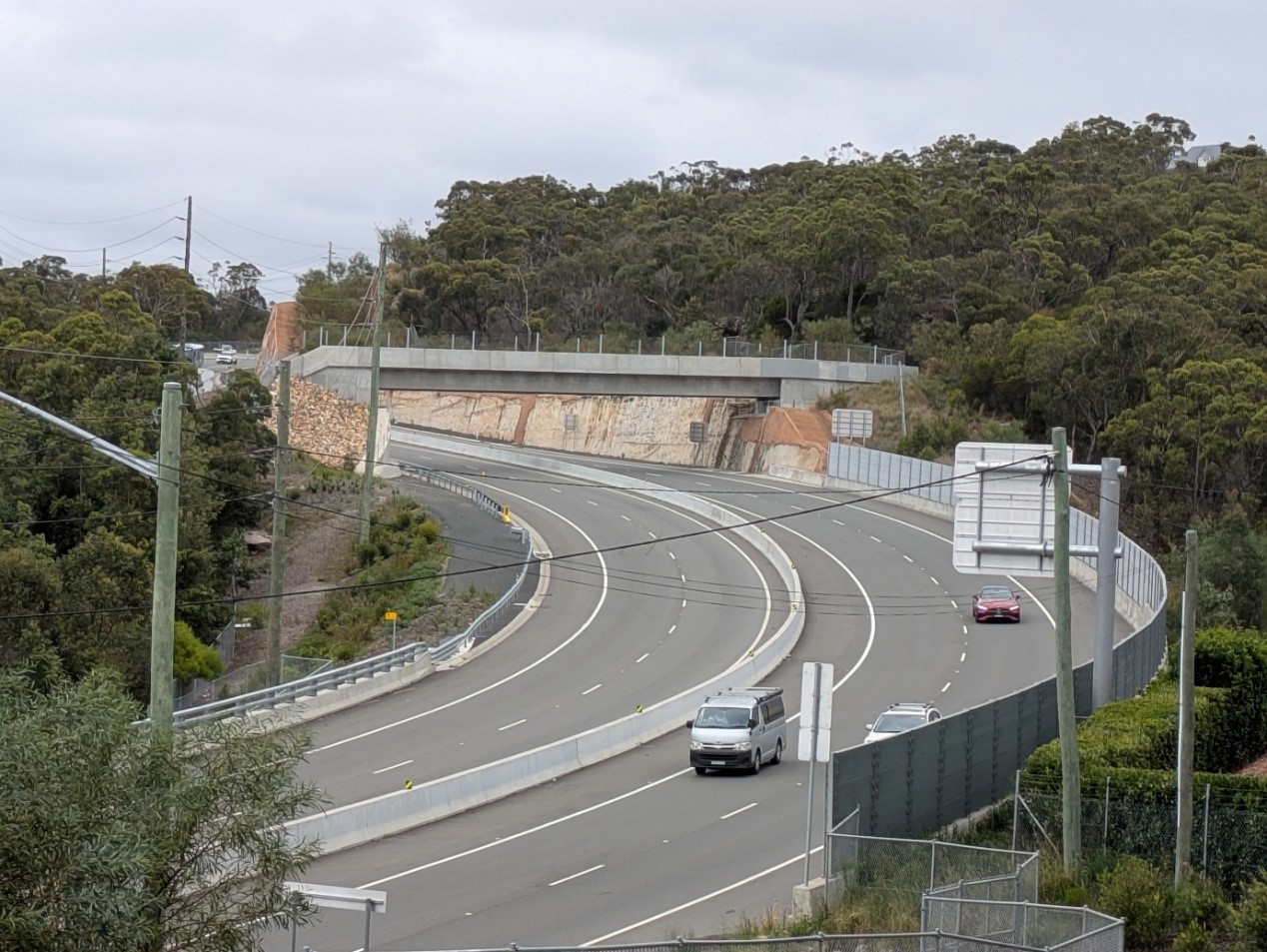
Fauna bridge on Mona Vale Road East. Ingleside Chase Reserve is on left. Photo David Palmer
The land is a critical element in the pathway for native fauna populations in Ingleside Chase reserve to cross Mona Vale Road east and disperse through bushland in Ingleside to Ku-ring-gai Chase National Park.
The land was set aside in the 2016 Ingleside Precinct Structure Plan, and marked as a fauna corridor. This was part of an agreement between Transport for NSW, (then RMS) and the NSW Department of Planning to create a corridor, fauna underpass and fauna bridge over Mona Vale Road East which would link Ingleside Chase Reserve with Ku-ring-gai Chase National Park.
However, in the new Local Environment Plan for the Northern Beaches this land has been zoned C3 which allows housing. If houses are built on it, then native animals which cross the fauna bridge or use the underpass will have nowhere to go.
Pittwater Natural Heritage Association secretary David Palmer is calling for action by the Department of Planning to remedy the situation.
“Whilst RMS kept their side of the bargain and built the fauna bridge, the Department of Planning didn’t keep their promise to zone the land for conservation. So now we have a situation where sometime in the future housing could appear on this land and the fauna Bridge over Mona Vale Road would lead into residential back yards and fences, rendering it a useless waste of money.
“We would like Northern Beaches Council to ask the Planning Department for a solution to this problem,” he said.
Cr Miranda Korzy will put a motion to Northern Beaches Council calling on Council to liaise with the Department of Planning, which owns the land, and other agencies to identify ways to protect it.
PNHA hopes that her motion will be supported by other Councillors as the long-term viability of native fauna populations in Ingleside Chase Reserve, which is under Council’s control, will be affected.
PNHA President, Marita Macrae says Pittwater Natural Heritage Association has been advocating for protection of native fauna in Ingleside Chase Reserve since 1994 when much of it was privately owned and threatened by a plan to subdivide it.
“Our campaign spurred Pittwater Council to take action to protect it which resulted in the creation of the nature reserve. We thought that with the creation of the fauna corridor and crossings over Mona Vale Road, our campaign would be over, but sadly our vision seems to have been thwarted,” she said.
PNHA member Jacqui Marlow has been involved in rescuing native fauna in the area for many years. She says that protection of the fauna corridor land is critical for the long-term survival of native animals.
She explained that “If native animals are not able to move between habitats, they will face gradual population decline leading to local extinction. We have many threatened mammals and birds in Ingleside Chase reserve including Eastern Pygmy Possums, which are listed as vulnerable in NSW. They depend on being able to move safely through the landscape to find food, shelter and mates.”
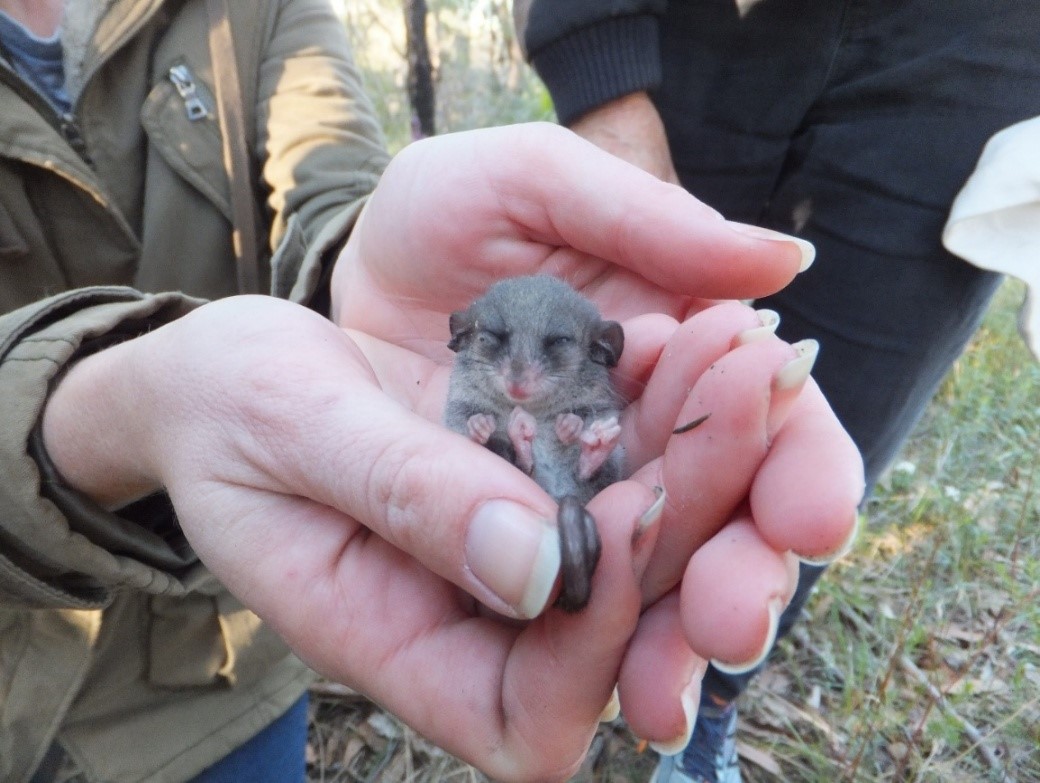
Eastern Pygmy possum near the fauna bridge on Mona Vale Road East. Photo David Palmer
The map below shows recorded sightings of Eastern Pygmy Possums on both sides of the fauna bridge and underpass on Mona Vale Road East.
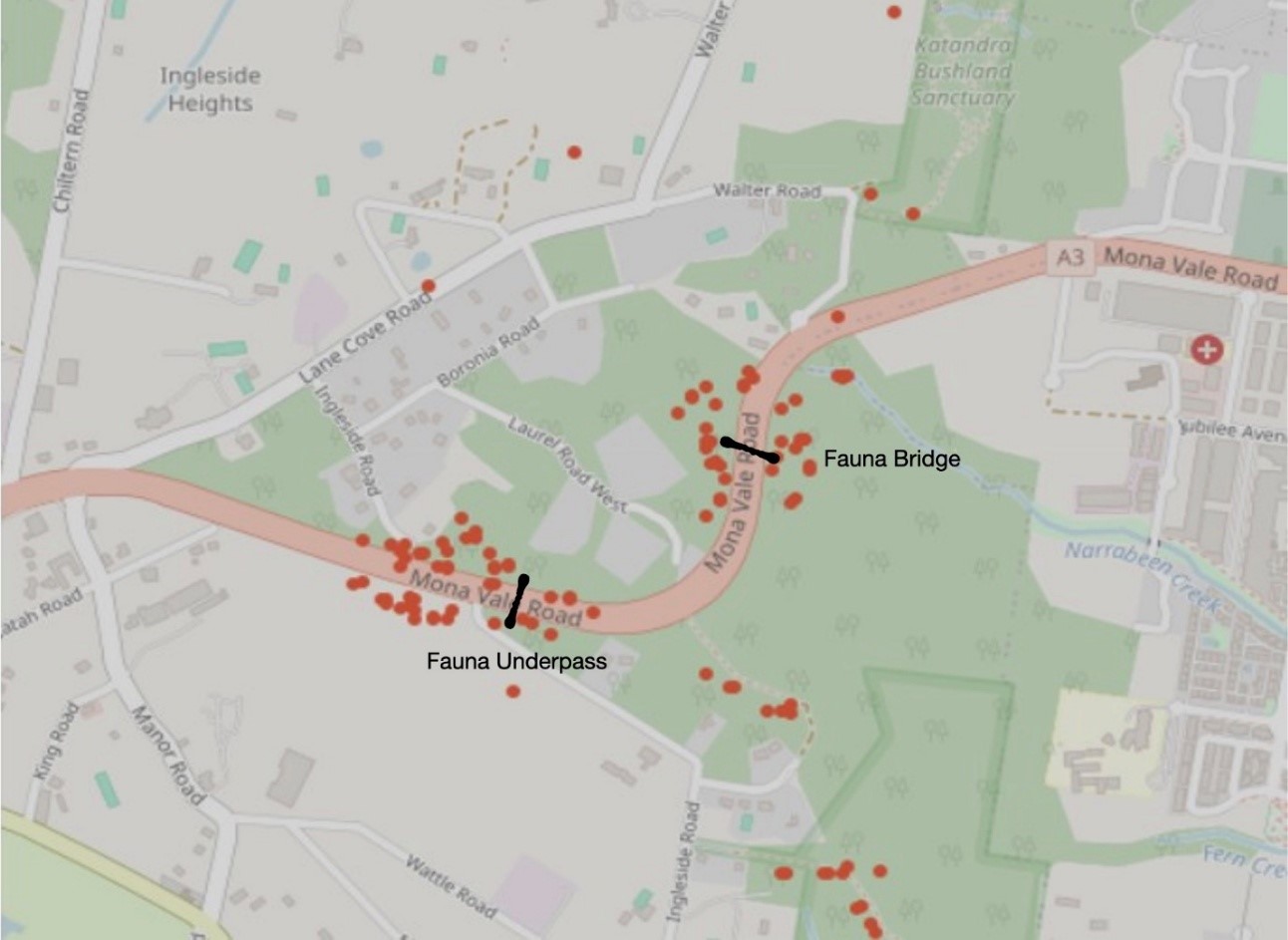
Eastern Pygmy Possum sightings near the fauna bridge and underpass on Mona Vale Rd east. Image: Atlas of living Australia 2025
Native animals have been photographed using the fauna bridge, showing that it is working, and as the vegetation on and around it grows thicker, more animals will use it. But if, after crossing the fauna bridge, animals encounter back yards, fences and domestic pets, then it will prove to be a bridge to nowhere.
PNHA has commissioned Pittwater Pathways to produce a three minute You Tube video titled “A Bridge to Nowhere?” explaining the issue. Click on this link or watch it below.
Pittwater MP and Councillor calls on state government to protect Ingleside wildlife corridor
Pittwater Greens Councillor Miranda Korzy is calling on the NSW government to protect land next to wildlife crossings at Ingleside from development, to ensure native animals travelling between bushland on either side aren’t blocked by backyard fences.
The crossings, a fauna overpass and underpass on Mona Vale Road, connect bushland in Ku-ring-gai Chase National Park and Katandra Wildlife Sanctuary to Ingleside Chase Reserve.
This then links to Garigal National Park, Irrawong Reserve, Warriewood Wetlands and Narrabeen Lagoon.
When the fauna crossings were announced in 2017 by the then NSW Coalition government, the NSW Planning Department committed to creating wildlife corridors to link Ingleside Chase Reserve with Ku-ring-gai Chase National Park.
This was in response to environmental studies showing the need for fauna connectivity through Ingleside.
Ms Korzy said Transport for NSW then spent millions of dollars constructing the two crossings as part of the upgrade to Mona Vale Rd East. The new roadway opened to traffic in March 2024.
The relevant land is currently owned by the NSW Planning Department, and is adjacent to Ingleside Chase Reserve to the south of the main road and Katandra Bushland Sanctuary to the north.
“I will be taking a motion to the February Council meeting calling on the NSW government to finish the job on the wildlife corridor linking Ingleside Chase Reserve and Ku-ring-gai Chase National Park,” Ms Korzy said.
“My motion will also provide for the council to liaise with the Department of Planning, which owns the land, and other state agencies to identify other potential options for protecting the land.
“The Mona Vale Rd fauna bridge was the first to be built in Sydney but although the road is finished, the job’s not yet done.
“We must ensure land at either end of the crossings is protected from development so that wildlife passing above or below the road doesn’t end up blocked by backyard fences in the future.”
Ms Korzy said the sites, currently covered in high-quality, undisturbed bushland, will be zoned C3 (Environmental Management) in the new LEP (Local Environment Plan), which could open them up to residential development.
Rezoning to C2, necessary to protect biodiversity in the corridor, would only be possible with NSW Department of Planning agreement.
However, the sites are inappropriate for development anyway, being highly bushfires prone and lying on a sandstone escarpment, which would make provision of services difficult and expensive.
They’re also unsuitable for septic tank soakaways and access would be problematic.
Ms Korzy was responding to the 10-year-long campaign by the Pittwater Natural Heritage Association and other residents for protection of the Ingleside land.
Wildlife experts from PNHA have said animals in Ingleside Chase Reserve need to be able to move through the landscape for food, breeding and to escape threats such as predators and bushfire.
One example is the Eastern Pygmy Possum, listed as vulnerable in NSW, which has been sighted using the crossings numerous times.
Ms Korzy said the fauna crossings with fencing along either side of the road also prevent collisions between wildlife and vehicles, avoiding road kill and improving road safety.
MP for Pittwater, Jacqui Scruby, stated:
“Pittwater is home to extraordinary natural heritage that must be protected. Wildlife crossings were built as part of the Mona Vale Road East Upgrade. For these to be most effective, adjoining land in Ingleside must be rezoned to ensure wildlife can move safely into Ku-ring-gai Chase National Park. If this doesn’t happen, the significant investment already made in building the wildlife crossings will effectively have been wasted. I strongly support the Pittwater Natural Heritage Association’s calls to ensure that our precious wildlife is permanently protected.“