SLSA stated:
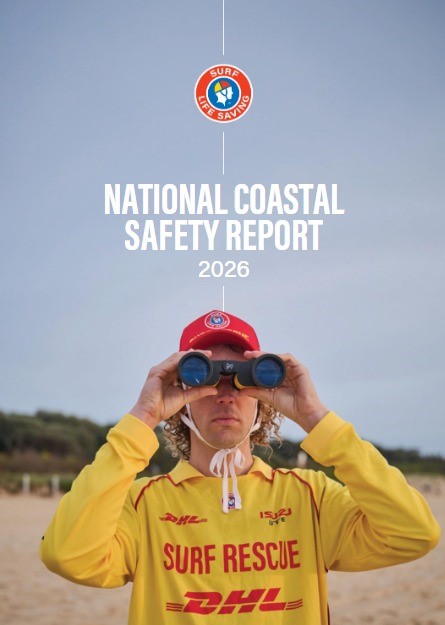
'Australian men are drowning on our coastline in record numbers. Surf Life Saving Australia’s (SLSA) National Coastal Safety Report 2026, released today, shows 151 people drowned on the Australian coast in the past year. 134 of them were men.'
They were partners, dads, sons, and mates. Two thirds (66%) drowned more than one kilometre from the nearest Surf Life Saving service, away from the red and yellow flags.
Many drowning deaths were close to home with almost half (47%) living within 50 kilometres of the drowning location, and more than half (51%) aged between 30 and 59 years old. Swimming and wading was the most common activity at the time of the incident (25%).
SLSA is calling on every Australian to make sure men get the message this summer: swim between the red and yellow flags and know your limits.
Surf Life Saving Australia CEO Adam Weir said men needed to take responsibility for their safety and make decisions that would get them home.
“134 men went to the coast last year and didn’t come home. Two thirds drowned away from lifesaving services.
“Men have long been overrepresented in coastal drowning deaths, but we’re seeing more men over 45, and it’s not simply about taking risks. It can be underestimating the conditions, overestimating our abilities, or a medical episode that becomes far more dangerous in the water.
“We need to be honest with ourselves about our fitness, our health and what we can safely manage. Swim between the flags, don’t swim alone, and don’t assume past experience makes you safe today.
“And if you know a bloke who thinks that advice is meant for someone else, a tap on the shoulder and a quiet word might help.
“If surf lifesavers can’t see you, they can’t save you,” he said.
Stop. Look. Stay Alive
Stop: Before you enter the water.
Look: For rip currents and other dangers.
Stay Alive: Swim at a patrolled beach between the red and yellow flags.
NATIONAL COASTAL SAFETY REPORT 2026 – KEY FINDINGS
- 151 coastal drowning deaths.
- Men accounted for almost nine in ten coastal drowning deaths (134 men), 20% above the 10-year average.
- 66% of men drowned more than 1km from an SLS service.
- 47% lived within 50km of the drowning location.
- More than half (51%) of males were aged 30 to 59.
- Swimming and wading was the most common activity (25%) for men at the time of drowning.
Click here to read the 2026 SLSA National Coastal Safety Report.
170 young children drown in a decade: Royal Life Saving urges parents to Keep Watch
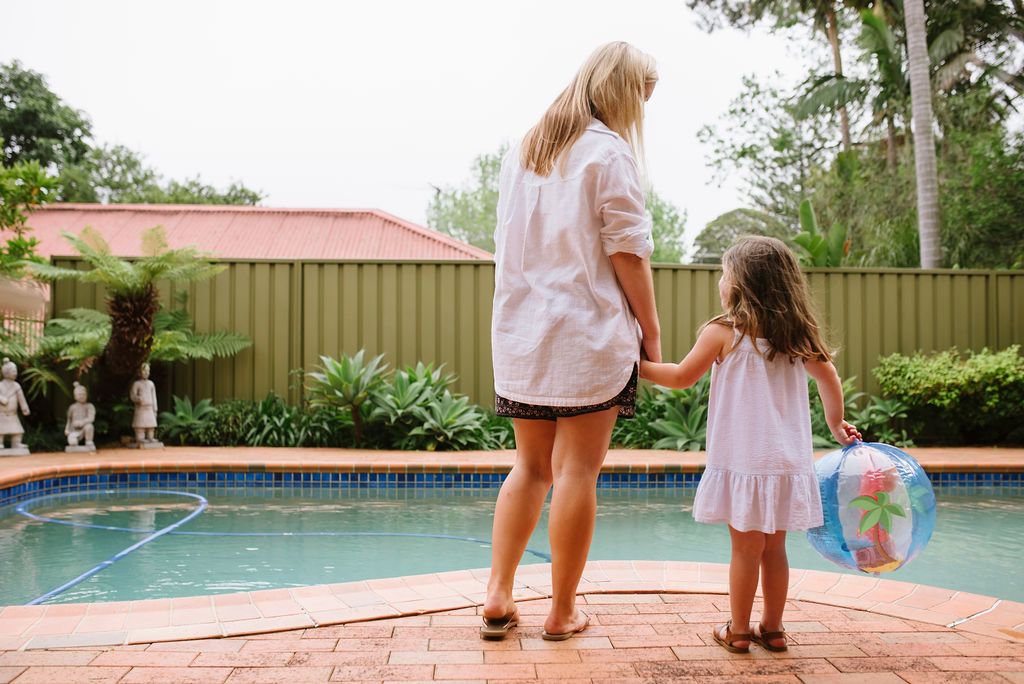
On November 10 Royal Life Saving released new research which records 83 children aged 0 to 4 drowned in swimming pools over the last decade, with the vast majority (93%) of these deaths occurring in residential backyard pools.
Alarmingly, 78% of children who drowned in swimming pools were not being directly supervised at the time of the incident. In 23% of cases, children had been without supervision for an estimated period of more than 15 minutes, while in 40% of cases, only one adult was present.
Queensland had the highest number of drownings for this age group, representing 41% of all drowning deaths in children aged 0-4 years, followed by New South Wales (22%) and Victoria (17%).
Royal Life Saving states active supervision saves lives and it is vital that parents and carers always Keep Watch.
Royal Life Saving Australia Chief Executive Officer, Dr Justin Scarr, said active adult supervision remains the single most important way to prevent drowning among young children.
"Drowning can happen quickly and silently. That is why supervision needs to be constant, without distractions from mobile phones, conversations, or other activities.
Whether children are swimming, playing near the pool or spending time around water, adults need to be actively engaged and ready to respond immediately. For children under five, this means being in the water with them when swimming, staying within arm's reach and actively interacting with them. Supervision must be 'eyes on' and 'hands on' at all times” Dr Scarr said.
Check Pool Fences - Gates
Royal Life Saving is also urging families to check their pool fences and gates ahead of Summer, particularly before hosting gatherings where young children may be visiting.
The latest research also found that 34% of swimming pool drowning cases involved children gaining access to the pool through a gate that had been left open.
Meritorious awards recognise acts of bravery by members who have gone above and beyond, putting their lives on the line to rescue people who have found themselves in trouble.
Meritorious awards
At the 2026 National Awards of Excellence, Surf Life Saving Australia awarded members of the SLS SNB Branch the following individuals and groups meritorious awards.
Adam Kovac, Saskia Rundle Trowbridge, Jacob Rodwell & Mark Bonney – Mona Vale SLSC
On Sunday 21 January 2024, members of Mona Vale Surf Life Saving Club responded to reports of three teenagers trapped within the hazardous tunnel system beneath the Warriewood Blowhole. Arriving by IRB in challenging 6–8 foot surf, the team located the people stranded among cliffs and rocks, with one suffering a suspected head injury. Despite surging seas and extremely difficult access, entered the water and swam through turbulent conditions to reach the group, while Adam, Jacob and Mark coordinated a carefully planned extraction. Working together with a second IRB, all three people were successfully rescued and transported safely to shore, where the injured person received further medical treatment. Their outstanding teamwork, courage and professionalism in a highly dangerous environment ensured a successful outcome and reflect the highest standards of our surf lifesaving service.
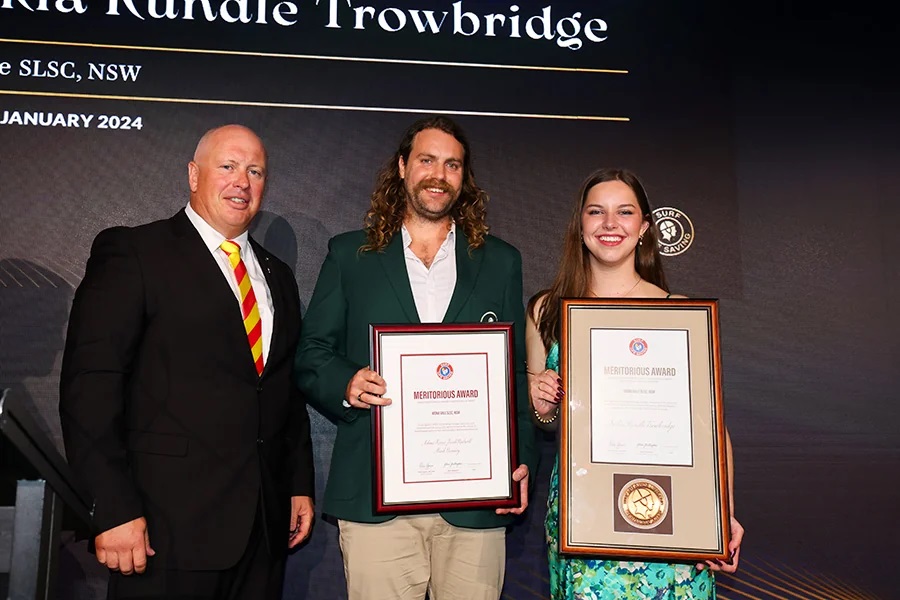
Mona Vale SLSC members at SLSA AOE - Meritorious award. Photo: SLSA
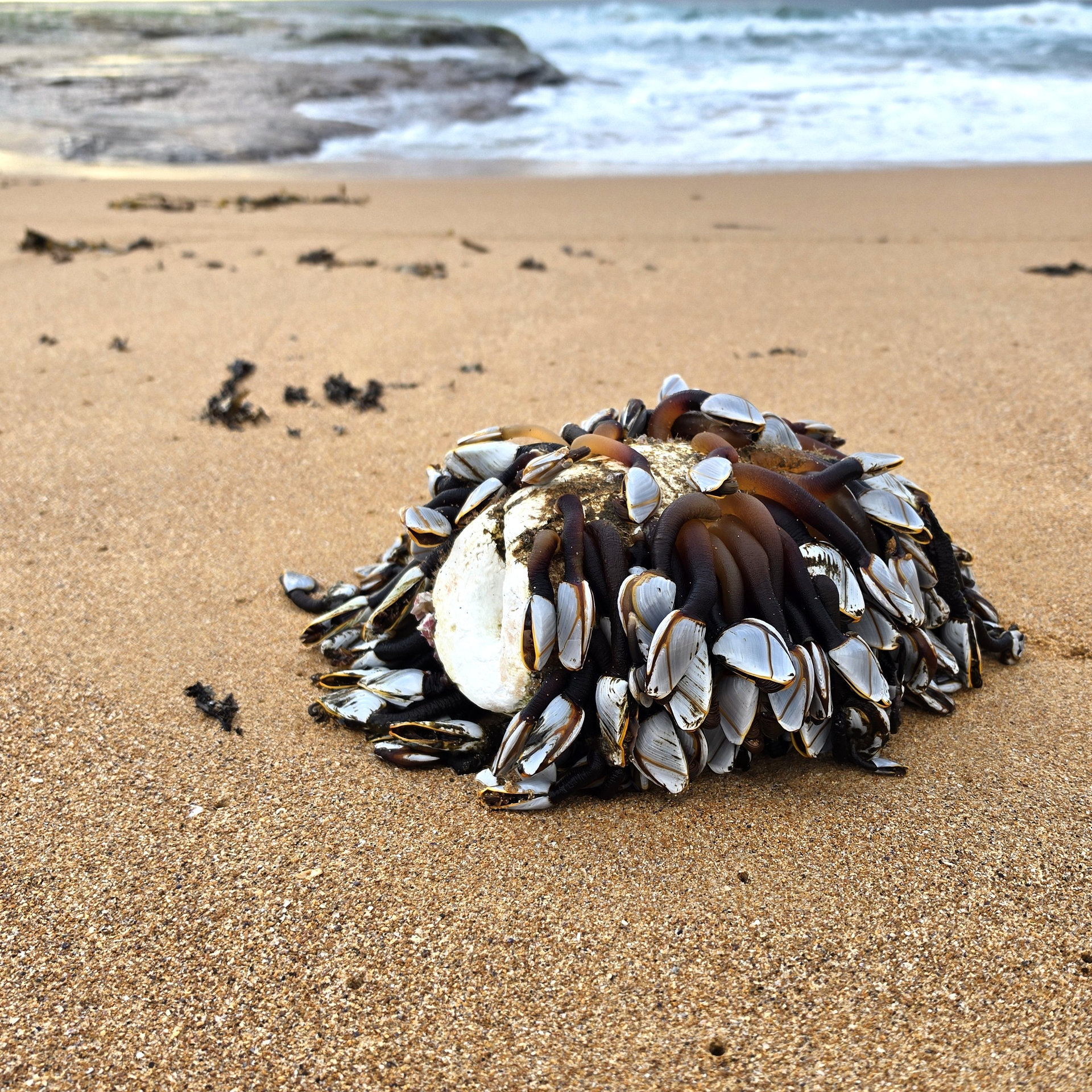
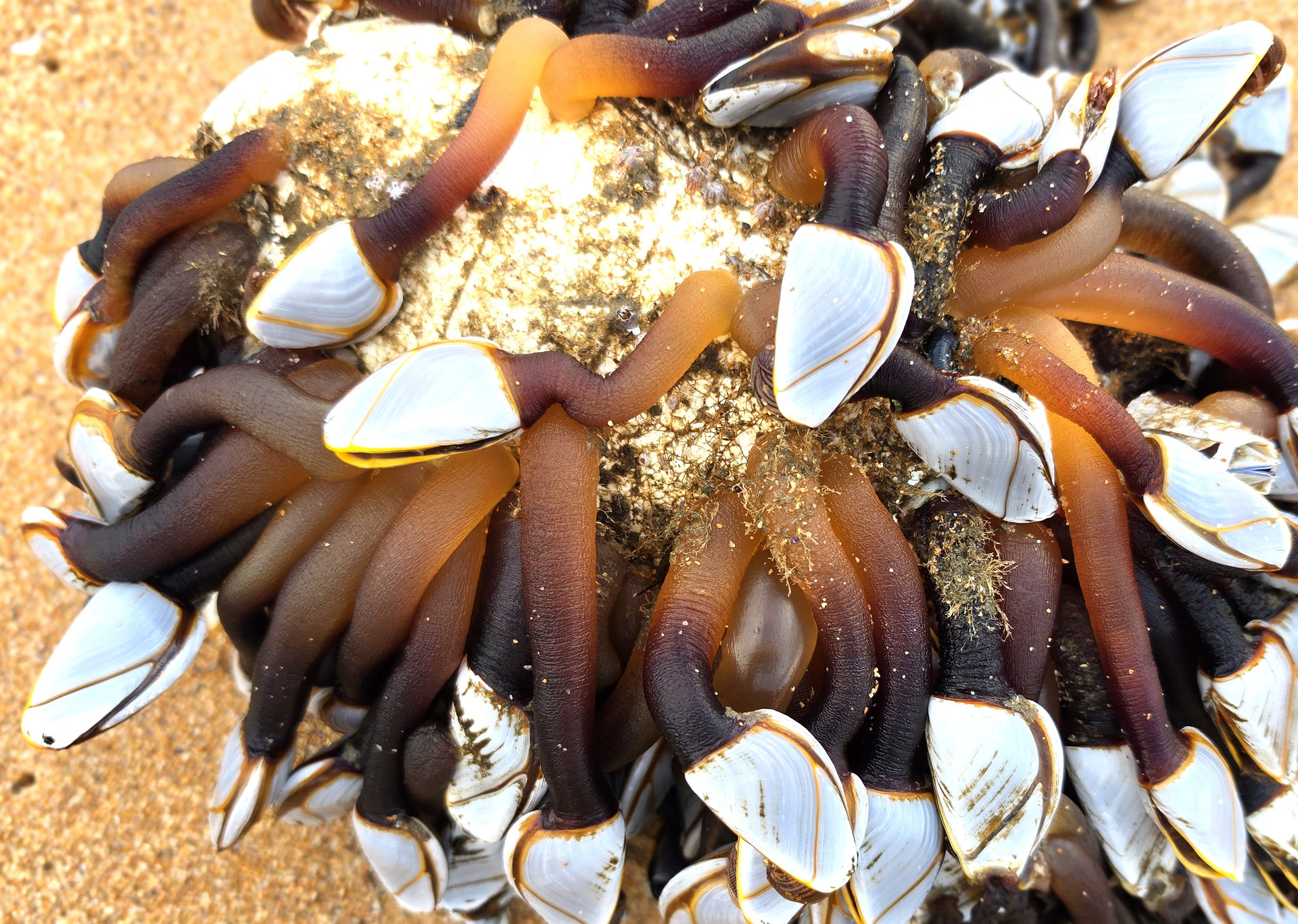
Turimetta Beach: Gooseneck Barnacles have colonised this foam fishing net float. Photos: Joe Mills - Joe's November edition of Turimetta Moods runs as this week's Pictorial
Blue-Faced Honeyeaters - Fledged Pair
photos taken Saturday morning, November 21 2026, PON yard, Careel Bay - 2 bubs again this Spring, plus 2 siblings helping with feeding, plus their parents seen flitting by, getting food, still trying to get whole family group together in one frame

the fledged pair, one of them grooming in early morning. Photos; A J Guesdon

