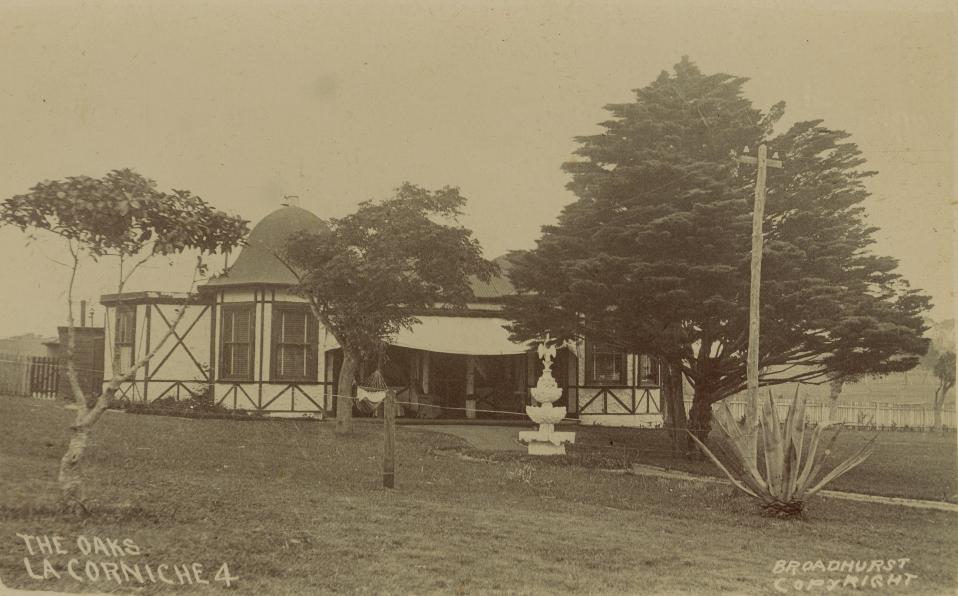
With Autumn school holidays commencing, this Issue a look into the villa at Mona Vale first called ‘The Oaks’ which was the original home of the Brock family, first ‘Mayor’ of Warringah Shire Council in 1906, and the shift to ‘weekenders’ in the years before this became affordable and fashionable, when William Scott Fell, shipping merchant and politician, of Mosman, bought the home for weekend respite.
The acres of Mona Vale land alongside the Black Swamp Camping Ground bought by George Brock for £450 according to him, others state £650, although this may have been when he added the north Mona Vale headland section 'B' in, acquired from the agents in the Mona Vale Land Company and from Marjory Woodman, wife of William Woodman of Balmain, in 1897/98 for 'a consideration of £210' and paying off the residual mortgage.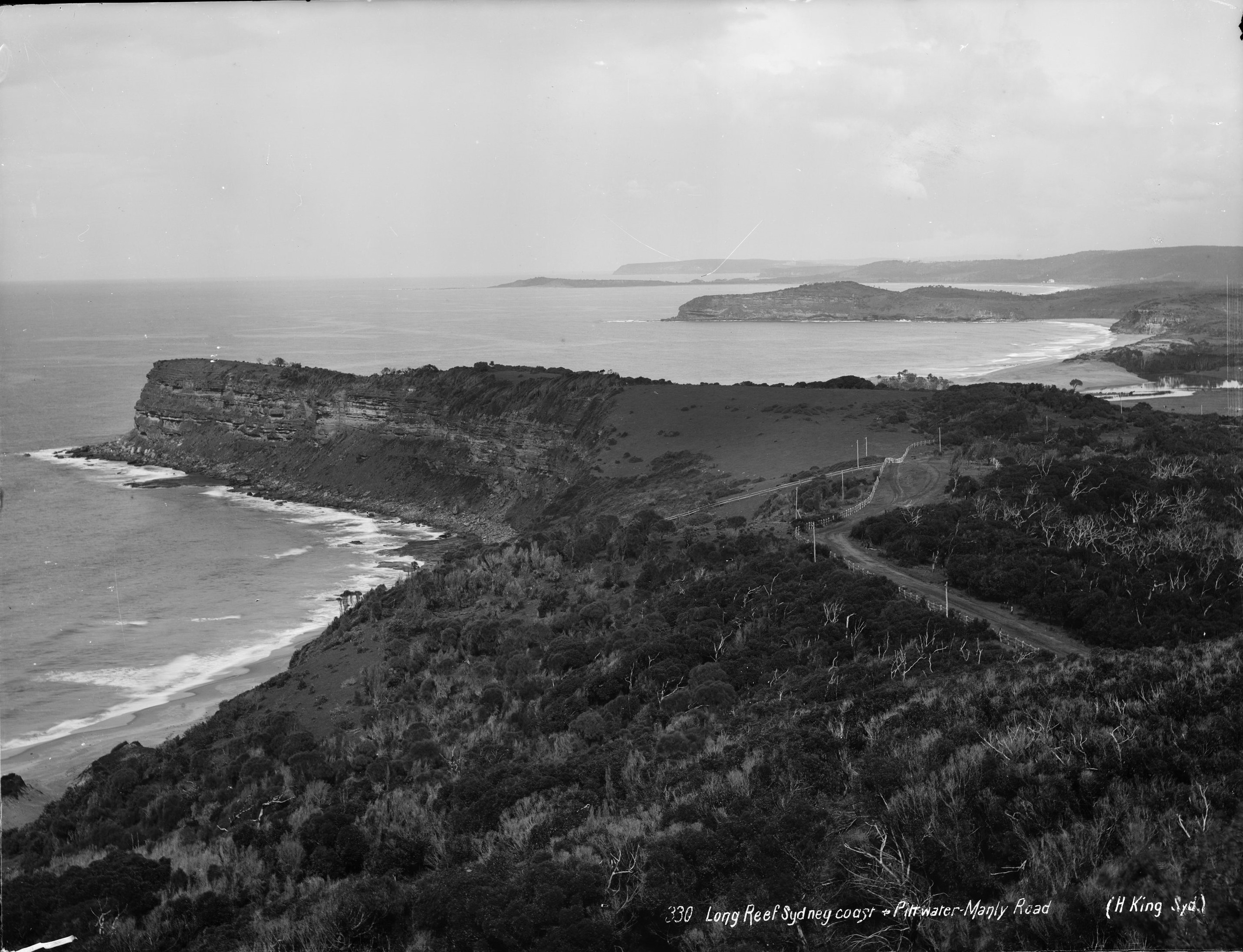
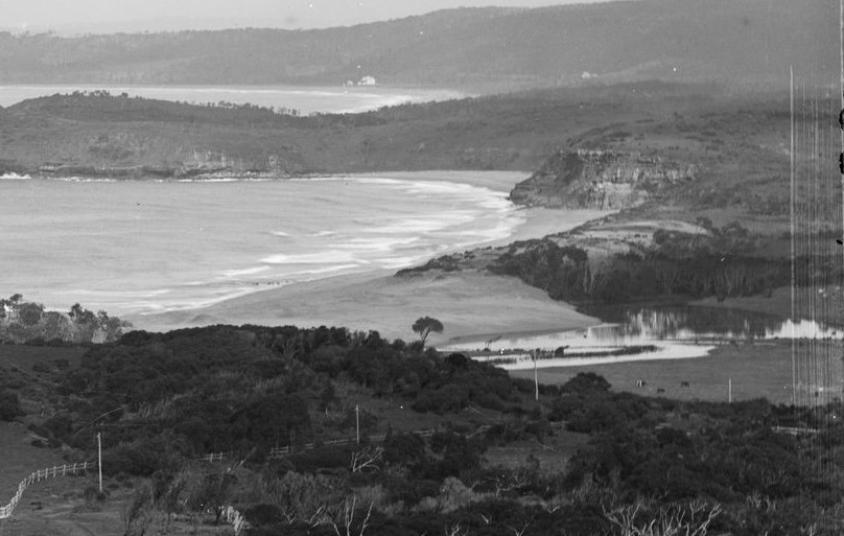
Here George Brock lavished £25,000 to establish 'The Oaks Model Village and Polo Grounds', based on the conversations he had with then NSW Minister for Public Works, Edward William O'Sullivan.
The Oaks Village's first villa was a 'seven-roomed home with offices' of rusticated cement over boards on the corner of Darley Street and today's Barrenjoey road where his father and mother, Robert and Mary Brock lived, which was also called 'The Oaks'.
The description of 1890s residential architecture was typically characterised by strict segregation of spaces, where kitchens and functional service areas were separated from the main living areas to hide the labor of servants and contain noise and heat. Houses of this period often featured distinct "upstairs/downstairs" arrangements, even on a single level.
To manage fire risk and heat, kitchens were detached from the main house altogether, connected by a covered walkway. This photo of the ‘Fairhaven’ at Lovett Bay is a good example of early safety choices, although this may also have been used as an accommodation quarter for guests or as a bathhouse or washhouse area - the rainwater tank implies a functional use:
.jpg?timestamp=1760032273760)
Above: from Album 50 Allen album 1909 - Sunday, 15th of August, 1909 Caption reads; 'Harley Hickson's House' Enlarged from Image No.: a3286021h, courtesy State Library of NSW. Shows kitchen/bathhouse with rainwater tank
This was also the home of the family of George Brock, his wife Charlotte, eldest son Oswell, daughters Dorothy and Viva. Viva's twin brother, Victor, passed away aged just 4 months and 19 days in December 1891.
The Builder of is stated to be Samuel Stringer through Brock and Stringer family records. The cupolas which feature on 'Dungarvon' at Mona Vale are also part of the features of The Oaks buildings, although there are also records which state there was a French influence in the buildings designs and that Mr. Stringer was not contracted to build there, as a Carpenter, until 1902. When he was he was employed to erect the the stables, the ballroom as well as the Oaks villa on the Brock Estate.
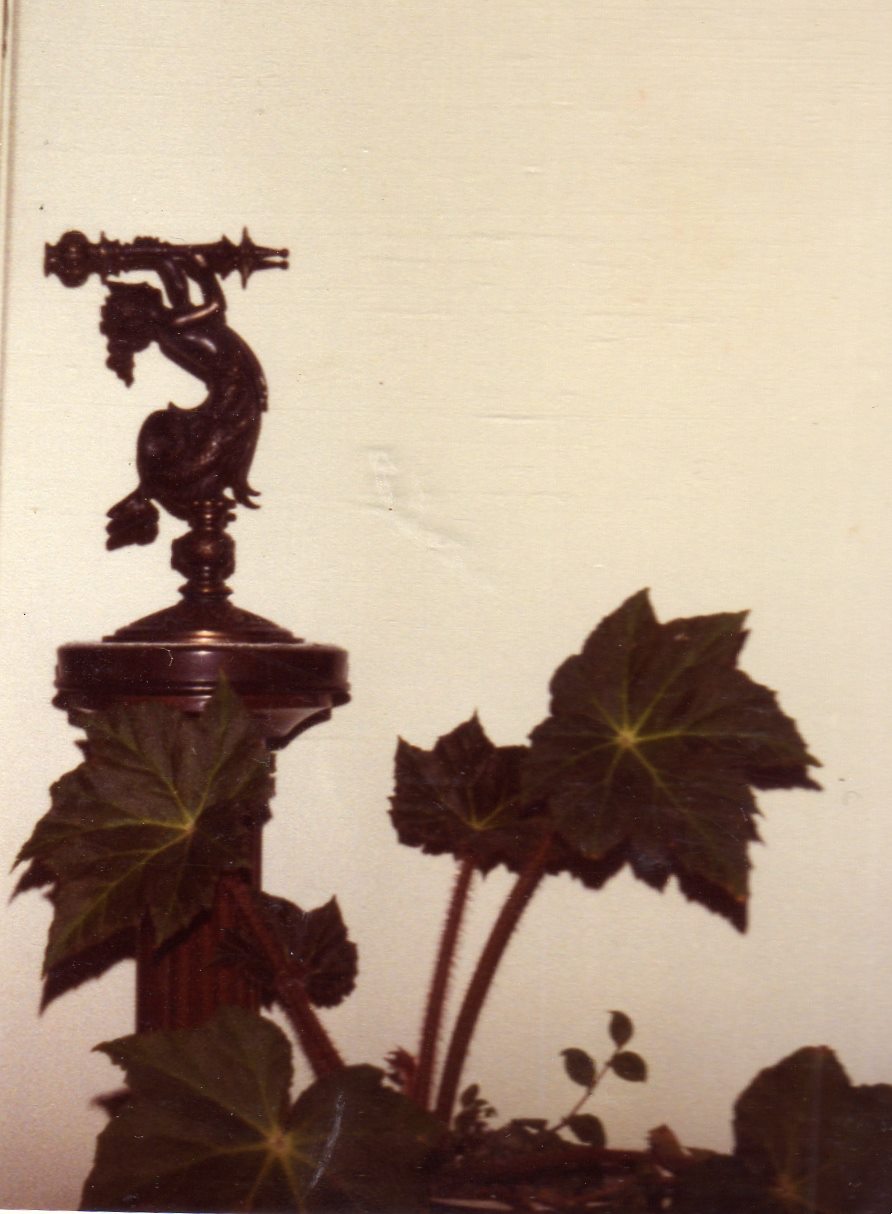
Dungarvon, at 28 Park Street Mona Vale, was built by James Booth Stonemason, from sandstone that came from the Brock site according to records. The home Stringer built alongside it at 26 Park Street, which was used as a school prior to Mona Vale Public School opening, had the same building elements, rough cast cement over boards. Stringer family anecdotes and records would indicate towards the end of his attempts to launch a large resort here Mr. Brock was paying workers with possessions, Stringer family descendants still hold a mermaid lamp given in lieu of wages, and that may have stretched to materials as well.
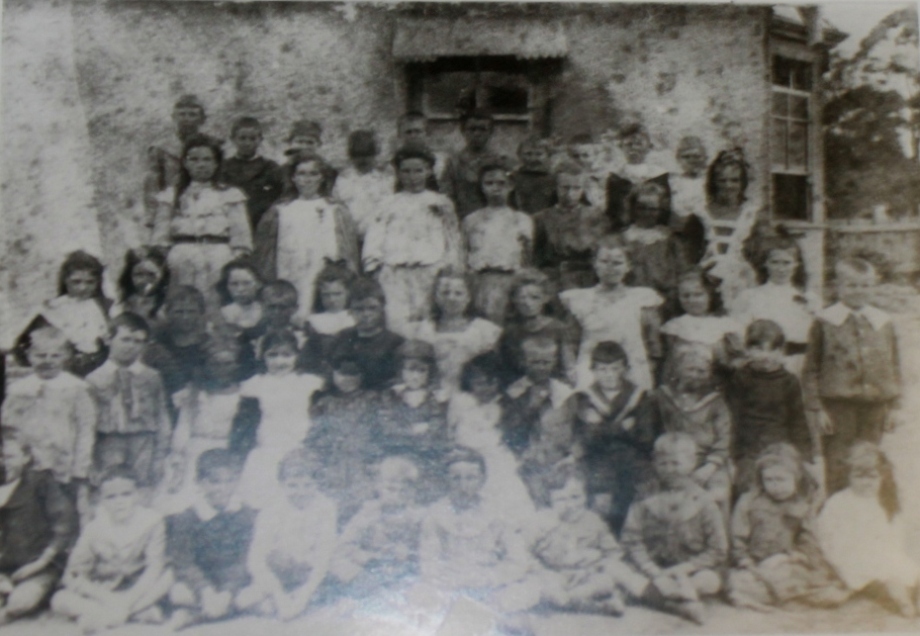
Mona Vale School in Stringers cottage, 26 Park St, Mona Vale
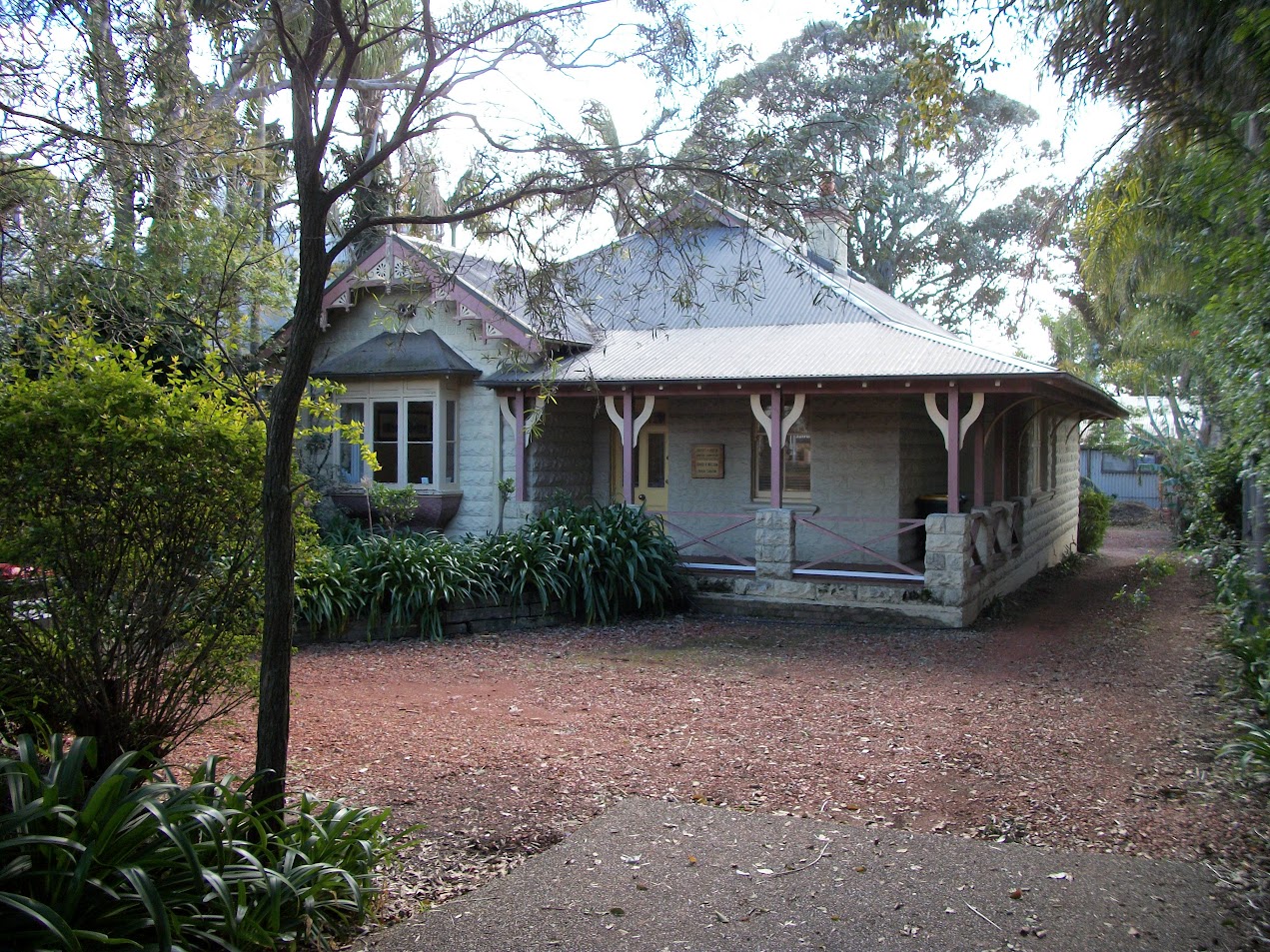
26 Park Street was recovered with fake blocks - as it was in 2012 - A J Guesdon photos
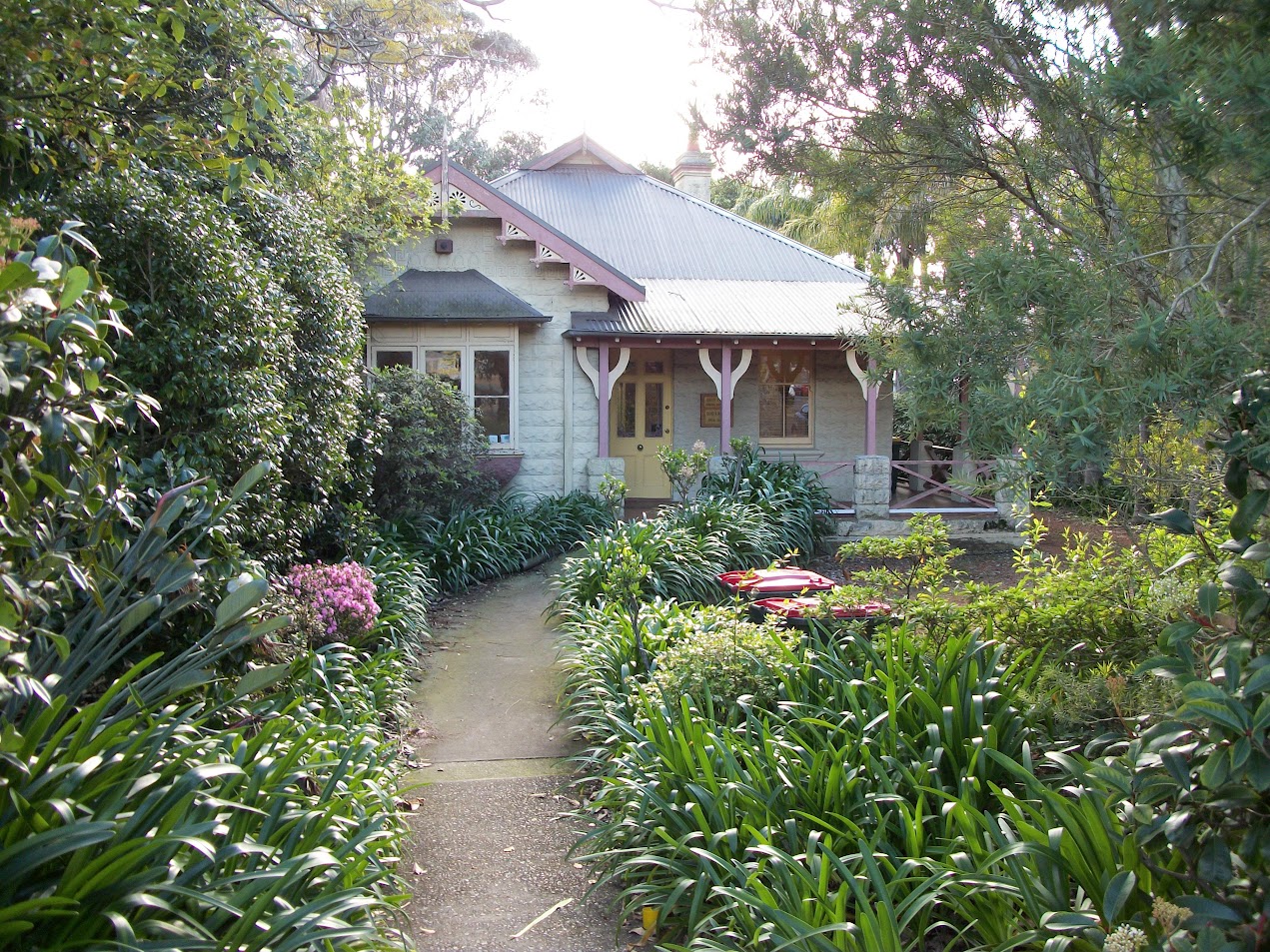
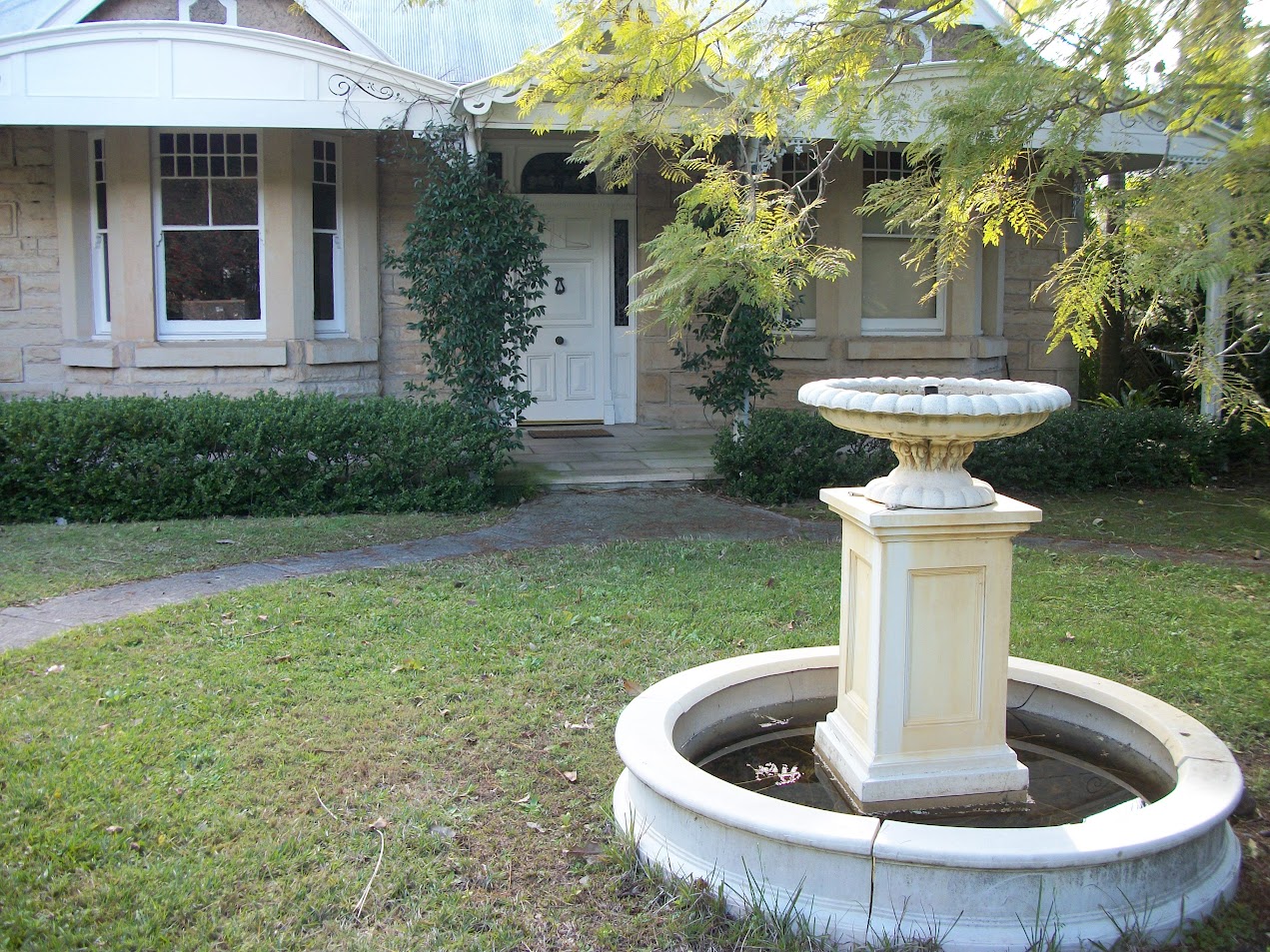
Dungarvon at 28 Park street Mona Vale in 2012
Oswell Brock, who had a camera, has taken photos of Robert and Mary Brock, along with his parents and sisters at 'The Oaks' villa prior to his grandparents passing away there, so the home was already in place soon after Brock bought the land and began 'draining and filling in the swamp' along the Black Swamp on which the original Mona Vale cemetery in Beeby Park, the Kitchener Park and Mona Vale golf course has been established.
Worth noting in this regard is there is evidence this was not only an Indigenous peoples sacred grounds where families camped, fished, collected and had oyster feasts, it was also where people were buried.
Australian Aboriginal burial grounds are chosen for their deep spiritual connection to Country, often located on ancestral lands, high points, dune ridges, or near significant water sources. Soft soil areas like coastal dunes and river banks were frequently used for burials, and sites also reflected places where people camped or lived.
To desecrate this holy place by filling it in would seem to have cast a long shadow over not only Mr. Brock's aspirations, but those of every European who came after him with one after another 'lessee' and owner also losing the place, through debt.
A few items from newspapers of the past would indicate that sacred songline in this place years later, when the next owners were looking to cash in on the land and its structures - and when the Warringah Shire Council was putting in a car park on land it had resumed to forward its aspirations for what should be around Mona Vale SLSC:
SKELETON FOUND.
Believed to be That of Aboriginal.
Part of the skeleton of a man, which had evidently been buried for many years, was found by workmen who were digging a trench In Noble-street, Mona Vale, about noon yesterday.
Police are investigating, but they believe the skeleton is that of an aboriginal. The area was once a native burial ground.
A number of men were at work preparing a parking area in Noble-street, when one of them unearthed a skull. After a few minutes, other bones were found, apparently part of the backbone. SKELETON FOUND. (1935, January 5). The Sydney Morning Herald (NSW : 1842 - 1954), p. 16. Retrieved from http://nla.gov.au/nla.news-article28020704
ABORIGINAL ?
Mona Vale Skeleton
A skeleton of a man unearthed yesterday in Noble-street. Mona Vale, is believed, by the police, to be that of an aboriginal. The area where the skeleton was found was once used by the aboriginals as a burial ground, and during the last few years several other skeletons have been unearthed. The skeleton was removed yesterday to the city morgue. ABORIGINAL ? (1935, January 5). The Sun (Sydney, NSW : 1910 - 1954), p. 3. Retrieved from http://nla.gov.au/nla.news-article230272317
Noble street as a name formed part of the Rickard subdivisions and is today's Seabeach Avenue at Mona Vale and went out to the low dune and bank between the Mona Vale Basin and the beach is.
Others came during World War Two, when the AIF was ripping up the country to install tank traps and trenches along Seabeach, the Bungan headland down to Bayview:
Children Find Human Skeleton
Children found a human skeleton at Mona Vale, Manly, on Saturday. An examination yesterday by the Government Medical Officer . (Dr. Percy) showed that the skeleton was that of an aboriginal woman, probably buried more than 100 years ago. Police believe that floods washed the skeleton from a tribal burying place. Children Find Human Skeleton (1942, April 6). The Daily Telegraph (Sydney, NSW : 1931 - 1954), p. 5. Retrieved from http://nla.gov.au/nla.news-article247911168
ABORIGINAL WOMAN'S SKELETON DUG UP
The skeleton of an aboriginal woman, probably buried many years ago, was found at Mona Vale yesterday. The spot where the bones were found was an old aboriginal burying ground. ABORIGINAL WOMAN'S SKELETON DUG UP (1945, September 10). The Daily Telegraph (Sydney, NSW : 1931 - 1954), p. 7. Retrieved from http://nla.gov.au/nla.news-article248023953
There are also records in newspapers which state beside where the council filled in Newport Lagoon was a sacred burial site as well with excavations for drains there, and storms that further eroded some areas of the old channels, uncovering the loved ones who were here before.
George Sydney Brock's parents passed away on November 10 1899 for Robert and August 19, 1900 the following year for Mary Anne. Samuel Stringer must have commenced and completed the villa prior to then.
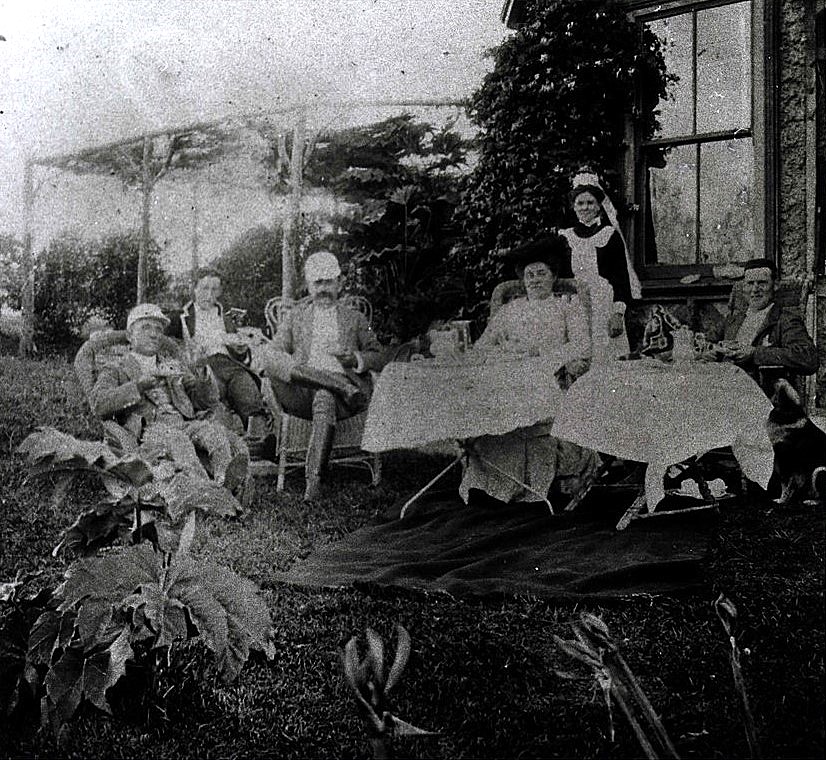
George and Charlotte Brock hosting polo suited friends at The Oaks villa for afternoon tea - circa 1900. Note the maid standing behind Charlotte. Photo: Brock/Dodds family (Viva's married name)
Although commentary from journals and newspapers from 1906 to 1910 opined on the architectural style Brock used to erect the village's buildings, as no actual Architect was employed, years afterwards, when 'The Oaks' villa was changing hands again, some insights filtered out, apparently through Oswell and George Brock himself:
BROCK OF BROCK'S BEACH
The following, from "Smith's Weekly," will be read with interest by Lithgowites:
"The author of the well-known structure' on the Newport Road, north of Sydney, built a decade and a half ahead of his time.
The motor makes the place an ideal "country club" site, but Brock built before the motor, had .been heard of. He has always had notions of his own on the subject of Architecture. His original house was built on the lines of a ship. He put in portholes instead of windows, and armchairs which played God. Save the King' when you sat down, on them. He also put in Larry Foley majolica mantelpiece. Nobody ever knew why Larry Foley got the mantelpiece. Nobody ever knew why Brock took it away from him.
Brock is a great sportsman, and is the essence of hospitality. He has always had a passion for the sea, and this passion was once nearly the end of him. He put off from the beach in a dingy, and was caught in a gale. He was blown many Ieagues.to the north, and was ready to go out to it, when by chance he was picked up. He was a great polo player, and still is a stylish quail shot. BROCK OF BROCK'S BEACH (1921, January 31). Lithgow Mercury (NSW : 1898 - 1954), p. 2. Retrieved from http://nla.gov.au/nla.news-article219261547
French influence in Australian architecture and building was considerable up to the time of the Great War. Between 1890 and 1910, French-inspired cupolas and domes, often blending with Edwardian Baroque and Beaux-Arts styles, brought a "Belle Époque" grandeur and the Art Nouveau style to Sydney architecture, used to signal prosperity and urban sophistication. This style, popular during the Victorian era, introduced mansard roofs, decorative domes and cupolas. These features appeared on major civic buildings, theatres, and commercial hubs, along with incorporated into home designs.
George Brock, according to articles published in The Builder in 1909, and James Booth, employed 200 hundred workers on the site, welcome work during the 1901 drought when employment was scarce in both city and rural areas, and there were French Stonemasons among these work crews to complete those French flourishes the buildings had.
The cement was made on the site, the timber came from an Erina Creek on the Haweksbury land holding Brock bought soon after he bought the acreage, was cut and shipped down the river via the ocean and estuary to the site, in fact, the aim was for self-sufficiency through necessity as much as to set a shining example of a 'model village' and what could be achieved.
George Brock's life is festooned with such schemes, even when serving briefly as a councillor on Newtown Council he would gift to the community objects, events and ideas - such as including disinfectant in the cleansing carts which washed the streets in pre-sewage facilities and horse droppings days.
By 1908 this site and its villas are being fashioned as 'weekenders' under the Rickard lingo of then, and a forerunner of the place to spend the 'Season' which predates the fashionable Palm Beach Season by a decade.
Although there are indications this villa was also used as a weekender during the rest of the year by then owners William Scott Fell and his wife Emma Catherine, it was primarily their home during the 'Season' when the shift from staying at a hotel or tent to having your own weekender became fashionable for those who could afford it.
Soon after Emma Scott Fell passed away in 1919, from the flu epidemic that raged through Sydney after WWI, her husband sold The Oaks villa to those who relaunched the site as 'La Corniche in 1920.
The Oaks villa then passed through a series of owners who leased it out as an office for a school teacher, then the AIF during World War Two, as a site for the National Fitness Council until it was bought in the 1950's by Newport's Howard Howell, who built a Service Station on part of the site. He promptly sold his holding to a Bayview investor who onsold it soon afterwards to Amoco where it became the BP Service Station.
The rest of the site went to units developers. The villa was demolished in 1966, with the Seabeach Gardens retirement village and nursing home now behind the Service Station on the previously one acre+ site of gardens around the villa.
George Brock's Ownership: 1898 to 1907
Photos held by the NSW Records and Archives files of the State Government show 'Brock's was mostly built by 1900. However, construction on further cottages and villas for the estate was continuing when it was placed, under power of sale, on the market by those who had loaned Mr. Brock £15,000.
George Brock bought 67 acres, 3 roods and 8 perches alongside Mona Vale Beach and the North Mona Vale-Bungan headland and lands northwards measuring 57 acres 3 ½ perches, with the Certificate of Title registered on February 7,1899 (Vol-Fol: 1272-71), measuring a total of 76 acres 1 rood and 16 ¾ perches taking out a mortgage for the same with the Australian Joint Stock Bank in 1901 and this mortgage was transferred to the City Mutual Life Assurance Society Limited in 1905.
The land was what was left from the Robert Campbell land grant of 700 acres, which was subdivided in part by Pile and Jeanerette to form the New Marine Township of Newport (119 acres), with the residue overseen by George Osborne and Alexander Stuart, Esquires (the trustees of Mrs Bassett's marriage settlement) when the acreage became part of the Bassett-Darley estate.
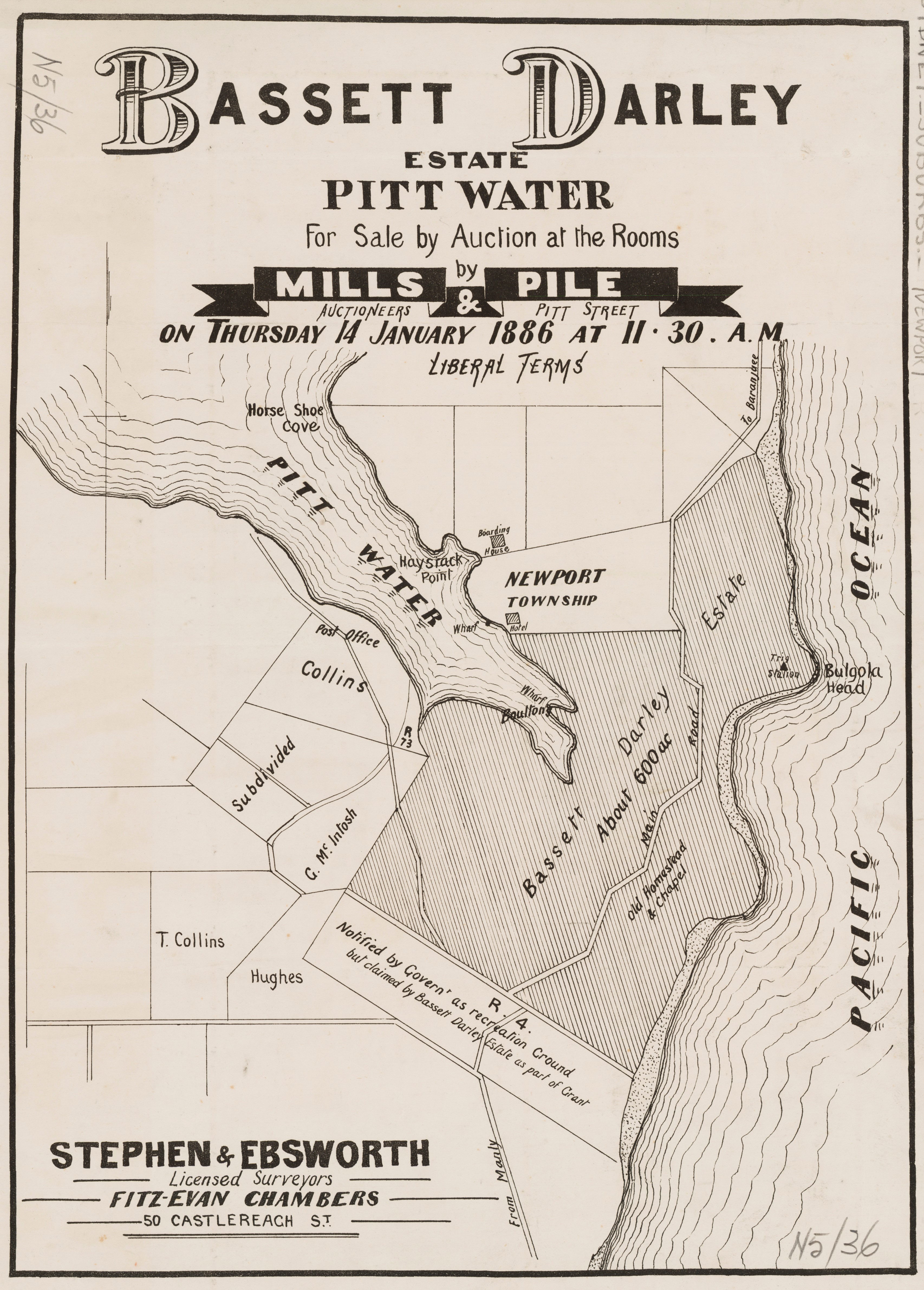
Bassett Darley Estate - Pittwater - Main Rd, Pittwater, 1886. Item No.: c050400027, from Mona Vale Subdivisions folder, courtesy State Library of NSW.
The Bassett-Darley estates was the name given to nine portions of land, five on the Manly to Barrenjoey peninsula and the others at Granville, Liverpool, Appin and the Illawarra. These were the lands inherited by Katherine Wentworth from her father, D'Arcy Wentworth, when he died in 1827. However, the name did not enter the lexicon until 1877 when the colonial parliament passed the Bassett-Darley Estates Act.
The name stems from Katherine's two marriages, the first to Benjamin Darley when she was 22 and the second to William Bassett two decades later. The purpose of the act was to remove legal impediments which, until then, had prevented Katherine selling her estates. Its full title was An Act to authorize the trustees of the Marriage Settlement of Mrs Bassett to sell and dispose of certain lands at Manly Beach and elsewhere in the Colony of New South Wales.
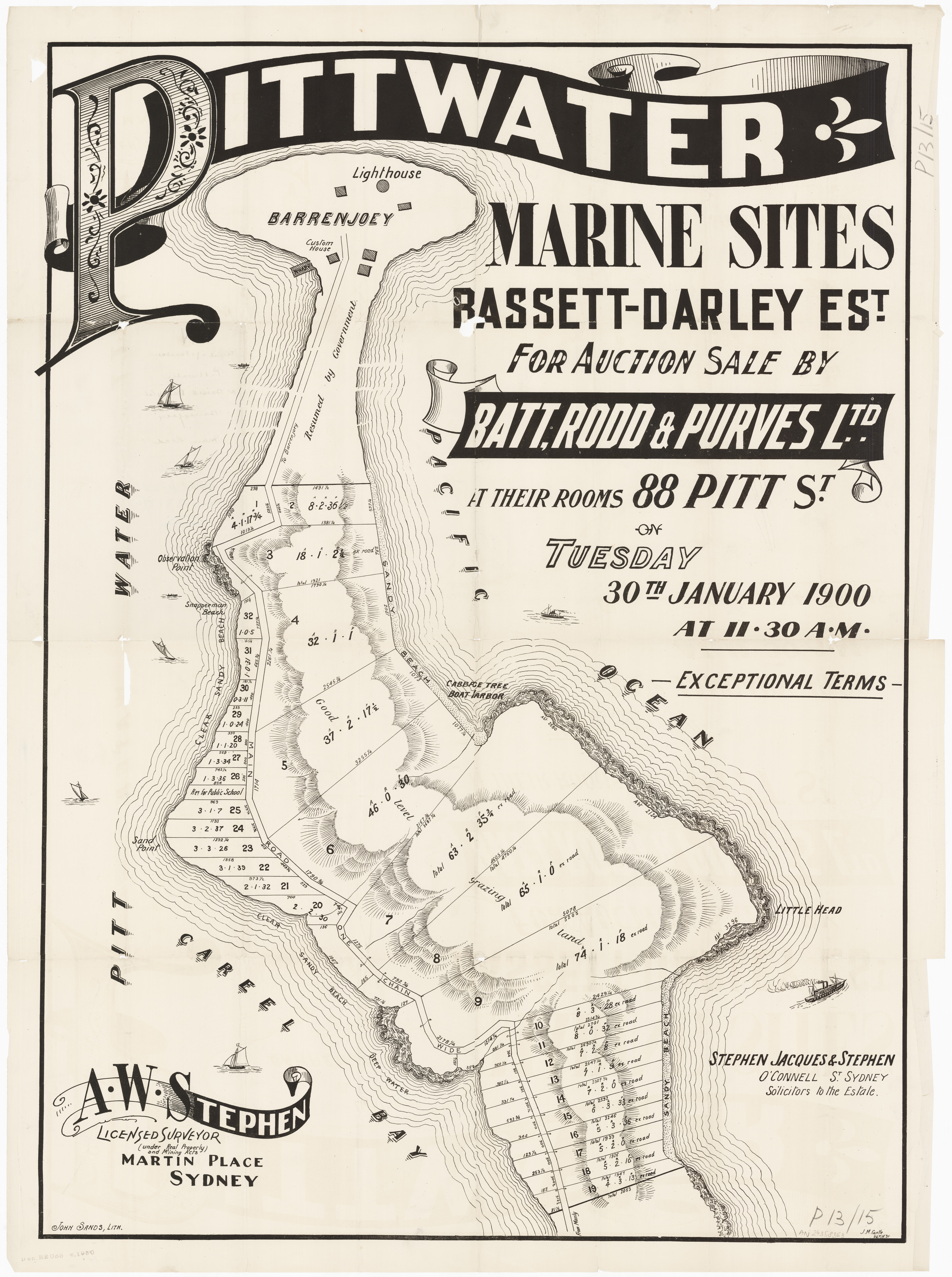
The main ones in Pittwater were the Campbell acreage at Mona Vale to Newport and that at Palm Beach, which stretched from and originally included the Barrenjoey Headland right down to Careel Bay and North Avalon. The government resumed acreage at Palm Beach when the Broken Bay Customs Station, and later, the Barrenjoey Lightstation was built but the holding still included over 400 acres there which would eventually be successfully sold off in suburban-holiday sized lots by the Barrenjoey Land Company.
Primary Application 10630 and 10637 showed what went over to the Mona Vale Land Company and others after the Osborne-Stuart sell off to many others prior to 1897:
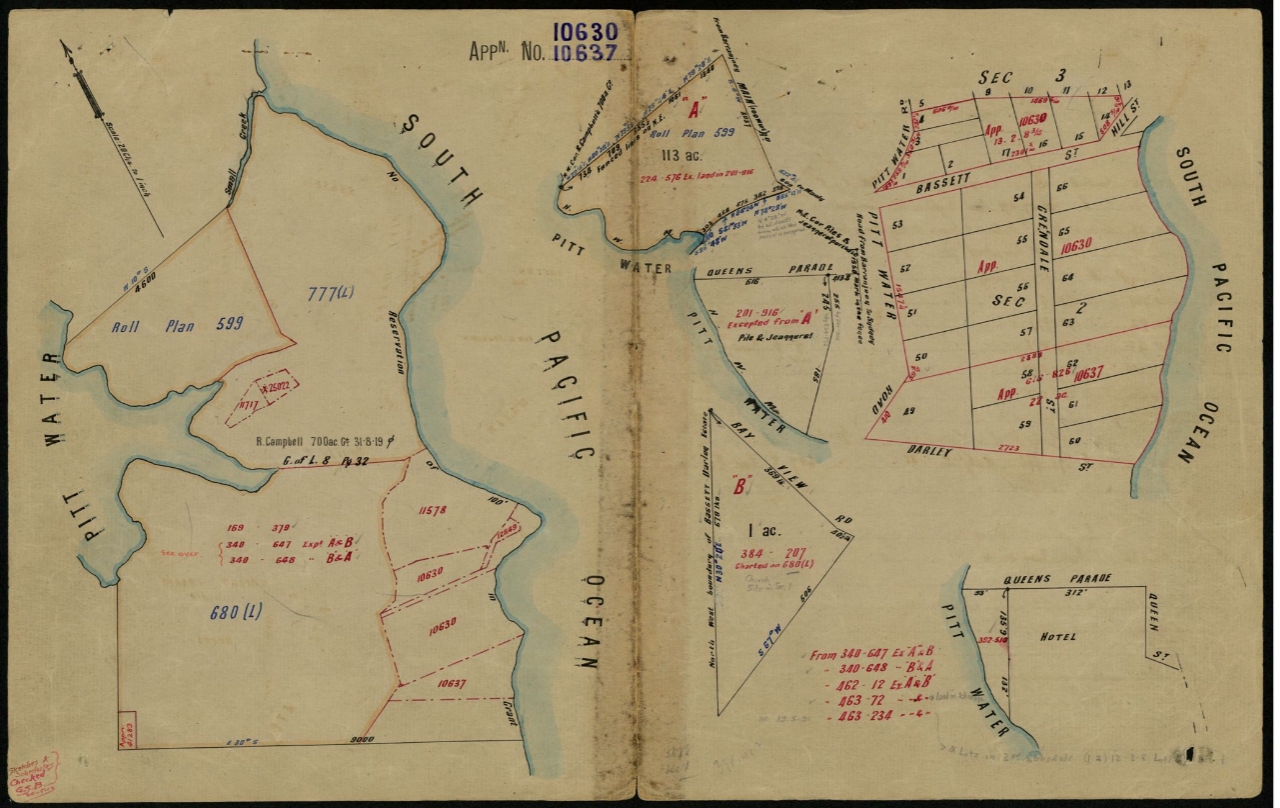
The HRLV Book-No: 826-616, dated December 20, 1897, records Marjory Woodman, wife of William Woodman of Balmain, sells 'for a consideration' of £210 with the residue to be paid to the Bank of New South Wales to extinguish the mortgage held there for the same. Marjory Woodman not only sells the land also included is the 'houses and outhouses, ways and rights of way'.
Residents will recall the original St. John's Anglican Church was opened on the Bungan-Mona Vale Headland was consecrated on September 21, 1871 and was not moved to its present site until 1904. Although this was just outside of the perimeter of Brock's original holding, when he added more acres later on, around the time the small building was transferred, that 'God's acre' would have become part of what he owned.
Vol-Fol: 1272-71:
.jpg?timestamp=1774488010310)
.jpg?timestamp=1774488044888)
Edward William O'Sullivan, a 'Progressive Independent' developed the electric tramway system, expanding railways, harbour and sewerage works, and tried to provide Sydney with a proper water-supply. Central Railway Station is one of his more memorable edifices.
Members of the then Bayview Residents Association and Mona Vale and Newport Residents took Mr. O'Sullivan on a tour of Pittwater in January 1900 to speak of the extension of a tramway to Bayview on Pittwater, which had been talked about for a few years by then.
During his period as Minister of Works he spent £126,700 on roads and bridges out of revenue, and £1,341,341 out of loans on roads, harbours and rivers, and buildings. On water conservation works he spent £196,600, and on railways £2,964,400. On tramways he expended over half a million; on metropolitan water works another half-million. Country towns water supplies took £172,000, while a quarter of a million more went into sewerage and stormwater drainage. A further £40,000 was devoted to the Hunter water supply. Central railway station was described in his obituary as the chief monument to his passion for providing for all people.
However, his program of infrastructure builds made him a target of the opposition - an ABD biography on him states:
'The Opposition was well organised by (Sir) Joseph Carruthers, who attacked the 'system of huge state expenditure'. On the ministerial or Progressive side there were tensions between the government's country following and its Labor allies: O'Sullivan was accused of pandering to Labor and neglecting country needs by his provision for the unemployed. (Sir ) John See responded by enforcing economies and curtailing public works. In June 1904 he was replaced by Thomas Waddell who appointed O'Sullivan Secretary for Lands.'
Although there had been rumblings in State Government since 1904 about government expenditure on infrastructure, Brock continued, confident the new 'Liberal' styled government would see the value of what he was trying to achieve - establishing Mona Vale as a place where people could live, work and grow. However, that would not come until the 1920's when the idea of every family being able to afford a block of land and build a home would develop.
A 1904 report states:
When the tram was started from Manly Mr. Brock put on about 200 Men to get the place ready, but when that fine project fell in pieces he took most of the men off again. He keeps a brick kiln going constantly, and there are always men employed building. Some day " The Oaks " will be the name of one of the finest health resorts in the world,-meantime it is a most comfortable and beautiful home. “THE OAKS,” (1904, September 3). The Mosman Mail (NSW : 1898 - 1906), p. 4. Retrieved from http://nla.gov.au/nla.news-article247008613
Ground was broken at Manly for the first tram in May 1901.
Viva Brock, youngest daughter of George and Charlotte, wrote regularly to the Town and Country Journal where author of Seven Little Australians, Ethel Turner, as 'Dame Durden' oversaw the children's pages. Ethel was mother of (Sir) Adrian Curlewis, a founding member of Palm Beach SLSC, the 'father of Australian Surf Life Saving', and Jean Curlewis, also a prolific writer, with Palm Beach, Newport and Pittwater featured in her stories.
Viva spoke of her life at Mona Vale, of swimming at the Mona Vale Basin (which she called 'Mermaid Basin') and rambling over the huge estate and surrounding hills, with all her letters signed with her name and 'The Oaks'. Both she and her sister Dorothy had horses, not unusual for the time or for girls whose dad was mad about polo and kept a 'string of ponies' on the site. A few examples of extracted from her descriptions provide:
BY THE SEASIDE IN N.S.W.
"The Oaks," Mona Vale, via Manly.
Dear Dame Durden,-.... Nearly every morning a friend, my sister, and myself go for a swim before breakfast in the surf. It is glorious swimming in with the big strong waves, one after the other. When the swim is finished, we lie down on the sand and have a sun bath, which nearly burns us black. There are so many different and beautiful things on the beach. Some of the shells are a work of art, the colours on them are so prettily tinted, some shading from dark to light. My sister has a lovely collection of shells, mostly gathered off the beach near us. I think the sea egg is the quaintest of them all. To get a large one of these, you must hunt for it amongst the rocks where it lives in a round hole, as the shell Itself is round. It is covered with pointed spikes which enables the fish (who lives Inside the shell) to travel about. The largest sea egg I have seen just fitted into my hand(which is not very small) and the smallest I have seen was about the size of the tip of my finger. The shell ls very delicate, and is either grey or pink. There are so many different things to tell about shells and their wonders that I am afraid, dear Dame, it would take all the page to describe them; but as the sea-egg ls a favourite of mine, I thought I would tell you all about it. I suppose you have seen an octopus. It is a very funny fish. However, I will tell you the kind we have here. The body Is flat and long, with great long legs and arms projecting from its body, and each leg and arm has suckers underneath them, which is like a tiny white shell, very soft and jellylike. The fish is harmless In the way of biting, but ls dangerous when it ls a very large one, as it clings to you and squeezes with great strength. When it ls angry with you it throws black liquid all over you. I love to spend a whole day on the beach and interest myself in its wonders. I hope you will understand my descriptions of the sea-egg and the octopus, they are poor but I hope to improve each time I write to you. I will finish my letter now, and hope you and the rest of the Court are well.-I am your loving correspondent. Viva Brock. Peeps in Four States. (1906, March 21). Australian Town and Country Journal (Sydney, NSW : 1870 - 1907), p. 38. Retrieved from http://nla.gov.au/nla.news-article71528448
Our Young Contributors.
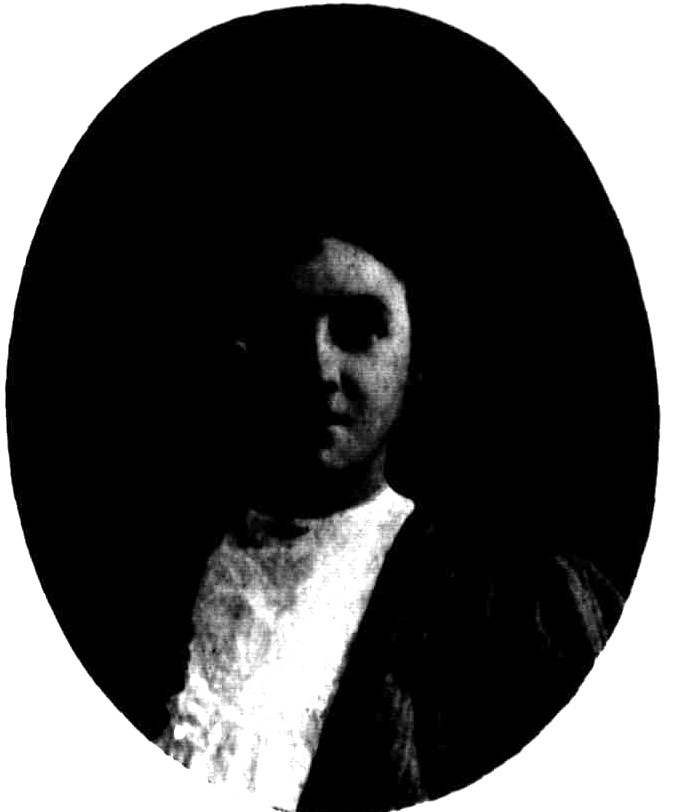
Viva Brook (The Oaks, Mona Vale, Manly). (Photo, by Crown Studios, Sydney.)
Quite a recent recruit to the "Corner," who ls becoming a great favourite for her bright and interesting letters. Professor Wideawake adds a word of praise for her neat and workmanlike way of sending In her competitions, which she typewrites In excellent fashion her self. Our Young Contributors. (1906, July 18). Australian Town and Country Journal (Sydney, NSW : 1870 - 1919), p. 33. Retrieved from http://nla.gov.au/nla.news-article71538997
"The Oaks." Mona Vale, via Manly.
Dear Dame Durden,-Thank you so very much for that pretty postcard you sent me. I was delighted when I saw my name with those in the special mention.
I am going to tell you of a cave we have down our way. It is on the way to a place called Barrenjoey, which is seven or eight miles from where I live. The cave is only four miles. The road is rather rough and hilly, but despite that there ls a glorious view of the ocean on the right side, sometimes quite level with it, and when on top or the large headlands, which jut gallantly towards it, one feels a great height above, when watching the wide body of blue water stretched tor miles beneath you, which, when rough, forms into largo curling waves, which dash over the lingo rugged rocks, scattered in many numbers below you. and it is in one of these headlands, Dame, the cave is situated, so as you may Imagine it is not easy work to got to lt.
When on top of the headland you turn a little to the left whore you descend, guided by a sort of track made by the visitors to the cave, This track points to the exact centre of the headland, so you turn to the right, and when half-way down the latter, which takes about five minutes to cover, you arrive at the large and wide mouth of the cave. Inside is dimly lighted with the daylight which does not shine for long as the cave gradually gets narrower as you approach the end. At the bottom grey sand is scattered, which serves as a soft carpet, and here and there both large and small rocks stand stately in sinking into lt. In one part this sand forms into a big hill, and when on top of this, If you look towards the mouth, * which overlooks the beautiful blue ocean, you will see that the outlines of the former are shaped exactly like the map of Australia.
At the extreme end of this cave each person must go separately as it is too narrow, and candles are needed, as it is all in darkness, Everything seems creepy and lonely, the shadows of the candle you carry dance gaily on each side of the rocky wall, while now and then a frightened bat will whiz past, sometimes touching your head in its hurry to escape. This cave is known as "The Hole in the Wall," and upon its great rocky sides I have often written my name with a small piece of neighbouring rock which has fallen from a large one. I love visiting the cave; it is a favourite excursion of mine. I think I have told you all about it, and do hope you have understood my description. With love to all the Court, and yourself. -I remain, still your hopeful correspondent, Viva Brock (aged 14 years 11 months). Dame Durden's Post Office. (1906, August 29). Australian Town and Country Journal (Sydney, NSW : 1870 - 1919), p. 33. Retrieved from http://nla.gov.au/nla.news-article71540261
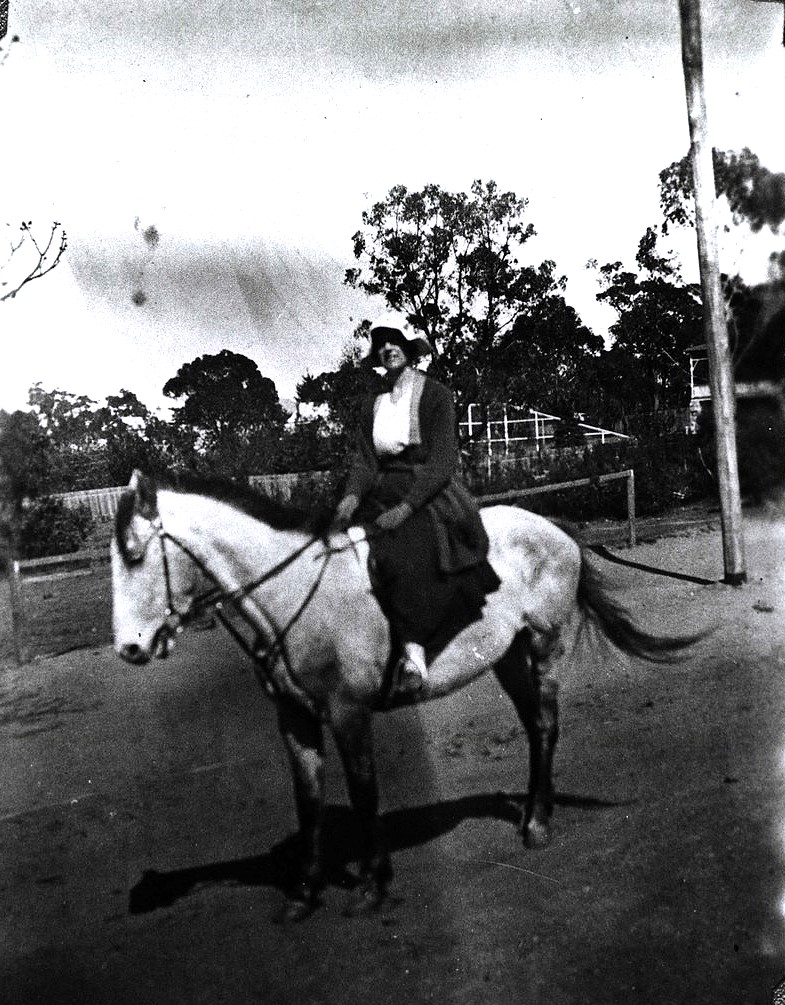
Viva Brock circa 1905 - Brock/Dodds family photo
The flowers described here sounds like a climb up Bushrangers Hill, but as the one preceding describes a visit to St. Michael's Cave at North Avalon Beach Headland, it may well be anywhere the girls roamed:
Dame Durden's Post Office.
"The Oaks," Mona Vale, via Manly.
Dear Dame Durden,-... I am going to tell you of a trip my sister and myself had last week. It was a glorious afternoon-nice and warm, and with a gentle breeze blowing when we both started. We walked along the main road for about ten minutes, and then turned to the right, and proceeded on to a small rough track leading through a thick bush. The foliage on the trees looked beautiful, all of so many different coloured shades, mingling with the pale blue sky dotted with large mountains of snow-white clouds. The birds chirped, and flew merrily about now and again, taking a rest on various swinging boughs belonging to the many trees around. We walked on in silence for some time, when my sister broke it by suggesting a search for waratahs. I readily agreed to this plan, as I felt very fresh, and ready for some fun. We quickened our pace, as we had to climb up a large hill, and reach the top, where we hoped to find the waratahs. This track we had never walked before, but ridden on horseback, the latter taking half as much time.
When quarter of the way up the hill, we were rejoiced to see that pretty flower, namely, the wild fuchsia. I will try and describe it, as it ls one of my favourite native flowers. The stem is long and thin, with small stiff, dark green leaves, which grow to a sharp point, and if one is not careful when handling it, it will prick similar to a pin. The flower is like a long slim bell, the colour white, with a border of deep red. About sixteen of these bells hang from a tiny projecting stalk, forming a double row opposite one another; eight hang one side, and eight the other. Soon we saw many others, and picked them as we walked on.
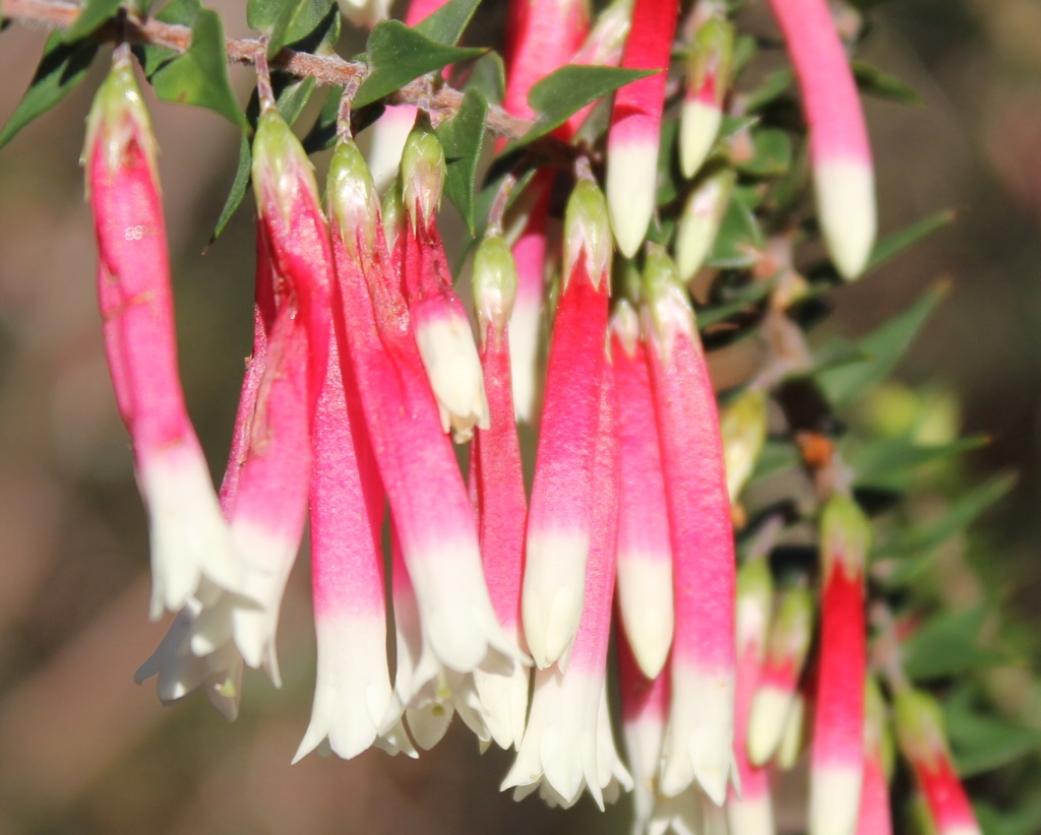
The hill began to get steeper, and we were rather tired, so we rested occasionally on small pieces of rocks on the track. At last, after an hour had passed, we found ourselves on top of the hill, surrounded by numbers of various coloured flowers, peeping out from their, green homes, and waving gently in the wind, which looked like a token of welcome.
On our left, away in the distance, we could see the large body of dark-blue ocean stretched for miles around, with great headlands projecting out. To our right was a large flat of trees and flowers, with more hills in the distance. Very soon both had a huge bunch of native roses, mixed with many other different flowers; their names I am ignorant of.. The only name I could find for all was "Beautiful." The native rose is a well-known bush flower; its stem is slim, and has a short almost round leaf, which covers the stem the whole length; also 'the projecting stalks where the flowers bloom. The flower has four soft bright pink petals, with a tiny white centre, and has a lovely strong perfume. Great was our disappointment when we saw no waratahs growing near, and as time began to wear on we knew we must soon be returning. Last year a great deal of the bush had been burnt by numerous fires. Whether that affected the growth of the waratahs remains to me the saying of "I don't know." It was too early for flannel flowers and Christmas bells, so we were minus of those also. I have been thinking perhaps we were too early for the waratahs, too. But then, Dame, we did not mind, because already we were enraptured with those we had, and their lovely fresh bushy perfume was delightful; also their delicate colours were a credit to Nature's work of art.
With our large treasure bunches, we turned and proceeded homeward, and found it less work, as it was nearly all down hill....,-I am still your loving correspondent, Viva Brock. Dame Durden's Post Office. (1907, January 2). Australian Town and Country Journal (Sydney, NSW : 1870 - 1907), p. 33. Retrieved from http://nla.gov.au/nla.news-article71588117
Vol-Fol: 1605-17:
.jpg?timestamp=1774474347947)
.jpg?timestamp=1774474378759)
.jpg?timestamp=1774474420332)
.jpg?timestamp=1774474443888)
.jpg?timestamp=1774474532769)
Vol-Fol 1605-18:
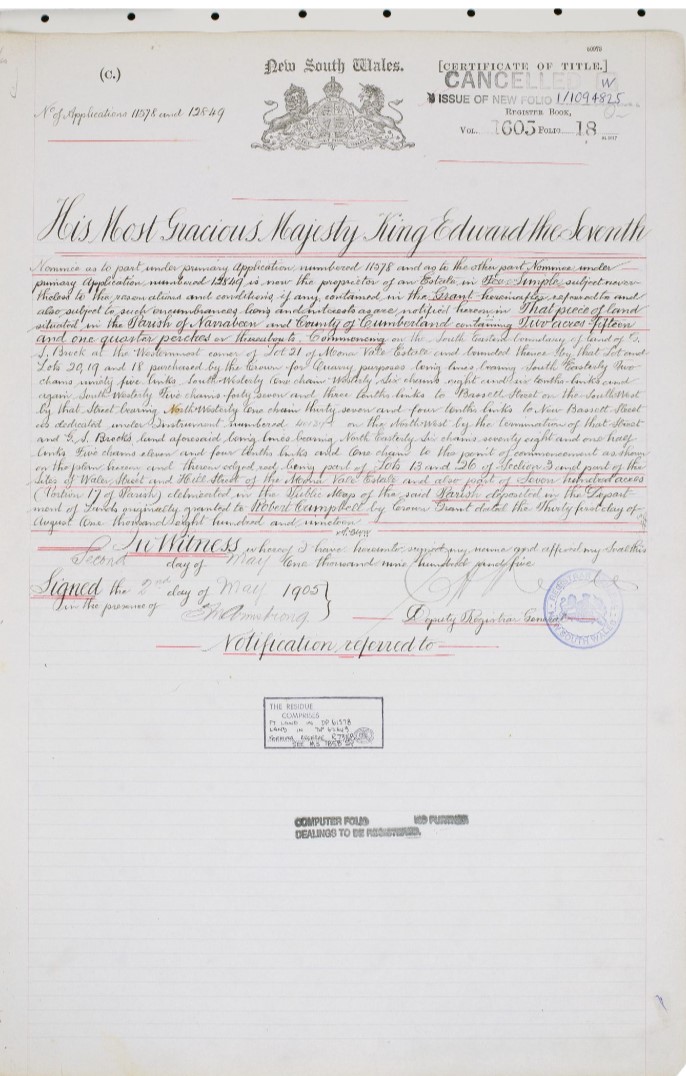
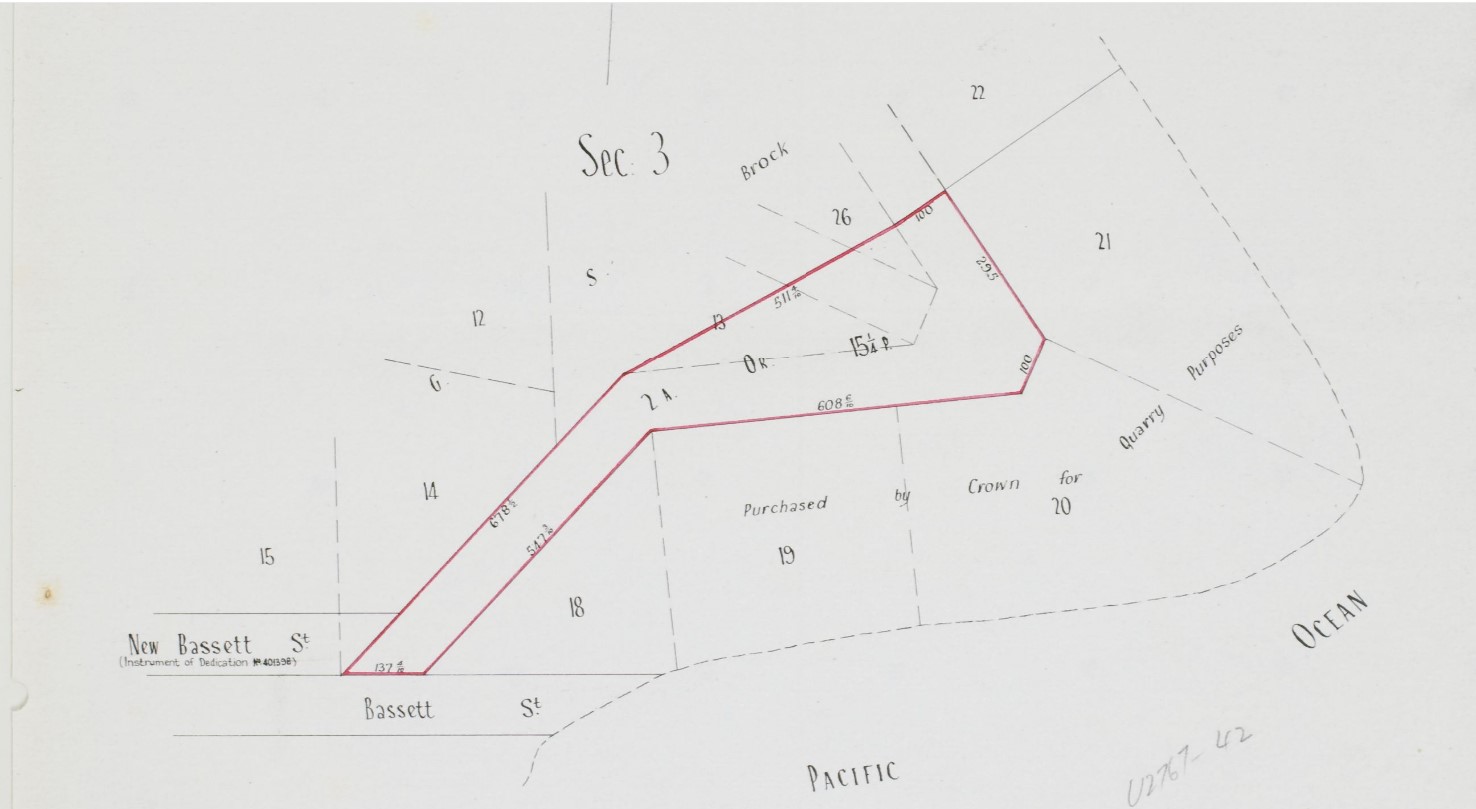
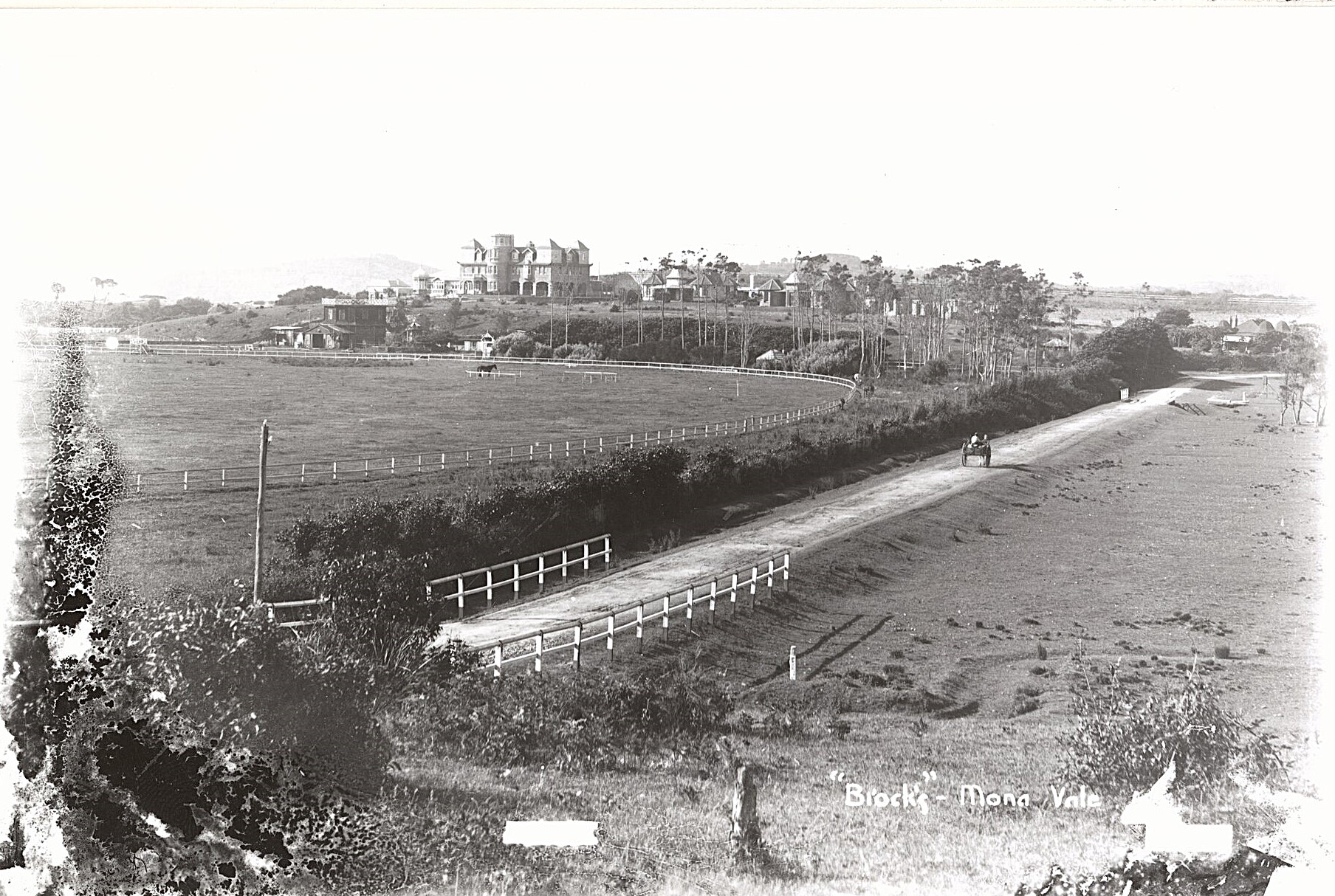
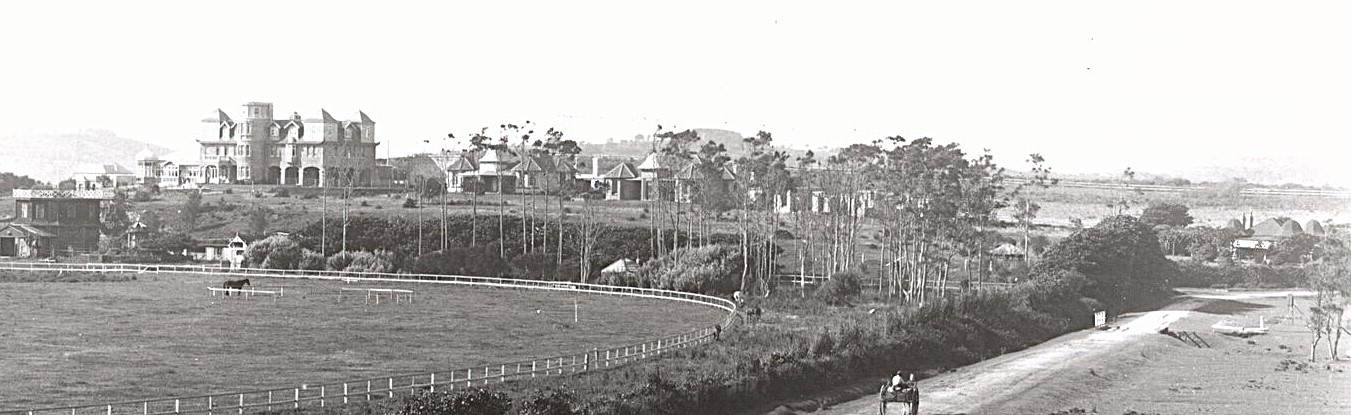
''Brocks'' in1900 -1905. Item: FL11283077 from NSW Records and Archives
The Mortgage for the Brock land is discharged on July 28 1905 as he had taken out a Mortgage with the National Bank of Australasia limited the day before. On April 10 1906 a mortgage with the City Mutual Life Assurance Society Limited is taken out.
The club house (mansion) must be finished as a license to provide alcohol is taken out, despite George Brock being against the same, and he is also hosting a large contingent of Lancers who use Brock's as a camp ground during weekend exercises:
OAKS CLUB LICENSE.
The Licensing Court yesterday granted the application for registration made on behalf of the Oaks Club, Mona Vale, Pittwater. The matter had been before the Court on several occasions, and the registration was in the first instance refused. Mr. Mailt (Crown Law Office) appeared for the Crown, and Mr. Leibius in support of the application.
The grounds upon which the Crown objected were that the application had been already refused, and could not be renewed. The Bench, however, considered that section .. of sub-section … of the Liquor Act, 1898, provided for a renewal of an application, and accordingly granted the certificate of registration. OAKS CLUB LICENSE. (1906, September 7). The Daily Telegraph (Sydney, NSW : 1883 - 1930), p. 10. Retrieved from http://nla.gov.au/nla.news-article237636922
MILITARY.
LANCERS' STAFF RIDE.
On Monday last the Sydney Squadron of Lancers returned from a three days' start ride in the vicinity of Pittwater. The work was undertaken on a tactical scheme connected with the landing of an enemy, the whole being under the command and supervision of Lieutenant M'Mahon.
Organised as a complete regiment, the squadron left Sydney, about 9 a.m. on Saturday, on a rapid march, on Bay View, two squadrons travelling via Gordon and Tumbledown Dick Mountain, and two via Manly and Narrabeen, the advanced parties, by means of signalling communication, coming simultaneously into touch with, each other in the scrub behind Rocklily. All ranks had duties of a higher nature than their existing rank, particular attention being paid to the issue of written orders, the forwarding of reports, and sketches in the field. Tents were not taken, the intention being to camp in the open, but owing to the wet weather, the men were billeted in one of Mr. Brock, of Mona Vale's buildings, the 60 horses being picketed in the rear. MILITARY. (1906, October 4). The Sydney Morning Herald (NSW : 1842 - 1954), p. 9. Retrieved from http://nla.gov.au/nla.news-article14828169
This wasn't the first time the Lancers visited Brock's:
MILITARY INTELLIGENCE. MANOUVERS BY THE LANCERS IN THE VICINITY OF NEWPORT.
The Sydney and Parramatta squadrons of the New South Wales Lancers were engaged on Saturday and part of yesterday in some interesting fluid operations in the neighbourhood of Rock Lily and Newport. The parade was also the last of the year. The Sydney squadron, numbering 69, under Captain King, was as supposed to represent the advance party of an enemy which had landed at Bongan Bongan Beach, near the entrance to Broken Bay. The squadron left the city at 8.30 a.m., and bivouacked at 1 p.m. at Narrabeen.
The landing party, by arrangement, commenced to make its dispositions at 2 p.m. from the Rock Lily Hotel, and the idea, was that the telegraph lines should be tapped in order to prevent reinforcements of the defending force coming from Hornsby.
The Parramatta, squadron of Lancers was ordered to find out the strength of the enemy that had landed at Bongan Bongan Beach. According to the plan of operations the road via the Spit was held to be untenable, so that the detachment had to proceed via Pymble. The Parramatta men mustered 72, and were under the command of Captain Mackenzie. They left Parramatta at 8a.m. and reached Tumble-down Dick, near Pymble, in time for lunch. ...
The two squadrons a little after 5 p.m. reached Mr. George Brock's Mona Vale estate, where Captain Timothy had arranged with the owner for the whole force to bivouac for the night. The troops were here joined by Colonel H. D. Mackenzie, A.A.G., Captain J. Purves, and Captain J. S. Brunton, the two latter travelling by motor car. The Lancers band also came down by a coach provided by the officers, who also contributed the commissariat supplies.... MILITARY INTELLIGENCE. (1902, December 15). The Sydney Morning Herald (NSW : 1842 - 1954), p. 9. Retrieved from http://nla.gov.au/nla.news-article14521240
However, a change in Government in 1904 was already beginning to bite. A letter by Mr. Brock published in a newspaper of 1905 states:
MANLY TO PlTTWATER TRAMWAY
(To the Editor)
In the very able, article in the 'Sunday Times' on the history of the trams, the writer puts it that the Manly line, instead of being run to Middle Harbor, to connect it with the Spit tram, and so place the seaside resort in direct tram communication with Sydney, was constructed to Curl Curl, and the result, as might have been foreseen, was a failure (or, rather, he should have said, is a failure).
Now, Sir, I am quite sure that no one expected the Manly tram to pay axle grease where it now stops. The contract I had with the Government of the day was to carry the tram at least to Narrabeen, and on that guarantee I started buildings, employing over the complement I [was] assured [by] the Government I would have working on them, contingent on the tram from Manly to Pittwater being commenced. Private enterprise has again and again offered to take over the tram, and can show a clear return of over 15 per cent, on the working. But you will not find any private enterprise ready, to entertain the proposal to do the Spit to Manly tram. ' Why' ?' In the first place, private enterprise wants sure returns for its outlay, and how could such be the case when the fare from Manly to Sydney by steamer is 4d, and the tram fare would be more than double that; whereas, of the 3,789,000 people that travelled to Manly last year, the odd thousands would certainly go on to Narrabeen at 6d extra; but not to nowhere (Curl Curl, forsooth), even as it is only 1d. Give us the chance, and we'll have the tram running to Narrabeen within six months.
Although I have proved beyond a shadow of a doubt that the tramway from the Spit to Manly cannot possibly pay, not only on account of the fares being more than double that of the steamer, but because the road is one series of hills, nevertheless, the Spit extension of tram for the public convenience should be the first to receive attention. To-day, for instance, it is blowing a strong easterly, and it is with great difficulty and danger that the very large steamers are able to keep to their time-table, and there is a possibility of all the residents of the fast becoming city of Manly being stranded. No question of paying possibilities should stand in the way on a question of such importance to the general public. G. "MANLY TO PITTWATER TRAMWAY." (1905, April 9). Sunday Times (Sydney, NSW : 1895 - 1930), p. 2 (Magazine Section.). Retrieved from http://nla.gov.au/nla.news-article125863155
Time was up though. On May 24 1907 the National Bank of Australasia Mortgage is officially transferred to the City Mutual Life Assurance Society Limited who were now holders of all that was owing on Brock's Estate.
By the end of April 1907 these Mortgagees had begun advertising selling the whole:
TO HOTELKEEPERS, AMUSEMENT CATERERS, SPORTING CLUB PROPRIETORS. BY ORDER OF THE MORTGAGEES. THE OAKS. MONA VALE.. PITTWATER.
This MAGNIFICENT and UNIQUE PROPERTY comprising about 114 acres, under TORRENS TITLE is situated 10 miles from MANLY, about 500 yards from the Rock Lily Hotel, on the main road to Pittwater and Newport, rendering it accessible from the city by either MOTOR CARS or COACH, has large FRONTAGES to DARLEY STREET, the PITT WATER-ROAD, BASSET STREET, and the PACIFIC OCEAN'!
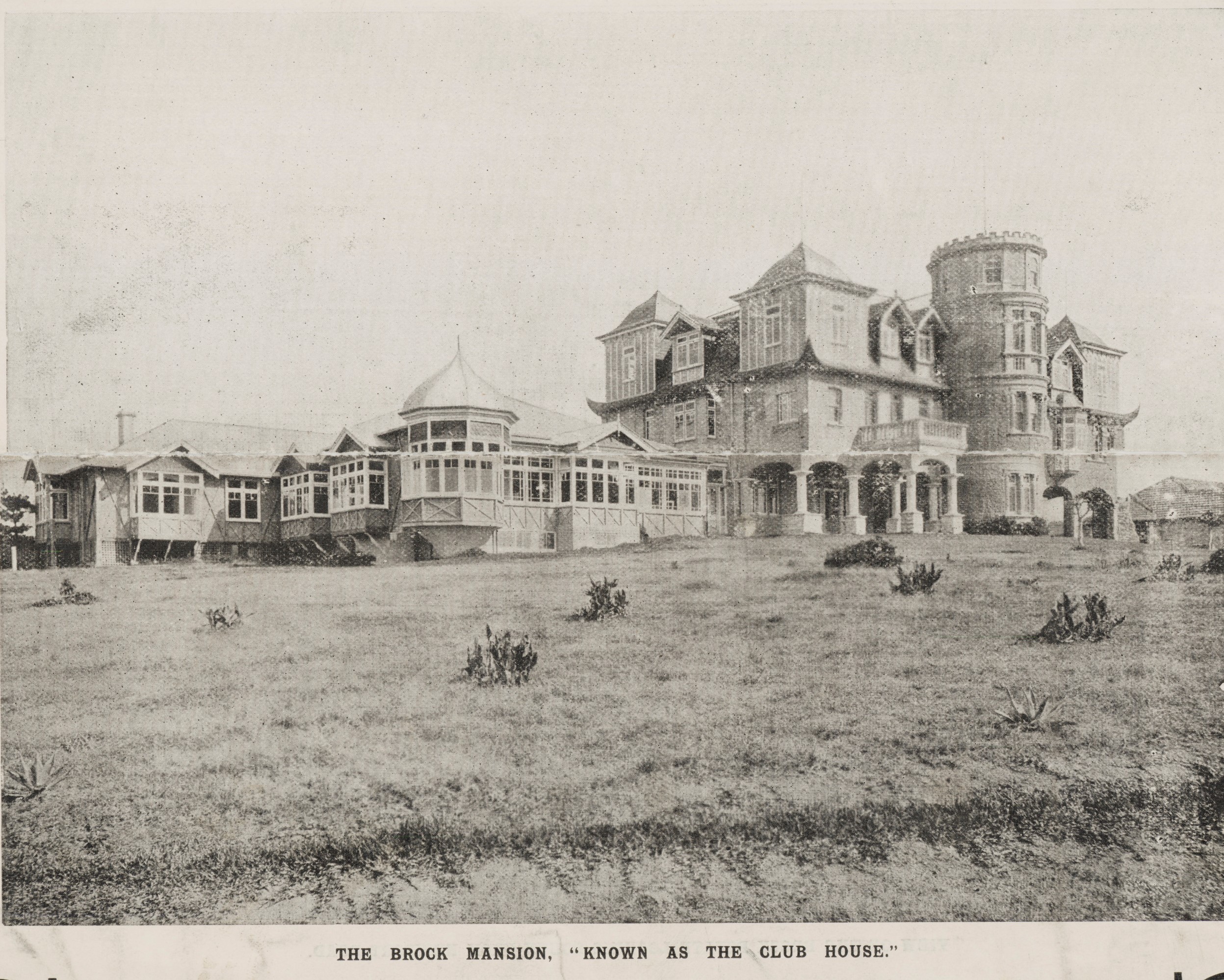
THE BUILDINGS specially designed for a RESIDENCE of a PERFECT SANATORIUM, with Cottages for families attached, of brick on concrete foundation with Mansard roof with promenade, contain imposing MAIN ENTRANCE and HALL, billiard-room, lounge, smoking-room, 25 bedrooms, extra large dining hall, 6 bathrooms, and most up-to-date domestic arrangements, and servants' quarters.
ADJOINING THE CLUB-HOUSE is a STUDIO MUSIC-ROOM, with artistic lead-light windows and ceilings. LARGE FERNERY. A Short Distance from the main building is an octagonal house of brick and wood, containing in the upper portion BALL-ROOM (12ft x 42ft), -with up-to-date arrangements in basement.
IN the GROUNDS are the THREE BRICK COTTAGES above referred to, also TWO OTHERS in course of construction, and on the far side of the grounds is a six-roomed W.B. Cottage, with tiled roof.
THE GROUNDS are tastefully laid out with ornamental shrubs, lawns, and statues in front of the CLUB-HOUSE, while an area of about 40 acres opposite has been made ready for SPORTING purposes. GOLF, POLO, CRICKET, FOOTBALL, LAWN TENNIS, etc, and a 6-furlong Racecourse.'
THE PROPERTY. DELIGHTFULLY SITUATED on the shores of the PACIFIC OCEAN, embraces large beach Frontage where SURF Bathing can be indulged in without risk. Added to other attractions there is a NATURAL FRESH WATER LAKE in the grounds, enhancing their beauty, and at the same time affording a PERMANENT WATER SUPPLY. '
CONSIDERING the rapid strides in Motoring- as a means of transit, and the unrivalled position of the health and holiday resort, there should be a great future FOR THE OAKS.
BATT, RODD, AND PURVES, LTD, have been instructed to sell the above by PUBLIC AUCTION, at their Rooms, 88 Pitt-street. Next TUESDAY, the 7th of MAY, at 11.30 a.m. MESSRs. Minter, Simpson and Co., solicitors for the Mortgagee. Advertising. (1907, April 27). The Sydney Morning Herald (NSW : 1842 - 1954), p. 22. Retrieved from http://nla.gov.au/nla.news-article28153265
However, 'The Oaks' villa is not listed among those buildings available for sale, indicating the City Mutual Life Assurance Society Limited had reached some kind of agreement with the Brock family so that they could live here at this stage. Two letters from Viva to Ethel, the second in July, shows they were present, still, while the first, from February of that year, describes an interior of where they lived then:
Dame Durden's Post Office.
Letters should be written on one side only of the paper, and should not be too long.
"The Oaks," Mona Vale, via Manly.
Dear Dame Durden,-... My brother has a sweet little camera, and has taken a great many photographs, and nearly all have turned out a great success. He develops his own, and I assist, by holding up curtains, to keep the light out in a dark place beneath the house. Gracious, aren't I stiff when the photos, are developed. However, that stiffness soon bids farewell when I am lost in excitement seeing how they have turned out. I am going to follow the Jester's happy plan, and send in a small snapshot soon, and hope he will be pleased to accept lt. I have been thinking that perhaps if you would agree to have a competition for the best photograph sent to the Corner, it would prove rather exciting.
Now, Dame, I am going to tell you about a very funny experience both my sister Dorothy and myself had a short time ago. One night when we were sleeping far away in the land of Nod, I suddenly found myself rubbing my eyes vigorously, and listening attentively to the sound of gentle pit-a-pats high above our room, where there is a wide wooden shelf, which is built around the ceiling. It sounded somewhat ghostly, and I wondered very much if I were dreaming or not. However, I soon came to the conclusion that I was wide-awake sitting up in bed, and feeling just a little timid. At length I silently crept out and secured a lighted lamp from the drawing-room. Quickly returning on tip-toe, I held it high in one hand, and eagerly scanned the shelf as the light dazzled its rays brightly upon it. I noticed the sound of pit-a-pat had ceased. Around I went, when suddenly I saw a dark-brown ball of fur, and two bright, shiny eyes, accompanied by a tiny black nose and two small ears. Clutching the edge of the shelf were two dark furry hands.
I just stood, and gazed at this quaint little stranger, blinking calmly before me. To my great surprise I recognised it to be an opossum. Stealing over to Dorothy, I awoke her, and soon we were both watching the little intruder, who still Bat looking at us, with pretty inquiring eyes.
"What shall we do?" Dod whispered. Indeed, this was a question not to be answered straight away, so wo both puzzled our heads very much, and finally thought we would go and question our governess, who slept in a room close by. Off we started, I was leading the way with lamp in hand, when I tripped over the carpet near the door. Crash! A thrilling sound of breaking glass caught my ears, and the rest of the household, as I clutched the side of the door, Just In time, or else should have found myself in a heap upon the floor.
Dod said "Oh," scrambled for the matches lit one, and came to a quick halt; then we both gazed distressedly at the broken globe from the lamp, which lay in millions of pieces about the floor.
Recovering our senses, we gingerly began to pick up the scattered fragments, when mother and father appeared, and amid the excitement managed between us to tell the tale, starting with the meeting of the opossum, and finishing with sighs and indignant looks at the broken glass. At last things were straightened up a little. All the glass being picked up, and a new lamp procured. In the meantime we were joined by our governess, who, hearing the noise, has come to see what had happened, and hears little scraps In excited tones from us all. We then looked for the opossum, who had now grown a trifle restless, and had begun to tramp about again. He marched round and round like a soldier on guard, now and again stopping to peer at us with a great look of wonder in his eyes.
Finally, we decided to return to bed, as it was early morning, and were soon fast asleep knowing that the little stranger was quite harmless. When the sun dazzled his golden rays playfully around in the early morning, we awoke, and having the shelf searched in our room found the strange little visitor had gone. He disappeared as mysteriously as he came, expect he is now out in the bush, where I hope he is enjoying his life In calm contentment Hoping you have have found this letter interesting, Dame, I will come to an end.-With fond love to all the Court, and yourself, I am your loving correspondent, Viva Brook. Dame Durden's Post Office. (1907, February 13). Australian Town and Country Journal (Sydney, NSW : 1870 - 1919), p. 29. Retrieved from http://nla.gov.au/nla.news-article71589446
No age '15' or anything this time - but a governess still employed.
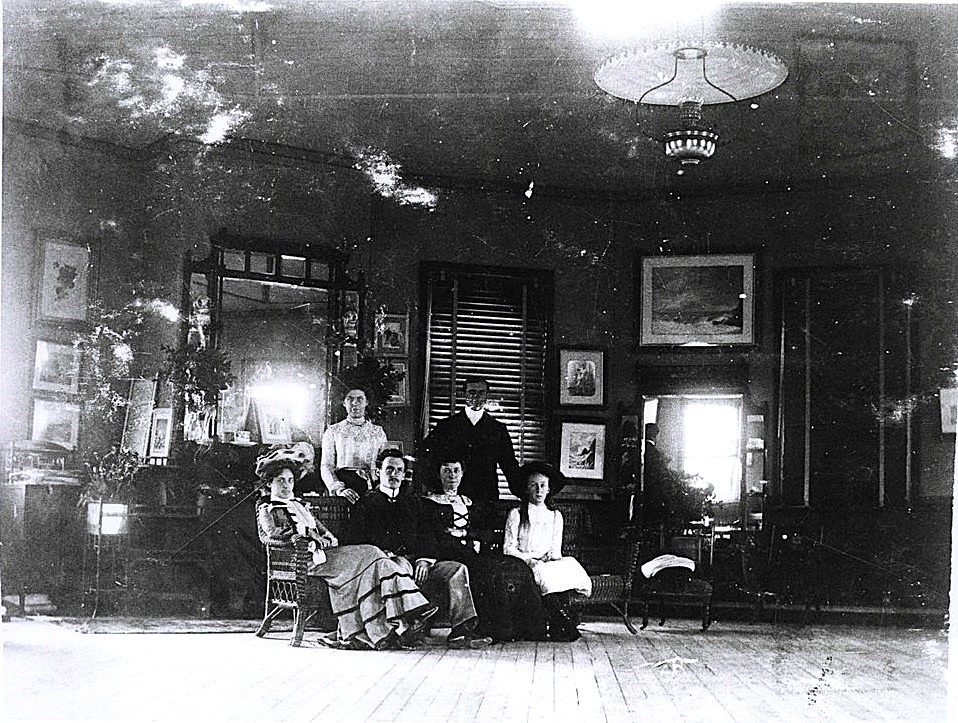
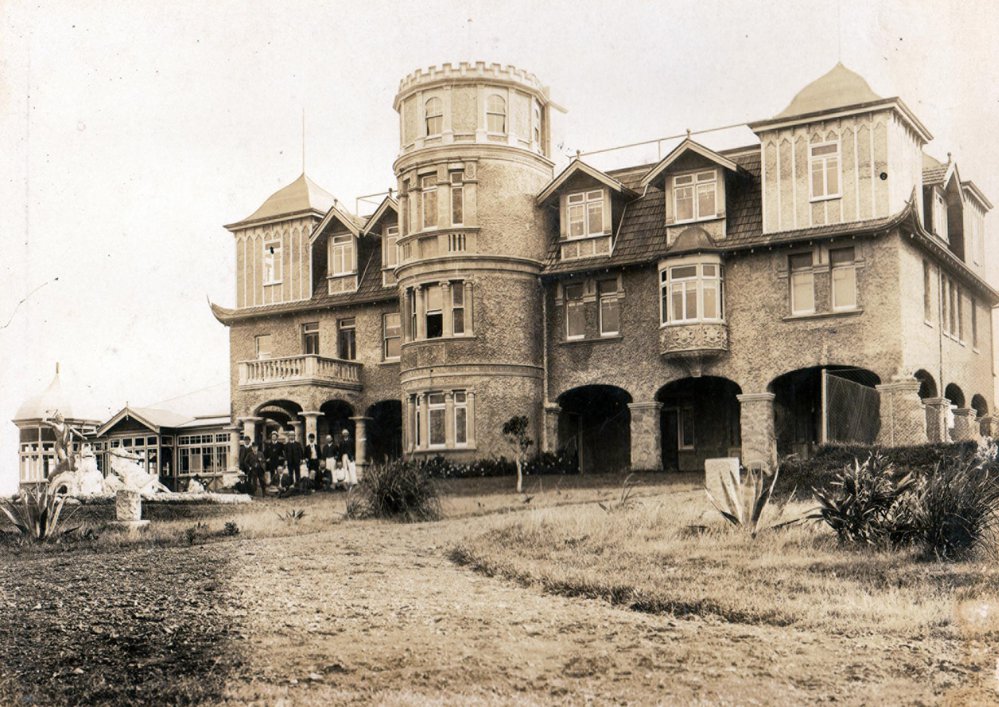
Brock family inside room in rounded front of the mansion or within The Oaks villa, circa 1905. Photo: Brock/Dodds family, stored/shared with Council History Unit. Below - exterior of same with white aproned waiters at front, circa 1911.
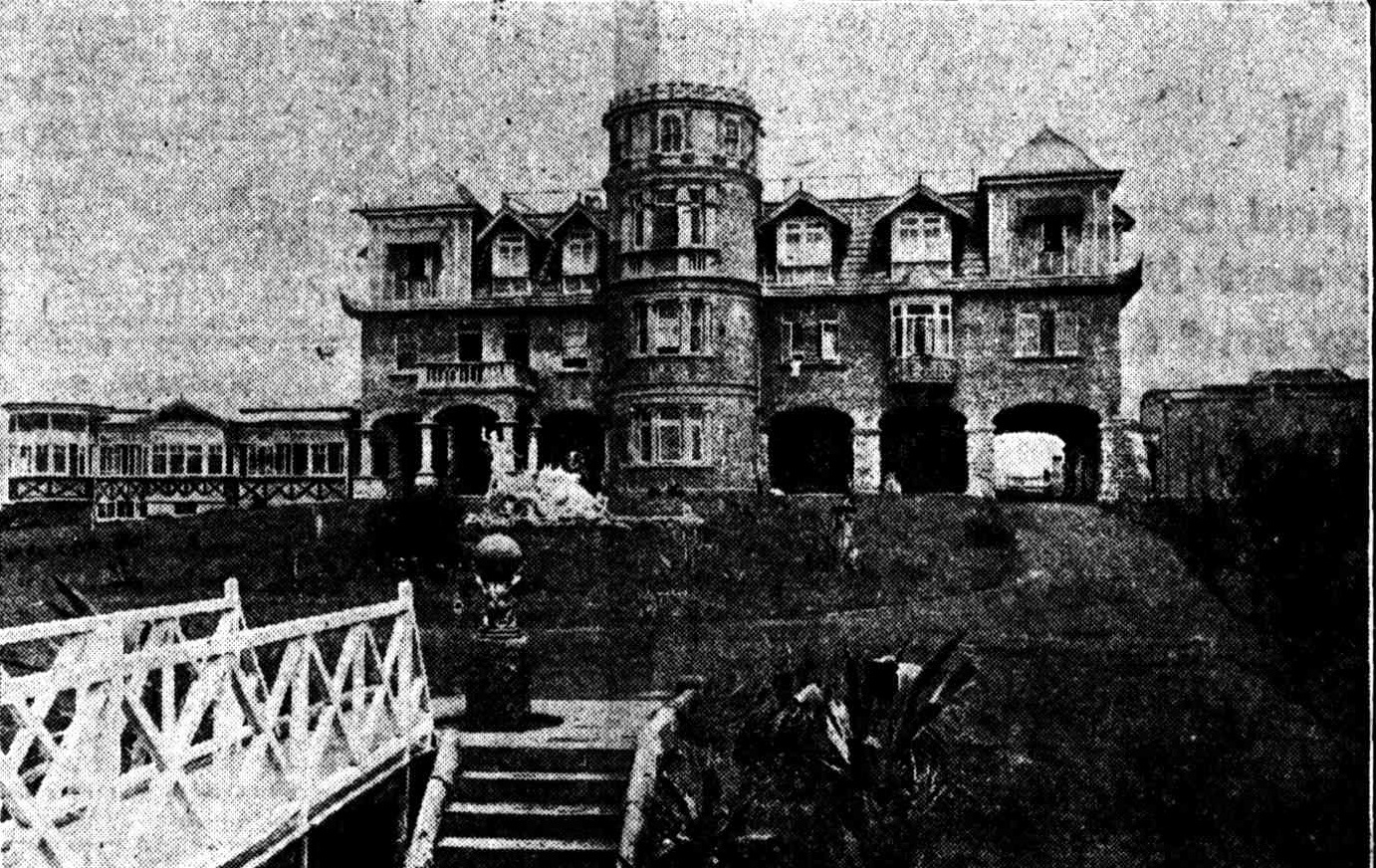
In this July epistle Viva is not on the estate at one stage:
Dame Durden's Post Office. (Letters should be written on one side of the paper, and must not be too long.)
"The Oaks," Mona Vale, via Manly.
Dear Dame Durden.-.... My latest enjoyment, Dame, is skating. When I began to learn, oh! it was so funny to see the attitudes in which I landed upon the floor every two steps. But now I can skate for hours and never have one fall, so, of course, think I'm just the thing. It is a splendid sensation flying around on rollers.
I have been staying at North Sydney with some friends, and had such a glorious time.
I have another funny little night experience to tell you. It happened at midnight, when my sister and I were far away in happy dreams. Suddenly we awoke with a jumbled sound of notes from the piano ringing through our ears. We then marched timidly into the drawing-room to see what it was, of course feeling very creepy at the same time, and there, in the far end of the room was pussy, just about to hop off the piano, which had been left open.
My brother and I went down the bay in a small boat fishing one day last week, and caught one dozen beautiful red bream. It was such fun. I think fishing is grand sport, though I always feel so sorry for the poor fish. It seems so dreadfully cruel. Furs and fires are making their appearance down this way, which is a sign that our old friend winter is coming again....-With fond love to all the Court, and yourself, I am your affectionate correspondent, Viva Brock (aged 15). Dame Durden's Post Office. (1907, July 3). Australian Town and Country Journal (Sydney, NSW : 1870 - 1919), p. 32. Retrieved from http://nla.gov.au/nla.news-article71593706
The 1907 New South Wales state election was held on 10 September 1907 for all of the 90 seats in the 21st New South Wales Legislative Assembly and was conducted in single-member constituencies with a first past the post voting system. Both adult males and females were entitled to vote, but not Indigenous people. The 20th parliament of New South Wales was dissolved on 19 August 1907 by the Governor, Sir Harry Rawson, on the advice of the then Premier, Sir Joseph Carruthers.
Since the previous election in 1904, the Progressive Party, formerly one of the three major New South Wales political parties, had faded away. Some of its members had joined the Liberal Party, while others continued as Independents.
Among those who campaigned locally in the months leading into this election was another resident of Mosman, Shipping Merchant William Scott Fell:
State Election.
MR. W. SCOTT FELL'S CANDIDATURE.
Mr. W. Scott Fell addressed large and enthusiastic meetings at Manly on Friday night and Neutral Bay on Tuesday night, in furtherance of his candidature for this electorate, and received a vote of confidence at each place. On the 20th he will address the electors at Mona Vale, and on the 27th at Newport. State Election. (1907, March 16). Mosman, Neutral and Middle Harbour Resident (NSW : 1904 - 1907, 1916 - 1919), p. 6. Retrieved from http://nla.gov.au/nla.news-article252192933
His brother David stood successfully for the seat of Lane Cove as a Liberal Reform Member at this election. William stood as an Independent Liberal and although he secured 41% of the votes, he was beaten by another Scotsman and fellow Mosman resident, Liberal Reform candidate Richard Arthur who had 57.2% of the votes. Mr. Arthur was elected in 1904 to the New South Wales Legislative Assembly as member for Middle Harbour, representing the Liberal and Reform Party. From 1920 to 1927, he represented North Shore.
William Scott Fell won North Shore as an Independent Coalitionist candidate in 1922, which he held until his resignation in 1927 to contest a by-election for the federal seat of Warringah, which was won by Nationalist candidate Archdale Parkhill.
In 1907 the Liberal and Reform Association secured the most seats with 45 and 45.91% of the vote (210,456 votes), enabling it to form a minority government led by Premier Charles Wade following Joseph Carruthers' resignation, continuing a Liberal-led rule. The Labor Party won 32 seats on 33.31% of the vote (152,704 votes), while the Former Progressive Party took 5 seats; Independents (including Independent Liberals) won 8 seats.
The news was not good for George Sydney Brock as the City Mutual Life Assurance Society Limited stepped up its plans to recoup its funds after failing to sell in May that year.
The following month an Auction showing subdivisions is accompanied with a brochure that includes 'The Oaks' villa, describing this as:
'''The Oaks,'' a beautiful Villa Residence, solidly built of timber, with exterior in rough cast cement. These Premises contain 7 rooms, kitchen and other offices.
The surrounding land is laid out in a very ornamental manner and is delightfully situated on a slope leading to the ''Mansion'' at the intersection of Darley Street and the main road to Newport.
THIS PROPERTY WOULD MAKE A VERY COMFORTABLE PERMANENT HOME OR WEEK END RESORT FOR A FAMILY.''
The brochure made up for the same: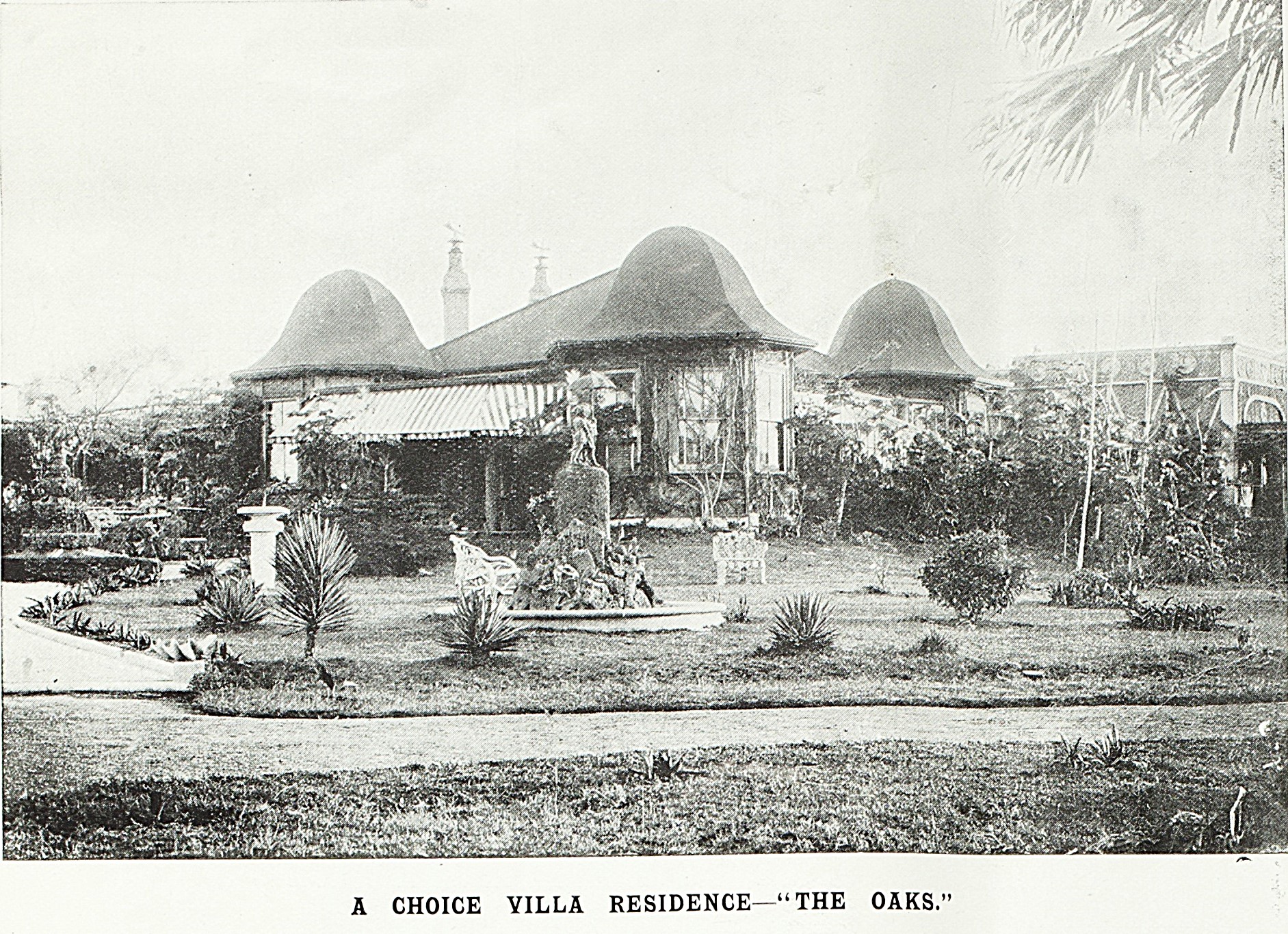
SMALL.jpg?timestamp=1774498701996)
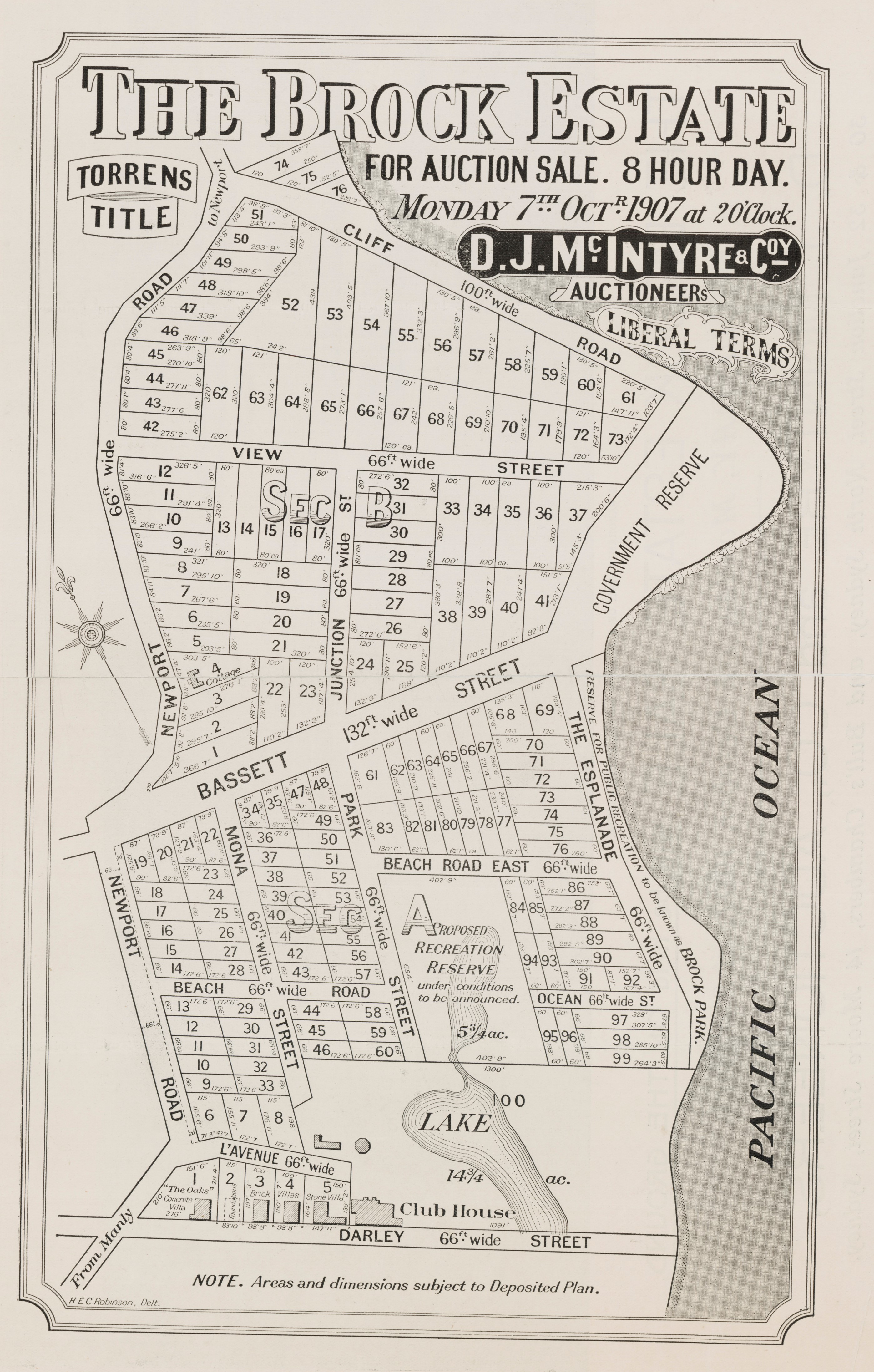
The Brock Estate - Cliff Rd, The Esplanade, Darley St, October 7th Newport 1907. Item No.: c046820076 from Mona Vale Subdivisions, courtesy State Library of New South Wales
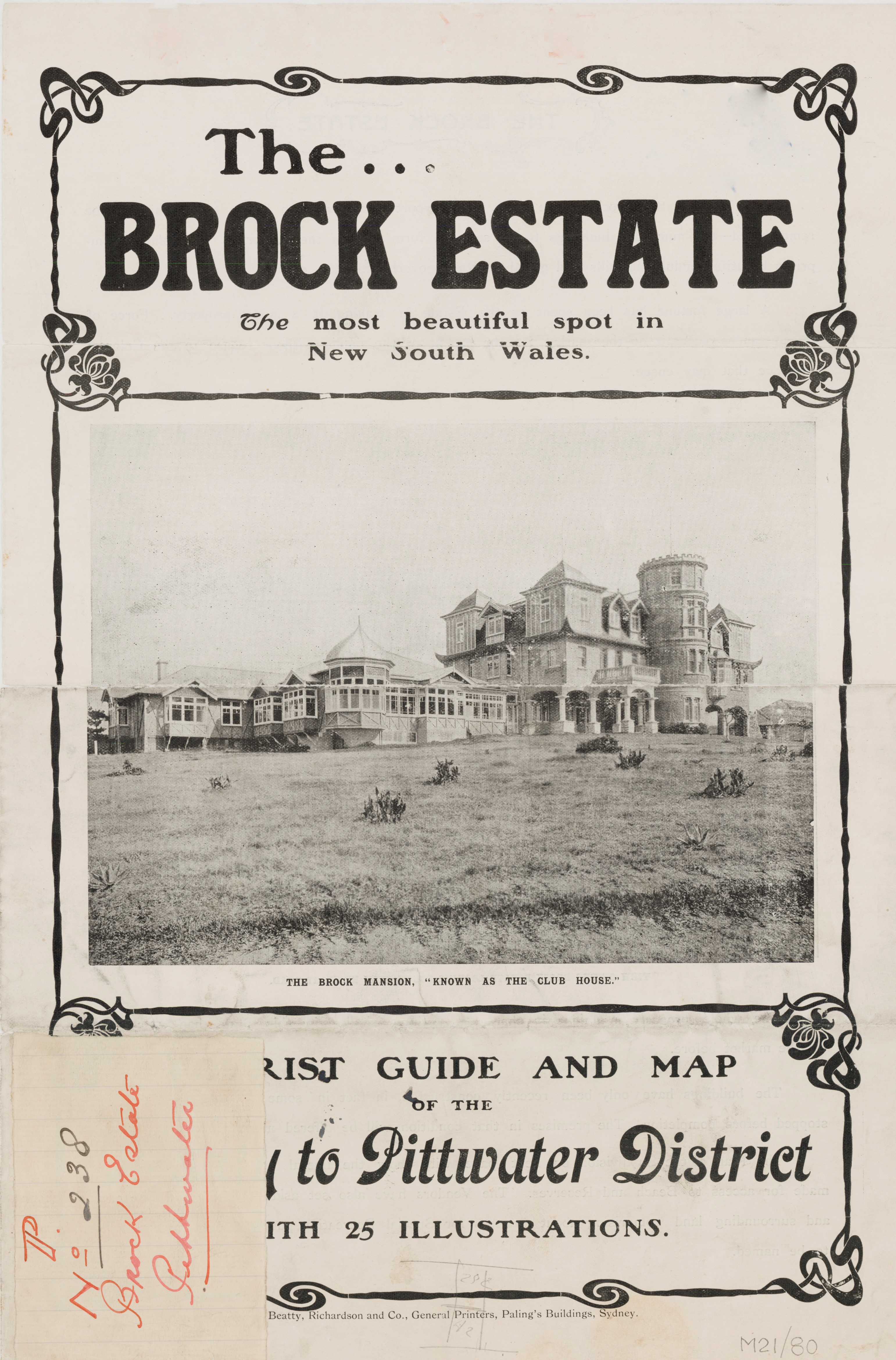
The Brock Estate - brochure Front page, 1907 Item No.: c046820078, Mona Vale Subdivisions, Courtesy State Library of NSW
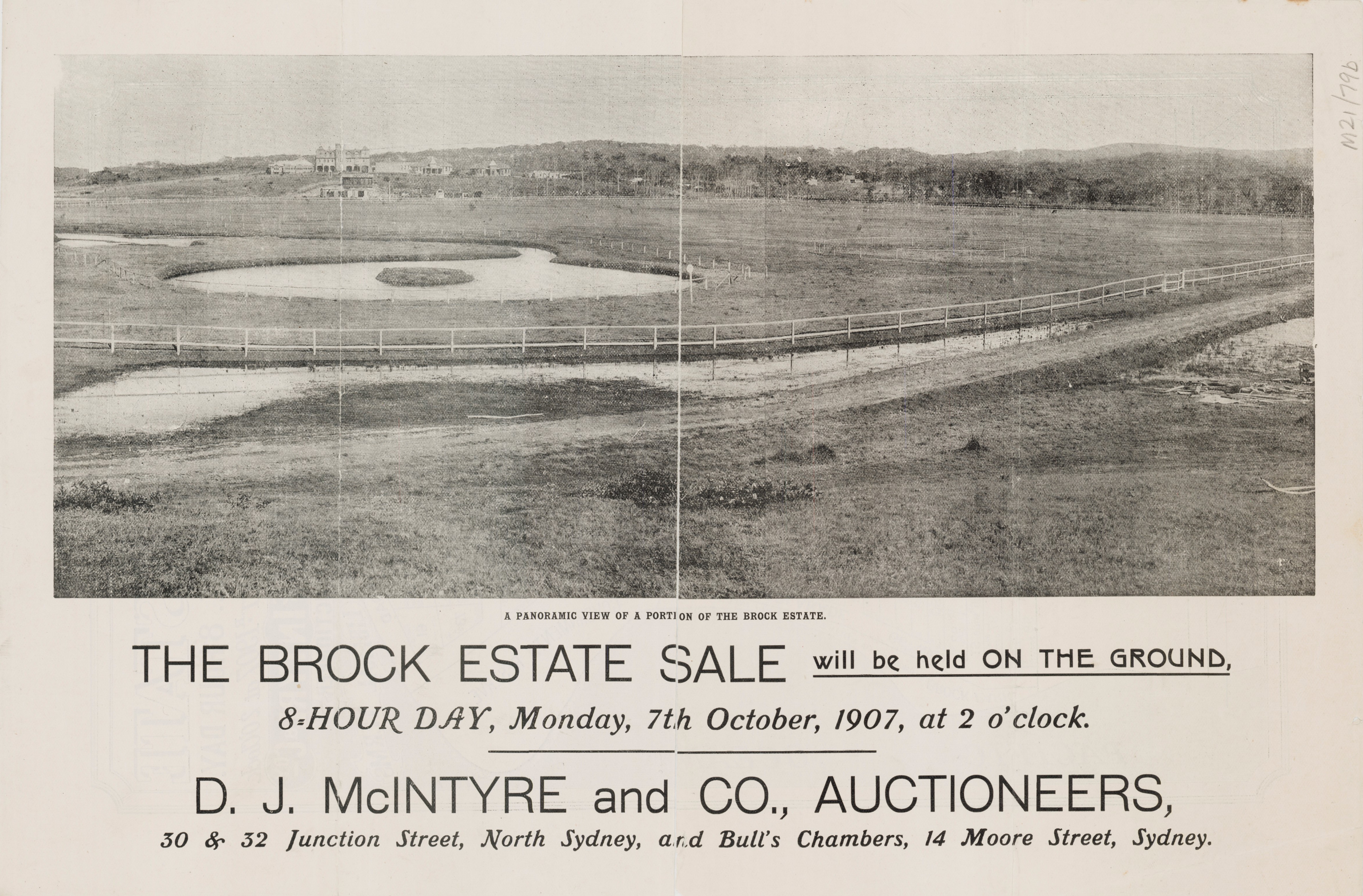
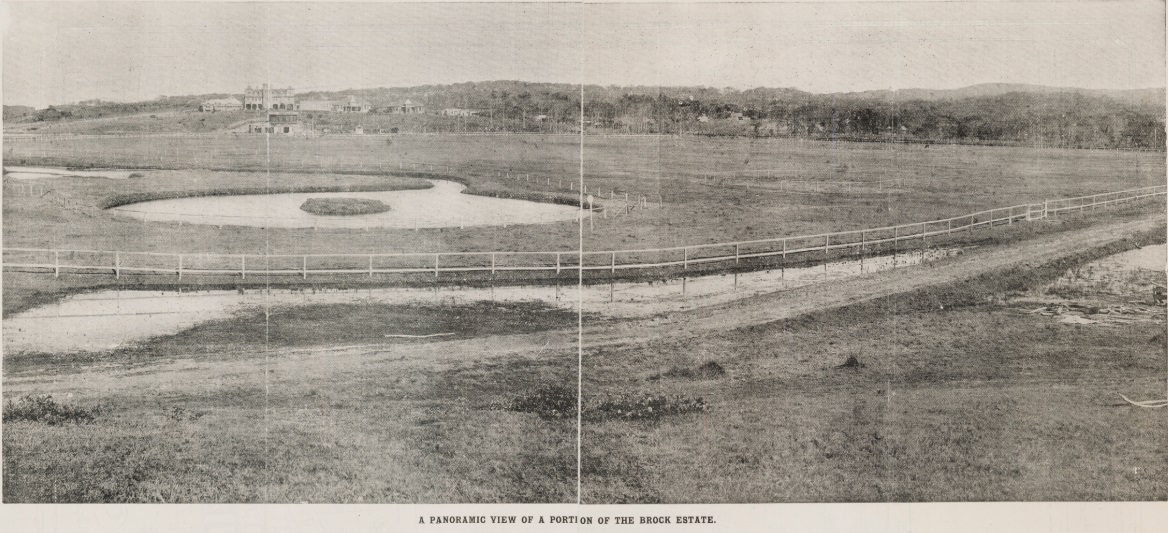
The Brock Estate - 1907, inner page brochure, Item No.: c046820077, Mona Vale Subdivisions, Courtesy State Library of NSW
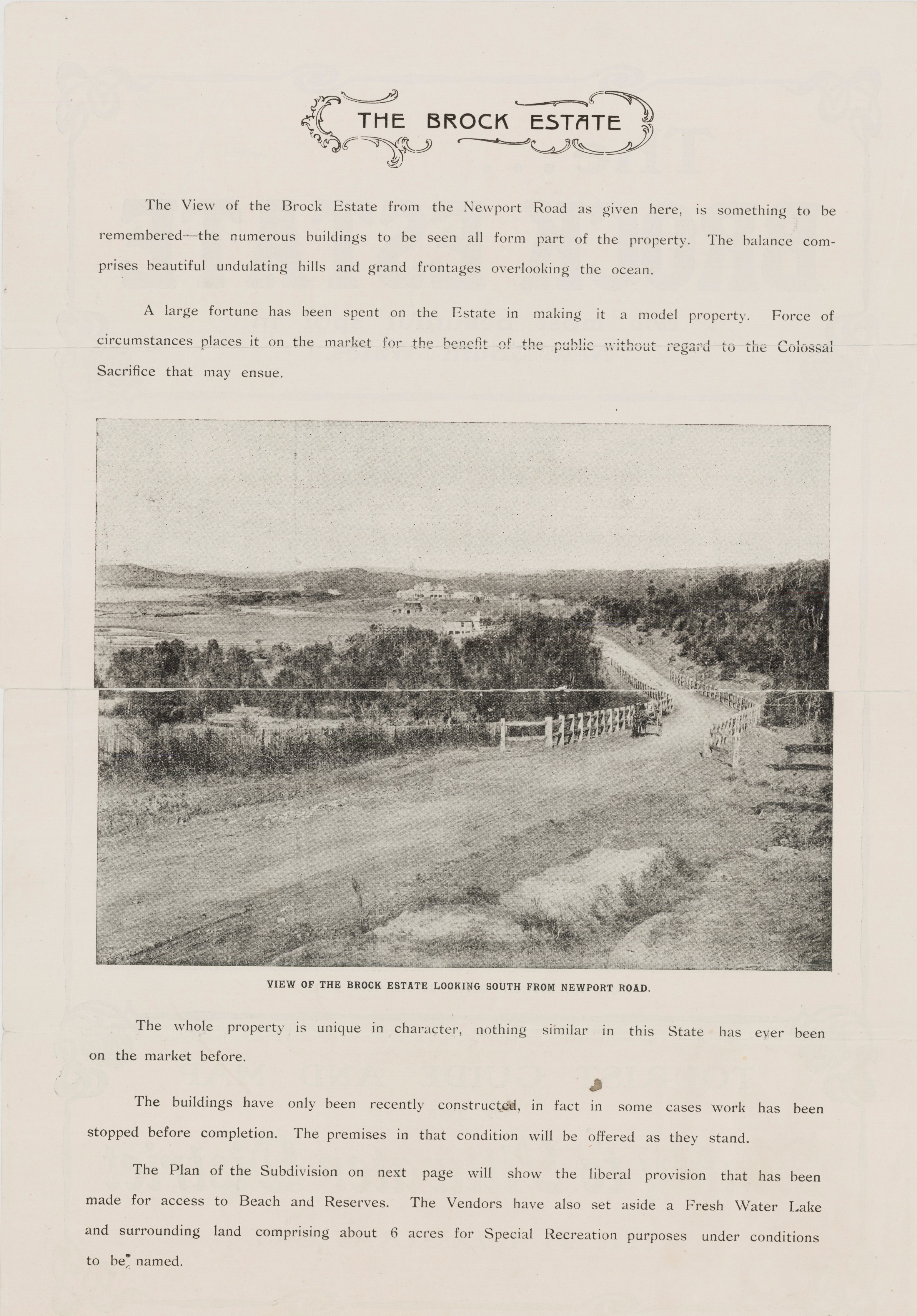
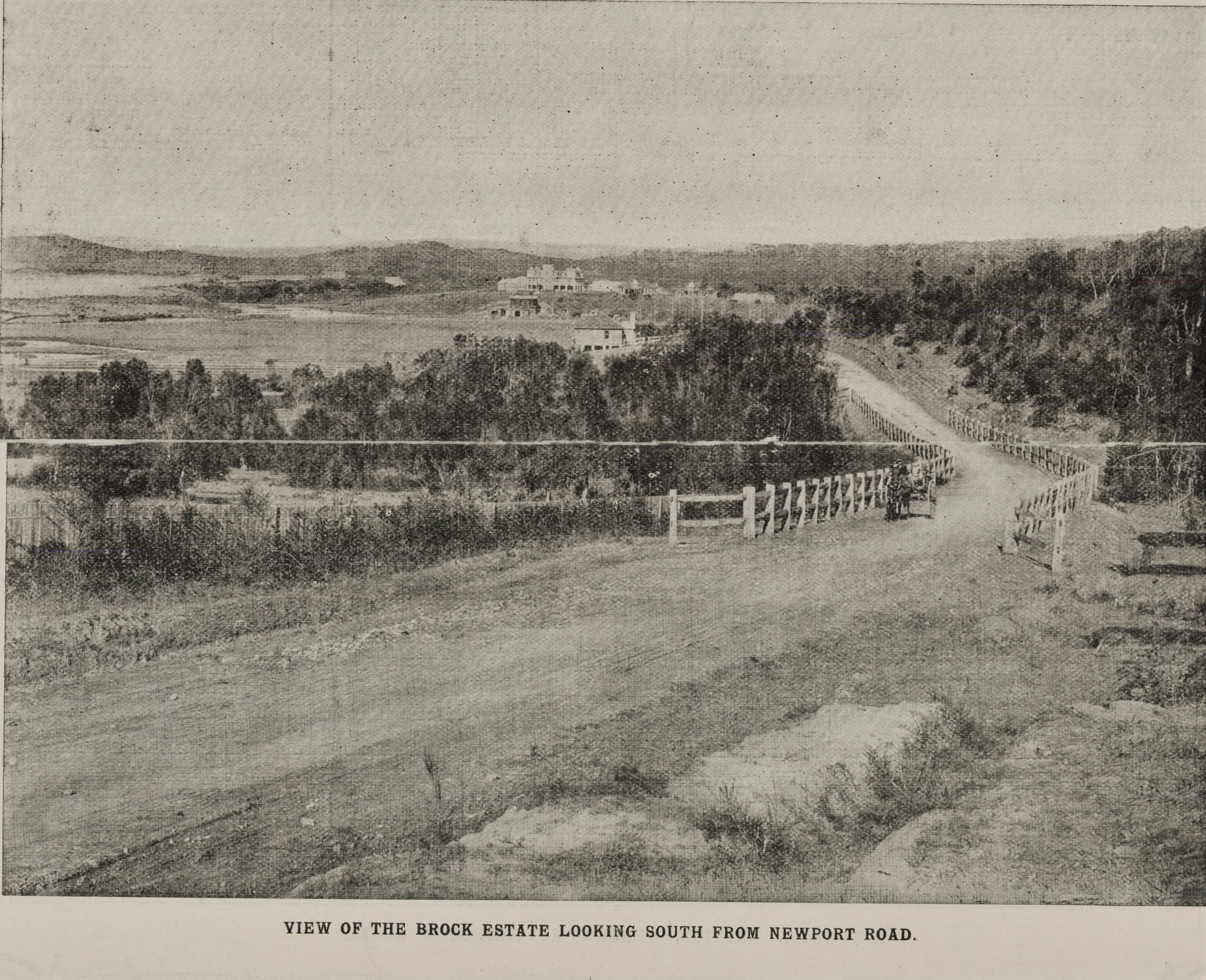
The Brock Estate - 1907, inner page brochure, Item No.: c046820079, Mona Vale Subdivisions, Courtesy State Library of NSW
This little experience happened in one of my old neighborhoods during a stay with some friends. ...I hope,' dear Dame, you have enjoyed this description. You will see by the address I am now living in Sydney at Rushcutter's Bay, and like it immensely, but miss the freedom and beautiful air of the country.
By Viva Brock, 'Aloha', 'Rushcutters Bay' (aged 16 years).
QUITE A MODEST FIRE. (1907, November 13). Australian Town and Country Journal (NSW : 1870 - 1907), p. 31. Retrieved from http://nla.gov.au/nla.news-article71598500
Brocks Mansions.
(To the Editor.)
I read with deep regret the pathetic story of how the loss of £25,000 brought the writer, G. T. Brock, into financial difficulties, if not financial disaster, and as you ask for comments on this great loss, I would like to point out what I consider were the big mistakes made in the construction of these mansions. The first part of the work was good, filling in the swamp, erecting fences, the racecourse, polo grounds, stables and dwelling-house deserve every praise, as it turned an almost useless piece of land into what it is now, one of the most charming little spots on the N.S.W. coast. What Mr. Brock’s intentions were for constructing such a large place, I do not know, or anything about tram promises made to him by Mr. Sullivan. I am dealing with the buildings, simply from a mechanics standpoint, and I can only concur with you as you say in “Building” that the want of an architect was severely felt, and it does seem almost incredible that a man with Mr. Brock’s great intellectual attainments, and practical knowledge on so many diverse subjects, ever attempted to carry on such a big work without professional assistance.
These buildings are not a common or ordinary structure by any means; their construction required the skill of nearly every class of artisan, and nearly every known design of work, from Ionic masonry to lath and plaster, and naturally called for a man that was well up to all the little niceties of modern architecture. The tradesmen employed were good enough, their work speaks for itself; and the marvel is that they did so well, handicapped, as they were, for want of details. Being a stonemason myself, there are two blunders in the work that show out very conspicuously, and points badly to the want of someone who could use intersecting lines, or had knowledge of geometry.
First, is the scroll work at the entrance gates. It is all out of rhythm, and seems to have been scratched on in a “here’s luck” sort of way, without any attempt at practical drawing at all. The second is the joints of the elipses arches, which are all wrong; instead of being struck from a centre of three segments, they are struck from the centre of an ordinary half-circle, so you can see in these two things alone, for want of a draughtsman, what is otherwise a fairly good piece of masonry, is spoilt. I also consider Mr. Brock tried to do too much at once; if he had finished something, got something going, he would have been there to-day; but great slabs of work were started all over the estate, half done, then something else gone on with, till the whole thing was in a perfect state of chaos, from which nothing but disaster could be expected. The site is a good one, and the Government have done well to purchase it; but the buildings themselves will try the skill of their architectural staff to complete them to suit the requirements of a Government institution.
Everyone here is really sorry for Mr. Brock. He spent a lot of money, gave Mona Vale a real good start, and now both him and his fortnightly pay is sadly missed.
JAMES BOOTH, Stonemason. Mona Vale. - Published (Issue Vol. 3, No. 23 12 July, 1909) Federated Builders' Association of Australia & Master Builders' Federation of Australia. (1907). ,, Brocks Mansions., Building : the magazine for the architect, builder, property owner and merchant Retrieved from http://nla.gov.au/nla.obj-272981935
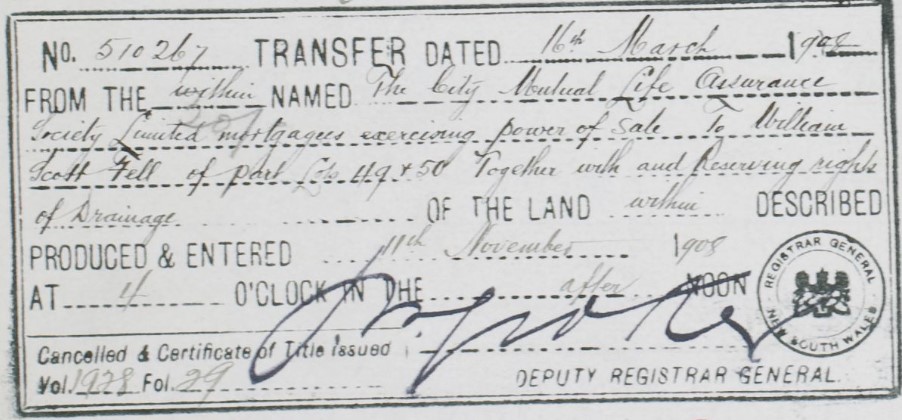
.jpg?timestamp=1774499291305)
.jpg?timestamp=1774499346180)
.jpg?timestamp=1774499385137)
______________________
The Scott-Fell 'Weekender' Years
Although the William Scott-Fell villa The Oaks at Mona Vale was given over to others briefly to Charles Fairfax Waterloo Lloyd on December 11 1908, via an application of debtor (he was going through a bankruptcy application at the time from 1907 on) and he transferred it to Alwyn Athol Stewart of Sydney on December 19 1908, by May 3rd 1910 it is transferred back to Emma Catherine Fell, wife of William Scott Fell. A mortgage is taken out in her name on June 1st 1910 with the English Scottish and Australian Bank Limited. This mortgage is discharged on November 19 1915, and the villa stays in Emma's name.
William, born on 20 July 1866 at Elleray Villa, Rosneath, Dunbartonshire, Scotland, met Emma when setting up his shipping coal from Newcastle. Emma Catherine Bain was born November 28 1860 to Reverend William (born in Lybster, Caithness, Scotland) and Emma Catherine Bain, the same year her parents came to Newcastle to further his work.
They married in the Spring of 1889:
FELL—BAIN.—On the 17th inst., at Water View House, Newcastle, by the father of the bride, Emma Catherine, only daughter of the Rev. William Bain, to William Scott Fell, son of the late John Wilson Fell, Esq., ship-broker and merchant, Gresnock, Scotland. 3134 Family Notices (1889, September 21). Newcastle Morning Herald and Miners' Advocate (NSW : 1876 - 1954), p. 4. Retrieved from http://nla.gov.au/nla.news-article139268233
A PARTY of friends gathered at Paris House in Sydney last Saturday evening to congratulate Mr. W. Scott Fell on his approaching marriage with the popular daughter of the Rev. Mr. Bain, of this city. Mr. W. McCreadie occupied the chair, and after a well-spread repast, proposed the health of " Our Guest," claiming a right to do so as his oldest friend present, and concluded by wishing Mr. Fell and Miss Bain every prosperity in their married life. Mr. Fell feelingly responded, thanking those present for the surprise given him by the send off. Toasts of "The Queen and Governor,'" "Parliament,'' ''The Ladies," "Press," "The next similar happy occasion," and "The Chairman" were duly honoured, and songs, music, and recitations pleasingly filled up the remainder of the evening.
It will be remembered that Miss Bain was the recipient of a very valuable gift, on the occasion of her marriage, from the members of the Hunters-street Presbyterian Church, Newcastle, at the last anniversary of the church ; and Mr. and Mrs. Fell left Newcastle this week for their new home, among the hearty congratulations of their many friends. ORANGE BLOSSOMS. (1889, September 21). Newcastle Morning Herald and Miners' Advocate (NSW : 1876 - 1954), p. 5. Retrieved from http://nla.gov.au/nla.news-article139268301
William an Emma had two sons and three daughters; Linda (born 1890), William Bain (born 1892), John W (born 1894), Myra H (born 1895) and Emma C (born 1898).
Her father passed away on March 9 1911 at Newcastle, her mother on August 27 1916 at her daughter's home, 'Kilcreggan', at current day 46 Parriwi Road, Mosman. The property's address was originally 42 Lower Spit Road, then 'Pariwa' Road.
Worth noting about that 1907 call in of a credit, which was later resolved, is Mr. Scott Fell's association with Oswald George Stoneman Lane, who had a property at Newport and whose brother Freddy would found the Mona Vale SLSC.
One report of this from then reads:
William Scott Fell was examined yesterday before the Registrar in Bankruptcy, by Mr. C. F. W. Lloyd, official assignee. Bankrupt said he was shipping agent and coal exporter, carrying on business at Spring street, Sydney, since July 28 last. Before that he was one of the managing directors of Scott Fell and Co. He was bankrupt before in 1895. The order was annulled in 1903. He paid his creditors in full, with 5 per cent, interest for eight years. Preceding that he made a small composition, but paid those he could got hold of in full. His bankruptcy ewes caused by giving a guarantee to the Bank of New South Wales for Scott Fell and Co., Ltd., and also in consequence of his London agents dishonouring two drafts for £5000 each. His first connection with Scott Fell and Co., Ltd., was in June, 1903, when at the company was formed. He was one of the managing directors at £800 a year. He was in that position till July 28 last, when the company went into liquidation. He first guaranteed the Bank of New South Wales £1500, and afterwards £6000. They got a verdict against Mr. Lane and himself, jointly and severally, for £7050 for the amount of guarantees and interest. He had property some land at Mosman, Spit-road, and Mona Vale. He had three shares in the Civil Service Society, 25 shares in the Cremorne Club, and property at Newcastle. About half the purchase money had been paid for the last property. The furniture at Mona Vale mostly belonged to him, and at Mosman mostly to his wife. Part of it was given her by her father before marriage; part she had bought herself since, and part he had given her. Mrs. Fell owned the house they lived in. She had no other property or private Income. His life was insured for £3200 In the A.M.P. and National Mutual. During the last two years he had lost about £200 in Broken Hill shares. He lost on two steamers on time charters-the Arnell and the Harbor. He had to pay about £1100 and £900 a month for them. One charter was for two years, and the, other for three. The Herbert was running 10 months, and the Arnold about six. He chartered these steamers while he was in the company. They had nothing to do with the company.
He chartered from the Harland and Bartlett S.S. Company, Limited, and W. R. Rea. He estimated there " was £1000 each owing to these firms under the charters. They took the steamers over last August. He speculated in land and in June to the extent of some thousands of pounds in the last two or three years. They were very satisfactory till the Farmers and Settlers" went into liquidation. He lost £500 over them. He made profit before that. The Farmers and Settlers went into liquidation, and refused delivery of jute, which he had to sell on a gallon market. He made no settlement when he gave Mrs. Fell the furniture. The examination was adjourned until December 14 next. SHIPPING LOSSES. (1908, December 1). The Sydney Morning Herald (NSW : 1842 - 1954), p. 8. Retrieved from http://nla.gov.au/nla.news-article15026754
Another records:
His assets at that time consisted of (1) the equity of redemption of certain house property at Mosman valued at about £8000, but subject to a mortgage for £4500: (2) the equity of redemption in two properties at Spit-road, valued in all at about £1000. but subject to mortgages amounting to £550; (3) property in Newcastle, bought from the Bank of New South Wales for £1600, on which £800 was still owing, and in respect of which the bank was collecting the rents and profits; and (4) property at Mona Vale, which was unencumbered and which was worth about £700 or £800. His total assets amounted in value to between £5000 and £6000. … W. SCOTT FELL'S BANKRUPTCY. (1910, December 8). Evening News (Sydney, NSW : 1869 - 1931), p. 7. Retrieved from http://nla.gov.au/nla.news-article117969368
This is an astonishing figure for The Oaks villa and just over an acre of grounds around it when you consider blocks of land were selling almost two decades later, in 1928, in then 'Heath Street', for £100.
More in: Freddie Lane's Granddaughter Visits Pittwater on Eve of Mona Vale SLSC's Centenary Celebrations
William Scott Fell, who did well through shipping coal from Newcastle, liked playing golf and swimming as his relaxations.
Mona Vale Beach, the place many still visit when coming to Pittwater, led the charge into safe salt waters:
SEA BATHS AT MONA VALE
At a meeting called by the local surf club it was decided to sink a bath at Brock’s Reef 100ft long by 60ft wide, and from 7ft to 2ft deep. The sinking is through soft shale, estimated to cost 2 shillings per cubic yard to excavate. It is, however, strong enough to stand any erosion of the new, and will cost nothing to keep in repair. It is estimated to cost £100. Local subscriptions totalling £11 10s were collected in one day. SEA BATHS AT MONA VALE. (1909, March 12). The Sydney Morning Herald (NSW : 1842 - 1954), p. 10. Retrieved from http://nla.gov.au/nla.news-article15042417
Mona Vale Beach, particularly its Basin was still called 'Bongin Bongin' meaning 'lots of shells' (oysters) in earlier articles. This one also shows that beaches or the reserves attached to them were not public spaces as they are now - this also reflects on the narrative of then that the government was going to meet the £6500 still owed by Brock out of the £15,000 he had borrowed - to take over the estate:
TO HELP SURF-BATHING. GOVERNMENT GRANT TO THE WARRINGAH SHIRE.
The Department of Lands has notified the Shire Council of Warringah that a grant up to £100 would be made to assist surf bathing on three of the beaches in the shire, viz., Freshwater, Bongin Bongin, and Curl Curl. This means that £200 will be spent. The Government suggested the grant should be expended as follows: £50 for Freshwater, Bongin Bongin and Curl Curl to divide the remaining £50.
Public recreation Reserves and bathing conveniences on the beach at Bongin Bongin and Curl Curl will be renovated and added to. At Freshwater the matter is not so easy as the beach down to high water-mark is in the hands of private owners. The grant is offered on the understanding that the councillors can make arrangements for the satisfactory disbursement of the money. If the owners will grant a long lease at a small rent of sufficient beach for the erection of the conveniences for the use of surfbathers they would reap the benefit and become as well public benefactors. TO HELP SURF-BATHING. (1909, June 30). Evening News(Sydney, NSW : 1869 - 1931), p. 9. Retrieved from http://nla.gov.au/nla.news-article115499903
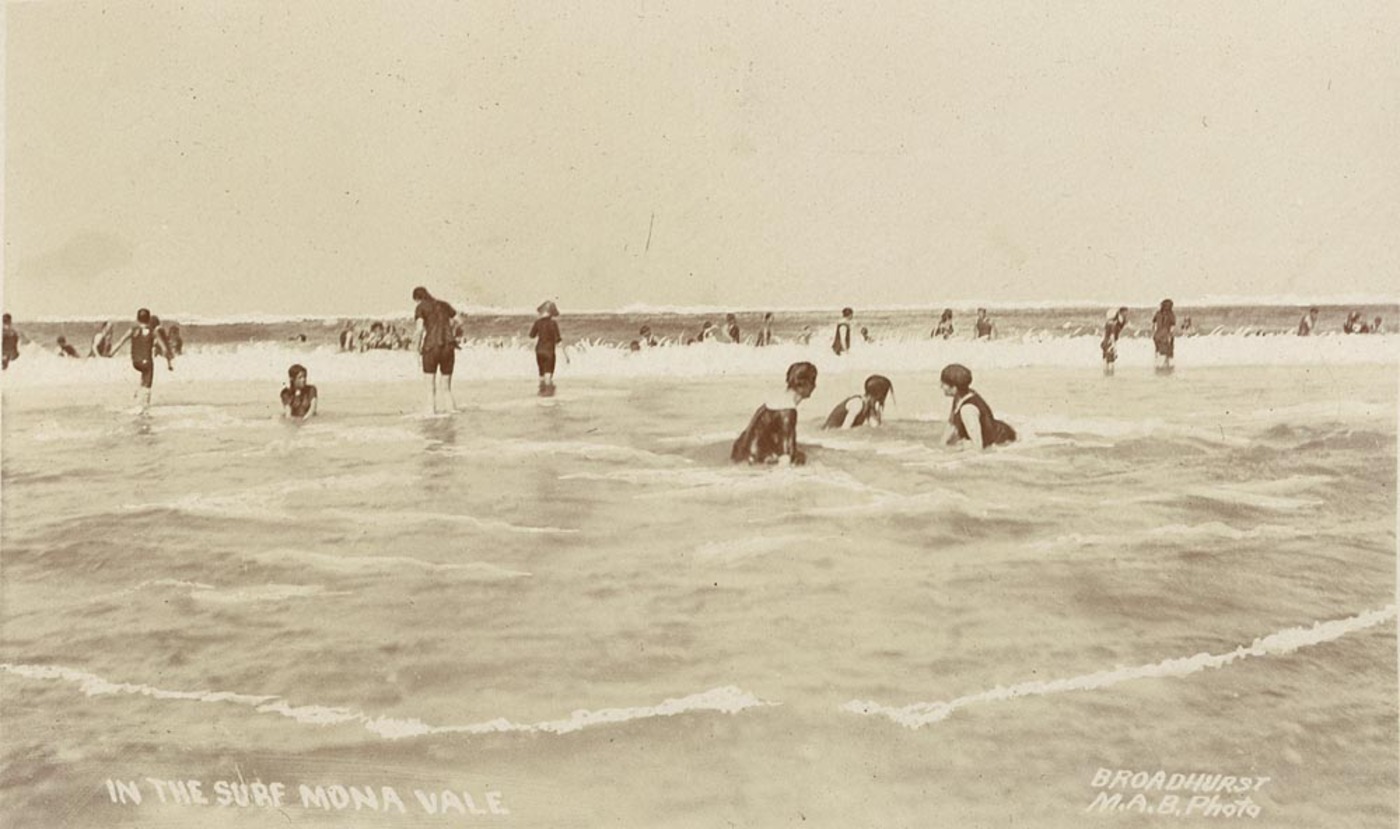
"In the surf, Mona Vale" ca. 1900-1927, Sydney & Ashfield : Broadhurst Post Card Publishers Image No. a106014 from the collections of the Mitchell Library, State Library of NSW.
By the Spring of 1910 Arthur Rickard's second wife, Nellie Crudge Rickard, daughter of first Mayor of Manly and Architect Thomas Rowe and sister to Harry Ruskin Rowe, was named as owner by mortgagee the City Mutual Life Assurance Society, which was formalised on March 11th, 1911. The Rickards had commenced subdividing and selling the estate of 118 acres prior to that, apart from those acres on the north headland, those lots dedicated for public use, and that lot already bought by William Scott-Fell.
Golf came to the Brock estate through Arthur Rickard, who leased the mansion and grounds to F. W. Fox 'and his good lady, Mrs. Foy (who has large and fashionable guest establishments at Neutral Bay)' for a while, the polo ground converted to a 9-hole golf ground with the golf clubhouse in the cottage beside the mansion. Mr. Scott-Fell attended the opening as this became the 'Mona Vale Hydro':
MONA VALE HYDRO.
The ceremony of opening the Mona Vale Hydro formerly known as Brocks Mansion Pittwater took place yesterday afternoon. The estate which has a frontage to the beach was recently acquired by Mr Arthur Rickard of this city and he has leased the house to Mr Fox as a hydro and the polo grounds as golf links.
Upwards of 80 people accepted invitations and in the unavoidable absence of the Minister for Works the ceremony of opening the hydro was performed by Mrs Griffith.
A dinner presided over by Mr Arthur Rickard followed, among those present being Mrs Griffith, Mr G B Edwards MP and Mrs Edwards, Dr Arthur M L A and Mrs Arthur, Mr E W Quirk (president of the Warringah Shire Council) Mr D Hogan (town clerk Manly) Mr P J Carew (Warringah Shire clerk) Mr J J Mulligan, Mr Jas. Rickard, Mr G Crowley, Mr J W Duesbury, Mr Robey, Mr G Morgan, Mr Scott Fell and Mr Robey.
Mr Quirk proposed the toast of the Federal and State Parliaments coupled with the names of Mr G P Edwards M P and Dr Arthur MLA both of whom responded.
Dr Arthur M L A submitted 'Success to the Hydro' which was acknowledged by Mr Arthur Rickard (who said that the surfing beach on the estate was one of the safest in the State) and by Mr Fox the lessee. MONA VALE HYDRO. (1910, December 23). The Sydney Morning Herald (NSW : 1842 - 1954), p. 8. Retrieved from http://nla.gov.au/nla.news-article15190827
A golf clubhouse called for a golf club:
Mona Vale Golf Links
Following is the draw for open amateur and professional 18 holes handicap, to be played on Saturday: -
W. S. Laidley v V. East, L.R.O. Sealy v Merrilees, Gordon Craig v Carnegie Clark, P.R. Russell v L. J. Osborne, E. Lehoneq v F. Amphlett, R. A. Crowther V F. Middows, F. O’Brien v T S Cheadle, N. C. Moses v D. G. Soutar, Horace Ireland v Fred. Alderson, D.S.K. Miller v J W Westgarth, A R Minter v O H O’Brien, M C Tilbury v E Scott Scott, F J Ewens v Dr. T S Kirkland, S J Douglass v J R Lawson, P Briz v W C Douglass, J Porious V C A Cowdery, J Clark v C J Gaut, H O Clissold v H A Clark, C W Bennett v M’William, P G Sharpe v R T Hilder, V G Fisher v J N Graham, J Z Huie v E R Jenkins, G Rankin v C A Fraser, W A Windeyer v J Donald.
Competitors may arrange their arrange their own times for starting, and are requested to bring their own caddies. A special drag will leave Manly wharf at 12 noon on Saturday, returning after play.
Rule 4 of the special rules for stroke competitions has been suspended for the day. Additional entries will be received at the post. MONA VALE GOLF LINKS. (1911, February 24). The Sydney Morning Herald (NSW : 1842 - 1954), p. 10. Retrieved from http://nla.gov.au/nla.news-article15246015
An open handicap for amateurs, 18 holes against bogey, will be played off today at Kensington, and an open competition for professionals and amateurs will also be disposed of at the new course at Mona Vale. GOLF GOSSIP (1911, February 25 - Saturday). The Arrow (Sydney, NSW : 1896 - 1912), p. 7. Retrieved from http://nla.gov.au/nla.news-article122142299
As can be read below, apart from a few descriptions of the nine holes, a J Donald was the professional attached to the Manly club when these matches took place:
GOLF GOSSIP.
BIG DAY AT MONA VALE.
(By FAIRWAY.)
Under most delightful weather conditions, and in the presence of a large gathering of golfers, which included a good sprinkling of the fair sex, the new nine-hole course at Mona Vale was officially opened on Saturday. Several players went down the night before, and stayed at Fox's Hydro (most conveniently situated near the first tee) while a motor 'bus containing 16 took the early starters down next morning. The remainder, numbering about two score, found transit in a special coach and private cars.
The motor 'bus arrived at the Hydro at 10.30 a.m., after experiencing two short stoppages. The first was at the golf club, where Messrs. W. A. Walton and A. L. Rotter had occasion to call for their clubs, etc. Here, in order to save time, a "sprint" prize of two whiskies was offered to the one who was first back at the car. The distance, roughly, was 200 yards, and the prize, was carried off by "Tiny," settling up being done on arrival at the Narrabeen Hotel.
As both belong to the heavyweight division the incident created much amusement. After Messrs, Rotter and Walton were re-seated the car proceeded on its way. Curl Curl and Brookvale were passed without incident, but when turning a corner approaching Narrabeen the car missed running a snake down by the narrowest of margins. It was at once pulled up, but the reptile was too slick, for notwithstanding a searching investigation by Messrs. Alderson and Osborne, made good its escape. The journey was again resumed, and nothing further occurred till the Hydro was reached, where Mr. Walton signed his name in the visitor's book and then all adjourned to the first tee.
The Mona Vale course, considering the time it has been under construction (a little over seven weeks) was in remarkably good condition, and reflects great credit to F. T. O'Brien, the Killara professional, and T. Black, greenkeeper. The former supervised matters, while the latter carried the work out in a first-class manner.
Sitting, on the verandah of the Hydro a beautiful outlook presents itself, for the links wearing a luxuriantly green appearance stretch below in a miniature valley, which runs to within a few yards of the sea beach. It is a fine sporting course, and contains several very good holes. The first hole takes a deal of playing, either with or against the wind, for it is situated on a peninsular, which is reached by a water carry of fully 149 yards. The fine expanse of water between the tee and the green acted as a great trap for balls on Saturday. However, those who plumped balls in did not lose them (if they were floaters), for a boy with a small canoe was stationed at the water's edge, and immediately a ball went in he made after it.
The sixth (400 yards) is another good hole, severely bunkered round the green. The eighth is an interesting short hole of the bottle-neck variety, having bunkers both sides of the green, with just an opening facing the tee to admit of an accurately-pitched maahic shot going through. The turf all through is firm and good, and the greens, which at present are very true, are improving every day.
THE PLAY.
The programme contained two competitions, i.e; an amateur 18-holes stroke handicap, and a scratch event for professionals. The former attracted an excellent entry, and the play exhibited by the low-mark men was especially good. The winning card, 85, 29—05, was furnished by a dark horse — E. R. Jenkins, of Manly. ...
For the professional event there was quite a representative entry. First prize was eventually carried off by the open champion, Carnegie Clark, who negotiated the round in the good figures of 75. Clark started well with a three and two fours, and kept up a steady run of play to the ninth, which he reached in 30. ... The outstanding features of his game were good driving and accurate approaching.
D. G. Soutar and J. V. East tied with scores of 76. Soutar did the first nine in 36, and the second in 40. Dame Fortune was exceedingly unkind to him at the ninth, for at that hole after gelling what looked a perfect drive from the tee the ball could not be found, and had evidently sunk in the soft ground at this spot, or else lodged in the drain (from which one is allowed to pick out without penalty). As it was not definitely known that the ball was in the ditch, Soutar had no alternative but to go back, tee another ball, andd play three from the tee. One incident, therefore cost him two strokes, which was indeed unfortunate, for in the end he was only beaten for first prize by one. East played a nice, all-round game, going out in 39 and coming home in 37. It was a very hot match round, containing four threes and cue two.
J. Donald occupied third place with a card of 78. The Manly professional after taking 14 for the first three holes, put in a brilliant run to the 12th, as follows:— 4, 2, 5, 3, 2, 0, 4, 3, 3— total, 32. Disaster, however, befell him at the 13th and 14lh, and in the end his completed round totalled 78. F. O'Brien followed with 81 and then came P. G. Merrilees 84. O'Brien's card was marred by a 9 at the 6th, where he found the water hazard and tried unsuccessfully to play out. The latter was hampered somewhat in having charge of the course arrangements.
The opening wag an unqualified success, and I feel certain that the resort will quickly become a very popular one amongst golfers. Mr. Fox, at the Hydro, made everyone comfortable, and looked after the inside arrangements in his best manner, with the remit that the large gathering broke up well satisfied with their day's outing.
On the same afternoon a meeting was held at the Hydro, and a local Golf Club formed, named the Pittwater District Club. The chair was occupied by Mr. J. Portus, who explained the financial position, and pointed out the great attraction the club would be to the district. Mr. P. T. Taylor was unanimously elected president, and Messrs. W. A, Windeyer, O. H. O'Brien, C. E. Cowdery. C. J. Grant, J. Portus, and Frank Middows as a committee to draw up rules, etc., and convene a meeting. Mr. C. W. Bennett was elected hon. secretary, but as he was unavoidably absent, and pending his acceptance of the position, the duties were undertaken by Mr. O'Brien. GOLF GOSSIP. (1911, March 1). The Daily Telegraph (Sydney, NSW : 1883 - 1930), p. 17. Retrieved from http://nla.gov.au/nla.news-article238718477
Patrick Thomson Taylor (1862-1922), businessman and politician, and father of Don, Kenneth, Norah and Patrick Gordon 'Bill' of Bayview and Scotland Island, founded P.T. Taylor Limited, served as an alderman and Mayor of Mosman, and was a member of the NSW Legislative Council from 1917 to 1922, heavily involved in the formation of the National Party.
More results:
Golf.
COMPETITIONS AT MONA VALE. NOTES ON THE PLAY.
The event of the week was the opening of the new links at Mona Vale. Those who took part in the event were favored with splendid weather.
The teeing grounds and fairways were very good, and the greens, although somewhat on the small side, were in first-class order, and quite true. The course is only a nine ball one, and not very long, although some of the holes, notably the fourth, sixth and ninth, are of fair length. Two 18-hole stroke competitions were held, one for amateurs and one for professionals. The latter was quite a representative event for all the leading professionals of the State took part, with the exception of F. Popplewell, who, owing to illness, was, unfortunately, unable to compete.
The open champion, Carnegie Clark returned the best card, his driving and approaching were splendid. His figures were as follows: out: 3. 4. 4.3. 3. 3. 5. .4, 5-36: home. 5, 3, 4,4,4, 5, 5, 5, 3, 5, -39, thus making his round 75. He was closely followed by D. G. Soutar 76, 36 out and 40 home. J. V. East also returned a card of 76, taking 36 over the first and 39 over the remainder.
Soutar was most unfortunate and would probably have been successful in carrying off the prize but for very bad luck at the ninth hole. His golf had been very steady, and at the ninth he got a beautiful drive, which appeared to finish in a ditch about 220 yards from the tee. There was a local rule in force empowering players who go into this ditch with their drives to lift out and drop without penalty. Soutar was unable to find his ball, and as there was some doubt as to whether it reached the ditch, he was obliged to go back to the tee and play another ball, incurring a penalty by two strokes.
The amateur event went to E. R. Jenkins (20), who returned a particularly good card of 63 net.' The handicappers appears to have underestimated his abilities. Among the short handicap men to do well were L. R. Oswald-Sealy, 78-6, 72: W. S. Laidley 77-4: 73 and T. S. Cheadle 78— 5. 73. Laidley returned the best gross score. He was particularly good over the first nine, being 36 at the turn. ...
The Australian Golf Club held an open bogey competition, but owing to the number of players who visited Mona Vale, the entry was not as large as usual. …. Golf. (1911, February 28). Evening News (Sydney, NSW : 1869 - 1931), p. 8. Retrieved from http://nla.gov.au/nla.news-article113935028
The golf course at Mona Vale was opened on Saturday with competitions for amateurs and professionals. The latter was won by the open champion, Carnegie Clark, with a splendid round of 75, in which he exhibited all his old skill. D.G. Soutar and J. V. East also showed fine form, and tied for second place with cards of 76 GOLF GOSSIP (1911, March 4). The Arrow (Sydney, NSW : 1896 - 1912), p. 7. Retrieved from http://nla.gov.au/nla.news-article122138181
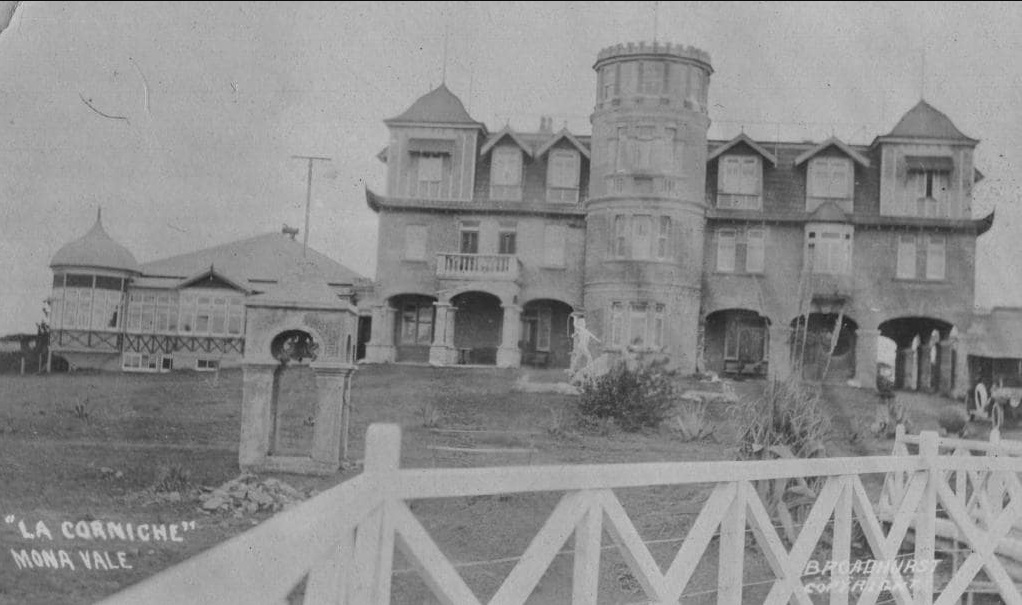
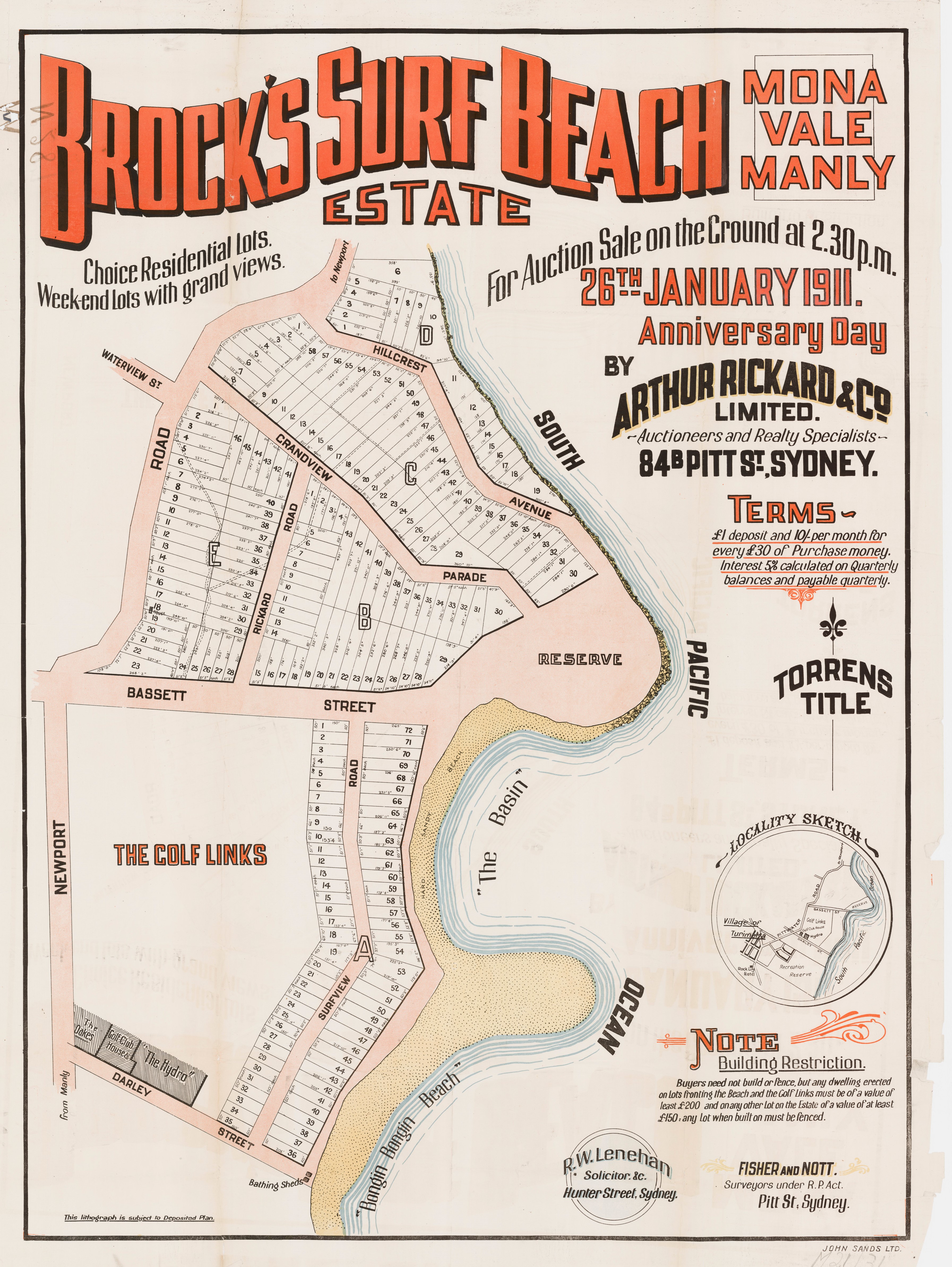
The Rickard-Fox-Foy arrangement didn't last long as by September 1911 the Rainauds, who had hosted the Allen family and guests at their Bayview restaurant in February that year, were feeding the same at what was then renamed 'La Corniche'.
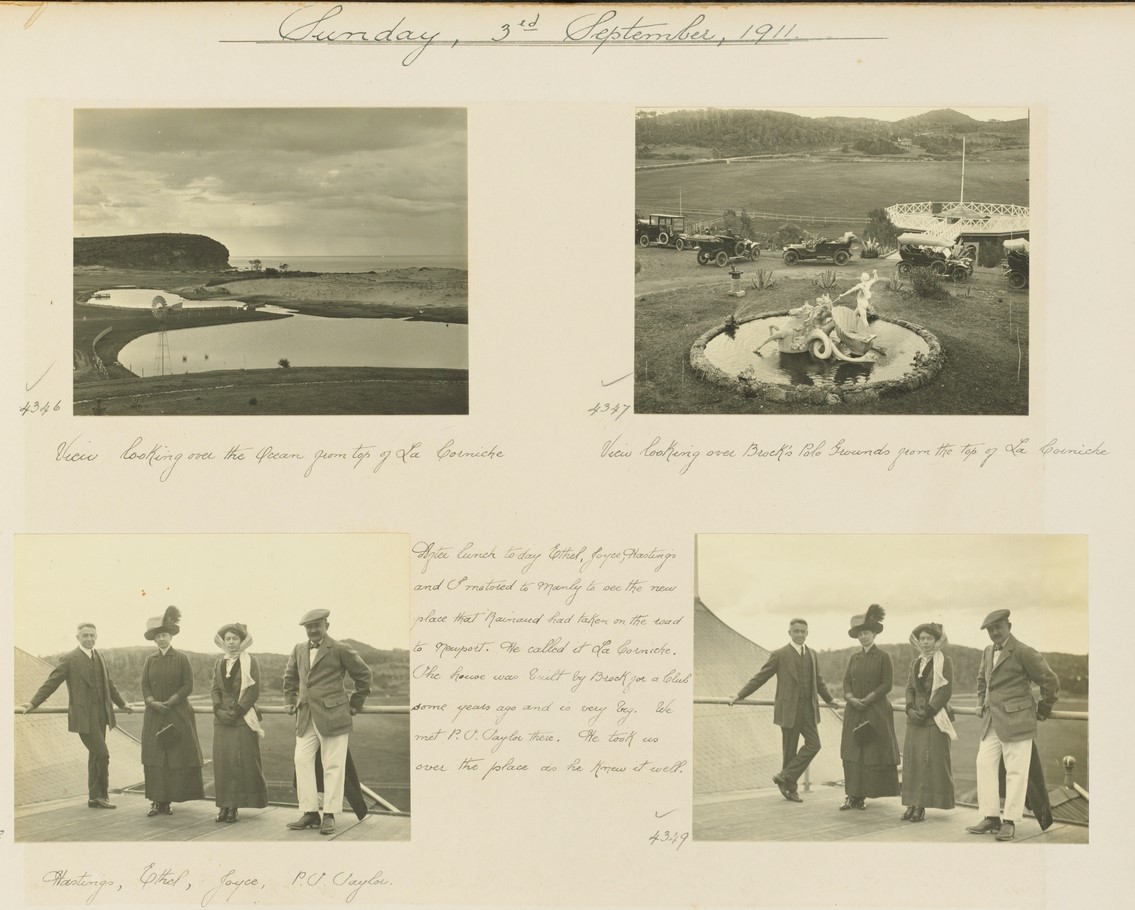
Sunday, September 3rd, 1911, From Allen Family Album. Item a3289053h, from Album 57: Photographs of the Allen family. The notation reads:
 - Copy.jpg?timestamp=1774705043864)
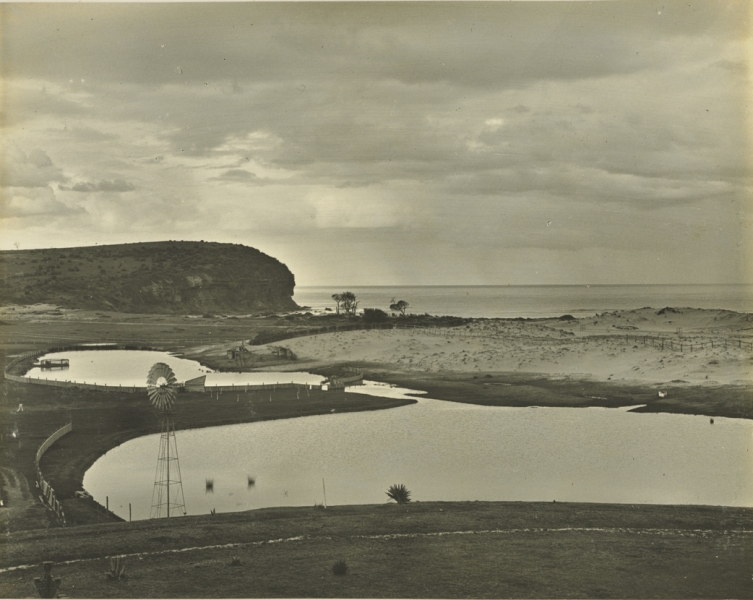
FROM: Album 57: Photographs of the Allen family, 2 May 1911 - 7 October 1911 Digital Order No. a3289055; 'Top: Enlargement of view taken from Brock's House, near Newport, September 3rd, 1911. and Digital Order No. a3289054; 'Below Enlargement of view taken from the mansion house, 3rd of September, 1911 'Enlargement of view taken looking over the Polo Grounds. The road up the hill leads to Barrenjoey'. Both Courtesy State Library of NSW. Shows the 'lake' verges of the Black Swamp were still present on Brock's former land holding in 1911. 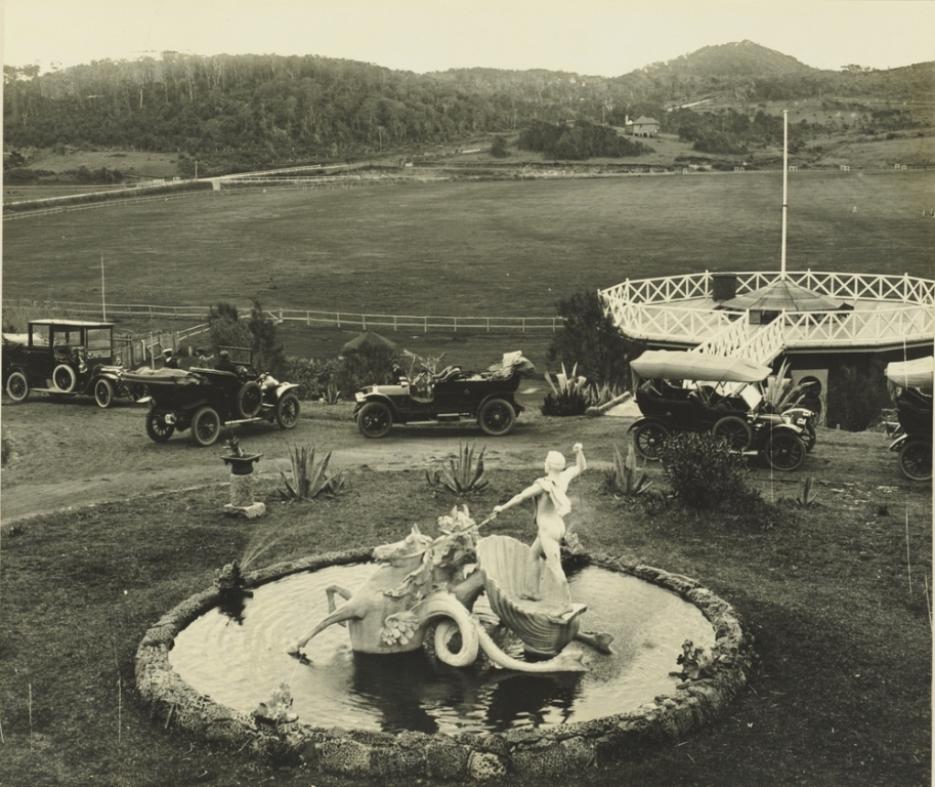
However, the 'curse' visited the Rainauds too - and here Mr. Scott-Fell, also present with his wife and family for the 'Season', gave those made homeless shelter:
A report from 1912, when a fire destroyed much of the main building, tells us:
AN UNLUCKY BUILDER.
man who was before his time.
The total destruction of the beautiful "La Corniche," better known as Brock's Mansion', at Mona Vale, in the early hours of this morning robs the naturally beautiful tourist journey from Manly to Pittwater of one of its, leading attractions. This magnificent pile of buildings, with its charming surroundings, has always excited the admiration of the traveller, and the story of Its building by Mr. Brock, and its passing out or his hands after all his Napoleonic' work, has, always won- the stranger's keen sympathy. Mr. Brock gave the best years of his life to the realisation of his Idea to provide a high-class hotel on the lines of a great country home on this unrivalled site, which provides all the delights of ocean, lagoon, and green hills. His-choice of a spot could not have been Improved on with Its glorious ocean views, and after great work in levelling and draining what was a great swamp he evolved a fine polo ground and racecourse on the flat. Six years ago there were no less than 44 polo ponies on the ground.
When Mr. Brock started the buildings he set up his own brickyards and sawmills. Everything he used came from his district In this connection he showed his patriotism by employing only local labor, and for several years he was a benefactor to the neighborhood, his expenditure going Into many thousands.
It may he said that before Mr. Brock started his great undertaking he had the assurance of the Government then in power that the tram to Pittwater would be constructed at once. He went on with his work, spent many thousands, and just when he was within reach of his goal his money ran out, and he lost all his claims to the property, and the results of his labor for years. AN UNLUCKY BUILDER. (1912, January 8). The Sun (Sydney, NSW : 1910 - 1954), p. 1. Retrieved from http://nla.gov.au/nla.news-article222004175
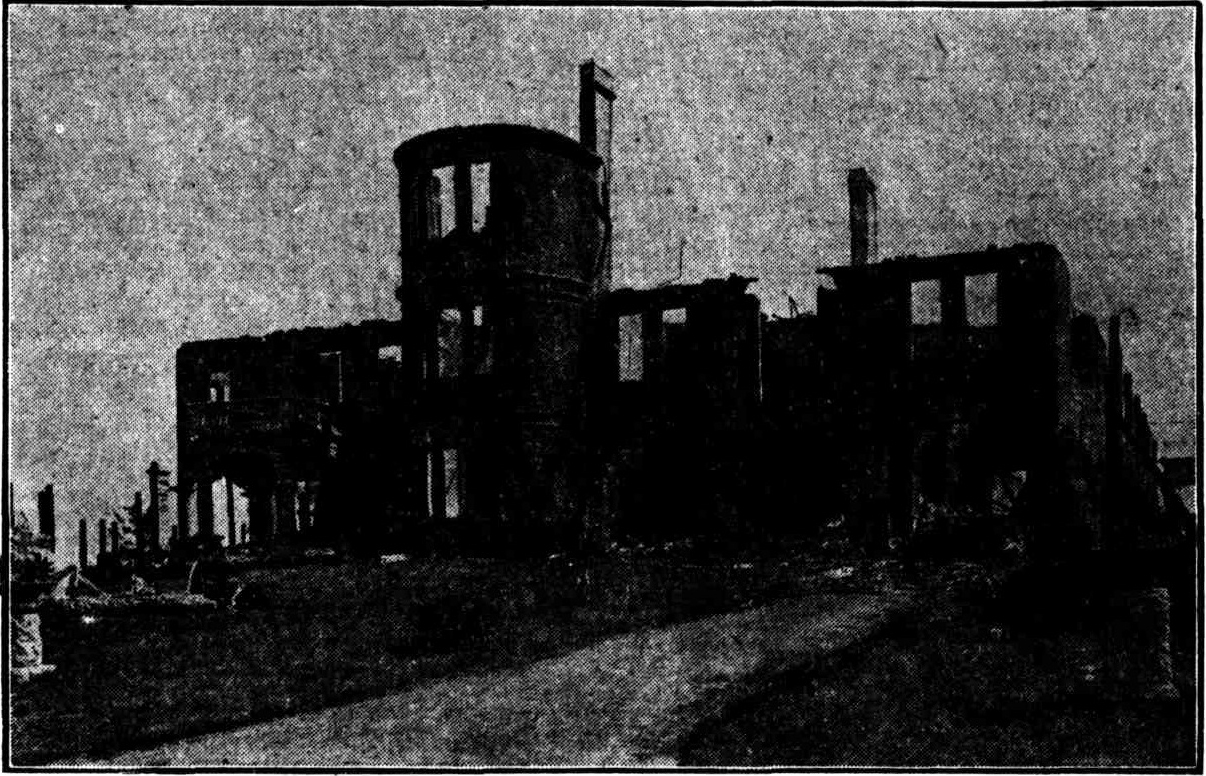
Ruins of "Brock's Mansions," at Mona Vale, destroyed by fire on Monday morning. The fate of the handsome pile of buildings is a grim finale to the financial tragedy that overtook the plucky builder, Mr. G. S . Brock, in its erection. No title (1912, January 10 - Wednesday). The Sun (Sydney, NSW : 1910 - 1954), p. 1 (FINAL EXTRA). Retrieved from http://nla.gov.au/nla.news-article222002216
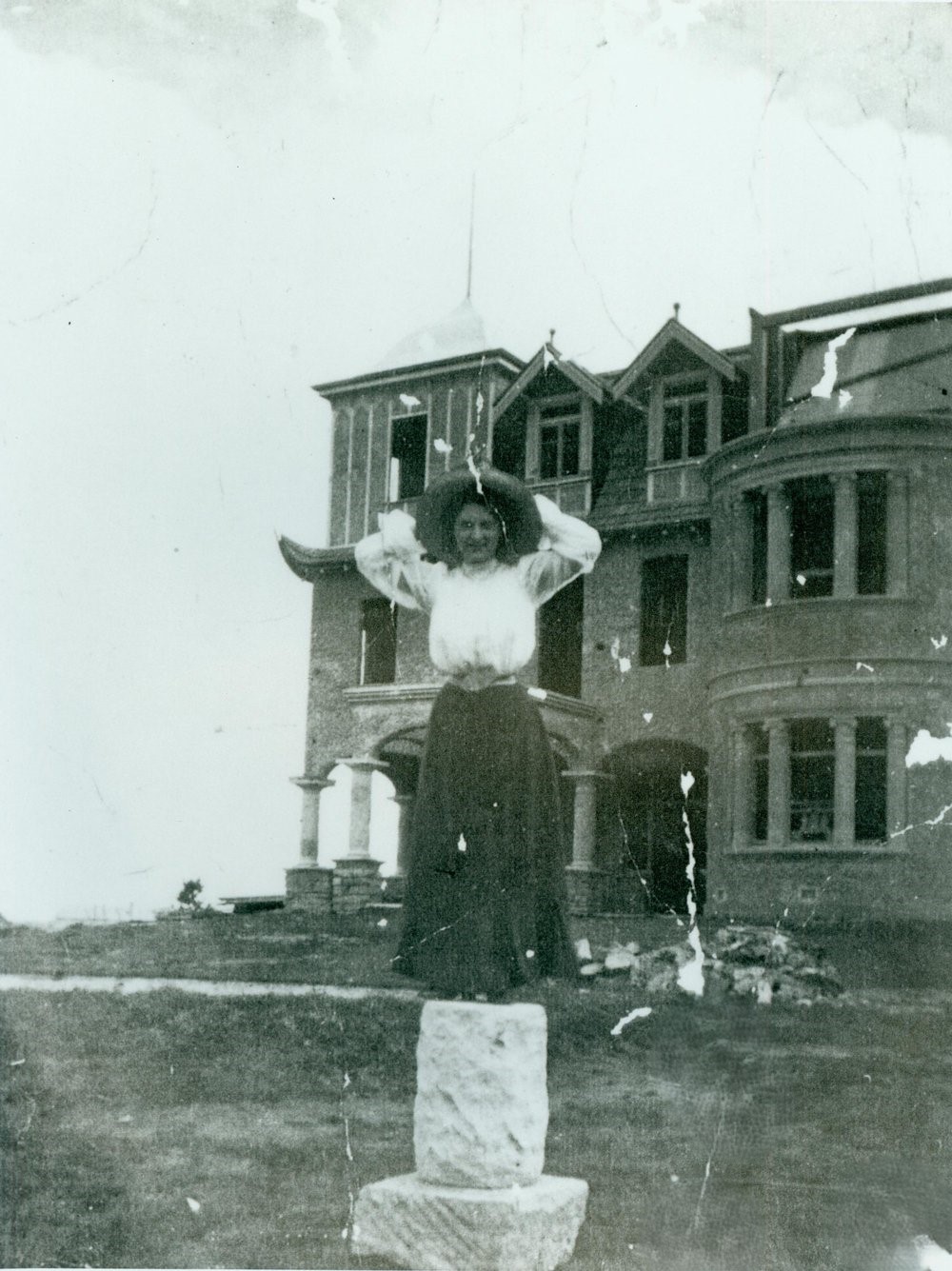
John Webeck's Aunty posing outside of La Corniche, Mona Vale circa 1913 - burnt shell behind her. Cavity in the rounded tower covered over by a board/sheet of tin. Photo: Webeck family, then of Bungan Castle.
The people needing shelter weren't the only unexpected visitors that year:
REMARKLABLE CONFESSION. Alleged Burglars Exploits.
Norman Edward Keals, 27 years of, of Zealand, was before Mr Smithers S.M., at the -Manly Police Court on Friday on several charges of breaking and entering and stealing.
On a charge of breaking into Mr. Scott-Fell's house at Mona Vale, on June 16, the evidence showed that the house had been left properly secured on June 3.
Mary Rose M'Namara, who visited Scott-Fell's house on June 14, for the purpose of cleaning the place, stated that then she opened the door she found the furniture disarranged and the door open. She begun to work, when a man, whom she identified as the accused, came in from the court-yard. She asked him, "When did you come here?” He replied, "The day before,"
Witness asked him if he was sent by owner, and he said "Yes." Witness started to clean the room, when accused said it didn't want cleaning. He also said the conservatory didn't require any cleaning up. (laughter.) witness then rang" up Mrs. Fell and constable Hewitt-Constable Jones, watchouse-keeper, Manly slated that on the 17th, while he had the accused in custody, Keals voluntarily made the following statement and signed it:-
“On November last I was in Glenbrook looking for work. I came across a tent in Emu Plains camp belonging to Arthur Thompson. I wet into the tent and stole a bicycle from there. I rode the bicycle to Lawson and exchanged it for another which I found leaning up against a church. I afterwards saw in the papers that a young man named Ellis was fined £10 at Penrith Court for stealing a bicycle from Thompson's tent. I did not know Ellis, and he lad no part or share in the stealing of the bicycle. Afterwards I obtained a job on the railway at Glenbrook till February, when I left and went to Pitttwater. The bicycle I took from the church at Lawson I left in the bush at Glenbrook- When passing the Salvation Army Industrial Farm at Dee Why I entered the dining-room, where I obtained some food. I afterwards stole a bicycle from the outside of the shed there I rode the bike the rest of the way to Pittwater. That evening I entered Simpson's store at Bayview, and stole some tinned fish, biscuits. I postcards, and about 2/6 in silver; also some bottles of soft drinks. These things I put in a boat there, and sailed down the bay. I got into broken water, and the boat capsized: I got ashore on to the rocks, where I spent the night The next day I took a boat belonging to Dr. Stiles from the beach in front of his house (which I entered, and from which I stole some food) at Mackerel Beach, Broken Bay. I pulled to Careel Bay. I stole two coats, trousers, and shirts from a tent there. I went to Manly that night, and from there to Sydney, where I pawned my watch. With the money I received on the watch I paid my fare to Woy Woy, and got work at Wyong. I left there and went to Newcastle, and got work at Hexham on a farm. Then I went to Williams's place, outside Taree, and stole some clothes and money. Then I boarded a steamer at Newcastle and returned to Sydney. After working at Balmain for a while I went to Seven Hills, with the intention of leasing a farm there. I failed to get the farm, and on my return to Sydney I bought a revolver at Mick Simmons's, with which I intended to commit suicide. I went to Manly and to the Salvation Army Farm at Dee Why, where I stayed for a few days in a hayloft, and took some food from there, also from the Home of Rest. From there I went to Newport, and after a few days I broke into Scott Fells house at Mona Vale, and stayed there for a few days, and lived on the food that I found in the house.
On June 14 I left Scott Fell's house, and went to another furnished cottage owned by Mr. Edward Scott-Scott, where I broke in, and remained until I was surprised by a party of weekend campers. I jumped out of the window, and ran away, but they caught me, and sent for Constable Hewitt, and gave me in charge. I wish to add that on my way to Pittwater the first time I entered the Salvation Army premises at Collaroy Beach, and stole a hymn-book.
Accused, who had nothing to say, was remitted for trial at the Darlinghurst Quarter Sessions. Accused was also committed for trial on two other charges, one of breaking into and stealing goods and money to the value of £15 from the shop of Arthur Morris Simpson, at Bay View, on February 11, and the other of stealing a boat from Dr. Stiles, Mackerel Beach, Broken Bay, on February 13. He was allowed Bail in each case. REMARKABLE CONFESSION. (1912, July 2). Singleton Argus(NSW : 1880 - 1954) , p. 1. Retrieved from http://nla.gov.au/nla.news-article80063111
Edward Scott Scott was a Dental Surgeon, once again then of Mosman, who served as a Captain in WWI in France in the AGH. Mona Vale based Constable John Hewiitt later became a Warringah Shire Councillor and land owner in the district, including the site of the Mona Vale Hotel. His sons names form the 'Harkeith' for the road behind the hotel.
Known for not being a permanent resident also led to the loss or damage of the beautiful gardens surrounding The Oaks villa it had been known for under the Brocks:
A COSTLY SAPLING.
At Manly Police Court this morning Arthur Darley was proceeded against by W. Scott-Fell for damaging a sapling, with intent to steal. Plaintiff valued the tree at 3s. Mr. G. Williamson appeared for plaintiff, and defendant pleaded guilty.
Mr. Scott-Fell stated the tree was on his private land at Mona Vale. He had a lot of timber destroyed previously. Mr. Wilkinson, S.M., fined Darley 20s, with 9s costs, and £1 1s for witness's and professional expenses, with the option of one month in gaol. A COSTLY SAPLING. (1912, July 19). The Sun (Sydney, NSW : 1910 - 1954), p. 4 (FINAL EXTRA). Retrieved from http://nla.gov.au/nla.news-article228814321
That Summer, a good decade before the Palm Beach ‘Seasons’:
Mr. and Mrs. Scott Fell, who have spent the season at their seaside home, 'Mona Vale,' returned to Mosman on Tuesday. THE HOME CIRCLE (1913, February 23). Sunday Times (Sydney, NSW : 1895 - 1930), p. 23. Retrieved from http://nla.gov.au/nla.news-article126451098
On the same page - in the place where many of the social courtesies those who could afford 'weekenders' were following:
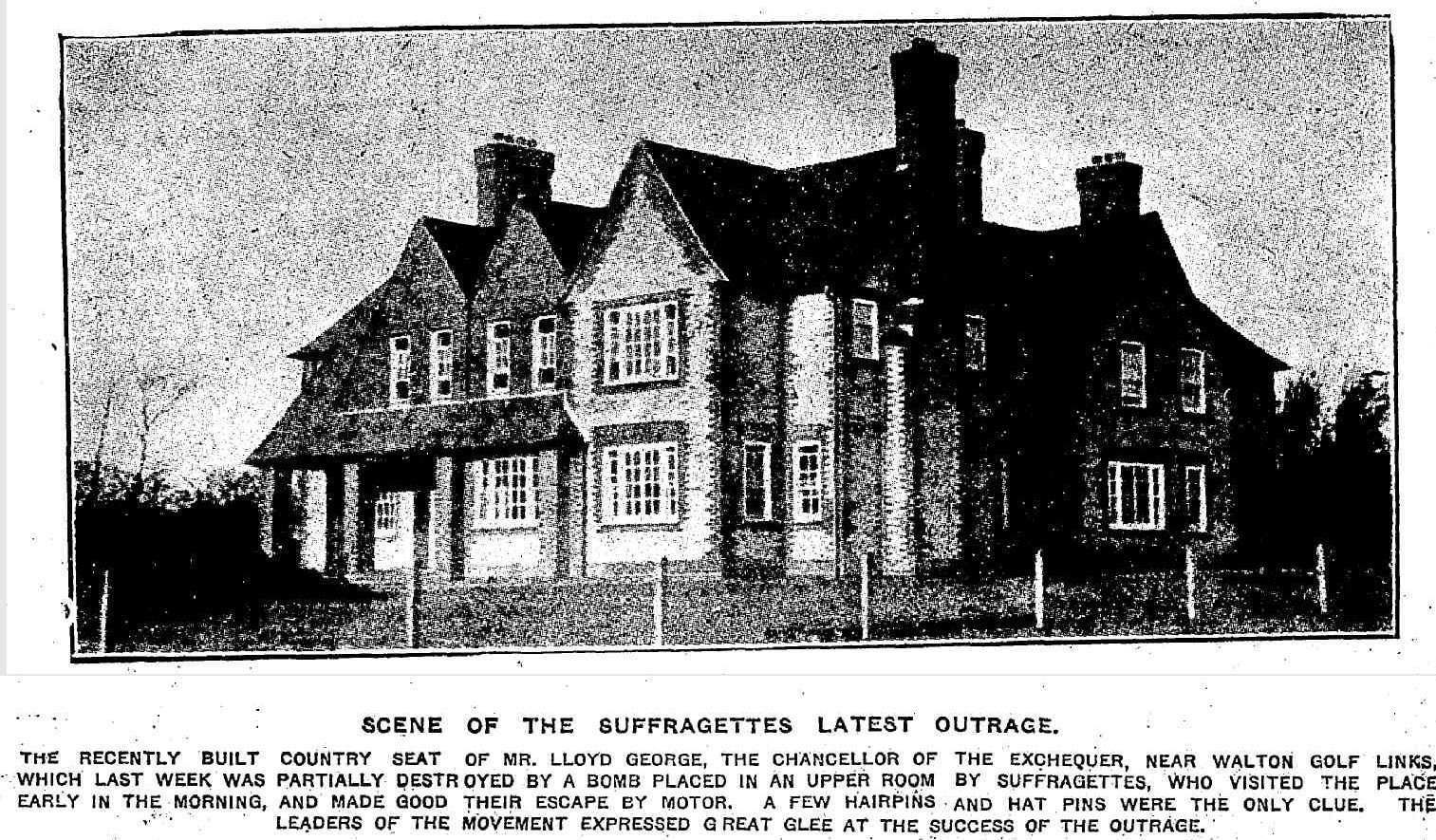
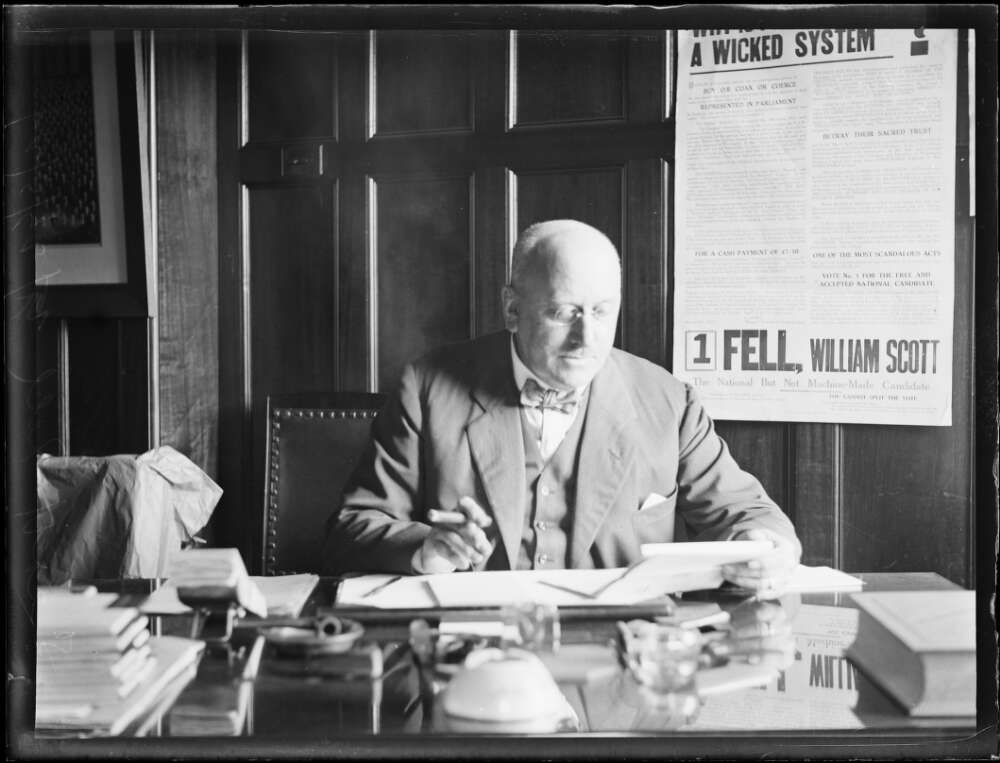
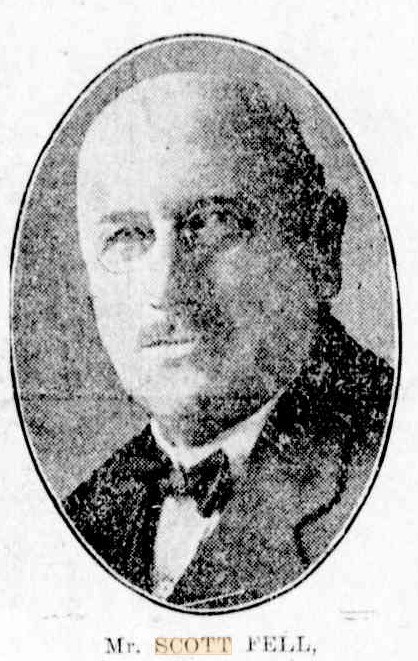
However, with the insurance money from the fire, stated in one report to be £6000.00, Rickard was able to refit another version of the Mansion at Mona Vale and the grounds and real estate sales were attracting more people to Brock's The Oaks and La Corniche. For instance - these men using the open paddocks for training in 1915, before heading to the battlegrounds of World War Two. In the background you can see a white plastered and recemented Mansion building:
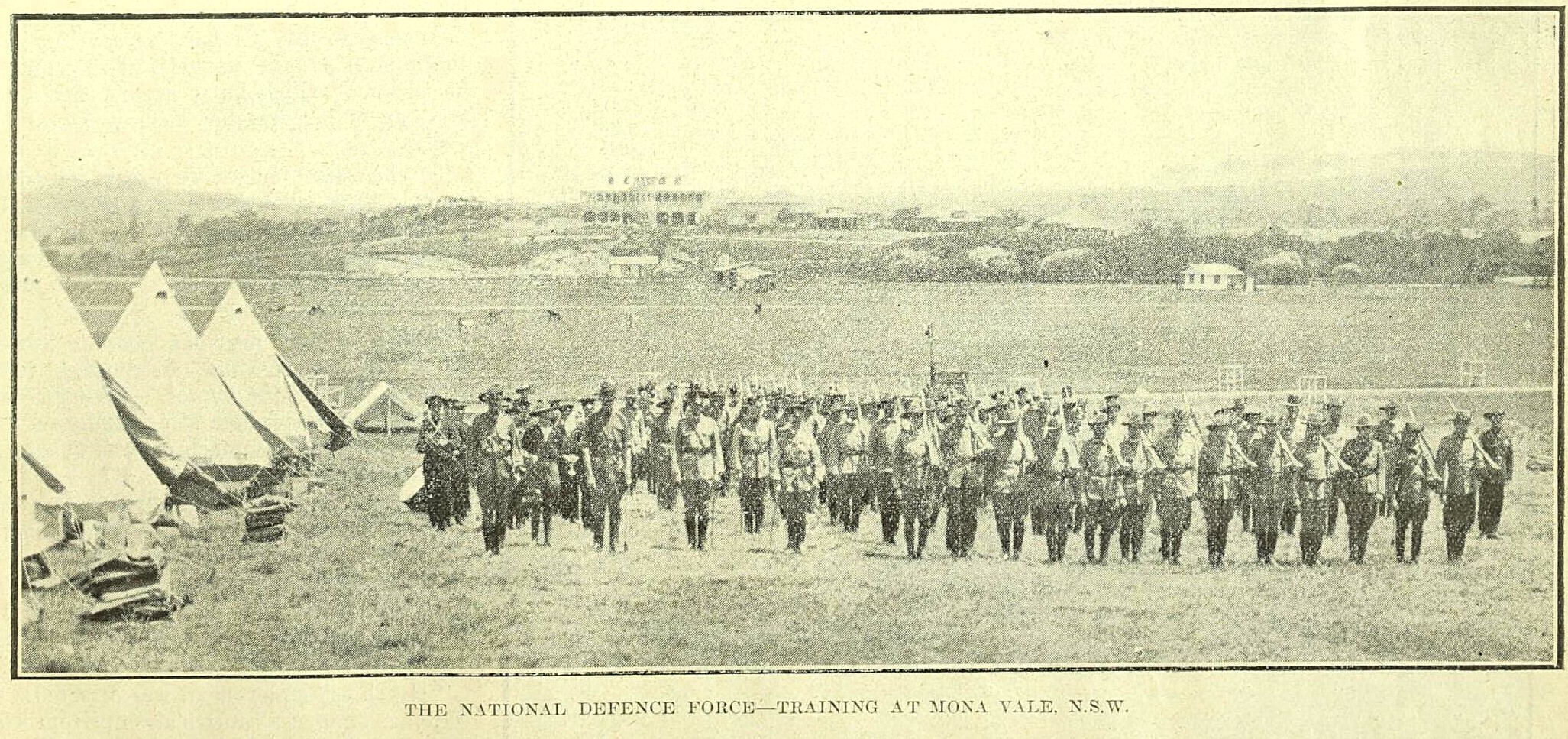
THE NATIONAL DEFENCE FORCE—TRAINING AT MONA VALE, N.S.W. (New Series Vol. 3 No. 6 (1 May 1915 - page 385). The Lone hand Retrieved from http://nla.gov.au/nla.obj-392506948
Emma died of the influenza in 1919 many brought back from serving in World War Two - one of several Mosman women who tended to others who caught this from their volunteer nursing or other services tending those who came home. Jean Curlewis contracted a flu which would slowly develop into TB and end her life way too soon.
The pandemic spread to the from the North Head Quarantine Station (Manly), when men interred there on their return 'revolted' and walked out en masse in February 1919.
...The Argyllshire was taken to North Head on Monday, and the men were disembarked and placed in a special camp, which had been provided in the quarantine area. The men, on seeing the camp allotted them, expressed considerable dissatisfaction.
MEN LEAVE THE CAMP.
The trouble came to head yesterday morning, when the men expressed their intention of breaking the barriers and proceeding to Sydney. Carrying their kitbags, they broke through portion of the guard, and during the morning reached the main gates, where Inspectors Mankey and Lobban were in charge of the police cordon. Inspector Mankey spoke to the men and endeavoured to impress upon them the seriousness of the situation. He succeeded in persuading them to remain in camp until he could get into communication with the military authorities and decide what could be done. Victoria Barracks was at once communicated with, and the State Com-mandant, Major-General Lee, was informed of the occurrence.
On learning that the men were determined to leave the camp and proceed to Sydney, the Manly S.S. Company's steamer Bellubera was despatched to the Manly wharf to bring the men across. Although the attitude of the soldiers was in defiance of the authorities, there was no attempt at larrikinism or horseplay. The men "fell in" at the main gates as if on parade, and marched quietly and in perfect order, in charge of the n.c.o.'s, to the Manly cargo wharf, where they embarked on the Bellubera. They were then brought up the harbour to Fort Macquarie.
IN PERFECT ORDER.
Here again the conduct of the men left nothing to be desired. There was no attempt to rush ashore. They were determined, yet they were perfectly orderly.
Major-General Lee had, in the meantime, proceeded to the wharf at Fort Macquarie, and met the soldiers on arrival. Before any move was made to get the men ashore, Major-General Lee, accompanied by Major Bowie-Wilson (Intelligence Officer), called for six of the senior non-commissioned officers, who came ashore and acted as spokesmen for their comrades. ORIGIN OF THE TROUBLE. (1919, February 12). The Sydney Morning Herald (NSW : 1842 - 1954), p. 8. Retrieved from http://nla.gov.au/nla.news-article15824666
ARGYLLSHIRE SOLDIERS MARCH OUT OF QUARANTINE
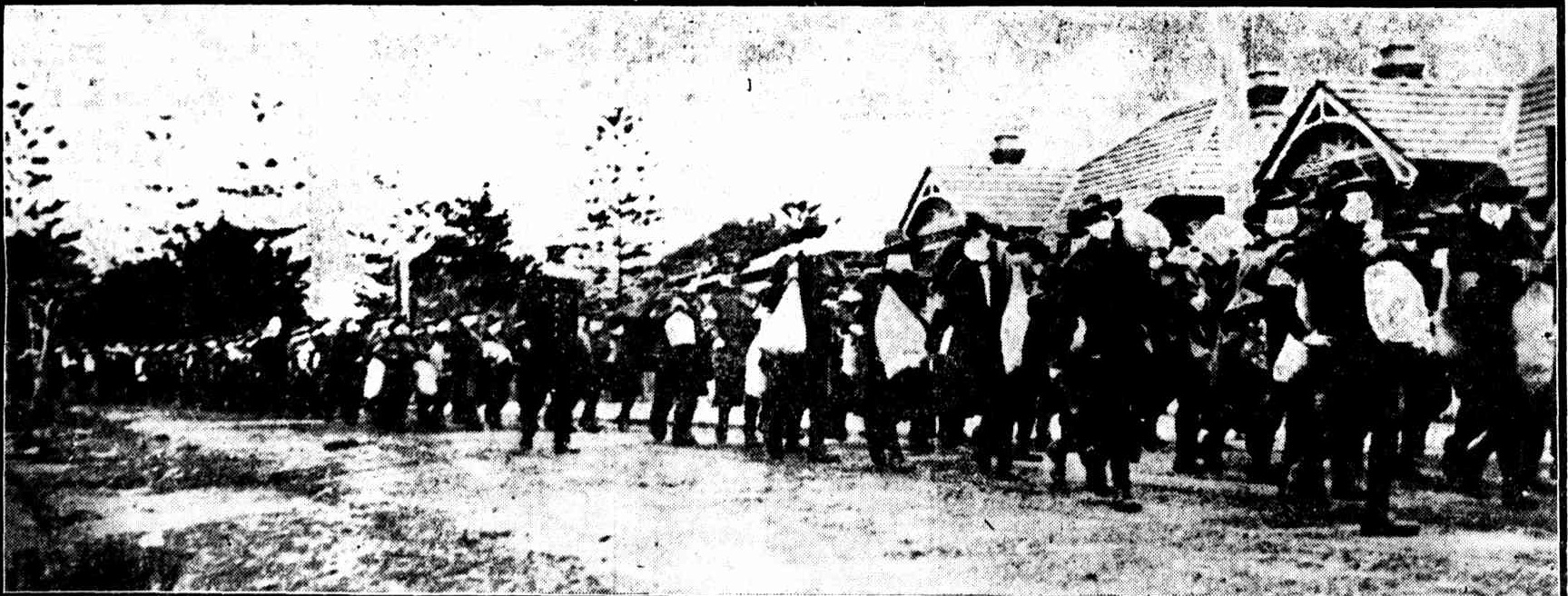
This afternoon 1000 soldiers who had been landed at the Quarantine Station from the Argyllshire left North Head and marched to the cargo wharf at Manly, where they embarked on a special boat for Sydney. The photograph shows them on the march through Manly. ARGYLLSHIRE SOLDIERS MARCH OUT OF QUARANTINE (1919, February 11). The Sun (Sydney, NSW : 1910 - 1954), p. 8 (FINAL EXTRA). Retrieved from http://nla.gov.au/nla.news-article222640713
Across Sydney there were 3,902 deaths (4.3% of the population). Around 40 per cent of the population fell ill and somewhere between 12,000 and 15,000 people died as the virus spread throughout Australia, many of them young men.
LATE MRS. SCOTT FELL.
The death of Mrs. Scott Fell, wife of Mr. W. Scott Fell, of the well-known shipping firm, took place at her residence, "Kilcreccan," Spit Road, Mosman, on Saturday morning, after a brief illness. Deceased was the only daughter of the late Rev. Wm. Bain, of the Presbyterian Church, Newcastle — a much-respected resident of the northern city for 50 years. The funeral took place yesterday at Balgowlah Cemetery, and was largely attended. Rev. D. R. MacDonaId conducted the service at the house and also officiated at the grave. The chief mourners were Mr. W. Scott-Fell (husband), Mr. Jack Fell and Mr. Bain Fell (sons), Mr. W. Etherington (son-in-law), Captain A. Fell and Major Donald Smith (brothers-in-law), Lieut A. J. Fell, Lieut. L. W. Smith, Lieut. E. A. Smith (nephews). Numerous wreaths were sent. LATE MRS. SCOTT FELL. (1919, May 27). The Daily Telegraph (Sydney, NSW : 1883 - 1930), p. 6. Retrieved from http://nla.gov.au/nla.news-article239603445
£3000 FOR A CHURCH
Memorial to Mrs. Scott Fell
Some time ago Mr. W. Scott Fell, of Mosman, offered £3000 for extensive additions to the local Presbyterian church as a memorial to Ills late wife. The offer was accepted, and the Mosman Council last- night approved of the plans for the additions, which provide for a new front to Belmont-road, a tower, belfry, porches and increased seating accommodation, including a gallery. £3000 FOR A CHURCH (1919, December 24). The Sun (Sydney, NSW : 1910 - 1954), p. 4. Retrieved from http://nla.gov.au/nla.news-article222293496
Emma's church at Mosman was the Scots Kirk Mosman – Presbyterian Church of Australia at 9 Belmont road Mosman. Apparently the tower was originally going to support a spire, but this was left out. This was not the only memorial:
PEOPLE WE KNOW
St. Philip’s Presbyterian Church, in Watt-street, Newcastle, has been enriched by the addition of several stained-glass memorial windows. They are the gift of Mr. W. Scott Fell, who has been associated with the shipping interests of this port. Mr. Scott Fell was born at Kilcreggan Dumbartonshire, Scotland, and he possess all the indominable perseverance of the Scot. He has lived a strenuous life, and risen by stepping stones to high position through a persistent perseverance. Early in life, when he arrived In Sydney, he began his career in a business associated with shipping, and It was not long before he decided to launch out on his own account. He started business as a ship broker in Sydney, and was responsible for sending many ships to Newcastle to carry cargoes of coal, and thus built up a big connection for overseas trade. Brokering was, however, sufficient to satisfy his energy and business ability. He set up his sign as a charterer, and as charterer he displayed that characteristic doggedness in facing and overcoming the many obstacles which he had to face.
This business brought him right in touch with Newcastle, and few men have been more closely associated with the progress of Newcastle and its port. Mr. W. Scott Fell has to-day a palatial office in Watt-street. He is managing director of the Interstate Steamships, Ltd., which has many fine cargo steamers, conveying cargoes of coal and steel from the port, and bringing back ironstone for manufacturing into steel products at the B.H.P. works. But Mr. Scott Fell's interests have not been confined to shipping. In his younger days during his many visits to Newcastle he became acquainted with Miss Bain, daughter of the Presbyterian minister in Hunter-street, the Rev. William Bain. The lady after wards became his wife. Mr. Scott Fell has always been a loyal supporter of the 'Presbyterian Church
Some years ago, during the influenza epidemic he was unfortunate enough to lose his good wife, who had been very closely associated with her father and his work in Newcastle, and later was in indefatigable worker in the Mosman Presbyterian Church. Mr. Scott Fell has perpetuated his wife's memory by the building of a tower to the Mosman Church in Belmont-road. and now there will be unveiled four memorial windows, two to the memory of the Rev. W. Bain and Mrs. Bain, and two in the memory of their daughter, Mrs. W. Scott Fell. The unveiling ceremony will be performed by Miss Linda May and Miss Emma Catherine Fell. PEOPLE WE KNOW (1921, August 8). The Newcastle Sun (NSW : 1918 - 1954), p. 4. Retrieved from http://nla.gov.au/nla.news-article162579379
William Scott Fell must have been heartbroken - he sold the Mosman home in 1920 to W.E. Blackwell and The Oaks villa to Philippe Pic, Caterer of Stanmore, on July 2nd 1920. He transfers the land within to Kabell Mockbell on May 25th 1923, who by then was in partnership with Pic and another in owning Paris House. Mockbell was also, then, a resident of Neutral Bay, Mosman.
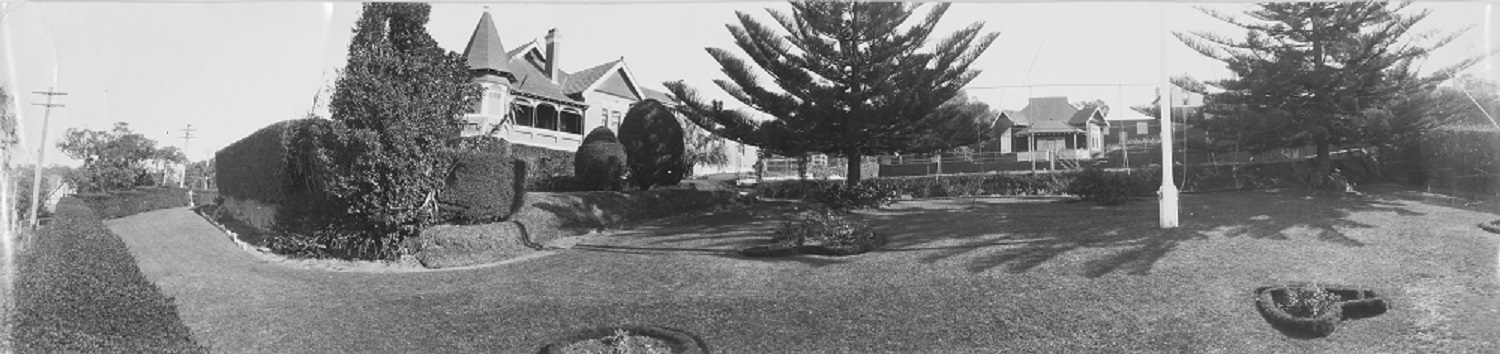
'Kilcreggan', 46 Parriwi Rd, Mosman, c.1921, courtesy Edna Chapman (daughter of Mr. Blackwell) and Mosman Council History Unit.
His youngest daughter's wedding in 1926 to Dr. Bouverie Anderson Stuart, second son of the late Sir Thomas Anderson Stuart and Lady Anderson Stuart, is reported in the papers where it is also stated the honeymoon is being spent at Leura, 'the mountain home of the bride's father'.
Philippe Pic, according to the papers of the day, was a chef who had worked in Melbourne prior to coming to Sydney in 1911 to work at Paris House in Phillip Street, Sydney, although he didn't last long and took action, unsuccessfully, to recover wages - he had already had 20 years experience as a Head Chef by then. Mr. Scott Fell may have known him since his earlier visits to the renowned eatery.
Pic went into a partnership with Kabell Mockbell, a coffee and cigarette merchant, who would later state he had had to buy the property 'from five different people'. The connection between this French and Turkish men may stem from what was known in 1890, the date Kabell Mocklbell is said to have landed in Sydney, as the 'Cercle Francais' or 'French Club', where one 1933 letter states Mockbell first worked as a cook.
William Scott Fell died of cerebro-vascular disease on 7 September 1930 at his home in Macquarie Street, Sydney, and was buried in the Presbyterian section of Manly cemetery, alongside Emma.
_______________________________
The Oaks villa: 1923 to 1965
This was the grand 1920 'relaunch' of 'La Corniche' through the Pic-Briquet-Mockbell alliance. Mr. Briquet had married the Justine Leontine Houreaux, daughter of Leon Houreux of the Rock Lily Hotel. The mansion was rebuilt, although reduced in scale, The Oaks villa also give a coat of white paint like the mansion, and launched anew on whomever may come.
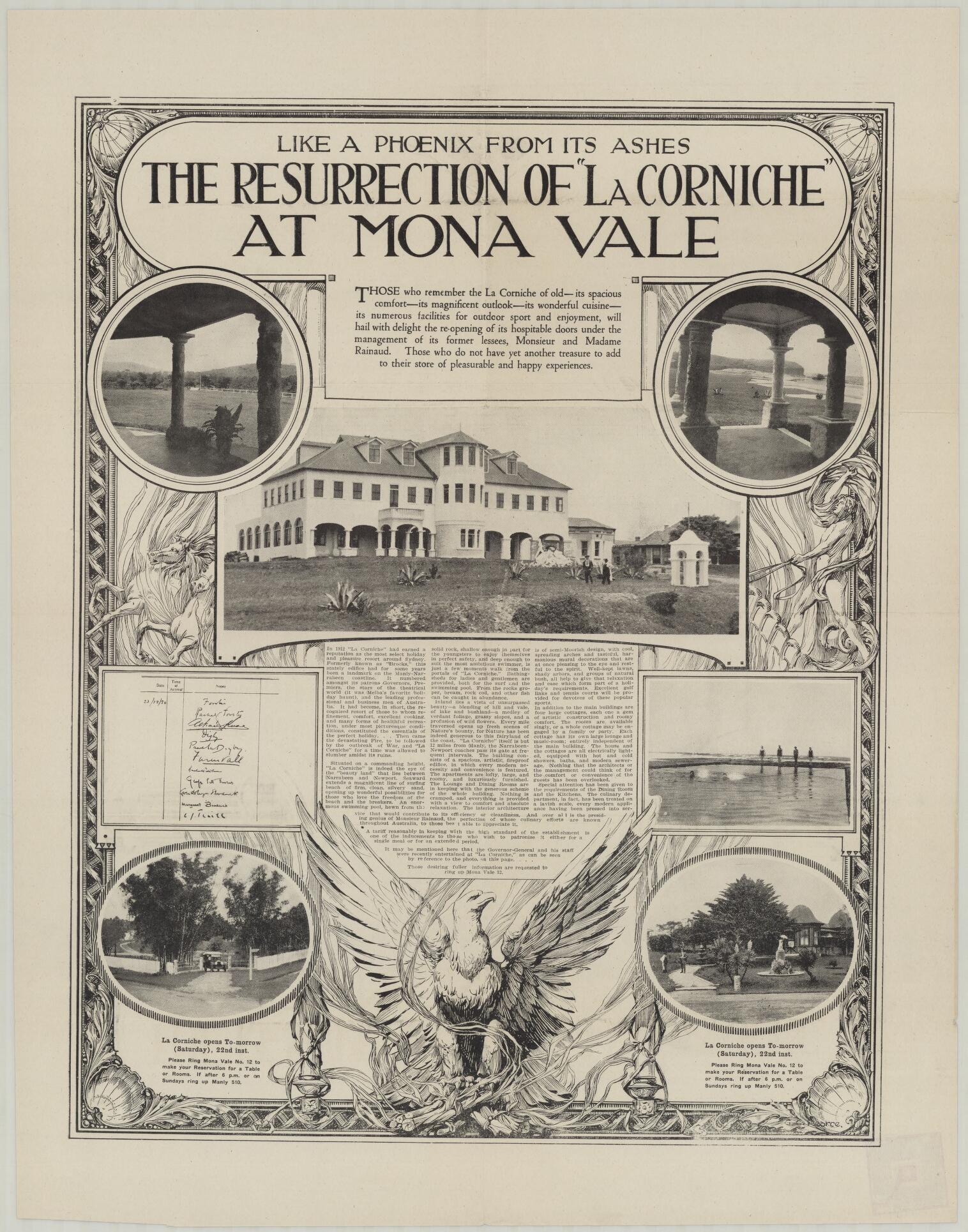
%20of%20la%20corniche%20phoenix%202.jpg?timestamp=1525925128958)
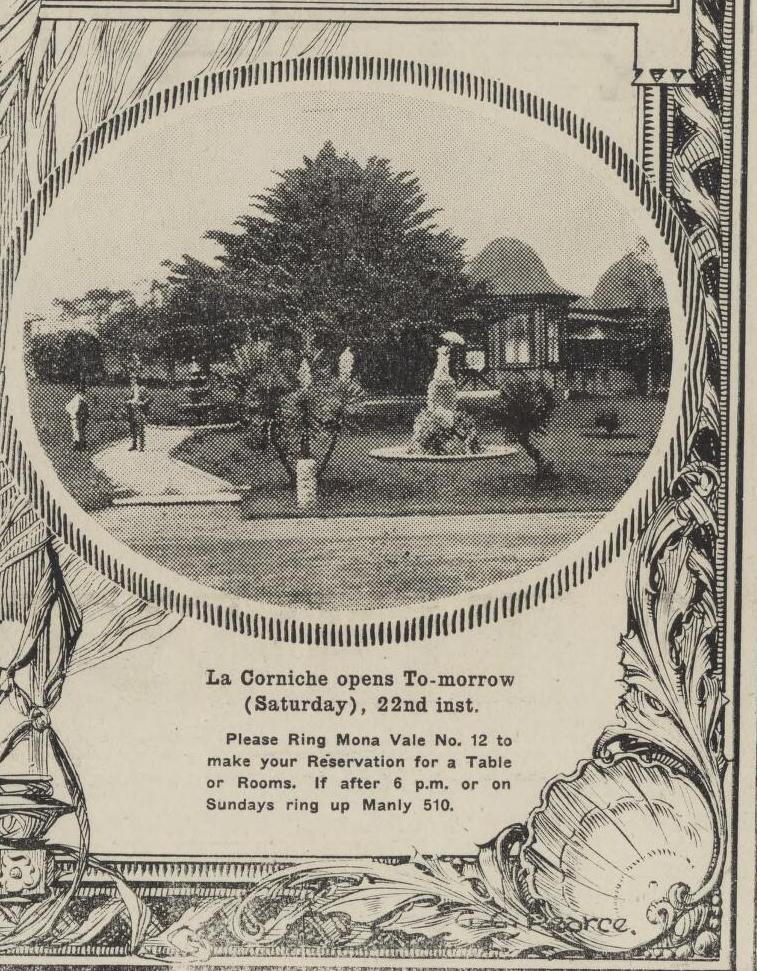
Pearce, G. C. (1920). Like a phoenix from its ashes, the resurrection of "La Corniche" at Mona Vale Retrieved from http://nla.gov.au/nla.obj-67694921
The Rainauds are cooking at the venue again, despite the 1912 fire where they lost a lot of personal property, and a grand reopening advertised:
Two Sydney Restaurateurs
The Rainauds, who have taken over "Brock's," on the Newport Road (Sydney), are a typical pair of French aubergistes. They get the personal touch into a restaurant. They started at "La Corniche." This was a small place on the Bayview Road, facing Lion Island, and overlooking the beautiful Pittwater reach of the Hawkesbury. They gave perfect bourgeois cooking at a reasonable price. Rainaud did the cooking and his wife attended to the business. The place got too popular. Lord Dudley was the initiator of its roubles. He and his staff took it up, and the news got abroad. It was rushed. On Sundays the long queue of cars ran into scores, and the lunch that was ordered for one o'clock was liable to be served at four. Rainaud, like Gaston Llevain, had certain specialities, and again like Gaston one of these related to chickens. Gaston's ' masterpiece was his poulet en casserole, and Rainaud's la a pilau of chicken with rice.
"Brock's" is big enough .to give scope to the energies of the Rainaud's, and at the same time small enough to admit of the retention of that personal touch which has ever been one of the secrets of their success. — Jermyn Street. GOSSIP FROM HERE, THERE, AND EVERYWHERE (1921, February 12). Smith's Weekly (Sydney, NSW : 1919 - 1950), p. 11. Retrieved from http://nla.gov.au/nla.news-article234271533
LA CORNICHE opening' dinner
La Corniche will be formally opened on Tuesday next, March 22, by a dinner at which Mr. McTiernan, the Attorney-General, will be present. A large number of guests have accepted invitations. On Easter Saturday the beautiful ballroom at La Corniche will be opened, and a dance will be given to celebrate the event. Visitors who desire to be present on. this festive occasion should book tables as early as possible.
It should be a night of nights. Delicious fare, lovely music, a fine door, and around the most delightful scenery, with the surf thundering against the rocks and beach the handy to the grounds. The list of visitors is filling up. The reputation of La Corniche is spreading. Nothing is wanting to give a sense of harmony and refinement. Comfort is always evident as the primary consideration of the management. La Corniche is 12 miles from Manly, and is within stone throw of a beautiful beach and swimming pool. The Narrabeen-Newport coach passes the gate al frequent intervals.
Those desiring to spend a pleasant week-end, or to enjoy a good lunch, tea, or dinner, after a motor drive, should not fail to reserve a table. Special attrition is being paid to the comfort of Easter visitors. In order to reserve accommodation, do not fail to write at once. Address, H. RAINAUD, La Corniche, Mona Vale, or telephone, Manly 510.— Advt. Advertising (1921, March 20). Sunday Times (Sydney, NSW : 1895 - 1930), p. 21. Retrieved from http://nla.gov.au/nla.news-article123235814
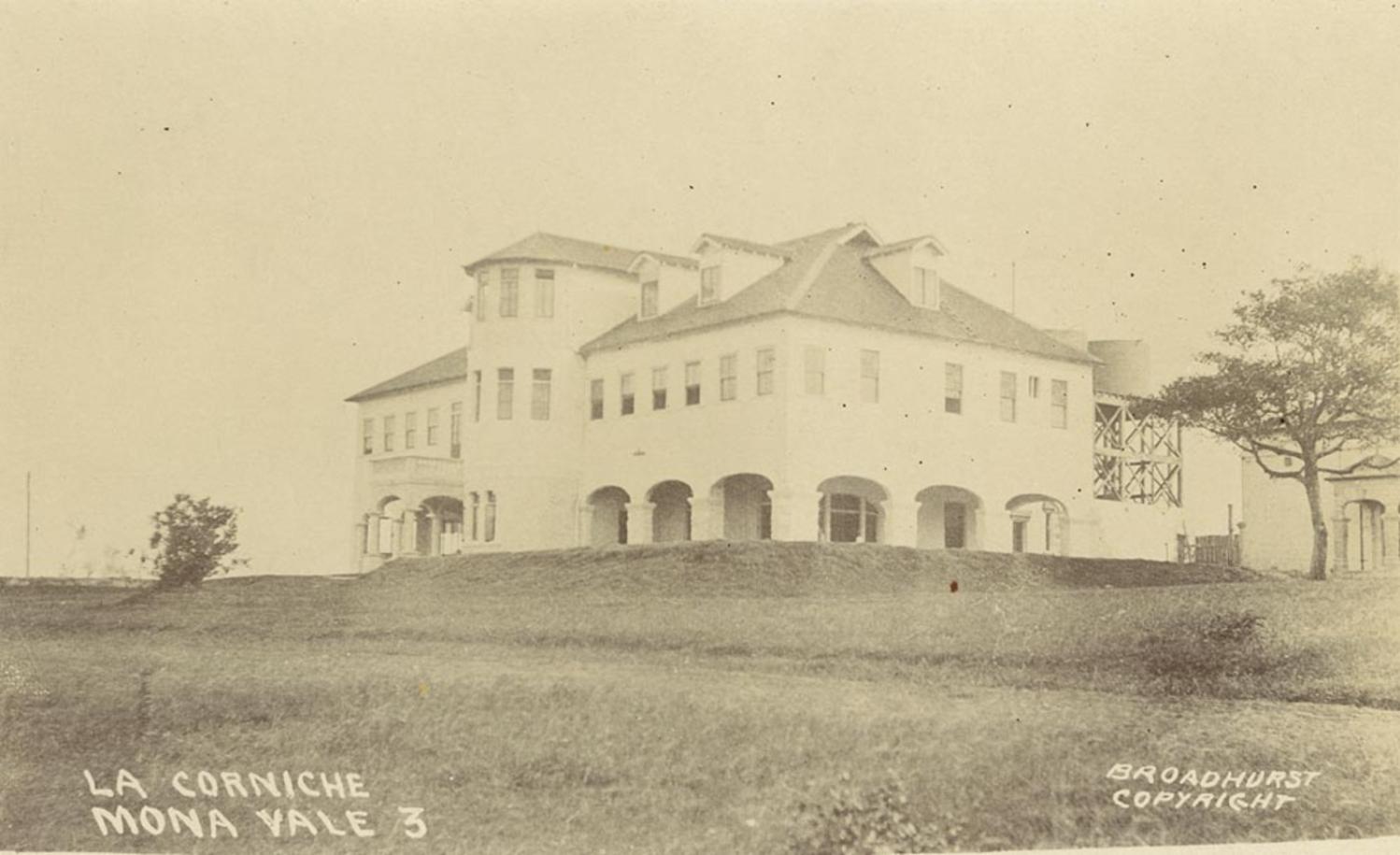
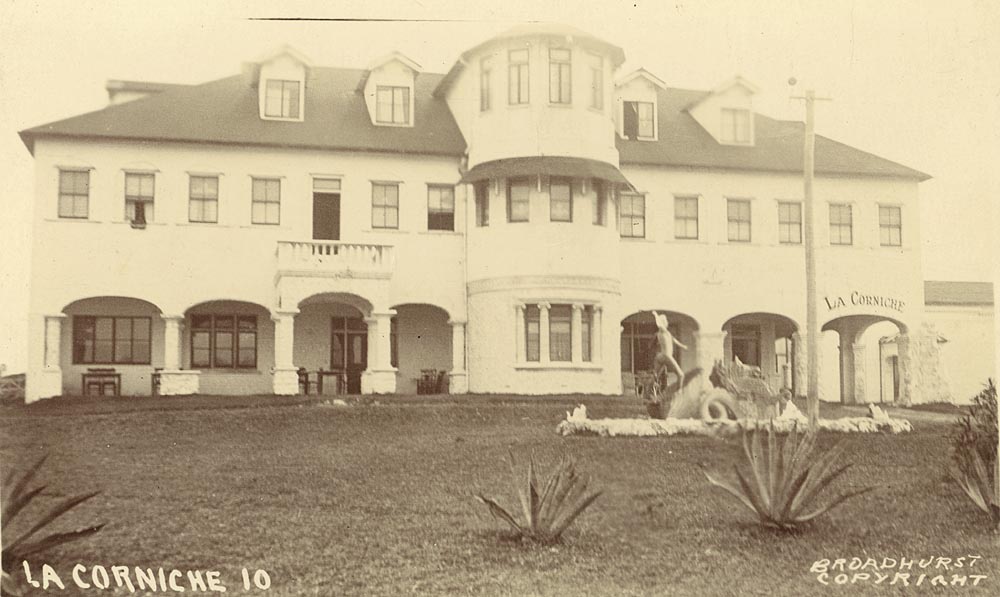
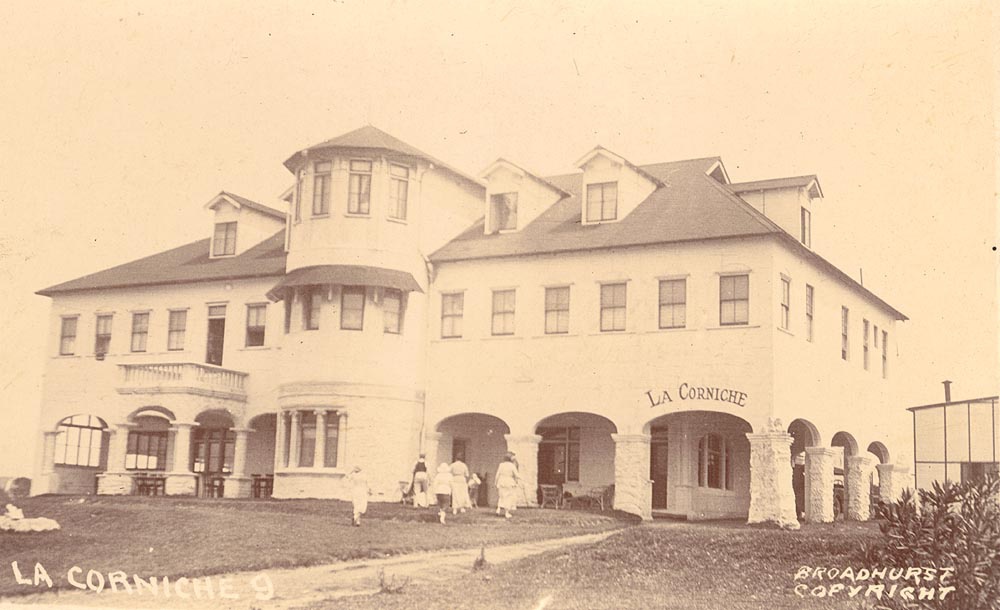
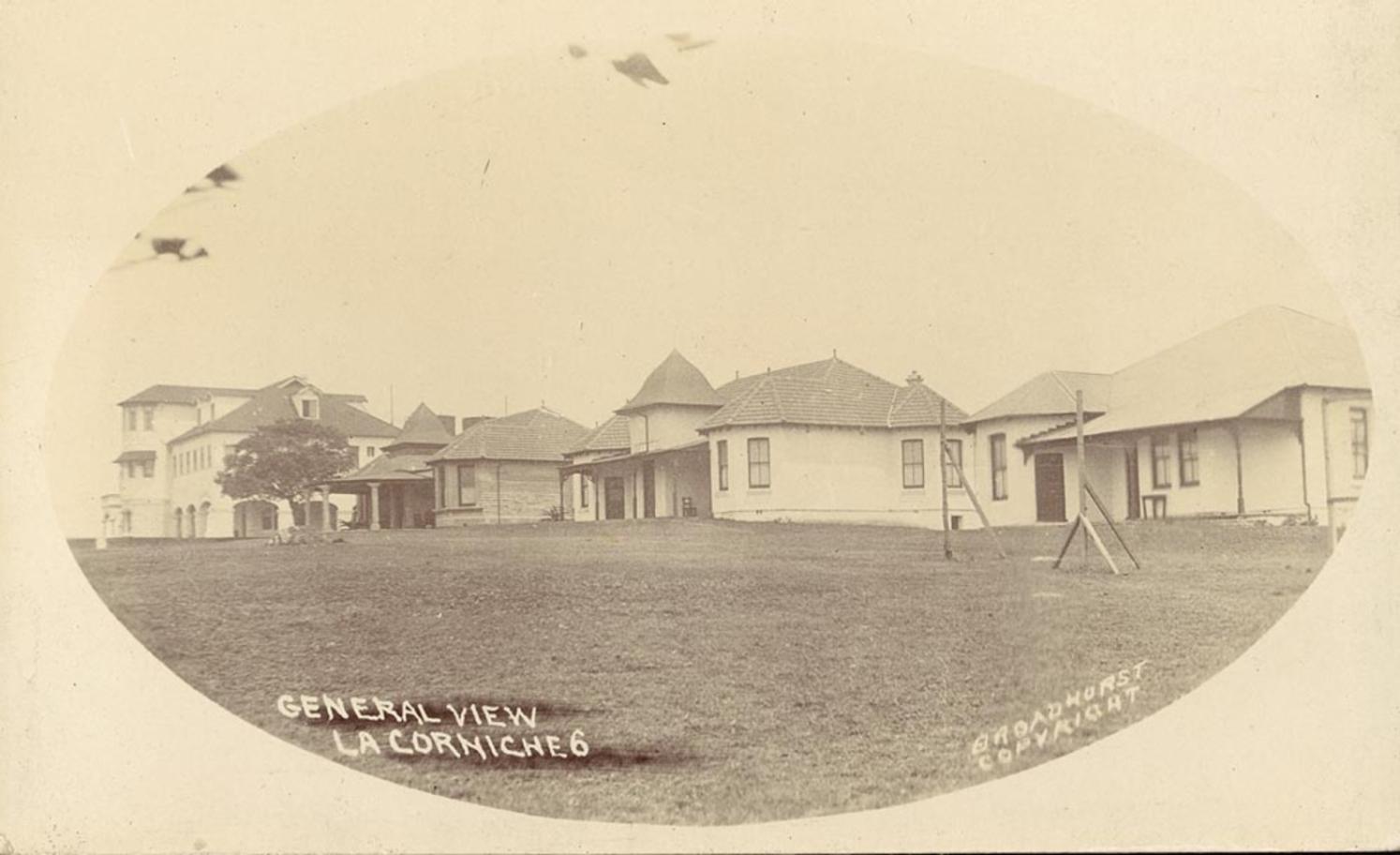
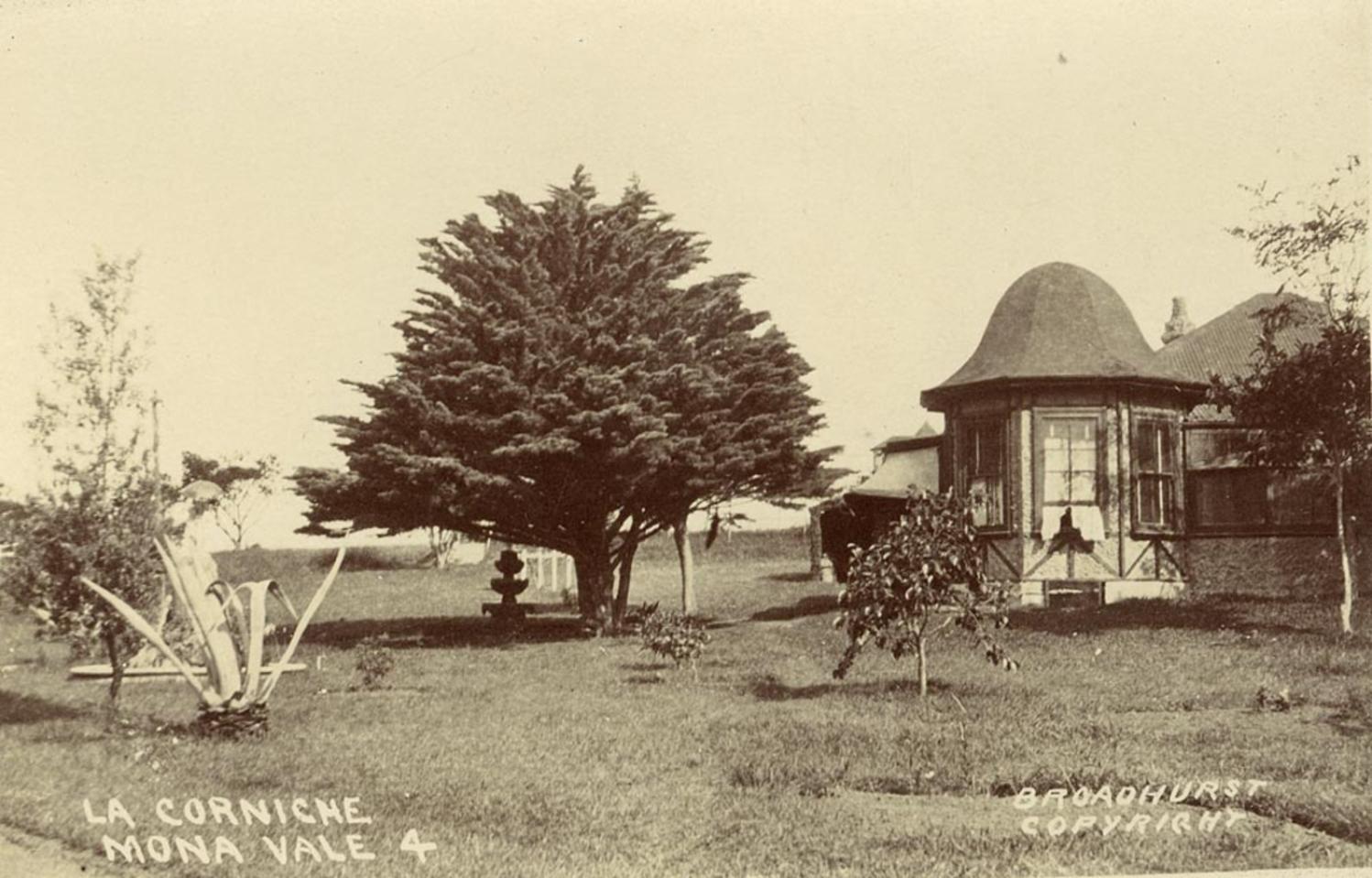
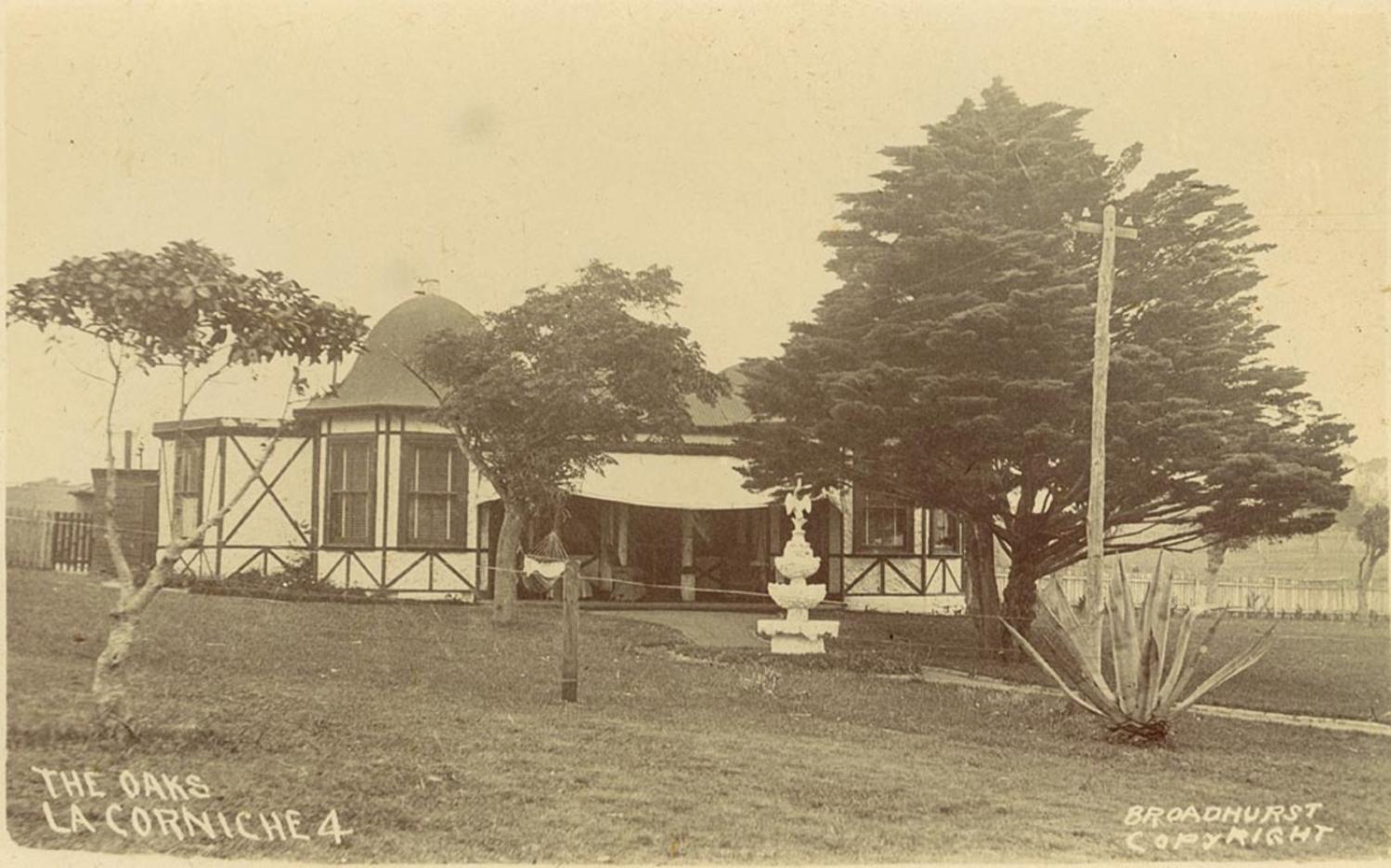
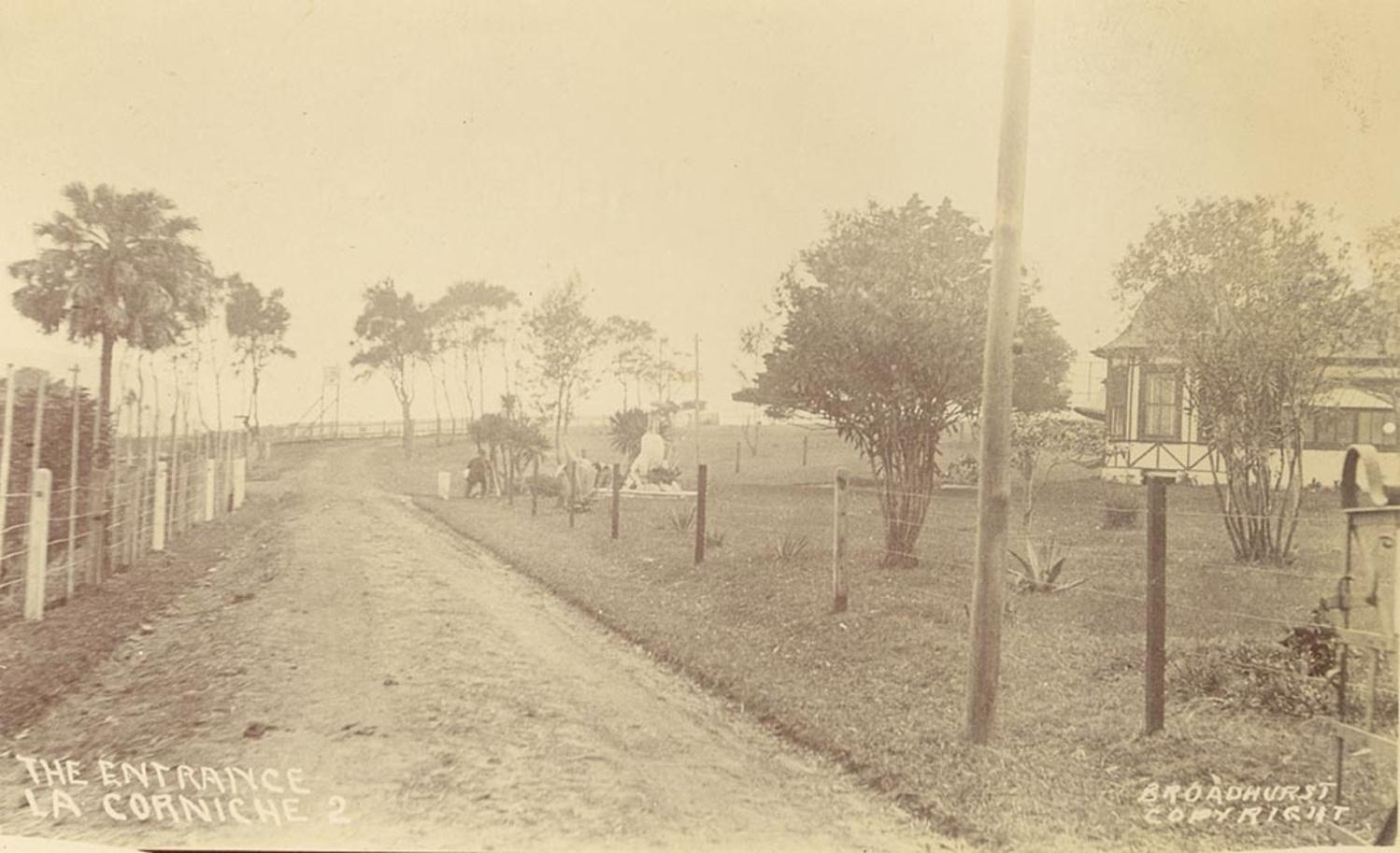
The Certificate of Title formalising the transfer (Vol-Fol: 3470-20) shows Mockbell takes out a mortgage with Amy Clestine Fowler, widow, and Kenneth Alexander Fowler on May 31 1923. They discharge the mortgage taken out with the City Mutual Life Assurance Society Limited on June 30 1926.
Their struggles to make it work are exacerbated during the early years of the 1930's economic depression. The cheap rebuild, the struggle to attract guests when no one has money to spare and the area is filled with people living in tents and fishing because they've been evicted, and the council trying to find work for them all, piles on the mounting debts.
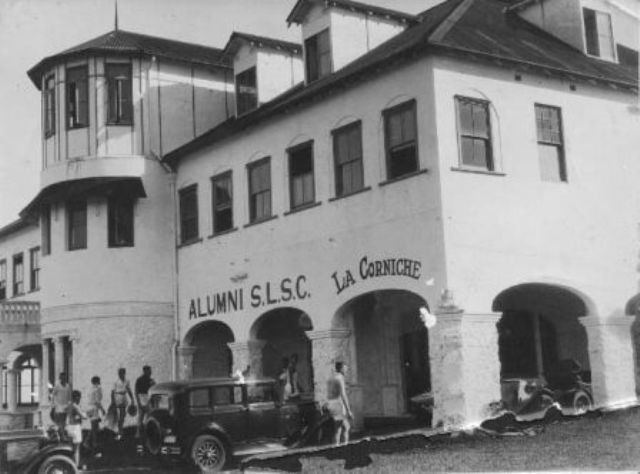
AT LA CORNICHE under entirely new management-Tariff from £2/2/ per week 10/6 per day Phone Mona Vale 50. Advertising (1932, February 27). The Sydney Morning Herald (NSW : 1842 - 1954), p. 5. Retrieved from http://nla.gov.au/nla.news-article16843745
BY ORDER OF THE MORTGAGEES. MONA VALE.ONLY A FEW MINUTES FROM THE BEACH AND GOLF LINKS. That well-known SEASIDE ESTABLISHMENT Known as LA CORNICHE, now conducted as a Tourist Boarding-house, and which is also eminently suitable for a REST HOME, SCHOLASTIC, or ECCLESIASTICAL INSTITUTION.
The building is constructed of brick, cemented, with Iron roof, and comprises ground and two upper floors. On the ground floor are wide verandahs, hall, office, double lounge-rooms, large dining-room, smoke-room, kitchens, scullery, pantries, store and engine room. On the two upper floors: 20 bedrooms and 2 bathrooms. Detached is ballroom (18 x 60), with special floor.
In addition to the above are FOUR COMMODIOUS COTTAGES, built of stone and of brick, with tiled and iron roofs, each having verandahs, and about 7 large rooms, kitchen, and offices. Two motor garages. Tennis court. The buildings are connected by electric light (own plant) and septic sewerage.
THE SITE is a most PROMINENT ONE having a frontage of approximately 335ft to the MAIN NEWPORT-ROAD, together with frontages of about 795ft to Darley-street, 350ft to Noble-street, and 440ft to Stanley-street an unformed street), and is suitable for subdivision. (Plan on view at the Auctioneers). TORRENS TITLE. EASY TERMS CAN BE ARRANGED. RICHARDSON and WRENCH, LTD., will submit above to PUBLIC AUCTION, in the Rooms,92 PITT-STREET, on FRIDAY, 19th FEBRUARY, at 11 a.m. Advertising. (1932, February 6). The Sydney Morning Herald (NSW : 1842 - 1954), p. 20. Retrieved from http://nla.gov.au/nla.news-article28035038
AT La Corniche-Beautiful furnished Cottages on La Corniche grounds to Let from £3/3/ per week! Phone Mona Vale 50.Advertising (1932, February 10). The Sydney Morning Herald (NSW : 1842 - 1954), p. 4. Retrieved from http://nla.gov.au/nla.news-article16839472
He takes out more and many mortgages until the property is sold and placed in the name of Mary McPhee, wife of Gerald Joseph McPhee, Estate Agent, both of Mosman, on December 3rd, 1935 and this then becomes the McPhees battle, (Vol-Fol: 4752-48), with the transfer registered on January 20 1936.
The whole property is leased to Questhaven Schools Pty. Ltd. on September 21 1937. The Oaks villa was used by the daughter of the owner according to some newspaper reports of then, who was an Artist and thrived in the acreage of gardens.
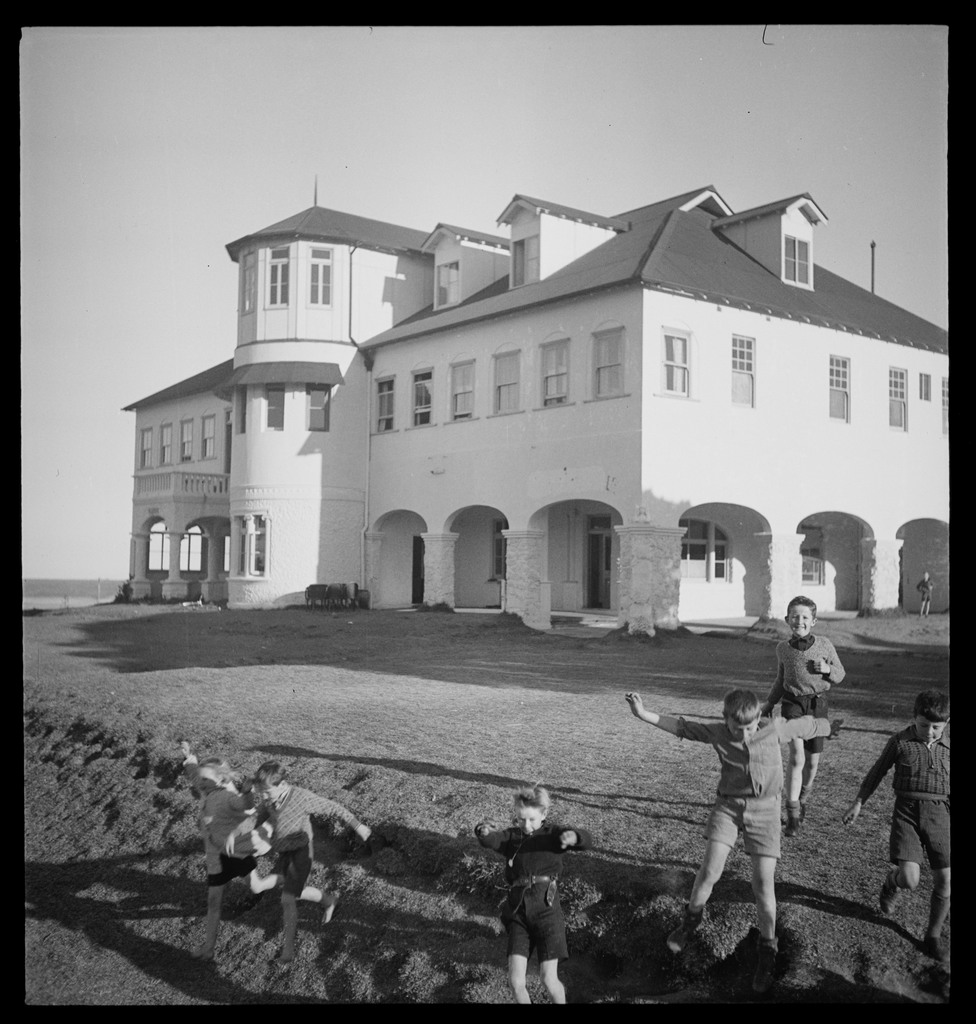
'Primary School, Mona Vale', photographed by Max Dupain, courtesy Mitchell Library, State Library of New South Wales
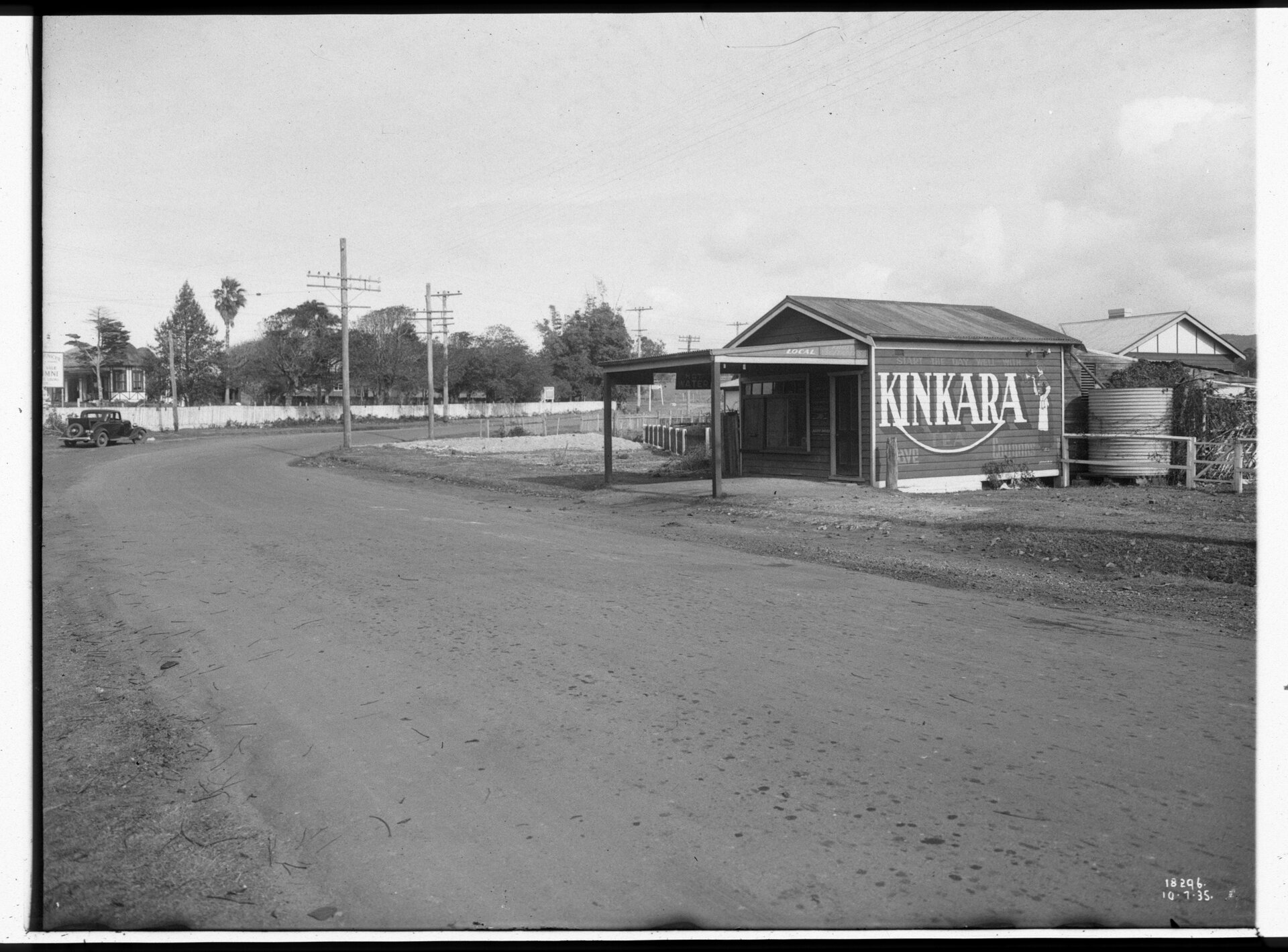
Government Printing Office 1 - 20074 - La Corniche Corner Mona Vale [From NSW Government Printer series: Resumed Property] July 10, 1935 – The Oaks villa is to left in background.
.jpg?timestamp=1774725800454)
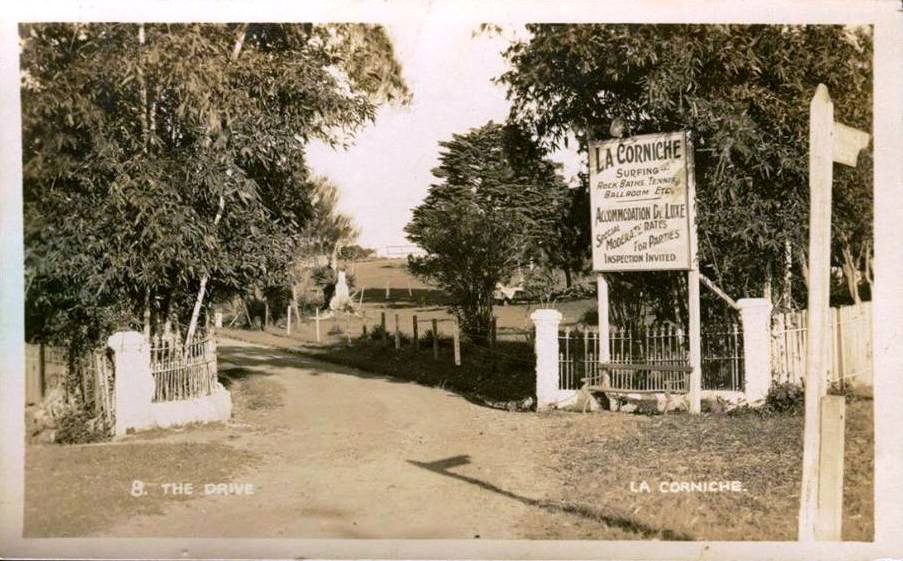
The lease expired on March 20 1945 – although the premises was used by the AIF in training and coastal defences from 1941 onwards, and this included using The Oaks villa, described in their documents as ''Detached Double Fronted cottage, built of rough cast cement and lined with hardwood, roofed with iron and malthoid, verandah front and side, containing seven rooms, kitchen and offices'' - and repairs required afterwards listed as:
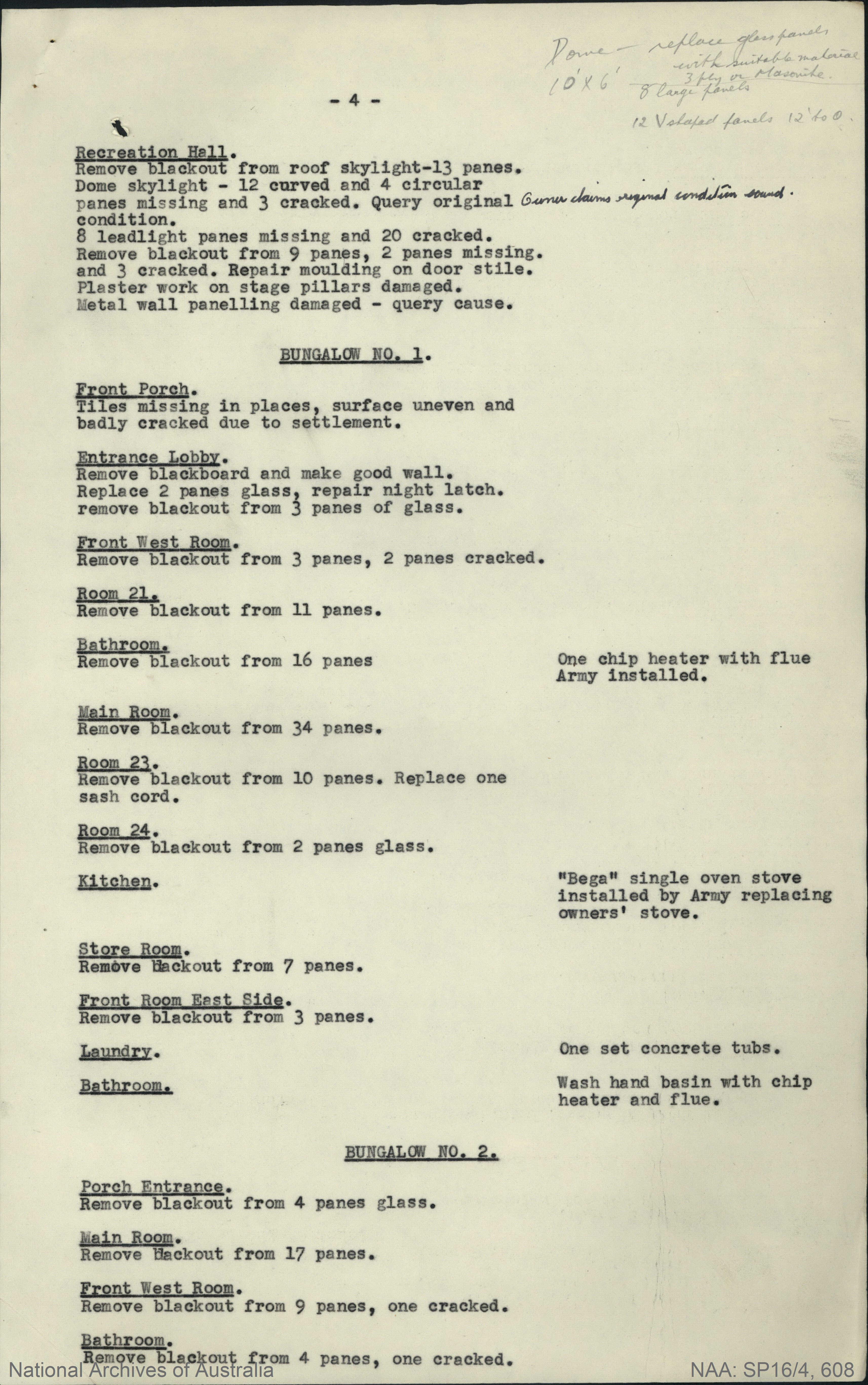
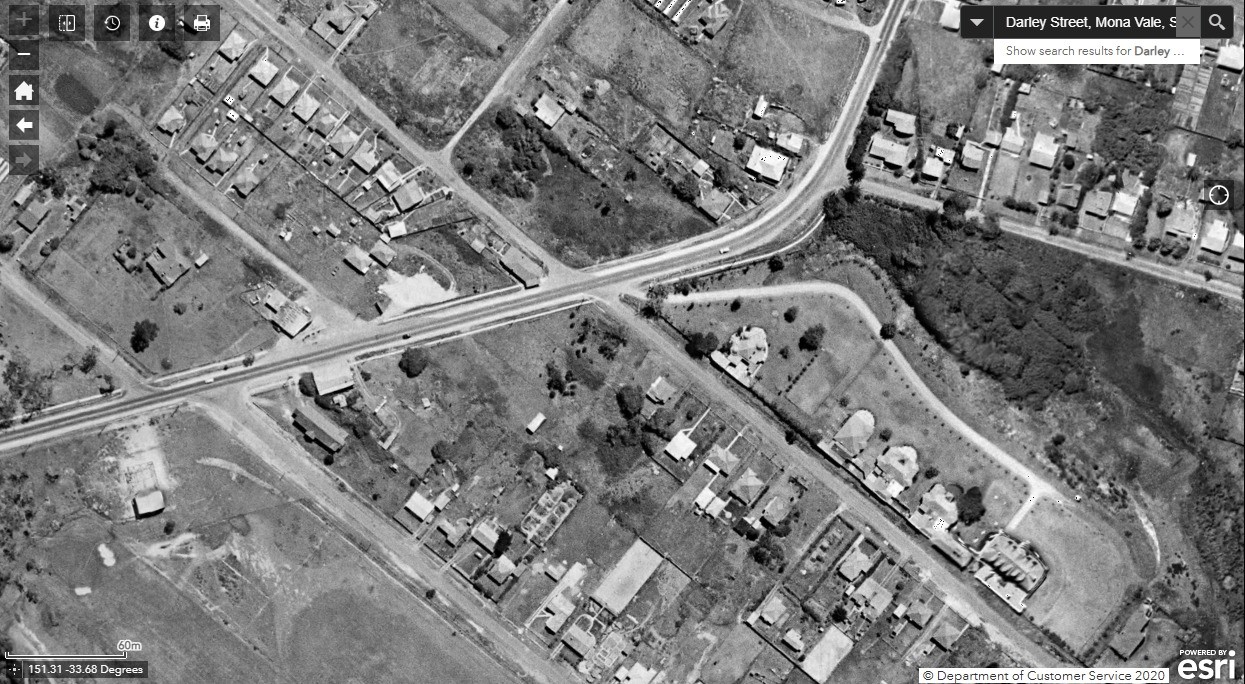
Crown Lands Aerial of Mona Vale dated 1943 showing entrance road into 'La Corniche', The Oaks villa and three other cottages alongside the 'mansion' and former clubhouse on Darley street.
Despite a little rent from the Australian Army, Mr McPhee struggled to meet the payments during these years.
On February 19 1945 the Bank of New South Wales (exercising power of sale as mortgagee) sells the property to Trayton Elliott, Agent of Sydney, and Wallace Joseph Browne as Tenants in Common in unequal shares. This then becomes Vol-Fol: 5500-139/140 in the Certificate of Title. They then own 9 acres, 3 roods and 32 ¼ perches comprising Lots 1,2, 3, 31 and 32 of Section H in Deposited Plan 7522.
Vol-Fol: 5500-139/140:
.jpg?timestamp=1774718825764)
.jpg?timestamp=1774718860459)
.jpg?timestamp=1774718900023)
.jpg?timestamp=1774718937525)
On January 24th 1947 Trayton Elliott sells a one fourth share to Jessie Mary Grey Street, wife of the Honourable Kenneth Whistler Street, Justice of the Supreme Court of NSW and it becomes Vol- Fol: 5811-104 (Trayton) and Vol-Fol 5709-69 (Browne) for the residue, which still contains a listing for the whole of the property. Jessie Street sells her share back to Trayton Elliott on March 2nd, 1951.
This becomes the holding of Olive Lenna Davis of Potts Point, Spinster, William Raymond Laforest of Darling Point, Investor, and the Perpetual Trustee Company on August 7th 1958. The Certificate of Title records Vol-Fol: 7558-119. This includes Lots 1- 9 in Deposited Plan 24210 and parts of Lots 31 and 32 of Section H in Deposited Plan 7522.
Davjoyda Investments becomes the owner on September 29 1958.
The drawing included in Vol-Fol: 7558-119 shows the Lot numbers, as they were then, but not as sold. Lots 1 and 2 are sold to Commerce and Commission (corner of Seabeach and Barrenjoey road) on May 4th 1959.
Heath Howell of Newport Beach, Service Station Proprietor, bought ‘Lot 7’ on December 10 1958. This becomes Vol-Fol 7953-52 for the Certificate of Title, Deposited Plan 29305.
The Warringah Shire Council Meeting of September 7 1959 records in the Minutes:
MOTIONS IN PURSUANCE OF NOTICE. (a) Application by Mr. Ward for permission to establish a Service Station on land corner Barrenjoey and Central Roads. Avalon: In pursuance of notice signed by Crs. Reynolds, Asher and Cooper, Cr. Reynolds moved, Cr. Fisher seconded, that the permission .given to Mr. Ward to establish a Service Station at the junction of ,Barrenjoey and Central Roads, Avalon, be and'is hereby rescinded. (.Crs. Berry and Wilson arrived 7.40 pp.m. _Cr. Fisher arrived 7.45 . p.m., during' the course of Cr. Reynolds ' introductory remarks following his moving the above motion). _2.. An amendment was moved, by Cr. McClelland, seconded by_Cr. Corkery, that this matter be deferred pending inspection by the full Council. This amendment was CARRIED, and upon being submitted as the motion was again CARRIED. _(b) Application by Mr. Heath Howell for permission to erect a Service Station on Lot 7. corner Barrenjoey Road and Darley Street, Mona Vale: In pursuance of notice signed by Crs. Berry; Cooper and Wilson, Cr. Berry moved that Council rescind the resolution of 17th August, 1959, in connection with an application by Heath Howell for permission to erect a service station on-Lot 7, corner Barrenjoey Road and Darley Street, Mona Vale; the resolution reading as follows ;That the Council adhere to its two previous :decisions and refuse the application, as (a) the development would 'not conform with the Cumberland County Council's ribbon development control proposals; (b) the proposal is not recommended by the Police Department; (c) the development would be 'aesthetically undesirable, and that the Council prohibit the erection of petrol pumps on this land; under S. 510B of the ' Local Government Act 1919 as amended; and that this now be altered to read 'approved'.
Cr. Fisher raised a point that the motion was out' Of order and based, his submission on the grounds that the moved to approve the application could not be allied with the motion of recission. The President ruled that in his opinion the Motion was in order and when asked for authority stated that. Clause 25 Of 'Ordinance 1 covered the move for the rescission and Clause 15 covered the move for approval. Cr. Fisher thereupon moved, seconded by Cr Reynolds, that the President’s ruling be dissented from …. CARRIED;
The WSC Ordinary Meeting of October 6 1959 records:.
SOLICITOR'S REPORT -AFFIXING OF SEAL. 13Resolyed, That authority be given for the affixing of the Council's Seal to the following documents:(a) Transfer from Brickworks Ltd, in respect of public garden and recreation space in a subdivision at Narraweena. (b) Transfer from Davjoyda Pty. Ltd. in respect of purchase for drainage purposes of Lot 16, D. P. 11209; Gulliver Road, Brookvale. SOLICITOR'S REPORT-_RATE RECOVERY ACTION. Reporting that letters of demand have been forwarded to defaulting ratepayers in B. Riding (450) and A. Riding (547): 14. Noted. (Crs. Reynolds, Job) MOTIONS IN PURSUANCE'OF.NOTEE. Cr. Reynolds moved, in pursuance of the motion appearing in the names of himself and Crs. Fisher and Job, that the permission given to Mr. Heath Howell to establish a Service Station on Lot 7, corner Barrenjoey Road, Mona Vale (D20, 26/9/59) be and is hereby rescinded. ,15. Cr. Fisher seconded.: The motion was defeated, and on a division being called for, the voting was as follows:_FOR: Crs. Fisher, Job and Reynolds AGAINST: Crs. Berry, Cooper, Corkery, Wilson and McClelland ..Cr. Reynolds moved, in pursuance of the motion appearing on the Business Paper in the names of himself and Crs. Fisher and Job, that the permission given to B.P. Aust. Ltd. to establish a Service Station on Lots 54/56 Barrenjoey-road, Newport (D4,28/9/59) be and is hereby' rescinded. _ Cr. Fisher seconded, and the motion was carried. On a division' being called for., voting was as follows: FOR: Crs. Fisher, Job,. Reynolds,-Corkery and Cooper' AGATRST: ' Crs. Berry, Vinson and McClelland Cr. Fisher moved, in pursuance of the motion appearing on the Business Paper in the names of himself-and Crs. Job and Reynolds,. that the resolution of Council as adopted by Council on 28/9/59 regarding 1/21 in the Development; Health and Building Committee's .report be rescinded.- Cr, Job seconded and the motion was defeated.
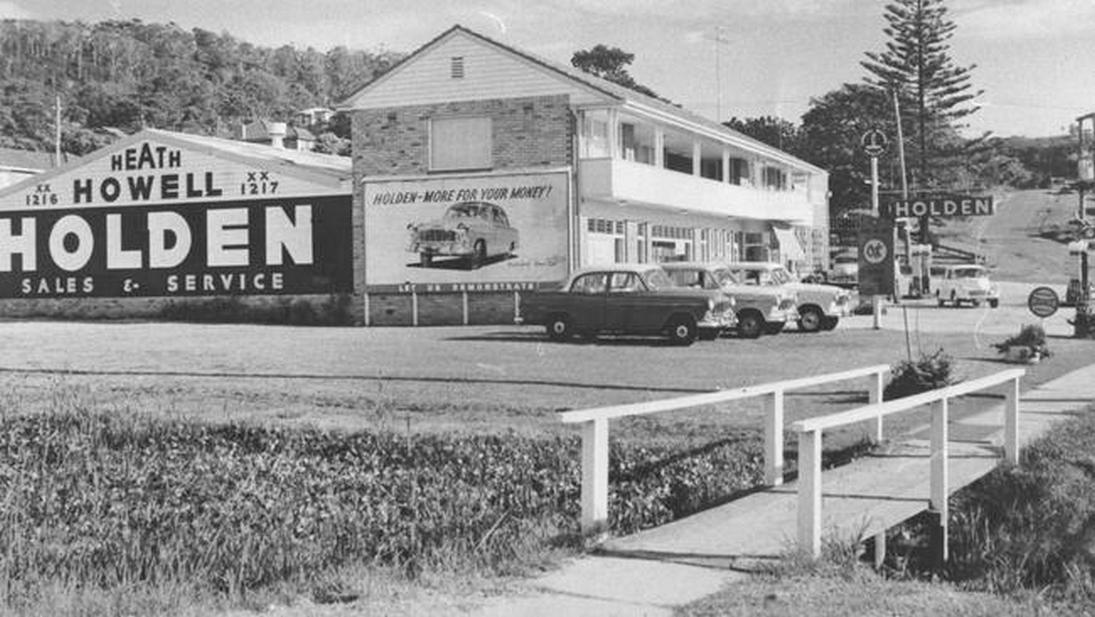
Heath Howell's, corner of Bardo and Barrenjoey Rd.s, Newport, NSW, circa 1959 – titled ‘2835-2840. Heath Howell, Bardo Rd, Newport, 1953-58’ from Mitchell Library, State Library of New South Wales and Courtesy Merewether and Bagot, Architects and Builders
Heath Howell was born August 25 1909 at Stanmore to Frank and Letitia. Being a bit of a 'live wire', loving cars and going fast seems to have run in the Howell blood - for example:
HAD TO DRIVE TIN HARE
Motorist's Speed
When pulled up by the police for fast driving on the Parramatta-road, Heath Howell, of Percival-road, Stanmore, excused himself on the ground that he had to get back to the tin hare course, Sergeant Davis told Mr Scobie. S.M., at the Traffic Court today. Howell, who was charged with having driven at a speed dangerous to the public on October 3, was fined £15 and his licence was suspended for two months. The police stated that when questioned concerning his speed, Howell said: "I drive the mechanical hares, and I must be back there by 7.15." Howell, the police alleged, asked that his offence be overlooked this time, because he had a new car and he could pull up in a few yards. Constable Dawson said Howell had admitted to the police that he had been doing 60 m.p.h., but had said that he had eased down on passing through intersections. A fine of £12 10s was imposed by Mr. Scobie on Miss Mary O'Neill, of Shellcove-road, Neutral Bay, who was aliened to have driven her car on October 5 along the Parramatta-road, at speeds ranging from 60 to 70 m.p.h. HAD TO DRIVE TIN HARE (1936, October 27). The Sun (Sydney, NSW : 1910 - 1954), p. 13 (COUNTRY EDITIONM). Retrieved from http://nla.gov.au/nla.news-article230007460
His dad:
FRANK HOWELL.
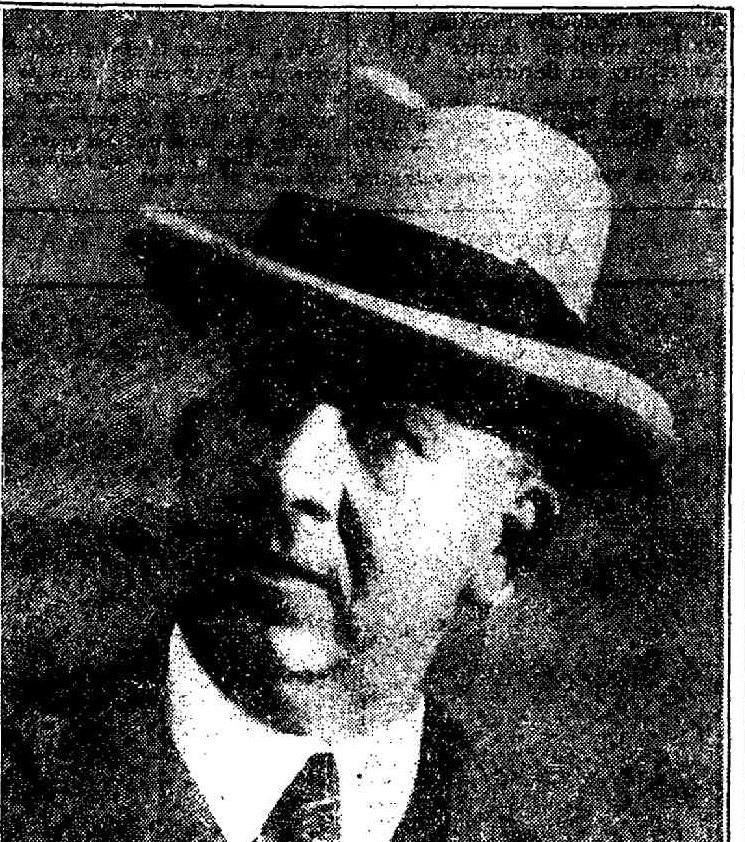
Should ever come enterprising body see its way clear to establish a School for Efficiency, the position of Head Master assuredly will be occupied by Mr. Frank Howell, secretary to the New South Wales Trotting Club. Frank is mixed up in the Light Harness sport just because he could not help himself. Both his papa and brother hold executive positions in country trotting clubs, and it was a happy thought that induced the N.S.W .T.C. Board to hand over the secretarial reins to Mr. Howell when Mr. Hungerford resigned from the position more than a year ago. Possessed of a genial disposition, good natured, and ever obliging, Frank Howell is held in the highest esteem by all whose fortune it has been to meet him. FRANK HOWELL. (1926, June 29). Sydney Sportsman (Surry Hills, NSW : 1900 - 1954), p. 3. Retrieved from http://nla.gov.au/nla.news-article166773732
A Cootamundra native, Mr. Frank Howell, of 19 St. Neets Avenue, Potts Point, died at Vincent's Hospital last Thursday, leaving a widow, two sons Jack and Heath, and a married daughter, Louise. Deceased was 65, eldest son of the late Charles Howell, who came to Cootamundra a few years after the railway extension to here in 1877, opened up as a watch-maker, and later, was an alderman and a live-wire citizen in general, particularly in the days of live hare coursing. Frank, like his father, loved trotting horses, and trained and rode Nell, winning enough ribbons with her to make a rug of them. For some years he managed, for the Attwoods, the store now owned by John Meagher and Co. Pty. Ltd. Later he left for Sydney, and became secretary of the N.S.W Trotting Club. His health had been poorly in latter years. The internment took place at the Anglican cemetery, Rookwood, on Saturday. Lodge Gladesville gave their last rites. PERSONAL (1947, April 28). Cootamundra Herald (NSW : 1877 - 1954), p. 2. Retrieved from http://nla.gov.au/nla.news-article143489590
Heath Howell settled in Pittwater after serving in World War Two. Howell Close in Newport is named after Heath Howell, local car dealer and benefactor, for whom the Heath Howell Memorial Shield competition, which formed part of local carnivals between clubs on the Barrenjoey peninsula from 1950’s on, is named - the 'Memorial a reference to fallen mates.
His WWII war record file records he led others out of danger when they were being fired on in Greece soon after was deployed. He was awarded a MM and made a Lieutenant.
M.M. TO SYDNEY MAN
Exceptional bravery and devotion to duty during the campaigns in Greece and Crete won the Military Medal for Lieutenant H. Howell, son of Mr. and Mrs. F. Howell, of Potts Point. It is disclosed in the citation, which Lieutenant Howell has now received, that the award was won while he was delivering urgently required stores to engineers working near Mikrovoltin, who were bridging the Aleiakmon. When his convoy of three vehicles, together with others, was bombed and machine-gunned near a battery area, he took command, ordered Australian and English units back to their vehicles, and kept the convoy moving. Lives and vehicles were saved, and the road was kept clear. M.M. TO SYDNEY MAN (1943, November 13). The Sydney Morning Herald (NSW : 1842 - 1954), p. 10. Retrieved from http://nla.gov.au/nla.news-article17867065
He married a Queenslander:
Wedding
HOWELL— NIGHTINGALE
At St. Luke's Church of England late on Saturday afternoon the Rev. R. Warner Shand officiated at the marriage of Lieutenant Heath Howell, M.M., of the A.I.F.. second son of Mr. and Mrs. F. Howell of Potts Point, Sydney, to Miss Dorothy Nightingale, second daughter of Mrs. W. J. Seawright, Bramber Downs, Capella. The bride, who was given away by Captain McLean, wore a wedding gown of off-white Nevada suede cut on slimly fitting lines. A pin-tucked front panel, falling full to the hemline, fashioned the fully, gored skirt, which featured a softly draped inset train. Cornelll work in a floral design was an attractive finish to the shaped yoke, which extended to an unusual shoulder line. Her Mary Queen of Scots veil of ivory tulle was worn over me face on entering the church, and for "something old" the bride pinned a cameo brooch to the neckline of her frock. She carried a bouquet of white roses, stocks, and hyacinths. Miss Mavis Seawright, who attended her sister as bridesmaid, was frocked in powder blue boulevard crepe. The skirt was fully flared, and a heart-shaped neckline and short sleeves fashioned the bodice, which was finished at the front with small buttons. She wore a matching tulle veil, which was held In Place with flowers, and carried a bouquet of pink camellias. Leading-Aircraftman Roy Bambrick was best man. During the signing of the register Leading-Aircraftman Arthur Woods sang "My Prayer." A reception was held at the Club Hotel, where the table was arranged with purple stocks and sweet peas set on puffings of silver-grey tulle, the colours of the Water Transport unit to which the bridegroom belongs. A three-tiered wedding cake was a feature. Mrs. Seawright wore a tailored coat of navy all-wool camcialne over her frock of regent blue. Her navy hat was set at the front with a matching velvet flower. She added a spray In shades of pink. Mrs. Howell brightened her navy ensemble with a shoulder spray of autumn toned flowers. WEDDING (1944, August 21). The Toowoomba Chronicle and Darling Downs Gazette (Qld. : 1922 - 1965), p. 4. Retrieved from http://nla.gov.au/nla.news-article286216358
Towards the end of the conflict he was fined £20 for assaulting an American Officer, causing grievous bodily harm – on March 17 1945 – which led to the cancellation of his Commission as an officer. Details of the court martial are not in his records. Only the date this occurred.
He was also denied any of his medals initially when he applied for them as a result of that assault, until Palm Beach RSL stepped in, decades later and sorted that out.
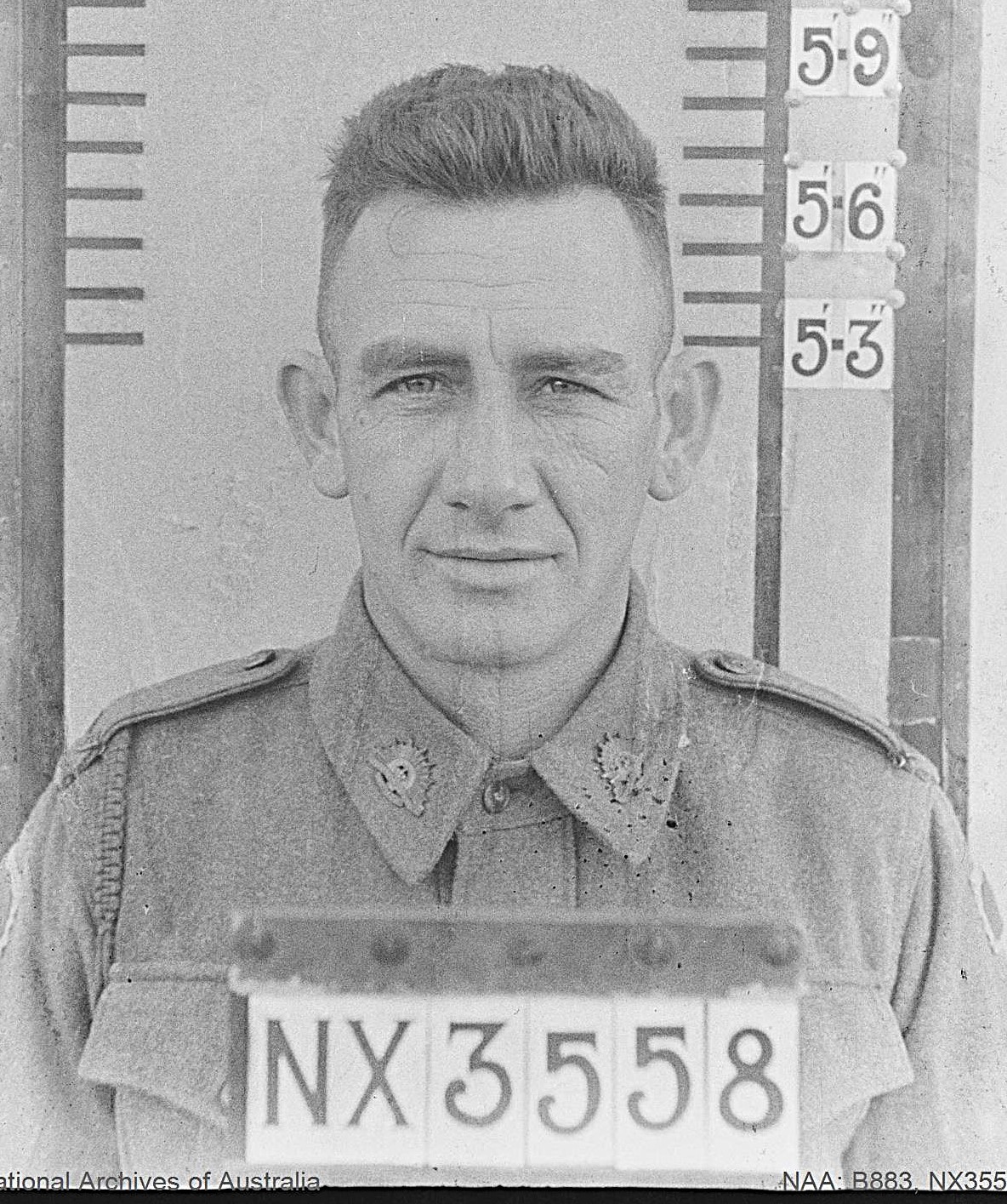
HOWELL Heath (Lieutenant) : Service Number - NX3558 : Unit - 42nd Australian Landing Craft Company, Royal Australian Engineers, Australian Imperial Force.
The minutes of the November 7 1955 WSC Meeting record:
By Cr. Hewitt. - Will you please arrange for immediate creation of the necessary signs prohibiting the crossing of vehicle, with consequent destruction of the footpath on the western side of Barrenjoey Road, Newport adjacent to Howell's Garage, and further, that such signs shall require persons depositing rubbish and filling to enter the area from Bishop Street? Yes
The Sun records:
Heath Howell, Newport Garage proprietor, feels that he just can't win. Last week he carefully lettered an impressive sign saying (as you might guess): "Sorry, No Petrol," and hung it with some pride outside his garage. '
To his dismay, strings of cars kept pulling up and demanding fuel. He couldn't understand it until he realised that some men were, fixing Up the nearby gas mains, and had hung up an even more impressive sign announcing "GAS," . SYDNEY DIARY (1949, October 31). The Sun (Sydney, NSW : 1910 - 1954), p. 13 (LATE FINAL EXTRA). Retrieved from http://nla.gov.au/nla.news-article229229850
An R. Bayliss is doing an apprenticeship as a Motor Mechanic with Heath Howell in 1959. Heath Howell passes away on 05/09/1977.
This Heath Howell holding is transferred to George Herbert Boxall of Bayview, Company Director, on August 10 1960, who sells to Amoco Australia Pty. Ltd. on July 3rd 1962.
Amoco started in Queensland. In 1962, Amoco Australia Pty. Ltd. was in the early stages of its Australian market entry, having established a legal agreement with the Queensland Government in 1961 to build a refinery and expand its network.
AMOCO IN AUSTRALIA; Indiana Standard Is Seeking Service Station Sites – May 13, 1961 – New York Times article
Their corporate name was officially changed in 1985 to AMOCO, then in 1998 they merged with British Petroleum (BP).
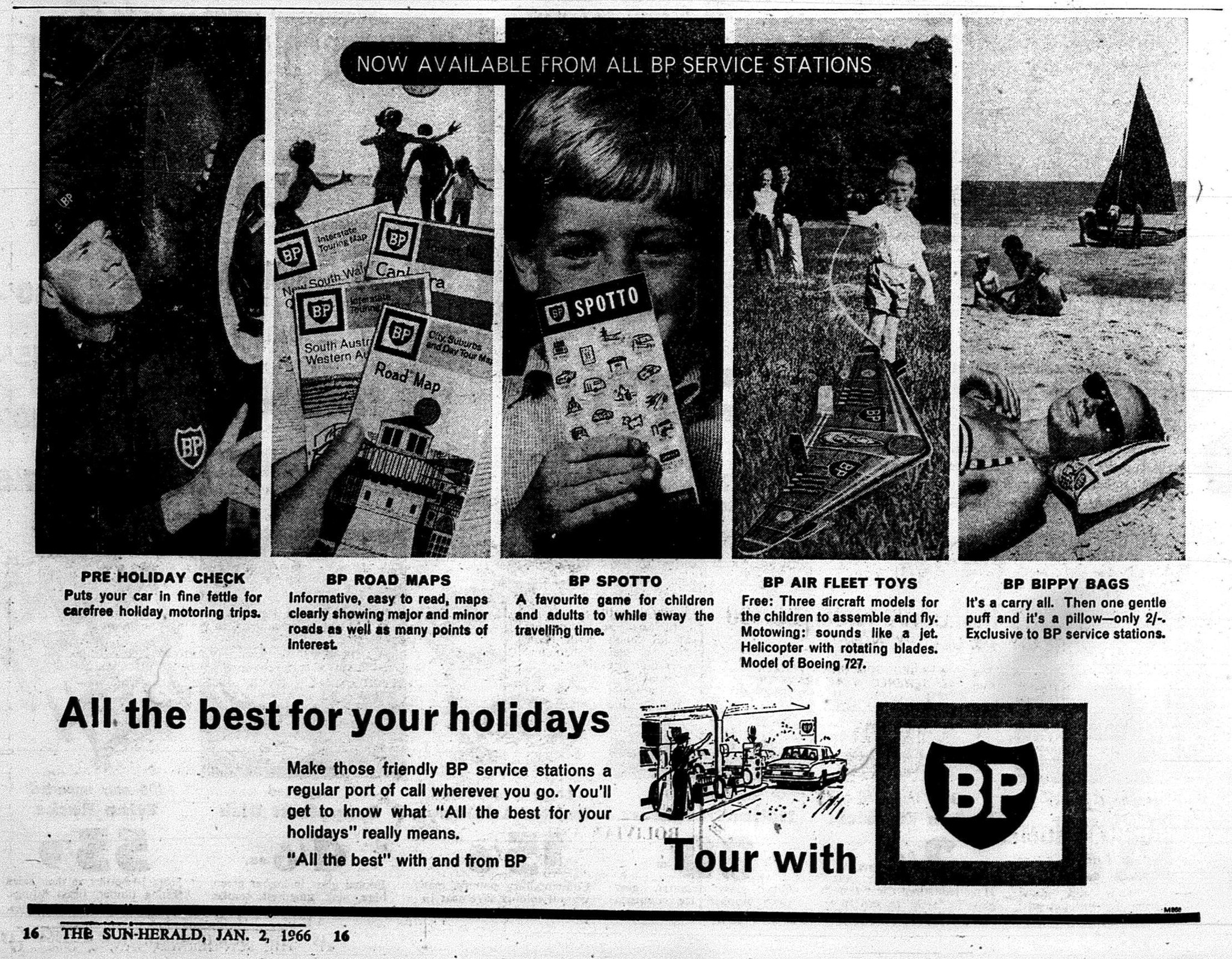
BP ad from 1966
On November 4 1958 Joseph O'Leary of Drummonye, Service Station Proprietor, and his wife Phyl Ellen become Joint Tenants of Lot B, measuring 6 acres, 2 roods and 38 perches, fronting Seabeach Avenue and Stanley Street, with a frontage to Barrenjoey Road and an accessway via Darley Street. The Certificate of Title, entered over a year later on February 20 1960 and shown in the red outline of plan in Vol-Fol 7856-219 of the Certificate of Title:
.jpeg?timestamp=1774722335416)
.jpeg?timestamp=1774722496041)
They sell off the 6+ acres in smaller lots, although Lots 1- 7 are in Vol-Fol: 9729-80to88. Those in a Strata plan – Lots 1 to 6, sold September 1st 1969 – are in Vol-Fol: 11169-31 to 36, the residue – ex-road – is in Vol-Fol: 11169-37 to 48.
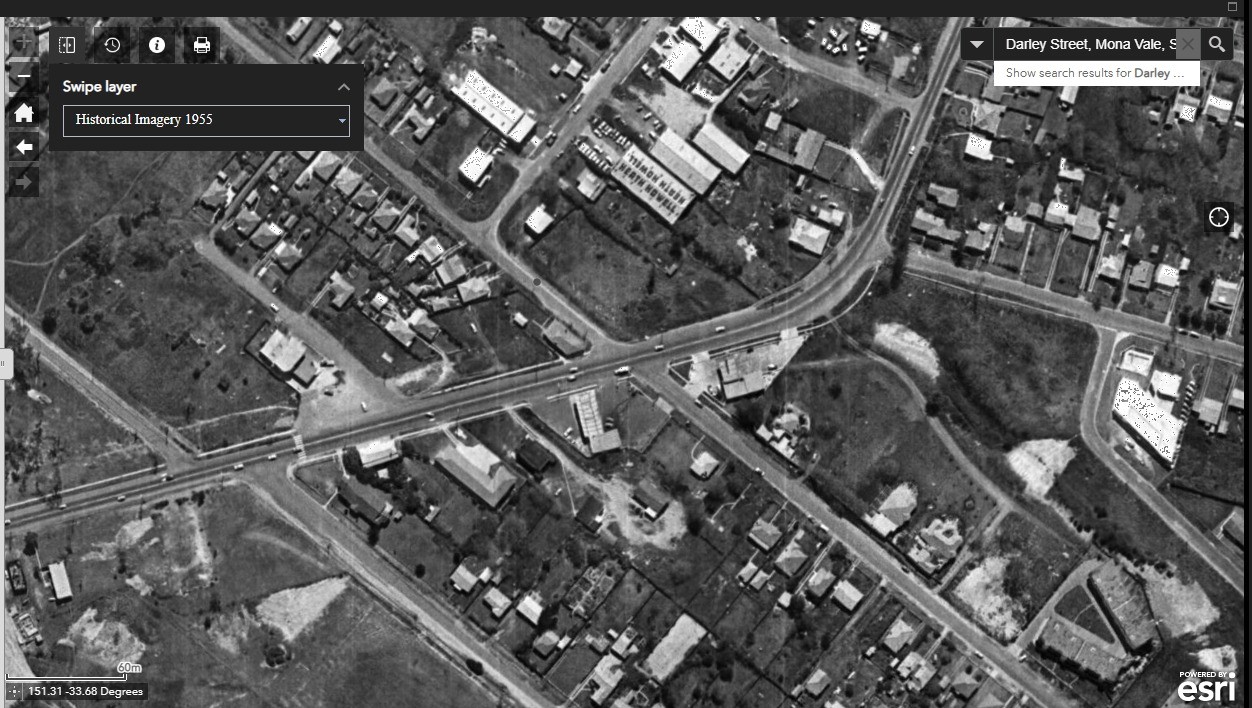
Crown Lands Aerial of Mona Vale dated 1965 showing entrance road into 'La Corniche' now runs through the Service Station, The Oaks villa and two other cottages alongside the former 'mansion' site and former clubhouse on Darley street - demolitions have clearly and are taking place.
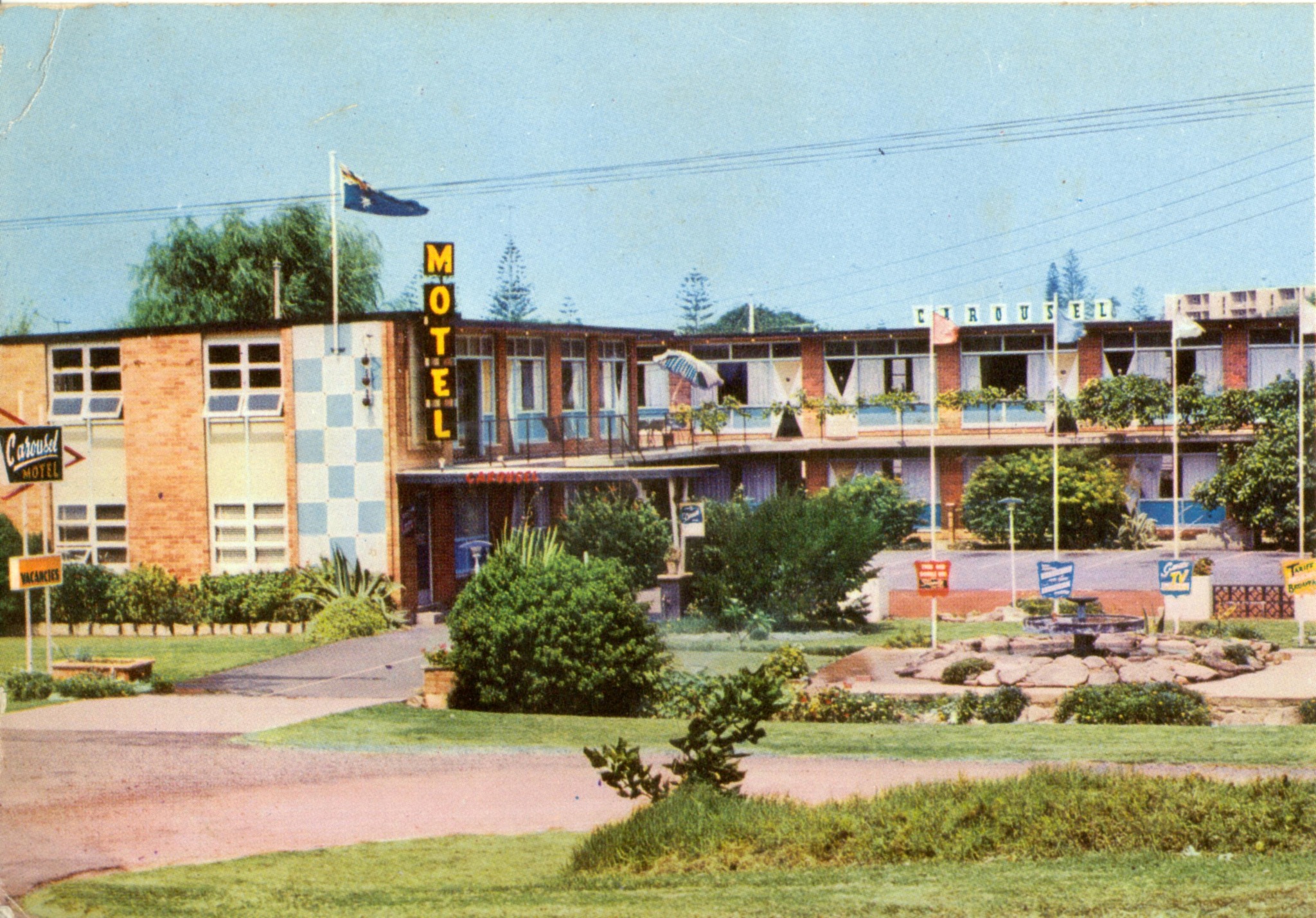
Carousel Motel on Seabeach Avenue at Mona Vale, circa 1969: Postcard. Author used to work here weekends cleaning rooms and cooking.
DP29305 sets out the whole that was subdivided for Lots 1 to 7 of Lot A which includes the Howell site on the corner and those bought and made into units, and the site of The Oaks villa. All of these sites, apart from the old Brock cottage at 22 Darley Street which became the ‘Golf House’ under Rickard, were approved for units under the Warringah Shire Council - a whole lot of Dee Why on Mona Vale beach, including the tip approved for Apex Park.
Lot 1 of Lot A is bought by Arthur Thomas of Parramatta, Builder and goes into ‘Thomas Home Units No. 27 Pty Ltd on March 10 1961in the C of T registered February 28 1961 – and thereon are red brick units now. (Vol-Fol: 8106-20).
Bert King OAM (RIP), explained during the interview for his Profile years back:
I was Bert King Constructions. Alex Dobble my old boss and I went into a partnership when I came back from New Guinea and we built War Service homes. I built the first ever units in Mona Vale in Darley Street East on the crest of the hill where the old La Corniche used to be, pulled it down and everyone complained about it being pulled down but the building was a heap of rubbish; it was just a shack really, the other main building, the one still left, the old golf club is still there.
If you get the chance to get into that it’s beautiful. See, originally the golf course was on the flat, where Seabeach Avenue is. There was a swamp there and they reclaimed that and built a horse racing track around the outside edge. They used to race horses there.
Mrs Bill who used to have Bill’s store at Mona Vale Beach and old Arthur, ‘Unc’ as they called him, used to run the white buses, the Digger’s Bus Service at Narrabeen. Well, she planted all those Norfolk Pines at Mona Vale Beach, she and her husband Arthur. She gave me this original sales book brochure for La Corniche and I had the photos done up and enlarged at the place opposite the Oaks pub in Neutral Bay, Photo Murals or something it was called, and only one other set was made and that was given to a friend in Mona Vale and the place went up in flames, all the negatives and everything else that was there was destroyed but I’ve got the originals, the set.
Lot 2 of Lot A (Vol-Fol: 8000-114) is bought Don Roberto Dionysio Rizal Y de La Varga, Restaurant Proprietor of Avalon Beach, the ‘Right of Carriageway 20 feet wide for part of Lots 5 and 6’ is still listed.
Lots 3 and 4 (Vol-Fols: 8002-248 and 8002-247)are bought by Graeme Keirle Scharkie of Seaforth, Real Estate Agent, with a ‘Right of Carriageway 20 feet wide for part of Lots 2, 5 and 6’ – the old driveway road through the estate.
Lots 5 and 6 to the east of the corner Lot (Howell) on which is The Oaks villa, are bought by George Herbert Boxell of Dee Why, Company Director on February 13 1959 – Vol-Fol: 8397-171 – this still measures 1 acre and 32 ¾ perches around the home. The Certificate of Title isn’t registered until September 24 1962 – alike the other Lots sold in Lot or Part A.
.jpeg?timestamp=1774723482640)
.jpeg?timestamp=1774723512729)
On January 12 1966 the Certificate of Title holding is transferred to 'Ahoz Pty Ltd'. who demolish the old home, subdivide the acre+ into 5 Lots and sell it off – registered February 2nd 1967, Vol-Fol: 10492-45 to 49.
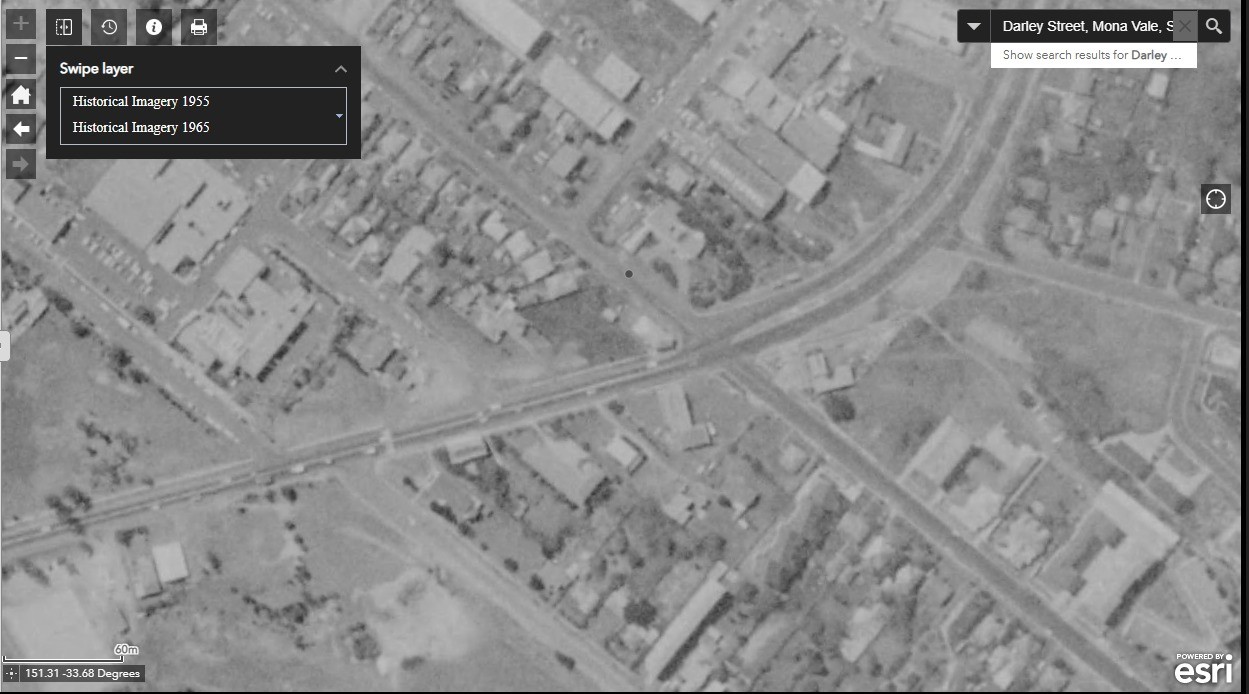
Crown Lands Aerial of Mona Vale dated 1966 showing The Oaks villa has been demolished.
Unfortunately the council didn't have a great history unit then, or requirements for new DA proposals that those going to demolish local heritage must take photos of interiors and exteriors, record materials that had been used or plant species in gardens, look under the floor boards to see what may have fallen there.
The extended Seabeach Gardens retirement village and nursing home now coves the whole site, with another stack of towering concrete alongside it:
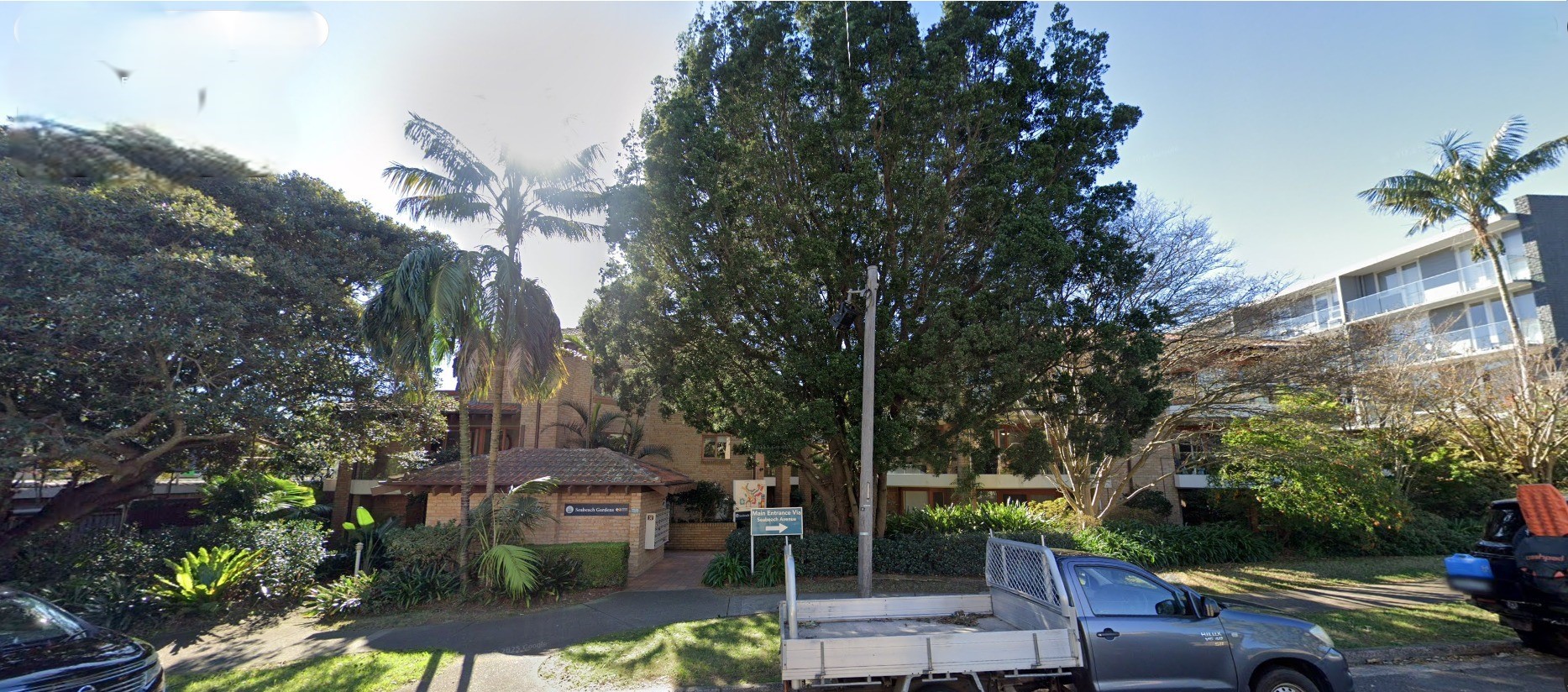
If you listen closely though, in the silence of dawn and among the soft hushes down near the Basin end of Seabeach at dusk, you can probably hear the echoes of laughter of the generations of children who played here - even clapsticks joining among the slow rhythmic waves as a thread of smoke weaves skywards from a cooking fire, see caught fish are being cooked, oysters shucked and supped before ancestors are sung to, or even hear the whoosh through air of a golf club being swung, and then the thunder of 20 polo ponies, coming down the headland from Bushrangers Hill.
- TROVE digitised newspapers - National Library of Australia
- NSW Records and Archives - now held in digitised form by Museums of History New South Wales
- Mitchell Library, State Library of New South Wales - NSW Government
- Mona Vale stories: compiled by Guy Jennings and Joan Jennings, 2007, published by Arcadia Publishing, Newport Beach NSW 2007
- National Archives of Australia
- The Historical Land Records Viewer (HLRV) - provided by LSI and the NSW Government
- NSW Planning Portal Spatial Viewer of Crown Lands - for Historical, Aerial and Satellite Imagery, provided by NSW Government
- Brock- Dodds family photos - donated to and held in the Mona Vale Library Local History Unit
- Bert King Profile
- The Oaks - La Corniche
- Brock's The Oaks - La Corniche from 1911 to 1965: Rickards, A Coffee King, A Progressive School, a WWII Training Ground
- Mona Vale Training Grounds: From Lancers on Horses to Lasses on Transport Courses
- Pittwater Summer Houses: Rocky Point And Elvina Bay Peninsula - A Place Of Holiday Songs and Operas in Ventnor, Fairhaven, Trincomalee and Maritana
- Section Of A Squire Mural From Dungarvon, Mona Vale, held In Private Collection + a few notes about his focus on in situ aboriginal Sculptures & local burial grounds of first nations peoples
- Harold Tristram Squire Sculptures-statues at Dungarvon, Mona Vale
- Taramatta-Turrimetta-Turimetta Park, Mona Vale - the Village Green
- Tram Memorabilia - Historic daylight run for Sydney light rail begins 80 years after last tram to Narrabeen closed
- St. John's Anglican Church Mona Vale- Celebrating Its 150th Year In 2021
- Early Bayview - insights courtesy Don Taylor and Margaret Tink
- Pittwater Summer Houses: Bangalla, Scotland Island
- A Visit To Bungan Castle By ABHS - Webeck heritage
- Mona Vale SLSC: The Clubhouses - Some History
- Mona Vale SLSC's Frederick Claude Vivian Lane Inducted Into Swimming Australia Hall Of Fame - A Few Insights Into A Local Legend
- Freddie Lane's Granddaughter Visits Pittwater on Eve of Mona Vale SLSC's Centenary Celebrations
- Stokes Point Careel Bay: The Shift From Warner's Hut In 1813 To Finisterre In 1924; 1934 Additions Probably Designed By Australia's First Female Architect, Beatrice (Bea) May Hutton - A Pittwater Rendezvous Site For Royal Sydney Yacht Squadron Members Is Still A Home With A View For Those With A Passion For Sailing - Scott-Fell relatives through his sons
- Pittwater Roads II: Where The Streets Have Your Name - Mona Vale, Bongin Bongin, Turimetta and Rock Lily
- Roads To Pittwater: The Pittwater Road
- Pittwater Reserves: The Green Ways - Mona Vale's Village Greens a Map of the Historic Crown Lands Ethos Realised
- The Black Swamp Camping Reserve becomes Kitchener Park, Beeby Park and Mona Vale Golf Course
- Broken Bay Customs Station At Barrenjoey
- Barrenjoey Lighthouse - The Construction
- Photographers of Early Pittwater: William Applegate Gullick – August 1st 1881 Visit by Princes Albert and George to Pittwater on Day Barrenjoey Lighthouse commenced to light the headland
- Pittwater Roads II: Where The Streets Have Your Name - Palm Beach - W. Scott-Fell among those speaking up to establish Governor Phillip Park at Palm Beach in 1920 as he was then local MP
- Pittwater Roads II: Where The Streets Have Your Name - Newport
- Early Mona Vale Constable Owned Mona Vale Hotel Site: Some History
- Mona Vale Cemetery: Some History
- Bayview + Mona Vale + Brookvale Bricks: Makers Mark Every run of 10 Thousand
- Lovett Bay Public Wharves: Some History
- Pittwater's Ocean Beach Rock Pools: Southern Corners of Bliss - A History
- Ethel Turner's Seven Little Australians added to UNESCO Memory of the World register - The Missing Pages restored by Matthew Curlewis
- St Michael's Cave - North Avalon Headland: Some History
- Jean Curlewis
- North Head Quarantine Station, Manly: Some history - Governor Ralph Darling saved Australians; saved Australia
- William Scott-Fell of Mosman and Mona Vale in: Roads To Pittwater: The Sandspit Punt and Spit Bridge
- Pittwater Restaurants You Could Stay At The Rock Lily Hotel – Mona Vale - 2021 cleaned up version
- R. G. Dryen, 'Fell, William Scott (1866–1930)', Australian Dictionary of Biography, National Centre of Biography, Australian National University, https://adb.anu.edu.au/biography/fell-william-scott-6153/text10565, published first in hardcopy 198
- Wikipedia contributors. (2026, January 27). 1904 New South Wales state election. In Wikipedia, The Free Encyclopedia. Retrieved from https://en.wikipedia.org/w/index.php?title=1904_New_South_Wales_state_election&oldid=1335188963
- Wikipedia contributors. (2024, August 6). Results of the 1907 New South Wales state election. In Wikipedia, The Free Encyclopaedia. Retrieved from https://en.wikipedia.org/w/index.php?title=Results_of_the_1907_New_South_Wales_state_election&oldid=1238922350
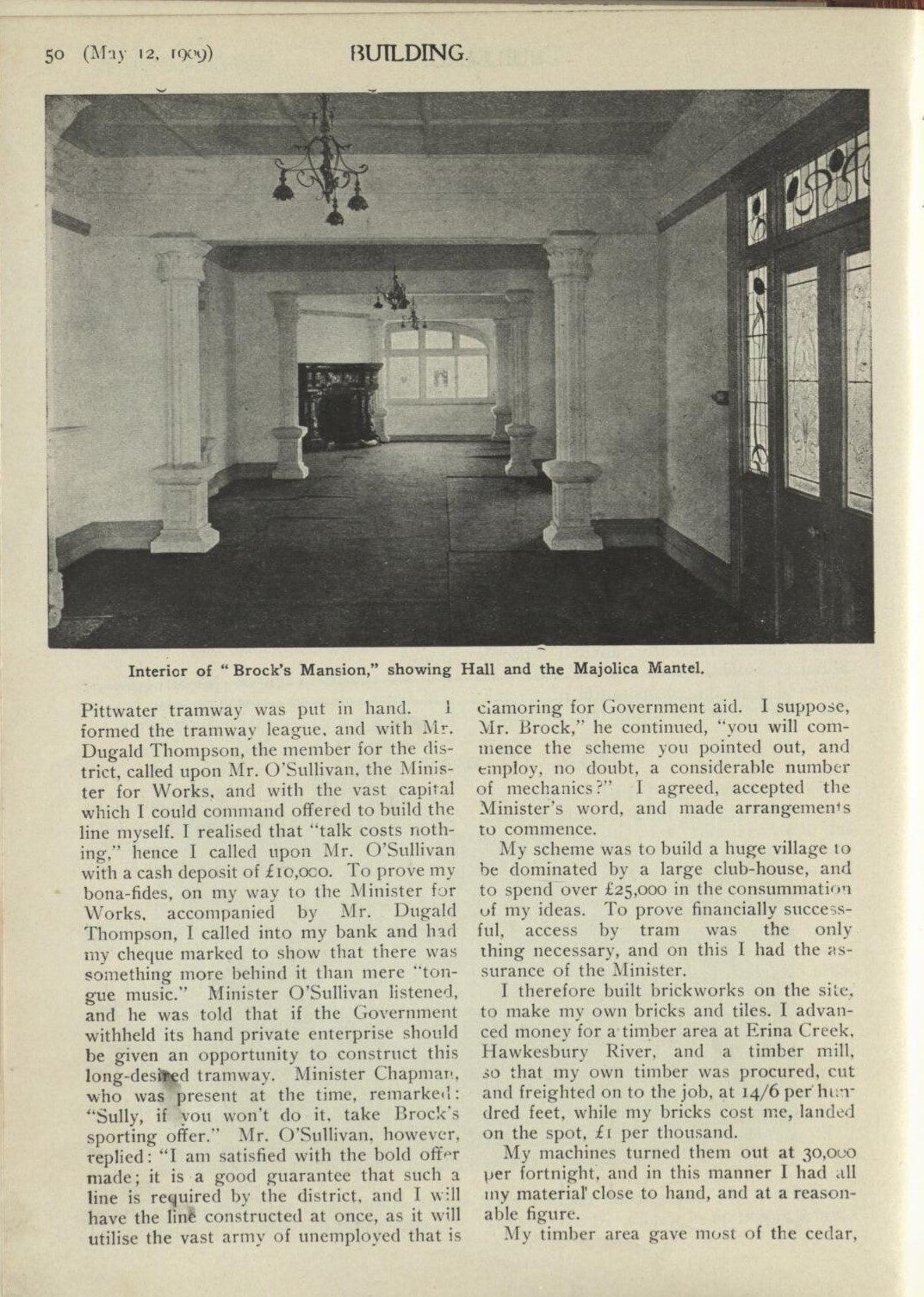
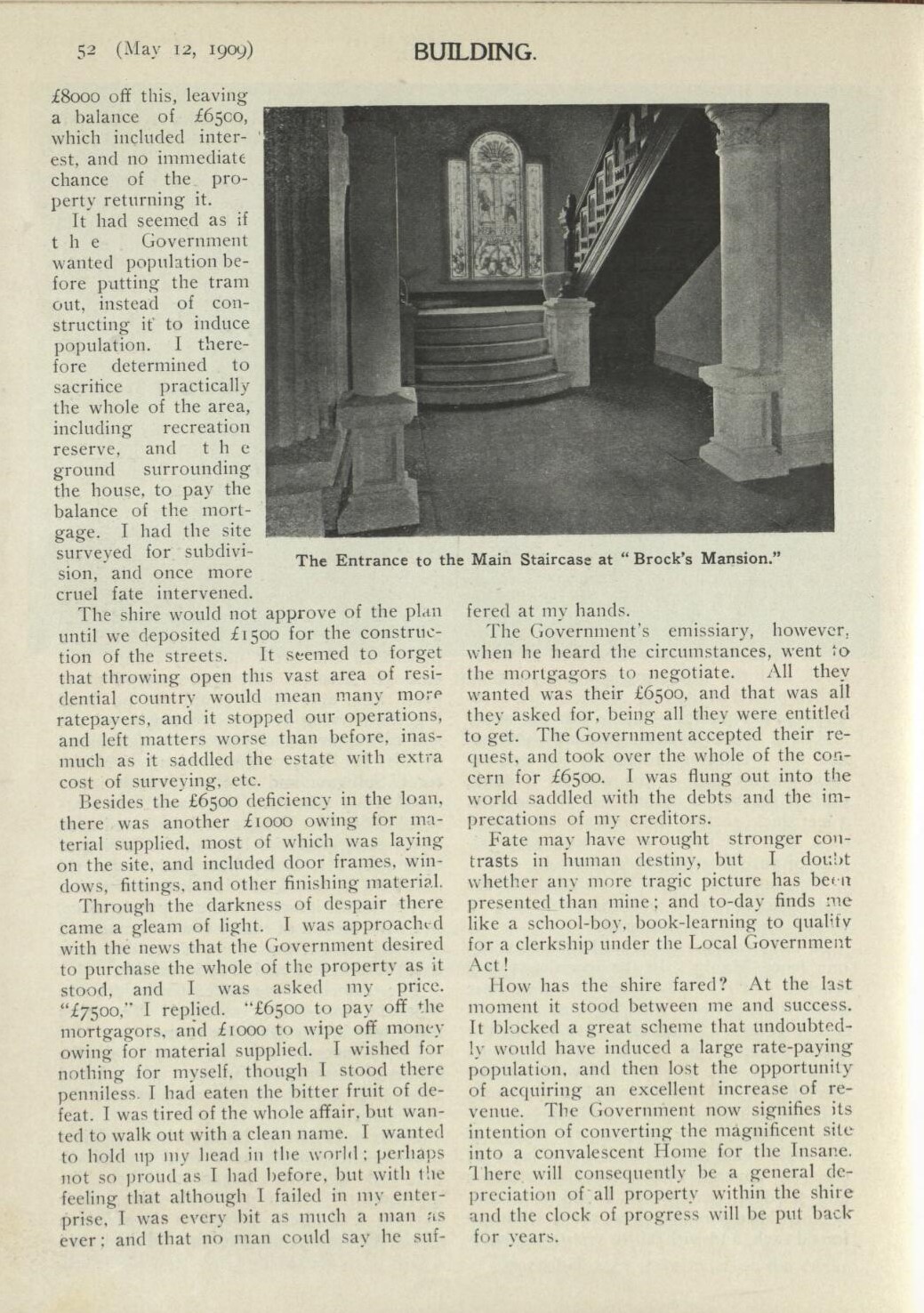
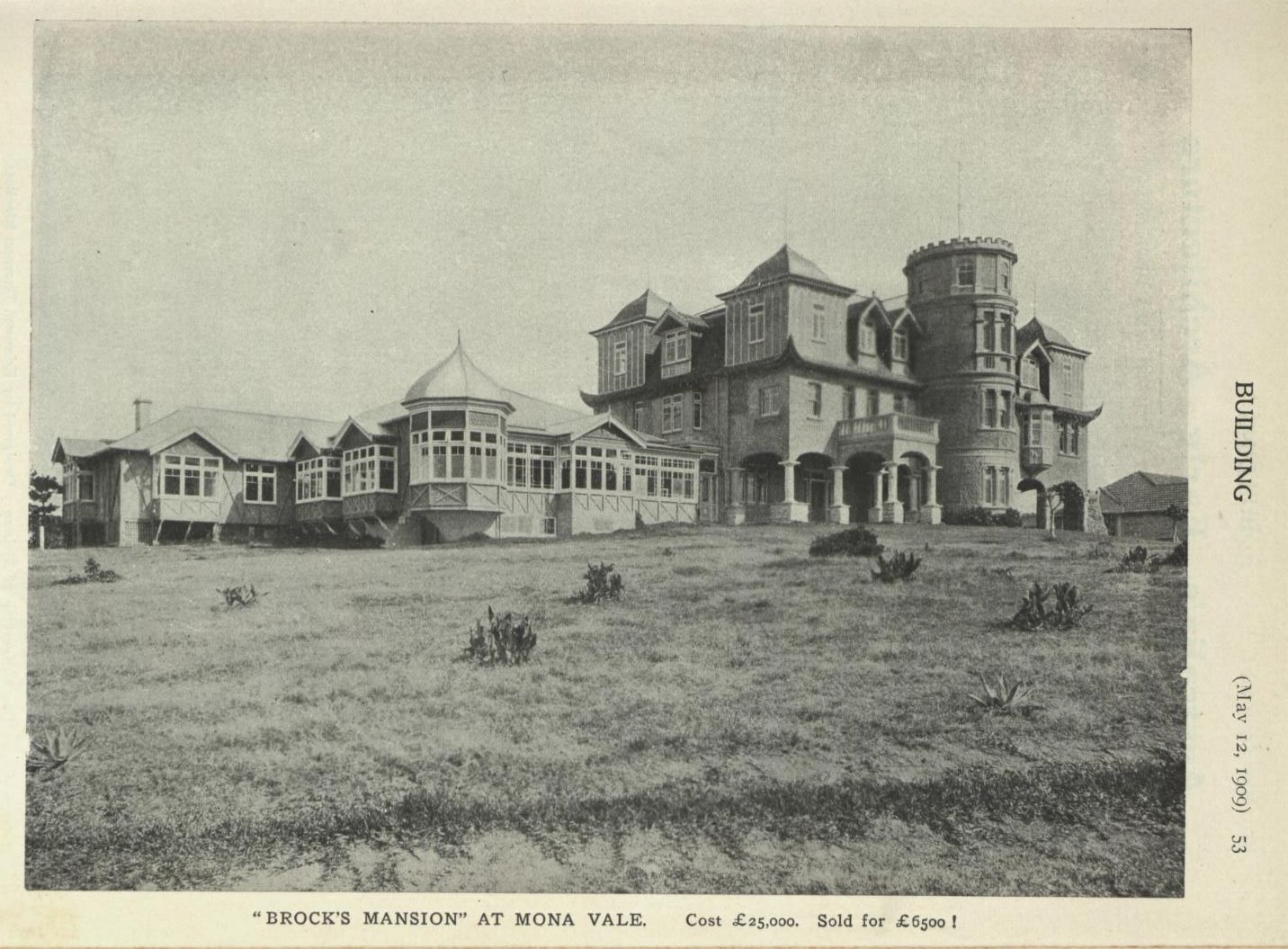
Federated Builders' Association of Australia & Master Builders' Federation of Australia. (Vol. 3, No. 21, 12 May, 1909). HOW IT WAS DONE., Building : the magazine for the architect, builder, property owner and merchant Retrieved from http://nla.gov.au/nla.obj-272888799
The June follow up records the sale to government cancelled - soon after Arthur Rickard will put the property into his wife's name to sell it off, although the Mansion and adjacent cottages will stay in one lot and become the relaunched 'La Corniche' in 1920 under Pic-Briquet:
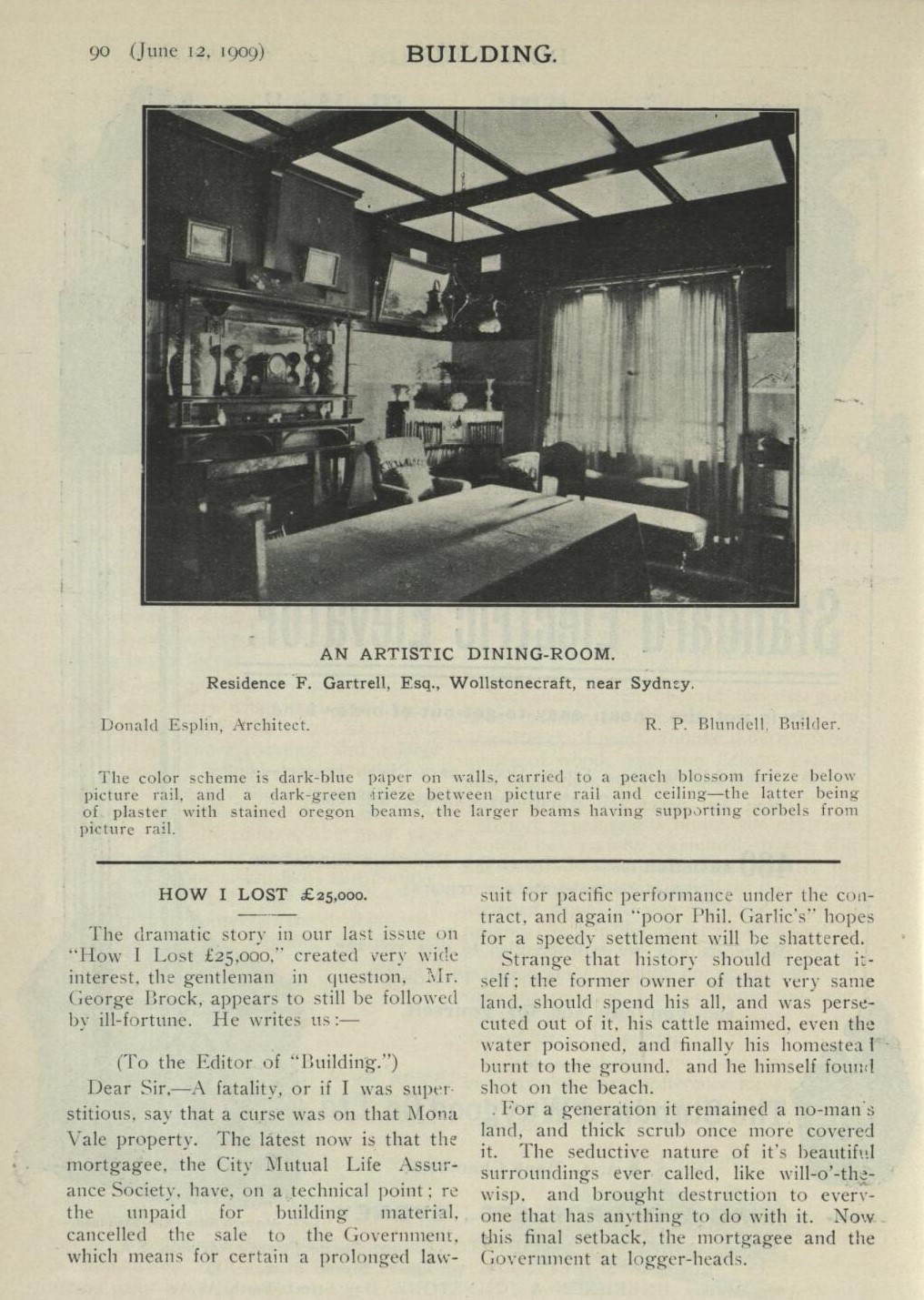
Federated Builders' Association of Australia & Master Builders' Federation of Australia. (Vol. 3, No. 22, 12 June, 1909). HOW I LOST £25,000., Building : the magazine for the architect, builder, property owner and merchant Retrieved from http://nla.gov.au/nla.obj-272927575
The next month James Booth also had something to say about the buildings themselves during 1909 and perhaps gives an insight into another reason the government my have had second thoughts about their purchase:
Brocks Mansions.
(To the Editor.)
I read with deep regret the pathetic story of how the loss of £25,000 brought the writer, G. T. Brock, into financial difficulties, if not financial disaster, and as you ask for comments on this great loss, I would like to point out what I consider were the big mistakes made in the construction of these mansions. The first part of the work was good, filling in the swamp, erecting fences, the racecourse, polo grounds, stables and dwelling-house deserve every praise, as it turned an almost useless piece of land into what it is now, one of the most charming little spots on the N.S.W. coast. What Mr. Brock’s intentions were for constructing such a large place, I do not know, or anything about tram promises made to him by Mr. Sullivan. I am dealing with the buildings, simply from a mechanics standpoint, and I can only concur with you as you say in “Building” that the want of an architect was severely felt, and it does seem almost incredible that a man with Mr. Brock’s great intellectual attainments, and practical knowledge on so many diverse subjects, ever attempted to carry on such a big work without professional assistance.
These buildings are not a common or ordinary structure by any means; their construction required the skill of nearly every class of artisan, and nearly every known design of work, from Ionic masonry to lath and plaster, and naturally called for a man that was well up to all the little niceties of modern architecture. The tradesmen employed were good enough, their work speaks for itself; and the marvel is that they did so well, handicapped, as they were, for want of details. Being a stonemason myself, there are two blunders in the work that show out very conspicuously, and points badly to the want of someone who could use intersecting lines, or had knowledge of geometry.
First, is the scroll work at the entrance gates. It is all out of rhythm, and seems to have been scratched on in a “here’s luck” sort of way, without any attempt at practical drawing at all. The second is the joints of the elipses arches, which are all wrong; instead of being struck from a centre of three segments, they are struck from the centre of an ordinary half-circle, so you can see in these two things alone, for want of a draughtsman, what is otherwise a fairly good piece of masonry, is spoilt. I also consider Mr. Brock tried to do too much at once; if he had finished something, got something going, he would have been there to-day; but great slabs of work were started all over the estate, half done, then something else gone on with, till the whole thing was in a perfect state of chaos, from which nothing but disaster could be expected. The site is a good one, and the Government have done well to purchase it; but the buildings themselves will try the skill of their architectural staff to complete them to suit the requirements of a Government institution.
Everyone here is really sorry for Mr. Brock. He spent a lot of money, gave Mona Vale a real good start, and now both him and his fortnightly pay is sadly missed.
JAMES BOOTH, Stonemason. Mona Vale. - Published (Issue Vol. 3, No. 23 12 July, 1909) Federated Builders' Association of Australia & Master Builders' Federation of Australia. (1907). ,, Brocks Mansions., Building : the magazine for the architect, builder, property owner and merchant Retrieved from http://nla.gov.au/nla.obj-272981935
French Cupola Styles and Features
- Mansard Roof Cupolas (Second Empire): Frequently associated with the Second Empire style (1852-1870), these often feature multi-sided designs atop a steep roof, bringing elegance to both grand homes and civic buildings.
- French Country/Rustic: Typically constructed from materials like cedar or white pine, often featuring copper roofs and simple, functional louvers for barns or homes, as seen in Pinterest ideas.
- Beaux-Arts & Neo-Classical: Found on major civic buildings, these often feature detailed molding, sculptural decorations, and ornate, high-relief styling.
- Bell-Like and Octagonal Designs: Elegant, rounded, or 8-sided styles featuring curved roofs often covered in copper (often left to patinate) to accentuate roofs.
- Armored/Fortress Style: Specialized, hardened steel structures typically found in coastal defence forts (e.g., Saint Malo), designed for military protection, often featuring heavily built-up metalwork.
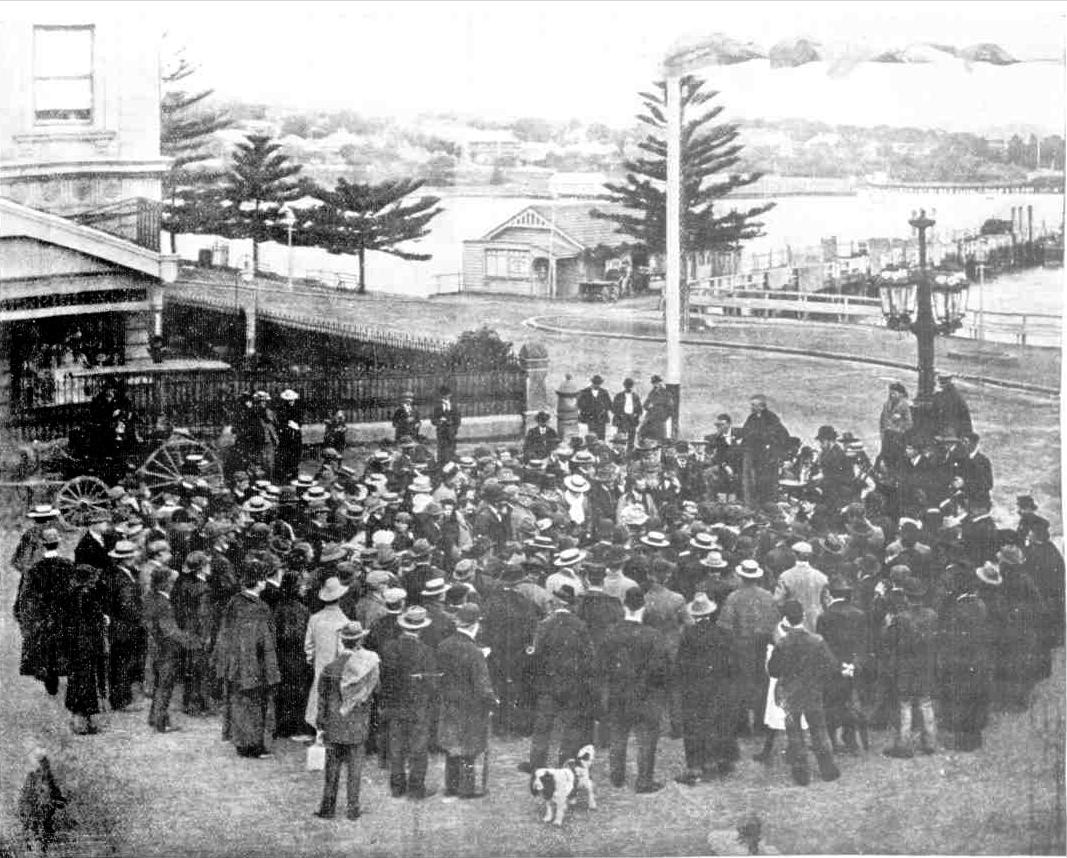
Tasmanian born Edward William O'Sullivan, a journalist, won Belmore in Sydney in the August 1904 State elections State, redistribution in Queanbeyan having worked against him, but the Progressives were virtually wiped out and a Liberal Reform-led government was voted in. O'Sullivan sat on the cross-benches until August 1909 when he joined the Labor Party. He died at Mosman on April 25 1910 of blood poisoning after a protracted illness, and left a widow, two sons and three daughters.
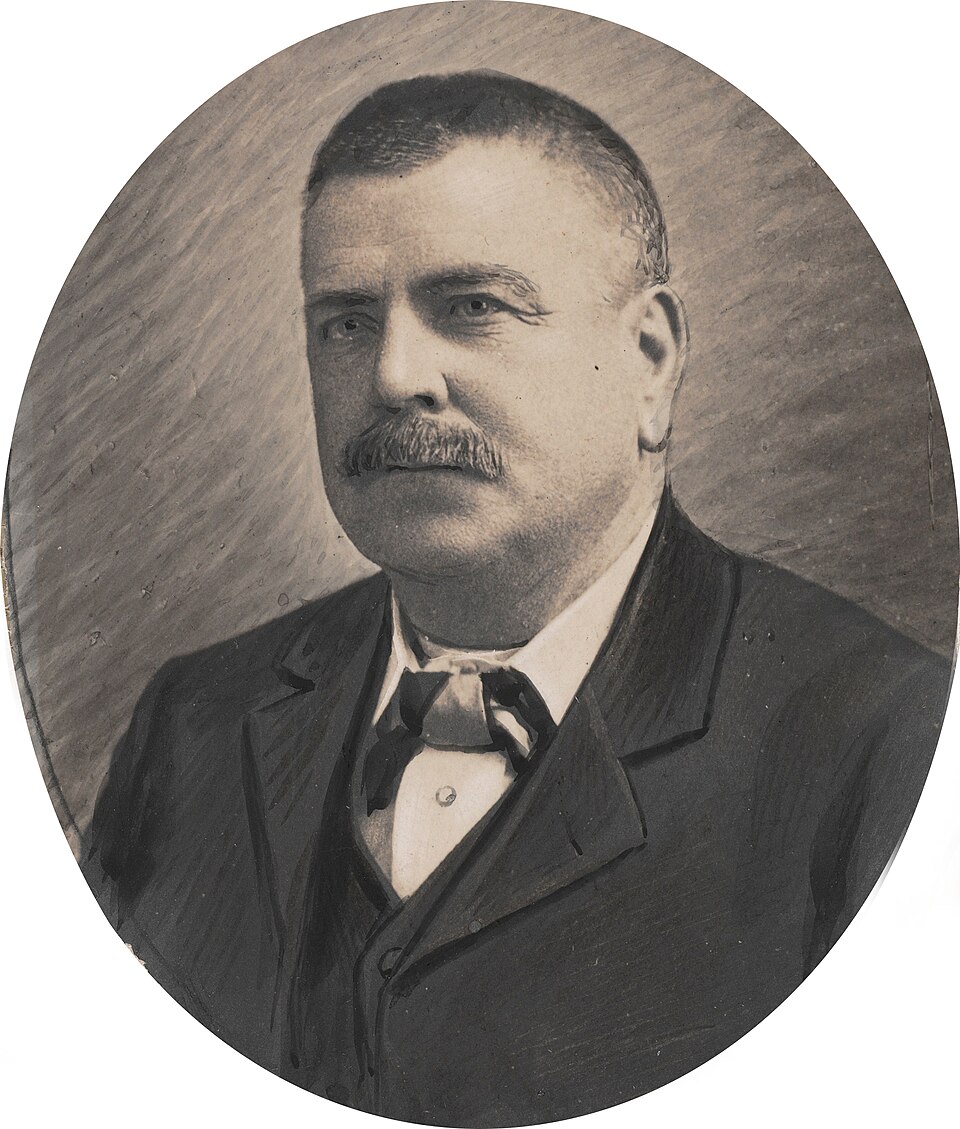
Mr Edward William O'Sullivan MLA, Item: FL1069229_2, courtesy State Library of New South Wales.
Births. BROCK.-July 29th, at Brockleigh, Newtown, Mrs. George S. Brock, of twins, son and daughter. Family Notices (1891, July 31). The Sydney Morning Herald (NSW : 1842 - 1954), p. 1. Retrieved from http://nla.gov.au/nla.news-article13833099
Deaths BROCK.—December 18, at his parents' residence, Brockleigh, Newtown, Victor, aged 4 months 19 days. Family Notices (1891, December 19). The Sydney Morning Herald (NSW : 1842 - 1954), p. 1. Retrieved from http://nla.gov.au/nla.news-article13850094
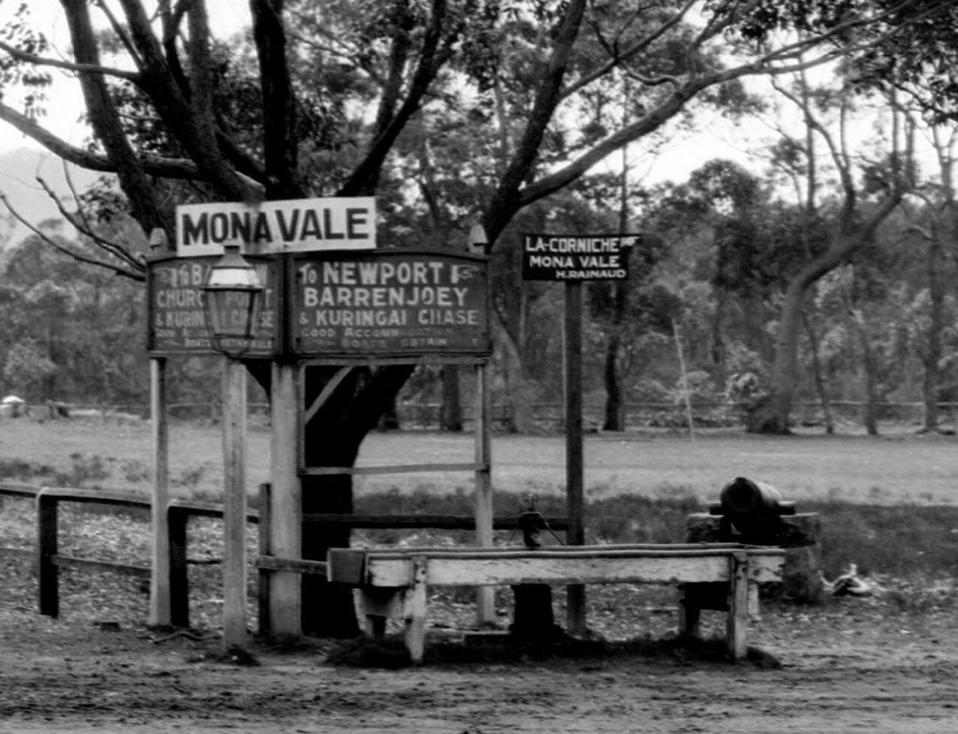
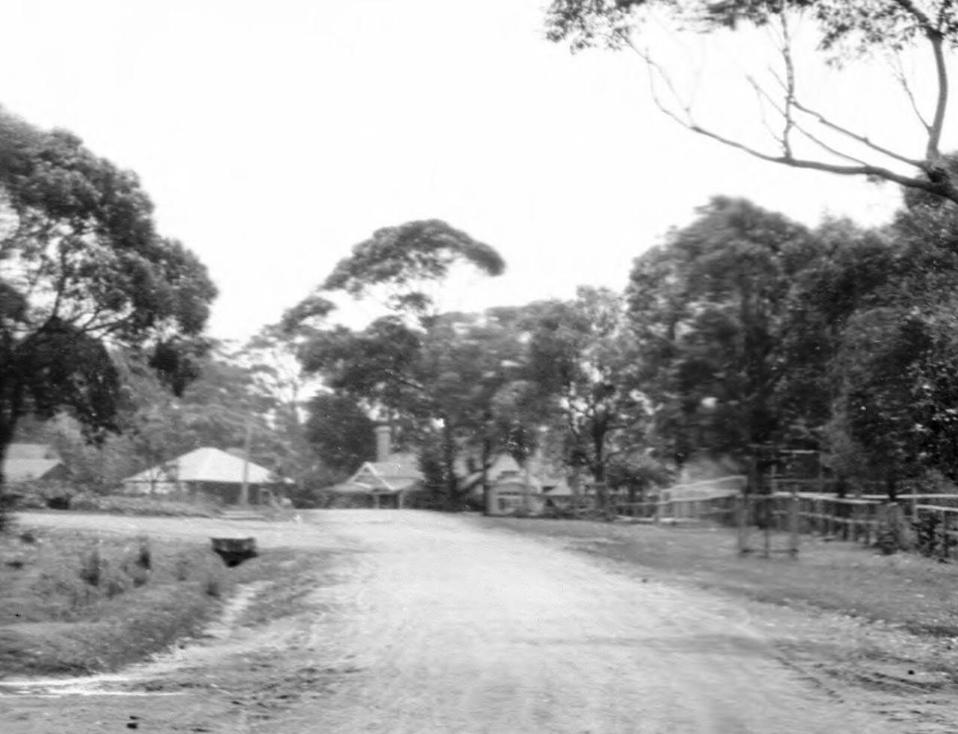
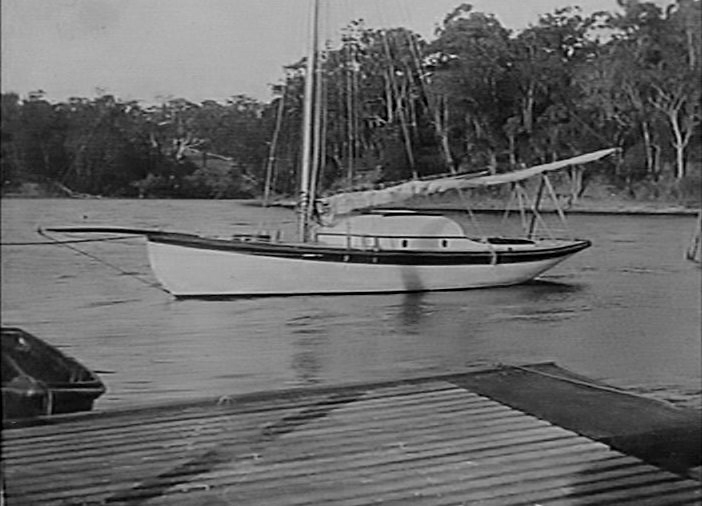
MILITARY INTELLIGENCE. MANOUVERS BY THE LANCERS IN THE VICINITY OF NEWPORT.
The Sydney and Parramatta squadrons of the New South Wales Lancers were engaged on Saturday and part of yesterday in some interesting fluid operations in the neighbourhood of Rock Lily and Newport. The parade was also the last of the year.
 The Sydney squadron, numbering 69, under Captain King, was as supposed to represent the advance party of an enemy which had landed at Bongan Bongan Beach, near the entrance to Broken Bay. The squadron left the city at 8.30 a.m., and bivouacked at 1 p.m. at Narrabeen.
The landing party, by arrangement, commenced to make its dispositions at 2 p.m. from the Rock Lily Hotel, and the idea, was that the telegraph lines should be tapped in order to prevent reinforcements of the defending force coming from Hornsby.
The Parramatta, squadron of Lancers was ordered to find out the strength of the enemy that had landed at Bongan Bongan Beach. According to the plan of operations the road via the Spit was held to be untenable, so that the detachment had to proceed via Pymble. The Parramatta men mustered 72, and were under the command of Captain Mackenzie. They left Parramatta at 8a.m. and reached Tumble-down Dick, near Pymble, in time for lunch.
Lieutenant-Colonel James Burns, officer-commanding, accompanied them, and at Pymble Brigadier-General Finn, Major A. P. Luscombe, D.A. Q.M.G., and Lieutenant Macartney, A.D.C., joined the party with a view to witnessing the manouvres.
A start was made at 2 p.m. from Tumbledown Dick to ascertain the whereabouts of the enemy, and very rough country was encountered, but trooper's and horses got over the ground capitally. The enemy's landing party not having time apparently to achieve its object, its officer-commanding threw out a line of outposts extending from the Rock Lily Hotel to a little point near Newport. Shortly alter 3 p.m. the Parramatta squadron got into touch with the outposts about two miles from the hotel, and after some good work on both sides the evening's advance guard, according to the prearranged plan, was driven back to the reserve near the beach.
Owing to this reverse and the weather becoming thick and stormy the landing party was supposed to be unable to re-embark by boats on board of the cruisers, consequently a position was taken up on Bongan Head. In this phase of the operations, however, the Sydney squadron no longer represented the enemy, but joined the Parramatta men. The enemy's position on Bongan Head was represented by eight canvas targets, which had been erected under the supervision of Major M. Hilliard, D.S.O., and Captain P. C. Timothy. Four of these were located about 500 yards from the main road and the other four about 900 yards distant, but the ranges were unknown to those who subsequently took part in the firing. It was decided that the attack on this position should be made shortly after daybreak on the following day by the entire body of Lancers representing the home force.
The two squadrons a little after 5 p.m. reached Mr. George Brock's Mona Vale estate, where Captain Timothy had arranged with the owner for the whole force to bivouac for the night. The troops were here joined by Colonel H. D. Mackenzie, A.A.G., Captain J. Purves, and Captain J. S. Brunton, the two latter travelling by motor car. The Lancers band also came down by a coach provided by the officers, who also contributed the commissariat supplies.
The State Commandant addressed the officers and N.C.O's. during the evening, and said that he was well pleased generally with the tactics, intelligence, and conduct of the troops. The men had shown their efficiency as skilled horsemen in very rough country, and he complimented them on their mobility. The outpost work was creditably performed, but at times rather humid. After tea a camp-fire concert was held, in which the band figured conspicuously, and Mr. Brock' rendered valuable assistance. A boxing bout between two amateur champions, Troopers Parbury and R. Baker, proved exciting, as were also some smart singlestick tourneys.
At daybreak yesterday the reveille sounded, and the Lancers at 5.45 a.m. were on the way to attack the enemy's position, indicated by the canvas targets on Bongan Head, forty rounds of ball cartridge were fired per man in the attack, which was at unknown distances. The shooting was good. One target had about 200 hits on it. The weakness of the attack, according to Brigadier-General Finn, lay in the fact that the men were too prone to expose themselves and rush forward in large numbers instead of in twos and threes. These were defects apparent in all sham fights, however, and only corrected by a taste of the " Real thing."
The troops returned to camp at 8.16. After morning "stables " a bathing parade was held, in which nearly every Lancer participated on his horse. Mr. Brock was thanked for his kindness in quartering the forces, and route march was then taken via the Spit for the Sydney Squadron and via Pymble for the Parramatta men. The Sydney detachment reached the city in the afternoon. MILITARY INTELLIGENCE. (1902, December 15). The Sydney Morning Herald (NSW : 1842 - 1954), p. 9. Retrieved from http://nla.gov.au/nla.news-article14521240
Extracts from one from 1910 report of this opening, when the short-lived plan by the then state government to buy the place had lapsed, says:
WHERE TO SPEND THE WEEK END. MONA VALE
(BY MARCUS SUBURBUS.)
THE STORY OF BROCK'S FOLLY.
.... Mr. F. W. Fox, who is a well-known gentleman, and has been long and honorably identified with city business life, and his good lady, Mrs. Foy (who has large and fashionable guest establishments at Neutral Bay), are to be complimented upon their enterprise in undertaking this venture, and deserve every possible success. For several years past, and particularly since surf-bathing became popular, the need has been felt of a really first-class accommodation house near the seashore. The hotels and boarding-houses at the beaches have proved, inadequate to accommodate, in the best style the great and growing number of families who desire to spend their summer vacation at the seaside. Taking a furnished cottage is the only other, alternative, and this has decided disadvantages. In the first place, the majority of people cannot afford a sufficiently long vacation to make it worth while. Again, the responsibility of house keeping greatly detracts from the pleasure of a holiday. Is it any wonder then that the question is asked again and again: "Where is there a really first-class place to stay, at the sea side, where one may enjoy every comfort and have absolute peace and quiet— a place equal to the resorts of Europe and America?" We now have the answer: in the Mona Vale Hydro. The building alone is a source of never-ending delight. It is as the pictures denote, a palatial structure, and an architectural triumph. The decorations, both externally and Internally, are extremely artistic, and a constant pleasure to the eye. This octagonal building is constructed of brick and wood. The upper portion contains a ballroom 42 x 42, with a specially-constructed floor. The main entrance hall is lavish, and the mansion contains, all beautifully designed, a -billiard-room, ladies' lounge, promenade roof, smoke-room, ballroom, and theatre. The dining hall, which, is about 36'x 72 feet, is very large, and Imposing. The sights of the building alone should prove a continual joy to those who are fortunate enough to secure apartments there. It is quite a pleasure to roam around the mansion with its great staircases, its stained glass windows, its huge columns, Its beautiful mantels, and the general ornateness of its spacious rooms. There are 25 bedrooms and six bathrooms in the main building, though there are adjacent cottages where there is more accommodation. One of these, for example, is extremely handsome with its tiled roof and its large crescent-shaped tiled verandah with bay windows on each side. The front door of this villa gives entrance to a very large reception room, and attached to the premises there is a studio and music saloon, built of brick, with large lead-light, windows and wood-panelled ceilings. Both from, the Mansion and the adjoining buildings glorious views are to be obtained. For miles the coast, broken into enchanting bays and coves, yields a panorama of great beauty, and the charming undulating character of the back country reveals some exquisite landscapes. Here, then, is delicious peacefulness and rest with nature smiling all around one. Everything has been done by Mr. Fox to ensure the comfort of his guests. He has arranged a cuisine of the highest standard; hot and cold baths are to be obtained in plenty; every room is handsomely furnished; there is a large motor garage and accessories.
The hydro is particularly well suited to business men who desire to get away from the city for a few weeks and recuperate their physical and mental faculties, or for country people who need a change at the seaside. No better place than this could be found for the enjoyment of all healthy natural pleasures. What was intended as a racecourse and polo ground now makes ideal golf links, and devotees of this sport could not be better provided for.
As already pointed out, surf-bathing may be enjoyed with every degree of comfort and safety. There are also facilities for tennis and cricket, and plenty of good fishing may be obtained. The hydro is, therefore, not only a magnificent structure sumptuously furnished— it is the home site of all those pleasures that do most to make life worth living. A convenient motor service to and from Manly has been established, and the business man who must attend the city daily is thoroughly provided for in the time-table. For the benefit of the touring -motorist; equestrians, and others, Mr. Fox has arranged to cater for lunches, dinners, and afternoon teas, and can provide for parties or picnics of any description by previous notice. ...
Sydney is indebted to the misdirected and inspired energy and enterprise of a man of whom, perhaps not one In five hundred knows anything at all for one of the most magnificent examples of palatial architecture that grace the outer circle of its environs. This beautiful and stately pile of buildings represents a great— a masterly— idea, which cost its unfortunate originator £25,000, and left him practically beggared. Sixteen or so years ago this man with an idea noted the great unclaimed swamp at Mona Vale— a stagnant lagoon, the only point in its favor being its proximity to a fine ocean beach, one of the many that enrich that much-favored stretch of coast from Manly up to Pittwater, and beyond. It occurred to him that if this useless blot upon the landscape could be drained an excellent seaside estate should result. And then the idea germinated. The unpromising-looking land was purchased for £600, and then the New South Wales Government was approached with the proposition that the buyer was prepared to spend £25,000 upon this site, providing a start was made upon the Pittwater tramway that had so long hovered mirage-like before the inhabitants of the district. .The Man with the Idea even offered to build the line himself, should the Government withhold its hand, and called on the Minister for Works with a cash deposit of £10,000 to prove his sincerity. But the Government, apparently satisfied by these representations that the need of the district was pressing and genuine, promised to undertake the construction of the line a once. And the buyer, secure in the Government's promise, allowed his great idea to blossom instantly into the concrete expression of bricks and tiles and timber.
THE GREAT IDEA.
And the idea was this: To build a huge village upon the drained lands of the estate, dominated by a magnificent clubhouse, and to sink £25,000 in the realisation of this immense scheme. To prove a financial success, access by tram to the estate was the one thing absolutely necessary. And this the Government had promised. The Man with the Idea set about the carrying out of his .purpose on a splendid scale. On the site he erected his own brickworks for the manufacture of the bricks and tiles: he bought a timber area at Erina Creek, on the Hawkesbury River, installed a timber mill and a planing machine as well, and so cut, freighted, and treated his own timber on the spot. He worked his own quarry, drawing from it all the needful stone, drained the swamp, obtained a regular water supply by the construction of a great brick and cement tank,' 20Ct. wide and 14ft. deep, and Installed a complete sewerage system. And all the while the promised tram was creeping out from Manly, slowly but surely. By the time it had reached Curl Curl, 12 months after its start, the walls of a mansion, or rather of a group of mansions, at Mona Vale were roof high, and the great idea was flowering in wood and stone and brick towards completion and perfection.
The sum of £10,000 had already been sunk in initial expenses, and a further £15,000 borrowed to complete the work, and that work promised to be indeed a "thing of 'beauty and a joy forever." forever, for the floors of the main building were built on a layer of concrete covered with a layer of bitumen and sawdust, upon which were laid 5000 hardwood sleepers, and upon them another layer of sawdust and bitumen, and then the parquet flooring— a foundation impervious to white ants, and for all practical purposes everlasting. A hundred carpenters were at work, as well as a great host of other mechanics, and the loud ringing music of labor, which is the voice of progress, echoed and re-echoed' throughout Mona Vale. And the setting of the picture was as beautiful as the immense building rising under trowel and mallet and hammer. In the foreground two crescent-curves of hard, fine, sand, fronting the sea; beautiful green seaward sloping lands, and green embracing' bills. Meanwhile the grounds about the mansion were being decorated with statues and playing fountains, and among other costly and artistic fittings a great majolica mantel, that had originally cost £720, was In stalled in the entrance ball of the palatial place.. It was plain that the Man with the Idea had invested more than his mere capital In this sumptuous scheme. Something must have stirred in him that was akin to the emotions of all great builders, from Solomon of old and Darius the Persian, down to Christopher Wren and the designer of the flatiron building in New York. And Mona Vale on the New South Wales coast was in touch with the same spirit that reared the pyramids and built the Hanging Gardens of Babylon.
THE FATE OF THE SCHEME.
And it Is just here In the story that the fateful tram stopped. It had reached Curl Curl, one mile out from Manly, and there "it stayed, just 10 miles short of Mona Vale, and its waiting palace. Perhaps the authorities judged that a pleasant ten-mile tramp, bag in band, would be just the thing for intending guests, considering the invigorating air of the locality. Perhaps not. Anyhow, the mortgagors who had loaned their £15,000 in expectation of a tramline that would go a good deal further than Curl Curl Lagoon began to look dubious. Then, "at this psycho logical moment," as the novelists say, the Government that had guaranteed the tram bore tragic testimony to the instability of all human institutions, by going the way of all flesh. In short, it went out of office, and its tramline promise passed into the limbo of forgotten things, together with a variety of other departmental lumber. Matters began to look exceedingly serious. The £25,003 was gone, and although £5300 had been paid off the borrowed £15,000, a balance of £1000, which Included Interest, remained, and there was no Immediate prospect of the property returning it. But the Man with the Idea was not wholly beaten yet: Surmising that perhaps if a ready-made population were provided first, the tardy tram might reasonably be expected to follow them, he determined to sacrifice practically the whole of the area, including the recreation reserve, and the grounds surrounding the house, to pay the balance of the mortgage. The site had been actually surveyed for subdivision, when the wheel of his enterprise was effectually spiked again. The shire refused to approve of the plan until £1500 was deposited for the construction of the streets, and so, operations were again brought to a stand still. At this point the unfortunate successor of Darius, Barneses', and Christopher Wren was informed that the Government wished to purchase the entire property as it stood, and desired to know his price. ' He named the comparatively utterly insignificant sum of £7500, explaining that he needed £6500 to pay off the mortgagors, and £1000 to wipe off money owing for material supplied. He did not ask for one Sixpence for himself; only for sufficient to clear him of his obligations. He had failed, losing everything; but he wished to face the world with a clean sheet. However, the Government's emissary, after hearing the story, went to the mortgagors to negotiate. Naturally all they asked for was their £6500, and the Government, falling in with this request, took over the entire concern for that sum. So the Man with the Idea was turned adrift with £1000 worth of debts upon his shoulders, and not a penny saved from the wreck: while his £25,000 palace had been sold for £6500 Such is the story of Brock’s Mansion at Mona Vale, and surely the misfortune of the unlucky builder from whom it takes its name is almost unique.
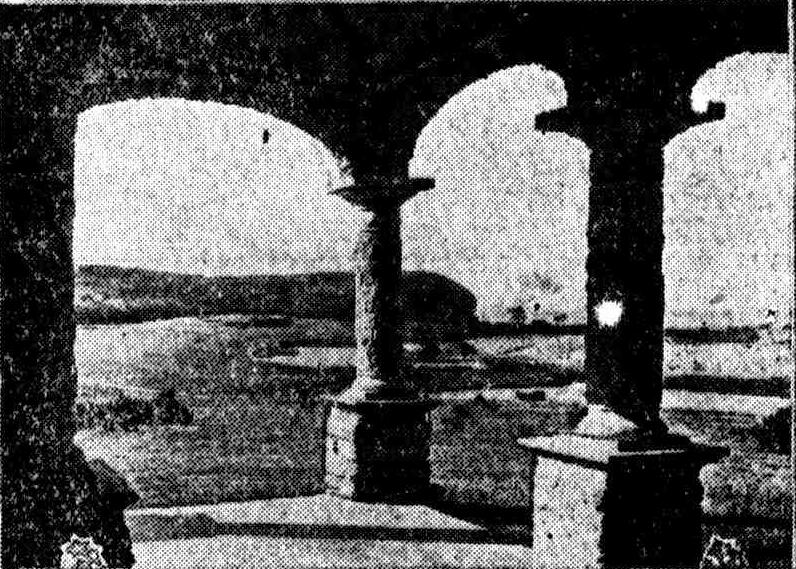
BROCK'S ESTATE FROM THE HYDRO.
BROCK'S ESTATE TO BE SOLD.
The sequel to the story of what has come to be known as "Brock's' Folly" promises to be good reading. It will doubtless prove a tale of pioneering such as all Australians delight in. There is every' Indication that In a few years the magnificent estate which was intended for the mansion grounds will become the scene of one of the most beautiful seaside settlements in the State. Mona Vale might have been designed by Nature as a resort of rest and delicious peace. Brock's Estate fronts two horseshoe-shaped beaches of hard yellow sand, on which the surf breaks soothingly, for the formation of the beaches provides splendid shelter against the occasional fierceness of the ocean's ebb and flow. 'Surf-bathing may therefore be indulged in with the greatest possible safety. All the pleasures of surfing arc to be gained there without any of Its discomforts. The coastline thus shaped is extremely pretty. Far away to Barranjoey is a succession of delightful little bays, forming; a- seascape' of quiet beauty.
SEASHORE JEWELS. ; The magnificent coastline that encompasses the Hole in the Wall, The Cave and Little Head is only just beginning to be known and appreciated. Between the Brock Estate and Manly the coast is better known, and is as picturesque as anywhere around -the continent. About three miles to the south are the Narrabeen Lakes fronted by that long stretch of beach that has made Narrabeen such a famous resort. Farther south still are Long Reef, Deewhy, Fresh water, and Curl Curl. The entire coastline, therefore, for miles in each direction forms a rich necklace of seashore jewels that grow in value as years go on. It will be very surprising if the whole of the 18 miles of coast between Manly and Barrenjoey does not attract a large population and become a famous pleasure zone.
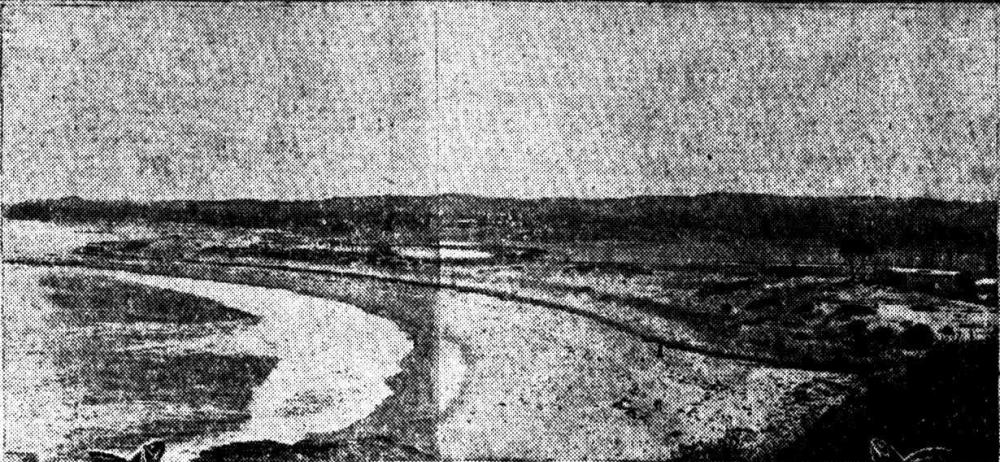
THE BEACH FRONTING BROCK'S ESTATE.
MAGNIFICENT LANDSCAPES. Some of the landscapes surrounding this Brock Estate would be worthy 'subjects for the brush of a Turner or a Corot. As one approaches it from the Newport-road, for in stance, an entrancing view is met with, the road winding prettily through undulating country, magnificently timbered and clad- with wild flowers. The property itself lies in a hollow of a cup like appearance, and on every side save the east it is protected by glorious hills. One can therefore enjoy all the benefits of the sea, air without the discomforts of the gales. The large fortune spent originally on this estate has made it a model site for fine homes. What Mr. Brock left undone Mr. Arthur Rickard has accomplished, and I see that next Anniversary Day that enterprising gentleman will offer those fine allotments to the public. Truly, they are very tempting morsels of the earth's surface, and especially so because the estate is splendidly subdivided and good wide streets, made throughout. The allotments are exceptionally large, and as the soil is excellent, the week-ender who purchases one of them may have a perfect orgie of flower and fruit-growing. If example goes for anything this estate should be the scene of some beautiful homos in the near future, for not only the mansion but several adjacent buildings have set a high architectural standard. 'Since Pott Pointing, has given way to week-ending It is quite likely that palatial residences will adorn this spot, especially as there Is no other land with ocean frontages for sale near there.
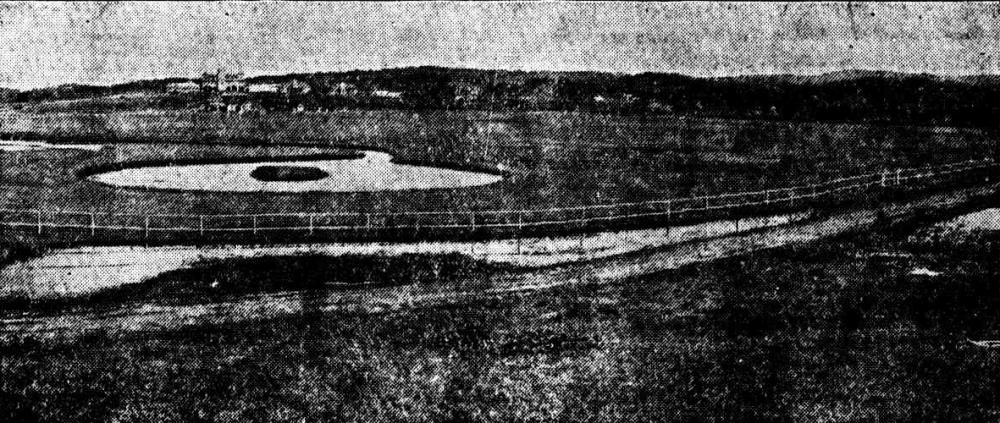
A SECTION OF BROCK'S ESTATE.
A GOOD INVESTMENT.
The only need for the development of this fine area of country is the tram, but the Newport extension may be regarded as a certainty and only a matter of time. The surveyed route, I am Informed, is along the road which fronts Brock's Estate. Although no definite promise has been given, it is generally understood that the tramline will shortly be proceeded with. When this is accomplished the estate will be within a comparatively short tram ride of Manly, and therefore within easy reach of the city. In these days of rapid transit and, a growing inclination, to plant homes in broad spaces, Mona Vale need not be considered too distant. The trip all the way from the city is such a glorious one that the travel-loving Sydney man will doubtless regard the distance as more of an advantage than otherwise. As an Investment, of course, property In this locality is a particularly good thing at present, for when the work on the tramline does start values are bound to take a leap 'upwards, and - there is no likelihood of them ever coming down again. Week-end holiday makers would do well to wait for Anniversary Day, as there might be a chance of getting in on this excellent proposition at bargain prices.
THE MANSION AS A HYDRO.
On Thursday, last Brock's Mansion came Into its own when It was opened by Mrs. Arthur Griffith, wife of the Minister for Public Works, as a hydro. At the invitation of Mr. Arthur Rickard (lessor) and Mr. F. W. Fox (lessee) a large number of people attended, and the ceremony, which has already been reported in "The Sun", was a complete success. No better idea could have been conceived than to convert this magnificent building into a hydro. Mr. F. W. Fox, who is a well-known gentleman, and has been long and honorably identified with city business life, and his good lady, Mrs. Foy (who has large and fashionable guest establishments at Neutral Bay), are to be complimented upon their enterprise in undertaking this venture, and deserve every possible success. For several years past, and particularly since surf-bathing became popular, the need has been felt of a really first-class accommodation house near the seashore. The hotels and boarding-houses at the beaches have proved, inadequate to accommodate, in the best style the great and growing number of families who desire to spend their summer vacation at the seaside. Taking a furnished cottage is the only other, alternative, and this has decided disadvantages. In the first place, the majority of people cannot afford a sufficiently long vacation to make it worth while. Again, the responsibility of house keeping greatly detracts from the pleasure of a holiday. Is it any wonder then that the question is asked again and again:
"Where is there a really first-class place to stay, at the sea side, where one may enjoy every comfort and have absolute peace and quiet— a place equal to the resorts of Europe and America?"
We now have the answer: in the Mona Vale Hydro.
The building alone is a source of never-ending delight. It is as the pictures denote, a palatial structure, and an architectural triumph. The decorations, both externally and Internally, are extremely artistic, and a constant pleasure to the eye. This octagonal building is constructed of brick and wood. The upper portion contains a ballroom 42 x 42, with a specially-constructed floor. The main entrance hall is lavish, and the mansion contains, all beautifully designed, a -billiard-room, ladies' lounge, promenade roof, smoke-room, ballroom, and theatre. The dining hall, which, is about 36'x 72 feet, is very large, and Imposing. The sights of the building alone should prove a continual joy to those who are fortunate enough to secure apartments there. It is quite a pleasure to roam around the mansion with its great staircases, its stained glass windows, its huge columns, Its beautiful mantels, and the general ornateness of its spacious rooms. There are 25 bedrooms and six bathrooms in the main building, though there are adjacent cottages where there is more accommodation. One of these, for example, is extremely handsome with its tiled roof and its large crescent-shaped tiled verandah with bay windows on each side. The front door of this villa gives entrance to a very large reception room, and attached to the premises there is a studio and music saloon, built of brick, with large lead-light, windows and wood-panelled ceilings. Both from, the Mansion and the adjoining buildings glorious views are to be obtained. For miles the coast, broken into enchanting bays and coves, yields a panorama of great beauty, and the charming undulating character of the back country reveals some exquisite landscapes. Here, then, is delicious peacefulness and rest with nature smiling all around one. Everything has been done by Mr. Fox to ensure the comfort of his guests. He has arranged a cuisine of the highest standard; hot and cold baths are to be obtained in plenty; every room is handsomely furnished; there is a large motor garage and accessories.
The hydro is particularly well suited to business men who desire to get away from the city for a few weeks and recuperate their physical and mental faculties, or for country people who need a change at the seaside. No better place than this could be found for the enjoyment of all healthy natural pleasures. What was intended as a racecourse and polo ground now makes ideal golf links, and devotees of this sport could not be better provided for.
As already pointed out, surf-bathing may be enjoyed with every degree of comfort and safety. There are also facilities for tennis and cricket, and plenty of good fishing may be obtained. The hydro is, therefore, not only a magnificent structure sumptuously furnished— it is the home site of all those pleasures that do most to make life worth living. A convenient motor service to and from Manly has been established, and the business man who must attend the city daily is thoroughly provided for in the time-table. For the benefit of the touring -motorist; equestrians, and others, Mr. Fox has arranged to cater for lunches, dinners, and afternoon teas, and can provide for parties or picnics of any description by previous notice.
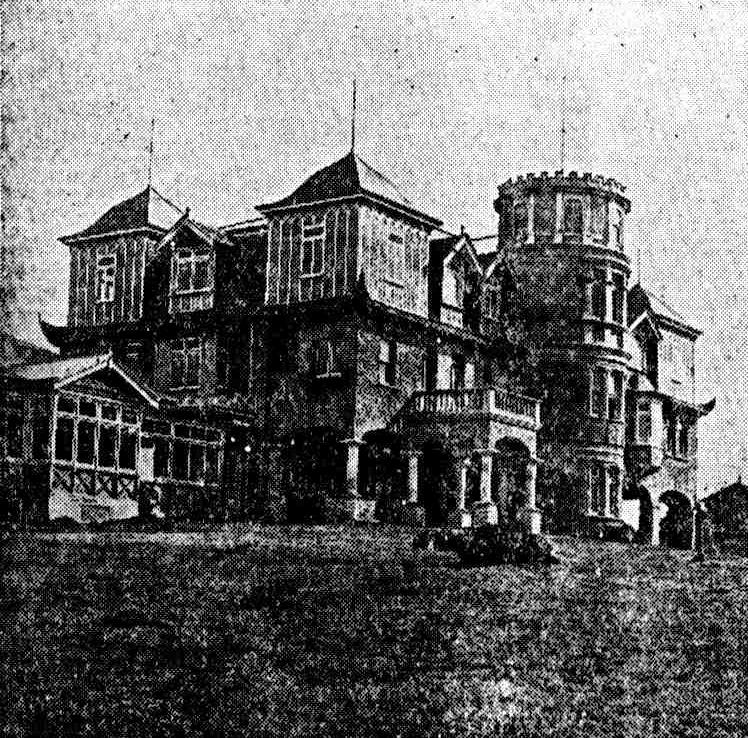
ANOTHER VIEW OF THE HYDRO.
WHERE TO SPEND THE WEEK END. (1910, December 25). The Sun : Sunday Edition (Sydney, NSW : 1910), p. 11. Retrieved from http://nla.gov.au/nla.news-article231015197
ANDERSON STUART—SCOTT FELL.
The wedding of Miss Catherine Scott Fell, youngest daughter Mr. W. Scott Fell, M.L.A., of Chatsworth, Wylde-street, Potts Point, and the late Mrs. Scott Fell, to Dr. Bouverie Anderson Stuart, second son of the late Sir Thomas Anderson Stuart and Lady Anderson Stuart, of Sydney, was celebrated last night at St. Stephen's, Phillip-street. The Rev. D. P. Macdonald performed the ceremony.
The bride, who was given away by her father, wore a frock of ivory satin idol, made with a tight-fitting bodice and full skirt, with a yoke and a transparent hem of tulle reaching to the ankles, and embroidered in seed pearls and rhinestones. A quaintly-shaped train of tulle fell from the shoulders, and was edged irregularly with white satin, and embroidered in blister pearls and rhinestones. The bridal veil of Carrickmacross lace was lent by Lady Anderson Stuart. The bride carried a bouquet of lilies of the valley and orchids. There were two matrons of honour, Mrs. W. E. Etherington, sister of the bridge, and Mrs. Clive Goyder. They wore frocks of La France rose pink romaine, embroidered in diamante, and large picture hats of crinoline straw of the same shade, trimmed with velvet They carried muffs of pink and mauve flowers and tulle. The bride's nieces, Jean and Bunty Scott Fell, were the trainbearers, and wore pink georgette frocks and poke bonnets to match. The best man was Mr. Anson Anderson Stuart, and Dr. Alan Colwell was the groomsman. The ushers were Messrs. J. W. Scott Fell. Mr. W. E. Etherington, Clive Goyder, Crystal, Jeffry Maitland, Dr. Rex Money, and Dr. Eric Traill. The reception was held at the Wentworth, where Miss Linda Scott Fell assisted her father in receiving the guests. She was gowned in brick dust Chantilly late, banded with steel and pervenche blue gallon, covered with a velvet coat of brick dust velvet. She wore a crinoline hat to match. Lady Anderson Stuart’s ensemble of black Chantilly lace over white, with a black velvet coat, lined with green, and a black hat to match. The bride travelled in an ensemble of natural kasha, embroidered in brick and yellow, the frock of flat crepe being embroidered in the same tones. Her gigolo ha was in same shade aa her coat. The honeymoon 'Uli be spent at Leura. ANDERSON STUART—SCOTT FELL. (1926, June 4). The Sydney Morning Herald (NSW : 1842 - 1954), p. 6. Retrieved from http://nla.gov.au/nla.news-article16296543
THE ANDERSON STUART—SCOTT FELL WEDDING WAS BRIGHT SOCIETY OCCASION.
On Thursday night Inst, at St. Stephen's, Phillip-street, by Rev. Mr. D. P. Macdonald, of Mosman, the marriage was solemnized of Bouverie Primrose Anderson Stuart, second son of the late Sir Thomas Anderson Stuart and Lady Anderson Stuart, of Sydney, to Emma Catherine Scott Fell, youngest daughter of Mr. W. Scott Fell, of 'Chatsworth,' Wylde-street, Potts Point. The petite and youthful bride looked charming in a picturesque gown of rich ivory satin idol. The quaint tight bodice and full skirt, almost ankle length, had transparent yoke and hem of tulle, which was embroidered above in seed pearls and rhinestones. The train, which was perfectly novel in shape, fell from the shoulders, and was of transparent tulle, edged irregularly with hem of satin, above which was beautifully embroidered in same pattern as lace veil, in seed and blister pearls and rhinestones. The beautiful bridal veil, in carrick-macross lace, was loaned by Lady Anderson Stuart, and was worn by her and her mother at their respective weddings. The bridal bouquet was of lily of the valley and orchids. The bridegroom's present to the bride was a diamond and sapphire wristlet watch. The matrons of honour were Mrs. W. E. Etherington, sister of the bride, and Mrs. Goyder. They wore gowns of La France rose Romain de Luxe, embroidered in diamantes. Large picture hats of crinoline straw, same shade, trimmed with velvet, were worn. They carried muffs of pink and mauve flowers and tulle. The bridegroom's gifts wero chockers of crystal. The tiny tots of children, Jean Barbara and Bunty Scott Fell, nieces of the bride, wore in attendance, and wore dainty frocks of all pink georgette and quaint poke bonnets. They also carried muffs of pink and mauve 'flowers, with tulle. Their gifts from the bridegroom were strings of pearls and corals. The reception was held at the Wentworth, where Mr. Scott Fell, assisted by Miss Scott Fell, received the guests, 250 in all. The tables and ballroom were most 'beautifully decorated. The bride and bridesmaids' bouquets, also floral decorations, were carried out by Searl's. Groomsman, Mr. Anson Anderson Stuart; best man. Dr. Alan ColweU. . Miss 'Scott Fell wore a charming ensemble evening gown. The attractive coat was of brick-dust and pervenche blue velvet. Tho gown was of brick dust Chantilly lace. Tho skirt was of irregular length, and showed transparent at foot, with bands of steel and pervcnche-blue gallon showing through. At intervals on skirt wore groupings of velvet flowers in shades of yellow, brick and pervenche blue, appliqued with steel and diamante. A brick dust pleated tullet hat, caught at side with diamond ornament. Lady Anderson Stuart wore ensemble gown of black Chantilly lace over white, with touches of green. Black velvet coat lined with green, and black hat. The honeymoon is being spent at Leura, the mountain home of the bride's father.
The bride travelled in a delightful ensemble. The coat of natural Kasha, beautifully embroidered in brick and yellow.. A deep band of insertion of wool, darned in material, showed an underdress of brick flat crepe, embroidered in brick and yellow. With this was worn a gigolo hat in same tone as gown.
The ushers were Mr. J. W. Scott Fell, Mr. Etherington, Mr. M. Goyder, Mr. Crystal, Mr. Jeffrey Mnitland, Dr. Rex Money, and Dr. Eric Trail. The Anderson Stuart—Scott Fell Wedding Was Bright Society Occasion (1926, June 6). Sunday Times (Sydney, NSW : 1895 - 1930), p. 18. Retrieved from http://nla.gov.au/nla.news-article128122611
ANDERSON STUART— SCOTT FELL WEDDING
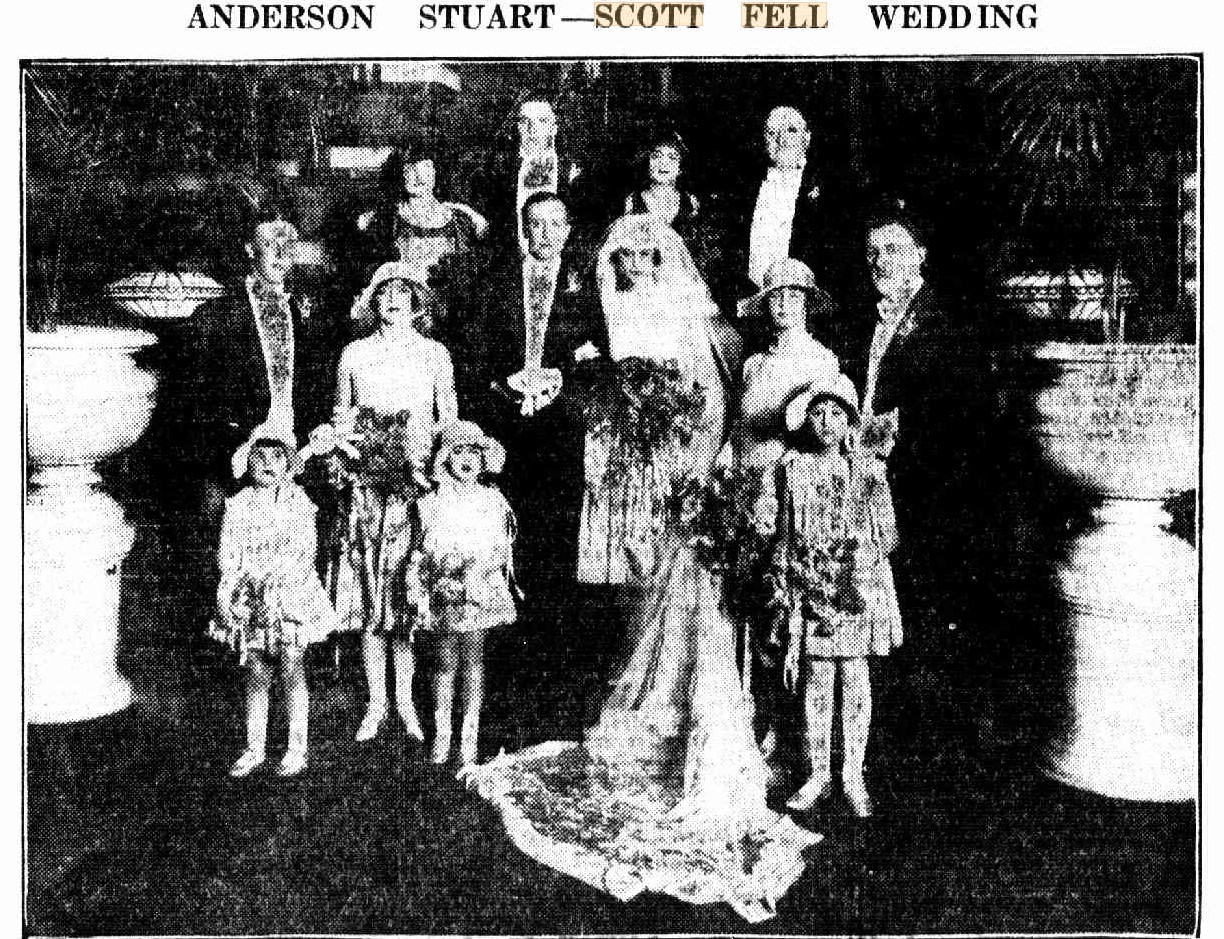
Back Row (reading left to right): Lady Anderson Stuart, Mr. Alec Anderson Stuart, Miss Scott Fell, Mr. Scott Fell. Centre Row: Mr. Anderson Anderson Stuart, Mrs, Wm. Etherington, the bride and bridegroom (Dr. and Mrs. Bouverie Anderson Stuart), Mrs. Clive Godyer, Dr. Colwell. Front (left to right): Bunty, Barbara, and Joan Scott Fell. (Hall and Co. Photo.) ANDERSON STUART -- SCOTT FELL WEDDING (1926, June 5). The Daily Telegraph (Sydney, NSW : 1883 - 1930), p. 2. Retrieved from http://nla.gov.au/nla.news-article245763131
MISS LINDA SCOTT FELL
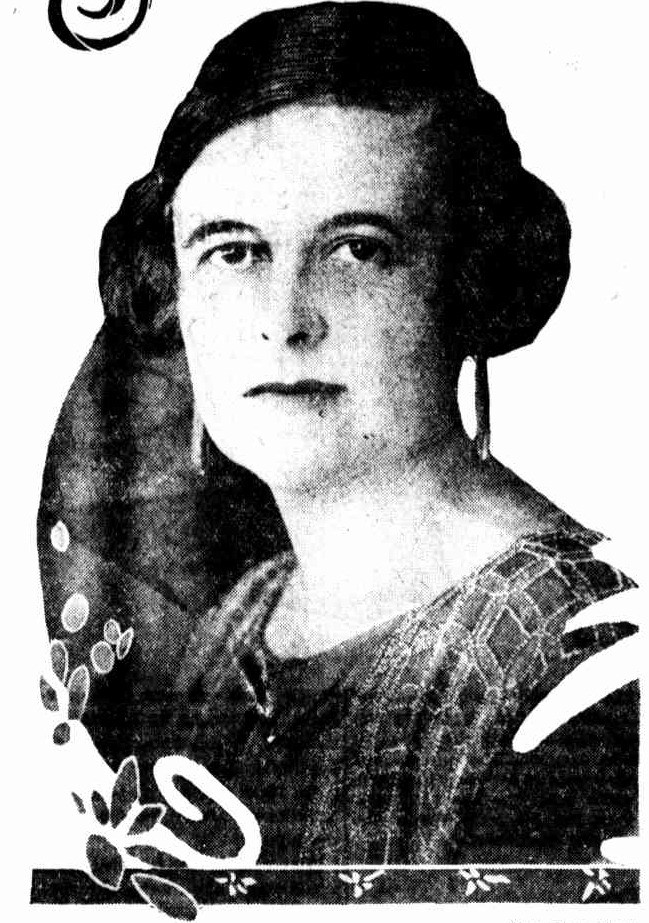
Eldest daughter of Mr. W. Scott Fell, M.L.A., and the late Mrs. Scott Fell, of "Chatsworth," Potts Point, who has announced her engagement to Lieut-Colonel Wheeler, of Newcastle, eldest son of Mr. and Mrs. H. L. Wheeler, of "St. Clements," Randwick. Society (1926, July 11). The Sun (Sydney, NSW : 1910 - 1954), p. 24. Retrieved from http://nla.gov.au/nla.news-article222722471
Director of Physical Education, 7/1/43, advising that the National Fitness Council is now using "La Corniche", Mona Vale, as a training centre for boys and girls, of whom some hundreds will be accommodated from time to time throughout the year, and Mona Vale extensive use will be made by these children of the swimming Rockbaths pool at the beach, requesting Council to provide a rope across the pool which would be of great use to children who are non- swimmers, and serve as a safeguard in the event of waves sweeping into the pool. The Shire Engineer reported that a wire had been substituted, and that this should be sufficient. Resolved, - That a reply in the terms of the Engineer's report be sent. - 19/01/1943 Warringah Council Minutes