Manly's Little Penguins to be vaccinated Against H5 Bird Flu + Lion Island Little Penguins Update
Announced: Friday August 28 2026
The NSW Government has commenced a rollout of targeted vaccinations for vulnerable species of birds to help protect them against H5 avian influenza (bird flu).
A combination of insurance populations in captivity and wild populations of birds will be vaccinated. This includes the Little Penguins in Manly and Barunguba Montague Island.
Taronga Conservation Society Australia vaccinated the first birds this week, with trial cohorts of Little Penguins, Carnaby’s Black Cockatoos and Red-tailed Black Cockatoos among the first species to receive the initial dose of the two-dose vaccine course.
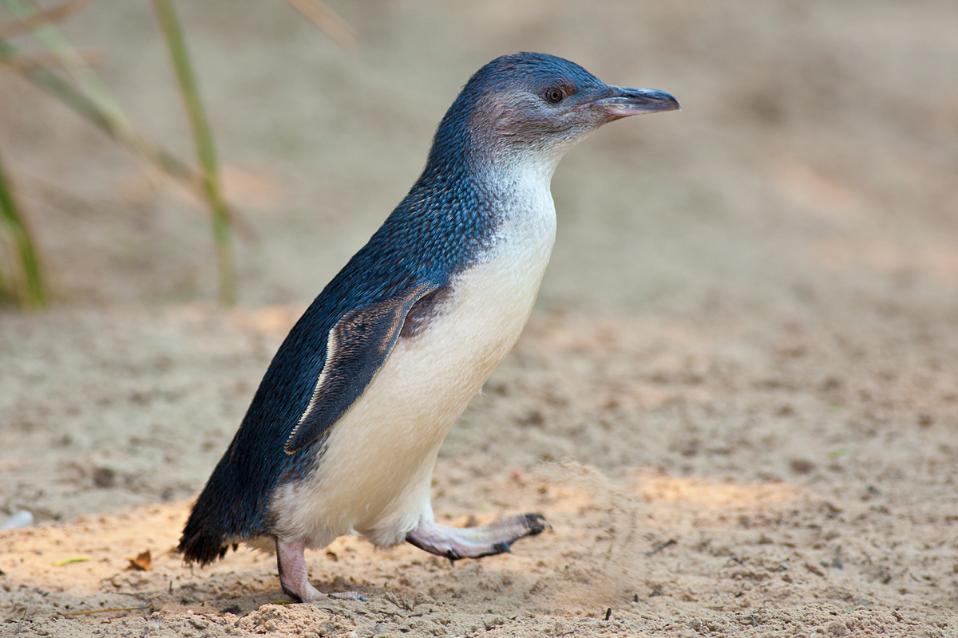
Little Penguin - photo by fir0002
The NSW Government is working with Taronga to vaccinate and monitor wild Little Penguins at Manly Point.
Other wildlife facilities across NSW will join the state’s vaccine program, ensuring as many species as possible can be covered.
The vaccine requires two doses, administered three-to-four weeks apart. Birds in trials must remain in a controlled environment while completing their primary vaccination course and for 14 days following the second dose so they can be closely monitored for any adverse effects.
The NSW Government is continuing to work with wildlife organisations and other relevant partners to assess potential vaccination sites and ensure appropriate infrastructure, safety measures, veterinary oversight and other requirements are in place before vaccination commences.
NSW is continuing to learn about how the vaccine performs in native wildlife. The controlled vaccination program will provide an opportunity to closely monitor vaccinated animals and identify any potential adverse effects as further plans to vaccinate are progressed.
Complementing the broader rollout of vaccinations, Taronga is leading a vaccine trial that will provide valuable data on immune responses, vaccine effectiveness and future vaccination strategies in threatened and zoo-managed birds.
NSW is taking a careful, evidence-based approach to vaccination, with animal welfare, safety and the latest scientific and veterinary advice guiding decisions about when we use vaccines.
Vaccination is not a standalone solution or a silver bullet for H5 bird flu. It is one tool within a broader response that includes surveillance, preparedness planning, biosecurity and conservation measures.
NSW continues to strengthen surveillance and preparedness for H5 bird flu and has established preparedness plans for priority wildlife sites across the state.
Bird flu has not been detected in commercial poultry flocks or captive birds anywhere in Australia and the risk to human health remains low.
The community also plays an important role in early detection. If you encounter a suspected sick bird or marine mammal, avoid contact, record what you see and report it immediately to the Emergency Animal Disease Hotline on 1800 675 888.
More than 5,000 calls have been received by the Hotline which has been up and running since June at the State Coordination Centre in Orange.
Premier of New South Wales Chris Minns said:
“The unfortunate reality is that H5 bird flu is a significant threat to our native bird populations.
“While no government can stop the virus from spreading, vaccination programs like this one rolling out at Taronga Zoo are part of our efforts to help protect some of Australia’s most beloved native birds.”
Minister for the Environment Penny Sharpe said:
“We are deeply concerned about the impact that H5 bird flu could have on our native wildlife.
“No government policy can stop this virus form spreading through our wild bird populations. What we can do to support our wildlife is vaccinate insurance populations, protect their habitat and eliminate invasive species.
“From captive wildlife to wild populations, we are carefully considering where vaccination can help protect our precious birds”
Minister for Agriculture, Regional and Western NSW Tara Moriarty said:
“This targeted vaccination program is another important step in NSW’s ongoing work to prepare for and respond to H5 bird flu.
“Vaccination is not a silver bullet, but it is one practical tool we can use alongside surveillance and preparedness planning to help protect vulnerable native wildlife.
“We know this disease presents risks for native wildlife and poultry producers which is why we having been planning for some time with our best veterinary and scientific advisors plus working closely with industry and wildlife groups.
Taronga Conservation Society Australia, Chief Executive Cameron Kerr AO said:
“Taronga is pleased to be working closely with the NSW Government on this nationally significant effort to help protect some of Australia’s most vulnerable bird species from the threat of H5 Bird Flu.
"As a conservation and science-based organisation, this vaccine trial represents an important opportunity to strengthen the scientific evidence base for avian influenza vaccination in threatened birds.
"Through this work, Taronga will generate valuable data on the safety and effectiveness of the vaccine across a diverse range of species, helping to inform future disease preparedness and response efforts across Australia’s unique wildlife.”
Member for Manly, James Griffin MP has welcomed advice from National Parks and Wildlife Services that Manly’s Little Penguin colony will be vaccinated as early as next week to protect them against the H5 avian influenza (bird flu).
After seeking advice from National Parks and Wildlife Services, Mr Griffin has confirmed that the NSW Government is progressing vaccination of priority native wildlife against H5 avian influenza, with Manly’s little penguins identified as a priority species because of their conservation significance and the potential impacts of the virus.
“Our National Parks and Wildlife Rangers and staff do an outstanding job, and I cannot thank them enough for taking such prompt action to get ahead of this and protect our Little Penguins,” Mr Griffin said.
“As the last remaining breeding colony on mainland NSW, Manly’s Little Penguins are one of the state’s most vulnerable bird species, and I am deeply concerned about the threat posed by the outbreak of H5 bird flu.”
“I also wish to take this opportunity to thank our local volunteer penguin wardens, who dedicate their time to patrol breeding areas every night from the beginning of the season and monitor the health of the colony.”
The council has also welcomed the NSW Government’s announcement that Manly’s endangered Little Penguin population will be vaccinated against H5 bird flu, a critical step towards protecting one of Australia’s most vulnerable seabird colonies.
Deputy Mayor Candy Bingham said the vaccination program was a positive outcome for the penguin colony and the broader Northern Beaches community.
“Our Little Penguins are so loved by our community and are an irreplaceable feature of our Northern Beaches local biodiversity,” Cr Bingham said.
“Council had requested stronger protections for this endangered population, and we welcome the NSW Government’s decision to vaccinate the colony against H5 bird flu.
“The impacts of this disease on wildlife populations overseas have been devastating. While we recognise there are no silver bullets to stopping the spread of the virus here, we must do everything we can to help protect these endangered birds before any local outbreak affects the colony.
“Alongside vaccination, continued vigilance and preparedness by all levels of government and the community will remain essential as the situation evolves.”
The council stated on Friday it has been preparing for the impacts of H5 bird flu for several months, working with lead agency NSW Department of Primary Industries and Regional Development (DPIRD).
Preparations include establishing a cross-Council Incident Management Team, identifying and mapping high-risk biodiversity areas, developing response plans and operational procedures, establishing reporting and escalation arrangements, and preparing staff, equipment and disposal processes to support a coordinated response if local cases are detected.
“We will continue to monitor advice from NSW biosecurity authorities and work closely with partner agencies to support preparedness and response efforts.
“Residents are reminded not to touch sick or dead birds or wildlife, to keep pets away from affected animals and to report sightings through the Emergency Animal Disease Hotline on 1800 675 888,” Cr Bingham said.
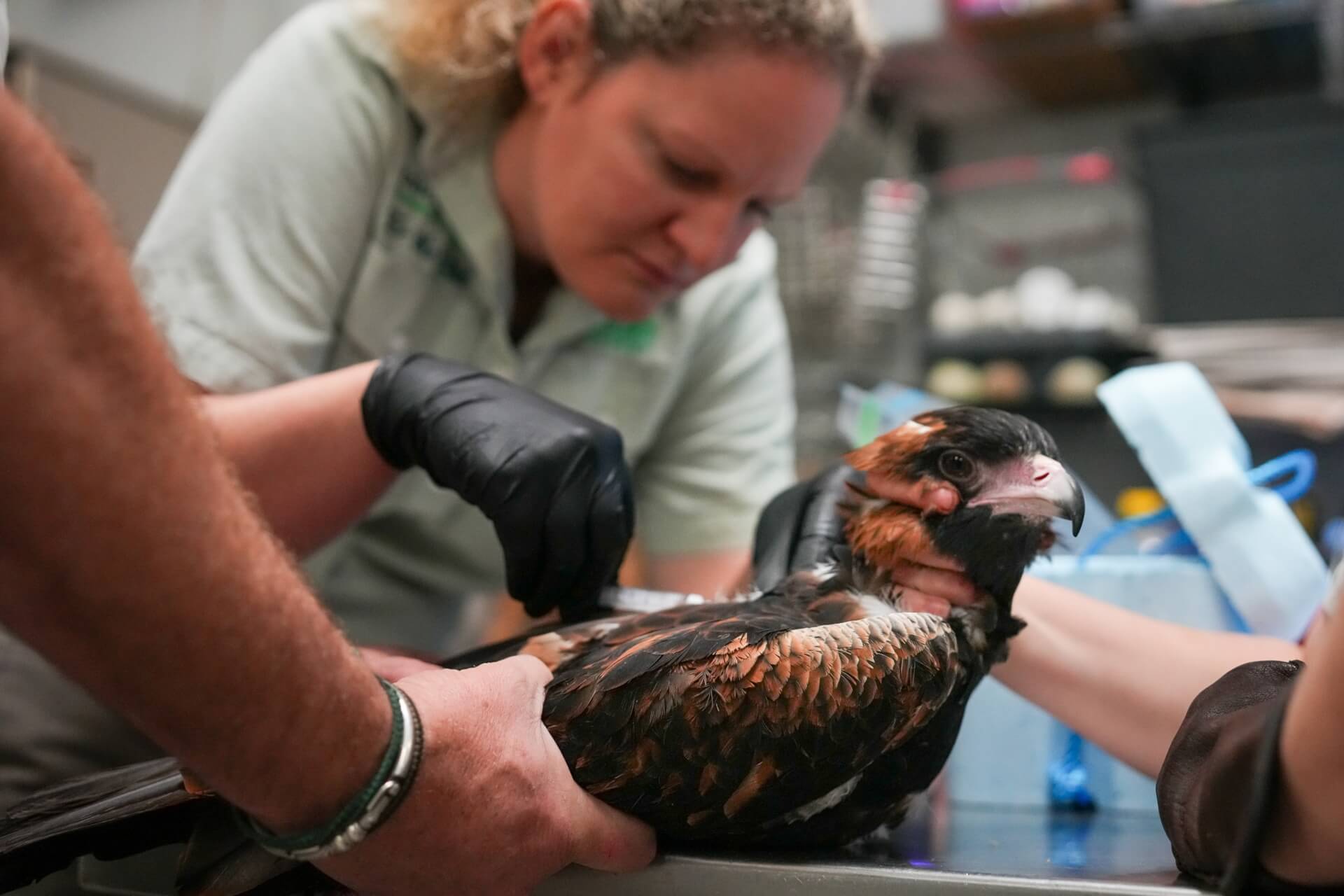
Photo: Black-breasted Buzzard bird-flu vaccination at Taronga Zoo, Sydney. Photo: Taronga Zoo/NSW Government
The Great Big Little Penguin Count 2024
Building on the success of the inaugural 2023 Great Big Little Penguin Count, the 2024 little penguin survey extends our reach along the New South Wales coast.
The 2024 survey sites include:
- Barunguba – Montague Island, Narooma
- Broughton Island, Port Stephens
- Big Island, Port Kembla
- Brush Island, Bawley Point
- Snapper Island, Batemans Bay
- Cabbage Tree Island, Port Stephens
- Lion Island, Broken Bay
- Manly.
Counting little penguins across a broader range of sites will give us a better understanding of the little penguin population and their breeding habitats. This will also enable our scientists to:
- monitor population changes more accurately over time
- improve on assessing the impact of environmental changes
- better inform conservation strategies to protect this species.
Thanks to our dedicated volunteers, local councils, and partner organisations who have contributed their time and expertise to make this year’s count a success.
To learn more about The Great Big Little Penguin Count and our ongoing conservation efforts, visit the Seabirds to Seascapes webpage.
2023 inaugural Great Big Little Penguin Count
Undertaken in 2023, the first ever Great Big Little Penguin Count provided scientists from the Department of Climate Change, Energy, the Environment and Water with a baseline from which to measure changes to the population, assess future trends and help protect this iconic seabird.
Understanding how the little penguin population is faring along our coasts also gives us a valuable tool to gauge the health of our marine environment.
In 2023, surveys were conducted on:
- Barunguba – Montague Island, Narooma
- Bowen Island, Jervis Bay.
- Broughton Island, Port Stephens
- Tollgate and Snapper islands, Batemans Bay
Bowen Island is part of Booderee National Park, a Commonwealth reserve which is owned by the Wreck Bay Aboriginal Community.
Future surveys will be expanded to include additional islands, enhancing our understanding of the species' status across various breeding sites in New South Wales.
Many thanks to the trained volunteers, Parks Australia and Eurobodalla Council staff who assisted with this year’s Great Big Little Penguin Count.
About Seabirds to Seascapes
Seabirds to Seascapes, funded by the NSW Environmental Trust, is supported by project partners the Department of Climate Change, Energy, the Environment and Water, the Sydney Institute of Marine Science, Taronga Conservation Society Australia and the NSW National Parks and Wildlife Service.
Seabirds to Seascapes aims to improve marine ecosystem health and support important marine species by learning how coastal restoration influences and benefits marine habitat, animals and biodiversity.
The project focuses on habitat restoration in Sydney Harbour and will undertake a penguin count and seal survey along the NSW coastline.
Seabirds to Seascapes draws in the community to be an active part of this world-leading project, and builds capacity of those looking after our coastal, estuary and marine environments.
It supports collective efforts to protect, rehabilitate and manage habitats and ecosystems so native species can thrive.
Seabirds to Seascapes focuses on good and practical conservation to support vulnerable marine habitats and native species that are critical for a healthy and functioning ecosystem.
In a nutshell, it aims to:
- learn how to best approach degraded marine habitat through restoring connected habitats
- improve parts of Sydney Harbour's habitat to improve animal and plant life and broader biodiversity and ecosystem health
- develop knowledge to be able to take these learnings and apply them to other marine environments
- gain a better understanding of little penguin and fur seal populations and movements along the NSW coastline
- engage with the local community and increase awareness of the importance of conserving biodiversity in our oceans and on our coasts.
We want people to learn what's happening underwater through citizen science opportunities and ignite their passion to care for our marine environment.
The project's 3 main initiatives:
- Project Restore – restoration of Sydney Harbour seascapes through installing Living Seawalls and replanting sea grasses and kelp.
- Penguin census – counting little penguins and monitoring breeding colonies and their foraging behaviours along the NSW coast.
- Seal survey – monitoring Australian and New Zealand fur seal populations in New South Wales.
Lion Island Little Penguin Colony: Monitoring-Restoration of Habitat Project
monitoring and habitat restoration project
BY: Foundation for National Parks and Wildlife
YEAR: 2021
STATE: New South Wales
FOCUS AREAS: Growing Parks/Saving Species/SDG 14 : Life below water/SDG 15: Life on Land/SDG 17: Partnerships for the goals
There is a lack of current data on the breeding success and health of the Little Penguin population at Lion Island more generally. This information is of importance as the population is a satellite population of the Manly Endangered Little Penguin Population, and health and breeding status can indicate wider population trends in Little Penguins in the Sydney area.
The project will conduct the following monitoring activities to address the above problems- microchipping and weighing adult birds, monitoring egg/chick success in natural and artificial burrows.
Project overview
The November 2018 wildfire on Lion Island and subsequent fire-fighting efforts resulted in the loss of natural burrows on Lion Island. This wildfire instigated the installation of 20 artificial burrows on the island to provide supplementary habitat.
The burrows are designed to be predator-proof and have not been tested in the field elsewhere. The take-up and success of the burrows on Lion Island is important to understand as it will inform the use of these burrows for other Little Penguin populations in Australia.
There is also a lack of current data on the breeding success and health of the Little Penguin population at Lion Island more generally. This information is of importance as the population is a satellite population of the Manly Endangered Little Penguin Population, and health and breeding status can indicate wider population trends in Little Penguins in the Sydney area.
The program will conduct the following monitoring activities to address the above problems- microchipping and weighing adult birds, monitoring egg/chick success in natural and artificial burrows.
The project will, also address the emerging and ongoing threat to penguin breeding habitat from weed incursions.
Ongoing bush regeneration work is essential in maintaining and improving the habitat and habitat suitability for little penguins on the island.
The specific aims of these activities include:
- Determine the abundance of the Lion Island Little Penguin population.
- Determine the breeding success and the number of breeding pairs of the population, so the population remains viable.
- To determine the level of interaction between the penguin populations at Manly and other nearby monitored colonies
- To determine the success of the new artificial burrows. The findings from ongoing monitoring will inform the use of the burrows on other penguin colony locations.
- Monitor the population in the post-?re environment and maintain community expectation that NPWS and the NSW State Government are committed to the continued monitoring of the population
- Reduce weed densities and improve the quality of penguin breeding habitat on the island.
Expected outcomes for the project:
- – Increased knowledge of Lion Island population health and abundance
- – Increased understanding of relationship with Manly population and indication of wider ecosystem trends
- – Inform use and success of artificial burrows
- – Decreased weed densities and improved habitat
PROGRESS OF THIS PROJECT
The project is ongoing and was funded by FNPW in 2021.
PROJECT PARTNERS
NSW National Parks & Wildlife Services is the lead organisation for this project.
Further information about our project partner can be found on their website: https://www.nationalparks.nsw.gov.au/
Previous reports:
- Little Penguin Killed on Warriewood Beach: Offleash Dog the likely murderer - March 2026
- Primary pupils’ projects to protect Manly's little penguins - August 2025; Project Penguin 2025 Updates + Surfing with a Penguin in South Africa + Pittwater's Penguins
- Fairy penguin found on Pacific Highway returned to Local Pacific ocean waters - August 2025
- Breeding time for Manly + Pittwater's Little Penguins: Boaters urged to stick to speed limit - First NSW Maritime Blitz for 2025 Now on - January 2025
- Sydney Coastal Councils Group selected as Finalist in LGNSW 'Excellence in the Environment Award' for Manly's Little Penguin Education Campaign - October 2024
- Dog Attacks On Wildlife On North Palm Beach - March 2024
- Investigation Into The NSW Shark Meshing Program Finds Fairy Penguin Killed Not Recorded - Pregnant Shark Killed Not Recorded - June 2023
- Manly's Little Penguins: Warden Program Update by Taylor Springett - October 2022
- ABHS AGM 2021 Featuring Geoff Mills - The Penguin Man of Lion Island, Held 14 December 2021
- Our Local Wildlife Feels Too + Ocean Photography Awards 2021 + Our Own Local Fairy Penguins: World Oceans Day 2021 - June 8th + Fairy Penguin Burrow Project Success at Snapper Island! by FixIt Sisters - June 2021
- Resident Shorebirds + Aquatic Birds Celebration: BirdLife Australia's Annual Photo Comp. Opens This Month - May 2021
- Lion Island's Little Penguins (Fairy Penguins) Get Fireproof Homes - June 2019
- REF for Station Beach Dog Trial Recommends over 30 Mitigation & monitoring measures in order to proceed: Omits mention of resident seal and little penguin colonies - June 2019
- Pittwater's Little Penguin Colony: The Saving Of The Fairies Of Lion Island Commenced 65 Years Ago This Year - April 2019
- Front Page Issue 411
- Marine Parks Phase 3 Consultation Commences: Local Changes Details - August 2018

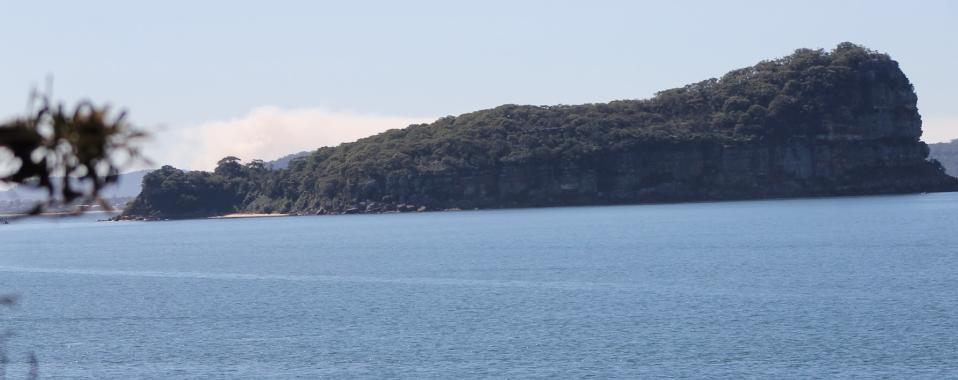
Lion Island seen from West Head showing beach - A J Guesdon photo