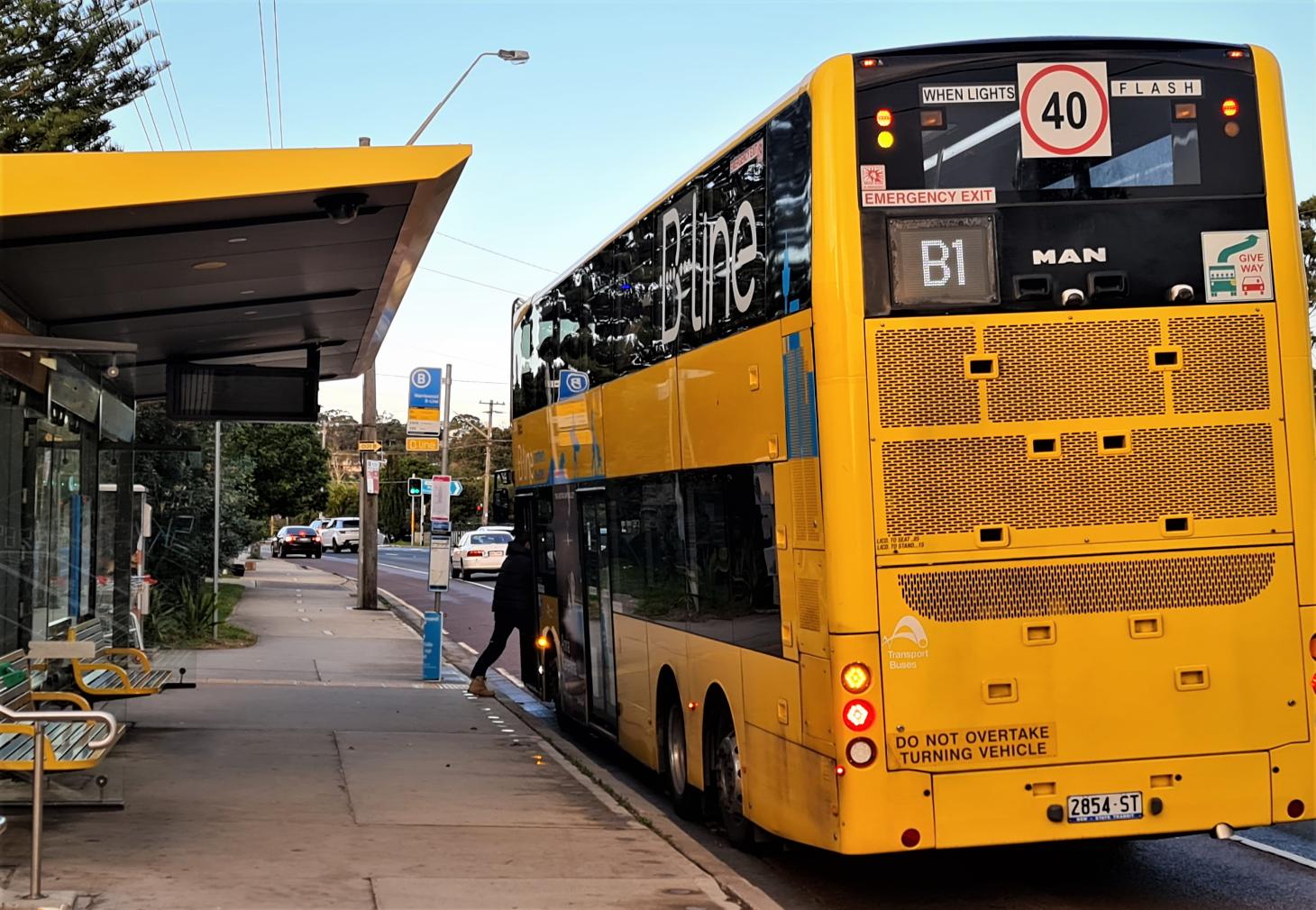
Wednesday 17 June 2026: Transport for NSW Notice
.jpg?timestamp=1781838303152)
A NSW Parliamentary Inquiry into the Privatisation of bus services in NSW has found this has resulted in more limited service delivery, higher costs for passengers and worse pay and conditions for bus drivers.
Further, the Report stated that recent changes to bus services in Sydney and Newcastle, including location of stops, frequency of services and changes to routes, have at times occurred without comprehensive community consultation.
One submission read; ''Conducting surveys during the height of the Covid-19 pandemic and using these figures to rationalise decisions is false.''
The Report, released September 20th, 2022, recommended the NSW Government give consideration to taking action to revert bus services to being publicly-owned-and-operated for bus services in the four recently privatised Contract Regions in metropolitan Sydney (Contract Regions 6, 7, 8 and 9) that were previously operated by the State Transit Authority.
In January 2023 President of the Tram and Bus Division of the Rail, Tram and Bus Union (RTBU) NSW, Peter Grech, said the cuts – which in many instances mean the time between services has been blown out – had been in the works for over five weeks, and this was the first time Transport for NSW had clearly admitted the cuts have been made.
“Since they (Transport for NSW) privatised the buses they’re struggling to attract and retain enough drivers to do the job. As a result hundreds of trips are being cancelled on an ad hoc basis every day. The decision they’ve made is to just cut thousands of trips permanently reflects the fact they simply can’t keep up with the quality service commuters deserve.
Sources stated the privatised services struggle to attract drivers as they are expected to work for reduced wages and benefits, wages that make it financially unfeasible to do such a job.
However, an investigation into the contracts signed by the previous government by the incoming Minns Government found when the previous government sold public bus services off to private operators they created contracts that gave these companies financial incentives to cancel services.
The contracts imposed financial penalties on the companies for failing to meet ‘on time running’ targets.
There are penalties for cancellations also, but only up to a certain number.
Once that threshold is reached the companies make more money if they cancel a bus that might run late.
Since privatisation, these provisions left millions of passengers stranded at bus stops waiting for buses that will never come.
The Minns Government formalised a Bus Industry Taskforce with its First Report into the industry released on Monday August 14, 2023.
The taskforce, chaired by John Lee, was established on 1 May 2023 to make recommendations to improve the quality and reliability of services, and to ensure that bus networks across NSW meet community expectations. These included hosting community forums to hear about the issues, the first of which was held in our area on June 24.
The first report revealed service quality in relation to on-time running and reliability has deteriorated, most notably in recently privatised regions where driver shortages and widespread cancellations are being acutely felt.
''Unfortunately, service quality, particularly in relation to on time running and service reliability, has deteriorated in recent times. In Greater Sydney operators in the regions privatised by the former Government have presided over the worst driver shortages and are failing to meet contract KPIs for service cancellations and on time running.'' the report states
Passengers have told the Taskforce of their frustrations with buses being cancelled, others just not showing up, and many running late and missing connections. Driver shortages are a key factor –if drivers are not available, vehicles cannot be put on the road. Unions and drivers have told the Taskforce the variability of conditions across the workforce, as well as the impact of privatising the last of the STA regions, has undermined the reputation and attractiveness of bus driving as an occupation.
The first report notes driver shortages should have been predicted and better managed and that the lack of basic driver facilities at layover areas is unacceptable.
It also highlights a focus on other transport infrastructure and capital investment has come at the expense of basic bus service requirements, such as digital infrastructure including real-time bus tracking, leading to over 10% of buses not being visible to passengers – widely known as ‘ghost buses’.
The 76-page reports also notes a focus on savings during the latest re-tendering has led to a loss of operators with local knowledge.
On April 20 2026 the NSW State Government announced New Zealand bus drivers are assisting one of the biggest headaches for Sydney commuters: the prolonged driver shortage on the Manly to Barrenjoey peninsula.
Three in ten bus service cancellations in Sydney occur on local routes because the area struggles to attract and retain enough drivers. Union members and former bus drivers stated in the past this is due to the wage rates offered since the route was privatised.
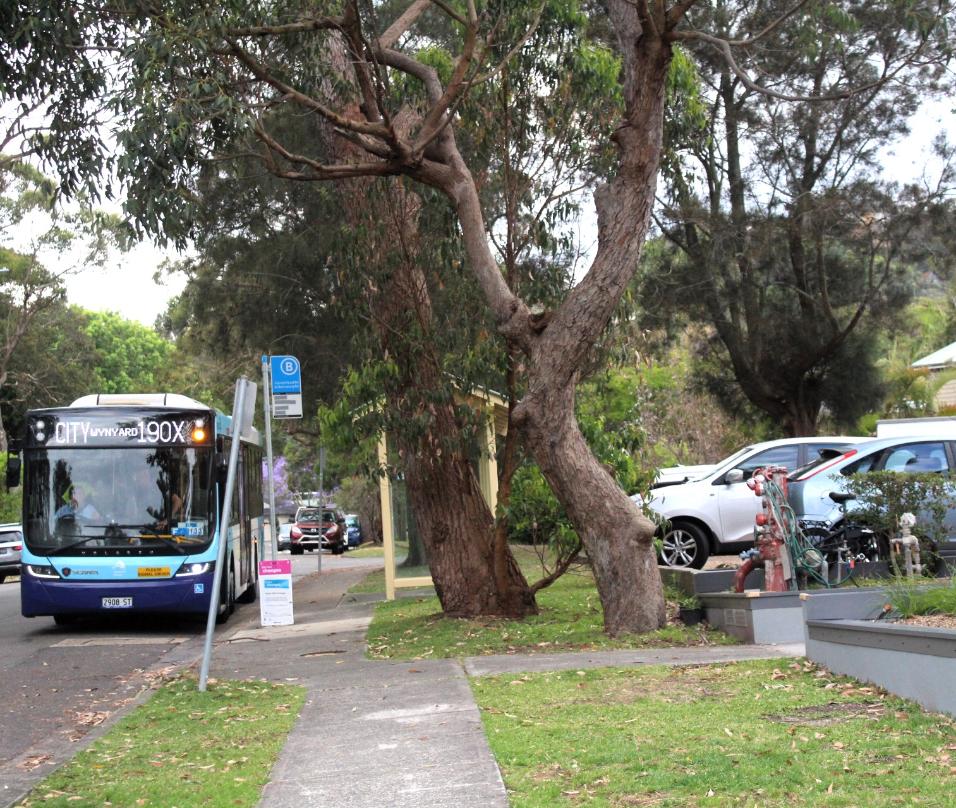
190x start point. Photo: A J Guesdon/PON