Inbox News: March 2026 - Issue 652

Week One March 2026: Issue 652 (published Sunday March 1)


When Sulphur-Crested Cockatoos are Yelling to each other, They're Sounding A Warning or claiming 'my branch'

The sulphur-crested cockatoo can communicate with extremely loud screeching calls on occasion. This cacophonous noise from a large rowdy flock can be near-deafening. 


Why are they doing this?: according to research being complied by Big City Birds, a citizen-science project launched by the University of New South Wales, they're sounding a warning! We've noticed they will do this when a Sea Eagle flies over from Pittwater towards Bangalley Headland and the ocean beyond - probably to go fishing or look for prey in the bush that covers that headland. 

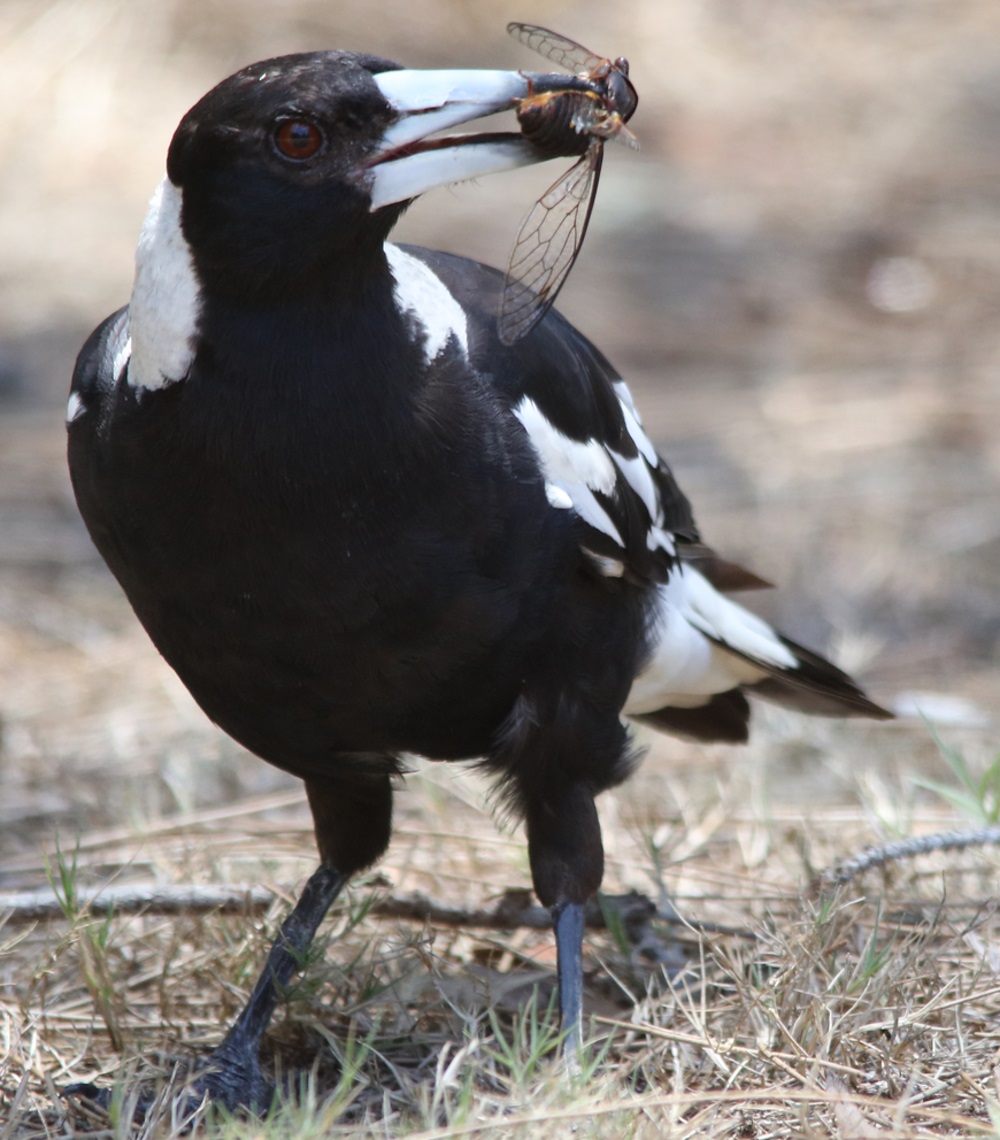
The flock of cockatoos will fly in a wide arc in the opposite direction, away from the Sea Eagle, while parent Magpie birds will actually chase after the Sea Eagles, nipping at their tail or diving at them until they are far from their nests.


Sulphur-crested cockatoos are known for this 'yelling'. It's a loud, raucous screeching as they zoom overhead, and can be deafening when they're in big numbers and land in local trees to continue calling.

"The worst I ever heard was a flock of 150 that sounded like a freight train. It was frightening," bird expert Professor Gisela Kaplan of the University of New England said in an interview with the ABC on the Big City Birds citizen science project.

Professor Kaplan says this behaviour evolved as a way of terrifying away would-be predators.

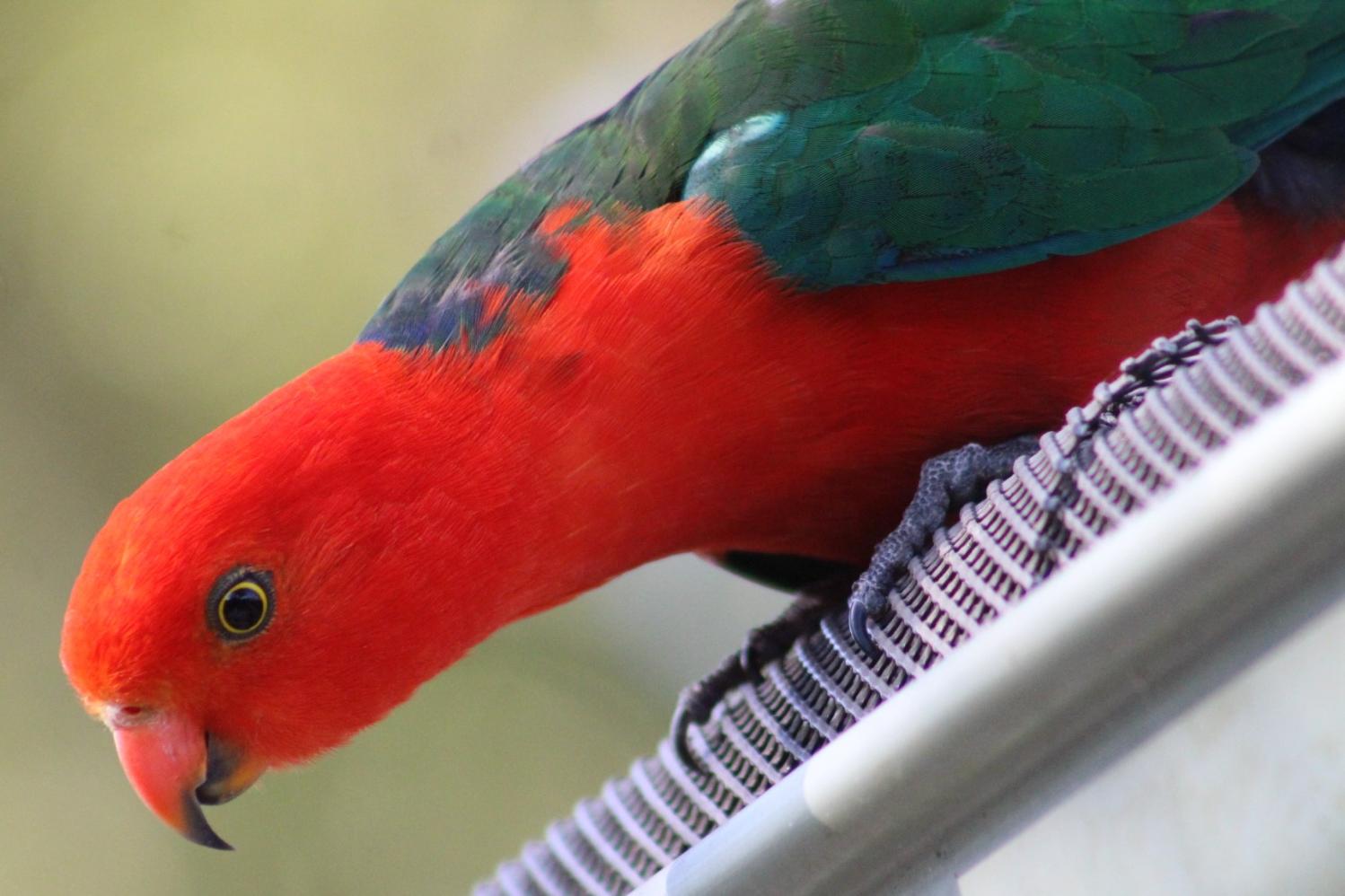
When they flip upside down and stretch out their wings they are claiming their territory. It can be a way for a cockatoo to claim a specific branch or spot as their own, showing off how big and strong they are.

Others state Cockatoos hanging upside down while screeching and flapping their wings is a common, normal, display of high energy, excitement, or playfulness. This behaviour is frequently seen in both wild and captive birds, often accompanied by a raised crest (excitement) or "heart-shaped" wings (joy).


Professor Kaplan explains they have other shorter calls for communication too. 

Cockatoos also communicate by changing the shape of their yellow crest and combining this with different body postures to indicate alarm, availability or something lighter.

For 15 years she's taken care of a cockatoo called 'Pumpkin' who can no longer fly due to injury, and knows when Pumpkin is feeling playful: "His crest goes up completely and his head starts bobbing up and down and sideways."


Did you know sulphur-crested cockatoos are "left-handed", can live for 100 years, or that they pick bindi-eyes out of your lawn before the weeds turn prickly? Cockatoos as a group evolved 95 million years ago on the ancient continent of Gondwana and are some of the smartest birds around.

The term "clever cockie" doesn't come out of nowhere.

"They're comparable to a chimpanzee in intelligence," Professor Kaplan said

This is because they pack a lot of neurons into their bird brains, which are organised in a way that enables complex processing.
This "lateralisation" results in a preference for using one foot over another — and sulphur-crested cockatoos being "left-handed".

"They can balance on one foot while they eat with the other foot," Professor Kaplan says.

Sometimes you'll see a bunch of birds busily biting off branches and leaves from a tree but dropping them on the ground. This isn't about getting food but more likely helping them to keep their beak trimmed and sharp, especially after eating - so, like a toothbrush, but for cockies.

Research shows flocks of about 50 to 100 tend to spend all their time — whether sleeping or feeding — in the same small 5-square-kilometre area. The birds hang out in various combinations, including gangs of 5 to 20 birds who are best mates.

Sometimes multiple flocks will converge on a particular area for a festival of feeding.


Tracking has also found cockies are very egalitarian when it comes to parenting, with each long-term partner taking turns to stay with the eggs and the chicks, while the other goes out foraging.

You can only tell the gender of these birds by the colour of the eyes: males have a solid black iris, females have a red iris.

You're not like to see baby cockatoos because they don't emerge from the nest until they're bigger. But if you listen carefully you might hear them — they make a droning 'arrrrrrrr' call when they're begging for food and a quick staccato squeak when they're fed.

Cockatoo being fed - April 2024

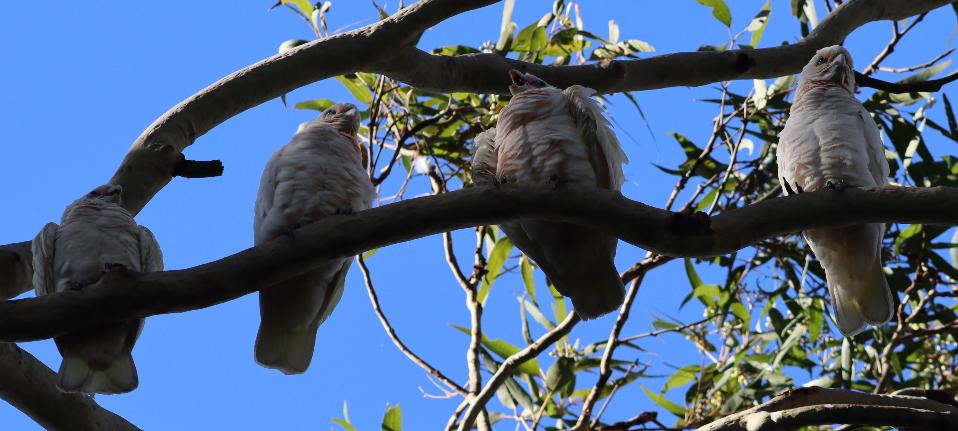
Doing the 'this branch is mine' dance, February 24, 2026

See you later!
_____________________________________________________

Information sourced from: Big City Birds citizen science project and ABC report by Anna Salleh, 'Sulphur-crested cockatoos can be noisy and destructive, but they're also very clever. Here are some facts you may not know' published October 18, 2020

The Big City Birds citizen science project tracks how five Australian bird species—Sulphur-crested Cockatoo, Australian Brush-turkey, Australian White Ibis, Little Corella, and Long-billed Corella—adapt to urban environments. Launched by the University of Sydney in 2020, it encourages the public to report sightings, behaviours, and nest locations via an app or website to study animal intelligence and urban adaptability. More at: www.spotteron.com/bigcitybirds/info

Professor Gisela Kaplan is an Emeritus Professor in Animal Behaviour in the University of New England's School of Science and Technology. She is the author of over 250 research articles and 23 books, and has conducted ground-breaking research into vocal learning, communication and cognition of birds and other vertebrates. She has become a public voice for science on wildlife, especially native birds.

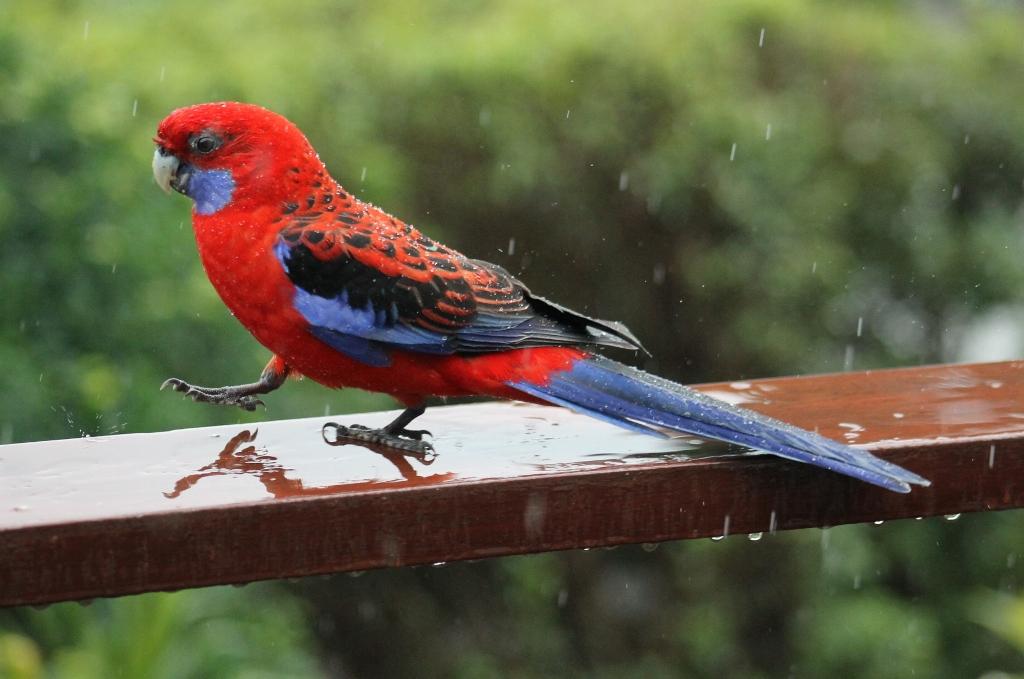
Photos: local Avalon Beach-Clareville-Careel Bay Magpie (2022 photo) and Sulphur Crested Cockatoos, April 2024 feeding - rest were taken February 24 2026 - by A J Guesdon

Rare Sighting - Australian Shelducks Visit Macquarie University 

Published February 24 2026 by BIBY TV
Nature had a surprise in store for us in February 2026!
The lovely lake within the campus of Macquarie University was enhanced by the arrival of an Australian Shelduck pair. These large, handsome ducks are usually found further south, in the SE and SW corners of Australia, although their possible range extends northwards on both sides of the continent. While they are widespread in the main parts of their range - and sometimes seen in large numbers - they are infrequently noted in the Sydney area and mostly as singles or pairs. For the Macquarie University campus, it was an exciting new addition to their ebird records. A rare sighting indeed! 

Australian Shelduck
Scientific name: Tadorna tadornoides
Alternative name/s: Chestnut-breasted Shelduck, Mountain Duck and Sheldrake

The Australian Shelduck is a large, brightly coloured duck with a small head and bill. The male head and neck are black, tinged green, with a white neck ring and occasionally a white ring around the base of the bill. The upper parts are mainly black, while the underparts are dark brown with a cinnamon breast. White upperwing coverts form a white shoulder patch. The wings are black and deep chestnut with a large green speculum (window in wing). The female has a white eye-ring and a chestnut breast.

Australian Shelducks are usually unmistakable, with the upright stance and dark head contrasting with the white neck ring.

Habitat
The Australian Shelduck prefers fresh waters and if in saltwater habitat, needs to be within easy reach of fresh water.

Distribution
The Australian Shelduck can be found in south western and south eastern parts of Australia. It is a vagrant (only occasionally seen) north to the Kimberley region of Western Australia and in Central Australia.

Seasonality
After breeding some migrate long distances to particular large wetlands such as Lake George, Australian Captial Territory, and the Coorong, South Australia, to moult flight and tail feathers.

Feeding and diet
The Australian Shelduck grazes on green grass on land or in shallow water. It also eats algae, insects and molluscs.

Communication
A loud honking, deeper and more grunted from the male, higher and more resonant from the female, 'ong ank, ong ank'.

Breeding behaviours
The nest of the Australian Shelduck is usually in a large tree hollow, well lined with down. They have also been known to breed in rabbit burrows and in large hollows on cliff faces . Flightless downy young may gather in creches. Only the female Australian Shelduck incubates the eggs, while the male defends the brood territory. This species is monogamous and some birds are known to create permanent pair-bonds.

Breeding season July to December
Clutch size: Ten to fourteen.
Incubation: 33 days
Conservation status
The clearing and conversion of some areas to cropland and pasture has led to an increase in some local populations of the Australian Shelduck. Breeding territories are often established around farm dams.

References
  • Marchant, S. and Higgins, P.J. (eds.), 1990. Handbook of Australian, New Zealand and Antarctic Birds. Vol. 1. Part B. Oxford University Press: Melbourne.
  • Simpson, K and Day, N. 1999. Field guide to the birds of Australia, 6th Edition. Penguin Books, Australia.
  • Morecombe M. 1986 The Great Australian Birdfinder. Lansdowne, Australia.
  • Australian Museum: https://australian.museum/learn/animals/birds/australian-shelduck/

Palm Beach XI Takes Flight

Palm Beach XI has successfully validated her radical new C-foil configuration, reaching 29 knots of boat speed in a beautiful 22-knot nor’easter on the iconic Sydney Harbour. The 100-foot Supermaxi lifted cleanly off the water with two metres of bow rise while dramatically reducing her wetted surface area — a defining moment in the realization of the team’s bold and exciting vision becoming a reality.


Study hard: students urged to know their rental rights before signing a lease

As thousands of students across NSW have commenced the academic year this past week at university, TAFE and other vocational education, NSW Fair Trading is reminding renters to keep their rental rights in mind before they sign on the dotted line.

With more than 431,000 students enrolled across NSW universities, and a further 218,465 enrolled in TAFE, many young people will be moving out of home for the first time. This monumental life change makes it crucial for students and other first-time renters to understand their protections and obligations before signing a lease. 

Students entering into leases should understand their rights and responsibilities in NSW, including:

  • Always have a written lease agreement: A written agreement outlines key terms, such as rent amounts, how often you pay rent, bond requirements, and other responsibilities. The landlord must give you a copy of the signed lease agreement – that includes their full contact details and, if there is agent, the contact details of the agent.
  • Know how a rental bond works: A bond cannot be more than four weeks’ rent and is fully refundable at the end of the tenancy, provided there is no unpaid rent or damage. Landlords and agents must lodge all bonds with NSW Fair Trading.
  • Understand landlord responsibilities: Landlords have several legal responsibilities they must meet under a tenancy agreement, including providing and maintaining the property in a safe, liveable condition and completing necessary repairs.
  • Know your rights when it comes to evictions: Landlords and agents must have valid grounds to evict a renter and must follow the correct legal process. No-grounds evictions are now banned in NSW.
  • Where to seek support: If students are unsure about their rights or responsibilities, they can contact NSW Fair Trading for information and guidance on rental matters, including bonds, rent, and repairs. NSW Fair Trading can also assist renters and their landlord or agent in resolving disputes about their tenancy agreement.
  • Where to seek legal assistance: To find your nearest Tenants Advice and Advocacy Service, visit www.tenants.org.au or call 1800 251 101.

Students should also be aware of the landmark rental reforms introduced by the Minns Government, which have created new protections for renters.

These changes include:

  • Limiting rental increases to once a year.
  • Giving renters security by banning no-grounds evictions.
  • Saving renters money by mandating fee-free ways to pay their rent.
  • Banning solicited rent bidding so renters can’t be coerced into offering higher rent to secure a place to live.
  • Funding the NSW Rental Taskforce to protect renters by enforcing the new laws.
  • Delivering the free Rent Check website so people can be sure what they’re asking to pay in rent is fair.

For more information on your rights as a renterplease visit the NSW Fair Trading website.

For more information on sharing a rental property, please visit the NSW Fair Trading website.

Minister for Better Regulation and Fair Trading Anoulack Chanthivong said:

“Students deserve stability and certainty when securing a home, and the Minns Labor Government’s landmark rental reforms help ensure they get exactly that.

“This Government has banned no-grounds evictions, funded crucial tools and delivered tangible policies to help renters save money – and we want everyone to know about it.

“Renters deserve to enjoy the full extent of these changes, especially if they’re entering into their first lease.   

“That’s why we’re making it easier to understand your rights, manage costs, and feel secure in your living arrangements.”

NSW Rental Commissioner Trina Jones said:

“Renting as a student has long been a rite of passage for young people, but understanding rental rights and obligations early helps prevent disputes and ensures a safe, fair living arrangement.

“Starting tertiary study is an exciting milestone, and for many students it’s the first time living out of home. We want young renters to feel confident, informed, and protected when securing accommodation.

“We encourage all students to take the time to read their rental agreements, ask questions, and never sign anything they don’t fully understand. Students are encouraged to contact NSW Fair Trading to report breaches of rental laws.”


Australian Boardriders Battle Grand Final Set to Run Next Weekend: March 7-8 2026

George Pittar surfed for North Steyne Boardriders Club at the North Narrabeen qualifier. Sequence: Andrew Christie / Surfing Australia

Local surfers and boardrider clubs will head north next this week as the Australian Boardriders Battle Grand Final takes place Burleigh Heads, Gold Coast on March 7-8 2026, following two incredible editions in 2024 and 2025 that captivated audiences and competitors across the nation.


From September to November 2025, more than 80 of the nation’s top boardrider clubs went head-to-head through eight state qualifying rounds at some of Australia’s most iconic beaches, all chasing a spot in the prestigious 2026 NRMA Insurance Australian Boardriders Battle Grand Final.

The North Narrabeen event in November 2025 saw a number of local clubs qualify for the Grand Final.

Central NSW Qualifying Boardrider Clubs:

  • Avoca Boardriders Club
  • Freshwater Boardriders Club
  • North Avalon Surfriders Association
  • Newport Plus
  • Queenscliff Boardriders Club
  • North Narrabeen Boardriders Club
  • Bungan Boardriders Club
  • North Steyne Boardriders Club

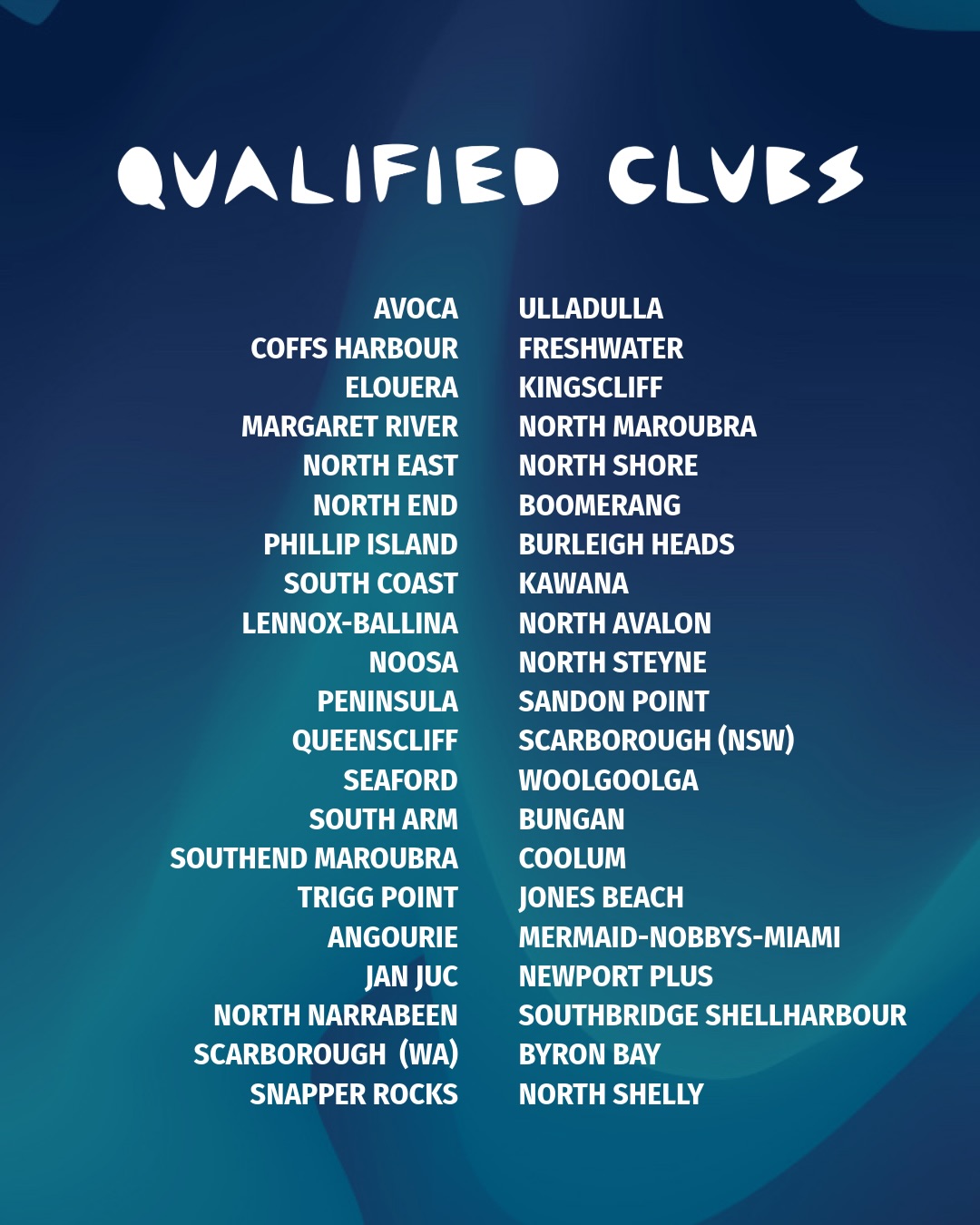
Now, on 7–8 March 2026, 42 qualified clubs will converge on Burleigh Heads to battle for national glory, substantial prize money, and the ultimate bragging rights. Only one will be crowned the Series 13 Champion and earn the title of Australia’s best boardrider club.

The NRMA Insurance Australian Boardriders Battle (ABB) Grand Final is renowned for its exciting and unique format, where club teams of five—comprising Open Men, Open Women, Junior, Masters, and a Power Surfer—compete in a tag-team relay style event. Strategy, endurance, and surf prowess combine to create some of the most intense and dramatic heats seen in competitive surfing.

With extended heat times to accommodate the challenging Burleigh rock jump into the ocean, the 500m sprint up Burleigh Hill, and a field stacked with past, present, and future World Surf League (WSL) stars, the stage is set for an electrifying showdown at one of Australia’s most iconic right-hand point breaks.

Surfing legend, Wayne “Rabbit” Bartholomew, who has lived on the Gold Coast all his life, reflected after the first Grand Final was held in Burleigh in 2024:

“All our point breaks are world famous and we’re blessed to live here really.

“Burleigh is the king today and I tell you what it’s merciless. There’s always been a run element in the ABB but this year is just next level. You have to have some ironman qualities about you and it’s a big test for everyone.

“Club surfing is really an institution in Australia. A lot of clubs here are 60 years old plus. Surfers representing their club is a big deal. Some surfers seriously grow a foot taller when they put their club colours on.”

Last year’s ABB Grand Final made history at Burleigh Heads. It delivered thrilling upsets, world-class performances, and unforgettable moments, cementing its reputation as one of the most exciting events on the surfing calendar. The event attracted surfing icons such as Owen and Mikey Wright, Layne Beachley, Josh Kerr, Macy Callaghan, Morgan Cibilic, Hughie Vaughan and many more alongside Australia’s rising stars in a true display of club spirit and camaraderie.

Olympic bronze medallist surfer, Owen Wright, said:

“The Olympic medal pressure was pretty big, but the boardrider club pressure is right up there! When it’s your hometown and all your mates are out in the water, you really feel it. There’s something about it that fires me up. I started surfing in my boardrider club when I was about eight, and with this format—the ABB—the club spirit really comes alive. For Culburra to win this event in 2018 was incredible; the club went absolutely mad. It means so much to the town and the community.”

Contest Director, Glen Elliott, said:

“We’ll see some of the world’s best surfing talent with juniors coming up against ex-pros and legends of our sport. This is the unique aspect of this event. Imagine surfing a heat with former world champions and your surfing heroes.”

The final was a nail-biting battle between North Shore, Torquay, and Merewether, keeping the crowd on edge as the heat came down to the last exchange of NRMA Insurance Power Surfers.

North Shore Boardriders Club held their nerve and delivered consistent, high-scoring performances from all five surfers to claim victory for the second time, cementing North Shore’s legacy in Australian surfing history and showcasing the club’s exceptional depth of talent, team strategy, and community pride.

North Shore Boardriders Club Power Surfer, Alister Reginato, spoke on what it felt like to win the event two times:

“It’s wild, the first time was unbelievable but it’s a little more special doing it here at Burleigh. This afternoon has been unbelievable, the team finally put a great heat together and everyone did amazing. The second time is pretty surreal!”

With an ever-refined and expanded event site, and several new clubs set to compete at Burleigh for the first time, the 2026 Grand Final is shaping up to be the biggest one yet!

Once again, local clubs will be strong contenders, but they’ll face fierce competition from powerhouse teams such as Avoca, Coffs Harbour, Margaret River, Queenscliff, Phillip Island, and many more — all with their sights firmly set on claiming the national title. 

All 42 qualified clubs are:

Spectators can expect:

  • Live action from Australia’s best surfers competing in the country’s most prestigious club competition.
  • On-site activations, live DJ sets, food trucks, and the Jim Beam public bar creating a festival-like atmosphere.
  • Meet and greet with Olympians, Surfing Legends and World Champions
  • A record number of activations and give away prizes for attendees to win at the event.

For those who cannot get to Burleigh Surfing Australia also livestreams the event on their YouTube Channel. 

For more information, please head to: australianboardridersbattle.com

The 2026 NRMA Insurance Australian Boardriders Battle Grand Final is proudly supported by Experience Gold Coast and the Queensland Government through Tourism and Events Queensland and ACCIONA, Babybel, CELSIUS, Kennards Hire, Jim Beam, Boost Mobile, Fujifilm Photos, Better Beer, Daiwa Australia, BC™ Protein Snacks, We Are Feel Good Inc, Sodii Hydration, the Burleigh Pavilion, Murf Electric Bikes, AG1, Zuum Energy Gum, BLACKROLL, and Surfers for Climate. 


Freshwater students embrace Writers Festival

Freshwater Campus students are being encouraged to explore the written word.

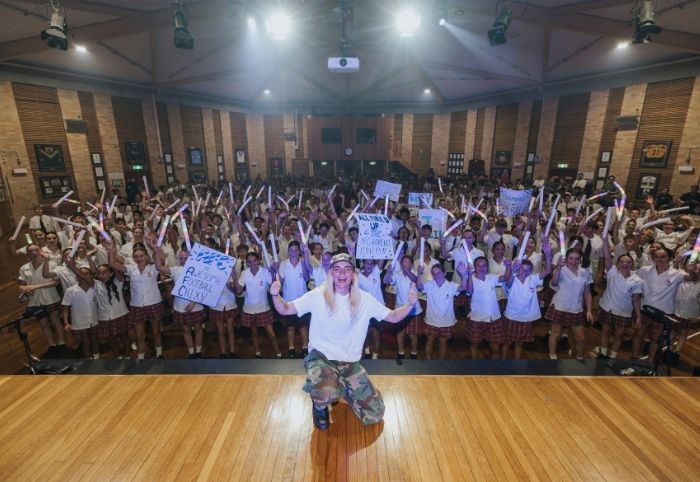
Northern Beaches Secondary College Freshwater Campus hosted its first Writers Festival on Friday 13 February, bringing students together for a full day of workshops, conversations and creative exploration designed to strengthen their confidence as writers and storytellers.

Head teacher of English Sarah Peachman, who led the development of the event, said the festival aimed to show students storytelling was more than an assessment task.

“We want students to understand that reading and writing are important for life, not just for school,” she said.

“Storytelling shapes our identity, connects us to our community and has the power to change the world.”

Ms Peachman said the festival was created in response to the rapidly changing world students are entering.

“Our students are stepping into a brave new world that can feel complicated and, at times, overwhelming. Storytelling is more important now than it has ever been,” she said.

The festival program featured workshops designed to give every student an entry point into writing, highlighting the role it plays across subjects and future careers.

“Writing is a skill that supports every subject and every pathway,” Ms Peachman said.

Guests included authors Maxine Fawcett, Kristen Darell and Zena Shapter, as well as Morag Ramsay, executive producer of Foreign Correspondent, and former journalist Mike Carlton.

Ms Shapter said storytelling was among the leading human traits and “makes us thrive as a species”.

For author Kristen Darell, writing is an opportunity to share different perspectives.

“Everyone’s story is unique and writing is a precious gift,” she said.

Alongside creative writing, the workshops explored writing for media, business, advocacy and finding inspiration.

Ms Peachman said she hoped the festival would become an annual event, strengthening students’ confidence, creativity and connection to community.

Stamped in time: University of New England research features in new Australia Post stamp collection

February 2026

Image: Creatures of the Palaeozoic First Day Cover (Gummed) © Australia Post 2026, Illustration Peter Trusler

Almost two decades of UNE research into a deposit of ancient fossils found at Emu Bay on South Australia’s Kangaroo Island has become the subject of a new limited edition stamp collection released today by Australia Post.

Featuring full colour artistic reconstructions of the fossils, the stamps paint a clear picture of the spectacular diversity of marine animals found at the site.

“These amazing artworks are the culmination of nearly 20 years of intensive scientific research on one of Australia’s most important fossil sites,” says UNE palaeontologist Professor John Paterson, who has co-led the research alongside colleagues from the South Australian Museum and Adelaide University.

“The artist, Peter Trusler, has done a superb job of bringing these amazing extinct sea creatures back to life.

“He was very interested to learn every aspect of the anatomy and possible lifestyles of these unusual beasts.”

The 512-million-year-old fossils found at the Emu Bay Shale site provide a unique window into Australia’s ancient past.

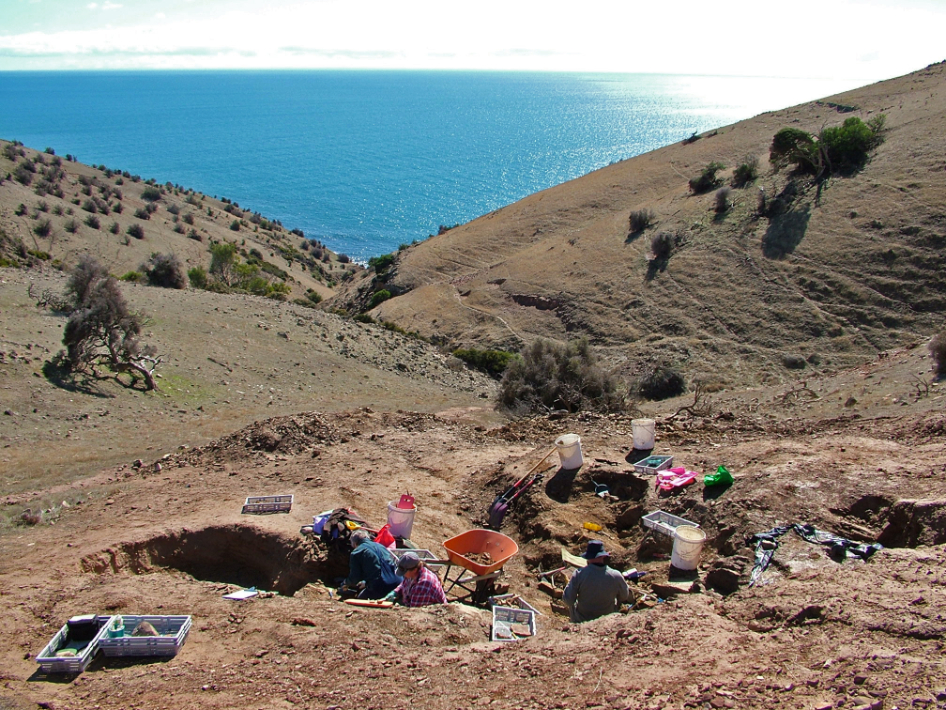
Image: The fossil site at Emu Bay. This picture shows Big Gully with Buck Quarry in the foreground. Photo: University of New England

“These fossils are from a time called the Cambrian Period, which was a phase in Earth’s history when complex life first evolved in the oceans,” says Prof Paterson.

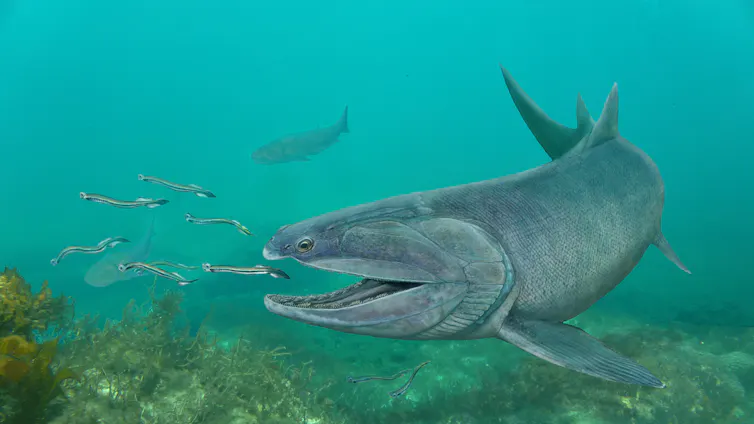
A highlight of the stamp series is the depiction of a giant arthropod called Anomalocaris daleyae.

This bizarre animal was the apex predator of the time, reaching lengths of up to 60 cm and armed with large spiny head appendages used for grabbing its prey.

Perhaps the most impressive feature of Anomalocaris daleyae is its pair of stalked eyes that possess over 24,000 lenses in each eye, rivalling that of modern dragonflies.

“These sophisticated eyes gave Anomalocaris extremely powerful vision for seeking out its prey,” said Prof Paterson.

“The discovery of exquisitely preserved specimens from the Emu Bay Shale shows that some of the first marine animals were already well-equipped killers."

Image: The Anomalocaris daleyae stamp. © Australia Post 2026, Illustration Peter Trusler

Professor Paterson says the new stamps are a great way to emphasise the critical role that these remarkable discoveries have made in telling us about our distant past.

“I hope these stamps will highlight the importance of these ancient animals and inform the general public on the global significance of Australia’s spectacular palaeontological heritage,” he says.

"This milestone reflects UNE's commitment to advancing palaeontological research and sharing Australia's natural heritage with the world."

Find out more about the stamps and their significance via the Australia Post website.

Creatures of the Palaeozoic
Issue date: 10 February 2026
Issue withdrawal date: 1 September 2026 

Overview
This issue features prehistoric creatures that lived on our continent around 500 million years ago, in the early Cambrian Period of the Palaeozoic Era. At this time, organisms had not yet emerged from the water to live on land. They had, however, developed skeletons, shells and other external and internal hard structures through the process of biomineralization. This evolution started an “arms race”, where some animals developed hard body parts to prey on other organisms. These prey animals in turn evolved features such as spines, hard coverings, digging and fast-swimming mechanisms to avoid being eaten.

The fossils of the extraordinary early Cambrian creatures on the stamps were found in Emu Bay Shale deposits on Kangaroo Island, South Australia. This stamp issue represents the latest in palaeontological research. The artist, Peter Trusler, has collaborated with palaeontologist Associate Professor Diego Garcia-Bellido of the University of Adelaide in the illustration of this issue.

Illustrator 
Illustrations are by award-winning artist and scientist Peter Trusler. Mr. Trusler has contributed to much original research within the field of palaeontology through his work in illustrating fossil specimens and reconstructions of extinct organisms. He is the namesake for the extinct monotreme Teinolophos trusleri, discovered on the Victorian coast in December 2000, a significant find for which he illustrated the holotype specimen. 

Peter Trusler has previously illustrated several other stamp issues for Australia Post featuring prehistoric animals: Australia’s Dinosaur Era (1993), Creatures of the Slime (2005), Megafauna (2008) and Australian Dinosaurs (2022). All represented cutting-edge research in consultation with palaeontologists.

Stamps in this issue

Nesonektris aldridgei
Nesonektris aldridgei was a large vetulicolian (swimming chordate) that grew to around 18 centimetres in length. It had a streamlined body, a mouth opening at the front and a flexible tail probably used to propel it away from predators. 


“Emu Bay Shale Monster”
The four-centimetre-long lobopodian, informally known as the Emu Bay Shale Monster was a soft-bodied, velvet worm-like creature with protective spines on its back and body segments bearing pairs of spiny filter-feeding legs in the anterior body and short anchoring lobopods (stubby legs) in the posterior part. 


Anomalocaris daleyae
The fierce-looking Anomalocaris daleyae was, at around 50 centimetres long, one of the largest animals in the oceans at that time, and had swimming flaps running along its body, large compound eyes, and a single pair of segmented frontal appendages used to grasp prey. 

Redlichia rex
The predatory Redlichia rex reached around 25 centimetres in length. Bigger than a dinner plate, this species is the largest trilobite from the Cambrian Period yet found in Australia. A predator, it had formidable legs with spines used for crushing and shredding food. As shown on the stamp, it may have hunted other trilobites.

Premier’s Anzac Memorial Scholarship tour applications open

Announced: Monday February 9, 2026

The NSW Government has today announced that up to 18 students from across NSW have the opportunity to be selected to participate in a study tour visiting historic sites in Greece and Crete relating to Australia’s military service during the Second World War.

The Premier’s Anzac Memorial Scholarship (PAMS) is a wonderful opportunity for high school history students to deepen their understanding of Australians at war and gain a richer appreciation of the courage and sacrifice of the nation’s servicemen and servicewomen over the generations.

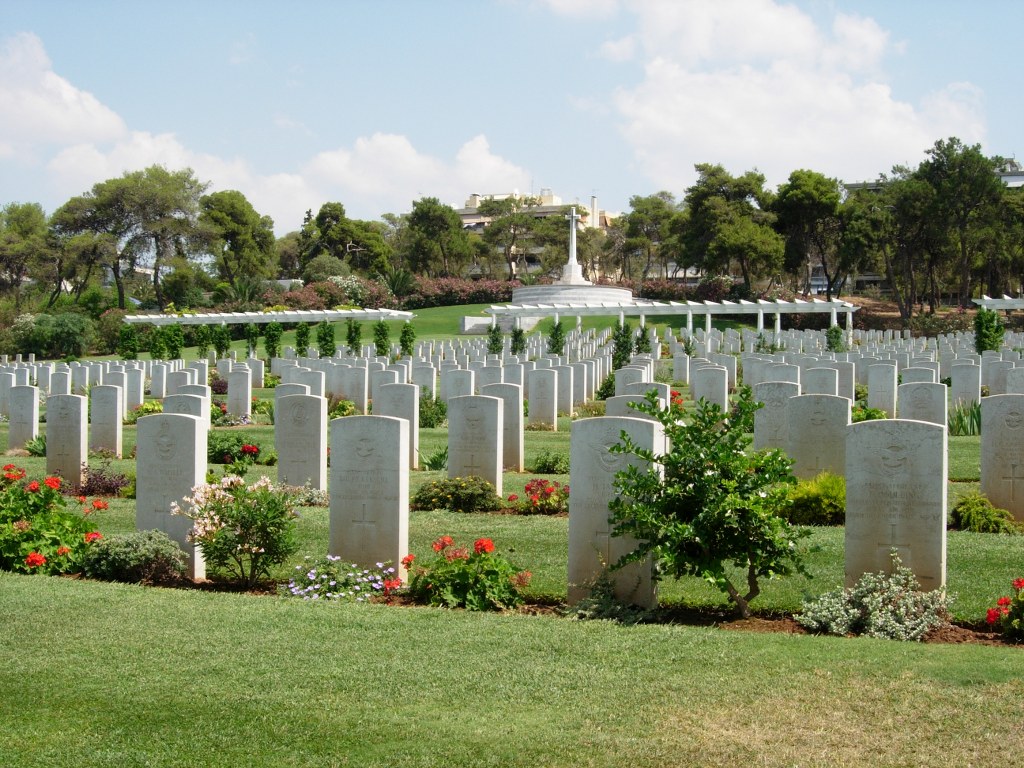
Locations in Greece include the Commonwealth War Graves Cemetery at Phaleron, the Hellenic War Museum, and the battlefields of Thermopylae and Thebes.

In Crete, the tour will visit sites such as the 6th Australian Division Memorial at Stavromenos, the battlefields of Rethymno, the Melame Memorial and the Souda Bay War Cemetery.

Two PAMS 2025 recipients reflected on their tour to the Republic of Korea and Singapore last year which they said was life changing.

Scarlett Sheridan from Green Point Christian College reflected that the tour was one of the greatest honours of her life, opening her eyes to the sacrifices made by veterans around the world.

Flynn Greenow from Narrabeen Sports High School said he felt a profound sense of connection while standing on the historic battlefields visited during the tour.

The 2026 tour will take place in the Term 3 school holidays departing on Saturday, 26 September and returning to Sydney on Thursday 8 October.

An important change has been introduced to the application process this year, requiring eligible students to submit a five-minute multimedia presentation as part of their online application, along with a letter of recommendation from their school and a parent consent form.

Applications close on Monday, 9 March 2026. For more information and to apply visit: www.veterans.nsw.gov.au/education/premiers-anzac-memorial-scholarship

Minister for Veterans David Harris said:

“The PAMS tour presents a unique opportunity for students from all over New South Wales, and I highly recommend that History and Modern History students in Year 10 and Year 11 consider applying.

“Through this scholarship, recipients will have the opportunity to visit historic sites across Greece and Crete that experienced the conflict first-hand - walking in the footsteps of the Australians who served and honouring their legacy at the very battlefields where their bravery was defined.

“More than 17,000 Australians served in the Greece and Crete campaigns of 1941, standing in defence against advancing German forces. Close to 600 made the ultimate sacrifice, with many more wounded and thousands taken as prisoners of war.

“Their courage and resilience remain an enduring part of our national story, and a lasting bond between Australia and Greece.

“The Minns Labor Government is proud to continue to support this fantastic program and the extraordinary legacy of veterans.”

Scarlett Sheridan, PAMS 2025 Scholar from Green Point Christian College said:

“Finding out I’d received a PAMS scholarship was one of the greatest honours I’ve ever received. It opened my mind to the sacrifices veterans around the world have made.

“Being a PAMS scholar has deepened my understanding of the sacrifice veterans make and the importance of keeping their stories alive. Hearing a Korean veteran thank us for our country’s service will stay with me forever and I am committed to playing my part in honouring all those who have served.

“I was blessed to make lifelong friends and mentored by incredible teachers. Every day offered a new experience.”

Flynn Greenow, PAMS 2025 Scholar from Narrabeen Sports High School said:

“There is a surreal sense of deep connection found amongst the battlefields on which Australians fought and died to protect, which I would struggle to grasp without PAMS.

“Making new friends while experiencing new cultures and learning about Australian military history, which is often overlooked in curriculum discussions, is an experience I will remember and treasure for the rest of my life.”

Commonwealth War Graves Cemetery at Phaleron

Opportunities:

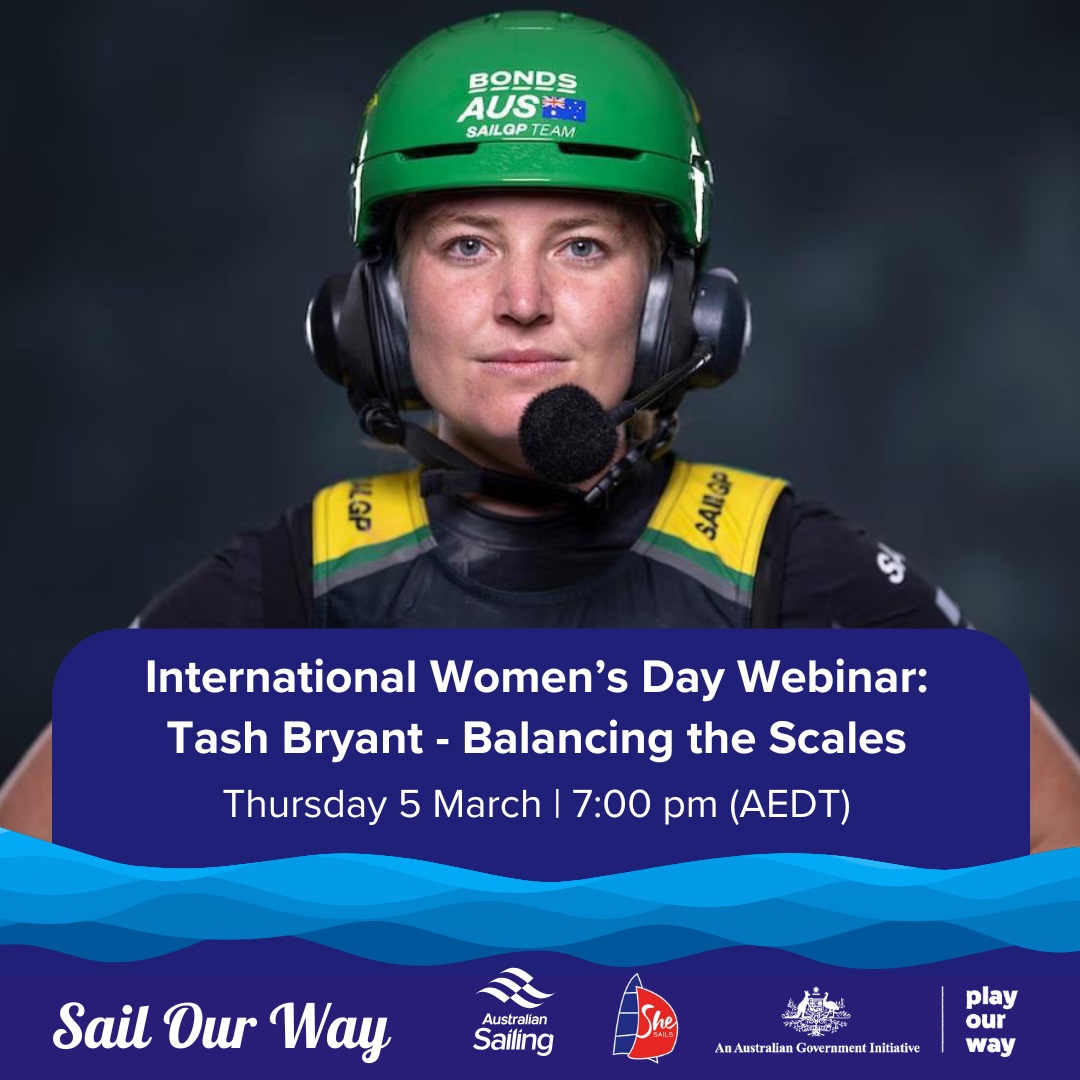
International Women’s Day Webinar – Balancing the Scales

Thu 5 March 2026: Online | 7:00pm (AEDT)
Celebrate International Women’s Day with Australian Sailing and join an inspiring online conversation with Tash Bryant, Jessica Sweeney, and Stacey Jackson.

Tash Bryant started out in Optimists at Royal Prince Alfred Yacht Club on Pittwater, Tash progressed through the 29er class, became a Youth World Champion, campaigned the 49erFX, and learned to foil during COVID. She now races internationally as Strategist on the Bonds Flying Roos and was part of the Australian team that won Season 3 of SailGP. As the only woman on board, Tash will share her journey, the challenges she’s faced, and how she’s helping shift the balance in elite sport.

We’ll also hear from Jessica Sweeney, Team Lead for Marine and Coastal Hazards at the Bureau of Meteorology. She leads Australia’s national marine forecasting and warning services and is a former meteorologist for two America’s Cup campaigns and the Volvo Ocean Race. An accomplished ocean navigator, she is a Pacific Cup winner, Round Britain and Ireland Race record-setter, and six-time Sydney to Hobart Yacht Race finisher.

Joining them is Stacey Jackson, an elite offshore sailor with nearly 20 Sydney to Hobart starts and multiple Volvo Ocean Race campaigns. She skippered the first all-female professional crew aboard Wild Oats X to second overall in the 2018 Hobart and is fresh from helping The Famous Project become the first all-female crew to complete a non-stop circumnavigation of the globe in a Jules Verne Trophy campaign in January 2026.

This is a fantastic opportunity to hear first-hand how big dreams can start in small boats — and to feel inspired, empowered and motivated to take your own sailing journey further.

Find out more and register here: https://www.sailing.org.au/events/340409

NASA 2026 is a go!!

Registration now open on Liveheats at: https://liveheats.com/NASA

Sign up, lock in the dates - 1st comp Feb 28th!

Battle of the Bands – Youth Edition: at Palm Beach

Ages 12–17
Registrations opening shortly!
Tune up. Plug in. Rock out. 
For registration, please visit our website: www.plambeachclub.com.au
Registration form available on the What’s On page.
📞 02 9974 5566
Club Palm Beach (Palm Beach RSL)

Financial help for young people

Concessions and financial support for young people.

Includes:

  • You could receive payments and services from Centrelink: Use the payment and services finder to check what support you could receive.
  • Apply for a concession Opal card for students: Receive a reduced fare when travelling on public transport.
  • Financial support for students: Get financial help whilst studying or training.
  • Youth Development Scholarships: Successful applicants will receive $1000 to help with school expenses and support services.
  • Tertiary Access Payment for students: The Tertiary Access Payment can help you with the costs of moving to undertake tertiary study.
  • Relocation scholarship: A once a year payment if you get ABSTUDY or Youth Allowance if you move to or from a regional or remote area for higher education study.
  • Get help finding a place to live and paying your rent: Rent Choice Youth helps young people aged 16 to 24 years to rent a home.

Visit: https://www.nsw.gov.au/living-nsw/young-people/young-people-financial-help

School Leavers Support

Explore the School Leavers Information Kit (SLIK) as your guide to education, training and work options in 2022;
As you prepare to finish your final year of school, the next phase of your journey will be full of interesting and exciting opportunities. You will discover new passions and develop new skills and knowledge.

We know that this transition can sometimes be challenging. With changes to the education and workforce landscape, you might be wondering if your planned decisions are still a good option or what new alternatives are available and how to pursue them.

There are lots of options for education, training and work in 2022 to help you further your career. This information kit has been designed to help you understand what those options might be and assist you to choose the right one for you. Including:
  • Download or explore the SLIK here to help guide Your Career.
  • School Leavers Information Kit (PDF 5.2MB).
  • School Leavers Information Kit (DOCX 0.9MB).
  • The SLIK has also been translated into additional languages.
  • Download our information booklets if you are rural, regional and remote, Aboriginal or Torres Strait Islander, or living with disability.
  • Support for Regional, Rural and Remote School Leavers (PDF 2MB).
  • Support for Regional, Rural and Remote School Leavers (DOCX 0.9MB).
  • Support for Aboriginal and/or Torres Strait Islander School Leavers (PDF 2MB).
  • Support for Aboriginal and/or Torres Strait Islander School Leavers (DOCX 1.1MB).
  • Support for School Leavers with Disability (PDF 2MB).
  • Support for School Leavers with Disability (DOCX 0.9MB).
  • Download the Parents and Guardian’s Guide for School Leavers, which summarises the resources and information available to help you explore all the education, training, and work options available to your young person.

School Leavers Information Service

Are you aged between 15 and 24 and looking for career guidance?

Call 1800 CAREER (1800 227 337).

SMS 'SLIS2022' to 0429 009 435.

Our information officers will help you:
  • navigate the School Leavers Information Kit (SLIK),
  • access and use the Your Career website and tools; and
  • find relevant support services if needed.
You may also be referred to a qualified career practitioner for a 45-minute personalised career guidance session. Our career practitioners will provide information, advice and assistance relating to a wide range of matters, such as career planning and management, training and studying, and looking for work.

You can call to book your session on 1800 CAREER (1800 227 337) Monday to Friday, from 9am to 7pm (AEST). Sessions with a career practitioner can be booked from Monday to Friday, 9am to 7pm.

This is a free service, however minimal call/text costs may apply.

Call 1800 CAREER (1800 227 337) or SMS SLIS2022 to 0429 009 435 to start a conversation about how the tools in Your Career can help you or to book a free session with a career practitioner.

All downloads and more available at: www.yourcareer.gov.au/school-leavers-support

Word Of The Week: Compassion

Word of the Week stays a part of your page in 2026, simply to throw some disruption in amongst the 'yeah-nah' mix. 

Noun

1. sympathetic pity and concern for the sufferings or misfortunes of others. 2. Compassion is a social emotion that motivates people to go out of their way to relieve the physical, mental, or emotional pains of others and themselves. 3. Compassion involves action, and that action is mercy. When compassion moves to alleviate suffering, it becomes mercy.

From Middle English: via Old French from ecclesiastical Latin compassio(n- ), from compati ‘suffer with’.

"feeling of sorrow or deep tenderness for one who is suffering or experiencing misfortune," mid-14c., compassioun, literally "a suffering with another," from Old French compassion "sympathy, pity" (12c.), from Late Latin compassionem (nominative compassio) "sympathy," noun of state from past-participle stem of compati "to feel pity," from com "with, together" (see com-) + pati "to suffer" .

Latin compassio is an ecclesiastical loan-translation of Greek sympatheia.. Sometimes in Middle English it meant a literal sharing of affliction or suffering with another. An Old English loan-translation of compassion was efenðrowung.

Compare Sympathy

Noun

1. feelings of pity and sorrow for someone else's misfortune. 2. understanding between people; common feeling. 3. the state or fact of responding in a way similar or corresponding to an action elsewhere.

From late 16th century (in sympathy (sense 3 of the noun)): via Latin from Greek sumpatheia, from sumpathēs, from sun- ‘with’ + pathos ‘feeling’.

1580s (1570s in Latin form), "affinity between certain things" (body and soul, persons and their garments), from French sympathie (16c.) and directly from Late Latin sympathia "community of feeling, sympathy," from Greek sympatheia "fellow-feeling, community of feeling," from sympathēs "having a fellow feeling, affected by like feelings," from assimilated form of syn- "together" + pathos "feeling," which is related to paskhein, pathein "suffer" (from word root kwent- "to suffer").

In Middle English in reference to an almost magical influencing of one mind or body by another, especially in physiology and pathology: It was used in reference to medicines that heal wounds when applied to a cloth stained with blood from the wound.

The meaning "conformity of feelings, agreement of affections or inclinations" is from 1590s; weakened sense of "favourable attitude of mind toward" is by 1823. The meaning "quality of commiserating with the sufferings of another" is from c. 1600; that of "a feeling identical with or resembling that which another feels" is from 1660s.

An Old English loan-translation of sympathia was efensargung (even, that is "likewise," sorrying) and compare German Mitgefühl. Sympathy card is attested by 1916, earlier deepest sympathy card is by 1914.

Compare Empathy

Noun

1.  the ability to understand and share the feelings of another.

Empathy is feeling with someone, sharing their emotions by putting yourself in their shoes, while compassion is feeling for someone, recognising their suffering and being motivated to help, often leading to action. Empathy connects you to the feeling, but compassion adds a desire to alleviate that feeling, turning understanding into supportive action/s.

From Greek empatheia (from em- ‘in’ + pathos ‘feeling’) translating German Einfühlung

What makes a city beautiful? Here’s what ratings of thousands of urban landscapes reveal

Eugene MalthouseUniversity of Nottingham and Sidney SherborneUniversity of Warwick

Some buildings leave such an impression when you visit them that they can be forever summoned to the mind’s eye. For us, these include the soaring dome of St Paul’s cathedral in London, the Georgian grandeur of Royal Crescent in Bath, and the ascending towers and pinnacles of King’s College Chapel in Cambridge.

As psychologists with a particular focus on wellbeing, we are fascinated by the feelings these buildings instil in us – a sense of being grounded, of momentary stillness, even of awe.

But while the effects of experiencing beautiful surroundings on people’s wellbeing has been extensively researched, these studies have mainly focused on natural landscapes and settings.

We wanted to understand how people value different urban settings – and which types of building they view most positively. In England, 83 out of every 100 people now live in towns and cities, so variations in these urban landscapes can hold important consequences for wellbeing.

Our study, published in Frontiers in Psychology, found a particularly powerful effect when people viewed older buildings, particularly those classified as being of special historic or architectural interest. Indeed, we found these listed buildings are comparable with forests and lakes in terms of how people rated their scenic quality.

How we tested urban scenicness

Our study combined two large datasets – the first from Scenic-Or-Not, a website where people rate the scenicness of photographs taken throughout Britain on a scale from 1 (“not scenic”) to 10 (“very scenic”). For our analysis, we used only photographs taken within English urban areas, giving us 28,547 ratings of 3,843 images.

We combined this with Historic England’s dataset of more than 370,000 listed buildings throughout England and Wales, plus their grade – I (of exceptional interest), II* (particularly important) or II (special interest) – and the century in which the building was constructed.

Scenic-Or-Not website shows a photo of a church
A photo of a Nottinghamshire church on the Scenic-Or-Not website. B Hilton

This enabled us to compare the ratings of views with and without listed buildings, and to explore other questions such as how the grade or century of construction influences the scenicness rating. Sometimes these buildings featured prominently in the photographs, other times only marginally – we counted them all the same.

We also used Google’s Vision AI tool to detect other features in photographs that might influence scenicness. This allowed us to rule out the possibility that photographs containing historic buildings were judged more scenic because they also tended to contain trees, for example.

In our study, the average scenicness of English urban areas was 2.43 out of 10 – significantly lower than how people rate the scenicness of natural environments. In another study that used the same platform to rate British rural scenes, these averaged 4.16.

But we also found that when a listed building was present in the photograph, this score was on average 0.61 points higher – a 25% increase. As shown in this table, this “historic building effect” was comparable to that of forests and lakes.

Impact of different features on scenicness rating:

Table showing the effect of different elements of a view on how scenic it is rated.
The effect of a listed building is similar to that of a forest or lake. Eugene MalthouseCC BY-SA

Photographs in which the most prominent listed building was either grade I or grade II* listed were perceived more scenic than those featuring slightly less historically or architecturally significant (grade II) buildings. Images featuring buildings constructed in earlier centuries were also judged more scenic.

What makes historic buildings so valued?

The scenic quality of urban areas has previously been linked with variations in happiness and health. Our study shows old buildings in particular make important contributions to urban scenicness. This suggests that historic buildings may be worth preserving not only for their architectural significance but for their effect on people’s wellbeing.

But it also raises the question of whether the sheer age of these buildings makes them so impactful – or is it also the nature of their design?

Experts in architecture have speculated on the reasons old buildings continue to be valued so highly. For example, the apparent timeless popularity of certain historic styles, such as the symmetry of Georgian architecture in Bath’s Royal Crescent, has been contrasted with modern architecture that disregards or rejects traditional proportional guidelines.

But there are also psychological reasons why many people value historic buildings so much. These might include their reassuring sense of permanence; their weathered and imperfect nature; the stories of past lives they hold; or their ability to conjure feelings of nostalgia within us.

We hope to learn more about why people feel so strongly about historic buildings, and the effects such buildings can have on their wellbeing, in our future research. In the meantime, please share your thoughts and experiences in the comments below.The Conversation

Eugene Malthouse, Research Fellow, Centre for Decision Research and Experimental Economics, University of Nottingham and Sidney Sherborne, Honorary Research Fellow, Department of Psychology, University of Warwick

This article is republished from The Conversation under a Creative Commons license. Read the original article.

There are more than 4.6 million food posts on TikTok alone. Why, then, do we still love cookbooks?

Anthony Shkraba production/PexelsCC BY
Garritt C. Van DykUniversity of Waikato

Two of Australia’s top ten bestsellers in 2025 were cookbooks, both by Nagi Maehashi of RecipeTin Eats. Other popular books include Brooke Bellamy’s Bake with Brooki and Steph De Sousa’s Easy Dinner Queen. Yet increasingly, people are cooking from YouTube videos and other social media clips. What is the appeal of cookbooks today?

Cooking content on social media has become one of the most popular categories globally. Dedicated apps like SideChef have been created to help beginners understand technical terms in online recipes and automatically generate shopping lists.

Food is big on social media. PexelsCC BY

In a 2025 study, SideChef found there were more than 4.6 million #TikTokFood posts and Pinterest listed food and drink as a top category. On YouTube, there are 6.74 million food and drink channels, which are 99% creator-driven. All-time YouTube views of food content reached 5.9 trillion in 2025.

Short-form videos provide step-by-step instruction and glamorous depictions of your next meal, but hard-copy cookbooks are more than just a collection of recipes.

Most cookbooks are technically categorised as illustrated non-fiction, filled with close-up photographs of food and images of the author in action. These illustrate the recipes, integrated with accompanying conversational text to engage the reader.

The three types of cookbook readers

Today’s cookbook audiences can be divided into three major groups: aspirational readers, everyday cooks and escapists.

The aspirational readers may want to cook like a chef, hoping the author will share secrets and include them in an inner circle of confidants. Others may aspire to a gendered ideal of domesticity, or seemingly effortless sophistication (just a little smoked duck breast and pickled fennel salad with pomegranate seeds and candied mandarin peel they threw together at the last minute).

The everyday cooks are looking to answer the dreaded question: what’s for dinner tonight? Some of these readers seek reliable, practical, frugal, and efficient solutions for the task of making food at home.

Others are seeking specialised instruction for new generations of appliances offering shortcuts or hands-off cooking, such as slow cookers, air fryers, or electric pressure cookers.

The escapists, however, are less concerned about 30-minute meals or how to reverse sear a steak. Their ideal cookbook is instead a fantasy, travelogue, or memoir, transporting the would-be cook to a nostalgic past or a far-off land, such as Yotam Ottolenghi and Sami Tamimi’s Jerusalem.

The most extreme form of this escapism was described by US food writer Molly O'Neill as “food porn”, a substitute for actually engaging in the physical act of cooking. Stripped of the connections of community and shared meals, food porn is an extreme form of self-indulgent food writing that replaces the depth of social and cultural connections with “prose and recipes so removed from real life that they cannot be used except as vicarious experience”.

Cookbooks in this category are more like coffee-table books, meant to be perused at leisure rather than addressing an urgent need to get a meal on the table. Impractical recipes with difficult techniques, specialised equipment, and exotic ingredients are no barrier to this genre. The reality that time is also an expensive ingredient is not a consideration.

The most successful, bestselling cookbooks in Australia in recent years, like Maehashi’s RecipeTin Eats: Dinner or De Sousa’s Easy Dinner Queen, combine some elements of aspirational and everyday cooking, while turning away from the extremes of food porn. Their appeal extends beyond competent instructions and dependable results.

Maehashi’s recipes start with a pitch to the reader: Why should I make this, and why should I use this recipe? How will the dish fit into my repertoire of standbys? Her unpretentious, personable tone is reassuring for anyone developing their skills. The notes to the methods include helpful tips, substitutions, and explanations, avoiding technical terms. Many recipes are easy enough for rank novices, but include a wide range of cuisines and dishes that elevate the everyday cook. Her most challenging recipe is beef wellington, now infamous for its connection to the “mushroom murders”.

As with other successful cookbook authors, Maehashi’s popularity benefits from social media crossover. She has 1.7 million Instagram followers alone.

Is there a generational divide?

While there is a presumption that younger readers are more likely to get their food inspiration online and older readers prefer hard copy, the desire to limit screen time and “be present” also drives print sales.

Physical cookbooks are an antidote to the false efficiency of recipes on social media. Influencers often ask you to follow, comment and like to get their recipes. This content often ends up unread in your inbox or in a jumbled folder of saved posts and screenshots.

Without an extra paid app, such as ReciMe, and the time to organise the content, locating that viral recipe may take longer than pulling a book off the shelf and flipping to an old favourite. Some print cookbooks, like Jerusalem, now offer access to the e-book edition, so you don’t have to lug the hard copy around the grocery store or take photos of the cookbook with your phone.

Historically, cookbook audiences were first limited by literacy levels and the cost of purchasing books. Because of this, the first cookbooks were written by, and for, an elite audience rather than skilled professionals. During the 17th century, French cuisine as a distinct mode of cooking became the standard for noble households across Europe, and cookbooks for nouvelle cuisine gained popularity. Many skilled chefs, however, were illiterate and were prohibited from sharing the methods of their guilds.

Before printing technology increased the availability of books in the early modern period, cooking and baking were reliant on oral tradition and apprenticeship to teach skills and share knowledge. Chefs working in noble households, however, were exempt from guild restrictions and revealed their trade secrets to an elite audience only.

Today’s hard-copy cookbooks bear the scars of use – tangible evidence of time and effort in the kitchen, covers stained with splatters of tomato or pages stuck together with drips of pancake batter. The dirtiest, dog-eared cookbook is the one you turn to for dependable, familiar results. This contrasts with the pristine, glossy cookbook gathering dust in the front room, filled with recipes you will never make.

Like yellowed, handwritten recipe cards from a bygone era, a physical cookbook becomes an heirloom to pass on to the next generations. Smudged with butter, dotted with red wine, and covered in annotations (too much salt!), the cookbook becomes part of family history.

The ubiquity and convenience of digital recipes, often fleeting, has not replaced the physical cookbook as a touchstone of reliability, a cultural archive, or a guilty pleasure.The Conversation

Garritt C. Van Dyk, Senior Lecturer in History, University of Waikato

This article is republished from The Conversation under a Creative Commons license. Read the original article.

How 1.5 million km of undersea internet cables can double up as an earthquake and tsunami warning system

Mayumi.K.Photography/Shutterstock
Marc-Andre GutscherUniversité de Bretagne occidentale

Forecasting earthquakes presents a serious challenge on land, but in the oceans that cover around 70% of the Earth’s surface it is all but impossible. However, the vast network of undersea cables that crisscross the world’s seas could soon change this. As well as transmitting data around the planet, they can also monitor the tectonic movements that cause earthquakes and tsunamis.

The “Fibre Optic Cable Use for Seafloor” project (FOCUS) has demonstrated how we can use existing fibre-optic cables to detect small movements on the seafloor caused by tectonic faults. Our aim is to improve understanding of fault activity, and therefore of possible earthquakes.

The project’s main study area was a recently mapped tectonic fault on the Mediterranean seafloor, about 30 km from Catania, Sicily. Sitting at the foot of Mount Etna, Europe’s highest and most active volcano, the fault is a “strike-slip”, a type of vertical fault in the earth’s crust that is especially prone to causing earthquakes.

The location is important. Eastern Sicily and Catania, an urban region of 1 million people, have been struck by several devastating earthquakes in recent centuries. The 1908 Messina earthquake (magnitude 7.2) and tsunami killed 72,000 people, while the 1693 Catania earthquake (estimated magnitude 7.5, the strongest in Italy’s history) killed about 60,000 people and destroyed most of the large buildings in Catania.

Catania is also home to a nuclear physics institute, the INFN-LNS, which runs an offshore research station consisting of a cabled seafloor observatory. Originally designed as a test site for for the institute’s neutrino telescope located 100km away, the southern branch of this 29km-long electro-optical cable ends just 2.5km from the recently mapped “strike-slip” fault on the seabed.

The FOCUS project worked by deploying a specially designed strain cable across the newly mapped fault in hopes of detecting tectonic movement. Any movement, however small, would tug on the cable and elongate the optical fibres inside. This can be detected by analysing laser light fired into the optical fibres.

Seabed cables

In October 2020, my team and I conducted our first marine expedition at the INFN-LNS site near Sicily, with the French Research vessel PourquoiPas?.

First, we connected our specially designed 6km-long strain cable (similar to submarine telecommunication cables but with special sensor fibers) to the seafloor observatory. Using an underwater plough, this cable was then buried about 20 cm below the seafloor, crossing the fault in four different locations about 1km apart.

A set of 8 acoustic beacons was also set in place, 4 on each side of the fault. This was to independently measure any possible fault movement – any change in the baselines between the beacons would confirm there had been movement.

Laser light was then fired at regular 2 hour intervals through the research site’s 29km-long electro-optical cable and into the FOCUS strain cable, which included a triple loop in the fibres, allowing the light to go back and forth three times for a total optical path length of 47km.

The laser used a technique known as BOTDR (Brillouin Optical Time Domain Reflectometry). This has been used for decades to monitor deformation of large engineering infrastructures like bridges, dams and pipelines.

False alarms show the system works

A natural disturbance in the FOCUS fibre-optic cable was detected about 1 month later, in November 2020, representing an elongation of about 1.5 cm at the first fault crossing. At first it seemed the fault might have moved, but the acoustic beacons showed no change.

The most likely cause of the cable disturbance was a submarine landslide, akin to an avalanche of sediment at the bottom of the sea.

A graph showing readings on the undersea cable.
21 months of BOTDR observations on the tight fiber in the FOCUS cable, with one curve per month. The suspected landslide in November 2020, as well as the bag drop signals of September 2021 are clearly visible. The first and third fault crossings are marked by the green lines, where elongation should be expected if the fault moves. Author's own

A second disturbance of the cable occurred in September 2021, but in this case we definitely know the cause. I led an operation that used an unmanned submarine to place weight bags on portions of the cable that were not well buried and lying on the seafloor, or spanning uneven terrain.

Nearly 100 weight bags (weighing 25kg each) were placed on top of the cable in 4 places, pushing the cable down into the soft mud and elongating the fibres inside. The special tight fibres in the FOCUS cable were more sensitive than the standard loose fibres used by the telecom industry, and showed very strong signals.

While these two readings did not show tectonic movement, they clearly demonstrated that undersea cables can help us closely monitor the seabed.

Commercial cables

secondary study area for the FOCUS project was a network of commercial telecommunication cables connecting the islands of the Guadeloupe archipelago. Over the three-year period between 2022 and 2024 I, along with partners at IDIL fibre optics, conducted a series of BOTDR measurements at 3-6 month intervals from roadside junction boxes.

A map of the Guadeloupe archipelago showing the undersea cables running between the islands
The islands of Guadeloupe are connected by undersea telecom cables, marked on this map.

We observed seasonal shifts in BOTDR signals in the shallow-water portions of the cable (typically at depths of 10-100m), likely from temperature variations on the seabed. To confirm this, we compared the temperature shifts based on our cable readings to independent satellite data. They were accurate to within about 0.1°C.

We also observed strong mechanical strain in the telecom cables at specific geographic locations such as shelf breaks, submarine canyons and narrow straits between islands exposed to storms and strong currents.

The results from our Guadeloupe study confirmed the accuracy and sensitivity of readings from commercial cables, as opposed to the more specialised cables used at the Catania site. They underscored their potential use for detecting mechanical disturbances to the cable (natural or man-made) and for performing long-term environmental monitoring.

Together, these results offer great promise for transforming much of the world’s vast network of submarine telecom cables into seismological and environmental sensors, to help better monitor earthquake hazard and climate change.


This article is the result of The Conversation’s collaboration with Horizon, the EU research and innovation magazine. In November 2025, the magazine published an interview with the author.The Conversation

Marc-Andre Gutscher, Directeur de Recherche CNRS, géophysique marine, Université de Bretagne occidentale

This article is republished from The Conversation under a Creative Commons license. Read the original article.

A cosmic explosion with the force of a billion Suns went unseen – until we caught its echo

NASA's Goddard Space Flight Center Conceptual Image Lab
Ashna GulatiUniversity of Sydney and Tara MurphyUniversity of Sydney

Some of the universe’s most extreme explosions leave behind almost no trace. The original explosion is unseen, but our observations can capture the long-lived echo it leaves behind as the shock front ploughs into its surrounding environment.

In new research accepted for publication in The Astrophysical Journal, we have discovered what may be the clearest example yet of one of these hidden explosions: the radio afterglow of a powerful gamma-ray burst whose initial blast went unnoticed.

The only other viable explanation for what we see is an extraordinarily rare event in which a star is torn apart by an intermediate-mass black hole: a long-hypothesised, elusive class of black holes that has proven difficult to detect.

Either way, we’re watching the slow-motion aftermath of one of the most extreme, rare events the cosmos can produce.

The explosions we usually miss

Gamma-ray bursts are brief but powerful jets of high-energy radiation. Within seconds, they release as much energy as the Sun will emit over its entire lifetime. They are caused when massive stars die and form black holes.

While these jets are launched in all directions, we only observe the small fraction whose emission is directed towards us. When it is directed away from us, the initial flash goes unseen, and all we can observe is the slowly fading afterglow.

Animation of a gamma-ray burst showing the narrow, high-energy jets. NASA

Although these so-called “orphan afterglows” of gamma-ray bursts have been predicted for decades, finding them has proven extraordinarily difficult. Without a high-energy flash to announce their arrival, astronomers have to search thousands of square degrees of sky.

As a result, these cosmic explosions are easy to miss, and hard to recognise when they do appear – until now.

A cosmic ghost appears

Using the Australian SKA Pathfinder (ASKAP), a 36-antenna radio telescope at Inyarrimanha Ilgari Bundara in Western Australia, we scanned vast regions of sky for unexpected long-lived radio transients (astronomical objects that appear and change over weeks to years). We were trying to catch rare events that reveal themselves only through their fading radio emission.

In data from one of these wide-field surveys, we noticed a radio source (named ASKAP J005512-255834), that hadn’t been there before.

It brightened rapidly, releasing 10³² Watts of energy into space – comparable to the total radio energy output of billions of Suns – and then began to fade slowly over time.

Brightening of the radio afterglow detected in the RACS survey with ASKAP. Observations beginning in 2022 capture the source turning on, after which it remains detectable for more than 1,000 days. Emil Lenc

This behaviour immediately set it apart. Most radio transients either evolve quickly or flare repeatedly. This source did neither. Instead, it behaved like the lingering echo of a single, immensely powerful explosion.

Although ASKAP J005512-255834 was bright at radio wavelengths, it left almost no signal at other wavelengths. We could not see a counterpart in visible light or X-rays.

This is exactly what astronomers expect from an orphan afterglow: the fading, widening glow of a tightly focused cosmic jet that was not initially pointed towards Earth, becoming visible only after it slows and spreads.

A busy neighbourhood, billions of light-years away

This rare transient is located in a small but bright galaxy around 1.7 billion light-years from Earth. The galaxy has an irregular structure and is actively forming stars, making it a natural environment for extreme stellar events such as stellar collapse or violent stellar disruption.

The image on the left shows the location of the radio afterglow within the galaxy 2dFGRS TGS143Z140, captured with the Magellan Telescope in Chile. On the right, we see the same radio source detected by the Giant Metrewave Radio Telescope in India. Ashna Gulati

The position of the explosion is off to one side, not aligned with the galaxy’s central nucleus. Instead, it appears to lie within a compact star-forming region, possibly a nuclear star cluster.

This raises new questions about what kinds of environments can host such powerful cosmic events.

Could it be something else?

Because ASKAP J005512-255834 is so unusual, we had to do some detective work to figure out what it might be. We carefully examined (and ruled out) some alternative explanations, including stars, pulsars and supernovae.

The only other scenario capable of reproducing the observed radio behaviour involves a star being torn apart by an intermediate-mass black hole. These are a rare class of black holes that sit between stellar remnants and the supermassive giants found in galaxy centres.

Such events are thought to be extremely rare at radio wavelengths, but we cannot completely rule out this explanation. Confirming it would make this the first example of its kind, a discovery just as interesting as an orphan gamma-ray burst.

A hidden universe revealed by radio waves

Was this discovery a stroke of luck, or the first glimpse of a long-hidden population? Until recently, we simply didn’t have the tools to know.

ASKAP J005512-255834 is the most convincing orphan gamma-ray burst afterglow yet identified. It was found by using our radio telescope to search for the long-lived echo of an explosion we didn’t know had occurred.

Using the same approach, we now hope to uncover many more of these orphan afterglows and finally give them a place in our cosmic story.

In doing so, we may be able to build a full picture of the gamma-ray burst population, including those that never announced themselves with a flash, but lingered quietly as ghosts in the radio sky.The Conversation

Ashna Gulati, PhD Candidate, Radio Astronomy, University of Sydney and Tara Murphy, Professor, Radio Astronomy, University of Sydney

This article is republished from The Conversation under a Creative Commons license. Read the original article.

20 billion galaxies: new survey of the sky will reveal the universe in unprecedented detail

Trifid nebula (top) and the Lagoon nebula, which are several thousand light-years away from Earth. NSF–DOE Vera C. Rubin Observatory
Anais MöllerSwinburne University of Technology

When you look up at the night sky, it appears unchanging. But if you look deep enough you will find that the sky is in fact constantly shifting. Satellites, asteroids and interstellar objects pass by. Stars not only shine brightly, they can suddenly burst with energy or explode in bright supernovae.

There is a plethora of explosive and cataclysmic phenomena waiting to be witnessed. For physicists, this is an opportunity to study our universe and physics that we can’t reproduce on Earth.

A whole new era of discovery is opening with the NSF-DOE Vera C. Rubin Observatory. For the next ten years, Rubin will create a high-definition video of the southern sky, revealing our universe in an unprecedented way. Many of the objects it finds will have never before been seen by human eyes.

More than 20 years in the making

This moment has been more than 20 years in the making, from the concept to completion of the Rubin Observatory.

Located on a dark sky mountaintop in Chile, the observatory represents a generational leap in astronomy with its ultra-wide, deep and high-resolution imaging capabilities.

Rubin has the largest camera ever built, with 3,200 megapixels. Each image scans an area equivalent to 40 full moons. The resolution of the images is so high that if we pointed the camera toward a lime located 24 kilometres away, it would be able to resolve exactly what type of fruit it is.

Last year, Rubin amazed us with its first test images. These images revealed a swarm of new asteroids never before detected, stars varying in our Milky Way and beautiful deep images of galaxies. This is just a taster on what is to come; this week Rubin started publicly sharing hundreds of thousands changing sky objects per night.

The telescope will be uniquely used for the Legacy Survey of Space and Time. This ten-year-long survey aims to solve the biggest mysteries of the universe – and the nature of the physics out there.

Three separate squares, each with a blue background and a patch of bright white light.
Spot the cosmic difference! A new science observation (left) is compared against a reference template built from archival data (centre). Subtracting the two leaves only what has changed, a new source visible in the difference image (right). This is a supernova candidate found with the Fink broker using Vera C. Rubin data. Rubin Observatory/Fink broker

20 billion galaxies

With its advanced imaging capabilities and its systematic scan of the sky, Rubin will image an incredible number of objects in our universe over the next decade.

Starting in our cosmic backyard, our Solar System, it will make 6 million detections of asteroids. Moving toward our galaxy, it will catalogue 17 billion stars. Farther away, it will gather colour images of 20 billion galaxies.

The same patch of the sky will be imaged up to 100 times each year. With an expected 10 terrabytes of image data per night, the amount of data Rubin will deliver in a single year will be greater than all optical observatories combined.

With this data, we aim to answer fundamental questions. These include the nature of the most mysterious components of our universe: dark matter and dark energy.

I am particularly interested in using the data to measure whether the universe expansion maintains a constant acceleration or changes with cosmic time. This accelerated cosmic expansion is attributed to dark energy, which comprises 70% of our universe. Yet we still don’t know what it is.

By itself, this measurement would be amazing, especially since recent observations have hinted the expansion rate may be changing. From the physics point of view, this will allow us to narrow down which potential theories can explain dark energy.

A firehose of cosmic treasures

To find changing sky objects, we compare a new image to an “old” or reference image. The difference between the two images can reveal a new object or a change of brightness.

So how do we find the most interesting exploding stars or asteroids within this mass of detections?

Rubin has selected seven “community brokers”. A broker is both the infrastructure and the team that receives this data firehose within minutes of detection, processes it to find the most exciting objects, and makes them publicly available.

One of these community brokers is Fink, which I have the privilege of co-leading.

Fink is made up of hundreds of scientists and engineers around the world working together to understand our universe. With the incredible Rubin data, comes a great opportunity but also a big challenge.

We need state-of-the-art technologies such as distributed computing (a network of computers, similar to commercial cloud services) and artificial intelligence tools to process the data very fast. We are talking about analysing thousands of detections from Rubin every minute or two, and up to 10 million every night for ten years.

Become a Rubin citizen scientist

You can also engage with Rubin right now.

Rubin’s first images are available online and you can use apps such as Orbitviewer to track asteroids, as well as look at deep images with SkyViewer.

You can also become a Rubin citizen scientist. For example, you can help to identify changing objects in our universe with Rubin Difference Detectives and find comets with Rubin Comet Catchers.

The data from community brokers is also publicly available. Through our Fink portal, you will be able to inspect the latest detections from Rubin just minutes after an image has been taken.

The data may not look like the stunning Rubin first light images. But they come directly from the telescope and are full of universe treasures.


Correction: this article originally stated the Legacy Survey of Space and Time has started. It has been amended to make clear the survey has not yet started but that the Rubin Observatory has started publicly sharing data.The Conversation

Anais Möller, Senior Lecturer and ARC DECRA Fellow, School of Science, Computing and Emerging Technologies, Swinburne University of Technology

This article is republished from The Conversation under a Creative Commons license. Read the original article.

‘Buy it nice or buy it twice’: what the ‘frugal chic’ trend tells us about our clothing habits

Lorinda CramerDeakin University

The “frugal chic” aesthetic is having its moment, however contradictory the concept may seem. “Frugal” suggests a focus on thriftiness, while “chic” oozes a sense of classic luxury.

Coined by former model and content creator Mia McGrath before trending on TikTok, this is one of the latest attempts to change how we think about clothes and disrupt our voracious appetite for fashion.

McGrath encourages Gen Z to think about the positive aspects of making do with less. For her, being frugally chic refers to:

An individual who values quality, high taste, and freedom. They reject this new world of overconsumption that preys on the insecurities of unconscious doom scrollers.

Frugal chic means a commitment to purchases that will last for many years and be part of a “forever wardrobe”.

McGrath calls on consumers to invest in quality – “buy it nice or buy it twice” – while blending luxury purchases with cheaper and even thrifted clothes.

Slow fashion, repair cafes and capsule wardrobes

McGrath is not the first to try to influence change by promoting sustainable, responsible clothing consumption.

The global slow fashion movement supports individuals to (as the name suggests) slow down clothing purchases. But simply shopping less is easier said than done.

Slow fashion is driven by an increased awareness of the environmental and societal impact of the purchases we make. It also means forming a different, deeper relationship with our clothes.

Repair cafes set up in many countries (including Australia) further aid this work. They offer opportunities for people to fix their clothes – whether broken zips, missing buttons, rips, or something more complex – with the help of skilled repairers.

An uptick in “capsule wardrobes” has also been framed as a responsible choice. A capsule wardrobe encourages fewer classic, high-quality items in neutral colours as staples that can be worn interchangeably with each other and with bolder accent pieces.

Each of these matters as a counterpoint to what has become a massive problem: Australia’s spiralling consumption and discard rates.

Our passion for fashion

In 2024, Australians purchased 1.51 billion items of new clothing. That’s the equivalent of 55 garments for every person each year.

Many of those clothes don’t form part of a “forever wardrobe”. Across that same year, Australians sent 220,000 tonnes of castoffs to landfills. That’s 880 million items. A further 36 million items of unwanted clothing were shipped overseas, adding to mounting global landfills.

The production, consumption, use and disposal of clothing are emission-intensive. In 2024, Australia’s per capita emissions for clothing were equivalent to driving more than 3,600 kilometres in a petrol-fuelled car. That’s further than a road trip from Melbourne to Perth.

Despite these startling figures, our shopping continues.

Restrictions and austerity

Frugal chic has plenty of historical parallels. Though the contexts differ, these moments encouraged Australians to make do with the little they had.

More than 150 years ago, as a flood of gold-rush migrants descended on Australia, many had only a few changes of clothes – as many as could be counted on one hand. This was considered sufficient.

Clothing did not have a single life. It could be mended, adjusted and adapted. It could be passed down from person to person. Clothing was so valuable it was often bequeathed.

At the end of its wearable life, clothing was recycled into something new. It might be cut down to fit children, pieced together and sewn into quilts and waggas (quilts made out of recycled clothes, fabric scraps, old blankets and burlap bags) for warmth at night, or torn into rags.

This considered attitude to clothing did not end in the 20th century. Global upheavals continued to underline the critical importance of long clothing lifecycles.

In the Great Depression, as rates of unemployment soared, clothing budgets plummeted. This demanded ingenuity to keep families clothed.

Austerity measures introduced in Australia during World War II included the rationing of clothing. Measures also included the control of clothing styles to save fabric, threads and buttons. Known as “victory styling”, this created a direct link between less clothing and contributing to the war effort.

Black-and-white photograph of a hand holding several wartime ration cards.
Ration books for food and clothing during WWII (1939-1945). Australian War Memorial

Some responded by making new clothes out of old garments salvaged from the back of wardrobes. Others turned to novel materials such as sugar bags to make themselves new outfits.

Reframing restraint

Like these historical examples, the “frugal chic” aesthetic frames frugality as virtuous – aligning with the shift towards sustainability – and aspirational, signalling an intention to live more mindfully.

In today’s context, it’s also inextricably linked to the cost-of-living crisis that has encouraged a rise in secondhand clothing and dress hire.

But “frugal chic” is not without tension. For one thing, most “frugal chic” content casts frugality as a choice rather than a necessity for dealing with issues of overconsumption or low income.

For another, it could be seen as an example of the pressure placed on women to look and act in certain ways – not simply to prioritise sustainability, but to appear both fashionable and financially savvy at the same time.

Will the “frugal chic” aesthetic change how we think about our clothes? It’s hard to say, but all rallying cries for sustainable fashion consumption hold potential for much-needed change.The Conversation

Lorinda Cramer, Lecturer, Cultural Heritage and Museum Studies, Deakin University

This article is republished from The Conversation under a Creative Commons license. Read the original article.

Buying a car? Here’s what you need to know about new safety ratings

Milad HaghaniThe University of Melbourne

Most people know about car safety ratings and many take them seriously when choosing a new car.

In Australia and New Zealand, safety ratings are issued by the Australasian New Car Assessment Program (ANCAP), a non-regulatory, not-for-profit organisation that tests new vehicles and publishes results.

ANCAP has announced significant changes from 2026.

Here’s how the ratings have traditionally been determined, what is changing and what it all means for safety on our roads.

How car safety rating works

majority of Australians say they wouldn’t buy a car that hasn’t achieved a five-star rating.

Manufacturers know this too. Those stars influence which features companies prioritise and what specifications they supply to different markets.

Yet unless you closely follow the car industry, you may not know much about what is actually tested.

ANCAP assigns vehicles a safety rating from zero to five stars based on a mix of crash tests, assessments of on-board safety features and the safety technologies built into the car.

Its rating system has evolved over time. Under the framework introduced in recent years, vehicles are assessed across four key pillars.

1. Adult occupant protection. This looks at how well the car structure protects the driver and passengers in the most common crashes, assessed using crash-test dummies equipped with sensors. These tests include frontal (head-on) and side impactspole crasheswhiplash protection and how easy it is for emergency services to access occupants after a crash.

2. Child occupant protection. This examines how well children are protected in front and side crashes, and how built-in safety features such as seatbelts and restraint systems support them.

3. Vulnerable road user protection. This considers the risk the vehicle poses to pedestrians and cyclists, and includes tests of head and leg impact on the bonnet and bumper, as well as the car’s emergency braking system.

4. Safety assist. This focuses on crash-avoidance technology such as speed-assistance systems, lane support and autonomous emergency braking.

Vehicles receive a score for each pillar as well as an overall star rating.

To reach a given star level, cars must meet minimum thresholds across all pillars. This means the overall rating is limited by the weakest area.

Buyers’ considerations

It’s worth remembering that a safety score reflects the standards in place at the time of testing.

Rating requirements are updated every three years to encourage the inclusion of newer safety features and technologies in vehicles entering the Australian and New Zealand markets.

Buyers should check when a car was tested and which model was assessed.

It’s also important to consider the number of stars is an abstract rating – it doesn’t mean all five-star cars perform equally well in every area. Some may offer stronger crash protection, while others may be better at avoiding collisions or protecting pedestrians.

For anyone choosing between several top-rated vehicles, the detailed pillar scores can therefore be more informative than the stars alone.

How the ratings are changing

ANCAP has announced significant changes to its rating system.

Instead of the current four pillars, ANCAP will organise its assessments under a “Stages of Safety” framework (a reference to pre-, during and post-crash phases): safe driving, crash avoidance, crash protection and post-crash.

Crash testing remains part of the system but it becomes just one stage rather than the central construct.

The new approach places greater emphasis on features that help prevent crashes in the first place. This includes driver-monitoring technology and how reliably these systems work in real-world conditions – for example whether emergency braking can still detect pedestrians at night or in poor weather.

It also expands its assessment of safety features inside the vehicle by analysing issues such as whether key controls are accessible without using touchscreen menus.

More weight is also given to what happens after a crash. This includes whether electric door handles remain operable, if high-voltage batteries in electric vehicles are safely isolated and whether the vehicle can automatically notify emergency services with crash data through systems such as eCall.

What does all that mean?

While ANCAP is not a regulator, its ratings strongly influence what manufacturers supply to Australia and NZ and which cars buyers choose, meaning its priorities can shape real-world safety outcomes.

The new changes are broadly a positive step.

The main risk is, in broadening the existing framework, some areas may become less important.

Vulnerable road user protection was previously a distinct pillar and there is a chance its prominence could be diluted within a more complex system.

This matters because markets where safety ratings do not heavily emphasise vulnerable user protection – such as the United States – tend to have weaker incentives for manufacturers to prioritise it.

That’s partly why pedestrian safety outcomes are so vastly different between the US and other Western countries.

In recent years, the pedestrian death rate in Australia has risen despite improved car occupant safety. So, it’s important our rating systems do not lose emphasis on the risks outside the vehicle.

This is especially relevant as newer vehicles are becoming larger and taller – design features associated with higher injury risk for pedestrians and cyclists.

If safety ratings do not continue to highlight this clearly and prominently, buyers are less likely to notice it, its weight in the overall score will also decline, and manufacturers will naturally have less incentive to address it in vehicle design.

While greater emphasis on crash avoidance is welcome, crashes involving vulnerable road users will still occur. Protection should therefore continue to be clearly visible in ratings and a key criterion.

One alternative approach might have been to retain the existing pillars and build on them – for example by adding a fifth pillar, or expanding the current framework to include “safe driving” while integrating other new elements into the existing categories.The Conversation

Milad Haghani, Associate Professor and Principal Fellow in Urban Risk and Resilience, The University of Melbourne

This article is republished from The Conversation under a Creative Commons license. Read the original article.

Michelangelo hated painting the Sistine Chapel – and never aspired to be a painter to begin with

From a young age, Michelangelo prized drawing and sculpture above painting. Ian Nicholson/PA via Getty Images
Anna Swartwood HouseUniversity of South Carolina

When a 5-inch-by-4-inch red chalk drawing of a woman’s foot by Michelangelo sold at auction for US$27.2 million on Feb. 5, 2026, it blew past the $1.5 million to $2 million it was expected to receive.

Experts believe it to be a study for the figure of the Libyan Sibyl, a female prophet who appears on the ceiling of the Sistine Chapel in Rome. Michelangelo painted the iconic frescoes from 1508 to 1512, but he first sketched out the overall composition and details in a series of preparatory drawings. Only around 50 of these drawings survive today.

This was an exciting sale for reasons outside that eye-popping sum. Held in private collections for centuries, the drawing only came to light after the owner sent an unsolicited photo to Christie’s auction house. There, a drawings expert recognized it as one of the relatively few remaining studies for the Sistine frescoes.

As an art historian who specializes in the Italian Renaissance, I’m excited about the sale not because of the money it fetched, but because of the attention it has brought to Michelangelo’s lifelong devotion to drawing, a medium he prized over painting.

‘Not my art’

Art historians know a lot about Michelangelo through the letters and poems he penned, along with two biographies written in his lifetime by intimates Giorgio Vasari and Ascanio Condivi.

In 1506, Pope Julius II put Michelangelo’s sculpting work on a papal tomb at St. Peter’s Basilica on hold, redirecting the funds intended for the tomb to the renovation of the basilica itself.

Michelangelo responded by closing his studio. He ordered his workshop assistants to sell off its contents, abandoned 90 wagonloads’ worth of marble and left Rome in disgust.

In 1508, Julius and his intermediary, Cardinal Francesco Alidosi, were able to lure Michelangelo back to Rome with the promise of a 500-ducat payment and a contract to paint the Sistine. Despite accepting, the artist went on to complain relentlessly about his new commission. He wrote to his father that painting “is not my profession” and told the pope that painting “is not my art.”

Sculpture, not painting, was central to Michelangelo’s identity.

In the Condivi biography, which Michelangelo approved and helped shape, the artist is said to have abandoned painter Domenico Ghirlandaio’s workshop around 1490 to train in the Florence sculpture garden of powerful arts patron Lorenzo de’ Medici. Michelangelo would later joke that he became a sculptor as an infant, thanks to the breast milk of his wet nurse, who was the daughter of stonemasons.

Beyond his enthusiastic embrace of sculpture and resentment over the Sistine – what he called the “tragedy of the tomb” – Michelangelo found painting in fresco to be backbreaking work.

A yellowed piece of paper with text written in Italian and a doodle of a man straining to paint an image on a ceiling.
Michelangelo griped about painting the Sistine Chapel in a poem he sent to his friend Giovanni da Pistoia. Wikimedia Commons

“I’ve grown a goiter from this torture,” he wrote to his friend Giovanni da Pistoia in an illustrated poem. “My stomach’s squashed under my chin, my beard’s pointing at heaven, my brain’s crushed in a casket, my breast twists like a harpy’s. My brush, above me all the time, dribbles paint so my face makes a fine floor for droppings!”

“My painting is dead,” he concludes. “I am not in the right place – I am not a painter.”

A grand design

The caricature that accompanies Michelangelo’s poem shows not only a cantankerous and restless mind, but also his use of drawing to reflect its inner workings.

The early 16th century witnessed a rise of drawing, with Michelangelo leading the way. Rather than simply copying or providing models for painting, drawing became understood as an important intellectual, exploratory and creative exercise

Michelangelo’s biographer Vasari famously used the term “disegno” to mean both a physical drawing and a work’s overall “design” or concept, giving the artist an almost godlike creative power.

This double meaning is reflected in the title of the hugely popular 2017 exhibition of Michelangelo’s drawings at the Metropolitan Museum of Art in New York": “Michelangelo: Divine Draftsman and Designer.”

Michelangelo created many drawings for the Sistine that reflected the different meanings of “disegno.” There were his sketches of models, along with his architectural renderings and schemes to organize the huge space. Then there were the full-size “cartoons” he drew to transfer his designs directly onto the ceiling itself.

Sketches of architectural forms and human limbs from various angles.
Michelangelo’s scheme for the decoration of the vault of the Sistine Chapel, along with his studies of arms and hands. © The Trustees of the British MuseumCC BY-SA

The good foot

Michelangelo also made many studies of individual body parts and gestures for the Sistine, including eyes, hands and feet.

In a drawing for the Sistine ceiling that’s now in the British Museum, various hands – perhaps modeled after his own – repeat across the right side of the page. Feet were especially important to the overall design of the human figure, and they stand at the intersection of Michelangelo’s interests in Classical art and human anatomy.

Contrapposto, or the Classical “counter-poise,” was the iconic stance for standing figures in paintings and sculptures. It features the trunk of the body centered over one leg with its foot planted, and the other bent with the foot perched on the toe. Michelangelo’s “David” stands in contrapposto, and even doctors today are impressed by the anatomical precision of the muscles and veins of each foot.

A white, marble-carved foot.
The relaxed left foot of Michelangelo’s ‘David.’ Franco Origlia/Getty Images

The Christie’s red chalk drawing of the foot was likely done from a live model, with Michelangelo showing the elegance of the Libyan Sibyl prophetess through her dramatically arched foot.

In the finished fresco, Sibyl’s body is a kind of elegant machine. The musculature of her extended arms, her coiled torso and her pointed toe all work in concert. This small drawing shows how the charged energy of a single body part could contribute to the overall “disegno” of the massive fresco.

While the process of painting the ceiling was arduous, the process of conceiving it through drawing was obviously rewarding for Michelangelo.

Colorful painting of a young woman posing from a seated position, twisting toward viewers while holding open a large book.
The finished fresco of the Lybian Sybil in the Sistine Chapel. Wikimedia Commons

Drawing as the linchpin

Despite the popularity of the Sistine frescoes, Michelangelo rarely returned to painting after completing them. In 1534, Pope Clement VII commissioned him to paint the “The Last Judgment” on the altar wall of the Sistine Chapel. But only after Clement died later that year – and Clement’s successor, Pope Paul III, gave Michelangelo the extraordinary title of Chief Architect, Sculptor, and Painter to the Vatican Palace – did the artist begin work on the altar wall.

While many people today may think of the Sistine frescoes or Leonardo da Vinci’s “Mona Lisa” when they think of the Italian Renaissance, those artists did not think of themselves primarily as painters.

In a famous letter of introduction to the Duke of Milan, Ludovico Sforza, Leonardo elaborates on his many skills in creating fortifications, infrastructure and weaponry. He boasts about his ability to build bridges, canals, tunnels and catapults. Only after 10 paragraphs does he include a single sentence admitting that he, in addition, “can carry out sculpture in marble, bronze, or clay, and in painting can do any kind of work as well as any man.”

Like Michelangelo’s, Leonardo’s drawings show a voracious mind at work. They explore, rather than simply observe, everything from military machines to human anatomy. In 1563, Michelangelo would go on to be named master of the Accademia del Disegno in Florence, which aimed to teach drawing and design as the underlying skills necessary for sculpture, architecture and painting.

Drawing, it turns out, was the art that unified the many pursuits of the “Renaissance Man.”The Conversation

Anna Swartwood House, Associate Professor of Art History, University of South Carolina

This article is republished from The Conversation under a Creative Commons license. Read the original article.

250 million-year-old amphibian fossils from Australia reveal global spread of ‘sea-salamanders

Ancient marine amphibians Erythrobatrachus (foreground) and Aphaneramma (background). Pollyanna von Knorring (Swedish Museum of Natural History)
Lachlan HartUNSW Sydney

The Kimberley region in the north-west corner of Western Australia is full of rugged ranges and gorges, and long stretches of red soil and rocky ground. The dry seasons are long, and the wet seasons often flood the Martuwarra Fitzroy River – an artery to the Indian Ocean – in the region’s south.

But if you were to travel back to the Early Triassic period, 250 million years ago, you would see a very different landscape. Back then, the land was covered in brackish water and was more like a mudflat, on the shore of a shallow bay.

Inhabiting this area were creatures a far stretch from the dingoes, rock wallabies and livestock that populate the region today. Strange amphibians, called temnospondyls, which looked like a cross between a salamander and a crocodile, dominated this era, feeding on fish and other small animals.

A new study colleagues and I have just published in the Journal of Vertebrate Paleontology sheds new light on these animals. It shows for the first time how they were able to become an evolutionary success story.

Lost – then found

Palaeontologists uncovered fossils of these weird animals in rocks (known as the Blina shale) on Noonkanbah station, roughly 250 kilometres inland of Broome, during field expeditions in the 1960s.

Temnospondyls are an incredibly long and diverse lineage of vertebrates. Their fossil record extends some 210 million years, from the Carboniferous period through to the Cretaceous. They include prehistoric animals such as Eryops and Koolasuchus. Their story is one of great survival – one of the few vertebrate groups that persisted through the two mass extinctions at the end of the Permian and Triassic periods.

The temnospondyl discovered on Noonkanbah station was called Erythrobatrachus noonkanbahensis. It was named in 1972 by Cosgriff and Garbutt based on three fossil skull pieces that were retrieved on those field expeditions in the 1960s.

The specimens were sent to several museum collections in Australia and the United States. And some time in the following 50 years or so, they were lost.

Luckily, the Western Australian Museum retained a high quality plaster cast of one of the pieces. But our team was determined to find out more about these enigmatic fossils. We were completely blown away when one of the lost pieces turned up in a museum collection at Berkeley, in the US.

One species becomes two

Once we could look at these two pieces of Erythrobatrachus, we could see that they actually belonged to two different species of temnospondyl.

One of the original fossils was definitely unique enough to maintain the Erythrobatrachus name. The other one was more like a previously described, and well-known temnospondyl called Aphaneramma.

While both animals would have been roughly the same size (with skulls of about 40 centimetres long when complete), the shape of their skulls indicated different diets and hunting strategies.

Erythrobatrachus had a broader, more robust head and would have been a top predator in its environment.

Aphaneramma, on the other hand, had a long, thin snout probably adapted for catching small fish. They both lived in the same habitat, coexisting by hunting different prey.

Two green amphibians with long bodies and pointy snouts swimming among seagrass and fish.
Ancient marine amphibians Erythrobatrachus (foreground) and Aphaneramma (background). Pollyanna von Knorring (Swedish Museum of Natural History)

A global spread

Modern amphibians are extremely sensitive to salt levels in water. This is why marine environments which have high salinity are generally not a place where amphibians like to live.

Temnospondyls of the family Trematosauria, to which both Erythrobatrachus and Aphaneramma belong, were apparently unbothered by salt water, as trematosaurid fossils are found in marine deposits around the world.

In fact, fossils of Aphaneramma have been found in localities of similar age to the Blina Shale – in Svalbard, Russia, Pakistan and Madagascar.

Trematosaurs are particularly notable as their fossils are found in rocks which date less than 1 million years after the mass extinction event at the end of the Permian period, also known as the Great Dying. This was the most catastrophic mass extinction in Earth’s history.

Confirmation that Aphaneramma’s range also included Australia shows these animals were dispersing worldwide during the earliest parts of the Mesozoic era.

Our research adds an exclamation point to just how adaptable temnospondyls were. They had an amazing ability to utilise a plethora of ecological niches to survive, even in the face of extreme global change – proving they were definitely one of evolution’s success stories.The Conversation

Lachlan Hart, Lecturer, School of Education, UNSW Sydney

This article is republished from The Conversation under a Creative Commons license. Read the original article.

The ‘first-night effect’: why it’s hard to sleep when you’re somewhere new

Vitaly Gariev/Unsplash
Charlotte GuptaCQUniversity Australia and Dayna EastonFlinders University

It’s nighttime and you’re exhausted. But the hotel bed feels wrong. The mini fridge won’t stop making that low, irritating hum. The power outlet lights feel brighter than the sun. Outside, random car honks and noises make sleep feel like a distant possibility.

Many of us struggle to sleep in new environments, even when we’re physically tired. But why? The short answer: a mix of biology and psychology.

Broken routines and missing sleep cues

Your brain is wired for predictability, especially at night, during our most vulnerable behaviour: sleep.

A combination of internal and external cues work together to create the right conditions for rest.

Internally, your body signals that it’s time to sleep by decreasing core body temperature and increasing the sleep-promoting hormone melatonin. This makes you less alert.

Externally, your environment needs to support these signals, not compete with it. At home, your typical pre-sleep wind-down habits and familiar surroundings tell your body it is safe to sleep.

But sleeping somewhere new often disrupts these sights, sounds and sensations your body relies on.

There may be different light levels (for example, from hotel room clocks or street lights), unfamiliar noises (such as elevators, traffic and neighbours) and different bedding (for instance, a firmer mattress or softer pillows).

And you may be doing different activities, such as eating out late or working on a laptop on your bed.

An alert brain in a new place

From an evolutionary perspective, lighter sleep or more frequent awakenings when we’re somewhere new may be protective, allowing us to detect potential threats more quickly and respond to danger.

This is known as the “first-night effect”. It means when we sleep somewhere new, our brains don’t fully switch off.

Brain activity recordings have shown that during the first night in a new environment, the left side of the brain remains more responsive to unfamiliar sounds, even during deep sleep, compared to the second night. Once we become familiar with the space, this vigilance usually fades.

But even when we start to get used to a new environment, other factors can still interfere with our sleep.

Stress, travel and emotions

Sleeping in a new environment can also be stressful.

Your brain may be running through logistics and to-do lists, thinking about your early flight, or scenarios where you forget important belongings. Maybe you’re also experiencing jet lag.

Emotions such as homesickness, excitement, anticipation or anxiety can disrupt sleep as well. Even positive stress – for example, feeling excited about a big trip – activates the same arousal systems in the brain as negative stress. The brain doesn’t distinguish why those systems are switched on.

Unfortunately, a heightened arousal system and sleep are competitors. When your stress response is active, it directly interferes with the brain’s ability to disengage and transition into sleep, even when you’re physically exhausted.

But some people actually sleep better away from home

For some of us, being away from home can actually remove everyday distractions: there are no household responsibilities, no unfinished tasks competing for attention, and clearer boundaries between “work time” and “rest time”.

The change of environment may also reduce bedtime rumination, which is often triggered by familiar home environments tied to stress, deadlines or to-do lists.

Better sleep when we are away may be to do with the amount of sleep we usually get at home. Research shows that individuals who are not getting enough sleep at home are likely to get better sleep when travelling.

If your sleep improves when you’re away, it might be an opportunity to consider how stimulating or busy your usual sleep environment has become – and what you can do to make it calmer.

Tips for sweet dreams at home or away

Reassure yourself. If you have a rough night of sleep in a new place it doesn’t mean something is “wrong” with you. It’s a normal, protective response from a brain that’s tuned to safety and familiarity. You might need a night or two to settle in.

Choose sleep-friendly accommodation when you can. Many hotels are deliberately designed to support good sleep and these features, such as pillow menus, melatonin-rich foods on the room-service menu, or even a personal sleep butler, can make a real difference.

Plan for a slower first day. If you know you’re sleeping somewhere new, expect that the first night might not be your best. Where possible, avoid scheduling demanding tasks the next morning and give yourself time to adjust.

Pack your sleep routine in your suitcase. Just as parents might do for their small child, pack your sleep routine with you. If you have a particular pillow case or a sleep mask, or a certain scent that helps you sleep at home, try bringing these with you so your brain has some familiar cues in an unfamiliar environment.

If you notice you sleep better away from home, take a look at your home sleep routine and environment. Keep your room cool and dark and make your bed comfortable with supportive pillows and fresh bedding. Establish a relaxing wind-down routine: dim lights and limit screens in the evening, and stick to consistent bed and wake times, even on weekends.The Conversation

Charlotte Gupta, Sleep Researcher, Appleton Institute, HealthWise Research Group, CQUniversity Australia and Dayna Easton, Postdoctoral Research Fellow, College of Medicine and Public Health, Flinders University

This article is republished from The Conversation under a Creative Commons license. Read the original article.

Strengthening the retirement phase of superannuation

Note: The Hon Dr Jim Chalmers MP,  Australian Treasurer
Joint release with;
The Hon Dr Daniel Mulino MP
Assistant Treasurer and Minister for Financial Services

''Today, we are releasing the Retirement Reporting Framework and Best Practice Principles for Superannuation Retirement Income Solutions to deliver on our commitment to uplift the retirement phase of superannuation.

These reforms are all about strengthening the system to deliver the best results for Australians when they retire, as well as when they’re working.

Australia’s $4.5 trillion superannuation system is entering a critical phase, with more than 2.5 million Australians expected to retire in the next decade.

The reforms will ensure there is as much of a policy and product focus on the retirement phase as there is on the accumulation phase.

They will improve transparency and drive trustees to innovate and deliver better retirement solutions for their members.

This will help Australians retire with more confidence knowing they have access to the right product solutions, information, and strategies to help them make the most of their superannuation.
  • The Best Practice Principles set out clear guidance for trustees on the design and delivery of retirement income solutions, to support industry progress towards best practice. They outline the steps funds can take to better understand members, design fit‑for‑purpose solutions, and engage their members on retirement income decisions.

  • The Retirement Reporting Framework will collect data on industry progress in the retirement phase of superannuation and drive uplift to member outcomes by creating greater transparency across industry.
The Australian Prudential Regulation Authority (APRA) will collect and publish the data required to give effect to the Framework, providing insights on fund offerings and member outcomes and helping track progress on uplift across the sector.

These measures build on the obligations introduced by the Retirement Income Covenant. They will be reviewed regularly to ensure they remain fit for purpose and reflect evolving industry practice.

Together, these reforms will help Australians achieve higher quality retirement outcomes after a lifetime of saving, consistent with the objective of superannuation.

Labor built the superannuation system, and these reforms build on our work making the system stronger, fairer and more sustainable.

We’ve legislated the objective of superannuation, lifted the Superannuation Guarantee to 12 per cent, we’re paying super on government‑funded paid parental leave and we’ve legislated payday super to start on 1 July this year. We’re boosting the superannuation savings of more than a million low‑income workers, and better targeting tax concessions on large balances.

We’ve also expanded the Performance Test to more products, legislated to align the financial reporting required of funds with those of public companies, committed to introduce mandatory member service standards, and we’re working to improve consumer protections.''

The Best Practice Principles for Superannuation Retirement Income Solutions are available on the Treasury website.

More information on the Retirement Reporting Framework is available on the Treasury consultation hub.

COTA welcomes retirement income reforms; calls for strong independent guidance

February 24 2026
COTA Australia welcomes the release of the Federal Government’s Retirement Reporting Framework and Best Practice guidance, which recognises that retirement is not one-size-fits-all and that Australians move into and through retirement in different ways.

COTA Australia Chief Executive, Patricia Sparrow said not everyone retires the same way, and the superannuation system needs to support the diversity of older Australians and their retirement income needs.

“The shift from lump sum balances to annual and pay-cycle income projections and the requirement to talk about retirement income during their working life, recognising that retirement isn’t a one-off event but about income for everyday living,” Ms Sparrow said.

“This reform helps reframe super as an income system, not just a one-off lump sum.”

Ms Sparrow said COTA Australia also recognises the need for older people to have a choice of lifetime income products to support their retirement plans but warned that income security must go hand-in-hand with fair access to credit.

“Retirees should not have to hold back large lump sums just in case something goes wrong. Banks must better assess assets and non-PAYE income so older Australians can access appropriate credit when they need it,” Ms Sparrow said.

“Superannuation is one part of Australia’s broader three-pillar retirement income system, operating alongside the Age Pension and private savings – including the family home – in supporting income and security in later life.

“Retirement Incomes can be complex to navigate and any reforms must ensure that people are able to access independent, consistent information, guidance and advice.

“Government-backed services such as MoneySmart play a crucial role in building trust in what is a complex system.”

“Implementation of these reforms must deliver greater security and confidence for older Australians.”

Strengthening the reliability of medical reports

The Department of Veterans’ Affairs (DVA) is reviewing the reliability of some medical reports received with claims. We have identified concerns that some reports may have been improperly altered.

Where a report attached to a claim is unclear or its reliability is in doubt, DVA will assist the veteran to obtain a new report—either from their usual treating doctor or by arranging an independent medical examination (IME) at no cost. An IME is conducted by an independent doctor, funded by DVA, to provide an unbiased report. These reports are typically returned within one month.

What You Can Do
DVA is aware that some advocacy providers separate veterans from their usual treating doctors. DVA strongly encourages veterans to seek medical reports from their usual treating doctor, who can also support ongoing treatment for accepted conditions.

If you have concerns about your claim, please contact your assigned delegate or Claims Support Officer (CSO) via 1800 VETERAN (1800 838 372) or email claims.assurance@dva.gov.au

Veterans can also access free, confidential counselling through Open Arms – Veterans & Families Counselling on 1800 011 046 (available 24/7). More information: www.openarms.gov.au

Important: If you are asked to attend an IME or provide further information, this is not a reflection on you. It ensures claims are supported by reliable evidence and maintains the integrity of the DVA system.

DVA continues to respect and thank you for your service to the nation, and we stress that our concerns relate only to the reliability of medical reports it has received, as well as the practice of certain fee-for-service advocates submitting claims that are not in the best interests of veterans. 

Next Steps
DVA remains committed to processing claims efficiently while safeguarding integrity. We will keep you informed of any significant updates or changes as promptly as possible. 
_________

PON Editors note: The Department of Veterans' Affairs says tackling fraud is a priority, recently announcing a $203m crackdown to stamp it out.

On January 23rd 2026 a Perth-based Exercise Physiologist appeared before the Perth Magistrates Court charged with submitting allegedly fraudulent claims to the Department of Veterans’ Affairs (DVA) totalling more than $137,000.

The 31-year-old man was charged with 9 counts of obtaining a financial advantage by deception. 

An investigation by DVA’s Fraud Response Team found the man allegedly submitted 1,924 fraudulent claims for treatment services for 9 veterans between August 2021 and January 2024. DVA alleges that these services were not provided to the veterans.

DVA Assistant Secretary Integrity, Security & Property Branch Rodger McNally said the department will take strong action against those who would look to undermine the integrity of Australia’s veteran support system.

“These are not victimless crimes, fraudulent claiming causes real-life harm by slowing down the system for veterans and their family members who have legitimate health and wellbeing needs,” Mr McNally said.

“Our message to those who would look to take advantage of veterans for their own personal gain is simple. We’re watching and we will take strong action to protect the veteran community.”

The case was referred to the Commonwealth Department of Public Prosecutions, with the charges carrying a maximum penalty of 10 years imprisonment

For more - See ABC's 7.30 report of February 24 2026; 'Veteran care system being exploited by some health businesses'.

Open Arms group programs

February 24 2026
Open Arms – Veterans & Families Counselling offers a suite of free online and face-to-face group programs for current and former serving ADF members, partners and other eligible family members:
  • Connected Couples
  • Managing Anger
  • Managing Depression
  • Managing Pain
  • Parenting programs
  • Recovery from Trauma
  • Relaxation and Stress Management
  • Sleeping Better
  • Stepping Out (transition from military to civilian life)
  • Understanding Anxiety
Open Arms’ group programs are generally co-facilitated by a clinician alongside a Lived Experience Professional, who understand the military and veteran families’ experiences.  

Group programs are designed to be supportive, inclusive and strengths-based, offering a safe space to learn, share and grow. The group format supports experiential learning, shared insight, and skills practice in a peer-supported setting, fostering both individual and collective growth.

We use a strengths-based approach to foster empowerment, resilience and self-efficacy in individuals, and prioritise emotional safety, choice and control, collaboration and empowerment, cultural sensitivity and respect for all forms of lived experience.

To find out more or enquire about joining a group, clients can contact Open Arms on 1800 011 046 or visit the group page: www.openarms.gov.au/get-support/treatment-programs-and-workshops to find a group program scheduled in their region.

If you have any questions, please email OpenArms.Groupprogramspathways@dva.gov.au

Mow for Ol'Mate in March 

Sunday, 1 March 2026 - 09:00 am to Tuesday, 31 March 2026 - 05:00 pm
It's a simple idea with a big heart: neighbours helping neighbours, right in their own backyards. By mowing a couple of lawns for older members of the community, you're not just tidying up - you're checking in, having a chat and making sure they're safe, supported and doing OK at home.

A freshly mown lawn can mean independence, dignity and peace of mind - and sometimes a reason to to stop, say hello and connect. So, grab a mower in March and be part of something special in the Northern Beaches Community.

Join this amazing community mow-ment today. Register your interest via enquiries@mwpcare.com.au or call 9913 3244.

OR Are you over 65 and would like your lawn mowed? Call our friendly team on 9913 3244 to register your interest.

Contact information
MWP Community Care, email: enquiries@mwpcare.com.au


Victa rotary lawnmower and Mervyn Victor Richardson of Careel Bay, the owner of the company - 1955 - photo by Jack Hickson, Australian Photographic Agency - 01148. Taken by Australian Photographic Agency for account: Graves, Hayes & Baker 1642/55.

Local Seniors Festival Events: 2026

The events to celebrate Seniors are now listed and there's two free events at Mona Vale Library and through Avalon Community Library.

Those in Pittwater are:
  • Family History Workshop: Tuesday 10 March, 2pm - 3:30pm at Mona Vale Library  Book in Here -Free - 15 spots left, make sure you book into the MVL one.
  • Write your memories workshop: Thursday, 19 March 2026 - 10:00 am to 12:00 pm, Avalon Recreation Centre, 59 Old Barrenjoey Road. Bookings essential by Thursday 12 March as numbers strictly limited, phone 8495 5080.
Others in Pittwater include: 
  • Seniors Festival tour of Kimbriki Resource Recovery Centre: Tuesday, 10 March 2026 - 10:00 am to 01:00 pm - free - book in here (opens Feb 11)Visit the HUB at Kimbriki! The HUB houses Peninsula Seniors Toy Repair Group, Bikes4life and Boomerang Bags Northern Beaches. Their volunteers help reduce waste going to landfill through repair and reuse. Afterwards enjoy a guided walk through the Eco House & Garden, a light lunch and a bus tour of the Kimbriki site.
  • Downsizing workshop/talk at Pittwater RSL: $5, March 13
  • Caring for coastline & coffee morning: Sunday, 15 March 2026 - 09:00 am to 11:00 am, Mona Vale Beach - northern end, Surfview Road. - Come along and care for our beautiful coastline with the Friends of Bongin Bongin Bay by sharing a walk along Mona Vale beach. Clean up buckets provided free or just enjoy the foreshore of Bongin Bongin Bay at the north end of Mona Vale Beach car park. Join the group for a coffee afterwards at the Brightside Cafe. A relaxing way to spend a Sunday morning celebrating being a senior. Conducted in conjunction with Surfrider Foundation, Northern Beaches ‘Adopt a Beach’ plastic removal program. Free. No bookings necessary. Just come along on the day.
  • An evening of music with the Northern Beaches Concert Band: Sunday, 15 March 2026 - 05:00 pm to 07:00 pm, Pittwater RSL Auditorium, 82 Mona Vale Road, Mona Vale. - Enjoy a free evening concert by the Northern Beaches Concert Band.  The program includes a mix of classical melodies, engaging concert band works, and popular tunes that are sure to spark memories and smiles.  FREE. No bookings required. Arrive before 5pm to secure a table. Refreshments available for purchase at the venue.
  • Your Side - Support at Home Information Session: Tuesday, 17 March 2026 - 10:30 am to 11:30 am and Tuesday, 17 March 2026 - 12:00 pm to 01:00 pm, Mona Vale Library, Pelican Room, 1 Park Street, Mona Vale. - Support at Home is the new program of government funding you can receive for aged care services in your own home. Anyone living in Australia aged 65 years or over is eligible, whether you are a full or part pensioner or a fully self-funded retiree. Support at Home can give you access to clinical and personal care, mobility aids and services, and help with daily tasks around your home.  In this information session our Aged Care Support Specialists will help you understand the changes in aged care and what Support at Home is. Whether you are currently receiving aged care, or you are trying to get some support set up, either for yourself or your loved ones, we can help.  Our Aged Care Support Specialists will explain what it means for you and help you apply for and access the funding and services you need. Come and meet us, have a cuppa and we will answer all your questions about aged care.  There will be two sessions on the day. Choose the session that best suits your schedule.  Registering for this free event is essential. Secure your spot here.
  • Advanced Care Planning Workshop - Avalon: Thursday, 19 March 2026 - 10:00 am to 12:00 pm, Avalon Recreation Centre, Room 1 59 Old Barrrenjoey Road, Avalon Beach. - Advance care planning involves planning for your future health care. It enables you to make some decisions now about the health care you would or would not like to receive if you were to become seriously ill and unable to communicate your preferences or make treatment decisions. It helps ensure your loved ones and health providers know what matters most to you and respect your treatment preferences. The workshop will be facilitated by local Nurse Practitioner, Kelly Arthurs of ANDCare. Learning topics cover: What is Advance Care Planning and why it is so important to discuss?, What are the most important aspects to consider with Advance Care Planning, Opportunity to reflect, have a conversation, and commence your own Advance Care Planning journey. This FREE workshop is for all members of the community. All attendees are eligible for a follow up personal consultation appointment with the Nurse Practitioner on Tuesday 24, Wednesday 25, Thursday 26 and Monday 30 March in Mona Vale. One-on-one appointments are available at no cost for those eligible for Medicare. Hosted by Sydney North Health Network and Northern Beaches Council, with ANDCare.  FREE - register your spot here.
The rest are listed on the council webpage dedicated to listing these - not all are council initiated events and fees are being charged for some of these, and most are out of Pittwater, but with a bus at your door, it may be well worth heading south or west to be a part of these.


Guesdon-Eady-Broadbent house at Palm Beach circa 1946-47, at 47 Florida Road - that's dad looking incredibly bored on the chaise lounge at the back, probably waiting to go to the beach!  Photo: PON Editor's family albums - Family History.

High-speed rail from Sydney to Newcastle is a step closer. But what about Sydney to Melbourne?

An artist’s impression of a high-speed train operating between Sydney and Newcastle. High Speed Rail Authority
Philip LairdUniversity of Wollongong

The federal government will spend A$230 million towards a high-speed rail line between Newcastle and Sydney, promising the project will be “shovel ready” for a final decision on construction in 2028.

The government also released a partly redacted business case for the project, showing the first two stages from Newcastle to Sydney by 2039 are now estimated to cost $61.2 billion, including new trains. A further $32 billion would be needed to extend it to Western Sydney’s international airport by 2042.

The High Speed Rail Authority argues Newcastle–Sydney is the best place to start, with the highest population density and the busiest intercity rail route. But its vision remains that “by 2060 a high-speed rail network will connect Brisbane, Sydney, Canberra and Melbourne”.

The latest announcement follows more than 40 years of previous plans, costing millions, which all amounted to nothing.

Will this time be any different?

Do we have the population to justify high-speed rail?

An article in the Canberra Times from 1984, reporting on the first of many past high-speed rail proposals. Trove

Back when Australia started talking about high-speed rail in 1984, just two countries had trains able to travel at speeds of 250 kilometres per hour or more: Japan and France.

Today, that number has climbed to 16, including Austria two months agoIndia is expected to have bullet trains running within a couple of years.

The main argument against fast rail here has always been population density, due to Australia’s extraordinarily low population density of just 3 people per square kilometre of land. That’s a fraction of the 342 people per square kilometre in Japan, home to the famous Shinkansen “bullet” trains.

But that population density is very different along the crowded east coast.

Sydney–Newcastle is high-density

As the High Speed Rail Authority’s business case shows, the Newcastle, Central Coast and Sydney corridor is the mostly densely populated part of Australia, with 624 people per square kilometre.

Population density along the proposed high-speed rail corridor, according to the High Speed Rail Authority.

That’s actually much higher density than Spain has with 97 people per square kilometre.

Spain opened its first high-speed rail link from Madrid to Seville back in 1992. Since then, its high-speed rail network has grown to nearly 4000km. Yet Spain has a significantly lower gross domestic product per person than Australia.

Why start in Sydney–Newcastle?

Sydney to Newcastle is Australia’s busiest regional corridor. But its current road and rail connections are slow and need major, multi-billion-dollar upgrades – even if high-speed rail doesn’t proceed.

There are nearly 15 million annual rail trips between the two cities, some taking up to 3 hours. The M1 Pacific Motorway is often congested, with 222 road crashes on it in 2022 alone.

The business case found expanding roads would be cheaper than high-speed rail, requiring around $20–$35 billion in investment. But it would come with other costs, including causing “substantial environmental impacts, including surface disruptions to multiple national parks”, as well as doing little to address congestion and resulting in more carbon emissions.

With high-speed rail, journey times would be halved. Newcastle to Sydney would fall to about an hour, while trips from the Central Coast to Sydney or Newcastle would fall to 30 minutes.

But the proposed route is complex, involving 194km of new high-speed rail tracks, more than half of which (115km) would be through tunnels. So construction won’t be cheap or fast.

What about Sydney–Melbourne?

Infrastructure Minister Catherine King announced an extra $230 million for the project on Tuesday, taking the planning and design total to $659.6 million.

The minister acknowledged “this is an expensive and big project”, but argued it’s better to get the design right before construction starts.

Given overseas experience, such as UK’s high-speed rail delays and cost blowouts, this staged approach does make sense.

But the main question I had after reading the business case was what’s being done to work on high-speed rail from Sydney to Melbourne? It’s still the world’s sixth busiest aviation route and the existing railway is inadequate.

The longer we leave that planning, the more housing and other obstacles there will be along any future route. A good place to start would be from south-west Sydney, heading south.

How funding fights derailed past high-speed rail plans

We have got this far with high-speed rail in Australia before: nearly proceeding from design to delivery.

Back in 2000, one of the two things that spoilt the Speedrail proposal to connect Sydney to Canberra Airport was gap funding. The New South Wales government announced it wouldn’t put any money into it – then the federal government followed.

Will history repeat itself? NSW Premier Chris Minns has said his government can’t fund high-speed rail “at the moment” while finishing other major infrastructure.

The difference this time may be that the current federal government has invested more than any previous government, both financially and politically.

On Tuesday, Prime Minister Anthony Albanese said “significant private funding” would be crucial to the project proceeding in 2028. The business case discusses some of those options, including private public partnerships, plus other funding sources like developer levies.

In Japan, there’s a national agency that constructs high-speed Shinkansen lines. But they only proceed when they get support from the local prefectures (governments).

That’s the sort of clear process we’d ideally have in Australia too. If we do finally start building high-speed rail in 2028, it will be 44 years since it was first proposed.The Conversation

Philip Laird, Honorary Principal Fellow, University of Wollongong

This article is republished from The Conversation under a Creative Commons license. Read the original article.

Utopia: on high-speed rail in Australia

Pittwater Probus

When: 10:00am, second Tuesday of each month
Phone: 0405 330 613
  • Probus Club of Pittwater is an association for active male members of the community, and for those no longer working full time, wishing to join a club for a new lease of life.
  • Its purpose is to advance intellectual and cultural interests amongst its members and to provide regular opportunities to progress well-being through social interaction and activities, expand interests and enjoy the fellowship of new friends.
  • Our club membership is for men only, however partners are welcome and encouraged at our social events and activities, including our monthly speaker presentations and lunch following each meeting.
Pittwater Probus is a fun and friendship club where you can make new friends, listen to interesting guest speakers and participate in a wide range of activities including special lunches and dinners.

Meetings are held each month at Mona Vale Surf Life Saving Club, commencing at 10:00am on the second Tuesday of the month. Visitors are welcome to the meetings.

Pittwater Probus is a men’s only Probus Club, and wives and partners are encouraged to listen to guest speakers and also join in on our activities and functions.

There is a one-off joining fee of $20 and an annual membership fee of $50. New members are always made welcome.

Face-to-face scam support for NSW seniors

As scammers increasingly target older Australians, the NSW Government is bringing free, practical digital safety support directly into communities throughout March.

Seniors across NSW will be able to build their digital confidence and learn how to stay safe from scams with ID Support NSW offering dedicated assistance during the 2026 NSW Seniors Festival.

ID Support NSW will kick off its NSW Seniors Festival roadshow in the Blue Mountains on 2 March before hosting a series of sessions across regional and metropolitan NSW, including at the Seniors Festival Expo at the ICC Sydney on 11-12 March.

In 2025 alone, people aged 55 years and older collectively reported more than $53 million in losses, with almost 85 per cent of people aged 50 and older believing they have come across or been a victim of a scam.

Some of the most common scams targeting this age group include parcel delivery scams, overdue payment scams, phishing scams, impersonation scams and tech support scams; these can often lead to identity theft.

Low digital literacy is a major factor leaving older people vulnerable to scams. Australians aged 75 and over reported to have the lowest digital abilities, scoring 32.1 points below the national average, while those aged 65 to 74 are 15.5 points below, according to the Australian Digital Inclusion Index.

To help close key digital gaps, the Minns Labor Government launched the NSW Digital Inclusion Strategy last year – the first comprehensive framework aimed at strengthening digital literacy and reducing vulnerabilities across the community.

The strategy is built around five pillars of connectivity, affordability, digital ability, accessibility, and digital trust and safety, and aims to ensure all people can participate online regardless of age, income, background or location.

With action led by ID Support NSW, the strategy supports seniors at risk of digital exclusion by helping them build the skills and confidence needed to navigate an increasingly digital environment.

At an ID Support NSW session, attendees will learn what support is available from the NSW Government, test the strength of their passwords, and have one-on-one support to uplift their online security and improve the privacy controls on their devices.

To find an online or in-person session across the state, head to the ID Support NSW website.

Residents can also test their passwords online and learn if it’s been involved in a data breach via the ID Support NSW Password Strength tester.

Minister for Customer Service and Digital Government, Jihad Dib said:

“We want NSW seniors to feel confident navigating the digital world. Whether it’s recognising a scam, managing passwords or accessing essential services online, the ID Support NSW team can help you build your digital skills.

“This program will make a difference by delivering support directly to seniors across NSW; we’re committed to helping people stay safe, independent and informed.

“Improving digital literacy is a core pillar of the NSW Government’s Digital Inclusion Strategy which aims to close the digital divide and strengthen cyber resilience across the community.”

Minister for Seniors, Jodie Harrison said:

“The ID Support NSW Seniors Festival roadshow is about empowering older people in metro, regional and rural NSW to brush up on digital skills and boost scammer awareness.

“Holding the roadshow as part of the NSW Seniors Festival from 2-15 March will give more NSW Seniors the opportunity to improve their cyber security knowledge to prevent a potential scam.

“This initiative builds on NSW Government programs to support older people to develop their digital literacy, including Tech Savvy Seniors, which runs regular digital sessions on a range of topics at over 70 libraries and community colleges statewide.”

NSW Chief Cyber Security Officer, Marie Patane said:

“As life becomes increasingly digital, it is important no one gets left behind. ID Support helps seniors gain confidence and tools to stay safe online.

“With more than $53 million lost to scams by people aged 55 and older in NSW last year, our commitment to digital inclusion is not just timely, it’s essential.

“These sessions give seniors practical, real-world skills to recognise threats before they cause harm.”

Spin-cycle savings: popular $250 washing machine program returns

The Minns Labor Government announced on Wednesday February 25 it is bringing back its highly successful Washing Machine Exchange Program, helping thousands of pensioners, veterans, and social housing tenants to cut their water and power bills.

The program is helping households slash their bills by up to $300 a year and saving hundreds of millions of litres of water.

Now in its second year, the program is offering 6,500 new, energy-efficient 8kg front loaders to eligible concession card holders for a heavily discounted $250 when they trade in their old top-loader.

Delivered in partnership with The Good Guys Commercial, the discounted price includes delivery to any part of NSW, professional installation, removal and recycling of the old top load washing machine, and a two-year warranty.

The first round of the $11 million program attracted overwhelming demand, with more than 5,000 machines snapped up within days.

The NSW Government’s Water Efficiency Program is leading efforts to reduce water use across the state, with water savings from this initiative expected to exceed 230 million litres by the end of this round.

An estimated 107 million litres of water have been saved already, which is enough to run a shower non-stop for 27 years.

The Washing Machine Exchange Program is just one of the ways the Minns Labor Government is delivering real, practical cost-of-living support for people across New South Wales.

To apply and check if you are eligible, please visit: Washing Machine Exchange Program.

Minister for Water Rose Jackson said:

"This program is about delivering real, practical cost-of-living relief for people who need it most. By replacing old top loaders with modern, efficient machines, we’re cutting water and power bills by up to $300 a year, while making everyday essentials more affordable.

"Last time we sold out of washing machines in next to no time, which was a huge win but left some people disappointed to have missed out.

"Now we’re back with more washers to take our water savings to the next level and hopefully reach people who weren’t able to get one last time."

Minister for Veterans David Harris said:

"It is fantastic that this initiative is returning to help ease cost of living pressures for veterans, pensioners and social housing tenants.

"We owe our veterans an unpayable debt for their service and sacrifice, so the least we can do to assist in lowering their energy bills.

"I encourage all veterans to consider applying for one of these new heavily discounted washing machines."

Minister for Seniors Jodie Harrison said:

"This program has benefited hundreds of eligible seniors and it’s wonderful that it is being rolled out again.

"With the current cost-of-living pressures that our seniors are facing, this program gives them a new washing machine at a discounted price, and potential savings on their bills with a more efficient, new one.

"Seniors should get in quick and register, as the last program sold out within days."

The Good Guys Managing Director Biag Capasso said:

"We’ve partnered with big Brands to source and be ready to deliver these washing machines across the state.

"Our partnership with the NSW Government has already helped thousands of families live better for less, and we’re excited to be back for another round."

Policies to encourage downsizing commended

February 23, 2026
Ahead of the South Australian election on Saturday 21 March, National Seniors Australia (NSA) has welcomed the State Government and Opposition’s policies to enable downsizing among older South Australians.

The Labor Government’s policy will abolish stamp duty for those aged 60 plus buying a smaller, newly built home, or off-the-plan apartment worth up to $2 million while the Liberal Opposition’s policy will offer a concession of $15,000 capped at properties worth up to $1.2 million, applied to both existing homes and new builds.

NSA Chief Executive Officer Mr Chris Grice said as people age, their housing needs change. What was once suitable when younger and raising a family is not always suitable when older and an empty nester with maintenance, mobility, and safety all factors to be considered.

“NSA research shows older people are open to downsizing but the cost of stamp duty is the second biggest barrier behind the hassle of buying and selling. Many older people feel that for the effort involved, it’s simply not worth it. Another factor is the lack of supply of housing suitable for older people,” Mr Grice said.

“NSA has been advocating for a senior’s concession on stamp duty nationwide for some time. We welcome the commitment to ease the financial barrier posed by stamp duty, especially the government’s commitment that finally sets a precedent in the spirit of the GST when it was first introduced in 2000 – to phase out various state and territory government taxes.

“This policy could help to free up larger homes for families while supporting the construction of new housing stock by incentivising the construction of homes that are suitable for older people.

“While it is not clear at this stage what constitutes a “new build” or if there are plans to taper the exemption, the premise should be commended. Ideally, these details should be worked out in consultation with seniors’ organisations, such as National Seniors Australia, to ensure they work for older people. What we don’t want is a policy that encourages housing that older people don’t want to live in.

“It will also bring South Australia into line with Victoria, the ACT, Tasmania, and the Northern Territory which already offer a downsizer concession.

We call for this commendable policy to be replicated in the remaining states and territories, Queensland, New South Wales, Western Australia and Northern Territory, so all older Australians can more easily downsize into age friendly housing.” 

AI companies promise to ‘fix’ aged care, but they’re selling a false narrative

Mark Hang Fung So/Unsplash
Barbara Barbosa NevesUniversity of SydneyAlexandra SandersUniversity of SydneyMonash University, and Geoffrey MeadUniversity of Sydney

Australia’s Royal Commission into Aged Care found a broken system. Now, technology companies are promising artificial intelligence (AI) will fix everything, from staff shortages to older people’s loneliness.

This is known as agetech, an industry projected to reach a global value of A$170 billion by 2030. But its promised “fixes” obscure what is actually breaking aged care.

In our new study, we analysed how 33 agetech companies selling AI for aged care in Australia, East Asia, Europe and North America market their products, including monitoring tools and companion robots.

We found their websites, promotional materials and product descriptions depict aged care as inefficient, understaffed and overwhelmed by a growing ageing population. Older people are too frail or too many. Care workers are overstretched. Human care is flawed.

And AI is presented as the answer. As the agetech industry growsgovernments are also subscribing to this vision of technological rescue.

Yet our research shows these narratives distract from structural problems and reinforce ageism, even as Australia’s new Aged Care Act commits to a stronger focus on dignity and autonomy.

Before we accept AI as the cure, we need to understand what we are being sold.

The cure on offer

The companies we studied claim AI will predict falls before they happen, detect health changes humans miss, eliminate incompetence, and deliver “unprecedented” improvements in safety and quality.

It sounds revolutionary. But it is also a carefully constructed narrative. In the marketing materials, aged care is consistently framed as a failure of efficiency and public delivery.

Promotional images show older people sitting passively, struggling with mobility aids, or being reduced to body parts attached to monitoring devices. They are represented through statistics: fall rates, malnutrition prevalence, hospitalisation risk.

According to the companies, older people are incidents waiting to happen and data sources to be mined. One company promises to transform intimate daily activities such as showering into “trackable metrics” for “optimal care”.

Care workers fare no better. Their labour is “time-consuming” and “error-prone”. With AI as the solution, care workers become the problem: well-meaning but unreliable, requiring technological oversight. Several companies market systems that track staff movements and automatically report delays to managers.

The rise of techno-solutionism

Agetech companies selling their wares paint the aged care sector as fundamentally broken, plagued by rising costs and inefficiencies.

By contrast, AI systems – featuring 24/7 monitoring, predictive analytics and automated alerts – are presented as objective and inherently superior.

This narrative reflects techno-solutionism: presenting social problems in ways that make technical fixes appear inevitable.

But AI is far from neutral. Models used to train AI are frequently based on datasets that exclude older people or overrepresent younger and healthier groups. Both AI design and implementation rely on stereotypical ideas of older people as technophobic and passive.

AI is not the salvation

The aged care crisis stems from decades of social and political choices about how we value care and ageing. The royal commission documented this in detail: systemic neglect, regulatory failures, a funding model that incentivises cost-cutting over quality, and pervasive societal ageism.

AI solutionism frames the crisis as technical rather than social or political, burying the fact that broader reforms are needed.

AI systems are said to eliminate work. But they require substantial human labour to function and can create as much work as they remove.

Care staff must learn new systems, interpret data, and respond to constant notifications and false alarms. They suddenly have to oversee technologies that need ongoing calibration and maintenance.

Studies show this increases worker stress, as staff juggle care responsibilities with tech troubleshooting – all with limited training and time. Much of this labour remains invisible.

Alongside this, the relational aspects of care – noticing subtle changes in mood, building trust over time – get marginalised because they can’t be easily measured or automated.

Older people suffer the consequences. When care is organised around efficiency metrics and cost reduction, residents become problems to be managed rather than people with diverse histories, preferences and needs.

No single tech will fix this

Aged care faces serious challenges. It does need repair – but the fixes must take many forms, most of which have nothing to do with AI.

These include staff ratios that allow proper time for meaningful conversations, helping residents feel less lonely. Wages that reflect the value and complexity of care work. Funding models that prioritise dignity, agency and authentic participation in decisions about care.

Regulatory frameworks must hold providers accountable for quality of life, wellbeing and inclusion, not just compliance metrics. Aged care should also include community-based models that keep older people connected to neighbourhoods.

The best role AI can play is through supporting care practices that include and empower older people and staff, centring their voices and experiences.

If we let AI companies define what is broken, we also let them define what repair looks like. That may leave our systems more profitable, but far less caring and humane.


The authors acknowledge Naseem Ahmadpour, Alex Broom and Kalervo Gulson from the University of Sydney for their contributions to the research project.The Conversation

Barbara Barbosa Neves, Senior Horizon Fellow, AI and Ageing, University of SydneyAlexandra Sanders, Sociology Research Assistant, University of SydneyMonash University, and Geoffrey Mead, Research Fellow, Faculty of Arts and Social Sciences, University of Sydney

This article is republished from The Conversation under a Creative Commons license. Read the original article.

These shoes are best for hip and knee arthritis, according to science

Francisco Emilio Diaz/Pexels
Kade PatersonThe University of Melbourne and Rana HinmanThe University of Melbourne

People with hip and knee osteoarthritis are advised to wear “appropriate footwear” to minimise their pain.

Does that mean heels are out? Does it matter if you wear runners or something a little stiffer? How about using insoles?

Our research, including our latest clinical trial published today in Annals of Internal Medicine, provides some answers.

We show that stable, more supportive shoes aren’t necessarily the best option, despite what you might have heard.

What is osteoarthritis?

Osteoarthritis is a condition that affects the tissues in and around a joint, including bone, cartilage, ligaments and muscles. It is more common in older people, and people with excess body weight. It causes joint pain and stiffness, and can lead to disability.

About 2.35 million Australians have osteoarthritis and this number is predicted to increase as the population ages and obesity rates rise.

Osteoarthritis commonly affects the hip and knee joints, making it difficult to walk. There is no cure, so self-management is important.

That includes wearing the right type of shoes.

How can shoes affect symptoms?

There are many causes of osteoarthritis, but excessive force inside the joint when someone is walking is thought to play a role. Excessive joint forces can also increase the chance of osteoarthritis worsening over time.

Shoes are our connection to the ground and can influence how forces are transmitted up the leg during every step. Some shoe features are particularly important.

Shoes with higher heels increase joint forces. For example, shoes with six-centimetre heels increase knee forces by an average 23% compared to walking barefoot.

Some shoes come with supportive features, such as insoles that support the arches. Other supportive features include being made with a stiffer material in the sole or heel.

Many people, and clinicians, think these stable and supportive shoe features are best for people with osteoarthritis.

But biomechanical research shows shoes with these supportive features actually increase knee force by up to 15% compared to shoes without them. Arch-supporting insoles also increase knee force by up to 6% when added to shoes.

So, are flatter, flexible shoes without stable supportive features – such as ballet flats – better for knee and hip osteoarthritis?

Not necessarily. We also need to look at people’s pain.

What we found

Our biomechanical research from 2017 in people with knee osteoarthritis showed flat flexible shoes reduced knee forces by an average 9% compared to stable supportive shoe styles.

This suggests flat flexible shoes could be better for osteoarthritis. To find out, we conducted two clinical trials to look at people’s pain levels.

Our new clinical trial involved 120 people with hip osteoarthritis.

They were randomised to wear different types of flat flexible shoes, such as flexible ballet flats, or different types of stable supportive shoes, such as supportive runners. People were asked to wear their shoes for at least six hours a day. After six months we measured the change in hip pain when they walked.

We found flat flexible shoes were no better than stable supportive shoes for reducing hip pain.

These findings differ to those from our 2021 clinical trial in 164 people with knee osteoarthritis. In that trial, we found wearing stable supportive shoes for six months reduced knee pain when walking by an average 63% more than wearing flat flexible shoes.

It’s unclear why findings differed between the knee and hip. But it might be because joint forces are higher in knee compared to hip osteoarthritis, and so there may be greater potential for stable supportive shoes to reduce knee forces, and therefore knee pain.

In both trials, more complications, such as foot pain, were reported by people who wore flat flexible shoes. This might be because these shoe styles provide less protection for the feet.

So which shoes should I wear?

For people with knee osteoarthritis, stable supportive shoes are likely to be more beneficial than flat flexible ones.

For people with hip osteoarthritis, neither shoe type is better than the other for improving hip pain.

But for all older people – including those with hip and knee osteoarthritis – it is sensible to avoid ill-fitting shoes, as well as shoes with high or narrow heels, due to an increased risk of falls.

For younger people with knee or hip osteoarthritis but who are not at risk of falls, it may still be advisable to avoid high heels given their potential to increase joint forces.

Who should you talk to?

If you are concerned about your hip or knee osteoarthritis, talk to your GP or other health-care provider, such as a podiatrist or physiotherapist.

Other non-surgical treatments, such as exercise, weight management, nutrition and some pain medicines can help.The Conversation

Kade Paterson, Associate Professor of Musculoskeletal Health, The University of Melbourne and Rana Hinman, Professor in Physiotherapy, The University of Melbourne

This article is republished from The Conversation under a Creative Commons license. Read the original article.

What wearables can (and can’t) tell you about your heart health

Many commonly worn wearables can track useful data about your heart health. Syda Productions/ Shutterstock
Kevin O'GallagherKing's College London

Half of people in the UK use a wearable device, such as a fitness tracker or smartwatch. These devices collect data relating to health and physical activity levels – including heart rate, step count and sleep quality. With the emergence of AI, such devices will probably become even more sophisticated – potentially able to diagnose our health problems before our GP.

But while wearables can be really useful when it comes to understanding many aspects of your heart health, they still have many shortcomings – so it’s important not to rely on them for everything.

A key strength of modern wearables is the fact that they record such a wide range of useful data, and track trends over time. This makes them perfect for measuring whether any lifestyle changes you’ve made are working for you, and what effects they might be having. For instance, your wearable can tell you if your health kick has had a measurable affect on your sleep quality or blood pressure.

In addition to measuring step count and physical activity, many of the most commonly worn wearables collect cardiovascular data via photoplethysmography (PPG). This is where a light located at the back of the wearable interacts with tiny blood vessels in the skin to give an estimate of changes in blood volume. These changes can be used to accurately measure heart rate, rhythm and blood oxygen levels.

Many currently available devices are also able to record electrocardiographic (ECG) data. This also records your heart’s electric activity, including heart rate and rhythm.

This is why some wearables, particularly those with ECG technology, could be useful in cardiology consultations.

There are currently limitations to the ECGs a cardiologist would normally use to diagnose heart rhythm issues. These ECG monitors only record heart rhythm data for a limited period, such as 24 or 72 hours. This could mean doctors don’t get a full picture of heart health.

But since many people who own a smartwatch or fitness tracker wear them for many hours of the day and over many weeks, this means their wearable may be recording at the time when cardiac symptoms – such as palpitations – occur. This means wearables may overcome the inherent limitations with clinical ECG recordings.

A person checks their heart rate on their wearable fitness watch.
Wearables may even be able to detect abnormal heart rhythms. Melnikov Dmitriy/ Shutterstock

For instance, a recent study demonstrated that smartwatches can reliably detect atrial fibrillation (a heart rhythm disorder that increases risk of stroke) in patients at risk of the condition. And wearables can also be useful for regularly and accurately monitoring daytime blood pressure.

So, wearables have the ability to provide data that is highly useful to a cardiologist in helping determine a probable diagnosis. But just how much can we rely on this data?

Wearable limitations

Most wearables that detect blood pressure do so via PPG data, which measures blood pressure differently to an inflatable blood pressure cuff. Wearables may also only provide a blood pressure range rather than absolute results. This means a patient may not know whether their “true” blood pressure is normal or not.

The British and Irish Hypertension Society, which formally validates and endorses cuff-based blood pressure monitors, currently doesn’t have a framework to validate wearables. This means no wearables on the market which provide blood pressure monitoring have been officially validated.

There’s also a lack of standardisation across the market for how different wearables produce data for particular metrics. This means it’s possible different devices could give different readouts – even if they’re looking at the same person. If wearables are to be integrated into the healthcare system in future, then standardised, validated methods would be needed.

There are also potential issues in how wearables are positioned within the market with regard their medical capabilities.

Some are advertised as having medical-grade measuring capabilities. However, the majority of devices on the market have not been approved as medical devices by regulatory bodies. This distinction is important for the average consumer to understand, so they don’t trust the device’s data more than they should.

While wearables can be extremely useful for understanding many aspects of your day-to-day heart health, there’s still much about them that will need to be improved before they become a standard part of cardiac care.

Quality assurance and compatibility across different brands will be key, as will ensuring a patient’s data is both reliable and accessible to healthcare staff on their electronic health records.

These are important issues that must be addressed soon if wearable technology is to become a standard part of NHS treatment by 2035, as outlined in the NHS’s ten-year plan for England.The Conversation

Kevin O'Gallagher, MRC Clinician Scientist and Consultant Cardiologist, King's College London

This article is republished from The Conversation under a Creative Commons license. Read the original article.

MWP Care Seeking Volunteers

Our business relies on the kindness of strangers...
Looking for a way to give back without giving up your lifestyle?

Become part of our Volunteer IMPACT Club and gain access to exercise classes, social events, Silver Surfers, tables at trivia as well as training and development workshops! Plus – have your petrol re-imbursed!!

Volunteering with MWP fits around your life and your schedule, letting you make a real impact in your local community. Enjoy meeting like-minded people, learning new skills, and knowing that your time is changing lives every day.
Your Time. Your Way. Your Impact. 

Find out more here: mwpcare.com.au/get-involved

2026 Resident Experience Survey has started

The 2026 Residents’ Experience Survey has started. The survey gives aged care residents an opportunity to share feedback on the care and services they receive.

The survey is conducted by Access Care Network Australia (ACNA). As an independent third party, ACNA ensures residents can speak freely and honestly.

To allow a fair representation at each home, at least 20% of residents will be randomly selected and invited to participate.

Survey results help aged care homes understand what is working well and where they might need to improve. The results also make up 33% of an aged care home’s overall Star Rating. Star Ratings help older people, their families and carers make informed choices about care. 

The ground beneath Sydney emits radiation. But it’s nothing to worry about

Radiation dose rate map for metropolitan Sydney. Author provided. CC BY-NC
Laura ManentiUniversity of Sydney

When most people hear the word radiation, their mind jumps straight to nuclear disasters, such as at Chernobyl or Fukushima.

But radiation is everywhere. In fact, right now, as you read this, you are being exposed to radiation from the ground beneath your feet, the air around you, and even your own body. Radiation is not inherently bad: what matters is how much you are exposed to.

To this end, my team and I have built the first radiation map of our home town, Sydney. This map provides a new perspective of the city, showing that the ground beneath the city is constantly emitting a small amount of natural radiation. Spoiler: it’s nothing to worry about.

A map of Sydney variously shaded with bright yellow, green and purple.
Radiation dose rate map for metropolitan Sydney. Author provided.CC BY-NC

What is radiation?

At its most basic level, radiation is energy travelling through space.

In nature, it is often produced by radioactive elements – atoms that are unstable and so prefer to convert into other elements by releasing energy, ending up in a more stable state. This process is called radioactive decay.

When Earth formed around 4.5 billion years ago, it contained radioactive elements, such as uranium, thorium and potassium. Some radioactive elements decay in a fraction of a second; others decay so slowly they are still present today.

For example, natural uranium has a half-life of about 4.5 billion years. That means it takes 4.5 billion years for half of a given amount of uranium to decay, eventually turning into lead, which is stable.

Uranium, thorium and potassium dominate natural background radiation because they combine two key features: they were abundant when Earth formed, and they have half-lives comparable to, or even longer than, the age of Earth. Many other radioactive elements either decayed away long ago or were never present in significant amounts.

Because of this, these elements are everywhere. They are found in rocks and soil, taken up by plants, eaten by animals, and ultimately end up in our bodies. That is why we are, in a very literal sense, mildly radioactive.

We said that radiation is energy. But if you zoom in far enough, that energy starts to look like it’s being carried around by tiny particles: alpha particles (helium nuclei), beta particles (electrons or positrons), and gamma rays – photons, just like light, but far more energetic.

The key difference between the types of particle is how far they manage to travel. Alpha and beta particles don’t get very far before they run out of steam. A bit of air, clothing, or skin is usually enough to stop them. For that reason, they are mostly a concern when the radioactive material ends up inside the body – for example if it is inhaled, as can happen with radon gas.

Gamma rays, on the other hand, travel easily through air and out of the ground.

That makes them more relevant for external exposure, but also extremely useful: they escape from rocks and soil and reach our detectors. This is why gamma radiation is the type we can use to map what is happening beneath our feet.

Measuring Sydney’s radiation

When I moved from Abu Dhabi to Sydney in 2024, I observed something unexpected. The natural radioactivity I was measuring around the city with a small handheld gamma-ray detector was about five times higher than what I had been used to in the United Arab Emirates.

That raised two questions: why was natural radiation higher in Sydney than in Abu Dhabi? And was it safe?

Australia does have national radiation maps. But these are mostly based on surveys carried out from aircraft flying tens of kilometres apart. They are excellent for understanding broad geological patterns, but far too coarse to tell you how radiation varies from one neighbourhood, park or suburb to the next.

My students Tengiz Ibrayev and Matilda Lawtong and I set out to build the first high-resolution, ground-based map of natural gamma radiation for metropolitan Sydney. We carried out a radiation survey across a 10 by 10 kilometre region of the city, dividing the area into a grid and visiting almost every square on foot.

At each location – usually in public parks or open green spaces – we placed a gamma-ray detector on the ground and let it measure radiation for several minutes.

This gave us reliable averages rather than quick snapshots.

We also took measurements over open water in Sydney Harbour on a ferry. Water blocks radiation coming from the ground, so this let us measure cosmic radiation from space – high-energy charged particles originating from the Sun and deep space that constantly hit Earth). We then subtracted this background radiation, so we could focus on the radiation coming from the ground.

To understand why radiation levels changed from place to place, we also collected soil samples at selected locations and analysed them in the laboratory using very sensitive gamma detectors. This allowed us to measure how much uranium, thorium and potassium were present in the soil – the elements responsible for most natural radiation.

A map of Sydney covered in small black and red dots.
Sampling locations and rock types of the study area in Sydney. The red and yellow circles represent the gamma dose rate measurements on land and water, respectively. The black shovels correspond to the soil sampling locations. Author providedCC BY-NC

The pattern follows geology

Radiation levels across the city do vary, but not randomly. Areas built on sandstone and shale tend to show higher natural radiation than areas dominated by younger sediments.

In other words, the pattern follows geology, not human activity.

Radiation exposure is usually measured in units called millisieverts (mSv). Your own body contributes about 0.03mSv each year, mainly from potassium naturally present in your tissues.

Across the part of Sydney we mapped, the average terrestrial gamma radiation from the ground is about 0.24mSv per year. Even the highest values we measured are well within the range of natural background radiation seen worldwide.

We are hoping to expand this work to other cities around Australia through citizen science in schools. Doing so helps us turns something abstract and invisible into something we can measure, compare and understand.

Measuring radiation replaces fear with context. It doesn’t make the world more dangerous – it makes it clearer.The Conversation

Laura Manenti, Experimental particle physicist, Faculty of Science, University of Sydney

This article is republished from The Conversation under a Creative Commons license. Read the original article.

Dating apps are facilitating LGBTQ+ hate crimes. How can users stay safe?

Michael Burrows/Pexels
Kath AlburySwinburne University of Technology

Gay and bisexual people in Australia are being targeted in violent attacks facilitated through dating and social media apps.

A recent investigation by the ABC revealed several hate crimes involving Islamic State sympathisers bashing gay and bisexual boys in Sydney, including some they had met on Wizz, which markets itself as an app for connecting young people, including minors.

This is just one of many examples. As of October 2024, Victoria Police had arrested 35 people in relation to similar incidents in which offenders had used fake profiles on Grindr and other dating apps to connect with gay men, before assaulting them.

Victoria has just established a parliamentary inquiry to investigate this spate of attacks.

So what do dating apps do to vet users? Could they be doing more? And how can users protect themselves?

What do dating apps do to protect users?

As anyone who has used a dating app will know, it’s very easy to set up an account. Generally all you need to do is to enter your email, password and date of birth. Then you’re free to make your profile and start looking for a match.

This can make it easy for offenders to set up fake profiles to target unsuspecting victims.

A number of dating apps (including Grindr) are signatories to the Australian Online Dating Code of Practice. The code commits apps to adopting a range of measures to mitigate the risks of “online-enabled harm” for users, such as prominently displaying reporting mechanisms and implementing processes to block or remove harmful content.

Wizz is not a signatory, but requires users to verify their identity by uploading a selfie, which is then assessed by AI age assurance software. Age assurance technology has well-documented shortcomings which allow some users to circumvent it. As of December 2025, Wizz has been included in Australia’s social media platform restrictions for people under 16.

In response to previous attacks, Grindr started providing pop-up safety messages for users, warning them of the risk of violence and providing tips to stay safe.

Could dating apps do more?

There have been suggestions apps should make users provide 100 points of ID to verify their profile.

But this brings with it new risks, especially for minority communities. Researchers have found that marginalised groups – including Indigenous women and LGBTQIA+ people are more likely to be targeted by technology-facilitated abuse.

As recent breaches of online chat platform Discord’s identity data have shown, these groups have good reason to distrust increased data collection and surveillance on dating platforms.

Additionally, while platforms having databases that contain the “real names” of users may make it easier for victims to report crimes after the fact, they cannot guarantee would-be violent offenders will not misrepresent themselves on the apps.

While many apps in Australia (including those that are signatories to the code of practice) already cooperate with law enforcement agencies and share relevant data if a crime is committed, there is less transparency about whether they have consulted with marginalised users – including survivors of online abuse – about what they need.

However, Bumble Inc.’s Bumble, Badoo, and Fruitz apps do partner with survivor-led digital organisation Chayn to provide access to free online trauma-support.

How can LGBTIQ+ users protect themselves on these apps?

As this shows, most current initiatives focus on responding to online-enabled harm, not prevention. Online platforms also don’t possess tools to moderate people’s conduct once they meet offline.

LGBTQIA+ health organisations have created tipsheets to help users stay safe when using dating apps.

For example, it’s advised to have a short video call with a person you intend to meet in real life in order to help you confirm their identity. This is especially important as perpetrators of hate crimes can create profiles that seem legitimate.

There are also guidelines for checking in with friends such as sharing your location with a trusted friend when you go to meet a new person, and reporting abuse to the police or Crimestoppers.

It is important to emphasise that members of minority communities are not responsible for hate crimes, and individual risk mitigation can never be foolproof.

Recent Australian history demonstrates that where discrimination and exclusion of LGBTQIA+ people is normalised in public life, offenders are empowered to rationalise and normalise violence.


If this article has raised issues for you, or if you’re concerned about someone you know, call Lifeline on 13 11 14.

For information and advice about family and intimate partner violence contact 1800 RESPECT (1800 737 732). If you or someone you know is in immediate danger, contact 000.The Conversation

Kath Albury, Professor of Media and Communication and Associate Investigator, ARC Centre of Excellence for Automated Decision-Making + Society, Swinburne University of Technology

This article is republished from The Conversation under a Creative Commons license. Read the original article.

Prohibitive policies drove organised crime in Australia 100 years ago. It’s happening again

James MartinDeakin University and Edward JegasothyUniversity of Sydney

Organised crime has a long history in Australia. For more than a century, criminal groups have accumulated vast fortunes, committed countless acts of intimidation and coercion and, at times, extreme and spectacular violence.

In the process, they have become a recurring feature of public concernmedia sensationalism and political debate.

There’s the razor gangs operating in Sydney during the 1920s, and the underbelly gangland conflict in Melbourne during the 1990s and early 2000s. Now we have the nationwide “tobacco wars”.

All of this organised crime shares something in common: it’s centred around competition for control of the country’s highly profitable illicit markets.

But if we look back at the responses to organised crime and black markets in Australia’s history, we can see governments are making many of the same mistakes now as they did a century ago.

Changing times, changing vices

While organised crime has shown remarkable continuity, the specific markets it exploits have changed over time.

Each period produces its own anxieties about the harmfulness of different behaviours. These are shaped by prevailing social norms, the familiarity or novelty of what is deemed “deviant” and the political priorities of the day. As these factors shift, so too does whether and how different goods and services are regulated.

In his recent book, Ian Shaw recounts the exploits of Squizzy Taylor. He was a flamboyant criminal in early 20th century Melbourne with a penchant for fine suits, horse racing and armed robbery.

A side profile and headshot of a man in a suit and hat in the 1920s
Squizzy Taylor was one of Melbourne’s biggest organised crime bosses in the 1920s. Wikimedia Commons

Yet the most reliable sources of income for Taylor and his contemporaries were not spectacular crimes, but illicit markets, particularly illegal gambling, sex work, and alcohol, commonly known as sly grog.

At the time, each of these commodities was subject to outright prohibition or extraordinary restrictions intended to reduce harm. For alcohol, this included mandatory 6pm closure times for licensed establishments.

While restrictive regulations likely reduced overall consumption, they also ensured the consumption which continued occurred in more dangerous, exploitative and unregulated settings.

Sex workers were routinely exploited by pimps and corrupt police. Gambling continued to extract money from vulnerable participants, with debts and disputes enforced through intimidation and violence. The widespread consumption of sly grog continued in beer houses run not by licensed publicans, but by organised crime groups.

A poster of cartoon men running through doors saying an army of sly grog sellers created by prohibition, vote no.
A poster displayed in Melbourne during the Victorian prohibition referendum. The State Library of New South Wales

But the biggest danger remained the extraordinary profits flowing into the hands of these groups. The size and profitability of these illicit markets created powerful financial incentives that spilled over into deadly conflicts.

These affected not just gangsters fighting one another, but innocent bystanders as well.

Today, all three of these once-vibrant criminal markets are now largely regulated, but not too strictly. That doesn’t mean they are necessarily free from harm. But there is broad public acceptance that effective regulation produces better outcomes than leaving control in the hands of criminal organisations.

Regulation helps protect the safety of both consumers and suppliers. And instead of vast profits flowing into the hands of organised crime groups, they go into the pockets of legal business owners and provide a major source of income for the government through taxation.

Illicit markets in contemporary Australia

Australia continues to grapple with illicit markets where prohibition or extreme restriction remains the dominant policy response.

A 2025 Australian Institute of Criminology report lays bare the extraordinary costs of serious and organised crime. They were estimated to be up to A$82.3 billion for 2023–24.

The single most costly organised crime activity, and the greatest source of revenue for criminal groups, concerns illicit drugs. Expenditure on the five main illicit drugs – cannabis, cocaine, methamphetamine, MDMA (ecstasy), and heroin – was estimated at A$11.2 billion.

This figure does not include Australia’s fastest growing illicit drug market, nicotine, with expenditure recently estimated to be A$7.2 billion.

As with earlier black markets, demand for illicit drugs has remained strong despite them being banned.

In the case of nicotine, recent policy changes – high levels of taxation on tobacco and the prohibition of consumer vapes – have accelerated the shift towards criminal supply. Organised crime groups now supply a dominant share of this once largely legal market.

The false promise of prohibition

Australia’s approach to managing our largest contemporary illicit markets is eerily similar to that of earlier periods in history. It’s an escalating reliance on restrictions, penalties and police powers in an effort to disrupt supply and “crush” organised crime.

As in decades prior, this approach has been ineffective. Australian drug law enforcement expenditure tripled from A$1.2 billion in 2009–10 to more than $3.5 billion in 2020–21.

This massive investment was intended to make illicit drugs more expensive and harder to obtain. Law enforcement agencies have done their best with this vast amount of taxpayer money, producing record levels of arrests and seizures year after year.

But claims that arrests or seizures “break the business model” or “put a dent in organised crime” are hollow.

In reality, illicit drugs remain just as easy to find, purity has increased, and prices for every major drug type have declined substantially in real terms.

Methamphetamine, for example, is as readily available as it was 15 years ago but at roughly half the price, once adjusted for inflation.

These outcomes reflect research indicating that intensifying law enforcement beyond a minimal level produces sharply diminishing returns.

They also closely resemble earlier attempts to suppress gambling, sex work and alcohol through prohibition. These attempts reduced legal supply without eliminating demand and, in doing so, strengthened organised crime.

What this means for illicit markets today

Some illicit markets remain beyond the pale and can never reasonably be subject to regulation. Those that necessarily involve inflicting harm and suffering on others, such as trading in child exploitation material or stolen goods, fit squarely into this category.

But other illicit markets warrant reconsideration in light of Australia’s own historical experience. This is particularly the case for those involving widely used goods or substances consumed by consenting adults, such as illicit drugs and nicotine.

This does not mean we should throw away all legal restrictions. Regulation means control – not laissez-faire.

Completely unregulated markets are risky. They give commercial interests strong incentives to promote consumption through advertising and 24/7 delivery. There is a strong case to be made that gambling, for example, should be subject to stricter regulation than is currently the case.

At the other extreme, overly restrictive policies that generate large illicit markets provide ready access to unregulated products, enrich and empower organised crime and are highly resistant to law enforcement.

The most promising path often lies between these two positions. For example, a 2025 New South Wales government inquiry recommended the current prohibition on cannabis should be overturned in favour of decriminalisation, and that a staged process towards a legal, regulated market be considered and assessed.

Australia has confronted these dilemmas before. When widely used goods and services were pushed out of legal supply while demand persisted, organised crime flourished. When those same markets were brought into the open and subject to effective regulation, criminal influence receded.

This approach would not only help protect the wellbeing of consumers. It would also deprive the Squizzy Taylors of today – people such as the alleged illegal tobacco kingpin Kaz Hamad – of their most important source of income, thereby removing a major incentive for violence on our streets.The Conversation

James Martin, Associate Professor in Criminology, Deakin University and Edward Jegasothy, Senior lecturer, School is Public Health, University of Sydney

This article is republished from The Conversation under a Creative Commons license. Read the original article.

How Tourette’s causes involuntary outbursts – and what people with the condition want you to know

Melissa LicariThe University of Western AustraliaThe Kids Research Institute

Tourette syndrome campaigner John Davidson has explained he left the British Film and Television Awards (BAFTAs) ceremony early on Monday night, aware his outbursts were causing distress.
Davidson was attending the ceremony to support the film I Swear, which tells the story of his life living with the syndrome. Tourette’s can cause involuntary movements and sounds, including words.

Davidson’s outbursts during the ceremony included a racial slur while actors Michael B. Jordan and Delroy Lindon, who are Black, were presenting an award.

In a statement, Davidson stressed the words were not intentional and did not “carry any meaning”. He said he was “deeply mortified” that people might have thought otherwise.

There are valid criticisms about how the BAFTAs and the broadcaster handled the situation and failed to properly acknowledge the hurt caused, whether or not it was intended.

But the syndrome Davidson has spent his life educating people about remains sadly misunderstood. So let’s take a look at Tourette’s and the tics it causes.

A neurological disorder

Tourette’s is a neurological disorder characterised by unintentional movements and vocalisations, known as tics.

While the exact cause of Tourette’s is not fully understood, it is likely to be complex and multifactorial.

Various genes have been linked to the condition, and we know it runs in families, so it likely has a strong genetic basis.

We also know that other environmental exposures during key periods of brain development contribute to the onset and course of the condition, such as complications during pregnancy and birth, illnesses and infections, and intense stress.

Tourette syndrome also rarely occurs in isolation, with many diagnosed with attention-deficit hyperactivity disorder (ADHD), obsessive compulsive disorder (OCD) and learning disorders.

What are tics?

Tics are thought to be caused by changes in brain circuits involved in impulse control and inhibition.

People with tics often experience uncomfortable physical sensations that build up in the body called premonitory urges. These urges are difficult and often impossible to suppress, and the only way to alleviate the urge is to tic.

It is a bit like when we experience itching on our skin or tingling in our nose, sensations we relieve by scratching or sneezing.

Tics vary between people and fluctuate in frequency, type and intensity, which can be challenging to manage.

Some tics are brief movements and sounds, such as forceful blinking, facial grimacing, head jerking, sniffing, throat clearing and grunting. These are referred to as “simple” tics and are very common, particularly in young children.

Other tics involve more elaborate patterns of movements and sounds – often involving several parts of the body.

These are “complex” tics. They include motor tics like hitting oneself, kicking or dropping to the floor, and vocal tics like repeating words or phrases. This can include socially inappropriate terms such as slurs or swearwords.

It is believed the Tourette’s brain sometimes struggles to control “forbidden” impulses. A person may experience urges to say taboo words and phrases, or make inappropriate actions, when they see or hear certain things within their environment.

How common are tics?

Tics are very common among children, with simple tics occurring in up to one in five children aged between five and six. These normally resolve in a short space of time, with many people unaware they are tics.

For one in 100 children, their tics will persist and become more severe. Having both motor and vocal tics for at least 12 months, meets the diagnostic criteria for Tourette syndrome.

While Tourette’s typically first appears in early childhood, onset can also occur during adolescence and adulthood.

For most children, tics will peak during early puberty, typically between 10–12 years of age, before reducing.

But for about one in four people with Tourette syndrome, their tics will be lifelong. Around 50,000 Australians currently live with a life-long tic disorder.

The use of obscene and socially inappropriate words and phrases, referred to as coprolalia, only occurs in about 15–20% of people with Tourette’s.

Unfortunately, coprolalia is often what gets portrayed in media and entertainment, impacting the public’s understanding of Tourette’s.

Is there a cure?

Tourette syndrome currently has no cure.

Ideally, treatment should include evidence-based behavioural interventions for tics. However these can be difficult to access, with few psychologists trained in these interventions.

Other psychological therapies aim to address the person’s stress and anxiety – which are factors known to increase tics – but not their tics.

Medications are also commonly prescribed if the tics are impacting the person, but these are not effective for everyone and often have side effects.

An exhausting and disabling condition

The frequent urge to tic disrupts attention and concentration, and the tics themselves can impact many aspects of daily living, such as dressing, eating, watching TV, and even relaxing.

Tics can also cause discomfort and injury, such as muscle soreness, cramping, whiplash, dislocations and broken bones. The research I’ve done with colleagues shows two-thirds of people sustain injuries from their tics.

I was involved in a national survey in 2025 involving more than 200 people with Tourette’s and their caregivers. They told us about the challenges they faced including:

  • long wait times for diagnosis
  • little understanding of tics and the condition from health workers and teachers
  • a lack of support and limited treatment options
  • a severe negative effect on mental health.

The social stigma, bullying, exclusion and exhaustion of living with this condition often leads to significant mental health struggles.

Our research shows around 70% of people living with Tourette’s struggle with anxiety disorders and one in three experience depression. One in four adults and one in ten children with this disorder have attempted suicide.

People with Tourette’s want to be understood and accepted

Tics are not something they are doing for attention. They increase when a person is stressed, anxious or excited, and trying to hold them in can make them worse.

Not everyone experiences coprolalia but, for those that do, the inability to inhibit taboo language can lead to public scrutiny and cause embarrassment and shame. This leads to many avoiding social situations and a life of isolation.


If this article has raised issues for you, or if you’re concerned about someone you know, call Lifeline on 13 11 14 or Kids Helpline on 1800 55 1800.The Conversation

Melissa Licari, Senior Research Fellow in Child Disability, The University of Western AustraliaThe Kids Research Institute

This article is republished from The Conversation under a Creative Commons license. Read the original article.

Can blood tests really detect cancer?

Westend61/Getty Images
John (Eddie) La MarcaWEHI (Walter and Eliza Hall Institute of Medical Research) Cameron LewisWEHI (Walter and Eliza Hall Institute of Medical Research) , and Sarah DiepstratenWEHI (Walter and Eliza Hall Institute of Medical Research)

If you’re feeling worn out or have suddenly lost some weight, your doctor might send you for a blood test.

Blood tests are a common way health-care professionals detect, diagnose, and monitor a range of medical conditions.

But can they help us detect more serious conditions such as cancer? Let’s dive into the research.

How do blood tests work?

Blood tests are a technique used in the field of pathology, which is the study of the nature and causes of disease.

Blood tests assess what cells, proteins, and molecules are present in the blood. Health-care professionals use them to monitor things like organ health, nutrition levels, immune system function, and the presence of some infections.

To test for anaemia, for example, you would take a blood test and count the number of red blood cells in that blood sample. Another example is blood sugar testing, which is used to measure the glucose levels of a patient with diabetes.

What can blood tests tell us about cancer?

Currently, we can’t reliably diagnose most cancers using a blood test. One major reason is it’s often difficult to distinguish between cancer cells and normal, healthy cells. This is especially true when it comes to early-stage tumours.

But blood test results can give us clues about whether certain cancers are present in the body. So how do they do this?

1. By revealing abnormalities in your blood

Blood cancers will often cause clear changes in the number and types of cells in the bloodstream. We can measure these changes using a complete blood count, also known as a “full blood examination”.

This type of blood test counts all the different types of cells present in the blood: red blood cells, white blood cells, platelets, and more. Blood cancers arise when your body produces an abnormal amount of any type of blood cell. White blood cells, which fight infection, are the most common example. So a high number of one or more of these cell types may suggest the presence of a blood cancer.

But complete blood counts aren’t enough to make a conclusive diagnosis of blood cancer. We need to perform other tests to confirm whether the problem is a cancer or a different disease. These tests may include a biopsy or imaging techniques such as an MRI, CT scan, or X-ray.

2. By identifying “tumour markers”

We can also use blood tests to detect specific proteins which cancer cells often produce in greater numbers. These proteins are known as “tumour markers”.

One example of a tumour marker is prostate-specific antigen. This antigen is a protein made exclusively by the prostate gland. A healthy male will have only a small amount of prostate-specific antigen in his blood. In contrast, a male with prostate cancer will often produce abnormally high levels of this antigen. In this way, the prostate-specific antigen can serve as a “marker” of prostate cancer.

There are many different tumour markers used to identify different cancers. However, measuring tumour markers is not a foolproof solution. This is because they can be influenced by other factors. For example, an injury to or inflammation of the prostate gland could cause prostate-specific antigen levels to increase. So your doctor may perform additional tests to confirm if a person has cancer.

3. By locating rogue cells

For other types of cancer, blood tests can look for circulating tumour cells. Circulating tumour cells are produced when cancer cells break off from the original tumour and then enter the bloodstream. This usually only happens when a cancer reaches a more advanced stage and is metastatic, meaning it has spread to other parts of the body.

But this type of test is usually prognostic, rather than diagnostic. This means we can only use it to monitor the progression of a cancer which has already been diagnosed. So if a blood test does identify circulating tumour cells, it is best to conduct additional tests before proceeding with treatment.

So, are we close to creating a cancer-detecting blood test?

Unfortunately, we are yet to find a way to detect cancer with a single blood test. It’s a very difficult task, but researchers are making progress.

Circulating tumour DNA is a current topic of interest. These DNA molecules have mutations which distinguish them from healthy cells and can give information about the cancer they came from.

In one 2025 trial, Australian researchers measured the amount of circulating tumour DNA in 441 people with colon cancer to determine which patients would respond to chemotherapy. Another study from 2025 used circulating tumour DNA to monitor how 940 patients with lung cancer responded to different treatments.

One test did claim to successfully use circulating tumour DNA to detect more than 50 types of early-stage cancer. It’s known as the “Galleri test” and was first trialled in the UK in 2021. However, some experts have since raised concerns about the test’s effectiveness.

Researchers are also exploring other ways of using blood tests. In one 2025 study, Australian researchers adapted an existing test to use blood instead of tissue samples to identify known markers of ovarian cancer.

Another Australian study from 2025 investigated whether molecules other than proteins could serve as cancer markers. It found certain fats in blood can indicate if a patient with advanced prostate cancer will respond to treatment.

So, it looks like we’re still a while away from creating a cancer-detecting blood test. But with some time, effort, and robust research, it could be a possibility.The Conversation

John (Eddie) La Marca, Senior Research Officer, Blood Cells and Blood Cancer, WEHI (Walter and Eliza Hall Institute of Medical Research) Cameron Lewis, Clinician Scientist, WEHI (Walter and Eliza Hall Institute of Medical Research) , and Sarah Diepstraten, Senior Research Officer, Blood Cells and Blood Cancer Division, WEHI (Walter and Eliza Hall Institute of Medical Research)

This article is republished from The Conversation under a Creative Commons license. Read the original article.

Is surgery necessary for my endometriosis or ‘suspected’ endo?

Alex Potemkin/Getty Images
Jodie AveryAdelaide University and Alison DeslandesAdelaide University

If you live with pelvic pain, period pain, sex or bowel symptoms, you may have been told you could have endometriosis, and that surgery is the “gold standard” for diagnosis and treatment.

But over the past few weeks, questions have been raised about whether surgery is actually necessary for women to detect and treat endometriosis.

This week’s ABC Four Corners highlights stories of women undergoing repeated unnecessary surgeries for endometriosis which caused significant harm and left some women unable to have have children.

So where does that leave people who have or suspect they have endometriosis?

Surgery is not always necessary but can be helpful in some instances. But it’s never a simple yes-or-no decision. Let’s look at what the evidence says about who might benefit from surgery and when it’s unnecessary.

What is endometriosis and what is surgery for?

Endometriosis occurs when tissue similar to the lining of the uterus (womb) grows outside the uterus – usually in the pelvis or other areas. It affects about one in seven women and those presumed female at birth.

Surgery for endometriosis has two roles:

  • diagnosis: seeing whether endometriosis lesions are present

  • treatment: removing or destroying visible disease.

Surgery is no longer needed for diagnosis

Historically, laparoscopy (keyhole surgery) with biopsy was considered best to diagnose endometriosis. If tissue removed at surgery showed endometrial-type cells under the microscope (histology), diagnosis was confirmed.

However, endometriosis care is evolving with imaging and our understanding of pain science is improving. Australian and international guidelines now allow clinicians to diagnose endometriosis based on symptoms.

Deep and ovarian endometriosis can often be diagnosed with specialised ultrasound or MRI. This imaging can also help guide decisions about whether or not to undergo surgery.

So surgery is no longer required to “prove” a person has the condition.

When else might surgery be unnecessary?

Surgery shouldn’t be the first and only treatment option for endometriosis.

Surgery may not be needed if symptoms are manageable with hormonal therapy, allied and complementary health therapies, and lifestyle modification, or the risks of surgery outweigh the benefits.

Just because endometriosis is there, does not mean it causes the symptoms. Adenomyosis (a condition where endometrial-like tissue grows in the muscle wall of the uterus), irritable bowel syndrome, pelvic floor dysfunction and bladder pain syndrome can coexist with endometriosis.

Sometimes treating these other conditions can improve quality of life without surgery.

When might you consider surgery?

Surgery may an appropriate treatment when:

  • pain is severe and persistent, and medical therapies have not helped

  • imaging suggests deep endometriosis is affecting key organs such as the bowel, bladder or ureters, which can cause complications

  • fertility is affected and other options have been explored.

In these cases, surgery is considered for treatment, not diagnosis, and should be performed by an expert clinician – especially for deep or complex disease.

Early surgery may provide symptom relief, but there is little evidence lesions rapidly worsen over time or that urgent surgery improves long-term outcomes.

Although laparoscopies are generally safe, they’re still performed under general anaesthesia, which comes with risks. Other risks from surgery include:

  • bleeding or infections
  • damage to bowel, bladder or ureters
  • adhesion formation, where scar tissue forms and fuses to other parts of the pelvis.

Even after successful surgery, pain may return over time. This doesn’t mean surgery failed or was inappropriate. It means endometriosis and pelvic pain are chronic, complex conditions.

What if the surgeon doesn’t find anything?

Sometimes a surgeon looks inside the pelvis and doesn’t see endometriosis, or histopathology (the tissue taken for analysis in a laboratory) is negative.

This may mean the disease isn’t there, but sometimes it’s not that straightforward. Surgeons may miss a lesion that is microscopic or hidden in difficult-to-access areas such as the bowel.

Histopathology accuracy also depends on many factors. The diseased part of the lesion may be missed during analysis. If the lesions are surgically burnt away (ablated), or very tiny endometriosis lesions are cut out (excised), they may be destroyed by the surgical instruments, making pathology review impossible.

Other times, abnormal-looking areas are removed, when these are in fact not endometriosis.

Questions to help you decide

If you are considering surgery for endometriosis, it can help to ask your doctor:

  • what is the goal of surgery?
  • what does my imaging show?
  • what are the alternatives?
  • what other conditions do I have that may contribute to my symptoms?
  • how might surgery alleviate these symptoms?
  • what is your experience with complex endometriosis?
  • what improvements in pain can I realistically expect?
  • what are potential complications in my case?

A good surgical consultation should discuss your symptoms, priorities, past experiences and treatments, discuss benefits, limitations and uncertainties around diagnostic tests, and treatment options.

If you feel pressured into surgery, or your surgeon quickly suggests booking surgery without offering other options, seek a second opinion.

If you decide on surgery to manage pelvic pain, your clinician should offer other treatments, such as pelvic physiotherapy and/or medication, which can be used in conjunction.

For those who aren’t planning a pregnancy, evidence shows people who use a hormonal medication to suppress oestrogen after surgery have lower rates of recurrence than those who do not.

For some, surgery is transformative. For others, it offers limited relief. Individualised care is key. The goal is to improve quality of life, not simply to find endometriosis. That decision should be made with you, not for you.

Thanks to Adelaide University Adjunct Lecturer in Gynaecology Mathew Leonardi and Endometriosis Group Leader at Adelaide University’s Robinson Research Institute Louise Hull for their input into this article.The Conversation

Jodie Avery, Research Co-Lead, Chronic Reproductive Health Conditions, Robinson Research Institute, Adelaide University and Alison Deslandes, PhD Candidate, Robinson Research Institute, Adelaide University

This article is republished from The Conversation under a Creative Commons license. Read the original article.

Why does pain last longer for women? Immune cells may be the culprit

Why some people recover more quickly from pain may come down to hormone levels. andreswd/E+ via Getty Images
Geoffroy LaumetMichigan State University

Pain is something most people experience after an injury, whether from a sprained ankle, surgery or car accident. Normally pain fades as the body heals. But it may last longer in women than in men, making women more likely to develop chronic pain.

For decades, differences in pain between men and women have often been attributed to psychological, emotional or social factors. Because of that, persistent pain in women is often overlooked in care.

However, my research team’s newly published study suggests that the immune system may play a role in why recovery from pain differs in men and women. Doctors have thought that the immune system increases pain by causing inflammation, which is often experienced as redness and swelling.

But recent work from my lab and others suggests that immune cells may also be critical to helping pain resolve, and differences in how these cells function between men and women may influence how quickly pain goes away.

Hormones and immune cells

I am a neuroimmunologist who studies how the nervous and immune systems communicate. My research team aims to understand why pain sometimes persists long after an injury has healed, eventually becoming chronic.

To study this process, we combined experiments in mice with data from people who had been involved in motor vehicle collisions. This type of injury is a common trigger for long-term musculoskeletal pain, making it an ideal situation to study how acute pain becomes chronic.

We focused on a specific molecule called interleukin-10 that helps reduce inflammation, measuring its levels in both mice after skin injury and in people in the emergency room after a motor vehicle accident. Surprisingly, we found that IL-10 doesn’t just calm inflammation. It also communicates directly to pain-sensing nerve cells to switch them off. In other words, IL-10 helps pain to go away.

We identified that IL-10 was mostly produced by a type of immune cell called monocytes that circulate in the blood and travel to injured tissues.

Person lying on couch, hands over forehead, eyes and stomach
A variety of factors influence how long pain lasts. Ekaterina Goncharova/Moment via Getty Images

Across both mice and humans, we found that males tended to recover from pain more quickly than females. The reason appears to lie in how monocytes behave after injury. In males, these immune cells were more likely to produce IL-10, the molecule that helps resolve pain. In females, this response was less pronounced.

Importantly, we also found that testosterone influences how much IL-10 these immune cells produce. Higher levels of testosterone in males promoted higher production of IL-10 by monocytes.

This finding suggests that hormonal signals may shape the body’s ability to naturally turn off pain after injury.

Avenues for treatment

Our results point to a shift in how scientists think about pain: Rather than viewing the immune system only as a driver of pain, it may also be a key player in resolving it. Differences in immune cell function could explain why some people recover quicker from injury while others go on to develop chronic pain.

Understanding these biological pathways could eventually lead to new treatments. Instead of simply blocking pain signals, future therapies might aim to boost the body’s own pain resolution system. Helping immune cells calm down pain-sensing neurons more effectively could more quickly restore comfort after injury.

While more research is needed, these results highlight a promising new direction in the effort to prevent and treat chronic pain and better understand sex differences in pain.The Conversation

Geoffroy Laumet, Associate Profesor of Physiology and Neuroscience, Michigan State University

This article is republished from The Conversation under a Creative Commons license. Read the original article.

‘It could happen here’: Lord of the Flies took its lessons from Hitler’s Germany. They speak to now

Stan
Alexander HowardUniversity of Sydney

This is an article in our Guide to the Classics series.

I first encountered William Golding’s 1954 novel Lord of the Flies in my final year of primary school in the UK. A long-term staple of English and Australian classrooms, it invites debate about human nature, morality and the creeping dangers of unchecked power and herd behaviour.

The cover of the edition I read bore an ink drawing of a severed pig’s head, its eyes closed, blood streaming from its mouth. The vivid, disturbing image remains fresh in my mind decades later. It felt less like an illustration than a portent.

Set during wartime, Lord of the Flies tells the tale of a group of British schoolboys marooned on a tropical desert island after the plane evacuating them crashes. With no adults to guide them, the boys attempt to build a makeshift social order, establishing rules and electing a leader. But the fragile system soon teeters and collapses. Fear and resentment take hold. Violence follows.

Among the younger boys, rumours circulate about a threatening presence on the island. The idea of a “beast” begins to influence behaviour, lending form to anxieties that might otherwise have remained diffuse and unspoken.

At the centre of the mounting tension is a struggle between Ralph and another boy, Jack. Ralph remains committed to rules and procedure – to the maintenance of order and the hope of rescue. Jack, on the other hand, grows increasingly impatient with the idea of restraint. Hunting becomes his priority, and with it comes a very different model of leadership, one grounded less in consent than in command.

Stuck in the middle is Piggy – an asthmatic, overweight and bespectacled boy whose real name we never learn. Intellectually alert, he grasps the symbolic importance of objects and concepts more clearly than most. But he is mocked, interrupted, and continually sidelined. In certain respects, Piggy serves as a barometer of the group’s moral health – and as a measure of Ralph’s character. To defend Piggy is to defend reason itself.

I remember our faltering discussions revolving around what I now recognise as an age-old question: nature or nurture? Were the murderous schoolboys shaped by their circumstances, or were those circumstances merely revealing something already present?

Golding, a schoolteacher deeply marked by his Navy service in World War Two, wrote his novel to say,

you think that now the war is over and an evil thing destroyed, you are safe because you are naturally kind and decent. But I know why the thing rose in Germany. I know it could happen in any country. It could happen here.

Its stark warning about the thin veneer of civilisation – and the speed with which it can give way – continues to resonate in our age of resurgent authoritarianism (including in the United States), routine atrocity (including Sudan, Gaza and Ukraine) and an increasingly feverish public sphere.

A new BBC adaptation of the novel, by Adolescence creator Jack Thorne, is now streaming, to mixed reviews. He told the ABC he sees resonances between the “climate of populism and hate” Golding was writing about in the early days of the Cold War, and our current moment.

The adolescent cruelty and rage he drew on to write his portrait of young toxic masculinity are infused into his Lord of the Flies.

A moral fable

Golding studied the sciences before switching to English literature and training as a teacher. His early career was interrupted by World War Two. In the Royal Navy, he served in the North Atlantic and took part in the D-Day landings at Normandy. He later described the conflict as “the great formative experience” of his life.

a white-bearded man with a tie and jacket
William Golding wrote Lord of the Flies while teaching classics classes. Dutch National Archives, The Hague/WikipediaCC BY

When he returned to teaching, he began drafting what would become Lord of the Flies. Former pupils at the provincial grammar school where he taught classics recalled their schoolmaster intently writing at his desk during lessons. There, he composed his despondent fable about the collapse of order among boys not unlike them.

In a 1965 essay, Golding insisted Lord of the Files was not a realist novel in the conventional sense, but a fable – and therefore unapologetically moral. As he put it: “The fabulist is a moralist. He cannot make a story without a human lesson tucked away in it.”

Golding knew this was deeply unfashionable, acknowledging most audiences “do not much like moral lessons”. But he stood by the approach, “with all its drawbacks and difficulties” – and knew “the pill has to be sugared, has to be witty or entertaining, or engaging in some way or other”.

Ironically, he famously came to detest the book that bought him fame and fortune, dismissing it later as “boring and crude”. He went on to write 12 other novels, winning the Booker Prize in 1980 for Rites of Passage. In 1983, he was awarded the Nobel Prize for Literature.

Human nature, revealed

The marooned schoolboys in the novel must decide how to look after and govern themselves. They start by attempting to reproduce the structures of the world they have left behind. An assembly is called and rules are agreed upon. A conch shell becomes a symbol of authority, granting the one who holds it the right to speak. A signal fire is lit in the hope of rescue.

At first, there is a real sense of possibility. The island appears abundant and beautiful. Freed from classrooms and the drudgery of routine, the boys experience a surge of excitement. Golding’s description of Ralph, one of the novel’s primary figures, captures that early exhiliration:

He patted the palm trunk softly; and forced at last to believe in the reality of the island, laughed delightedly again, and stood on his head.

But then things start to fall apart. Consensus proves difficult to maintain. Discipline falters. Responsibilities are shirked.

As allegiances shift, the boys divide and the balance of power alters. It unfolds gradually, through small concessions and the accumulated weight of slights and petty grievances. The island, once a setting for adventure, becomes an arena in which a darker understanding of human nature is revealed.

a boy in a shirt, holding a stick spear, surrounded by boys with paint and spears
At first, there is a real sense of possibility … but then things start to fall apart. Stan

The names of Golding’s central protagonists are key to unlocking the work, written in the dying days of the British Empire. Ralph and Jack are borrowed from R.M. Ballanyte’s 1857 novel The Coral Island, a Victorian narrative in which a trio of shipwrecked English boys embody pluck, Christian virtue and imperial confidence.

In Ballantyne’s book, evil is external. It arrives in the guise of cannibals and pirates. The danger lies beyond the boys, not within them. Their moral certainty remains intact. Steadfast, they take solace in their own innate goodness. The island tests their ingenuity, but not their character.

Golding challenged those assumptions. Ballantyne’s island, he observed, belonged to the 19th century. His would belong to the 20th. If the earlier tale reflected what he called the “smugness” of its age, Lord of the Flies would interrogate the confidence of his own.

‘What one man could do to another’

The “truth” of the novel stemmed from Golding’s profound disillusionment. Before World War II, he believed in what he called “the perfectibility of social man” – the idea that the correct social structures would “produce goodwill” and that injustice could be cured through “reorganization” and reform. But after 1945, he understood “what one man could do to another”.

He was reflecting on the decades between the two world wars in Europe – the rise of fascism and the consolidation of autocratic regimes in Hitler’s Germany and Stalin’s Russia. What disturbed him more deeply than “one man killing another with a gun, or dropping a bomb on him” was “the vileness beyond all words that went on, year after year, in the totalitarian states”.

These crimes, he stressed, were carried out “skilfully, coldly, by educated men, doctors, lawyers, by men with a tradition of civilization behind them, to beings of their own kind”.

Western civilisation had neither eliminated cruelty, nor prevented brutality. In some cases, it had rendered them systematic and efficient. The problem had nothing to do with political systems or failed institutions. The problem was humanity.

He had come to believe “man was sick – not exceptional man, but average man”. He said “the best job I could do at the time was to trace the connection between the connection between his diseased nature and the international mess he gets himself into”.

He was clear about his book’s message:

if humanity has a future on this planet of hundred million years, it is unthinkable that it should spend those aeons in a ferment of national self-satisfaction and chauvinistic idiocies.The Conversation

Alexander Howard, Senior Lecturer, Discipline of English and Writing, University of Sydney

This article is republished from The Conversation under a Creative Commons license. Read the original article.

Punch the monkey isn’t the first lonely zoo animal to capture our hearts – or raise troubling questions

Ruby EkkelAustralian National University

For weeks, the story of Punch the monkey has tugged at heartstrings around the world. Videos of this lonely baby monkey at Japan’s Ichikawa Zoo have triggered global outpourings of empathy, grief and outrage.

Abandoned by his mother, the young macaque has been seemingly bullied by other monkeys. His only comfort is a stuffed toy he drags around his concrete enclosure. The response online is unequivocal: “STOP BULLYING LITTLE PUNCH”.

Punch is not the first captive animal to spark such strong emotional reactions. Moo Deng, a baby pygmy hippo, drew thousands of fans to her enclosure in Thailand, and Joey, a rescued sea otter pup in Canada, became famous during COVID lockdowns thanks to his YouTube livestream.

Australia has had its own famous zoo animals, who, like Punch, evoked strong emotions – and forced visitors to reckon with what captivity means. We long to see and connect with these animals, but the only way to do so up close is to hold them against their will. Here are three historic examples.

‘Almost human’: Mollie the orangutan

From 1901 to 1923, Melbourne Zoo’s must-see attraction was an orangutan called Mollie.

People were quick to project human emotions and experiences on Mollie, just as they do for Punch. Visitors commented on her “remarkable intelligence and kindly disposition”, as well as a mischievous attitude and readiness to play tricks. As one admirer wrote, she was “practically human, except for the fact that she could not talk”.

historic photo of an orang-utan in a zoo smoking a cigarette while looking at the camera.
Visitors were taken with Mollie’s ability to smoke a cigarette and other human-like behaviours. Almost human: reminiscences from the Melbourne Zoo/A. Wilkie and Annie Osborn

This was understandable, given Mollie’s famously human-like behaviours were actively encouraged in early 20th-century zoos. She lit and smoked cigarettes and pipes (once accidentally setting fire to her enclosure), picked locks, donned human clothes, fastidiously made her own bed and drank whiskey.

Not everyone liked seeing themselves reflected in fellow primates – especially those behind bars. To some observers, Mollie’s human behaviours felt unsettling. One reporter felt her smoking habits made her look “more grotesquely human than ever”. Mostly, however, people did not question the ethics of keeping this “almost human” primate in a small cage.

When she died in 1923, Australia’s palpable grief was felt most acutely in Melbourne, where she was a “firm favourite”. The news of Mollie’s death “spread with lightning rapidity throughout the city”, reported The Herald, and her keeper was “besieged with inquiries of her last moments”.

The last thylacine

While they lived, thylacines rarely received this kind of love. The marsupial predators were blamed for killing sheep, and condemned as ferocious and “too stupid to tame”. But Tasmanian tigers became popular zoo exhibits, and the international thylacine trade added more pressure to a species already in decline.

The last known thylacine was an unnamed female kept at Tasmania’s Beaumaris Zoo. On a cold night in 1936, she quietly died. Hobart Council began looking into finding a replacement.

Footage of the last known Tasmanian tiger at Tasmania’s Beaumaris Zoo around 1930.

But some Hobart residents protested these plans. In a letter to the editor, Edith Waterworth questioned the need to keep “a frenzied, frantic creature”:

after the frenzy has died down, it will pace up and down, its whole body expressing the devastating misery it feels.

Waterworth wrote of seeing another captive thylacine, whose “frozen despair […] would wring the heart of any person not entirely without imagination”.

For her and many others, empathising with zoo animals meant questioning the need for their captivity. But it was too late for the thylacine, which was by then either extinct in the wild or close to the brink. Beaumaris Zoo closed the following year.

Samorn the elephant

zoo elephant pulling a cart, historic photo showing green field and jacarandas in foreground.
Samorn the elephant pulled carts of zoo visitors around Adelaide Zoo for years. Ian Keith Kershaw

For three decades, Samorn the elephant was a beloved attraction at Adelaide Zoo. Born in Thailand, she was brought to Australia in 1956. She would be the last of a line of popular Adelaide Zoo elephants, including Miss Siam (1884–1904) and Mary Ann (1904–34).

A generation of children delighted in being hauled in a cart behind Samorn, feeding her peanuts and apples and watching her perform tricks. She was described as a very gentle and hardworking animal. When not working, she was kept in a small enclosure without any other elephants, which was common for the time.

In her old age Samorn retired to Monarto Zoological Park, not far from Adelaide, where she had more space than her small zoo enclosure. Reports of her death in 1994 combined nostalgia with sadness at how she had been treated: “At Monarto, she had some freedom and had stopped her swaying to and fro.”

Many Adelaideans remember Samorn fondly, but regret the suffering she experienced. As resident Bernadette White put it in 2021:

even as a child, I was sensitive to her great loneliness and that ridiculously small cement enclosure she lived in […] She just gave rise to a depressive, deeply sad feeling in me […] A beautiful creature who deserved better

Samorn was the last elephant to cart children or perform tricks at Adelaide Zoo.

Care in captivity

Most zoos treat their animals very differently these days. Conservation and animal welfare are important in ways unthinkable in Mollie’s time.

What remains constant is how strong our emotional responses can be to creatures who seem intelligent, lonely or sad.

In photographs of a tiny Punch crumpled over his stuffed toy, we might glimpse something almost human. But this comparison also raises difficult questions.

To love animals while participating in what keeps them captive is uncomfortable. If we recognise their capacity for distress, what responsibility does that entail?

Should we intervene in the suffering of captive animals like Punch, even if the bullying he is subject to is “natural”?

So long as we care for wild animals and confine them, these questions aren’t going away. For now, at least, we can rest easy knowing Punch is now making friends with other macaques.The Conversation

Ruby Ekkel, Associate Lecturer in History, Australian National University

This article is republished from The Conversation under a Creative Commons license. Read the original article.

A viral monkey, his plushie, and a 70-year-old experiment: what Punch tells us about attachment theory

David Mareuil/Anadolu via Getty Images
Mark NielsenThe University of Queensland

A baby macaque monkey named Punch has gone viral for his heart-wrenching pursuit of companionship.

After being abandoned by his mother and rejected by the rest of his troop, his zookeepers at Ichikawa City Zoo in Japan provided Punch with an orangutan plushie as a stand-in mother. Videos of the monkey clinging to the toy have gone viral worldwide.

But Punch’s attachment to his inanimate companion is not just the subject of a heartbreaking video. It also harks back to the story of a famous set of psychology experiments conducted in the 1950s by US researcher Harry Harlow.

The findings from his experiments underpin many of the central tenets of attachment theory, which positions the bond between parent and child as crucial in child development.

What were Harlow’s experiments?

Harlow took rhesus monkeys from birth, and removed them from their mothers. These monkeys were raised in an enclosure in which they had access to two surrogate “mothers”.

One was a wire cage shaped into the form of a “mother” monkey, which could provide food and drink via a small feeder.

The other was a monkey-shaped doll wrapped in terry towelling. This doll was soft and comfortable, but it didn’t provide food or drink; it was little more than a furry figure the baby monkey could cling to.

A monkey rests snuggled up against its cloth surrogate mother.
The wire ‘mother’ and the soft ‘mother’ in Harlow’s experiment. Harlow, H. F. (1958). The nature of love. American Psychologist, 13(12), 673–685.

So, we have one option that provides comfort, but no food or drink, and one that’s cold, hard and wiry but which provides dietary sustenance.

These experiments were a response to behaviourism, which was the prevailing theoretical view at the time.

Behaviourists suggested babies form attachments to those who provide them with their biological needs, such as food and shelter.

Harlow challenged this theory by suggesting babies need care, love and kindness to form attachments, rather than just physical nourishment.

A behaviourist would have expected the infant monkeys to spend all their time with the wire “mother” that fed them.

In fact, that’s not what happened. The monkeys spent significantly more time each day clinging to the terry towelling “mother”.

Harlow’s 1950s experiments established the importance of softness, care and kindness as the basis for attachment. Given the opportunity, Harlow showed, babies prefer emotional nourishment over physical nourishment.

How did this influence modern attachment theory?

Harlow’s discovery was significant because it completely reoriented the dominant behaviourist view of the time. This dominant view suggested primates, including humans, function in reward and punishment cycles, and form attachments to whoever fulfils physical needs such as hunger and thirst.

Emotional nourishment was not a part of the behaviourist paradigm. So when Harlow did his experiments, he flipped the prevailing theory on its head.

The monkeys’ preference towards emotional nourishment, in the form of cuddling the furry terry towel-covered surrogate “mother”, formed the foundation for the development of attachment theory.

Attachment theory posits that healthy child development occurs when a child is “securely attached” to its caregiver. This is achieved by the parent or caregiver providing emotional nourishment, care, kindness and attentiveness to the child. Insecure attachment occurs when the parent or caregiver is cold, distant, abusive or neglectful.

Much like the rhesus monkeys, you can feed a human baby all they need, give them all the dietary nourishment they require, but if you don’t provide them with warmth and love, they’re not going to form an attachment to you.

What can we learn from Punch?

The zoo was not conducting an experiment, but Punch’s situation inadvertently reflects the controlled experiment Harlow did. So, the experimental setup was mimicked in a more natural setting, but the outcomes look very similar.

Just as Harlow’s monkeys favoured their terry towelling mother, Punch has formed an attachment to his IKEA plushie companion.

Now, what we don’t have with the zoo situation is the comparison to a harsh, physically nourishing option provided.

But clearly, that’s not what the monkey was looking for. He wanted a comforting and soft safe place, and that’s what the doll provided.

Were Harlow’s experiments ethical?

Most of the world now recognises primates as having rights that are, in some cases, equivalent to human rights.

Today, we would see Harlow’s experiments as a cruel and unkind thing to do. You wouldn’t take a human baby away from its mother and do this experiment, so we shouldn’t do this to primates.

It’s interesting to see people so fascinated by this parallel to an experiment conducted more than 70 years ago.

Punch the monkey is not just the internet’s latest animal celebrity – he’s a reminder of the importance of emotional nourishment.

We all need soft spaces. We all need safe spaces. Love and warmth are far more important for our wellbeing and functioning than physical nourishment alone.The Conversation

Mark Nielsen, Associate Professor, School of Psychology, The University of Queensland

This article is republished from The Conversation under a Creative Commons license. Read the original article.

View from The Hill: Chris Minns makes sense on ISIS brides’ children, while opposition adds to scaremongering

Michelle GrattanUniversity of Canberra

Among today’s leaders, New South Wales Premier Chris Minns is notable in a couple of ways.

As a Labor leader, his views are a mix of the extremely tough and the very empathetic and compassionate. His handling of the antisemitism crisis illustrates the point.

Also, Minns usually speaks his mind, and answers questions, with a frankness many of his contemporaries shy away from.

These features were evident in Minns’ Monday comments about the cohort of 34 ISIS brides and their children that has the Albanese government tied in knots and new Opposition Leader Angus Taylor responding with a knee-jerk proposal for draconian legislation.

Minns told a Monday news conference: “I’ve got no sympathy for someone who makes a decision to go and join a dangerous ideology like Islamic State”, but “I do have sympathy and concern for the children”.

He said he’d been briefed late last year on state-federal consultations about possible arrivals from Syria.

“It’s been on an official-to-officials level, and it has to do with what happens if or when they return to New South Wales. That was a situation for previous cohorts that came back to Australia [under the Morrison and Albanese governments]. He estimates about a third of the cohort would go to NSW.

In relation to the children, Minns points out that if they stayed in their present environment, when they did return the position would likely be worse.

"I think most Australians […] would say, "well, what is going to happen to these children in the years ahead if they end up in Australia, if they are Australians? What happens to them when the media moves on and we’re two to five to ten years down the line?”

He said the NSW government would take care of the education of returning children (in a context of Australian values), while the “full force of the law” would be applied to the adults (who could face charges).

Minns’ combination of commonsense, concern and directness is in contrast to the stance of the federal government. It has toughened its rhetoric, presumably mainly to avoid being wedged by the opposition and One Nation. It may have also been less than fully transparent about federal officials’ involvement.

Minns’ views about the children are in line with comments of then home affairs minister Clare O'Neil in 2022, after a group of ISIS brides and children had been brought back. “The question for us is: is the safest thing for these 13 children to grow up in a squalid camp where they’re subjected to radical ideologies every single day and then return to Australia at some point when they’re an adult, or is it safer for us to bring them here so they can live a life around Australian values?”

Now Anthony Albanese and current Home Affairs Minister Tony Burke, when referring to the children, basically say their situation is the parents’ fault and that’s that. They are more interested in keeping out the remaining cohort as long as possible – therefore pushing the problem down the track – than focusing publicly on the practicalities of when the families can no longer be stopped from returning.

The opposition’s proposal to make it a criminal offence “to facilitate the re-entry of individuals linked to terrorist hotspots or terrorist organisations, or who have committed terror related offences” is performative politics.

These people are Australian citizens and have a right to return to Australia (with some qualifications – the government applied for an exclusion order against one person on security grounds). To make it a crime for an individual or organisation to assist them in some presently lawful manner would seem highly dubious in principle.

When we come to the practicalities: those helping have been Save the Children and respected Muslim figure Jamal Rifi. Rifi was a prominent supporter of Burke in last year’s election. In earlier years he has defended Scott Morrison against accusations of racism and is much respected by Morrison.

But home affairs spokesman Jonno Duniam said: “This is not about targeting a particular group or individual or organisations. It is about targeting anyone who breaks the law”.

The opposition says the private member’s bill, to be introduced in the coming sitting fortnight but destined to go nowhere, will provide that “humanitarian or security-based repatriation could continue with the express permission of the Minister for Foreign Affairs and the Minister for Home Affairs”.

It is about keeping repatriation formally in the hands of government, attempting to stymie self-managed returns and those who might assist them.

But we don’t have any detail, leaving exactly who would be hit as clear as mud.

Mat Tinkler, CEO Save the Children Australia, told the ABC his organisation had done two main things: provided humanitarian relief for the cohort, and advocated for the government to get them home.

“What we haven’t done is engage in any extraction or operation on the ground – that is not within our mandate and not something we would do.

"But I’m really concerned about the sentiment that this seems to express, that somehow supporting women who haven’t been charged, they haven’t been put on trial, they haven’t been convicted of any crime, and their children, who by nature and definition are innocent, trying to criminalise conduct of people seeking to bring those Australian citizens back to Australia – I think it’s a very slippery slope if we go down that path.”The Conversation

Michelle Grattan, Professorial Fellow, University of Canberra

This article is republished from The Conversation under a Creative Commons license. Read the original article.

Pauline Hanson’s no ‘good’ Muslims comment shows how normalised Islamophobia has become in Australia

Ali MamouriDeakin University and Fethi MansouriDeakin University

One Nation leader Pauline Hanson made headlines last week following an interview with Sky News in which she suggested there are no “good” Muslims.

The comment was outrageous by any measure, but the response relatively muted, reflecting a broader shift in political discourse.

Hanson’s comments have been reported to police – whether anything comes of this remains to be seen. But this broader shift allows for sweeping generalisations about an entire faith community to be voiced without triggering the same level of backlash or the invocation of hate speech laws that similar remarks about other minorities would likely provoke.

For Australian Muslims, the political atmosphere in the wake of the Bondi terrorist attack is febrile. Mosques are receiving threats during Ramadan. Muslim men performing their prayers, during a protest, are being roughly handled by NSW police in public without serious consequences.

Islamophobic incidents routinely spike in response to events thousands of kilometres away.

The question is no longer whether Islamophobia exists in Australia. The question is whether it has become normalised, tolerated in ways other forms of discrimination are not, and what this means for the country’s commitment to multiculturalism and liberal democracy.

From rhetoric to reality

The anti-Muslim rhetoric present within political discourse does not exist in a vacuum.

In the past month alone, close to or during the holy month of Ramadan, three threatening letters were sent to the Lakemba Mosque. During protests following events in Iran, extremist chants against Islam and Muslims circulated in Australian streets, such as calling for all Muslim clerics to be buried.

Threats to mosques increased during the Ramadan period.

After the October 7 2023 Hamas terrorist attack on Israel, reported Islamophobic incidents rose sharply in Australia — doubling compared to previous years. Palestinians were particularly targeted.

The normalisation becomes even clearer when placed alongside the special envoy’s Plan to Combat Antisemitism proposed last year.

The framework was criticised by some legal scholars and even Jewish groups for conflating antisemitism with legitimate criticism of the State of Israel. That same framework underpinned legislative changes expanding penalties around certain forms of political expression.

Yet a statement implying there are no “good” Muslims resulted in little more than a heavily qualified partial apology.

Taken together, these developments point to a troubling pattern.

They reflect a logic of dehumanisation, homogenisation and collective blame. This involves treating a diverse religious community as monolithic and holding them responsible for incidents or international conflicts over which they have no control.

When rhetoric shifts, reality often follows.

Institutional gaps and structural concerns

Beyond individual incidents, there have been deeper institutional warning signs.

The Australian Human Rights Commission’s February 2026 report identified systemic racism within universities.

It found more than 75% of surveyed Muslim students and staff, more than 90% of Palestinian respondents, and more than 80% of Middle Eastern respondents reported they had witnessed racism directed at their communities. These figures point not to isolated prejudice, but to patterns embedded within everyday institutional life.

Data from 2025 show a further increase in Islamophobic incidents following October 2023. This shows anti-Muslim hostility in Australia is no longer simply connected to a lack of cultural and religious literacy. Rather, it has become politicised, often intensifying in response to international developments and domestic political rhetoric.

The appointment of a national Islamophobia envoy was an important acknowledgement of the problem. Yet beyond a broadly framed action plan, there has been little visible, sustained effort to build public awareness, shape policy, or strengthen protections for Muslim Australians.

Islamophobia envoy, Aftab Malik handed down his landmark report late last year.

Addressing Islamophobia, or any other form of racism, requires more than symbolic appointments. It demands consistent institutional commitment to protecting minority communities and reinforcing the principles of Australia’s multicultural democracy.

Islamophobia damages us all

Beyond isolated incidents, the deeper question remains: why does Islamophobia appear to be treated differently from other forms of racism?

Why can sweeping claims about an entire religious community enter mainstream discourse with comparatively limited consequence?

Why are Australian Muslims in particular so often held accountable for events by individuals taking place here in Australia or even thousands of kilometres away? Why are they repeatedly required to explain themselves, issue statements, or confirm their loyalty in order to be accepted as fellow citizens?

Few, if any, other communities are asked to collectively answer in the same way.

These questions matter because social cohesion depends on treating all citizens and groups with the same level of respect.

Australian multicultural democracy cannot selectively defend some communities while leaving others to navigate hate and hostility on their own.

When anti-Muslim rhetoric becomes normalised, it does more than harm one group. It erodes trust in institutions, weakens the credibility of anti-racism frameworks, and signals that equality before the law is unevenly applied.

Sustaining social cohesion requires more than a mere celebration of diversity. It demands vigilance in practice, ensuring all forms of discrimination are addressed with equal commitment, and political debate does not drift into the dehumanisation of entire communities.

The health of Australia’s multicultural democracy should be measured not by how it protects the majority, but by how consistently it protects all its minorities.The Conversation

Ali Mamouri, Research Fellow, Middle East Studies, Deakin University and Fethi Mansouri, Deakin Distinguished Professor/UNESCO Chair-holder; Founding Director, Alfred Deakin Institute for Citizenship and Globalisation, Deakin University

This article is republished from The Conversation under a Creative Commons license. Read the original article.

Disclaimer: These articles are not intended to provide medical advice, diagnosis or treatment.  Views expressed here do not necessarily reflect those of Pittwater Online News or its staff.