Nestling Birds + Fledglings Update: Spring Becomes Summer in Pittwater 2026-2027
Report compiled Friday, November 27 2026
Managed to get a family group photo of the blue-faced honeyeaters this week – but the light was terrible, so they’re only silhouettes. They’re difficult to get too, as they are flit fliers among the canopy – there are the 2 fledglings from earlier this year now helping 2 parents feed 2 newbies – photo of one of the parents attached. I wonder why the earlier this year fledglings haven’t had their face turn blue yet? How long does that take?

Blue-faced Honeyeater - 1 of the parent birds, November 23 2926 PON yard and surrounding home's trees
sm.jpg?timestamp=1795743343841)
Blue-faced honeyeater parent and fledging 'black' kookaburra fledgling that has emerged from its nest past 2 weeks
Photos taken Saturday morning, November 21 2026, PON yard, Careel Bay - 2 bubs again this Spring, plus 2 siblings from earlier this year helping with feeding, plus their parents seen flitting by, getting food, still trying to get whole family group together in one frame. Two sibling helpers:

the fledged pair, one of them grooming in early morning. Photos; A J Guesdon


How they looked on January 30 2026:

Please don't give birds mince or use Rat poisons
There’s also a kookaburra family – only 2 parents at this stage, so possibly not related to the family that was here 2 years ago which had a group over at least 2 generations, with last year’s helping this year’s and triplets in 2020. We keep picking up mince from around the corner in the carpark which someone keeps throwing there for either the newbie magpies or the kookas. Putting this in one of Till’s dog poo bags helps them, but what we really need to do is be there when they’re chucking it out and explain, kindly, how they’re actually killing whomever birds they’re putting it out for.
With the emergence of newbie magpies, currawongs and kookaburras in late Spring and throughout Summer, residents want to 'help out' and throw out beef mince to help feed these squawking youngsters.
These bird lovers may be unaware that mince causes beak rot in wild birds. Mince can sometimes lodge under their tongues where they cannot dislodge it, and will cause their beaks to rot, leading to starvation.
Mince is also not what our birds need nutritionally anyway. Mince has little calcium so when magpies don't get enough of it, they draw on their own bone reserves, leading to metabolic bone disorders. This means their bones become weak, their beaks are rubbery and prone to breaking. This will cause a slow horrible starvation for these birds. So please - don't throw mince out to birds - there are plenty of insects, other food and nectar sources for them at present - they were born into this part of this Season for this reason.
This is one of the parent kooka birds feeding a new fledgling bub. It caught a poor rat, bold enough to be scampering around in broad daylight, then kept knocking its head against a branch to ensure it was dead before offering it to the bub – which is a black kookaburra at present, but likely to change its colouring as it grows up.


We're also concerned as there were 2 new kooka bubs a few weeks back and now just one with this unusual colouring at this age.
This is a reminder to please do not use poisons to get rid of rats; the news service is still getting emails in about owls turning up dead in people's yards with no visible signs of injury and suspected poisoning as their cause of death.
As to the fledgling kookas ‘black-brown’ colouring, some of the bubba little corellas have been turning up brown too – obviously getting in and out of the trunks in this weather, but also staying quite brown even after sitting out in the rain all day. This usually changes to their regular colouring as they too get older.
We did notice a few years back when here were 3 bub kookas, triplets!, that 2 were out of the nest a few weeks prior to the third littlie appearing – so we're hoping the other 1 reappears.

We’ve also had daily visits from a group of 3 channel billed cuckoos in recent days – and the currawong pair, magpie pair, kookaburra pair and the miner birds all ganging up and working together to drive them out. Just shows you the ‘society of birds’ that occurs during these parts of Spring. We wonder why channel-billed cuckoos always seem to travel in groups of 3 – 2 to distract while 1 lays an egg, or ??? The photos of these ‘tiffs’ are too blurry for use in updates – but will try and get some better ones, obviously they haven’t ‘laid the egg’ yet, as they’re still trying. As those here are now shifting to fledglings coming out of the nest and playing in the trees this week, they may have missed their opportunity in our yard and surrounding yard’s trees. Marita Macrae shares the Channel-billed cuckoo nestlings feast on cicadas, which haven't been too noisy as yet this Season, so it may not be a boom year for this primary feed source.
These are also the birds you may hear calling in alarm in the middle of the night at this time of year - new residents have already asked about this, as in past years, so that's who you hear calling out loudly and hoarsely in that midnight to 5am time slot.

Channel-billed cuckoo fledgling been fed cicadas in PON yard, in 2022
We also used to have Bush-Stone curlews calling out in a voice that may cause alarm to those who haven't heard it before during the dark hours around the bays of the estuary - one of the reasons some of these were declared Wildlife Protection Areas that are off limits to dogs and cats - as these are known nesting sites. We heard one at Careel Bay in late Winter and early Spring but it/they may have headed over to the Central Coast or further up the estuary to Station Beach and Barrenjoey where we had a pair nesting at Barrenjoey and Palm Beach in January 2024.
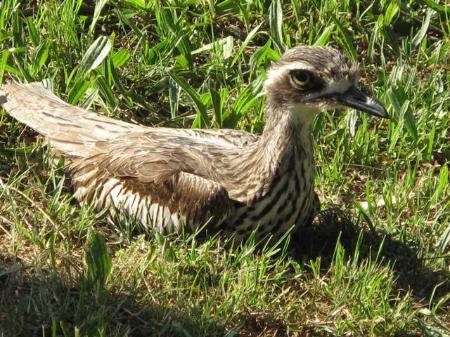
Above: Stone Curlew at North Avalon/Careel Bay, October 2011.
Careel Bay is also part of the East Asian-Australasian Flyway Partnership and hosts critically endangered species during annual migrations.
The East Asian-Australasian Flyway Partnership (EAAFP) was launched on 6 November 2006. It aims to protect migratory waterbirds, their habitats and the livelihoods of people dependent upon them. There are currently 40 Partners including 18 national governments, 6 intergovernmental agencies, 14 international NGOs, 1 international organisation and 1 international private enterprise.
The Australian government, Australia, and Pittwater, is a part of this. These birds come here to feed and need peace and safety to do so, so they can head thousands of kilometres back to the northern hemisphere and make new bubs,
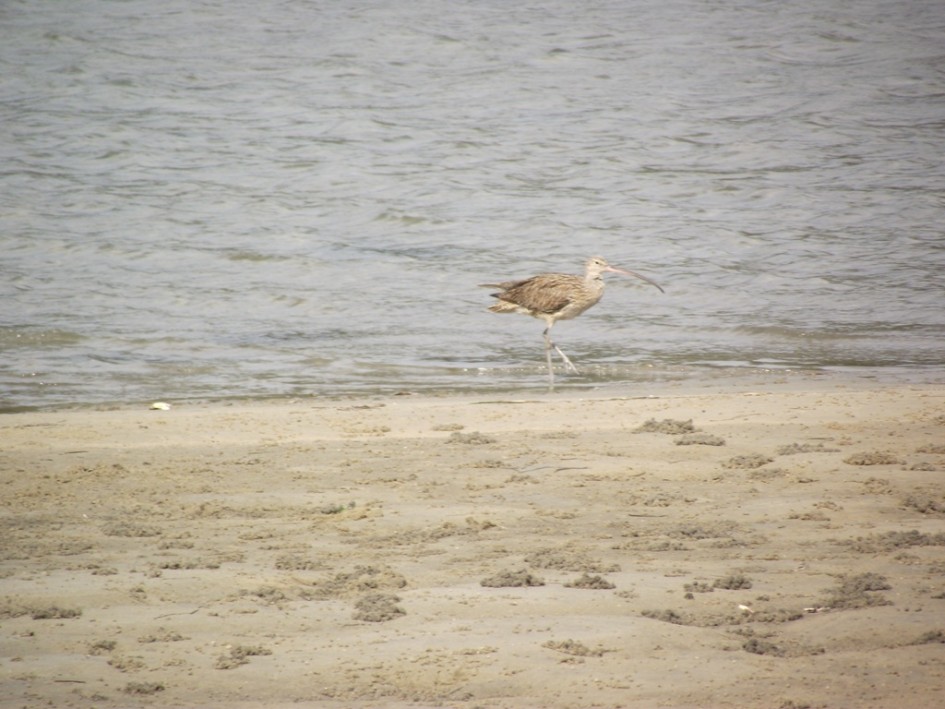
Eastern Curlew at Careel Bay foreshore
Fledgling Birds coming to ground: please don't remove from mum and dad's sight
The other reminder that comes with this time of year, and so many bubs leaving the nest to fledge and try out their wings, is you may encounter one of these fledglings on the ground in your yard.
Wildlife rescuers and carers, along with BirdLife Australia, ask you use these tips to determine how to help:
Nestlings
If the baby bird is fluffy, downy or has only a few feathers and it is unable to grip with its feet, then it is a nestling. It is not ready to leave the nest yet and will not have travelled far. It has likely fallen out of the nest so search nearby trees and shrubs for the nest and pop them back in if you can. If you can’t find a nest, you can try to wedge an ice cream container with drainage holes poked in the bottom (or similar) in a tree, line it with some leaves and soft materials (though nothing the bird could get tangled in) and place the nestling in there for the parent birds to find.
Watch from a distance (and hidden if possible) and the parents should come to attend to the young bird. If they do not come back within about an hour, contact a wildlife rescue group for further advice. Contact a wildlife rescue help if you suspect the young bird is sick or injured.
- Sydney Wildlife 24/7: 9413 4300
- WIRES 24/7: 1300 094 737
Fledglings
If the baby bird is largely feathered (usually with a short, stumpy tail) and it can perch (grip a branch with its feet) and hop around, it is a fledgling. It is learning to fly and move around and might be quite clumsy, but it is ready to be out of the nest and doesn’t need help. Its parents are likely nearby and returning to feed it regularly. If there is a threat, like a dog, contain the threat if possible and simply find a nice safe branch in a tree or shrub and pop the fledgling up there. Some fledglings like Tawny Frogmouths and Australian Magpies spend a lot of time on the ground and if you do put it on a branch, it may come down to the ground again.
Again, watch from a distance (and hidden if possible) and the parents should come to attend to the young bird. If they do not come back within about an hour, contact a wildlife rescue group or vet for further advice. Contact a wildlife rescue group or vet if you suspect the young bird is sick or injured.
In most cases, these small interventions will be all that’s needed to help any baby bird you come across. However, if you suspect that a bird is ill or injured, or you watch from a distance (and hidden if possible) for a significant amount of time and the parents don’t return to look after the baby, then you should take further action.
Sick or Injured Birds
Sick or injured birds may appear fluffy and hunched and may have dirty, matted or missing feathers. They may have visible wounds or injuries. Their eyes might be weeping, puffy, or crusty. They may be unable or reluctant to fly, making shallow, rapid breaths, head tilting, limping, not moving when approached or sitting in unusual, open places. Often other birds will also attack an unwell bird.
If you do find a bird that is sick or injured:
- Ensure the threat to the bird is removed and it isn’t in immediate danger (and keep yourself safe too).
- Handle the bird gently but firmly (and wear gloves wherever possible or use a towel). For small birds, use one hand and hold the bird so its head is between your index and middle fingers. The rest of your hand will wrap about the body. For medium sized birds you will need two hands – one over each wing. Large birds like raptors and owls have large beaks and claws so avoid handling birds of this size (contact wildlife rescue immediately and have someone qualified capture it).
- Put the bird into a well-ventilated box and keep it dark and quiet while you get treatment for it. This reduces the stress and shock for the bird and is the best treatment you can give it.
- Don’t feed the bird or give it water. This could cause the bird to aspirate or delay any treatment it might need.
- Contact your local wildlife rescue group or vet. Depending on resources, they may be able to come and collect the bird themselves directly or will provide you with advice based on the situation you are describing. A vet will not charge you for bringing in wildlife.
Note that under all state and territory legislations, you must be a qualified and licenced wildlife carer in order to rehabilitate wildlife. Carers are trained and knowledgeable in the care of wildlife, so if you find a sick, injured or baby bird that is not able to be reunited with its parents, you must hand it over to a licenced wildlife rescue group or take it to a vet.
Time to fly: as JM from Sydney Wildlife explained when we helped this fledgling magpie last year, birds coming down are only 2-3 days away from being able to flap enough to get themselves off the ground and into lower branches of trees, where they will walk upwards and even move themselves, small flap by small flap, back to the nesting tree and nest.
A lot of them will come down out of the nests when they're too hot - seeking somewhere cooler and a drink - sometimes they may only need a good rest to regain strength enough to get back up where they are safe.
Before dawn one morning, soon after we rescued the magpie bub, a parent bird sat with it for around half an hour while it was grooming itself, mostly its not fully developed wings, and then they both took off together.


Although we'll still be worried about this fledging magpie in the meantime, and keeping an eye and ear out for it, it's best to let bird parents look after bird bubs.

testing out those little wings, getting ready to fly off the shed roof
Before rescuing a fledgling, ask yourself:
- Is the bird calling or making a noise?
- Is the bird bright and responsive?
- Can the bird perch on your finger?
- Can the bird spread its wings evenly and flutter to the ground when encouraged to fly?
If the answer to all of these questions is a definite “yes” then the baby bird should be able to be reunited with its parents. It is best for a baby bird to be reunited with its parents, as they’re the best teachers for their young.
To try to reunite the baby bird with its parents, place the bird on a low branch in a bush and watch to see if the parents come to feed it.
How to help baby birds this season
- Keep your cats and dogs secure on your property. Cats are safest indoors or in secure outdoor enclosures so they can’t stumble across baby birds.
- Plant Australian native trees in your yard. Bushy indigenous shrubs and ground cover provide protection and camouflage for birds. This will help increase the survival rate of young birds and will significantly reduce the injury and mortality rates of all wildlife species.
- Call Sydney Wildlife on 9413 4300 if you find any sick or injured wildlife or baby birds without any parents that are too young to survive on their own. The rescue line operates 24 hours a day, every day.
BirdLife Australia provides the following
Look for signs a bird needs help
A bird that is sick or injured will look or behave differently. It may be:
- dirty, matted or missing feathers
- unable or reluctant to fly
- limping, head titling or breathing rapidly
- fluffy and hunched when it isn’t cold
- sitting in an unusual, open place and not moving when approached.
Most baby birds don’t need to be rescued. Some species leave the nest before they’re able to fly and spend time on the ground with their parents close by.
If attacked by a cat or dog, take the bird to a vet even if there’s no visible injury. Cat and dog saliva is toxic to birds and scratches can lead to infection.
Place the bird in a box quickly and carefully to minimise unnecessary stress
Birds are often killed by shock rather than their injuries. Swift but careful action is a necessity as any delay can increase stress.
- Cover the bird with a towel or blanket and pick it up gently but firmly. For medium sized birds you will need two hands – one over each wing.
- Place the bird into a secure and well-ventilated cardboard box. Keep the box in a warm, dark room and try not to disturb it. This reduces stress and shock for the bird and is the best treatment you can give it.
- Do not give the bird food or water as this could cause the bird to aspirate or delay any treatment it might need.
- Take the bird to a vet or contact wildlife rescue if the parents are not feeding it.
- If possible, take the bird to a vet straight away. A vet shouldn’t charge you for bringing in wildlife.
- If you can’t get to a vet or contain the bird yourself, contact wildlife rescue. They will give you advice and, depending on resources, may be able to rescue the bird.
- Take note of where the bird was found so it can be released in the same location.
In Australia, you must be a licensed wildlife carer to rehabilitate wildlife. Birds often need specialist care and treatment. To give them the best chance of survival, get them to licenced carers as quickly as possible.
Sydney Wildlife 24/7: 9413 4300.
Make it safe for you and the bird
Injured wildlife can be dangerous, especially when scared or stressed. Birds can also carry diseases.
Protect yourself and the bird by:
- removing any threats, such as cats and dogs
- using gloves or a towel to handle the bird
- washing your hands after handling the bird.
Do not handle large birds, such as owls and birds of prey – these birds have very sharp talons and can use them if they are scared or threatened. They must only be handled by trained wildlife rescuers..
Wildlife needs Water
During this Season, and even when it's not hot, please put some shallow dishes with water at ground level so everything else may get a drink. Putting a few twigs or sticks into the receptacle that extend to the ground allows lizards to get a drink too.
It is best to put these in shady spots as the sun will heat the water up.
A simple top up when you're watering the garden, at dawn or an hour or so before dusk when the strongest of the sun is off your yard, will keep them cool and the water fresh.
This will allow nocturnal wildlife, bandicoots, wallabies, nightjars, flying foxes, lizards and frogs to get a drink.
We also have two deeper oblong dishes on the front verandah, in the shade - these are frequented by the cockatoos, galahs and corellas. They can perch on the rim of the dish and dip down to extract a long drink, as is their preference.

one of the Tawny frogmouth pair that lives here
If you have bird baths, these will stay cooler if placed in shady positions under trees. We have one in each compass point, and two of these are under the trees so the birds feel safe flapping down for a drink or a bath and back up into the trees.

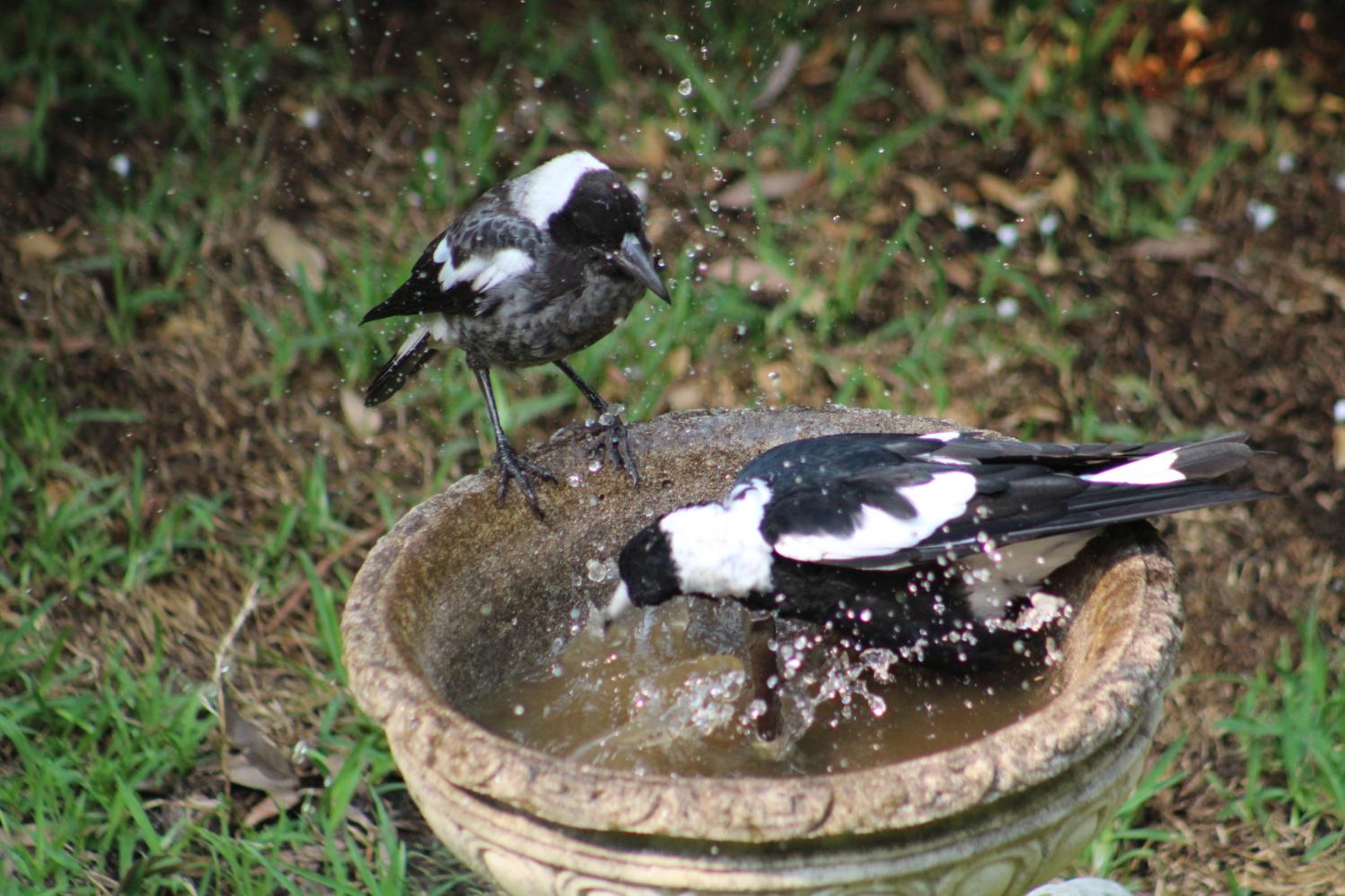


Blue-face Honeyeaters Family
Anyway – an update on this week's Spring becoming Summer local bird life – will persist trying to get the whole blue-faced honeyeaters family in one frame; they certainly have a different energy to the other birds – a kind of effervescent sparkling akin to thousands of tiny tiny bells chiming into the 'atmosphere within the atmosphere' of the yard and tree and bird community - equally delightful to other resident birds’ energy, but different just the same, and all 6 with their own personalities atop that too of course. Hopefully the light and their flitting among the branches of the tree canopy allow us to get some celebratory photos of the whole lot to share with you soon - something a bit clearer than them all perched together for half a second on one branch in light that turns them into silhouettes.
Photos/Update from one of your local bird-wafflers: A J Guesdon.

Bush turkey, male with breeding wattle - he chases off the other bush turkeys that visit on their travels from Careel Bay creek up into the Dolphin Crescent/Whale beach bush Reserves, and can be a bit cheeky!

Topknot pigeon getting some shade this week in the Pittwater Spotted gums that keep our home yard cool

Topknot pigeon pair - he was just doing a display dance for her, so we're likely to see some new bubs here from too soon