September 1 - 30, 2026: Issue 658


New research shows humans have maligned bandicoots for decades making them more vulnerable to extinction + Bandicoot Killers in Pittwater - Historical Facts

Our new research shows humans have maligned bandicoots for decades, making them more vulnerable to extinction

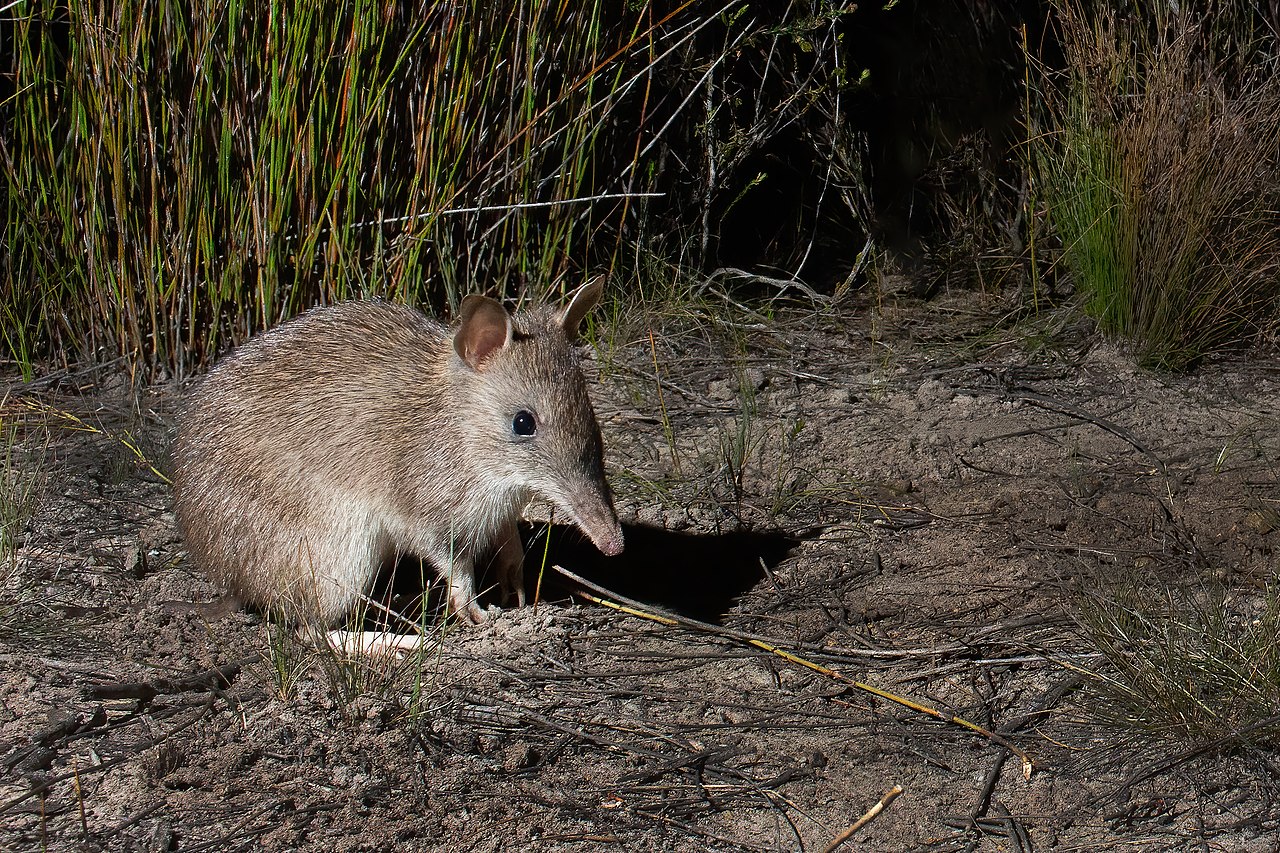
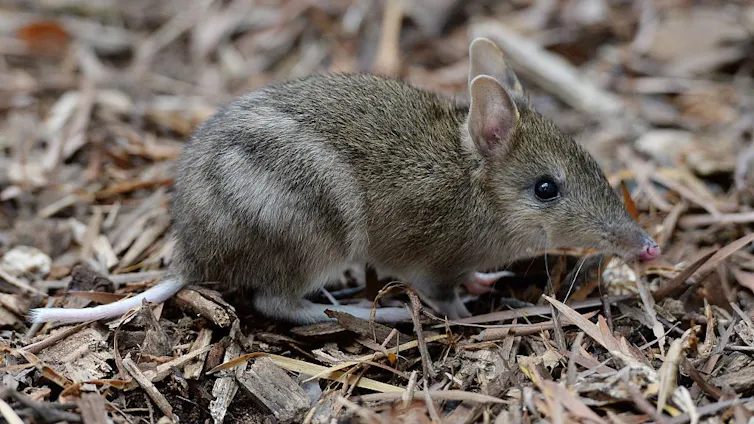
An eastern barred bandicoot walks on a patch of mulch.
James D. Morgan/Getty
Annabel Ellis, University of Sydney; Dieter Hochuli, University of Sydney, and Peter Banks, University of Sydney

Have you ever found your lawn riddled with holes or heard a little sneeze from your backyard bushes?

Those are signs you might have a resident bandicoot. Bandicoots are nocturnal, rabbit-sized marsupials known for their pointy snouts, thin tails and large hind feet. Due to these features, they were originally misnamed after a type of rat from India, the pandi-kokku, or “pig-rat” (Bandicota sp.).

Bandicoots are native to Australia and New Guinea, but are recognised as a globally threatened group of animals.

Despite seeming small and innocuous, bandicoots have long been maligned by humans, particularly as digging mammals that rip up farms, parks and even suburban gardens.

Our new study suggests this fraught relationship has lasted over decades – but for reasons you may not expect.

Bandicoot sound. Peter Banks, Author provided (no reuse)174 KB (download)

A brief history of bandicoots

For millions of years, various species of bandicoot have roamed the Australian continent, from desert to coastline.

Tragically, since European colonisation, eight of the 15 existing bandicoot (Peramelidae) species have become threatened or gone extinct. The populations that remain have all declined in numbers due to pressures from invasive predators, such as cats and foxes, as well as habitat destruction.

However, humans have also directly contributed to their decline.

Our latest research takes a closer look at how humans and bandicoots have interacted throughout recent history.

We did this by analysing more than 3,000 newspaper reports published in New South Wales between 1804 and 1954. These reports chronicle how people’s concerns about bandicoots evolved over time as an example of a human-wildlife conflict. These conflicts arise when the behaviour and needs of wildlife are at odds with those of people.

Our findings suggest there are three main reasons humans and bandicoots have had a troubled history.

1. A source of fascination – and food

In the early years of European colonisation, new arrivals enjoyed hunting Australia’s unusual animals. Bandicoots were trapped or shot for sport, food or fur. Hunters often sent their skins back to Europe for display, prompting some European artists to feature them in comical ways.

Bandicoots were also prized for their meat, with one newspaper article describing roast bandicoot as “one of the most deliciously delicate dishes going”. There were even reports of escaped convict prisoners surviving on bandicoot meat.

Story in The Land newspaper on hunting bandicoots in the ‘pioneer days’ of the east coast. Trove

2. A pest to control

From the early 1800s, farmers and landholders grew increasingly frustrated with bandicoots because of their digging habits. In the bush, bandicoots forage using their long noses and claws to dig up grubs, roots and mushrooms buried in the soil.

But from the 1830s, bandicoots throughout regional NSW were reportedly digging up maize and potatoes. People were soon using the term “bandicooting” to describe theft of any garden produce.

Farmers and landholders used various strategies to keep bandicoots out, including putting up fences, training patrol dogs and even coating crop seeds in tar and ashes.

But the most popular strategy was lethal control. Poisons, traps and guns were used to legally kill many native species under the Pastures and Stock Protection Act (NSW). From the 1880s until 1930, people could present the scalps of caught animals in exchange for cash. The Bathurst protection board received nearly 19,000 bandicoot scalps in 1906 alone.

3. A vehicle for disease

By the 1920s, the war on bandicoots shifted to the suburbs where residents grew increasingly worried about ticks, small parasites which feed off the blood of their hosts.

Early research into the most common species in eastern Australia, the paralysis tick (Ixodes holocyclus), did not single out bandicoots as a key host. But that all changed in 1924, when veterinary researcher Ian Clunies Ross collected ticks from bandicoots and concluded long-nosed bandicoots (Perameles nasuta) were their favourite host.

We now know bandicoots are just one of many animal species that host paralysis ticks, such as rats and possums. But once Ross’ claim was widely published in Sydney newspapers, the damage was done to the bandicoot’s reputation.

When a deadly new disease was discovered in the 1930s, bandicoots quickly became the prime suspect. Q fever was first found in workers at a Brisbane abattoir. After an infected worker thought he saw a bandicoot walking into a cowshed at night, bandicoots were suddenly to blame. Today, it is well-known that farm animals are the main spreaders of Q fever.
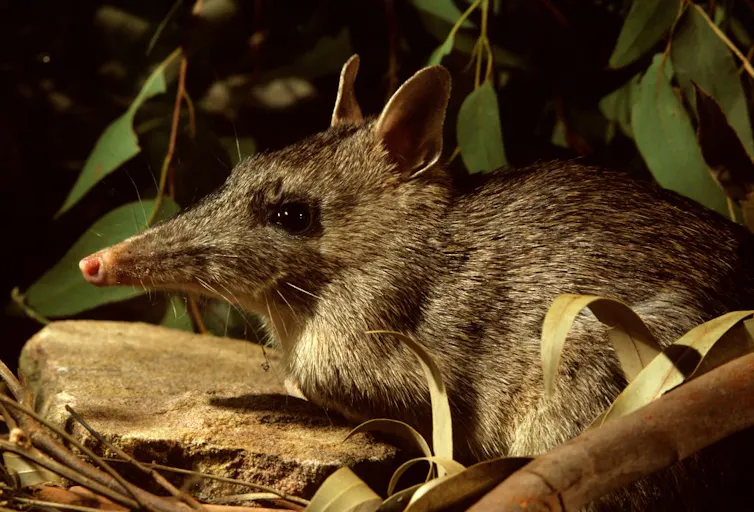
A long-nosed bandicoot sits on a bunch of leaves.
A long-nosed bandicoot (Perameles nasuta), recognisable by its elongated snout. Auscape/Getty

From conflict to co-existence

Many Australians still have a complex relationship with bandicoots, regarding them as pests to avoid or even eliminate.

This highlights the long-held misunderstanding we have about bandicoots. Bandicoots actually play a vital role in Australian ecosystems by digging up vast amounts of soil, spreading beneficial fungi and reducing the risk of bushfires.

So how can we better support our bandicoots?

For starters, we can fund more research into their behaviour, diet and role in the environment. Studying their nutritional needs may help us understand why they venture onto farms and into backyards.

We must also protect their habitat. Bandicoots are ground-dwelling mammals who like to nest in shrubs and grasses in the daytime. Conserving even small pockets of bushland can provide much-needed habitat.

When they venture out after dark, bandicoots are vulnerable to being hit by cars or killed by invasive predators like cats and foxes. If you have a pet, keeping them indoors at night is one way to keep bandicoots safe.

Most importantly, we need to set the record straight about bandicoots. Through education, we can correct misconceptions and teach Australians about the critical role bandicoots play in nature. After misunderstanding them for decades, it’s time we learn to love these little diggers.The Conversation

Annabel Ellis, PhD Candidate, Behavioural Ecology and Conservation Lab, University of Sydney; Dieter Hochuli, Professor, School of Life and Environmental Sciences, University of Sydney, and Peter Banks, Professor of Conservation Biology, School of Life and Environmental Sciences, University of Sydney

This article is republished from The Conversation under a Creative Commons license. Read the original article.
Bandicoot Killers in Pittwater

The above report reminds locals of an item from a 1960 Warringah Shire Council record which notes a Pittwater residents association is thanking that council for undertaking the killing of local bandicoots, after associating these local wildlife species with the cause of all ticks and tick bites in the area.

However, knowledge then and now points out that a wide range of native and domestic animals are hosts for the paralysis tick. Highly mobile animals such as foxes, dogs, and domestic and feral cats, can pick up ticks as they wander long distances through bushland areas and backyards. 

A report from earlier in September out of the council, speaking of Boguls being reintroduced to Allenby Park at Allambie, noted 22 foxes were removed from that area alone.

Bandicoots also act as hosts for the paralysis tick but tend to roam over a comparatively small range, usually within half a hectare of their nests. As a result they are less exposed to the risk of ticks. 

Although some people associate bandicoots with ticks, this may be because humans tend to pick up ticks most easily in long grass or thick scrub – which also happens to be the type of habitat favoured by bandicoots. 

To reduce the spread of ticks in your home yards: 

  • Keep your garden free of weeds – particularly lantana. 
  • If your yard is infested, spray the parts of the yard that you use with a mix of chilli (cayenne pepper), garlic and vinegar. After being left to brew for a few days before spraying, the mixture will discourage ticks. But remember this treatment may also harm beneficial garden invertebrates. 
  • Regularly check your pets and family. 
  • If small ticks can drop onto washing, you can place it in the clothes drier for 10 minutes on a hot setting.

Those Warringah Shire council Minutes of Meetings calling for the killing of bandicoots:

The Palm Beach & District Citizens Association, 20/10/60 requesting council to make the strongest possible representations to The Chief Secretary of N.S.W. for removal of the present ban against the destruction of Bandicoots' and that if, and when, this was granted, Council take every possible measures to, ' deal with the eradication of ticks as all Members are feeling the utmost concerned alarm over the greatly increasing paralysis tick problem throughout the 'A’; Riding area  of the Shire and that unless some positive Action is quickly taken to curb this menace it will soon be a major danger to residents and also a deterrent to holiday makers visiting the area. the WSC Resolved,.--/That Council write to the Chief Secretary; pointing out the problems attached to the present ban in regard to the destruction of bandicoots and ask him to reconsider his decision.

The Palm Beach & District Citizens Association, 30/11/60 re the Paralytic Tick Pest within the Shire, stating that an order: declaring an open season for the destruction of bandicoots from 25/11/60 to 31/3/61 had been gazetted, and thanking Council for its co-operation and support in the matter. Also asking whether Council would further co-operate by allowing its officers to help in the destruction of bandicoots, either by advice or assistance. 45. Resolved; That this matter be referred to the next meeting of the Health & Building Committee. (Crs. Fisher/Wade.) 

Of course, by January 1961 it was apparent the enabling killing of wildlife was leading to extinctions and one of those the Warringah Shire Council was facilitating the destruction of was already in peril: 

FAUNA PROTECTION ACT, 1948.—PROCLAMATION

(L.S.) E. W. WOODWARD, Governor.

I, Lieutenant-General Sir Eric Winslow Woodward, Governor of the State of New South Wales, with the advice of the Executive Council, do, by this my Proclamation, declare the mammals as set out hereunder to be Rare Fauna for the purposes of the abovenamed Act.

Signed and Sealed at Sydney this fourth day of January, 1961.

By His Excellency's Command,

C. A. KELLY, GOD SAVE THE QUEEN!

Description 

Native, Cat (Dasyurus quoll).

Yellow-bellied Glider (Petaurus australis).

Long-nosed Rat-kangaroo (Polorous tridactylus). 

Rufous Rat-kangaroo (Aepyprymnus rufescens).

Bridled Nail-tail Wallaby (Onychogales fraenata). 

Brush-tailed Rock-wallaby (Petrogale penicillata).

Yellow-footed Rock-wallaby (Petrogale xanthopus). 

Parma Wallaby (Protemnodan parma).

Black-striped Wallaby (Protemnodan dorsalis)

Pigmy Marsupial Mouse (Antechinus maculatus). 

Southern Planigale (Planigale tenuirostris).

Eastern Jerboa-marsupial (Antechinomys laniger). 

Short-nosed Bandicoot (Isoodon obesulus)

Pigmy Possum (Cercaertus nanus).

(A. 60-1,207) {3286}

FAUNA PROTECTION ACT, 1948.—PROCLAMATION (1961, January 20). Government Gazette of the State of New South Wales (Sydney, NSW : 1901 - 2001), p. 137. Retrieved from http://nla.gov.au/nla.news-article220242925

Short-nosed bandicoots in New South Wales - specifically the Southern Brown Bandicoot (Isoodon obesulus) - are still officially listed as an Endangered with Extinction species under both NSW and national legislation.

The current iteration of the Palm Beach Whale Beach Association changed its reason for being to include looking after the local environment until recent years, when around half its membership resigned due its committee's support of dogs being allowed offleash on Station Beach, Pittwater, which includes a large area of an endangered population of seagrass, Posidonia australis, now listed under the Fisheries Management Act 1994.

This area had been listed as part of the proposed Sydney Marine Park system before the then NSW Government permanently shelved plans for "no fishing" sanctuary zones in September 2018 following intense pushback from recreational fishers and the Shooters, Fishers and Farmers Party. Then Primary Industries Minister Niall Blair announced the fishing bans were "off the table" before the public consultation period even concluded.

See: Issue 372, August 2028: Marine Parks Phase 3 Consultation Commences: Local Changes Details

The proposal of then, as run in the above, was:

CURRENT MANAGEMENT
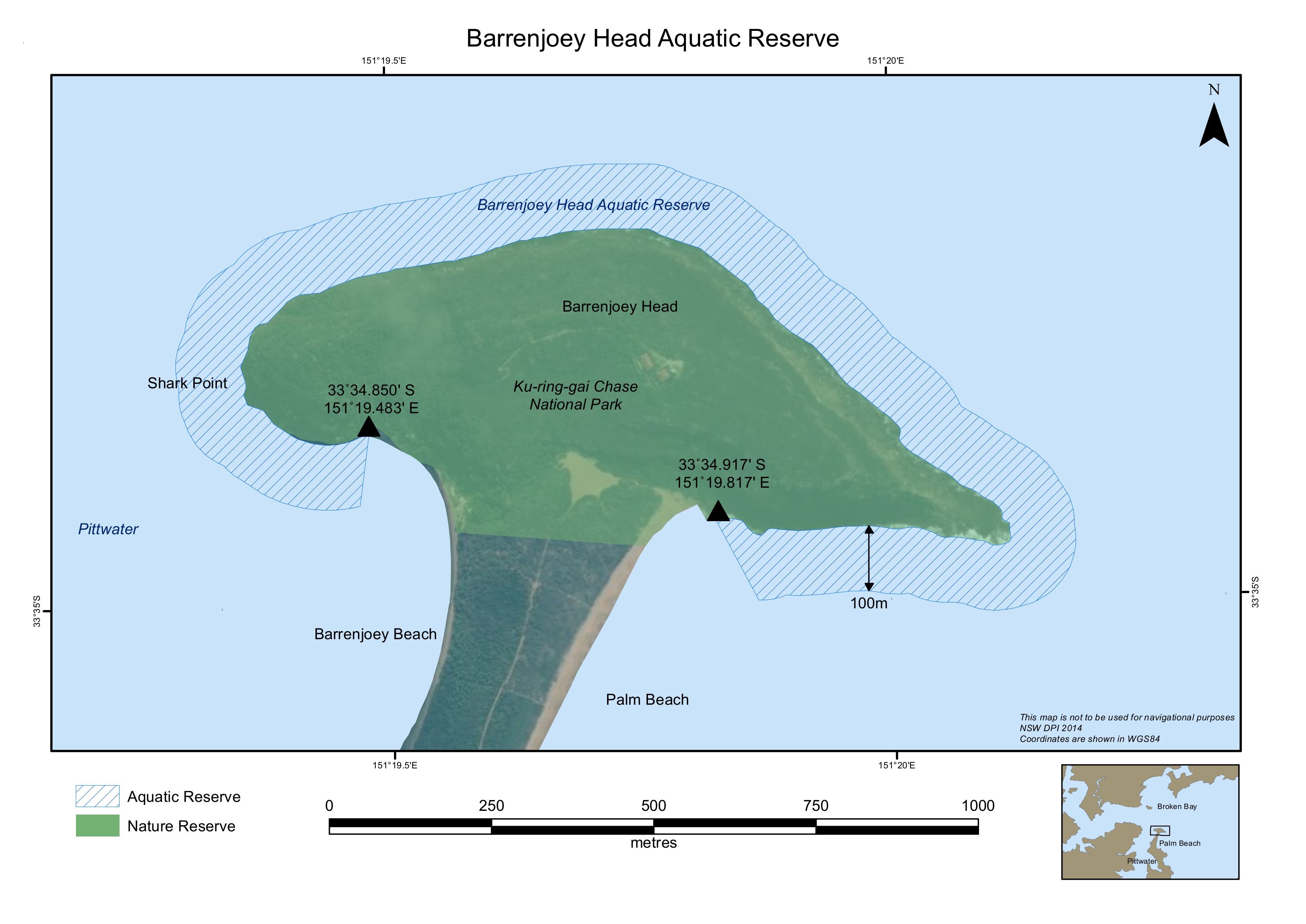
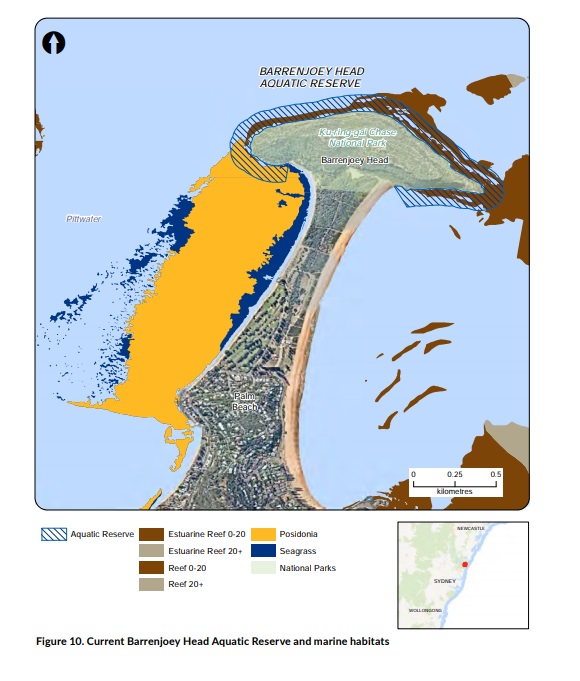
The existing Barrenjoey Head Aquatic Reserve was established in March 2002. The reserve covers 28 hectares, extending around the headland and including the area between the mean high water mark and out to 100 metres offshore from the mean low water mark.
Collecting cunjevoi, invertebrates and marine vegetation is prohibited, with the exception of rock lobsters, abalone, sea lettuce and bait weed. Recreational fishing competitions and collecting for scientific and educational purposes require a permit.

A fishing closure under the Fisheries Management Act 1994 prohibits netting by recreational and commercial fishers from Barrenjoey Head to Stokes Point; the aim is to limit the potential spread of marine algae, Caulerpa taxifolia.

SITE OBJECTIVES
The primary objectives for the proposed Barrenjoey Head site are to:

  • reduce risks to identified threatened and protected species of the bioregion
  • reduce risks to identified habitats of the bioregion
  • continue to provide for marine economic opportunities that are consistent with ecologically sustainable development, for example low-risk commercial fishing activities
  • establish and maintain public infrastructure to support access and use of the bioregion, for example moorings, boat ramps.

The secondary objectives that apply to this site are listed in Table 5.

ENVIRONMENTAL, SOCIAL, CULTURAL AND ECONOMIC VALUES
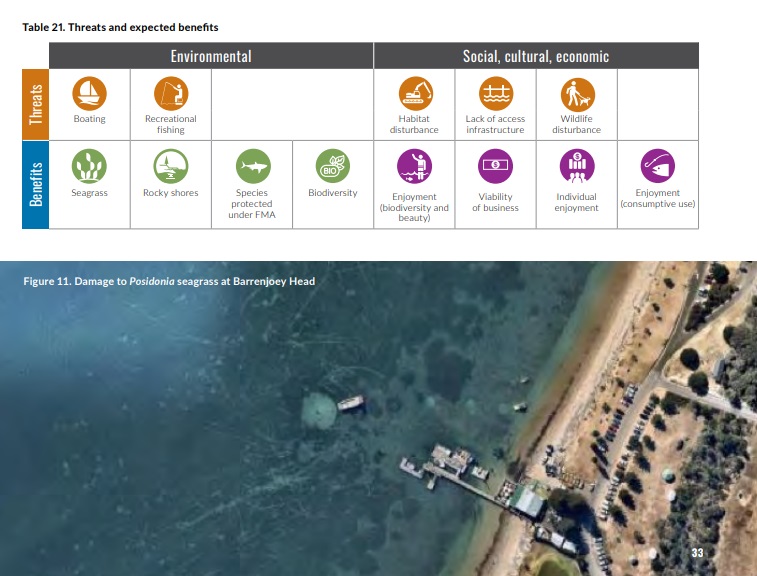
The existing aquatic reserve contains a variety of habitats. The combination of estuarine and oceanic influences supports the wide variety of marine life found here. The northern facing shoreline contains a relatively steep intertidal area dominated by large boulders, and a narrow strip of subtidal reef dominated by turf algae and some kelp. There are extensive seagrass beds located adjacent to the western side of the isthmus, including a large area of an endangered population of seagrass, Posidonia australis, which is listed under the Fisheries Management Act 1994. Significant damage to seagrass from anchoring, propellers, and swing moorings is evident from aerial imagery (Figure 11).

Barrenjoey Headland and its surrounding waters are frequented by many user groups. Passive recreation (walking, swimming, kayaking, paddle boarding) is popular here. Boats frequently shelter in the Pittwater side of the headland. Surfing is popular on the ocean side at the northern end of Palm Beach. Barrenjoey Headland is also used by recreational line fishers and spearfishers.

The area has significance to the local Aboriginal communities. Spiritual sites and evidence of past cultural use, such as shell middens, have been recorded in the Aboriginal Heritage Information Management System. 

Some Ocean Trap and Line commercial fishing takes place in the area.

PRIORITY THREATS TARGETED TO ENHANCE BENEFITS AT THIS SITE
The threats that will be addressed at this site and expected benefits to be enhanced are listed in Table 21.

PROPOSED MANAGEMENT RULES
Fishing rules that apply to the existing aquatic reserve would be adopted in the proposed special purpose zone (Table 22).
Boating and moorings at the site would be reviewed and restrictions developed with boating stakeholders to reduce damage to seagrass from propellers and moorings. Anchoring in seagrass would not be permitted.

Aboriginal cultural use and recreational activities, such as swimming, snorkelling and scuba diving, would continue to be permitted.

FEEDBACK FROM COMMUNITY ENGAGEMENT
The conservation value of Barrenjoey Head was identified by community members and peak conservation stakeholders – the National Parks Association of NSW and Nature Conservation Council of NSW. Concerns regarding the establishment of a no take area at this site were raised by recreational fishers and spearfishers as it is reported to be a safe area to spearfish and fish from small vessels.

However, residents witnessing jetskis speeding through the zone, tearing up the seagrass, have begun speaking about this again in recent weeks, stating this area and that plan should be followed through on. Residents who are not members of the current PNWBA are also pushing for a sanctuary zone at the south end of Palm Beach where Blue gropers are known to live to stop these becoming victims of 'ignorance backed up by arrogance', as they put it.

There is also a call to keep Bongin Bongin Bay at Mona Vale, also known as the Mona Vale Basin, as a nursery unto marine life so the fishers have something to fish for outside of these zones. 

Barrenjoey Head Aquatic Reserve was established in March 2002.

Barrenjoey Head Aquatic Reserve covers approximately 30 hectares including the rocky shore around Barrenjoey Head, extending from the northern end of Palm Beach around Barrenjoey Head to the northern end of Station Beach, and out to 100 m offshore.

The NSW DPI states:

The reserve is focused on conserving marine biodiversity of the rocky shore fringing Barrenjoey Headland. The rocky shore has a diversity of habitats and associated marine life, including four of the five types of habitats described for NSW rocky shores (platform, crevice, rock-pool and boulder habitats)

A mosaic of other habitats occur in and around the reserve, including subtidal rock walls and boulders, seagrass beds, reef systems and sandy seabed.

Rocky shore animals and seaweeds, long spined sea urchins and finfish species, such as hulafish and wrasses, are commonly seen in the reserve.

The Barrenjoey Head section of Ku-ring-gai Chase National Park covers coastal land adjacent to the reserve and contributes to making this coastal area a place of great natural beauty.

The NSW DPI states: What can I do in the Aquatic Reserve?

You can enjoy all sorts of marine activities such as snorkelling, scuba diving and fishing. You can line fish, spearfish and collect blacklip abalone (Haliotis rubra rubra), rock lobster (eastern rock lobster Sagmariasus verreauxi and southern rock lobster Jasus edwardsii), sea lettuce (Ulva lactuca) and bait weed (Enteromorpha intestinalis), subject to other NSW fishing rules and regulations.

Barrenjoey Head Aquatic Reserve - New South Wales. Department of Primary Industries, issuing body. (2014), Retrieved from http://nla.gov.au/nla.obj-2616197675

Bandicoots still surviving in Pittwater

Although many of us have not heard nor seen a bandicoot north of Bilgola bends for some years, bandicoots who are in the records as living in Pittwater include the Long-nosed Bandicoots (Perameles nasuta), and, occasionally, the Southern Brown Bandicoots. These are nocturnal marsupials (they come out at night) who leave distinct cone-shaped holes in lawns while foraging for insects and grubs, and rely on low ground cover and bushland reserves for safety.

The long-nosed bandicoot is primarily a sandy-brown or greyish colour. Its body length is around 40 centimetres, including a tail length of 14 centimetres, and it weighs around 1.5 kilograms. It has a prominent long nose and small pointed upright ears, a hunched-looking posture, a short tail, a rear-facing pouch, and three long, clawed toes on front feet. 

The long-nosed bandicoot has a high-pitched squeak when scared or disturbed. You may also hear them snuffling to each other when a family group is having a feed in your yard. 

Although faring better than many other native mammal species in the face of human impact, the long-nosed bandicoot vanished from much of Sydney in the 1960s. It is restricted to the outskirts such as the upper North Shore and Ku-ring-gai Chase National Park in the north, Blue Mountains in the west, Holsworthy in the southwest and Royal National Park in the south.

The species can be a common visitor to gardens of people living near Garigal and Ku-ring-gai Chase National Parks. Two small populations remain in the inner Sydney urban area: A population at North Head has been designated as endangered by the New South Wales government - we've run some reports on the great work being done there. Data suggests that bandicoots there number around 200 individuals. Sydney's Taronga Zoo is undertaking a breeding program to bolster the population.

See a December 2021 report: World's First Biodegradable ‘Flat-Pack’ Homes To Help Wildlife Survive After Bushfires Launched At North Head Sanctuary In Manly

The long-nosed bandicoot forages for insects such as beetles and beetle larvae (grubs), plants, including the roots of monocots, and fungi. Invertebrates make up most of the diet year-round, with spiders, caterpillars, leaves and seeds more common food items in Summer and cicada larvae, blades of grass, bracts (tiny true leaves) of wattles, and underground items such as roots and fungi eaten more in Winter. So, they are great at keeping our local environments healthy too - not only to they help aerate soil, which is great for composting, they also eat keep a check on insects that, if there were too many, would damage local ecosystems.


Long-nosed Bandicoot, photo taken here, New South Wales. Photo: JJ Harrison 

After a bandicoot egg is fertilised it takes just 12 days before the young bandicoot is born. This is one of the shortest pregnancies recorded for any mammal. At birth the bandicoot is a little smaller than a jelly bean. It attaches to a nipple inside its mother's near-opening pouch and grows rapidly on her rich milk. At nine weeks old, the young bandicoot leaves the nest and becomes independent. The young spend another 50 to 54 days in the mother's pouch before being weaned. There are usually 3-4 young each time and  Bandicoots generally live for 2 to 4 years in the wild. 

Australia had 11 bandicoot species – three are now extinct; the Perameles bougainville fasciata (Liverpool Plains Bandicoot), Perameles bougainville notina (South-eastern Striped Bandicoot) and Perameles papillon (Nullarbor Barred Bandicoot) - primarily due to the spread of introduced cats and European red foxes, although dogs attack them too. In the NSW Dept of Environment Wildlife Rescue data 494 bandicoots were rescued in the 2024-2025 period, with an equal number of those coming into care due to dogs and cats attacking them. There were 71 of these rescued in our area, including long-nosed and 2 southern brown (eastern) bandicoots. The southern brown bandicoot is listed as endangered under the EPBC Act. Just 12 were released back into their home grounds.

Adult Southern Brown Bandicoots have a body length of about 300 mm, a short (120 mm), thin tail with a pointed end, and weigh between 400-1600 grams. The species has a relatively short nose and ears, dark grey or yellowish brown fur on its upper body, tail and feet and a creamy white belly. In contrast the Long-nosed Bandicoot has a long nose and ears, pink tail and white feet. 

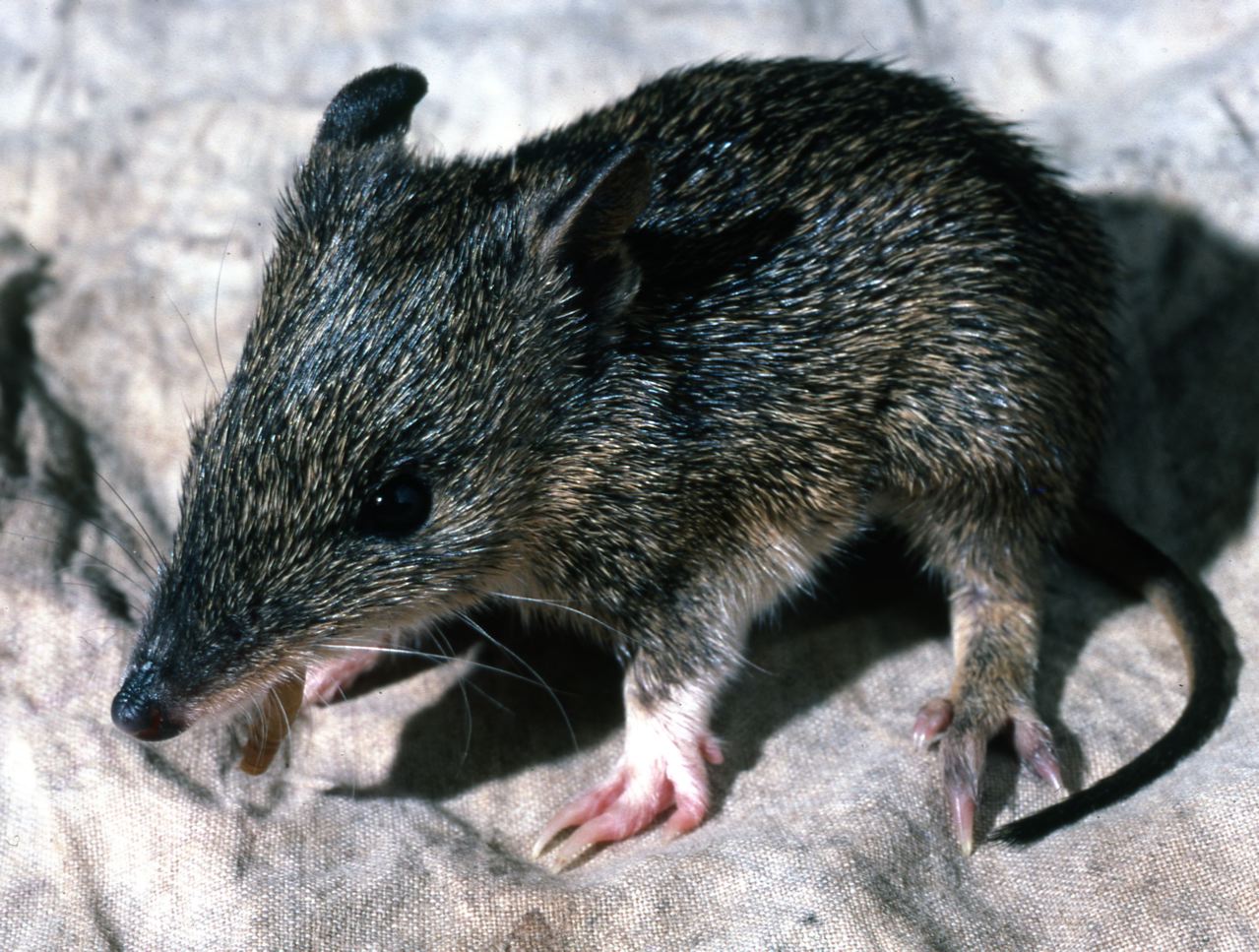
Southern brown bandicoot (Isoodon obesulus) in the Royal Botanic Gardens, Cranbourne, Victoria. Photo: John O'Neill

Littlie - Juvenile southern brown bandicoot. Photo; Bertram Lobert 

The NSW Department of the Environment has a permanent call out to locals to help protect bandicoots as the peninsula from Manly to Palm Beach, and particularly Pittwater from Narrabeen north and to the east, is one of the few places left in Sydney where they are still surviving. Pittwater is Sydney's 'Ark'.

The Department's webpage states:

Reporting fox sightings

Foxes remain an active threat to the endangered population of long-nosed bandicoots at North Head. NPWS runs a continuous baiting program in Sydney Harbour National Park to control foxes and better protect the endangered population of long-nosed bandicoots. Further emergency baiting and other predator control activities are implemented as soon as fox presence on the headland is detected. A mortality register of bandicoots killed by foxes or on roads in Manly is also maintained. Members of the community are asked to report any fox sightings and any dead bandicoots in the Manly area, particularly at North Head, to the Harbour North Area (Parks and Wildlife Group) by phoning 02 9960 6266.

Join a bandicoot survey

NPWS closely monitors the southern brown bandicoot to measure its response to fox control and other management actions. All sightings of southern brown bandicoots should be reported to NPWS, noting the location, date, what the bandicoot was doing and any other information which may help. Even dead southern brown bandicoots should be reported and where possible specimens submitted to a museum; bone, hair and DNA samples can all be used by researchers to help inform us about this species. (Remember they can be distinguished from the common species by their small round ears.)

Volunteers are invited to assist NPWS staff with bandicoot monitoring surveys in Garigal and Ku-ring-gai Chase national parks. Email NPWS.MetroNorthEast@environment.nsw.gov.au to join the volunteer program. This species is so rare that only a few are found each year and there are none in zoos in New South Wales. Seeing or catching one is a unique experience.

Bandicoots and ticks

A wide range of native and introduced animals are hosts for the paralysis tick, which can also afflict humans. Highly mobile animals such as foxes, dogs and domestic and feral cats are particularly susceptible to picking up ticks as they wander long distances through bushland areas and backyards. Ticks increase in response to weather and climatic conditions and where fire has been absent from an ecosystem for a long time.

Bandicoots act as hosts for ticks; their hind feet have a syndactylous (joined) toe, like a comb, evolved for effective grooming and tick removal. However, because they tend to roam over a comparatively small range, often staying within half a hectare of their nests, they don't spread ticks as far as many other animals. Although some people associate bandicoots with ticks, this may be because humans tend to pick up ticks most easily in long grass or thick scrub, which happens to be the type of habitat favoured by bandicoots.

See: Bandicoots: Friends or Foes? by Lynleigh Greig

You can help to reduce the spread of ticks in your area by:

  • regularly maintaining your garden to control tall grass and weeds, particularly the noxious weed lantana
  • spraying yard areas with a malathion-based spray, which lasts for about 2 days. A natural alternative to chemical sprays is a mixture of chilli (cayenne pepper), garlic and vinegar. After being left to brew for a few days, the mixture will discourage most pests if sprayed around the garden. However, remember that any such treatment will also harm beneficial garden invertebrates
  • regularly grooming and inspecting pets
  • encouraging small, tick-eating birds into gardens by planting species and forming a habitat they can live in.

See: Attracting Insectivore Birds to Your Garden: DIY Natural Tick Control

In August 2026 a local resident sent in the following video of the first of the last month of Winter new bubs - with one left out of what is usually four bubs: