this one.jpg?timestamp=1781383712279)
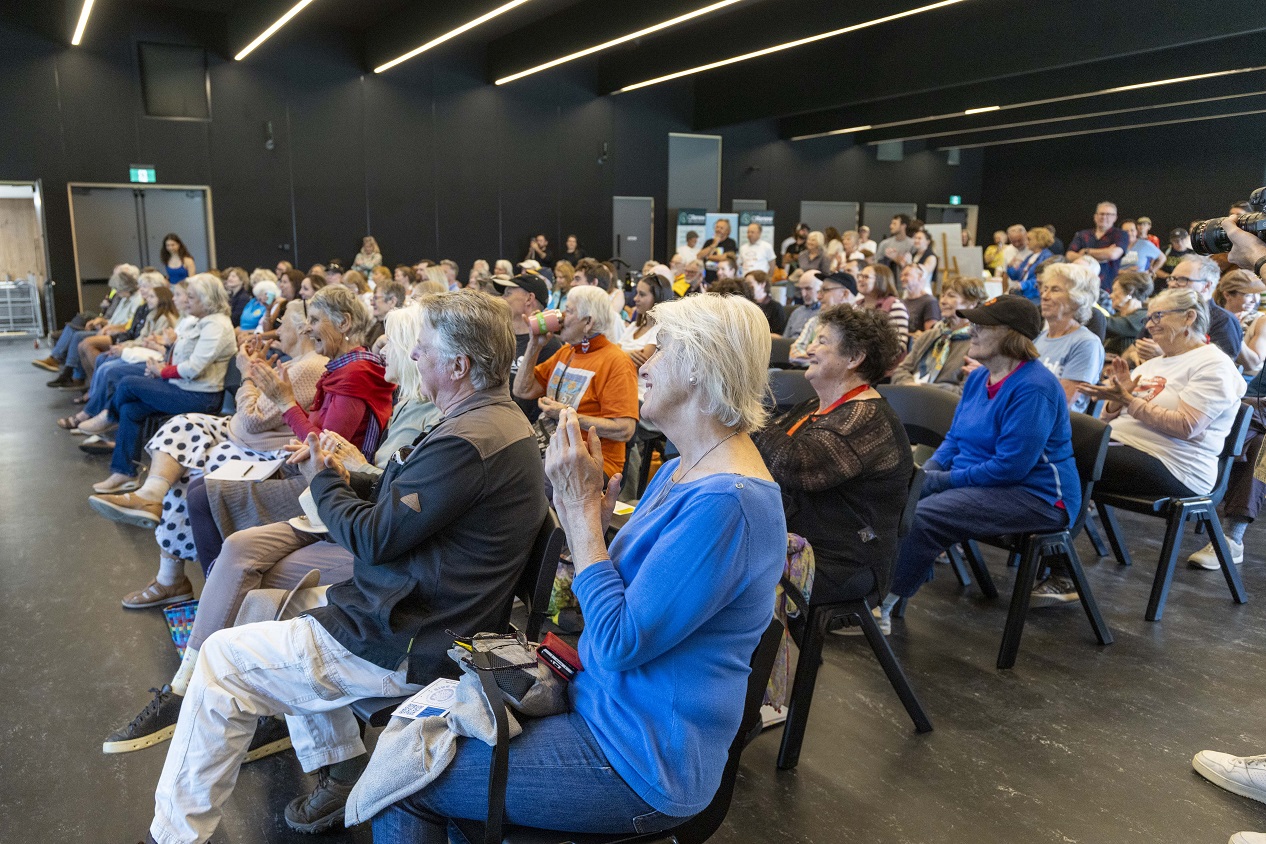
Hundreds of residents gathered at the Warriewood Community Centre on Saturday June 13 to attend the Waves Without Waste Expo, a local community-forum focused on tackling Australia's growing plastic pollution crisis, hosted by Independent Federal Member for Mackellar Dr Sophie Scamps.
The forum featured a panel of experts, including award-winning filmmaker and Blue Minds Co-Founder Kal Glanznig, Director of Circular Economy and Waste at The Australia Institute Nina Gbor, and Warriewood local, world-record sailor and climate advocate Lisa Blair OAM.
The message from the community is clear: Australians are doing their bit, but they cannot solve the plastic crisis alone.
Australians use more than 1.3 million tonnes of plastic packaging each year, yet only around 12 per cent is recycled. Meanwhile, Australia's plastic consumption continues to rise steeply year upon year.
While households and councils have been asked to recycle more and waste less, only 14% of plastic waste is recycled in Australia. In the meantime, many of the largest corporate producers continue to generate increasing amounts of plastic packaging and avoid responsibility for their waste.
In response to growing community concern, Dr Scamps is pushing for stronger national action on plastics and will introduce a Bill to Federal Parliament in the coming weeks to drive meaningful reform and tackle plastic pollution at its source.
The reforms would include an Extended Producer Responsibility Scheme which puts responsibility where it belongs – back on the companies producing plastic waste – including for its collection, recycling and reuse. It will also call for mandatory national targets and standards, and stronger regulation of harmful chemicals in plastics.
Dr Scamps said the community's message was clear;
"Our community wants action on plastics. People on the beaches see the impacts of plastic waste firsthand. We live in an area of incredible natural beauty and care deeply about protecting our beaches, oceans, and wildlife."
“Plastic waste is not just an environmental issue; it is a health problem as well, as harmful chemicals and microplastics infiltrate our bodies.”
"For decades, big corporations have convinced us that plastic waste is our responsibility. But individuals and households cannot solve this problem alone. If we're serious about reducing plastic pollution, we need national policies that tackle the problem at its source, and that means putting responsibility for packaging waste back on the corporations creating it.”
“It’s clear voluntary corporate schemes to tackle plastic waste have failed, but now we have a rare opportunity for change with both the sustainability and corporate sectors aligned in calling for national ‘producer responsibility’ laws to be introduced.”
"Extended Producer Responsibility is a simple idea: if you produce it, you're responsible for it throughout its entire lifecycle, including collection, recycling and reuse."
"I've heard from so many people here today who are worried about the future we're handing to our children and grandchildren. Many other countries have introduced reforms like I’m calling for, and it’s well over time we did too.”
Panellist Lisa Blair OAM said:
“What a great event, I feel like everyone who came learned something new about how plastics impact us, but better than that, they have been given real actions they can take home to their community to create change. We need expos like this everywhere across Australia and more MP's like Dr Sophie who are leading from the top so we can impact policy and continue to have the life we love in Australia.”
Panellist Nina Gbor stated:
"Because plastic is a toxic substance poisoning human bodies and the planet due to excessive use and extensive global pollution, we must now replace plastics with non-toxic, compostable alternatives that are systemically reused, ending the single-use culture where possible. Australia can be a global leader in this shift."
Panellist Kal Glanznig said:
“It was incredible to see such a strong turnout for this event. Australians have such a strong connection to the ocean, and the opportunities ahead to tackle Australia’s plastics problem is something that everyone should get around.”
“Who doesn’t want to be a part of the generation that finally stopped plastic ending up on our beaches, in our animals and in our bodies?”
Waves Without Waste
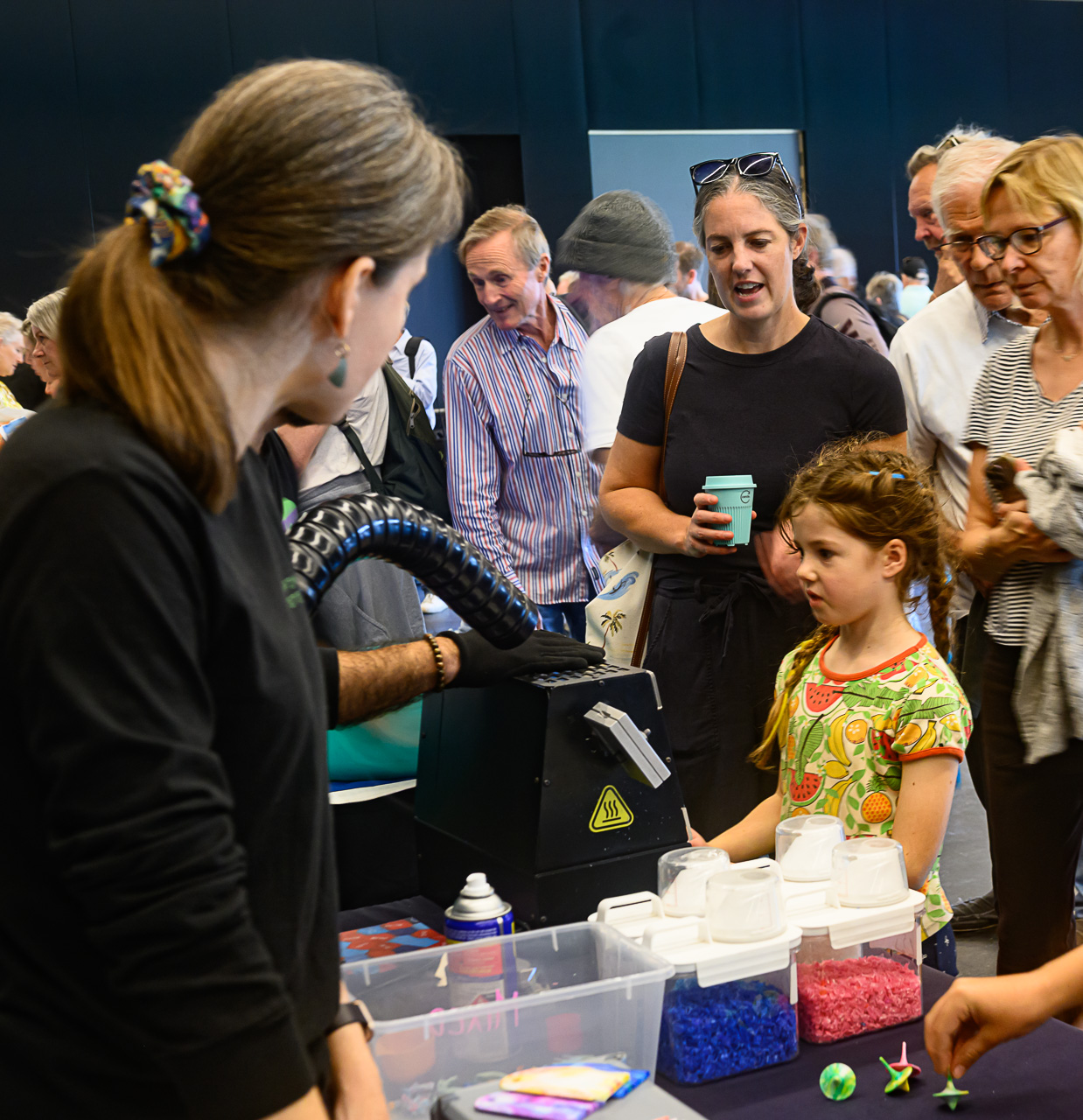
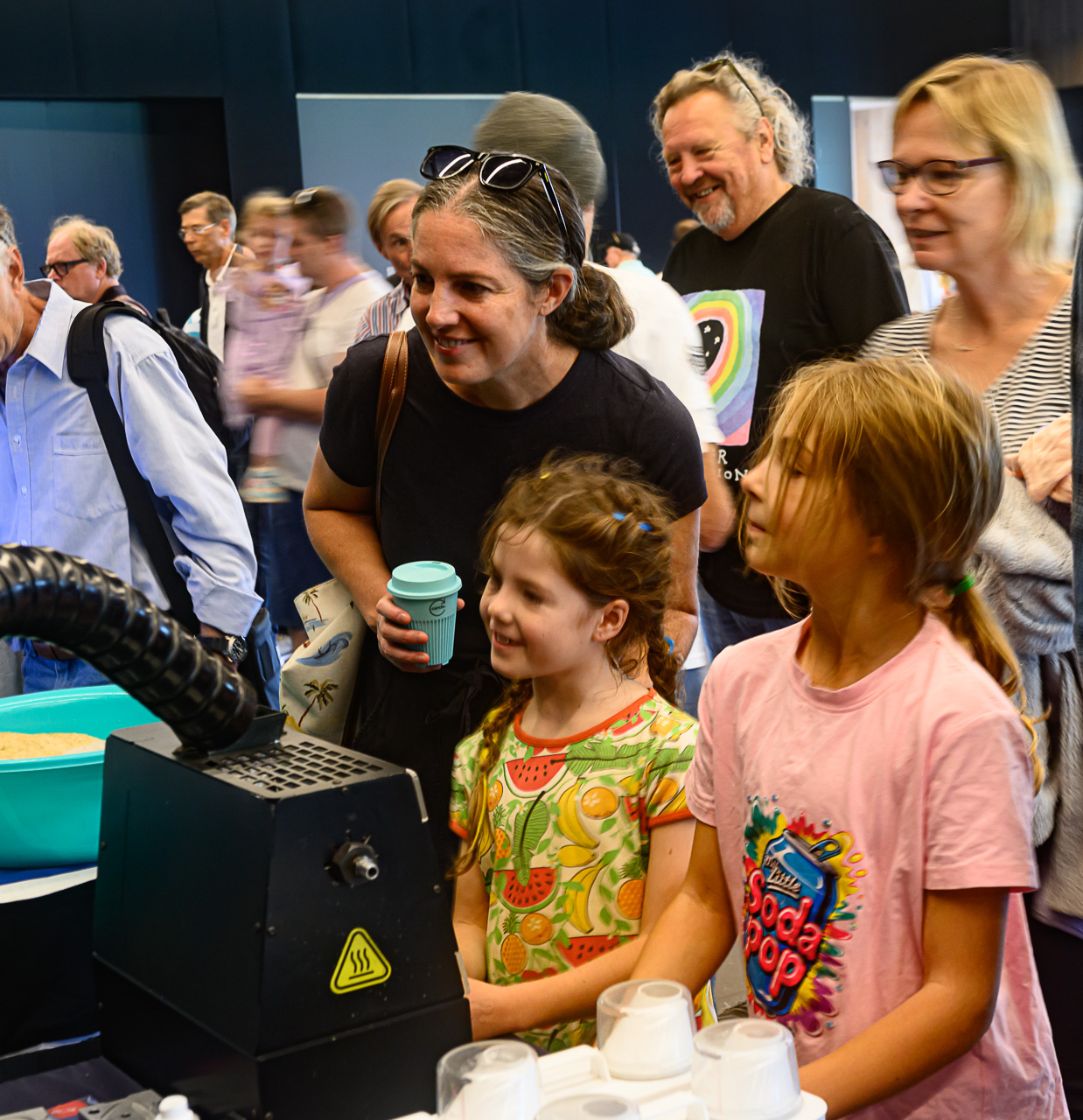
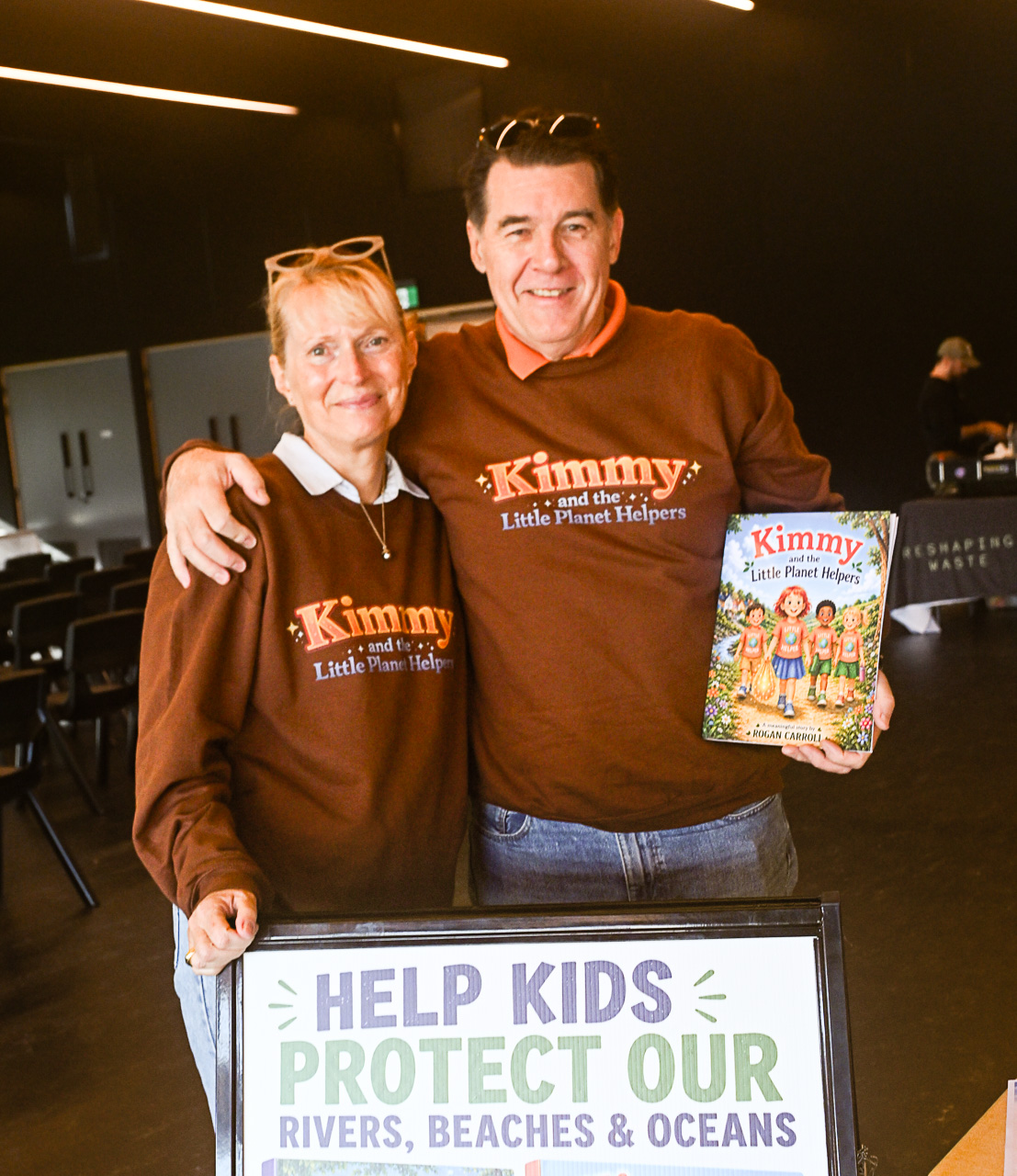
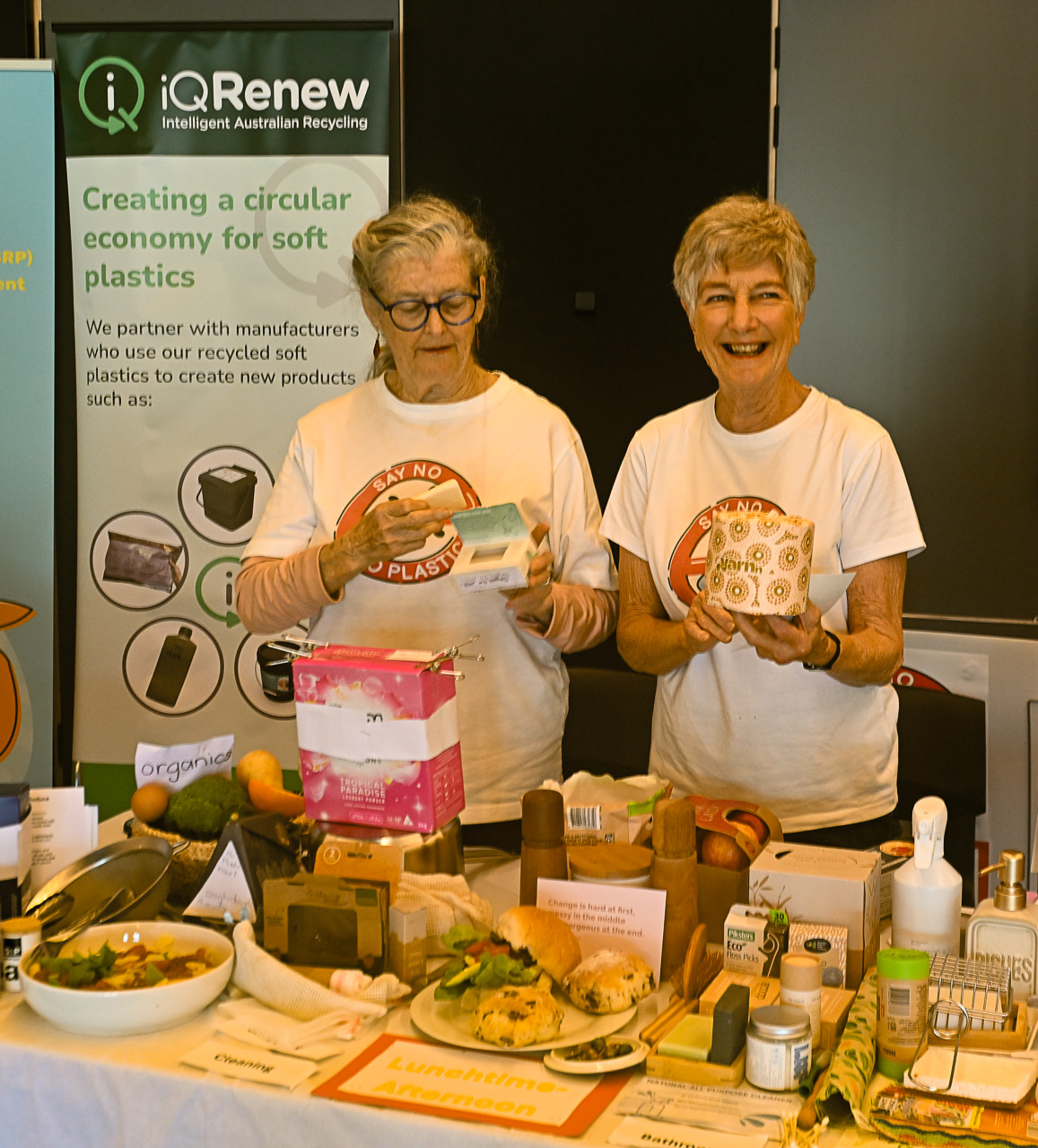
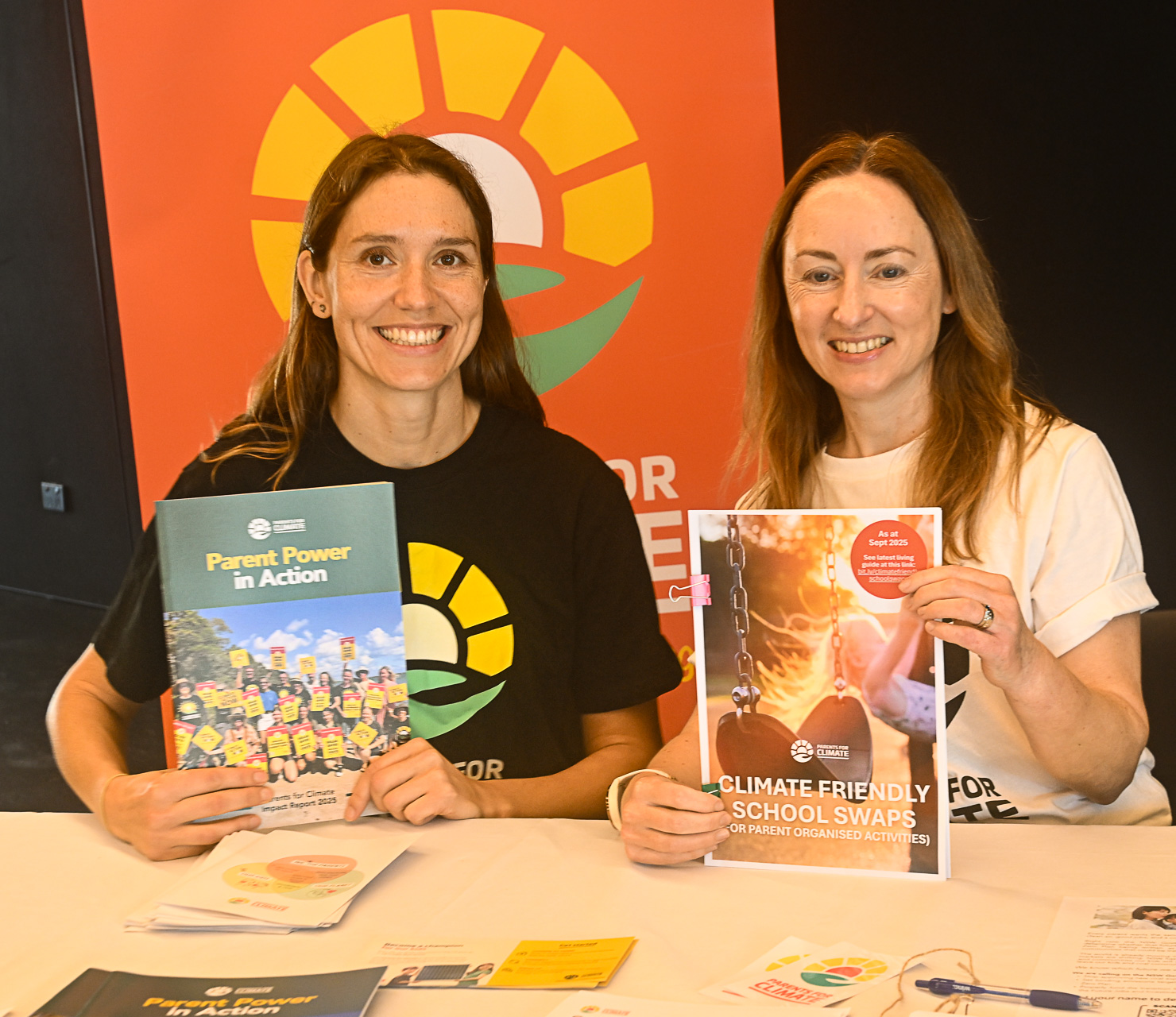
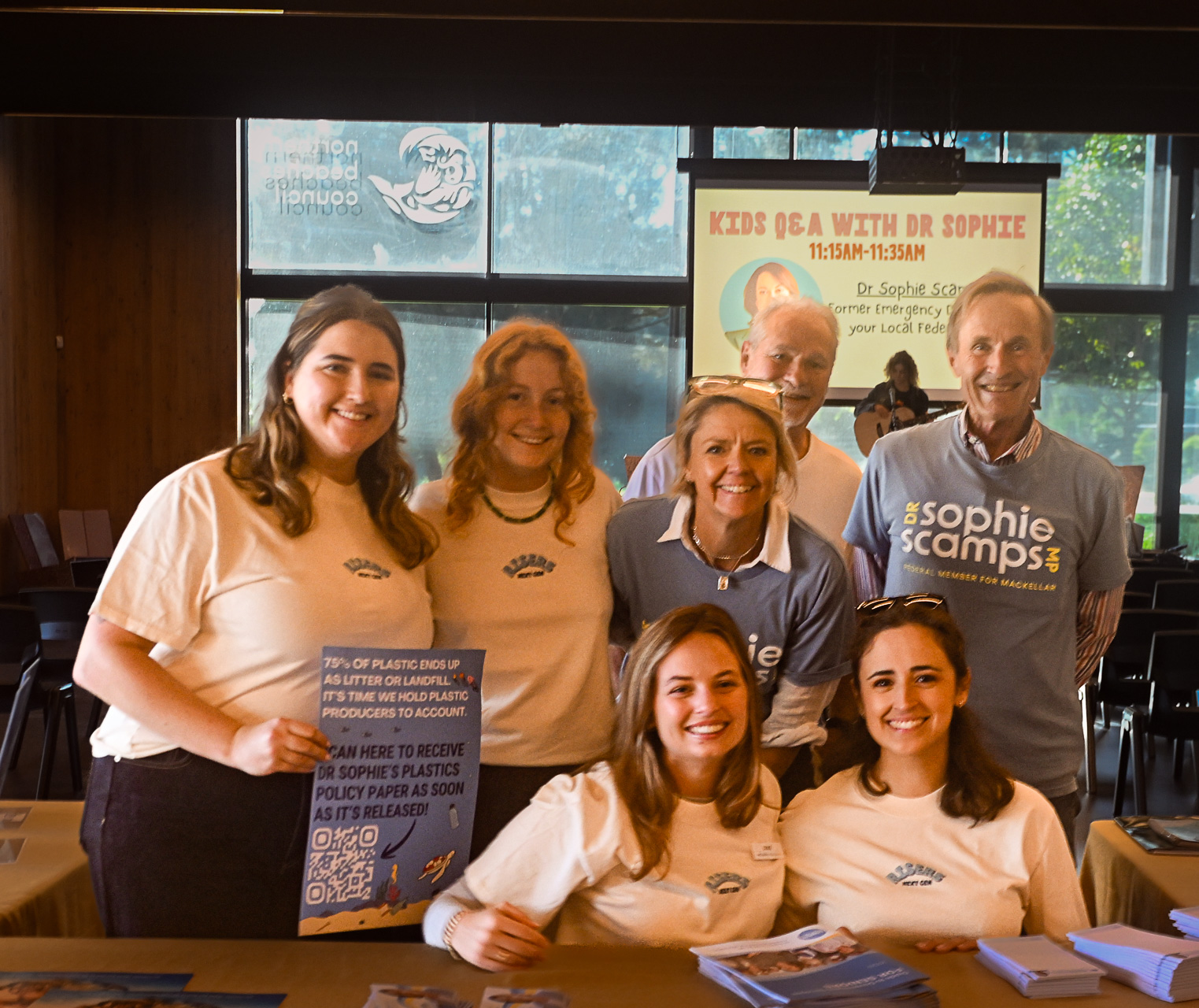
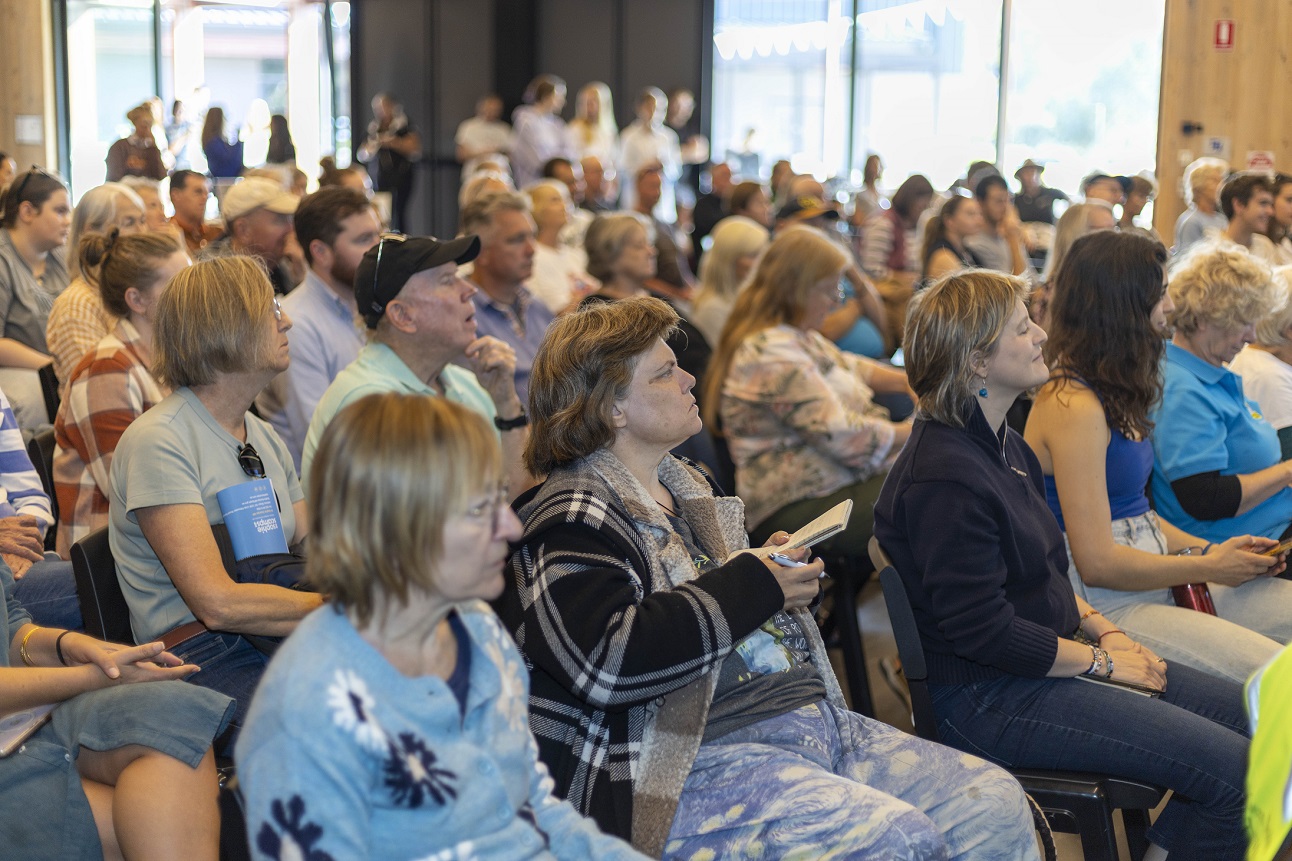
“Waves Without Waste” was designed to bring people together to learn about the impacts of plastic pollution, explore practical solutions, and hear from experts and changemakers working to protect our environment. The event was open to all ages and included stalls, children's activities, music, a dedicated kids’ Q&A, and an expert panel.
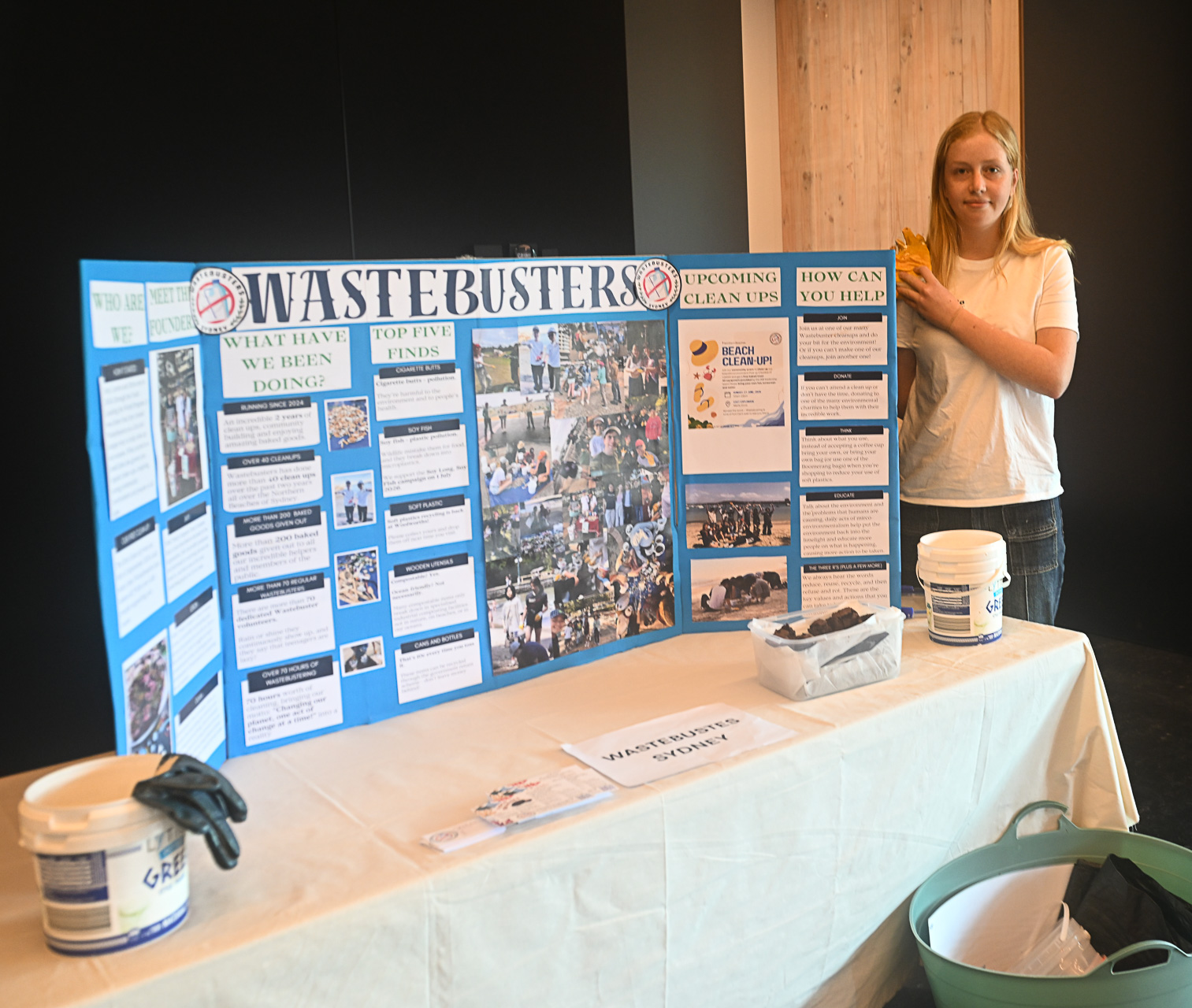
Wastebusters Sydney - a youth-driven, non-profit organisation with an environmental-based purpose and aim. More here. Photo: Michael Mannington OAM
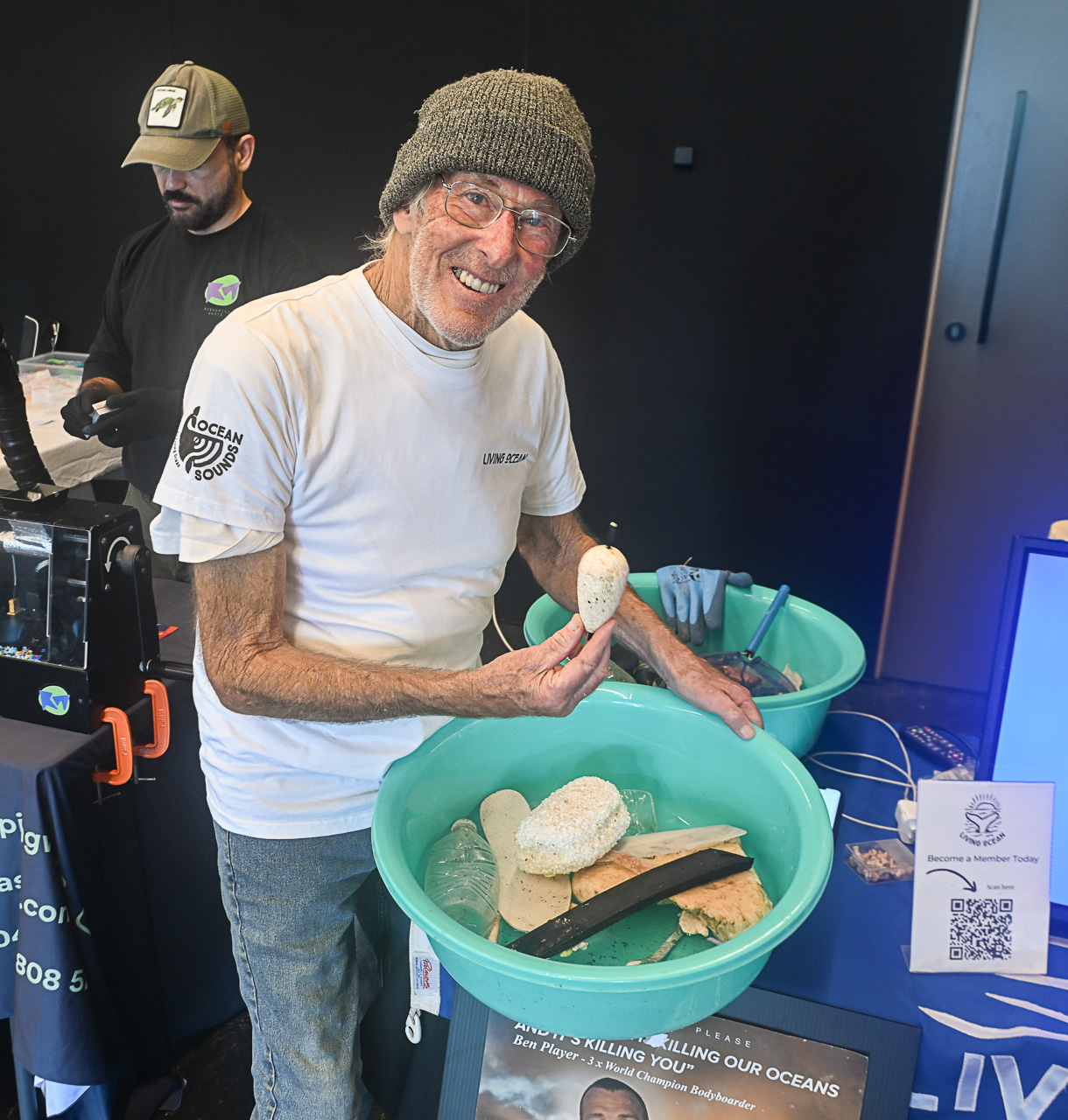
Living Ocean's Robbie Luscombe Newman. Photo: Michael Mannington OAM
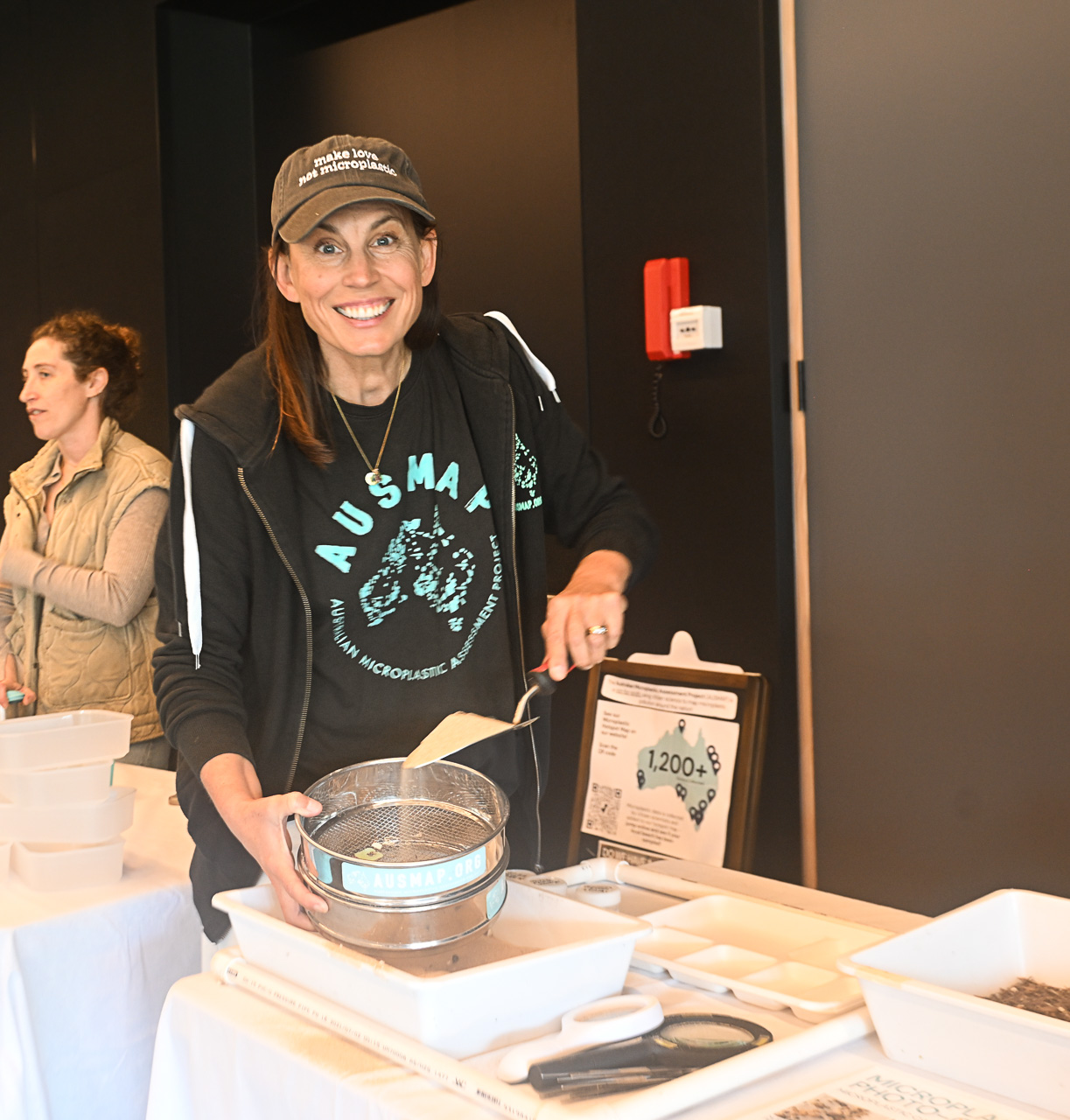
AUSMAPS education team. See report: Synthetic grass fragments are increasingly prevalent microplastics in waterways across Metropolitan Sydney: Report finds Microplastics Have tripled in Sydney's waterways in three years - Manly Cove's 'very high' reading - NSW microplastics report 2026 - February 2026 - this was confirmed by NSW Marine Estate study and report this month. See: Microplastic assessment report: Dee Why Lagoon Among Most Polluted in New South Wales - 56.55% of Manly Lagoon's plastic pollution is Artificial Turf - Pittwater Least Polluted
As part of the expo, Blue Minds ran an exciting workshop specifically for children and youth.
Blue Minds is a youth ocean leadership program co-created by Kal Glanznig and Cooper Chapman. Delivered by Surfers for Climate in partnership with The Good Human Factory, Blue Minds empowers young people to become leaders in ocean conservation, environmental advocacy, and community action, while building confidence, resilience, and a deeper connection to the natural world. Learn more about Blue Minds here.
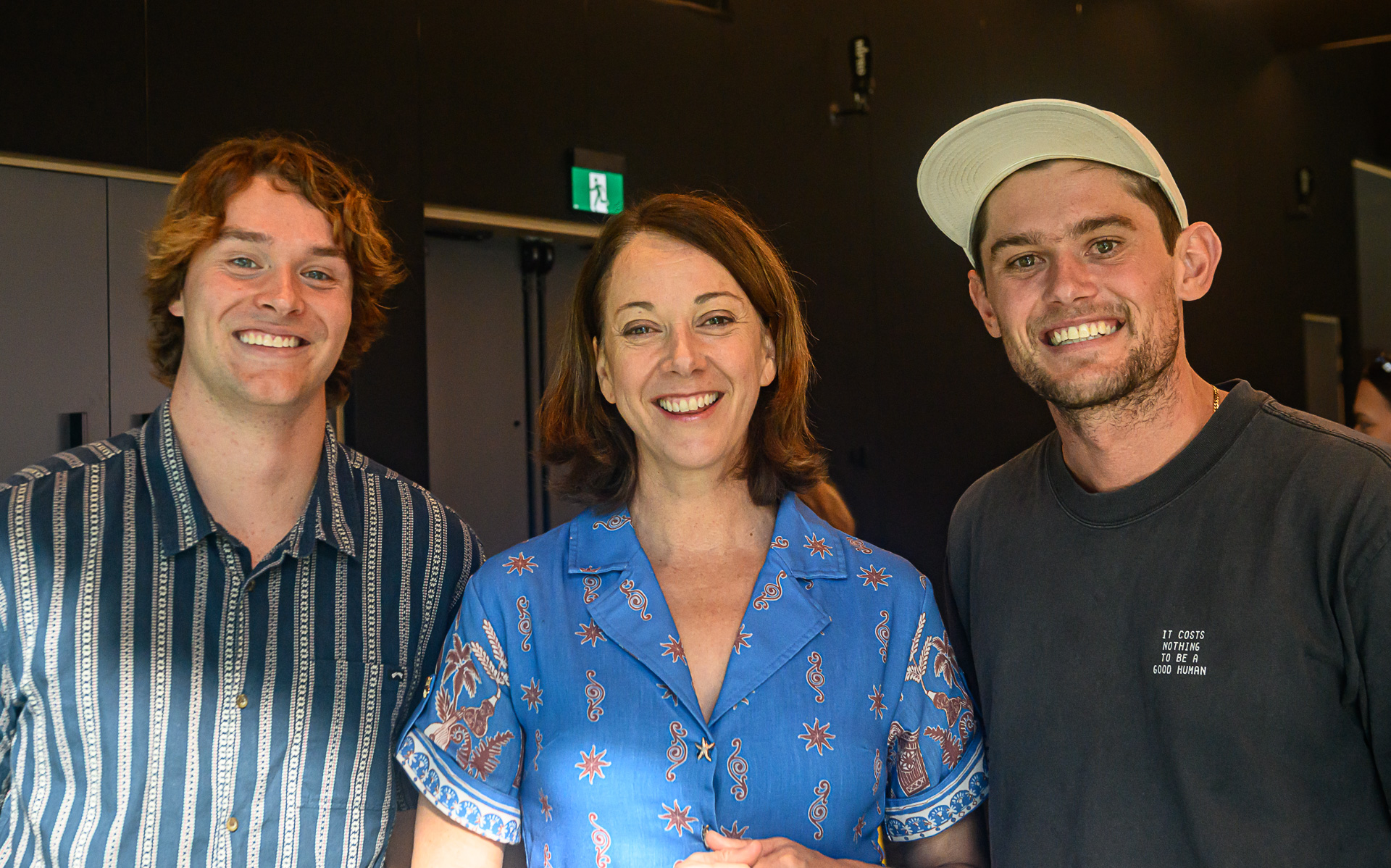
Blue Minds- Kal Glanznig and Cooper Chapman with Mackellar MP Dr. Sophie Scamps. Photo: Michael Mannington OAM
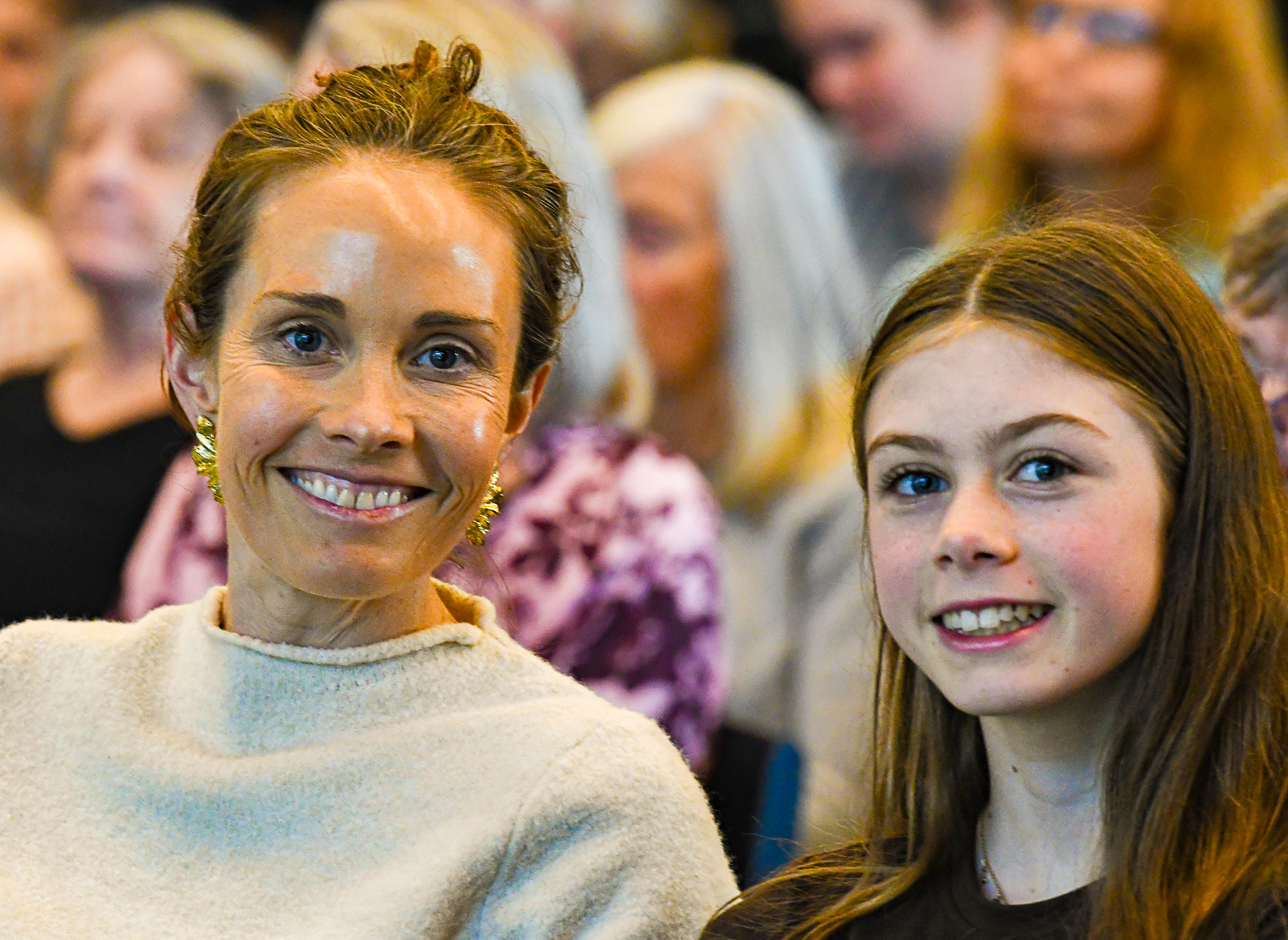
Pittwater MP Jacqui Scruby and her daughter also attended Waves Without Waste. Photo: Michael Mannington OAM
Background
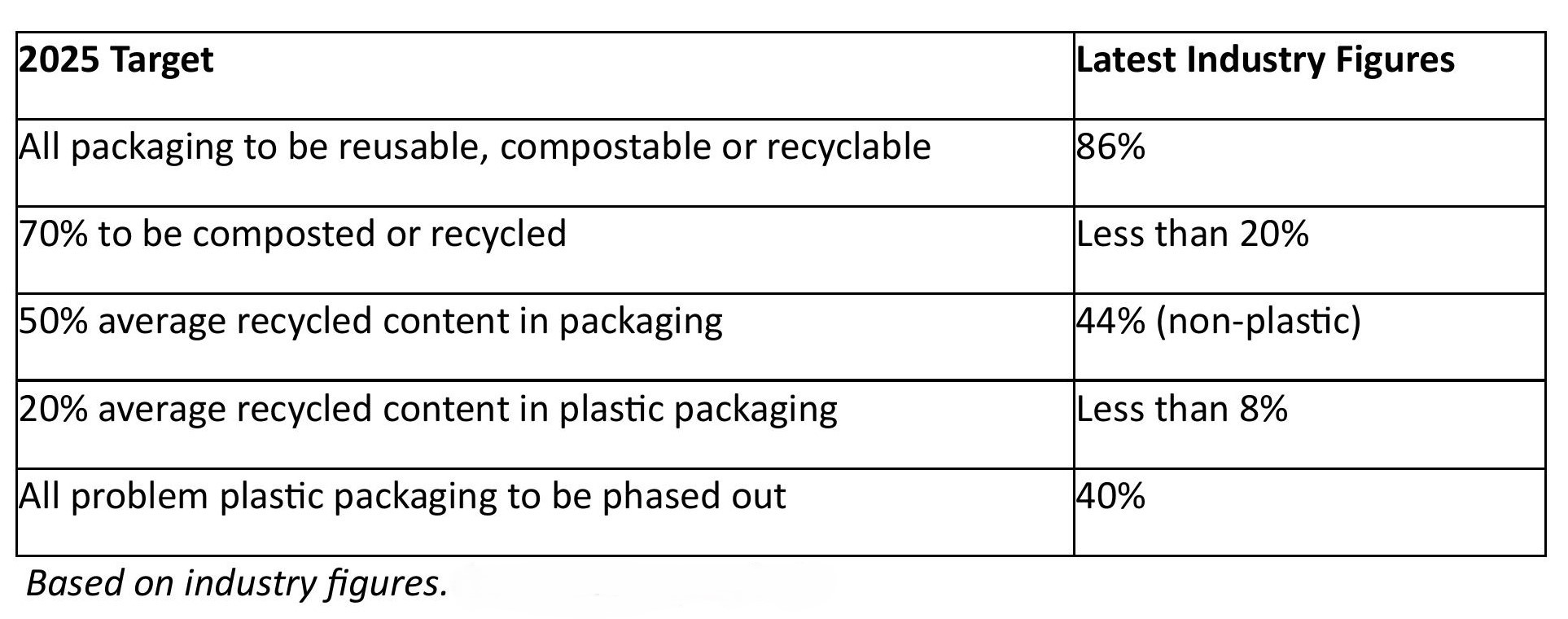
Since 1999 single use packaging has been managed through a co-regulatory (voluntary) scheme run by the industry. This scheme has failed to meet its targets.
A recent Commonwealth Government packaging consultation report stated:
‘Over 80% of respondents preferred Commonwealth regulation of packaging and 65% support Option 3, an EPR scheme with mandatory requirements.’
EPR for Packaging
Internationally, Australia has endorsed the ‘high ambition’ goals for a global Plastics Treaty. This position supports capping production, banning high-risk single-use plastics and enforcing polluter pays principles to foster a circular economy.
Support for an EPR scheme for Packaging already includes most State, Territory and local Governments, the packaging industry, environmental groups and concerned Australian consumers.
A YouGov survey (Boomerang Alliance December 2024) found that 73% of Australians support a packaging EPR scheme and 88% support producer-funded soft plastic collections.
How EPR Works
An EPR scheme is based upon polluter pays principles. It requires producers to design products for cost effective recovery and pay the costs of collection, processing, and reuse of recycled materials through a circular economy framework. Most schemes require producers to contribute to an EPR scheme fund that can be used to fund any collection and recovery services. The Container Refund Schemes now operating in every State and Territory are examples of EPR.