Residents warned of Ross River Virus risk: Detected at Narrabeen-Warriewood
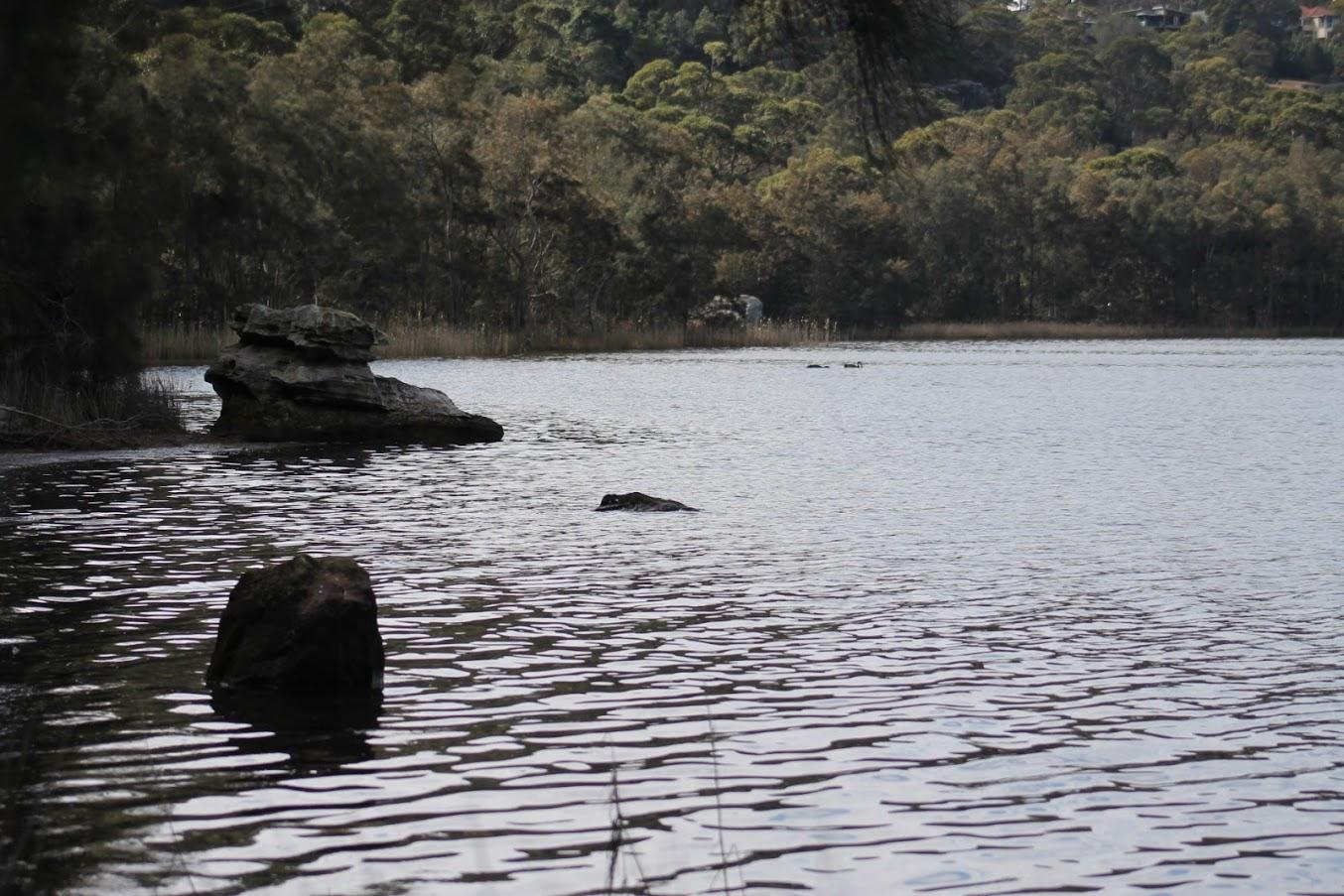
On Friday April 24 the council issued an alert advising residents to take extra precautions against mosquitoes after Ross River Virus was detected in mosquitoes trapped at Narrabeen Lagoon.
Council works in partnership with NSW Health to monitor mosquito activity across the LGA, including trapping mosquitoes at key wetland and lagoon locations to identify species numbers and test for viral infections.
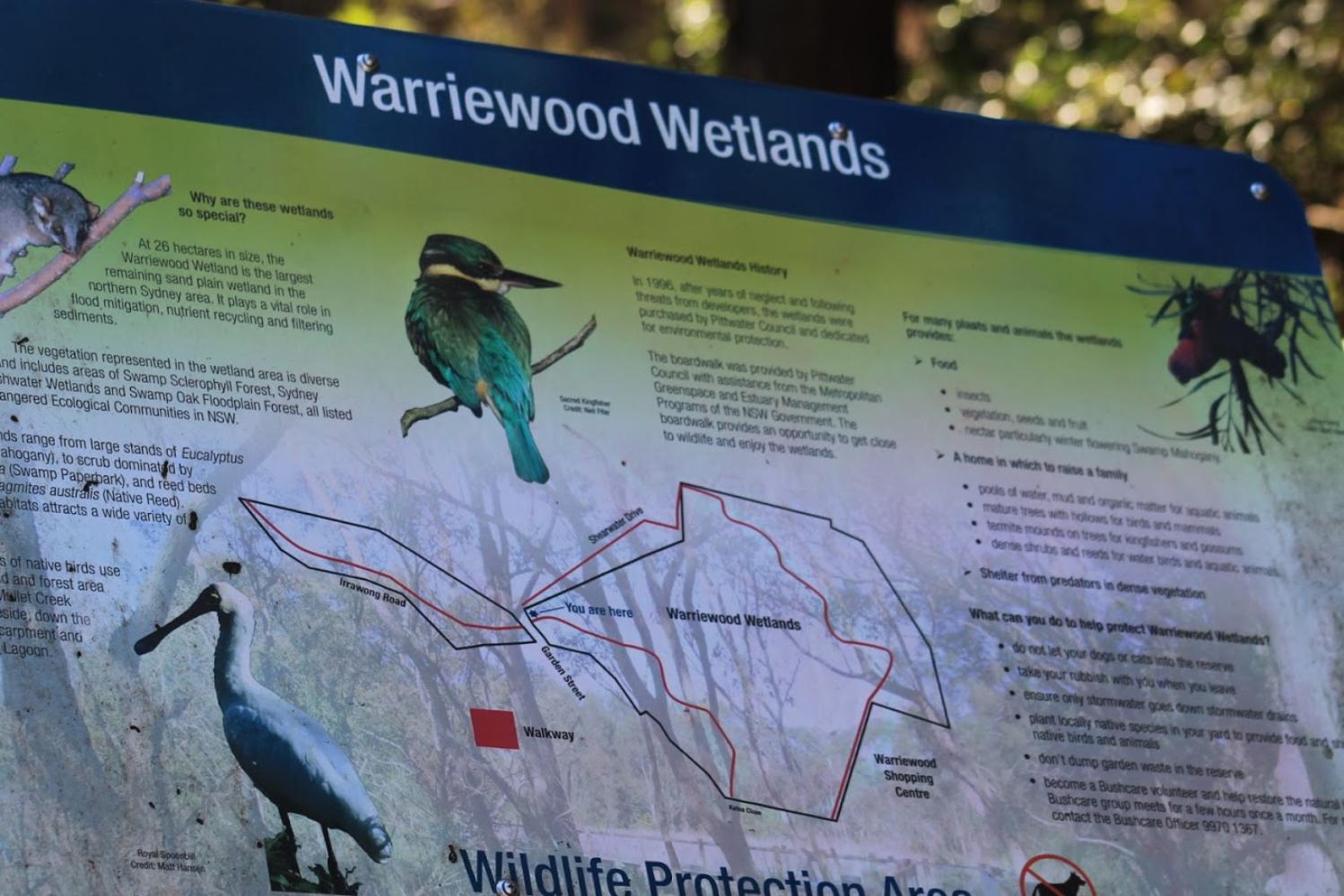
Monitoring traps are currently in place at Warriewood Wetlands and Deep Creek, near the Narrabeen Lagoon walking trail.
Ross River Virus is spread through the bite of an infected mosquito. While many people experience mild or no symptoms, some may develop flu‑like illness including fever, chills, headache, fatigue, and muscle and joint pain. Joint swelling and stiffness can occur, particularly in the morning, and some people may develop a rash on the body, arms or legs.
Symptoms usually develop between seven and 10 days after being bitten by an infected mosquito.
For more visit this NSW Health Ross River Fever fact sheet and Explainer: what is Ross River virus? - by Dr Cameron Webb
Dr Cameron Webb, on his Beat the Bites: Mosquito Research and Management website states Ross River virus is the most commonly reported mosquito-borne disease in Australia. The virus is spread by the bite of a mosquito and about 40 different mosquito species have been implicated in its transmission.
"In Sydney we know we have a high concentration of mosquitoes which is a symptom of the poor health of the wetlands. Rehabilitation of those wetlands can reduce the quantity of mosquitoes produced.
"But as we also open up coastal areas to urban development, people are living closer to wetlands than they were before. Also, people moving to areas like this from the city for example, are not fully understanding the health risks of mosquitoes or taking the appropriate measures to avoid being bitten."
''Coastal wetlands around Sydney are impacted in many ways. Mangrove forests and saltmarshes are degraded through direct and indirect human activity. There is recent research indicating that sea level rise is impacting mangroves along the Parramatta River in Sydney. This requires active management to ensure substantial degradation and die back occurs, as has been seen elsewhere in Australia.
Some of our research even suggests that degraded mangroves are more productive when it comes to mosquitoes. Effective rehabilitation of these habitats may actually reduce the mosquitoes flying out of these environments and impacting the community nearby. Similarly, urban planning should consider the risk posed by mosquitoes in wetlands adjacent to new and expanding residential developments. This includes major wetland rehabilitation projects.''
It is important to remember that mosquitoes are a natural part of wetland ecosystems. While often their pest impacts may indicate the poor health of the wetlands, at other times abundant mosquito populations are a natural occurrence that fluctuate in their intensity from year to year.
It is also important to remember that there are many mosquito species associated with wetlands, especially freshwater habitats, that pose no substantial threat to humans. There are hundreds of mosquitoes in Australia, and less than a dozen really pose a substantial pest or public health threat. Many mosquitoes may play an important ecological role in wetland ecosystems. This may include representing a locally important food source for insectivorous wildlife or pollinating plants.
The disease caused by Ross River virus is not fatal but it can be severely debilitating. Thousands of Australian’s are now infected each year.
On April 30th, 2020 the council issued a statement that Ross River virus and Barmah Forest virus were detected in mosquitoes collected at Deep Creek in late March. Ross River virus was also detected in mosquitoes collected in the Warriewood Wetlands in early April.
A study published in May 2019 by Dr Cameron Webb, Dispersal of the Mosquito Aedes vigilax (Diptera: Culicidae) From Urban Estuarine Wetlands in Sydney, Australia, demonstrates that Australia’s saltmarsh mosquito (Aedes vigilax) flies many kilometres from urban estuarine wetlands, so it's better to be safer than sorry, wherever you live.
Protecting yourself from bites
There is currently no vaccine for Ross River Virus. Residents are encouraged to reduce their risk of mosquito bites by taking the following precautions:
⦁ Wear long, loose‑fitting clothing to minimise skin exposure
⦁ Use an insect repellent containing DEET, picaridin or oil of lemon eucalyptus (OLE)
⦁ Avoid outdoor activity during peak mosquito times at dawn and dusk
⦁ Remove standing water around the home, including containers, bird baths, children’s toys and pot plant trays, where mosquitoes can breed
It is important that if you’re spending a lot of time outdoors in these areas, especially close to wetlands and bush land areas at dawn and dusk when mosquitoes are most active, that you take action to reduce the risk of being bitten. Cover up with long sleeved shirts and long pants and apply an insect repellent. Choose a repellent that contains either DEET (diethlytoluamide), picaridin, or oil of lemon eucalyptus. Apply it to all exposed skin to ensure there is a thin even coat – a dab “here and there” doesn’t provide adequate protection.
You can also reduce the incidences of mosquitoes breeding by removing any shallow dishes of water or, if you have these out to feed wildlife and birds, regularly change the water so the stagnant water climate for them to breed is removed (more tips here). Outbreaks can occur when local conditions of rainfall, tides and temperature promote mosquito breeding, so if we have rain followed by a warm day, check any receptacles in your garden and make sure they are emptied of water.
It is also a good idea to ensure you're not being bitten while asleep - repair any flyscreens that are damaged, or install them where absent. There are also a range of plants you can incorporate into your garden that repel mosquitoes and attract mosquito eating insects, such as dragonflies, or birds, possums, frogs and bats that will also reduce their numbers by eating them.