June 1-30, 2026: Issue 655


NSW Budget 2026-2027 locks in delivery for Pittwater, but more to do: Scruby

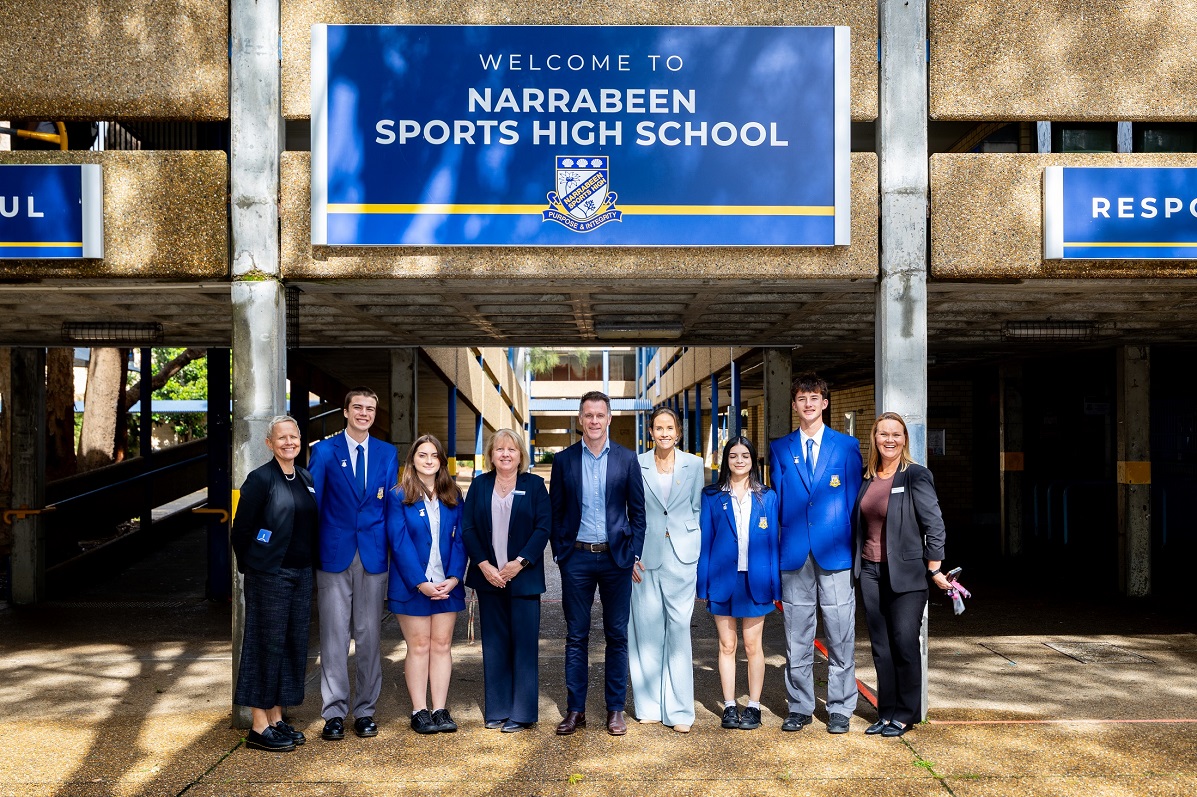
Narrabeen Sports High School Principal Heidi Currie and NSW Premier Chris Minns with NSHS students and Pittwater MP Jacqui Scruby - looking at Performance Hall and other school upgrades

Pittwater's MP Jacqui Scruby has welcomed key funding for Pittwater in the 2026/27 NSW Budget, which releases funding for long-awaited local projects, including $65 million for Mona Vale Road West and funding for the Northern Beaches Hospital, new electric buses, and Narrabeen Ambulance Station and significantly increased investment in the Shark Mitigation Program as well as the restoration of business support through the Small Business Advisory Program. 

However, the Budget misses key opportunities for bolder structural reform, investments in mental health and gambling reform, medium-sized businesses and long-term community sports infrastructure, the MP for Pittwater said

"For a conservative budget, there is a lot of Pittwater specific investment, releasing significant funding for Mona Vale Road West, Wakehurst Parkway and releasing full funding to see the completion of the Narrabeen Sports High School Performance Centre and upgrades to Northern Beaches Hospital. We are finally seeing huge allocated funding for these long-awaited priorities, but there is more work to be done," said Ms Scruby.

“Overall as a Budget, it falls short on economic reform to address some of the issues we are facing. There was no revenue innovation in areas like poker machines, coal levies or an empty shop front levy and equally no cuts where it could have helped most - like stamp duty exemptions for downsizers or payroll tax cuts. I would also have liked to see more innovation and the use of AI to streamline government processes.  I welcome the significant increase in funding for domestic violence frontline workers and for nurses and midwives and our bus networks. A huge miss was mental health and sports infrastructure and when you think about the social value our clubs bring we should be investing.  I’m calling on the government to use its unallocated funding for a sports grants program.”

“The Opposition’s Budget reply, had some wins for business, including increased thresholds for payroll tax and support for urban renewable zones, but revealed very concerning policy to stop transmission lines as part of the state’s renewable energy plan which is essential for having electricity when Earring closes. I was equally concerned by developer-led planning policies - accelerating development by freezing developer contributions until mid-2029 and payable on completion rather than approval which will deprive Councils of much needed funding to support community infrastructure projects like sports fields upgrades.”
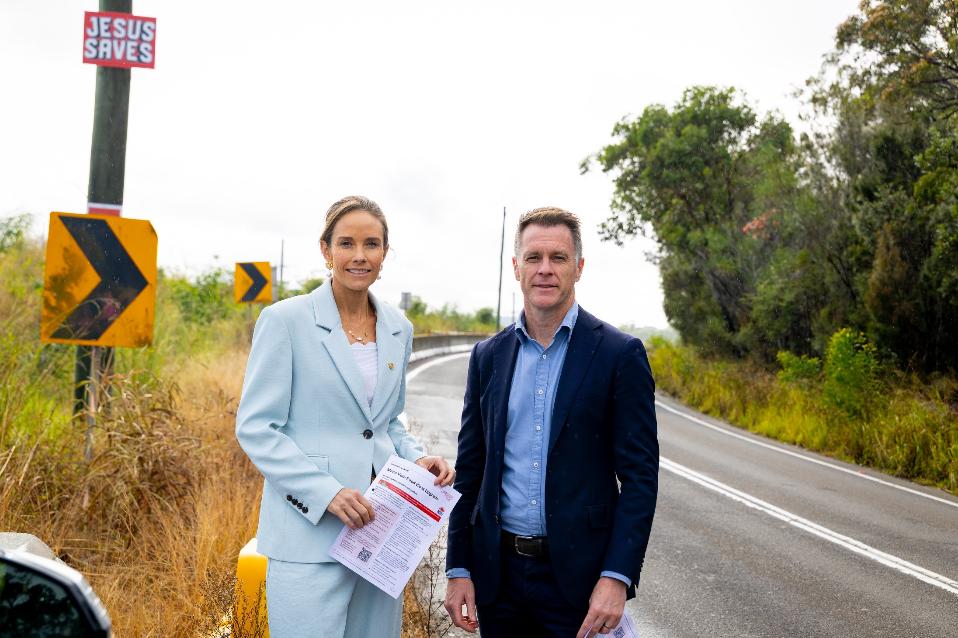
Pittwater MP Jacqui Scruby and NSW Premier Chris Minns visited the Mona Vale Road West site a few weeks ago

Delivering long-awaited Pittwater infrastructure

The Budget includes $65 million in 2026/27 for the Mona Vale Road West upgrade, following the NSW and Federal Governments’ $500 million commitment last year to complete the project.

Contractor engagement has also been brought forward, with the finalisation of preliminary works and then construction now a key focus.

“Mona Vale Road West has been promised since 1966, it’s fantastic to see significant funding in this financial year,” Ms Scruby said.

For the March 2026 Update on MVRW see: NSW Premier Chris Minns Visits Pittwater: MVR West Update - Local Fire Stations - Sports Club Facilities discussed

December 2025: TfNSW launches safety review of Wakehurst Parkway intersection after Scruby intervention + calls for biggest upgrade to our roads in decades to include Mona Vale Road West Potholes 

Roads Updates October 2025: Wakehurst Works to Begin in 2026, Mona Vale Road West

Likewise, improvements to Wakehurst Parkway have been sought by the community for years and have finally commenced this year. 

When the contractor was announced in March 2026 Member for Pittwater, Jacqui Scruby said:

“After decades of broken roads and promises we now have a contractor for Wakehurst Parkway and the green light and preparatory works underway for the $500,000,000 Mona Vale Road West upgrade project.

“Upgrading these major roads will be a gamechanger for Pittwater residents.''

Details in the 2026-2027 NSW Budget for Wakehurst Parkway (Page 52 of Infrastructure document): Estimated Est. Expend Allocation Total Cost: $85million To 30-06-26: 20,402 million (some of this was millions allocated to the council) 2026-27 allocation: $25,578 

More details in: Wakehurst Parkway: July 2026 Works Notification

More funding for Northern Beaches Hospital

Northern Beaches Hospital was purchased by the state government for $190m and in this Budget there is $22.1 million for 2026/27, including funding for upgrades to wards, theatres and the surgery hub.

The Budget also includes $2.9 billion to boost wages for nurses and midwives across NSW, including for nurses across the Northern Sydney Local Health District.

“Our nurses and midwives deserve this investment. They have carried enormous pressure, and better pay is critical to retaining the workforce our hospitals rely on as well as ongoing recruitment to meet nurse to patient ratios,” Ms Scruby said.

“However, I note there has been no equivalent pay increase for doctors, and workforce pressure across the health system remains a major issue.”

Narrabeen Sports High School from concept to completion

Narrabeen Sports High School will receive the remaining $9.46 million in 2026/27 to complete the new Performance Centre and deliver other upgrades.

“The performance centre will be a significant and welcome evolution for Narrabeen Sports High, facilities will launch the school into offering a better arts education and build out the schools capabilities”, Ms Scruby said.

See April 2025 Report: Happy Dance Time! Narrabeen Sports High School to receive new Performing Arts Hall as part of major upgrade

September 2025 Update: Narrabeen Sports High School’s new Performing Arts Hall Designs Revealed 

Cost-of-living relief, but households still under pressure

Ms Scruby noted that cost of living measures were limited but at least would do little to drive inflation, and mortgage costs which are the biggest hurdle for Pittwater residents at the moment. 

Ms Scruby noted that the most economically rational and significant cost-of-living relief is the announcement of the Home Energy Saver Program, which allows eligible households to access zero-interest loans of up to $15,000 for upgrades such as rooftop solar, batteries, insulation, reverse-cycle air conditioning, switchboard upgrades, ceiling fans and draught proofing. Residents of Pittwater who are eligible ($210,000 combined income), especially pensioners / self-funded retirees and lower income families will be able to enjoy bills approaching zero if they choose to upgrade with solar and batteries. 

“Energy bills are one of the biggest pressures on households, and this is the kind of practical climate action that helps people cut bills while making homes more efficient,” Ms Scruby said.

“For low and middle-income households who have been locked out of solar, batteries and energy efficiency upgrades because of the upfront cost, this is a very important measure.”

Other measures celebrated by both Labor and the Opposition include a freeze on Opal fares, a reduction in private vehicle registration by up to $100 for the next 12 months, and a reduction in the weekly toll cap from $60 to $50.

“These are more ‘comfort crumbs’ than significant and sensible cost-of-living reform and I was perplexed to see both major parties so excited about these. I would have preferred to see a higher threshold to allow more families to be eligible for the interest free solar and battery loans which will deliver real savings to households without being inflationary,” Ms Scruby said.

Small business tax relief missed

Ms Scruby said the Budget could have done more for small and medium businesses.

The payroll tax threshold has been stuck at $1.2 million since 2020, despite years of wage growth and inflation.

“Failing to index or increase the payroll tax threshold means medium businesses are still facing a tax that can discourage them from hiring and growing,” Ms Scruby said.

“Small businesses are under pressure from rent, energy, wages and insurance. This was a missed opportunity to support the businesses that keep local economies moving.”

Shark mitigation investment welcome, but detail matters

Ms Scruby welcomed increased funding for shark mitigation, with investment doubled to $86.6 million, including expanded drone coverage and year-on-year funding.

However, she said the drone program still does not operate dawn to dusk, year-round, across major beaches which she is advocating heavily for together with surfers and beach goers from Pittwater.

“This is a significant step, and I welcome the Government listening to our community,” Ms Scruby said.

“But the devil is in the detail - we need a drone program that covers the peak times when surfers, swimmers and other ocean users are in the water.

“I am continuing to call for drone coverage 365 days a year, dawn to dusk, on all major beaches, as well as an independent advisory body for shark mitigation that includes surfers, fishers, marine scientists, Surf Life Saving NSW, drone and AI experts.”

See May 2025 report: Merc’s legacy will be part of every boardrider club’s shark surveillance set up: SLSNSW Drone to stay on Peninsula at 4 beaches until June 30
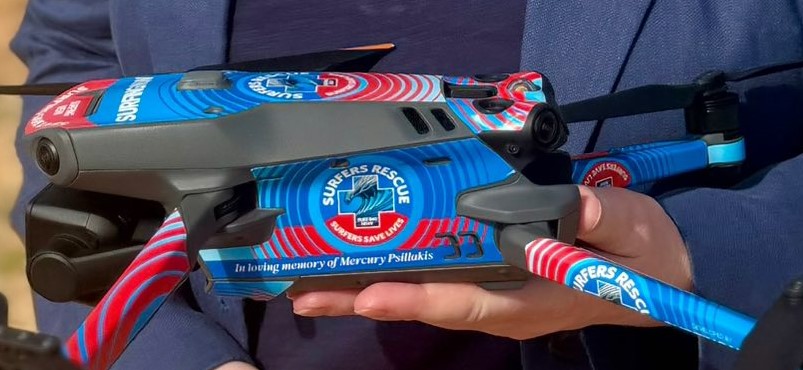
Photo: NSW Government

Narrabeen Ambulance Station confirmation still needed

The NSW Government has previously committed to keeping the ambulance station in Pittwater and rebuilding Narrabeen Ambulance Station, rather than moving it to Dee Why.

With huge investment for ambulance upgrades, I’m confident Narrabeen Ambulance Station will be on the list and I’ll update the community in coming days.” Ms Scruby said.

See November 2025 report: Narrabeen Ambulance Station Site Redevelopment Confirmed: Jacqui Scruby MP states New Narrabeen Ambulance Station will save lives

Domestic and family violence funding uplift

Ms Scruby welcomed the NSW Government’s 50 per cent uplift to six existing domestic and family violence crisis response programs, totalling $184.1 million over the four years to 2029-30.

“This funding follows calls from independent members of the crossbench and community advocates, and it is an important win for victim-survivors and frontline services,” Ms Scruby said.

“Funding must make a real difference on the ground. I will be speaking with local frontline services, including Northern Beaches Women’s Shelter, Women & Children First and Mary’s House, on how this investment will support women and children in our community.”

Gaming tax reform overlooked

Ms Scruby said the Budget missed an opportunity to review gaming machine tax concessions for registered clubs.

“NSW forgoes hundreds of millions of dollars in revenue every year through generous gaming machine tax concessions,” Ms Scruby said.

“A sensible review could help fund essential services while also supporting efforts to reduce gambling harm.

“The crossbench is doing a lot of work in this space, and I will continue to work with the Government and the Opposition to make meaningful change.”

More work to do

Ms Scruby said the Budget was a cost saving Budget, but was one of progress for Pittwater. However, after decades of neglect, there are still long-neglected local buildings, emergency service facilities, sporting amenities and community infrastructure that require funding over coming years.

“There is money in this Budget for real delivery, and that matters,” Ms Scruby said.

“But the job is not done. Pittwater has had decades of underinvestment, and I will keep pushing to make sure our community gets the infrastructure, services and safety measures it deserves.”
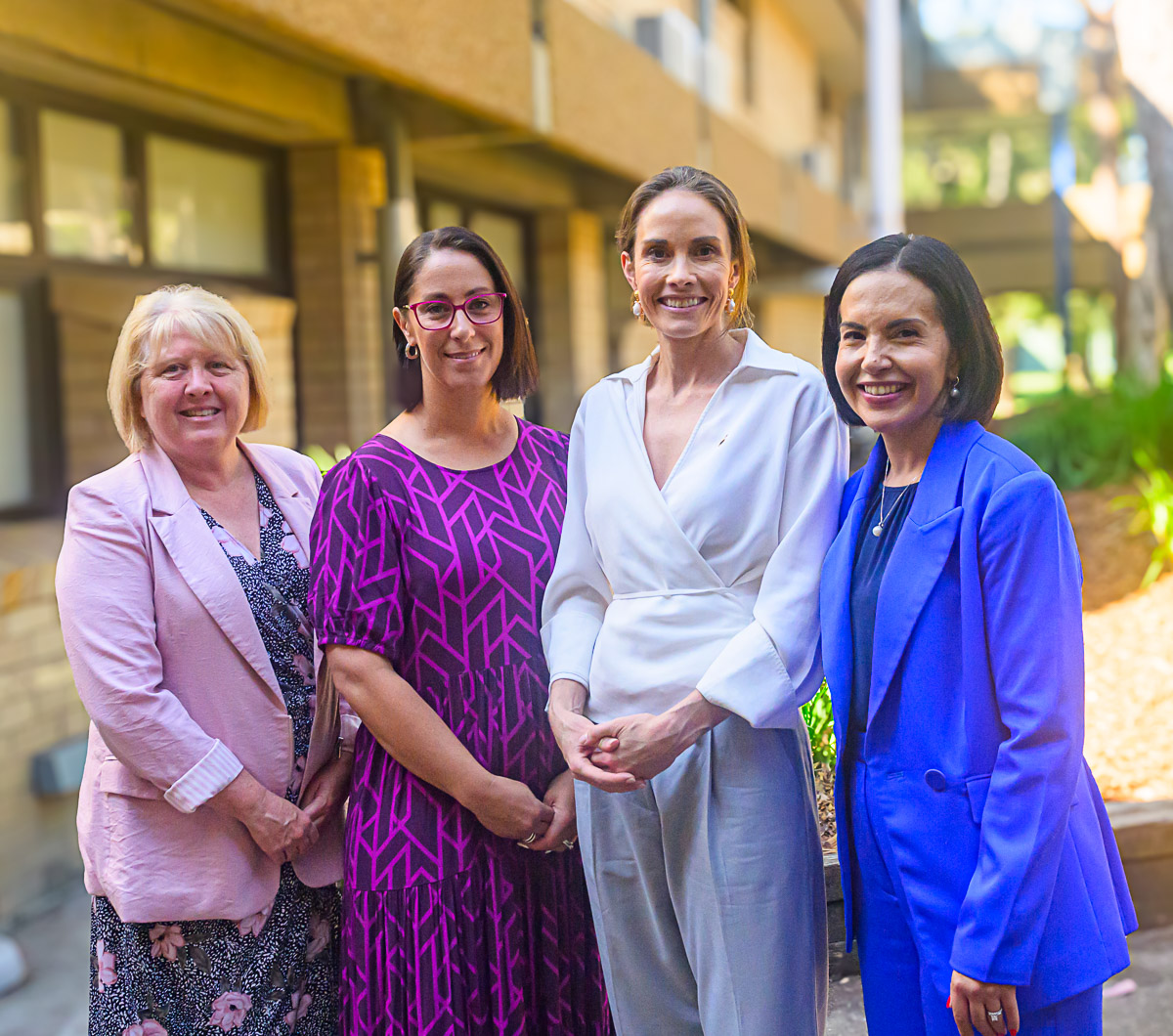
Narrabeen Sports High School Principal Heidi Currie, Suzie Stanford President of the NSHS P&C, Pittwater MP Jacqui Scruby with the Hon. Prue Car, Deputy Premier and NSW Minister for Education and Early Learning in April 2025 announcing a new performing arts hall for NSHS. Photo: Michael Mannington OAM

Extra Notes

From Infrastructure Statement document:  

  • (Page 48) $265.6 million for Mona Vale Road West - McCarrs Creek Road to Powder Works Road (NSW and Australian Government funded) Allocation 2026-27 (Page 51): Mona Vale Road West - McCarrs Creek Road to Powder Works Road (State and Federal Funded) - 65,000, 000.00
  • Wakehurst Parkway (Page 52): Estimated Est. Expend Allocation Total Cost: $85million To 30-06-26: 20,402 million (some of this was millions allocated to the council) 2026-27: $25,578 See: Wakehurst Parkway: July 2026 Works Notification
  • Narrabeen Sports High School Upgrade (Page 32) : allocations running from 2023 to 2027 – total estimated cost: $ 53,009 million. Spend to June 30 2026:  43,548 million. Allocated for final works (Performance Hall) 2026-27: $9,461 million

Worth noting:

  • Northern Beaches Secondary College Cromer Campus Upgrade Cromer n.a. n.a. n.a. to June 30 2026: $273,000.00 Allocation in 2026-27: $8,961 million 
  • Northern Beaches Secondary College Freshwater Campus Upgrade Curl Curl n.a. n.a. n.a. to June 30 2026: $8,919 million 2026-27 allocation: $13,068 million
  • Return Freshwater Class Ferries to Circular Quay-Manly- Freshwater Docking: MV Narrabeen MV Narrabeen were returned to service in October 2025 following major capital maintenance. This refurbishment project included the scheduled five-year maintenance docking, as well as upgrades to control systems, customer and operator amenities and safety features. The vessel was refitted and repainted alongside essential works completed to the hull and operational equipment.

Supporting new and renewed community assets 

The Department of Planning, Housing and Infrastructure and its affiliated agencies manage a large asset portfolio across New South Wales, including public parks, recreational facilities, and other land and property assets that support communities. This Budget invests in building new infrastructure, upgrading existing assets and maintaining key community facilities across the State. Key capital initiatives include: 

  • $41.0 million to deliver the Gosford Waterfront revitalisation project enhancing the foreshore through public domain improvements and the delivery of a continuous shared pathway 
  • $7.8 million to protect Crown land from biosecurity risks and to meet public safety and environmental protection obligations 
  • $2.5 million to address critical asset renewal works across the three Botanic Gardens and the Domain 
  • $2.0 million to upgrade and maintain the operational fire trail network on Crown land. 
  • The Crown Reserves Improvement Fund (CRIF) grants are due to be announced shortly - a report on any allocations for Pittwater and the Manly to Barrenjoey Peninsula will be published in Pittwater Online News once available.

Incumbent Government's announcements: Building a better NSW

Published: 23 June 2026: Released by: Treasurer, Minister for Finance

''The 2026-27 NSW Budget delivers cost-of-living relief now, while continuing to rebuild the essential services and economic strength NSW relies on.

Households are under severe pressure. Mortgages, rent, groceries and fuel costs are a  constant challenge. This Budget is built on a simple principle: relief for today, reform for  tomorrow.

And discipline, always.

Three years of spending restraint have steadily brought the budget back towards balance. That work is what makes it possible to help families today – without privatisation and  without an unfair wages cap.''

Cost-of-living relief

Relief in this Budget is practical and immediate. At its core is a 12-month, $561.4 million Transport Affordability Package. This includes:

  • $100 off private vehicle registration, worth $435.1 million across 4.4 million vehicles, with an $80 cut for motorcycles.
  • Lowering the weekly toll cap from $60 to $50 for 2026-27, providing even more support for regular toll users.
  • Opal fares held at 2025 prices for a year, for around 400,000 daily users.

On top of that:

  • Toll administration fees will be scrapped from July. This will save at least $10 a notice, ending a charge that was in some cases twice the toll itself and cost motorists $60 million last year.
  • $557.1 million for the Home Energy Saver program, providing interest-free loans and discounts.
  • A $1,000 cost-of-living payment for more than 120,000 NSW Government employees, triggered because Sydney CPI growth exceeded 4 per cent between the March quarters of 2025 and 2026.
  • A further 30,000 first home buyers are expected to benefit from the First Home Buyers Assistance Scheme in 2026-27, with the average amount of assistance $20,400 each. This is on top of the 94,000 first home buyers helped since 1 July 2023.

Rebuilding essential services

Health is the largest single commitment in this Budget. A historic $10.3 billion increase in health funding over four years, delivered with the Australian Government, will recruit 9,000 more health workers and fund around 2,900 more planned surgeries a year.

The Budget also delivers $11.9 billion for health infrastructure over four years, including funding 32 new and upgraded hospitals and 2,500 more beds and treatment spaces. 

Nurses and midwives received a record pay increase, the largest increase for registered nurses in more than twenty years, and the largest ever for enrolled nurses, backed by an additional $2.9 billion in this Budget to support the higher wages and improved conditions.

The Government is also investing $470.1 million over 10 years to enhance emergency response and better protect communities by transferring the state’s rural firefighting fleet from councils to the NSW Rural Fire Service.

Securing our future

The Budget backs the infrastructure, schools and skills the state needs for its future prosperity:

  • $116.7 billion in infrastructure over four years, exceeding $30 billion in 2026-27, equating to expenditure of around $82.7 million a day.
  • $9.2 billion for more than 260 new and upgraded schools, with more than a quarter in regional NSW.
  • The NSW Government will invest $6.5 billion over 10 years for thousands of new electric buses and electric supported bus depots to reduce our reliance on foreign fuels, meet the needs of the growing community and underpin a revival of domestic bus manufacturing.
  • $3.4 billion for skills and TAFE, including $233.2 million to upgrade TAFE campuses.
  • $5.2 billion to build the water infrastructure that supports new housing across Western Sydney.
  • $3.5 billion in additional funding for transport infrastructure and roads in Western Sydney.

The Budget result

This year's result reflects the global conditions facing NSW. Against a backdrop of higher fuel prices and ongoing uncertainty, a deficit of $2.3 billion is projected for 2026-27.

Despite this, support for households continues, as does investment in essential services.

The Government has been able to provide this support because of the responsible decisions taken over the past three years to strengthen the state's finances. We have put the Budget in a much stronger position by bringing spending growth under control.

The former government recorded a $15.3 billion COVID-19 deficit in 2021-22 and a $10.6 billion post-COVID splurge in 2022-23.

This Government brought expense growth down to 1.8 per cent last year and will hold it to an average of 2.7 per cent over the next four.

The 2025-26 deficit has come in at $3.0 billion – a $102 million improvement on the 2025-26 Half-Yearly Review, and around $400 million better than forecast at last year’s Budget.

After the $2.3 billion deficit in 2026-27, the Budget then returns to a $1.1 billion surplus in 2027-28, the first since 2018-19. It continues with surpluses of $1.8 billion and $1.9 billion in the two years after that.

Debt under control

Gross debt will be $178.5 billion by June 2026, almost $10 billion below the $188.2 billion the state was on track for under the previous government. Lower debt saves around $400 million a year in interest: money for essential workers and services, not lenders.

Real wages are growing again since March 2023, after falling over the previous government’s 12 years of wage caps.

There is more work to do. But NSW is back on track, and this Budget keeps building a state working Australians can afford: relief for today, reform for tomorrow, discipline always – supporting families, securing our future.

Investment to help more women and children escape violence

Released June 23 by: Treasurer, Minister for Families and Communities, Minister for Housing, Minister for the Prevention of Domestic Violence and Sexual Assault, Minister for Youth

The Minns Labor Government will invest an additional $184.1 million to increase funding by 50 per cent for six frontline specialist domestic and family violence programs over the next four years to help keep more women and children safe.

This is the largest across-the-board increase in core funding for specialist domestic and family violence programs in decades. It represents a landmark investment in the services women and children rely on when escaping violence.

Domestic and family violence is one of the biggest social challenges facing our state.

Demand for support continues to grow across NSW, with specialist services facing increasing pressure as more victim-survivors seek help.

Safety is the first step in helping victim-survivors rebuild their lives. This investment will help ensure that when someone makes the difficult decision to leave violence, they can get the support they need, when they need it.

The funding will expand access to safety planning, counselling, case management and tailored support, while also growing the frontline workforce and strengthening the long-term sustainability of the sector.

We have listened to the sector about the challenges they face. This investment is designed to stabilise services, expand capacity and fund hundreds of additional specialist workers in communities across NSW.

It builds on the Government's work to move key domestic and family violence programs to five-year contracts, helping provide greater certainty for service providers and continuity of care for victim-survivors.

It also lays the foundation for longer-term reform and a stronger, more sustainable domestic and family violence support system for the future.

Where the funding goes 

The $184.1 million is delivered across six frontline programs:

  • $76.1 million for the Safer Pathway program, providing coordinated support for victim-survivors across NSW.
  • $54.0 million for the Staying Home Leaving Violence program and the Integrated Domestic and Family Violence Services program to help women and children remain safely in their homes after violence, and provide intensive case management for high-risk families.
  • $19.3 million for Men’s Behaviour Change programs, to reduce and prevent violent and abusive behaviour.
  • $17.5 million for the Domestic Violence Response Enhancement program, providing after-hours assistance to people experiencing domestic and family violence.
  • $17.2 million for Specialist Workers for Children and Young People, providing trauma-informed support for children and young people escaping violence.

Community-sector workers who deliver these services also receive a 4.75 per cent pay increase, in line with the Fair Work Commission determination and which the Minns Labor Government is passing on in full.

Reform for the future 

A further $6.3 million will support frontline services and long-term reform through continuing work on the Common Approach to Risk Assessment and Safety (CARAS). These reforms are part of a broader package totalling $190.4 million.

This builds on the $5.1 billion committed in the previous Budget for new social housing, with  half of new builds prioritised for victim-survivors of domestic and family violence. It also follows from our $245.6 million investment to expand support services and improve domestic violence prevention to build a safer NSW.

Building a safer future 

This investment builds on the Government's broader work to expand support services, deliver more social housing and strengthen prevention efforts across NSW.

Because when women and children make the decision to leave violence, they deserve to know help will be there.

Rebuilding Essential Services: Supporting families, rebuilding our future

Published: 23 June 2026. Released by: Treasurer, Minister for Education and Early Learning, Minister for Health, Minister for Mental Health, Minister for Skills, TAFE and Tertiary Education

Families across NSW rely every day on schools, hospitals and other essential services – and on the dedicated people who deliver them.

This Budget continues rebuilding the essential services families rely on, while supporting the workers who deliver them every day.

It acts on a simple principle: relief for today and reform for tomorrow – building a state working Australians can afford.

A stronger health system 

Health is the largest single commitment in this Budget. A historic $10.3 billion increase in health funding over four years, delivered with the Australian Government, will grow the workforce, lift hospital capacity and meet rising demand. It delivers:

  • 9,000 more health workers
  • Capacity for an extra 33,000 emergency department presentations and 2,900 more planned surgeries each year.

The Budget also includes $11.9 billion for health infrastructure including 32 new and upgraded hospitals and more than 2,500 beds, with $400 million for critical maintenance.

Nurses and midwives receive the largest pay rise in more than twenty years, and the largest ever for enrolled nurses, backed by an additional $2.9 billion in this Budget.

Northern Beaches Hospital is now publicly owned, with all 494 beds and more than 1,800 staff transferred to NSW Health.

Mental health support 

This Budget keeps frontline mental health and suicide prevention services running and backs people in crisis. It invests:

  • $64.8 million to maintain critical mental health and suicide prevention services statewide, in partnership with the Australian Government.
  • $43.3 million for immediate crisis support through Lifeline services.
  • $4.3 million for mental health peak bodies and community-managed services.

Better schools and early learning

Every child deserves a world-class education, wherever they live. This Budget invests $9.2 billion statewide over four years for new and upgraded schools, a quarter of it in regional NSW. It also delivers:

  • The 3-Year-Old Fee Relief Trial in Long Day Care extended to the end of 2027, worth $42.6 million.
  • Co-located public early learning at a further 17 public schools, in addition to the commitment of 100 new public preschools by 2027.

NSW schools now have 71 per cent fewer teacher vacancies than November 2022, with 25,000 teachers made permanent since 2023.

TAFE and skills

This Budget makes an investment of $3.4 billion in skills and TAFE, including $233.0 million in capital for campus upgrades, maintenance and revitalisation.

More than 3,300 TAFE teachers have been made permanent since 2023.

Responsible decisions make these investments possible

This Budget can provide cost-of-living relief and continue investing in essential services because the Government has spent the past three years making responsible and difficult decisions to strengthen the state's finances.

That work has been done without privatisation and without bringing back an unfair wages cap, while keeping public assets in public hands and maintaining an independent umpire for wages and conditions.

As global uncertainty and higher fuel prices place additional pressure on families and businesses, this Budget provides support now while continuing the work of returning the state's finances to surplus in 2027-28.

It's about supporting families today, while securing NSW's future.


NSW Budget 2026-27: Cost-of-living measures

A reference guide. Every cost-of-living measure in the Budget, in one place.

Cost-of-living pressure remains the central challenge for households. Global conflict, supply-chain disruption and an energy shock have added fresh pressure since the start of the year, with higher fuel costs feeding through to transport, groceries and the cost of running a business.

The centrepiece of the Budget's response is a 12-month Transport Affordability Package worth $561.4 million, targeted where the pressure is greatest. Alongside it sits a broad set of ongoing concessions, rebates and fee-relief programs that reduce everyday costs for renters, families, pensioners, students, apprentices and concession-card holders.

The headline relief

Transport Affordability Package

  • $100 off private vehicle registration – for the owners of around 4.4 million vehicles (excluding caravans and trailers), worth about $435 million; an $80 cut applies to motorcycles. For 2026-27.
  • Weekly toll cap cut to $50 – down from $60 for 2026-27. Eligible private motorists claim rebates on toll spending above the cap, up to the fair-use limit.
  • Opal fares held at 2025 prices for a year – for hundreds of thousands of daily users.

Other Measures 

  • Toll notice administration fees – scrapping toll administration fees from July, saving at least $10 a notice, and ending a charge that cost motorists $60 million last year, in some cases twice the toll itself.
  • Home Energy Saver – $557.1 million in total: $480.0 million in interest-free loans of up to $15,000, plus $77.1 million in discounts, to install energy-saving technology.
  • $1,000 cost-of-living payment – for more than 120,000 NSW Government employees, triggered because Sydney CPI growth exceeded 4 per cent between the March quarters of 2025 and 2026.
  • Support for first home buyers – more than 94,000 supported since 1 July 2023 through transfer duty exemptions and concessions, averaging around $20,400, with around a further 30,000 expected in 2026-27. A $10,000 First Home Owner Grant applies to eligible buyers of newly built homes.
  • 3-Year-Old Fee Relief in long day care – extended to the end of 2027.
  • FuelCheck – $2.6 million to upgrade FuelCheck and enforce accurate fuel price reporting.

Housing 

  • Stronger protections for more than 2.3 million renters: a ban on no-grounds evictions, fee-free ways to pay rent, rent increases limited to once a year, and easier pet approvals.
  • Rent Check website, so renters can test whether the rent they are being asked to pay is fair.
  • Smart Rental Bonds, from mid-2026, allowing tenants to digitally transfer a bond from one rental to another.
  • First home buyers supported through an average saving of $20,400 in transfer duty exemptions for purchases up to $800,000 and a concessional rate on purchases up to $1 million.
  • A $10,000 First Home Owner Grant for eligible buyers of newly built homes.
  • Rent Choice, Advance Rent, Bond Loan and related programs to help eligible people take up a private lease, including people escaping domestic violence.
  • Up to $250 off council rates and waste charges for eligible pensioners, through pensioner council rates and water rebates.

Energy and water bills 

  • Home Energy Saver: $557.1 million in interest-free loans and discounts to install energy technologies.
  • $7.2 million for energy-efficiency upgrade schemes, particularly in regional NSW.
  • Continued energy social programs for households, including:
    • Energy Accounts Payment Assistance for people in short-term hardship, crisis or emergency.
    • Energy rebates for eligible concession card holders, Family Tax Benefit recipients, seniors, and people who rely on medical or life-support equipment.
  • Water rebates for eligible pensioners, Department of Veterans' Affairs card holders and community organisations.
  • A $250 front-loader washing machine through the Washing Machine Exchange program for eligible households.
  • Around 30 per cent off the upfront cost of small-scale battery systems through the Cheaper Home Batteries program (administered by the Australian Government).
  • An average discount of up to $500 through the Virtual Power Plant incentive.

Health costs 

  • More bulk-billing appointments through the Bulk-Billing Support Initiative, which provided GP clinics with an estimated $9 million in payroll-tax savings in 2025-26.
  • Up to six fully bulk-billed GP clinics across regional NSW, expected to open by mid-2027 (administered by the Australian Government).
  • Assistive technology for short-term or ongoing health needs through the Aids and Equipment program.
  • Free ambulance services for eligible concession card holders, and for victim-survivors of sexual assault, domestic violence or child abuse.
  • Baby bundles for new parents, with essential items to support early health and development.
  • Free dental care for children at participating schools through the NSW Health Primary School Mobile Dental Clinics program.
  • Travel and accommodation assistance for patients who must travel long distances for treatment not available locally.
  • Free glasses and vision aids for financially disadvantaged residents through the NSW Spectacles program.
  • Free parking at rural and regional public hospitals.
  • A pre-IVF fertility testing rebate of $250, and up to $2,000 through the fertility treatment rebate for eligible treatments.

Transport 

Beyond the standouts in the package above, ongoing transport-related support for drivers, toll-road users, commuters, students and people with disability:

  • Toll relief through the weekly toll cap – eligible private motorists claim rebates on toll spending above the cap, up to the fair-use limit.
  • The M5 South-West Cashback Scheme for eligible private, pensioner and charitable vehicle use.
  • Daily, weekend and weekly Opal travel caps for adults, children, young people and concession holders.
  • School Student Transport Scheme support for eligible students travelling by bus, rail, ferry, coach or private vehicle where no public transport is available.
  • Concessional driver licence renewal fees for eligible concession holders.
  • Motor vehicle registration exemptions for eligible concession card holders, including pensioners.
  • Taxi Transport Subsidy Scheme – 50 per cent of a taxi fare up to $60 for eligible residents who cannot use public transport because of severe and permanent disability.
  • A $100 vehicle registration rebate for registered first- and second-year apprentices.
  • Lower toll costs for privately registered caravans, boats and horse floats through the Large Towed Recreational Vehicle Toll Rebate.

Education and training allocations

  • Up to $4,456 in fee relief for parents and carers of children aged 3 to 5 in community and mobile preschools in 2026.
  • Up to $2,563 in preschool fee relief for children aged 3 to 5 attending eligible long day care preschool programs in 2026.
  • Subsidised vocational education and training for in-demand skills through the Smart and Skilled program.
  • Fee concessions for Australian Government welfare beneficiaries and people with disability.
  • Travel and accommodation support for apprentices and new-entrant trainees who travel more than 120 km round trip for training.
  • Bert Evans Scholarships for apprentices facing hardship.

Pay and conditions for essential workers 

  • A $1,000 cost-of-living payment for more than 120,000 NSW Government employees, triggered because Sydney CPI growth exceeded 4 per cent between the March quarters of 2025 and 2026.
  • Workforce stability and record pay increases for essential workers, including those in health, education and transport through the NSW Government's Fair Pay and Bargaining Policy.
  • The largest pay increase in decades for nurses and midwives, with increases of between 16 per cent and 28 per cent over three years.

Sport, recreation and culture 

  • Two $50 Active and Creative Kids vouchers for eligible families, available twice a year.
  • Discounted entry to national parks for eligible concession holders, including pensioners and veterans.
  • Fishing licence exemptions for First Nations people, young people and eligible concession card holders.
  • Free general admission to the Australian Museum, Museums of History NSW, Art Gallery of NSW and Powerhouse Museum, plus discounted entry to paid exhibitions for concession holders
  • Free entry for support people at participating venues and events through the NSW Companion Card.

Other concessions and fee relief 

  • Free Working with Children Checks for volunteers, including students on professional placement, potential adoptive parents and authorised carers.
  • Free National Disability Insurance Scheme worker checks for volunteers.
  • Reduced or waived court fees where a person's capacity to pay may limit access to justice.
  • Free Will and Power of Attorney preparation through the NSW Trustee and Guardian for eligible pensioners.
  • A 0.5 per cent land tax early-payment discount where the full amount is paid before the notice of assessment due date.