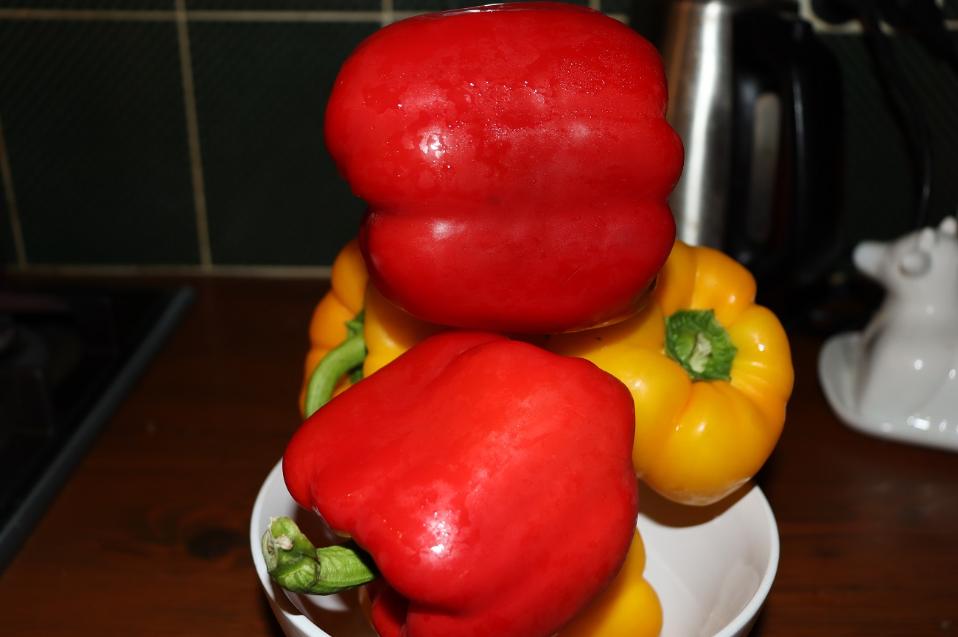
November 1 - 30, 2026: Issue 660


Capsicum: The Fruit we use as a vegetable - Some Seasonal Recipes for This superfood

September through October is time to plant out capsicums in your own home garden for a January through February harvest. However, a kilogram of Australian capsicums can currently be bought for around $5 - with red and yellow ones aplenty available.


Used in salads, dips, stir-fries, stuffed or baked, the capsicum is one of our favourite add-ins to dishes or features as the main ingredient of something scrumptious and good for you too.

Capsicum is native to South America and Central America. These plants have been evolving for 17 million years. It was domesticated and cultivated at least since 3000 BC, as evidenced by remains of chili peppers found in pottery from Puebla and Oaxaca.

The generic name may come from Latin capsa, meaning 'box', presumably alluding to the pods;or possibly from the Greek word κάπτω, kapto, 'to gulp'. The name pepper comes from the similarity of piquance (spiciness or "heat") of the flavour to that of black pepper, Piper nigrum, although there is no botanical relationship with it or with Sichuan pepper. The original term chilli came from the Nahuatl word chīlli, denoting a larger Capsicum variety cultivated at least since 3000 BC. Different varieties were cultivated in South America, where they are known as ajíes (singular ají), from the Quechua term for Capsicum.

Capsicums are a rich source of vitamins, antioxidants, and dietary fibre that support immune function, eye health, and metabolism. One medium red capsicum supplies over 160% of the recommended daily intake for Vitamin C, which aids white blood cell function and fights cellular damage.

Lutein, zeaxanthin, and beta-carotene help protect the retina from oxidative stress and lower the risk of age-related cataracts and macular degeneration, while potassium and antioxidants help relax blood vessels, lower blood pressure, and improve cholesterol profiles. Their high dietary fibre content softens stool, supports a healthy gut microbiome, and aids regular digestion, while topical or oral preparations containing capsaicin are used to manage nerve pain, arthritis, and joint discomfort.

This makes the humble capsicum a superfood and that you can eat your way to good health by adding in, featuring this crisp or cooked veggie anyway that suits your palate.  A few recipe ideas to make the best of these great vegetable-fruits.

Capsicum and Cashew dip

Ingredients

  • 2 medium red capsicums
  • 2 cloves garlic, peeled
  • 1/3 cup chargrilled baby bell peppers or semi sundried tomatoes
  • 1/4 cup cashews
  • 1/2 tbsp fresh lemon juice
  • 1 tbsp extra virgin olive oil
  • 1 tsp smoked or normal paprika
  • Pinch of sea salt
  • Flatbreads to serve

Method

Preheat the oven to 200ºC on ‘grill’ function or put the oven on to roast the capsicums. Deseed and roughly slice the capsicums or put them in the oven whole after puncturing the skin to ensure they don't burst. Place onto a lined baking tray with the capsicum and grill or bake until the skin blisters and blackens a little. This should take about 15-20 minutes.

For the last five minutes, add the cashews and garlic to the tray to toast. Watch to make sure they don't burn if using the grill method.

Allow the capsicums to cool and pull the skin off (you can put them in a bowl and place a plate over to let them 'sweat' - this will make it easier to pull the skin off. 

Allow the cashews and garlic to cool and then add these and the capsicum to a blender with the baby bell peppers or sundried tomatoes, lemon juice, olive oil, paprika and salt. Blend until you reach your desired consistency (you can either blend until smooth or leave the dip a little chunky).

Spoon into a bowl, and serve with flatbreads cut into sections - this is enough for 2-3 people, or use as a side dish.

Bharwa Shimla Mirch

This is an Indian dish - capsicums stuffed with spiced potatoes.

Ingredients

  • 3 to 4 medium bell peppers
  • Potatoes: 3 to 4 boiled and mashed potatoes
  • Aromatics & Spices: 
    • 1 finely chopped medium sized onion, 
    • 1 chopped green chili, 
    • 1 tbsp ginger-garlic paste, 
    • ½ tsp cumin seeds, 
    • ½ tsp turmeric powder, 
    • ½ tsp red chili powder, 
    • ½ tsp garam masala, and salt to taste
  • Finish: 
    • ½ tsp dry mango powder (amchur) or lemon juice, 
    • fresh chopped coriander leaves
  • Cooking Oil: 2 to 3 tablespoons

Method

Prepare the Capsicum: Slice off the top of each capsicum and scoop out the seeds and membranes.

Make the Potato Stuffing: Heat oil in a pan, add cumin seeds, onions, and green chilies, and sauté until golden. Stir in the ginger-garlic paste, dry spices, and mashed potatoes. Cook for 2–3 minutes, then mix in the amchur and coriander leaves before cooling.

Stuff the Peppers: Pack the spiced potato mixture firmly into each capsicum.

Cook: Heat oil in a pan on low flame, place the stuffed capsicums upright, cover, and cook for 8 to 10 minutes (turning occasionally) until tender and lightly charred, or bake them in an oven at 180°C until cooked - around half an hour.

Top with lemon juice or amchur, fresh coriander and serve hot with a crisp green side salad and fresh bread if you wish.

Greek-style stuffed capsicums

Ingredients

  • 4 large red capsicums
  • 1/4 cup extra virgin olive oil
  • 1 large brown onion, finely chopped
  • 2 garlic cloves, crushed
  • 300g Beef Mince (use equivalent weight of chicken mince or turkey mince if you prefer)
  • 1 tbsp oregano leaves
  • 1/2 cup fresh flat-leaf parsley leaves, roughly chopped
  • 1/2 cup fresh mint leaves, roughly chopped
  • Tin of chopped tomatoes 400g 
  • 1/2 cup white long-grain rice
  • 1/2 cup cold water
  • Salad leaves, to serve

Method

Preheat oven 180C/160C fan-forced. Slice tops from each capsicum. Reserve tops. Scoop out seeds and membrane. Discard. Stand capsicums in a baking paper-lined roasting pan.

Heat 1 tablespoon oil in a large non-stick frying pan over medium-high heat. Add onion. Cook, stirring, for 5 minutes or until softened. Add garlic. Cook for 1 minute or until fragrant. Add mince. Cook, stirring with a wooden spoon to break up mince, for 5 minutes or until browned. Add oregano, parsley, mint, tomato, rice and water. Season with salt and pepper. Bring to a simmer. Reduce heat to low. Simmer for 5 minutes or until sauce starts to thicken. Remove from heat.

Divide mince mixture evenly between capsicums. Place 1 reserved top on each stuffed capsicum. Drizzle with remaining oil. Bake for 45 minutes or until capsicums have softened and skins start to darken.

Serve capsicums with crisp salad leaves and fresh bread.

Greek Salad

A traditional Greek Salad (known as horiatiki or choriatiki) is a rustic dish made with tomatoes, cucumbers, red onion, capsicums, Kalamata olives, and feta cheese, dressed with extra virgin olive oil, red wine vinegar, and dried oregano.

Simply cut the salad ingredients and the fetta into cubes, place in a bowl and toss with the dressing and oregano. We usually serve ours with fresh bread and hummus or as a side dish to roast chicken, lamb or fish.

Roasted Artichoke, Eggplant and Capsicums Salad
Ingredients

  • 2 large eggplants 500 grams to 1kg
  • 2 whole Artichokes: strip outer leaves and cut in quarters or eighths if larger
  • 1 large stalk celery, thinly sliced on the diagonal
  • 2 red capsicums, cut into short narrow strips
  • 1/4 cup minced fresh parsley 
  • 1/4 cup chopped black olives
  • 1 to 2 tablespoons extra-virgin olive oil, as desired
  • 2 tablespoons white or red wine vinegar
  • Salt and freshly ground black pepper to taste
  • Green or red leaf lettuce, mixed baby greens

Preheat the oven to 180 degrees C. Place the eggplant, quartered artichokes and capsicum on a baking sheet and bake for about 40 minutes, until soft. Remove from the oven. Combine in a serving bowl with just a little of their liquid, along with the remaining ingredients. Toss well.

What’s the difference between green, yellow and red capsicums? It’s more than what you see

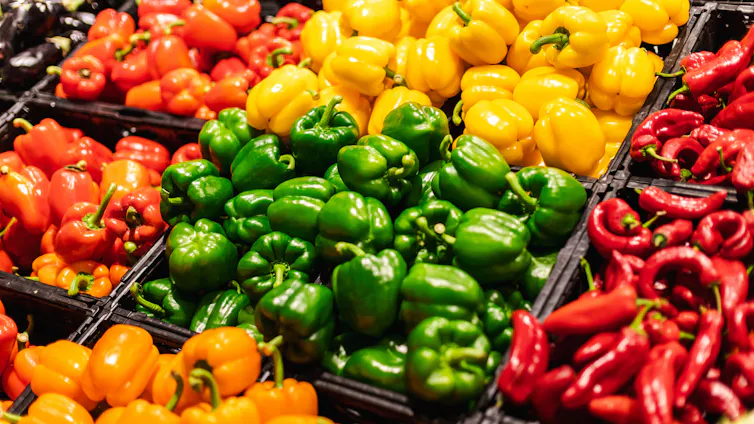
Colourful capsicums at a grocery store
StockSeller_ukr/Getty Images
Theresa Larkin, University of Wollongong and Megan Hammersley, University of Wollongong

Raw, grilled, roasted, stuffed – there are many ways to enjoy capsicums, also called bell peppers, sweet peppers or paprika.

Capsicums originated in Central and South America and belong to the nightshade family along with tomatoes and eggplants.

Like tomatoes, we consider capsicums a vegetable because they’re lower in sugar than most fruits and are usually eaten in savoury dishes. But botanically speaking, capsicums are a fruit – more specifically, a berry – because they develop from a flower and contain seeds.

Spicy chilli peppers such as jalapeño, bird’s eye and many others are also a type of capsicum. What makes these spicy is the molecule capsaicin, which activates heat and pain receptors on our tongue. Capsicums are sometimes called sweet peppers because they don’t contain capsaicin.

You might think green, yellow, orange and red are different types of capsicum, but they’re all actually the same fruit. All capsicums start out green, and their colour changes to yellow, then orange and finally red as they ripen.

But the difference between the colours isn’t just superficial – it affects nutrition, flavour and more.

The link between colour and flavour

First, let’s bust the myth that a capsicum with three bumps on the bottom is “male” and one with four bumps is “female”, and therefore sweeter. This is entirely false. Fruits don’t come with male and female parts the way flowers do. A capsicum will typically have two to five lobes (bumps). The shape mostly depends on the genetics of the plant and doesn’t affect the flavour.

But colour does affect a capsicum’s flavour because this reflects how ripe the capsicum was when it was picked.

A capsicum starts out green because it contains lots of chlorophyll, the pigment that makes plants green. Chlorophyll is the plant chemical of photosynthesis and makes energy for the capsicum to grow. As a capsicum ripens, chlorophyll breaks down and is replaced by carotenoids: yellow, orange and red pigments. Green capsicums also contain some carotenoids, but these colours are hidden by chlorophyll.

Green capsicums are ready to be picked about eight weeks after planting. Because they are not ripe, they are slightly bitter with a firm, crunchy texture. They suit stir-fries, fajitas, casseroles and add crunch to salads.

Yellow and orange capsicums are in the middle of ripening and are picked roughly two (yellow) and three (orange) weeks after green capsicums. These have a mild, sweet flavour. They are quite crisp when raw – great for adding colour to salads and lunchboxes. They soften when cooked, so are also good on the barbecue.

Red capsicums are the ripest, having stayed on the plant four weeks longer than green capsicums. They are the sweetest and richest in flavour, and the softest when cooked. They are excellent for roasting, soups and dips.
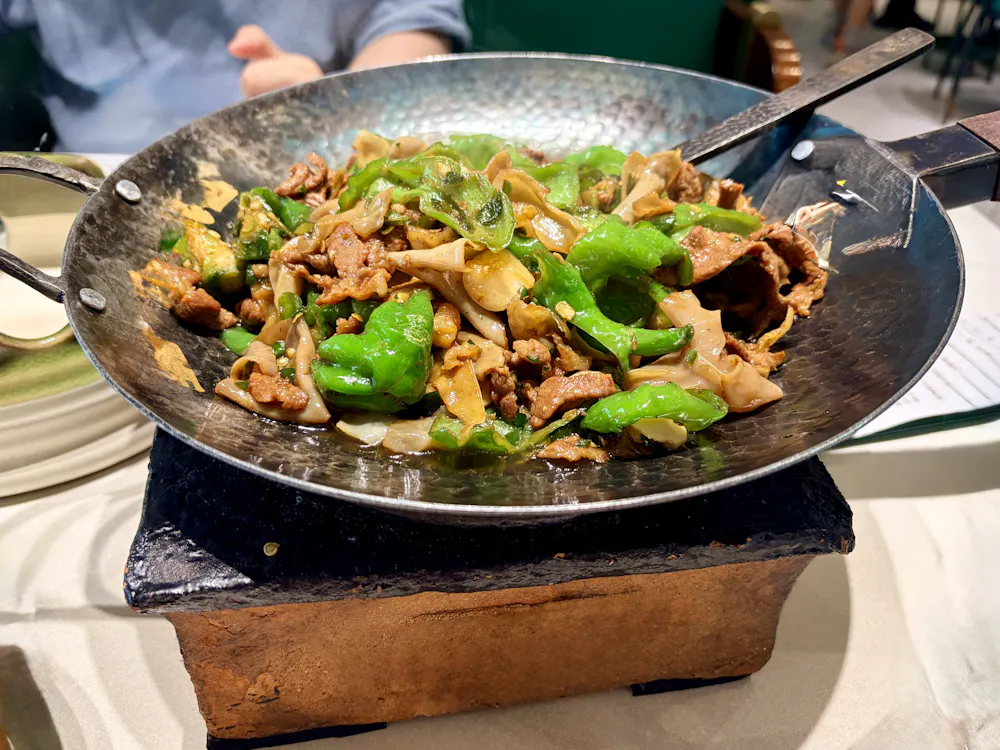
Sizzling beef and green peppers in a wok served at the table.
Green capsicums are the firmest, so they’re great for stir fries. vicinoaj/Getty Images

Colour affects nutrients too

All capsicums have several health benefits and are nutrient rich. They contain lots of vitamin C and antioxidants such as flavonoids, phenolic compounds and carotenoids. Capsicums are also a good source of fibre, which supports digestive health.

But there are differences in nutritional benefits based on colour, and whether you eat the peppers raw or cooked.

Carotenoids – particularly capsanthin, beta-carotene, lutein, violaxanthin and zeaxanthin – impact the colour of capsicums based on the proportions in which they’re present. All carotenoids and chlorophyll are antioxidants, but with different health benefits.

Green, yellow and orange capsicums are rich in lutein, violaxanthin and zeaxanthin. These are essential for eye health and protect against age-related macular degeneration and cataracts.

Infographic that outlines several of the carotenoids mentioned and how they relate to pepper colour.
Compound Interest, CC BY-NC-ND

Orange and red capsicums have the highest vitamin C and beta-carotene. Beta-carotene gets converted to vitamin A in the body, which is important for good cell health, vision, and immune and cognitive functions.

Red capsicums contain the most capsanthin, the carotenoid with the strongest antioxidant activity. This protects our body’s cells against damaging free radical chemicals.

For all capsicums, cooking increases the availability of carotenoids and polyphenols but reduces vitamin C. For the greatest nutritional benefits, it’s best to eat a combination of raw and cooked capsicums of different colours.

In fact, eating a rainbow of fruits and vegetables provides many beneficial compounds. We have measured carotenoids in the skin using a non-invasive device to assess vegetable intake, because most Australians don’t eat enough fruit and vegetables.
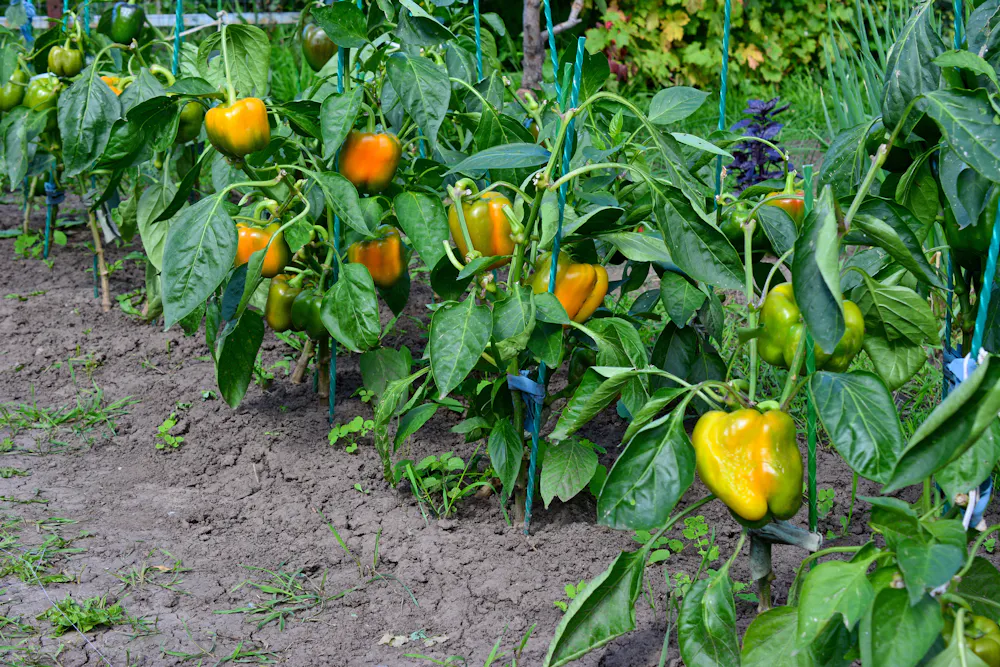
A garden bed with capsicum plants that are partially green, yellow and orange.
Peppers can also have more than one colour at the same time. Irina Khabarova/Getty Images

All capsicums are good capsicums

It’s interesting to note a capsicum’s colour can also affect its price.

Green capsicums are usually the cheapest because they’re picked earlier, which makes them cheaper to grow. Red capsicums remain on the plant the longest, increasing growing costs. However, yellow capsicums are typically the most expensive, as they’re harder to grow with a shorter picking period.

A cheaper and equally healthy option is “imperfect” capsicums. Two-toned capsicums, for example part green and part orange, provide a greater mix of different carotenoids. Malformed capsicums are only imperfect in appearance, not flavour or health benefits.

Ultimately, all capsicums, whether red, green, yellow or orange, and raw or cooked, are a nutritious choice.The Conversation

Theresa Larkin, Associate Professor of Medical Sciences, University of Wollongong and Megan Hammersley, Lecturer, Public Health, University of Wollongong

This article is republished from The Conversation under a Creative Commons license. Read the original article.