Upper House Committee Report on NSW Licences to Harm Native Animals
On July 28 2026 an Upper House committee handed down its report into licences to harm native animals. The inquiry was established to examine the system under which licences to harm native animals are issued, including the species and number of animals affected, the welfare impacts of lethal control methods prescribed under such licences, the effect on orphaned young, and the adequacy of current assessment processes to grant licences to harm.
The Inquiry heard recently published data on the number of licences granted to private landholders to kill native wildlife in NSW has shown a dramatic increase on previous years, with an average of one animal being shot, poisoned or otherwise destroyed every minute.
The number of native animals approved to be harmed or killed under the licence program has almost doubled in the last two years from 243,078 in 2023 to more than 485,000 last year.
"The problem is not just the numbers, it's how the system operates," Nicola Beynon from Humane World for Animals told the inquiry.
"Licences are intended to be a last resort, yet applicants are generally not required to prove damage, demonstrate that non-lethal methods have been tried, or provide independent evidence to support their claims.
"The licensed killing of native animals in NSW has reached a scale and level of normalisation that demands serious scrutiny.
"[There's] limited transparency, minimal oversight and weak animal welfare safeguards." Ms Beynon stated
In 2025, under the state’s licensing system:
- 443,115 kangaroos and wallabies were permitted to be killed—a 75% increase on the previous year.
- 35,605 native birds were permitted to be killed.
- 6,640 emus were permitted to be killed—more than tripling the previous year’s number.
- 286 wombats were permitted to be killed.
Licences to kill eastern grey kangaroos increased from 157,246 in 2023 to 355,462 in 2025, while authorisations for red kangaroos nearly tripled over the same period.
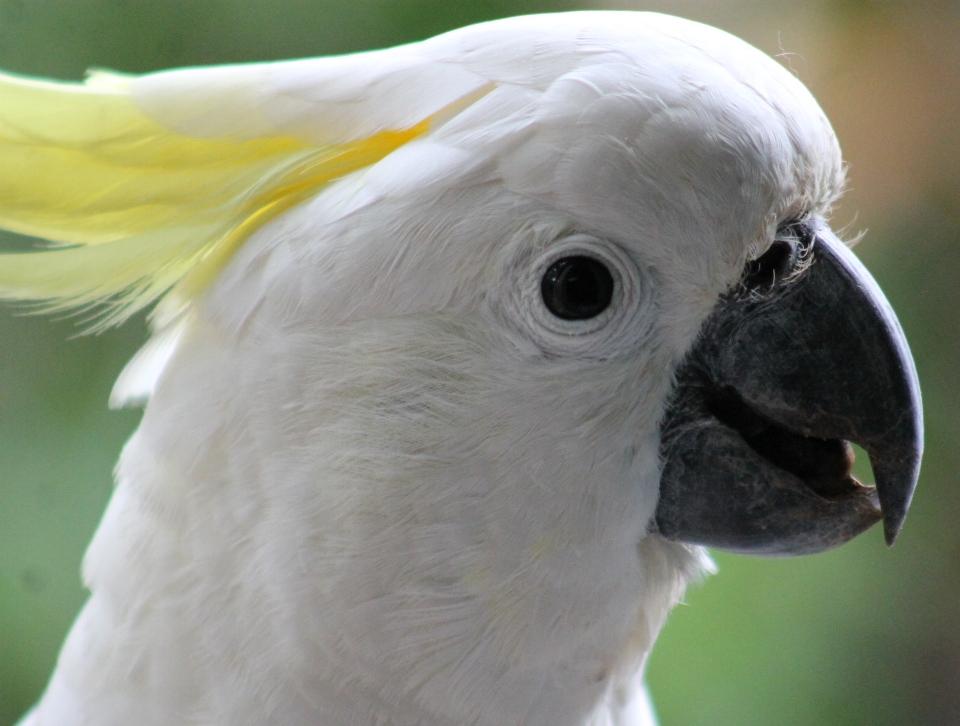
Dozens of native bird species are licensed to be killed, with particularly high numbers recorded for little corellas, noisy miners, galahs, sulphur-crested cockatoos and welcome swallows.
Licences are issued in postcodes with an agricultural base, but they have also been approved for residents living in various parts of Sydney.
Animal welfare groups told the committee is was too easy to get a permit.
Chair of the Animal Welfare Committee, Hon Emma Hurst MLC said:
‘In 2023, more than 650,000 licences to harm native animals were approved in New South Wales, more than any other State or Territory. This inquiry has laid bare a licencing system that is failing and leading to the deaths of many protected native animals. The committee heard first-hand of shocking cases where native animals have been found injured after a licence was granted, and of orphaned animals left to starve or be predated on that the system does not even consider.’
The Chair continued:
‘The committee was dismayed to hear that the current system does not require consultation or engagement with First Nations communities and Traditional Owners, and heard distressing accounts of neighbouring landholders discovering that licences had been granted to harm wildlife in their community only after the fact. We were shocked to also learn that many times non-lethal alternatives exist and are effective and were not being used.’
‘The committee has made several recommendations that provide an important opportunity to shift away from a system that normalises harm and towards one in which preventing harm, supporting coexistence and protecting the lives and welfare of native animals are placed at the centre of decision-making.’
The inquiry received over 500 submissions and held two hearings at Parliament House. Details concerning the inquiry, and a copy of the final report, can be found on the inquiry webpage.
Committee members
- Hon Emma Hurst MLC Animal Justice Party Chair
- Hon Bob Nanva MLC Australian Labor Party Deputy Chair
- Hon Scott Barrett MLC * The Nationals
- Hon Robert Borsak MLC Shooters, Fishers and Farmers Party
- Hon Stephen Lawrence MLC Australian Labor Party
- Hon Aileen MacDonald MLC Liberal Party
- Hon Peter Primrose MLC Australian Labor Party
- Hon Emily Suvaal MLC Australian Labor Party
Recommendations
Recommendation 1
That the NSW Government review the licence to harm framework to ensure that it balances the needs and interests of landholders against biodiversity and animal welfare considerations including:
- establishing clearing definitions, objective assessment criteria, and evidentiary requirements;
- demonstrating relevant criteria have been met for the purposes of obtaining or granting a licence; and
- assisting stakeholders in implementation by ensuring the framework is efficient, practical and evidence based.
Recommendation 2
That the NSW Government strengthen assessment processes by requiring applicants to document evidence of the damage or impact caused by the native animal or animals and an associated timeline.
Recommendation 3
That the NSW Government investigate measures to strengthen the licence to harm framework by requiring applicants to provide evidence that non-lethal management options are either not reasonably possible in the circumstances or have proven ineffective in addressing the issue for which the licence is sought.
Recommendation 4
The NSW Government should take steps to strengthen public reporting regarding licences to harm, including establishing a comprehensive public register that includes the number and species of animals authorised to be harmed, the number and species of animals killed, details of licence conditions including authorised killing methods and reasons the licence was approved or denied and ensure it is made available in a timely manner.
Recommendation 5
That the NSW Government investigate measures to provide relevant third parties greater awareness and details of licences to harm that have been issued where the provision of such information would lead to better animal welfare or conservation outcomes.
Recommendation 6
The NSW Government consider avenues to embed meaningful consultation with First Nations communities and Traditional Owners in relation to issuing of licences to harm, and strengthen engagement with First Nations communities and Traditional Owners in the development of wildlife management policy, codes of practice and species management strategies relating to licences to harm.
Recommendation 7
The NSW Government should take steps to improve compliance monitoring surrounding licences to harm – including post-approval compliance inspections, stronger auditing of licence returns and investigations into non-compliance, together with improved resourcing and public reporting around these activities.
Recommendation 8
That the NSW Government undertake scientifically robust and accepted population level assessments of native species to inform decisions and ensure that authorised licences do not undermine biodiversity conservation objectives, or the long-term viability of affected populations.
Recommendation 9
That the NSW Government investigate introducing measures to improve competency standards for shooting, trapping and species identification, together with species-specific welfare standards and codes of practice, as a requirement to obtain a licence.
Recommendation 10
That the NSW Government investigate further steps to address welfare impacts of orphaned young resulting from licences to harm including:
a. introducing requirements to assess and document presence of dependent young prior to lethal control
b. restricting or prohibiting the use of lethal control where dependent young are present
c. for species with clearly defined breeding or nesting seasons – restricting or prohibiting lethal control during periods when dependent young are present
d. mandating reporting of all dependent young affected by licenced killing,
e. requiring clear, enforceable protocols for the rescue, euthanasia and/or care of orphaned animals.
Recommendation 11
That the NSW Government conduct periodic reviews into the availability and efficacy of relevant non-lethal alternatives on a species-specific basis as a mechanism to further encourage, endorse, and provide guidance on the use of these methods.
Recommendation 12
That the NSW Government consider avenues to support greater adoption of non-lethal wildlife management strategies, including education, research and trials of non-lethal management methods.
Recommendation 13
That the NSW Government develop guidelines and information that is easily available on non-lethal wildlife management strategies for landholders.
Recommendation 14
That the NSW Government support landholders to explore non-lethal management options by making use of the newly stood up engagement team to connect with communities, particularly where there are a high number of licencees.
Recommendation 15
That the NSW Government fund research and education around non-lethal alternatives to killing native wildlife and consider funding grants to landholders to assist with implementation of non-lethal alternatives.
Recommendation 16
That the NSW Government provide grant funding and support to wildlife rescue and rehabilitation organisations, including support for individual wildlife carers and wildlife vets.
Recommendation 17
That the NSW Government develop an expert reference group of wildlife rescue organisations, wildlife carers and other experts to guide NPWS around the issuing of licences to harm, the use and availability of non-lethal methods and the development of species-specific codes of practice.
Report No 3 - Animal Welfare Committee - Licences to harm native animals - FINAL - Tabled date: Tue 28 July 2026
Government response due: Wed 28 October 2026
NSW inquiry backs major reforms to native wildlife killing permits
In the report, the Committee found that “the current licence to harm system is out of date and should be reviewed and updated”. The document also outlined that:
- Non-lethal management of animals should be prioritised, with lethal control considered only where non-lethal options are not reasonably possible or have proven ineffective.
- Applicants should be required to demonstrate evidence of damage caused by the animal before a licence to harm is granted.
- Steps should be taken to strengthen licence reporting, including a public register that includes the number of animals actually killed, as well as why the licence was approved and with what methods.
- Compliance monitoring should be improved including conducting proactive inspections, stronger auditing of licence returns and investigations into non-compliance.
- That the NSW Government fund research and education around non-lethal alternatives to killing wildlife, with grants provided to landholders for non-lethal alternatives.
Humane World for Animals Australia welcomed the findings of a New South Wales Animal Welfare Committee inquiry into the licensed killing of native animals in the state, which recommended significant changes to the way permits for lethal control of protected native wildlife are handed out.
Dr Renae Charalambous, Wildlife Program Manager at Humane World for Animals Australia said many of the reforms the charity advocated for throughout the inquiry process have been reflected in the Committee’s recommendations. Humane World for Animals Australia is now calling on the NSW Government to swiftly implement the Committee’s recommendations through reforms to the Biodiversity Conservation Act 2016 and associated regulations:
“These findings demonstrate broad recognition that the current system is not fit for purpose and that significant reform is needed.
“New South Wales currently operates a system that allows protected native animals to be killed without applicants being legally required to provide evidence that lethal control is necessary or that non-lethal options have been attempted first.
“Our investigations have revealed a framework characterised by weak safeguards, limited oversight and insufficient transparency.”
“The committee’s findings provide further evidence that the New South Wales Government must act quickly to reform this program of licensed native wildlife destruction,” Dr Charalambous said.
“While these recommendations are welcomed, it is a shame additional measures were not taken to further reduce reliance on lethal control and strengthen protections for native wildlife.
“In particular, we would have liked to see the removal of permits for species where practical and effective non-lethal alternatives are already well established like wombats, as well as greater safeguards for dependent young, who can face significant welfare impacts when a parent is killed.
“We would also have welcomed requirements for better communication with landholders neighbouring those with permits. Wildlife moves across property boundaries and lethal control on one property can undermine efforts to protect wildlife undertaken by neighbouring properties.”
Some functions of these licences have moved under the remit of the new Biodiversity and Heritage Regulator. This gives the NSW Government an opportunity to improve the way licencing decisions are made and ensure better long-term outcomes for biodiversity in NSW.
The inquiry highlighted growing community expectations that wildlife management be evidence-based, transparent and focused on preventing unnecessary harm to native animals.
“What’s now needed is action,” Dr Charalambous said. “The Government has promised reforms to the Biodiversity Conservation Act this term and should seize this opportunity to modernise the licensing framework and ensure that lethal control truly becomes a last resort, not a first response.”
.JPG?timestamp=1665628406858)
Photos: A J Guesdon/PON