New reports on NSW health system performance: Data shows significant Drop in Elective Surgeries and Babies born at Northern Beaches Hospital
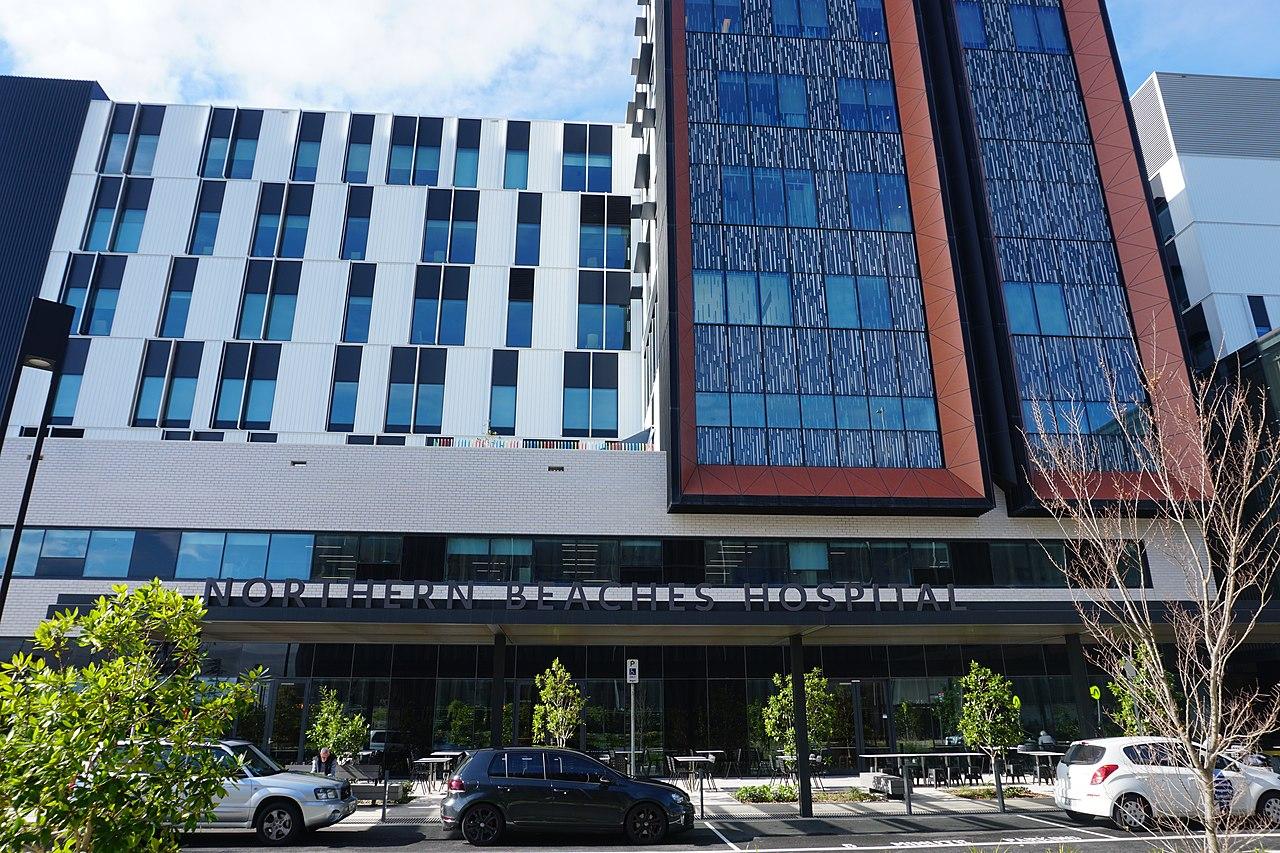
On June 10 2026 the Bureau of Health Information (BHI) released two reports showing activity and performance for the NSW health system.
BHI Chief Executive, Adjunct Professor Heiko Spallek, said: “The NSW health system continues to experience significant pressure, with increasing demand for hospital and ambulance services.”
The data also records a significant drop in Elective surgeries and babies being born at the Northern Beaches Hospital in the first quarter of 2026.
The latest Healthcare Quarterly report provides information on activity and performance in the January to March 2026 quarter for hospital and ambulance services.
Overall, more elective surgeries were performed (56,410) compared with the same quarter a year earlier and the number of patients waiting longer than clinically recommended decreased to 3,955 (down from 8,588 at the end of March 2025).
However, the reverse occurred at NBH. Here elective surgeries performed were 648, down 19.2% compared with same quarter previous year. In comparison, there was a slight increase across the Northern Sydney LHD, with 3,240 Elective surgeries performed, a rise of 0.7% compared with same quarter previous year.
Patients on the elective surgery waiting list at end of quarter were 1,132, down 16.0% compared with same quarter previous year. Across the Northern Sydney LHD there were 5,762 on the elective surgery waiting list at the end of the quarter, down 7.1% compared with same quarter previous year.
For the March 2026 quarter, the Bureau of Health Information (BHI) reported that all NSW public hospitals performed 56,410 elective surgeries, with around 82.2% of surgeries performed within clinically recommended timeframes. Despite efforts to reduce strain, wait times and capacity limitations persist, leading some to explore private options which carry financial burdens for those without private health insurance.
Median waiting time for urgent elective surgery was 12 days, up 1 day compared with same quarter previous year. The median waiting time for semi-urgent elective surgery was 64 days – Unchanged compared with same quarter previous year, while the median waiting time for non-urgent elective surgery is now 327 days, up 7 days compared with same quarter previous year.
There were no Northern Beaches Hospital patients waiting longer than recommended for elective surgery at end of quarter, but 100 across the NSLHD, which was still down 169 patients compared with the same quarter in 2025.
The changes may be attributed to uncertainty over Private Services at the hospital during discussions about the transition of the hospital during the previous quarter period.
In the first week of March this year the NSW government confirmed the community will continue to have access to private services at Northern Beaches Hospital when NSW Health took back operational management of the hospital.
Under an interim arrangement, private services would continue to be offered until 30 June 2027, ensuring patient safety and maintaining continuity of patient care.
The government stated the arrangement is critical to minimise any large-scale and sudden changes to care delivery, which might otherwise increase risk to patient care.
Around 200 senior doctors voted to retain private services, and thousands of staff (including doctors) transitioned directly to NSW Health on April 29, 2026.
As well as this, on Wednesday January 28 the Minns Government announced it will establish the State’s first High Volume Planned Surgery Centre at Northern Beaches Hospital, expanding the hospital’s role and helping reduce surgery wait times across NSW.
From July 1st 2026, up to an extra 5,000 surgeries will be performed at the hospital each year through the newly established Planned Surgery Centre.
''It will focus on high-demand specialties such as ophthalmology, orthopaedics, ear, nose and throat (ENT), general surgery and gynaecology, to help reduce surgical wait lists while easing demand on hospitals across the state and giving patients more choices in their care.'' a release by the government states
Patients will be referred to the Planned Surgery Hub from some of the busiest areas across NSW, including Western Sydney, the Central Coast and the Illawarra.
The May 14 2026 NSW Audit Office released report on 'Planned surgery access', recalls non-urgent planned surgery was paused several times during the COVID-19 pandemic between March 2020 and January 2022. This resulted in a backlog of overdue planned surgery patients, reaching a peak of almost 19,000 patients overdue for planned surgery in April 2022. At the end of the audit period in December 2025, this has dropped to approximately 3,900 overdue patients.
New Bubs Born at NBH decreases
There has been a drop in the number of new bubs coming into the world at the hospital as well. Babies born in the Northern Beaches Hospital was 311, down 15.0% compared with same quarter previous year.
Conversely, 550 babies were born at the Royal North Shore Hospital, up 4.4% compared with same quarter previous year, and the Royal Hospital for Women in Randwick also saw a rise of 1.7% compared with same quarter previous year, with 774 babies born there.
The Royal Prince Alfred Hospital, which has nine birthing rooms in its Delivery Ward, also saw a drop - 851 babies born there in the March 2026 quarter, down 3.7% compared with same quarter previous year.
When comparing the Northern Beaches Hospital's results across the whole of the Northern Sydney Local Health District (NSLHD) the hospital is doing well.
Patients transferred from paramedics to ED staff within 30 minutes at Northern Beaches was calculated at 92.9%, up 6.4 percentage points compared with same quarter the previous year. Across the Northern Sydney LHD 90.9% were transferred within the same time frame, also up 2.3 percentage points compared with same quarter previous year.
Patients starting ED treatment on time at Northern Beaches Hospital was 70.4%, up 3.5 percentage points compared with the same quarter previous year, and across the Northern Sydney LHD this was 74.3%, also up 1.8 percentage points compared with same quarter previous year.
ED attendances at Northern Beaches Hospital was 14,658, down 5.4% compared with same quarter previous year, and a slight downtick across the Northern Sydney LHD with 56,636 presentations, a drop of 0.3% compared with same quarter in 2025.
Healthcare in Focus – New South Wales health system performance
BHI’s annual report, Healthcare in Focus, brings together a wide range of data to provide a picture of NSW public hospital performance in key areas. It shows trends over time and, where possible, benchmarks NSW with other Australian states and territories, and comparable countries to show where the health system is performing well and where improvements can be made.
The report shows the impact of sustained demand on hospital capacity – like the record high hospital bed occupancy rates in 2024–25.
This was partly driven by non-acute patients (who require care such as rehabilitation and palliative care), with stays increasing from 14.9 to 18.3 days between mid–2019 and mid–2025. Notably, between 2017–18 and 2023–24, the average length of stay for patients who were discharged to residential aged care grew by 8.5 days, reaching 27.1 days.
On the eve of the reports' release, June 9, NSW Minister for Health, the Hon Ryan Park, released the following:
State government plan to address Commonwealth government bed block
The NSW Government is pursuing its own strategy to address the Commonwealth Government’s bed block of NSW hospitals - with almost 1,300 beds now occupied by community members waiting on Commonwealth Government funding for either an aged care or NDIS placement.
Bed block nears 1,300
Between 31 March 2025 and 31 March 2026 the number of stranded patients surged in NSW hospitals from 871 to 1,276.
- Older patients waiting for an aged care placement increased from 597 to 948.
- Patients waiting for an NDIS placement increased from 274 to 328.
During this period, the number of stranded patients in South Western Sydney Local Health District grew from 100 to 196, including at:
- Bankstown Hospital – from 13 to 28
- Campbelltown Hospital – from 30 to 44
- Liverpool Hospital – from 25 to 45
The number of stranded patients in Western Sydney Local Health District grew from 90 to 163, including at:
- Blacktown Hospital – from 15 to 20
- Westmead Hospital – from 54 to 63
The number of stranded patients in Sydney Local Health District grew from 70 to 121, including at RPA – from 17 to 37.
Stranded patients strategy
The NSW Government is pursuing its own strategy to address the Commonwealth Government’s bed block of NSW hospitals.
The strategy involves:
- NSW expanding aged care outreach services to deliver short-term multidisciplinary care to older people in their own home to reduce avoidable hospitalisations
- Strengthening hospital in the home services to support more older people;
- Triaging and referring patients to community-based services; and
- Strengthening discharge planning for complex patients to ensure they get the support they need outside of hospital.
Hospital performance
Despite these challenges, there have been some improvements in emergency department performance, planned surgery and the number of people accessing care outside of the hospital.
The proportion of triage category two patients with life threatening conditions being treated on time increased in the January to March 2026 quarter compared to three years ago. Triage category two patients are some of the most unwell patients presenting to emergency departments, and the benchmark time for treatment to be commenced for these patients is 10 minutes.
There was particular improvement in Western Sydney – the proportion of triage category two patients treated on time increasing by almost a half compared to three years ago (from 29.2 per cent to 42.6 per cent).
There was also significant improvement in South Western Sydney – the proportion of triage category two patients treated on time increasing by almost a third compared to three years ago (from 46.9 percent to 61.3 per cent).
Notable hospitals which have improved the proportion of triage category two patients treated on time compared to three years ago include:
- Blacktown – 16.5 percent to 41.1
- Mt Druitt – 20 percent to 50.9
- Campbelltown – 33.1 percent to 69.1
- Liverpool – 44.2 percent to 63.9
- St George – 28 percent to 38.8
- Canterbury – 34.8 percent to 44.3
The proportion of patients arriving by ambulance being transferred to ED staff within 30 minutes (ramping) also increased in the January to March 2026 quarter compared to three years ago. Notable hospitals which have improved ramping compared to three years ago include:
- Blacktown – 68.1 percent to 75.3
- Campbelltown – 61.7 percent to 73.1
- Liverpool – 58.8 percent to 68.1
- Bankstown-Lidcombe – 78 percent to 86.3
- Fairfield – 83.9 percent to 94.7
This coincides with an increased uptake of alternative pathways to care outside of the hospital, including Healthdirect, the expansion of virtual care services across NSW with $224m invested for urgent care services; half a billion dollars invested into ED relief; the recruitment of more health workers and the delivery of more hospital beds with 600 across Western Sydney.
These measures are proving to be a significant success with the BHI data showing the number of semi-urgent and non-urgent patients presenting to EDs decreased significantly by over 23,000 in the January March 2026 quarter when compared to the same quarter three years earlier under the Coalition (354,712 compared to 331,573 patients).
The number of overdue surgeries has decreased from 14,000 to 3,955 in the January - March 2026 quarter compared to the same quarter three years earlier. This is despite sustained high demand across the system with 6.4% more planned surgeries performed than in the same quarter last year. It coincides with over $200 million in investment to undertake more surgeries to clear the backlog.
Minister for Health Ryan Park stated:
“Every day, 1,300 patients are unable to leave our hospitals because they are waiting for a Commonwealth aged care or NDIS placement.
“The NSW Government is effectively subsidising the Commonwealth in its duty to provide aged care places.
“The growth in the number of stranded Commonwealth aged care patients in our health system is unsustainable, and the Commonwealth has left the NSW Government with no choice but to devise its own plan.
“While the NSW Government is pursuing its own plan to address bed block, this is by no means a signal to the Commonwealth that they are relieved of their responsibility to deliver aged care placements.
“Despite these challenges, we are continuing to see progress in emergency department and surgery wait times which has coincided with a significant investment from the Minns Labor Government into ED relief – and I want to thank our health workers for their hard work and commitment to our health system.”
The Healthcare in Focus report also provides insights on same-day surgery, an innovative model of care that helps free-up hospital beds. Use of same-day surgery increased by around 6 percentage points in NSW over a five-year period, bringing it in line with national rates in 2023–24.
Healthcare in Focus also includes information on hospital-acquired and post-operative complications, supporting a greater understanding of patient safety and quality across the health system.
Despite increasing pressure on hospitals, most NSW patients continued to rate their overall emergency department (ED) and admitted care positively, with ratings relatively stable over time. Employee engagement was rated positively by most NSW Health employees in 2025, but it has declined over time.
Both the quarterly latest Healthcare Quarterly Jan-Mar 2026 report and the annual Healthcare in Focus report may be downloaded HERE.
If you want to look at all the hospitals performance data visit: www.bhi.nsw.gov.au/search_local_hospital_performance
Healthcare Quarterly – January to March 2026: Northern Beaches Hospital Performance Data
Activity and performance Jan–Mar 2026
ED attendances: 14,658, down 5.4% compared with same quarter previous year
Patients starting ED treatment on time: 70.4%, up 3.5 percentage points compared with same quarter previous year
Median time from arrival at ED to leaving: 4h 16m, down 27 mins compared with same quarter previous year
Arrivals by ambulance: 4,456, up 1.7% compared with same quarter previous year
Patients transferred from paramedics to ED staff within 30 minutes: 92.9%, up 6.4 percentage points compared with same quarter previous year
Emergency Department Patient Survey results Jul 2024 – Jun 2025
OVERALL SATISFACTION AND OUTCOMES: Overall, ED care was ‘very good’ - 51% - Not comparable with previous survey
OVERALL SATISFACTION AND OUTCOMES: Would rate ED health professionals as ‘very good’ - 56% - Not comparable with previous survey
TIMELY AND COORDINATED CARE: Rated how ED health professionals worked together as ‘very good’ - 48% - Not comparable with previous survey
COMPASSION, RESPECT AND KINDNESS: ‘Always’ treated with respect and dignity while in the ED - 81% - Not comparable with previous survey
CLEAR INFORMATION: ‘The right amount’ of information was given about condition or treatment - 77% - Not comparable with previous survey
EFFECTIVE COMMUNICATION: ED health professionals ‘always’ explained things in an understandable way - 75% - Not comparable with previous survey
INVOLVEMENT IN DECISION-MAKING: ‘Definitely’ involved in decisions about care and treatment - 55% - Not comparable with previous survey
INVOLVEMENT IN DECISION-MAKING: ‘Definitely’ felt involved in decisions about discharge - 57% - Not comparable with previous survey
SAFE, COMFORTABLE ENVIRONMENT: Signposting to the ED was ‘definitely’ easy to follow - 73% - Not comparable with previous survey
Elective surgery Activity and performance Jan–Mar 2026
Elective surgeries performed: 648, down 19.2% compared with same quarter previous year
Patients on the elective surgery waiting list at end of quarter: 1,132, down 16.0% compared with same quarter previous year
Patients waiting longer than recommended for elective surgery at end of quarter: 0 – Unchanged compared with same quarter previous year
Elective surgeries performed on time: 100.0% - Unchanged compared with same quarter previous year
Median waiting time for urgent elective surgery: 12 days, up 1 day compared with same quarter previous year
Median waiting time for semi-urgent elective surgery: 64 days – Unchanged compared with same quarter previous year
Median waiting time for non-urgent elective surgery: 327 days, up 7 days compared with same quarter previous year
Admitted patients: Activity and performance Jan–Mar 2026
Admitted patient episodes of care: 6,866, down 1.8% compared with same quarter previous year
Average length of stay for overnight admitted patient episodes of care: 5.2 days, up 0.2 days compared with same quarter previous year
Babies born in public hospitals: 311, down 15.0% compared with same quarter previous year