March 1 - 31, 2026: Issue 652


Reducing Ticks in Your Garden: Garden care, Plants that Repel, What to Wear Outdoors

With confirmation this week of the nation’s first death from a tick-induced meat allergy, and research showing Pittwater has the highest population of people living with mammalian meat allergy (MMA), information on how to reduce ticks in local gardens runs this Issue.

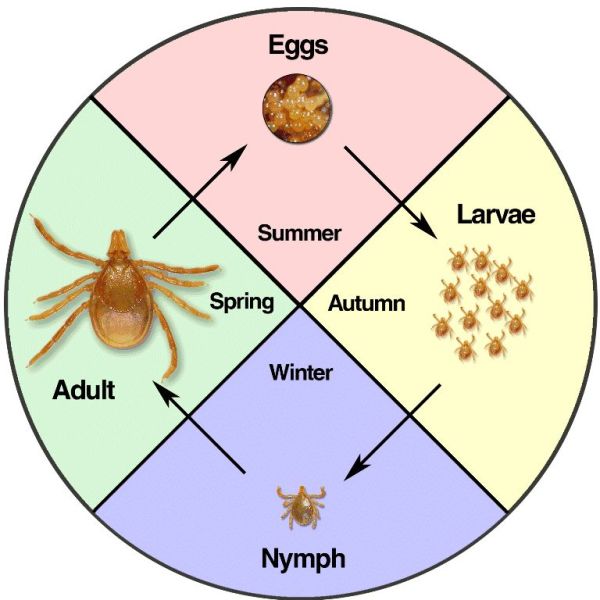
The largest numbers of juvenile ticks are around in Autumn, with the middle phase, called “nymphs”, peaking in Winter and the adult numbers appearing through Spring and Summer. The life cycle of a tick averages 12 to 14 months and their eggs can take up to 6 months to hatch depending on conditions. 

Tick life cycle (S.L. Doggett, Department of Medical Entomology, Westmead Hospital) 

There are some things you can do to lessen the incidence of being bitten by ticks in your garden and some plants that have been shown to repel them from the outdoor areas your family uses. 

You could add a couple of family pets in the form of chickens, known to eat ticks, and in doing so guarantee yourself a supply of really free range organic eggs! You will need to build a hen coop for them though as some other pets; dogs, can decide to do a night-time hunt if not owned by responsible carers, and you will lose your chickens.

Although American studies have shown the Opossum is a great tick eater, and our own brush-tailed possum is known to eat insects, no recent study has been conducted in Australia on this. 

Australian brush turkeys (Alectura lathami) are omnivorous foragers that consume insects, including ticks, as part of their diet. A single bird may consume many ticks per day, and has reduced the incidence of these in our own garden since a small family of these moved in - we used to have a big tick problem.

Small bird insectivores, species like Silvereyes, Treecreepers, Gerygones and Thornbills, which normally feed on the ticks, are fast being replaced by larger species such as Currawongs and Ravens which thrive in urban areas where they have access to human-food or pet food and are predators of these smaller birds They are also being chased out of urban backyards by Noisy Miners. Providing plants and habitat that will attract these to your garden and help reduce incidents of ticks as a result.

Yard Care
To begin reducing the amount of ticks in your yard the first action we can take is to reduce the tick-attractive habitat features. Elements ticks love are dense, moist woodlands edged in tall grass and brush and humidity.

Some simple landscaping techniques that can help reduce tick populations:
  • Remove leaf litter.
  • Clear tall grasses and brush around homes and at the edge of lawns.
  • Keep lawns short: mow the lawn frequently
  • Place a 3-ft wide barrier of gravel between lawns and wooded areas to restrict tick migration into recreational areas.
  • Keep playground equipment, decks, and patios away from yard edges and trees.
  • Discourage unwelcome animals from entering your yard by constructing fences. 
  • Prune low vegetation
  • If you have wood stored in your yard, stack this away from areas that are in use by children, visitors.

Repel with Plants
There are also some plants you can introduce to your garden that have been shown to deter ticks as repellents. Although you probably don't want to turn your backyard or front yard into a lavender farm, a border of these and other suggested plants between you and where you have noticed ticks in the past will help reduce the incidence of tick-related encounters.

Planting these fragrant anti-tick plants, will also help keep other pests at bay. Garlic in your garden helps keep many pests away, including ticks and fleas. If you end up with a crop of it you will have the base for pesto!

Plants that help deter ticks:
  • Lavender.
  • Garlic.
  • Pennyroyal.
  • Pyrethrum (type of chrysanthemum)
  • Sage.
  • Eucalyptus, particularly (Corymbia citriodora).
  • Mint.
  • Rosemary.
  • Fleabane Daisy.
Bill Conroy, once a long term Avalon resident, in Ticks in residential areas and institutional gardens in the Pittwater Shire and adjacent areas, stated that 'among trees shrubs the smooth-barked species with large shiny well spaced leaves are less likely to harbour ticks than those with rough or papery barks and dense tightly packed or furry foliage. Among native trees and shrubs, Eucalyptus, Angophoras, Tristanias, Brachychitons, Clerodendrum and Acronychia are less likely to be harbouring ticks than species of Grevillea, Hakea, Leptospermum, Melaleuca, Casuarina and Kunzea. The latter group group tend to have tightly packed fine leaves or leaflets towards the end of their branches giving the sort of moist sheltered conditions where ticks can await opportunity to brush off on a passing human or animal.'

Garden Pesticides
Whilst a yard may be sprayed with malathion or pyrethrin products the effect is usually short lived and many normal and desirable insects and arachnids will be destroyed [some of which may actually be predators of tick stages]. A "natural" alternative to chemical sprays is a mixture of chilli (cayenne powder), garlic and vinegar. After being left to brew for a few days, the mixture, sprayed around the garden, will discourage most pests. Just keep your pets clear of those areas after spraying so they don't get a taste of something they may have a reaction to.

Keeping the Ticks off You
Preventing Tick Bites 
  • Wear long-sleeved shirts and long pants when walking or working in areas where ticks occur
  • Tuck pants into long socks 
  • Wear a wide-brimmed hat 
  • Wear light-coloured clothing, which makes it easier to see ticks
  • After being outdoors, remove clothing and place clothes in a hot dryer for 20 minutes to kill ticks that may be on clothing
  • Undress and check for ticks daily, checking carefully on the neck and scalp
  • Use insect repellent, particularly ones containing DEET (such as Tropical RID®, Tropical Aerogard®, Bushmans®) or Picaridin (OFF!®) 
  • Use permethrin-treated clothing when exposed to ticks e.g. when gardening. NB: Cats have a bad reaction to permethrin, so don't use if you have a cat.
  • Treat your pets to keep ticks off them.
Managing Tick Bites 
ADULT TICKS 
Kill the tick where it is using an ether-containing spray. (Ask your pharmacist for suitable products.) Then, either wait for it to drop off or seek medical attention for it to be removed taking care to not squeeze the tick because this would cause tick saliva to enter your body, increasing the risk of tick induced allergies. 
  • If you have been outdoors, don’t scratch anything that itches until you have a look at it. 
  • Don’t try “picking” a tick out of your skin with tweezers or other tick-removal gadgets. 
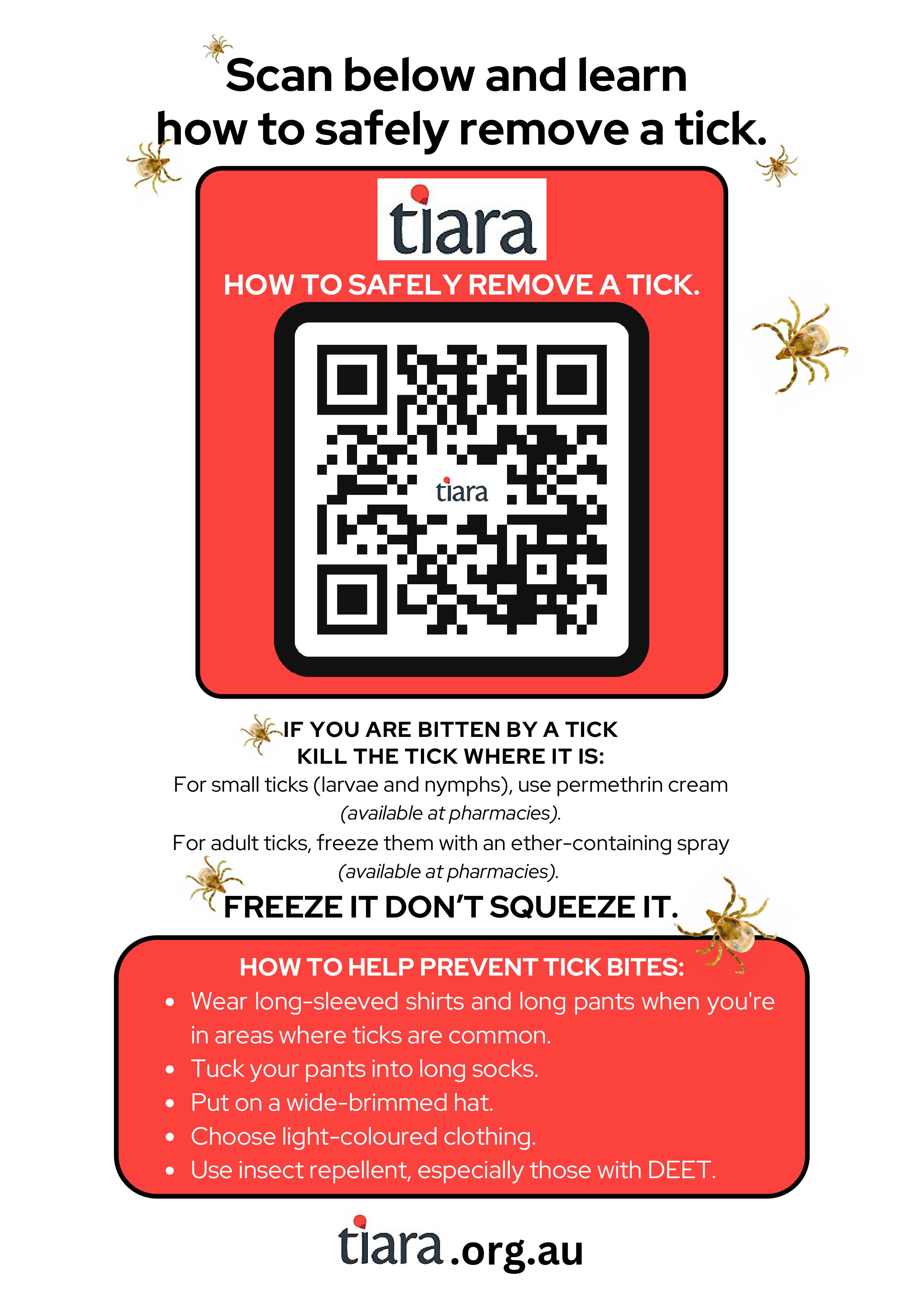
NYMPH and LARVAL TICKS 
Apply permethrin cream to kill these ticks 
NB: There are limited data regarding permethrin use in pregnancy and it is not known whether it can be present

For additional information 
Please visit these useful websites: 
For more information about safe tick removal, visit www.tiara.org.au
See: Central Coast Teenager Confirmed as First Tick-induced Fatality in Australia


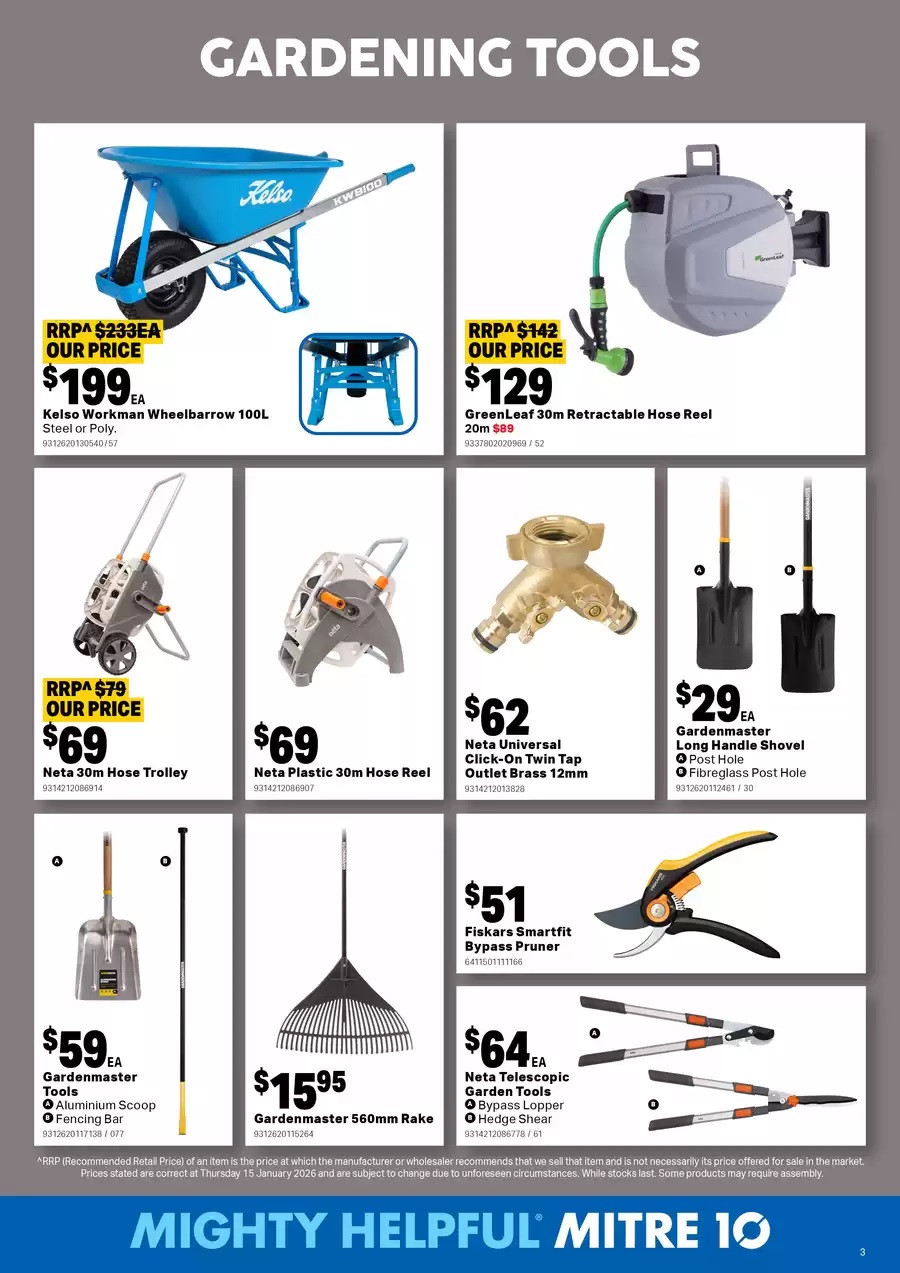
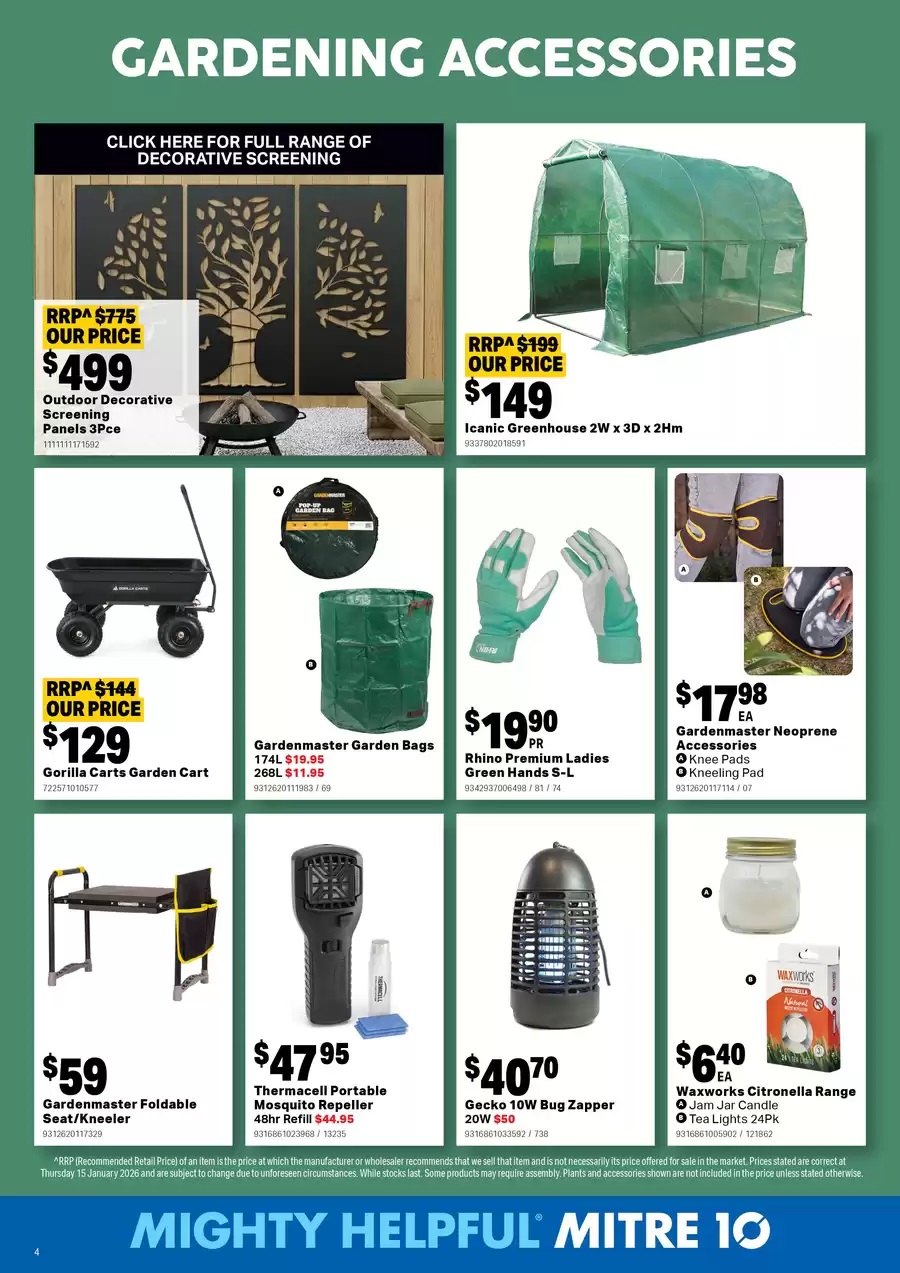
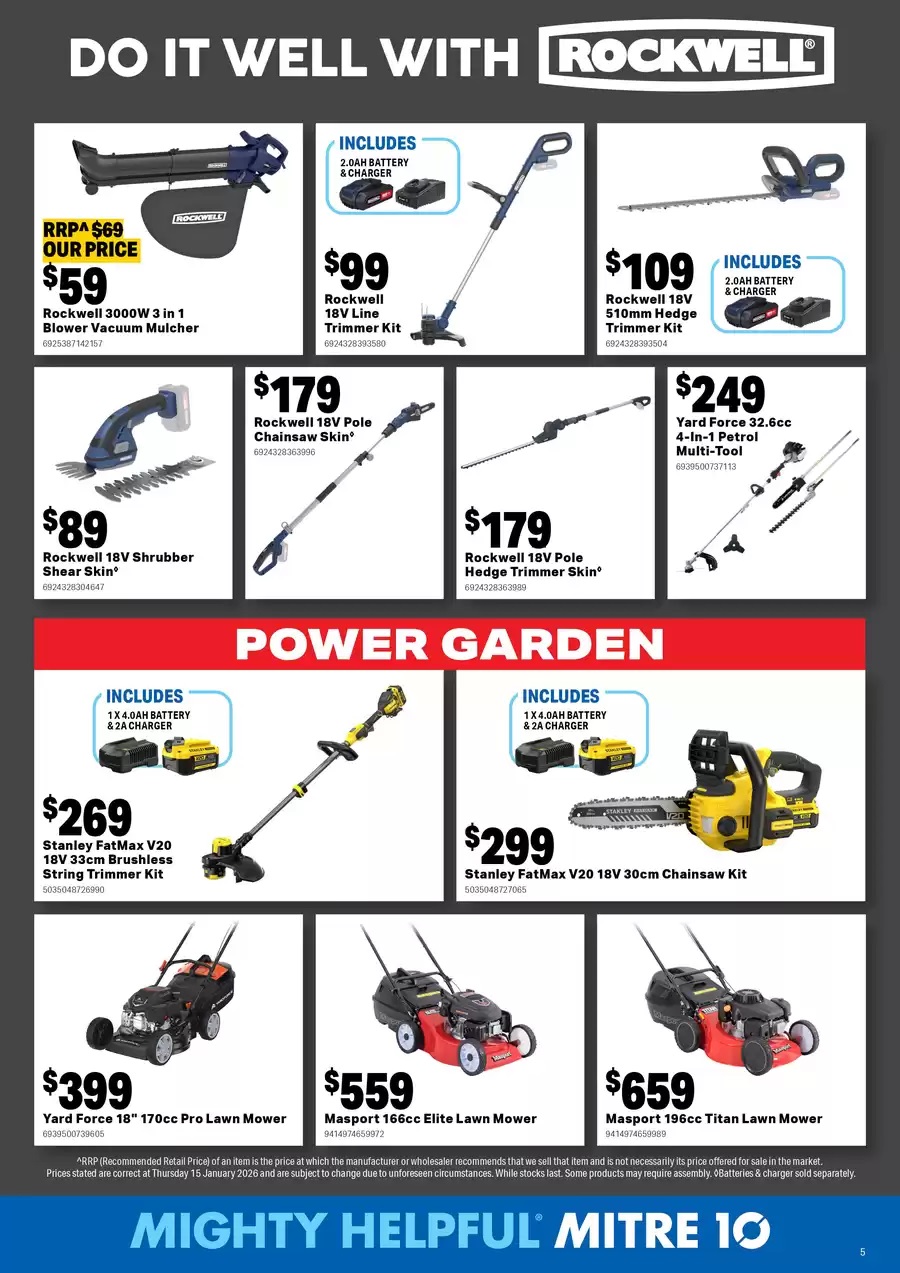
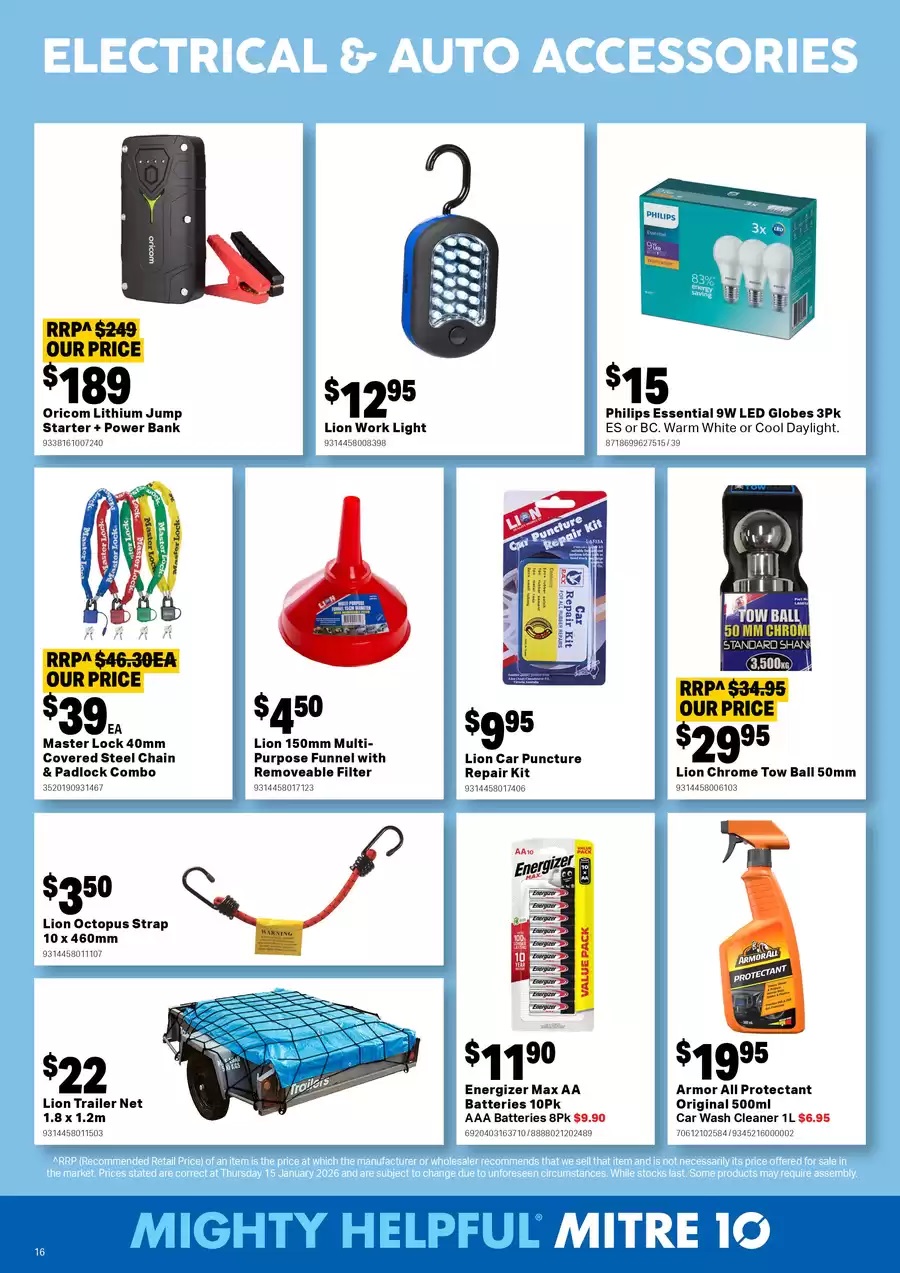
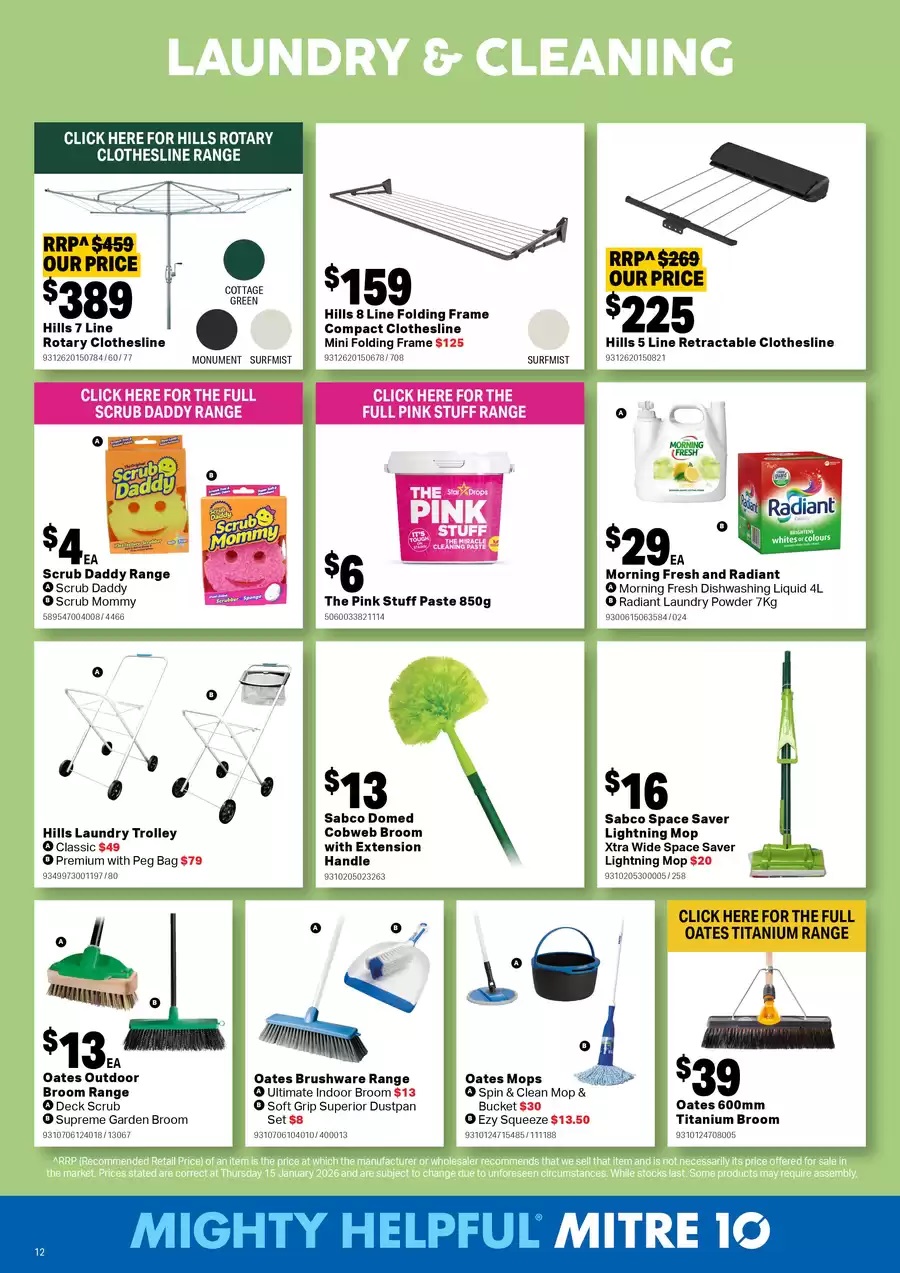
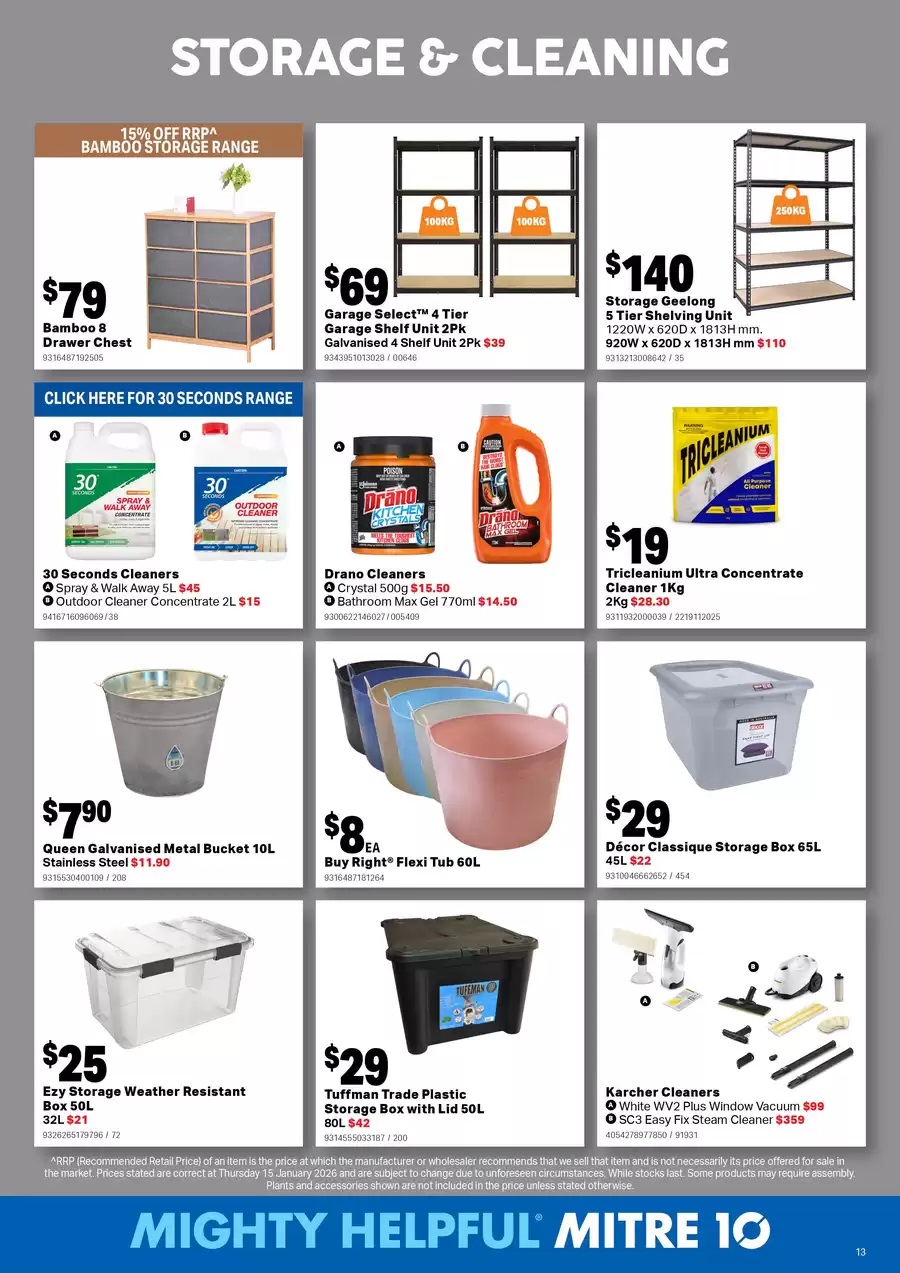
Products and Tools from Johnson Brothers Mitre On Sale until March 15 2026
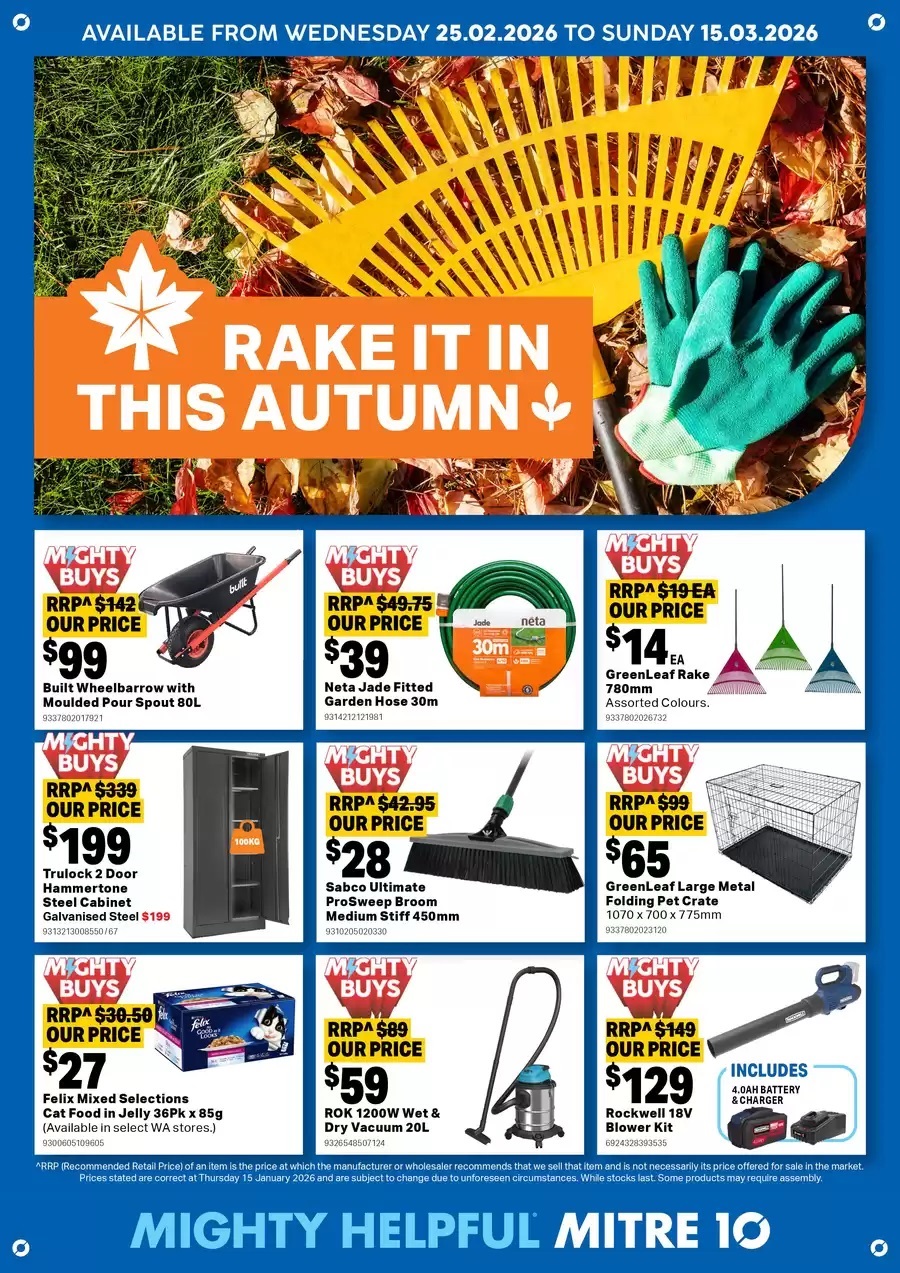

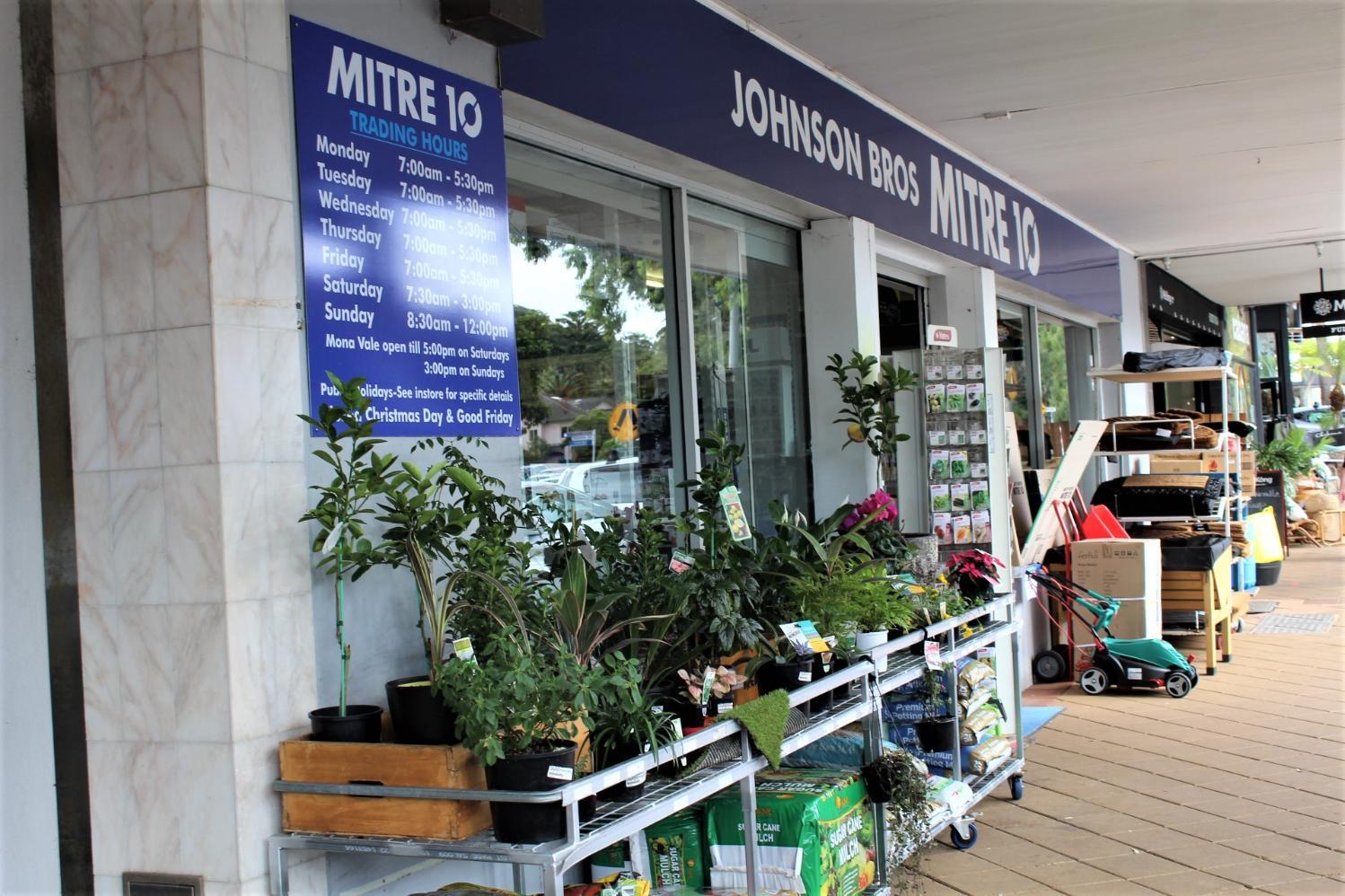
Green Life Garden Centre at Johnson Brothers Mona Vale has a great stock of native and other plants and all you need to get gardening - the Avalon store also stocks what you will need, or order it in and pick it up and avoid the 'bends'.


Johnson Brothers Mitre 10 Recycling Batteries: at Mona Vale + Avalon Beach

Over 18,600 tonnes of batteries are discarded to landfill in Australia each year, even though 95% of a battery can be recycled!

That’s why we are rolling out battery recycling units across our stores! Our battery recycling units accept household, button cell, laptop, and power tool batteries as well as mobile phones! 

How To Dispose Of Your Batteries Safely: 

  1. Collect Your Used Batteries: Gather all used batteries from your home. Our battery recycling units accept batteries from a wide range of products such as household, button cell, laptop, and power tool batteries.
  2. Tape Your Terminals: Tape the terminals of used batteries with clear sticky tape.
  3. Drop Them Off: Come and visit your nearest participating store to recycle your batteries for free (at Johnson Brothers Mitre 10 Mona Vale and Avalon Beach).
  4. Feel Good About Your Impact: By recycling your batteries, you're helping support a healthier planet by keeping hazardous material out of landfills and conserving resources.

Environmental Benefits

  • Reduces hazardous waste in landfill
  • Conserves natural resources by promoting the use of recycled materials
  • Keep toxic materials out of waterways 

Johnson Brothers Mitre 10: Serving Our Community Since 1955

The Independent Hardware Group has awarded Johnson Bros Mona Vale the best in state Store of the Year at the IHG state awards again in 2023.

Johnson Brothers say; ''Thank you to all of our amazing staff and customers for being awesome!''

IHG is Australia’s largest home improvement wholesaler supplying more than 1,500 stores nationwide. These stores cater to a broad range of Trade and DIY customers and range from large format warehouses to convenience operations and Trade centres, as well as frame and truss sites in two States. 

Under the IHG network, there is a clear mandate to support the growth of Independents within the hardware sector in Australia by helping them to be ‘The Best Store in Town’.

The culture of IHG is built on being a low cost and transparent business partner to members, with an unwavering commitment to protect and grow a sustainable independent hardware sector for the long term.

Greenlife garden centre at Johnson Brothers Mona Vale - for all your gardening needs.

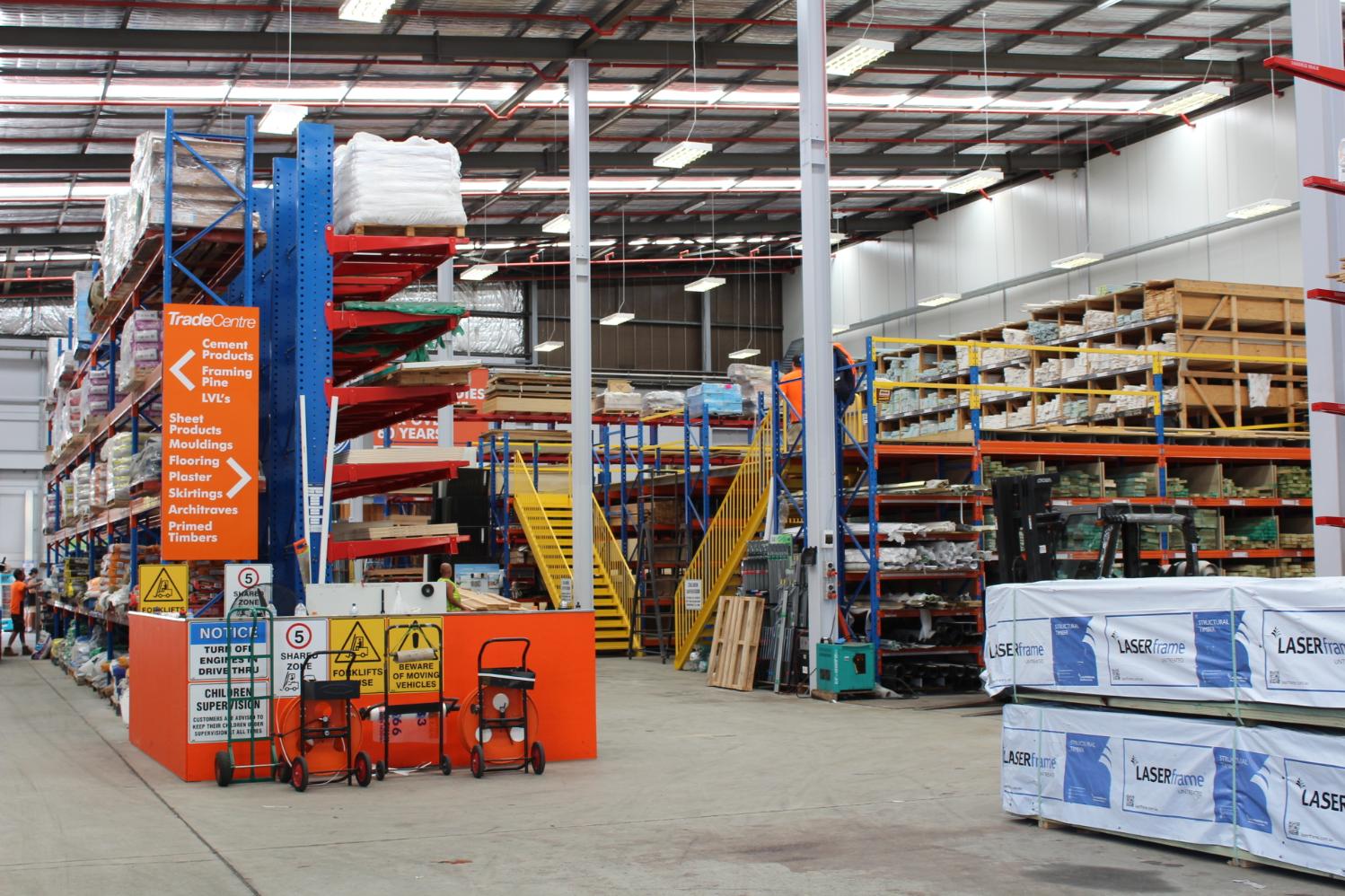
Johnson Brothers Mitre 10 Trade Centre at Mona Vale - everything you need under one roof.

JBH Design Centre 

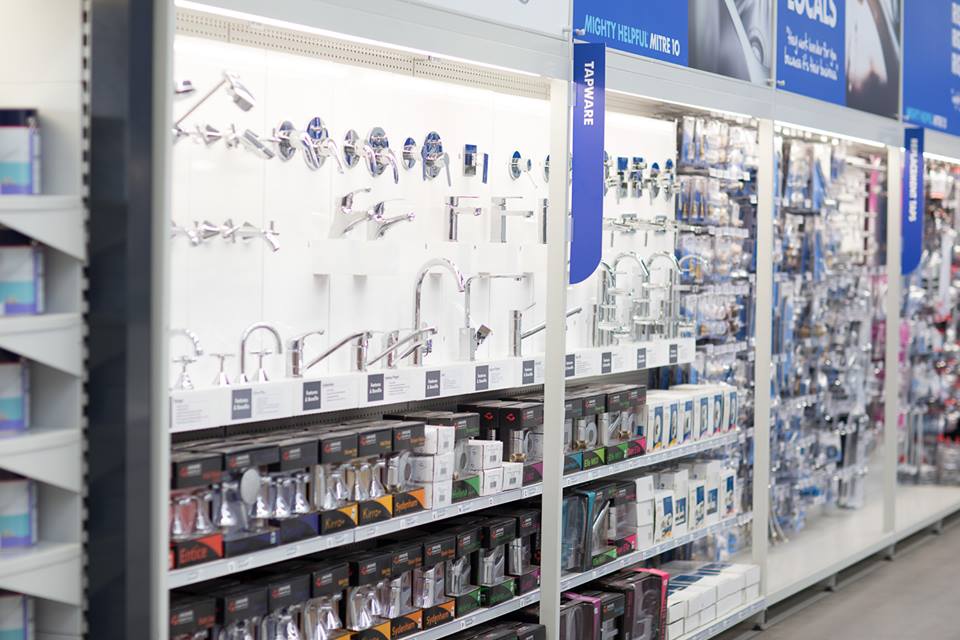
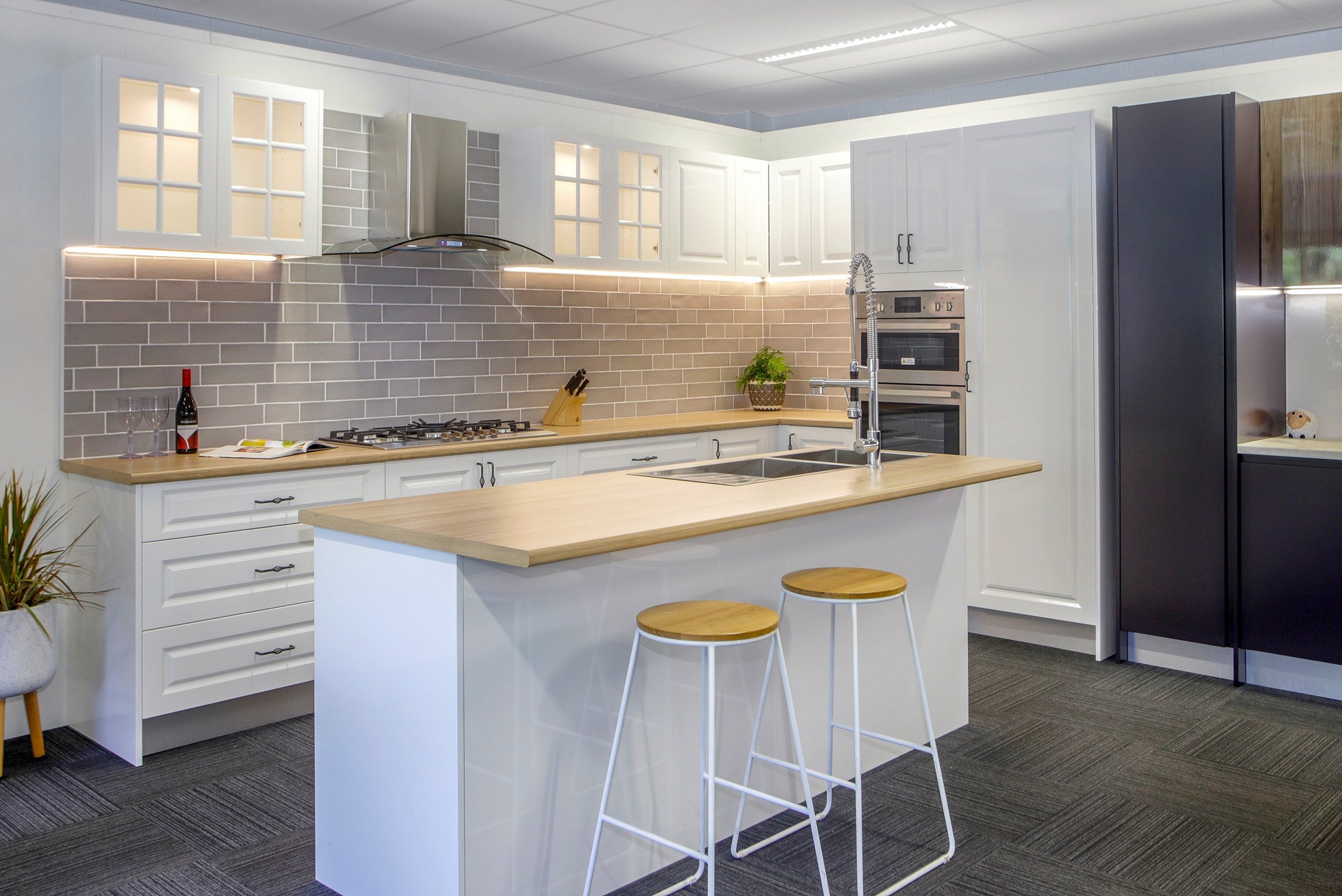
JBH Design Centre is a tool for builders and DIY'ers to assist in the fit out of houses. It has displays of kitchens, Bathrooms, Doors and Storage as well as knowledgeable staff to assist in making house fit out painless.

Visit: http://jbhdc.com.au/

On Facebook: https://www.facebook.com/design.centre.jbh/


Johnson Brothers Mitre 10 New Store
73 Bassett Street
Mona Vale - Online Store: Jbhmv.Com.Au

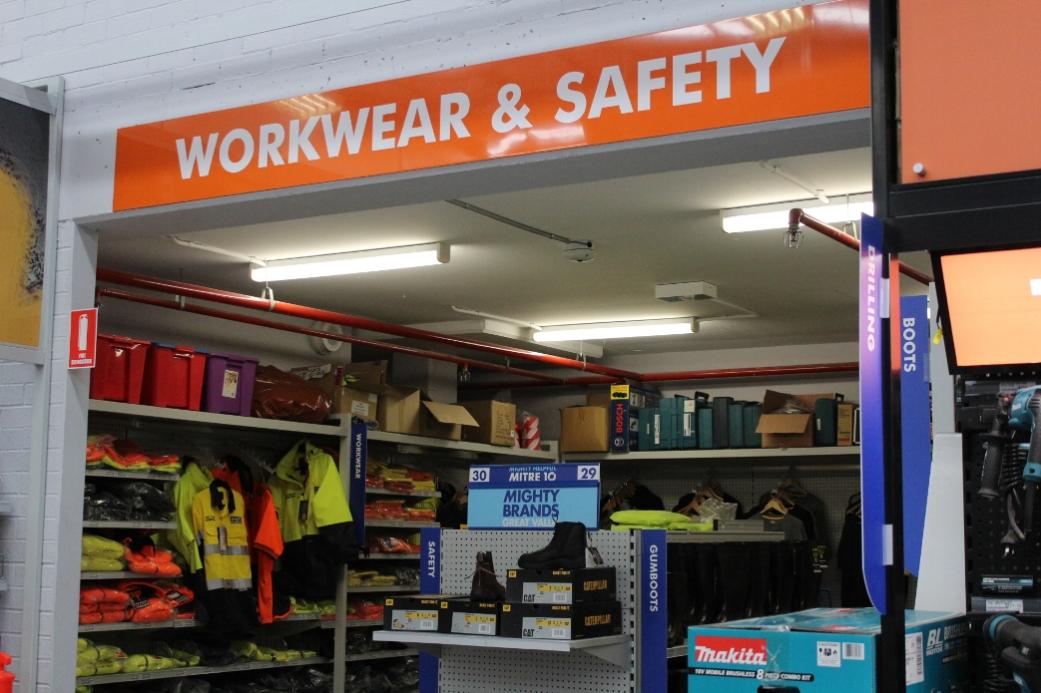
Products advice is available from the trained friendly staff at Narrabeen, Mona Vale and Avalon Johnson Brothers Mitre 10. 

Click on logo to visit Johnson Brothers Mitre 10 website

Johnson Bros Mitre 10 - Avalon            (02) 9918 3315

Johnson Bros Mitre 10 - Mona Vale     (02) 9999 3340

JBH Timber & Building Supplies          (02) 9999 0333

JBH Fencing & Landscape Supplies    (02) 9970 6333

www.johnsonbros.com.au Online store: jbhmv.com.au