SLSA stated:
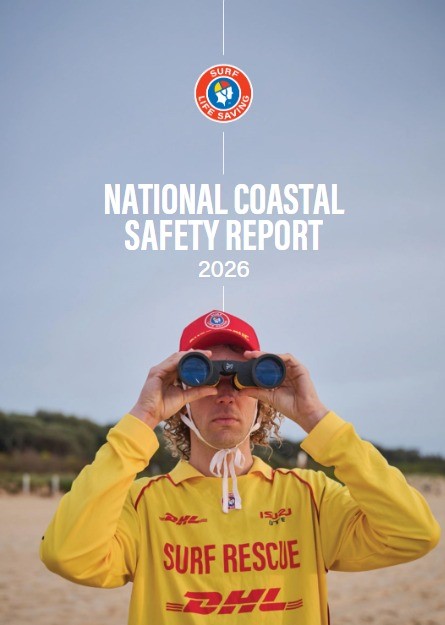
'Australian men are drowning on our coastline in record numbers. Surf Life Saving Australia’s (SLSA) National Coastal Safety Report 2026, released today, shows 151 people drowned on the Australian coast in the past year. 134 of them were men.'
They were partners, dads, sons, and mates. Two thirds (66%) drowned more than one kilometre from the nearest Surf Life Saving service, away from the red and yellow flags.
Many drowning deaths were close to home with almost half (47%) living within 50 kilometres of the drowning location, and more than half (51%) aged between 30 and 59 years old. Swimming and wading was the most common activity at the time of the incident (25%).
SLSA is calling on every Australian to make sure men get the message this summer: swim between the red and yellow flags and know your limits.
Surf Life Saving Australia CEO Adam Weir said men needed to take responsibility for their safety and make decisions that would get them home.
“134 men went to the coast last year and didn’t come home. Two thirds drowned away from lifesaving services.
“Men have long been overrepresented in coastal drowning deaths, but we’re seeing more men over 45, and it’s not simply about taking risks. It can be underestimating the conditions, overestimating our abilities, or a medical episode that becomes far more dangerous in the water.
“We need to be honest with ourselves about our fitness, our health and what we can safely manage. Swim between the flags, don’t swim alone, and don’t assume past experience makes you safe today.
“And if you know a bloke who thinks that advice is meant for someone else, a tap on the shoulder and a quiet word might help.
“If surf lifesavers can’t see you, they can’t save you,” he said.
Minister for Sport, the Hon. Anika Wells, stated:
“Heading to the beach and getting in the water to cool off at summer is part of the fabric of Aussie life, and we are a proudly water-wise nation.
“This report is a wake-up call to everyone, but especially for men, to always swim between the flags and know your limits at the beach.
“The Albanese Government is committed to increasing water safety for all Australians. As we head into summer let’s make sure we are all enjoying our beautiful waterways safely.”
Stop. Look. Stay Alive
Stop: Before you enter the water.
Look: For rip currents and other dangers.
Stay Alive: Swim at a patrolled beach between the red and yellow flags.
NATIONAL COASTAL SAFETY REPORT 2026 – KEY FINDINGS
- 151 coastal drowning deaths.
- Men accounted for almost nine in ten coastal drowning deaths (134 men), 20% above the 10-year average.
- 66% of men drowned more than 1km from an SLS service.
- 47% lived within 50km of the drowning location.
- More than half (51%) of males were aged 30 to 59.
- Swimming and wading was the most common activity (25%) for men at the time of drowning.
Click here to read the 2026 SLSA National Coastal Safety Report.
170 young children drown in a decade: Royal Life Saving urges parents to Keep Watch
On November 10 Royal Life Saving released new research which records 83 children aged 0 to 4 drowned in swimming pools over the last decade, with the vast majority (93%) of these deaths occurring in residential backyard pools.
Alarmingly, 78% of children who drowned in swimming pools were not being directly supervised at the time of the incident. In 23% of cases, children had been without supervision for an estimated period of more than 15 minutes, while in 40% of cases, only one adult was present.
Queensland had the highest number of drownings for this age group, representing 41% of all drowning deaths in children aged 0-4 years, followed by New South Wales (22%) and Victoria (17%).
Royal Life Saving states active supervision saves lives and it is vital that parents and carers always Keep Watch.
Royal Life Saving Australia Chief Executive Officer, Dr Justin Scarr, said active adult supervision remains the single most important way to prevent drowning among young children.
"Drowning can happen quickly and silently. That is why supervision needs to be constant, without distractions from mobile phones, conversations, or other activities.
Whether children are swimming, playing near the pool or spending time around water, adults need to be actively engaged and ready to respond immediately. For children under five, this means being in the water with them when swimming, staying within arm's reach and actively interacting with them. Supervision must be 'eyes on' and 'hands on' at all times” Dr Scarr said.
Check Pool Fences - Gates
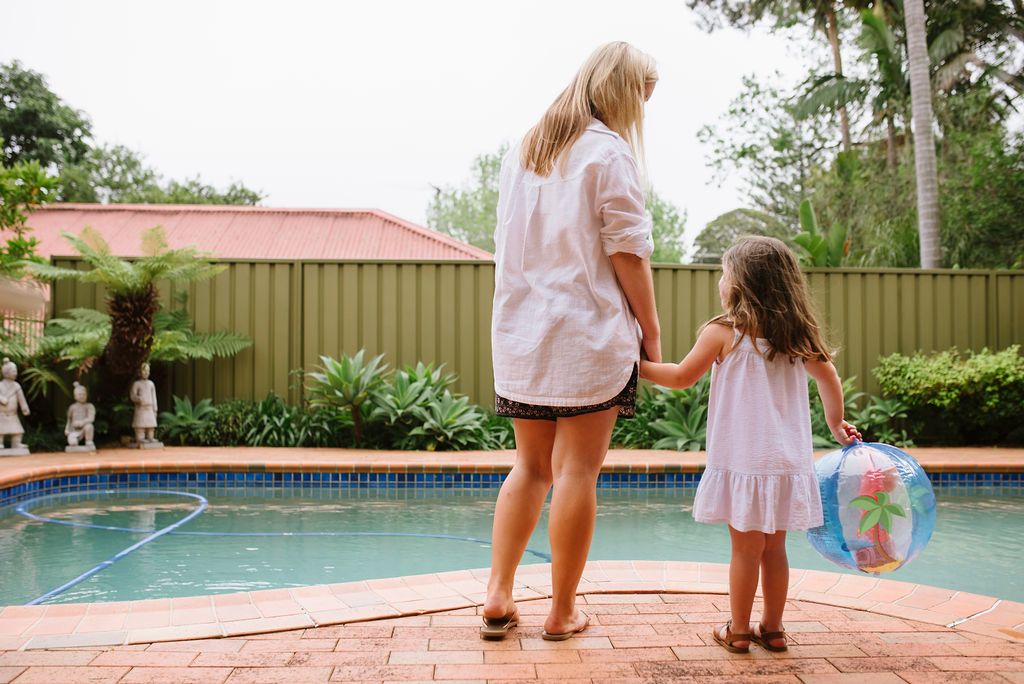
Royal Life Saving is also urging families to check their pool fences and gates ahead of Summer, particularly before hosting gatherings where young children may be visiting.
The latest research also found that 34% of swimming pool drowning cases involved children gaining access to the pool through a gate that had been left open.
Accidental falls into water remain the leading activity prior to drowning among young children (72%), reinforcing the importance of restricting access to water and maintaining constant adult supervision, even when children are not expected to be swimming.
Dr Scarr said the approaching summer months bring additional risks, particularly when families and friends gather around backyard swimming pools.
“At family gatherings, pool parties and social occasions, the presence of several adults can create a false sense of security, with parents and carers assuming someone else is watching the children. Supervision should never be assumed. A responsible adult must be clearly nominated to actively supervise young children at social gatherings, with a direct handover whenever that person needs to step away.
"Make sure pool fences and gates are in working order and never leave a pool gate propped open. Pool fencing provides an important layer of protection, but it is no substitute for active adult supervision.
"Keeping children safe around water is a year-round responsibility, but with summer approaching, now is an important time for families to refresh their water safety habits.
"Kids can't help themselves around water. You need to. Keep Watch," Dr Scarr said.
Parents and carers are urged to follow the four Keep Watch actions to prevent child drowning:
- Supervise: Actively supervise children in and around water. For children under five, be in the water with them when swimming, stay within arm's reach and give them your full attention. Eyes on. Hands on.
- Restrict: Restrict children's access to water. Ensure pool fences and gates are secure, properly maintained and never propped open.
- Teach: Teach children water safety skills through play and swimming lessons.
- Respond: Learn CPR and know how to respond in an emergency.
For more information, visit www.royallifesaving.com.au/keepwatch
Royal Life Saving Australia's Keep Watch public awareness and education campaign has been helping families prevent childhood drowning for more than 25 years.
The campaign focuses on preventing drowning among children aged 0 to 4 by encouraging parents and carers to follow four key actions: Supervise, Restrict, Teach and Respond.
Royal Life Saving and the Keep Watch program are supported by the Australian Government.