Healthcare Quarterly April to June 2026 Records Rise of 61% in Patients Admitted to Northern Beaches Hospital: NSW Government Concern Over Rise in Aged Care Patients Stranded in Hospitals
Each quarter, the Bureau of Health Information (BHI) reports on activity and performance for emergency department, elective surgery, admitted patient and ambulance services in NSW.
On Wednesday September 9 BHI released the latest Healthcare Quarterly, which tracks activity and performance across NSW public hospital and ambulance services for April to June 2026.
The report shows the highest number of ambulance responses (395,042) recorded since BHI began reporting in 2010. Despite the record demand, the percentage of 'life-threatening CAT 1' responses within 10 minutes increased to 65.1%.
BHI states there was an increase in the percentage of patients starting their ED treatment on time – up 2.6 percentage points compared with the same quarter a year earlier. However, patients spent longer in EDs, with the median time from arrival to leaving increasing by 5 minutes to 3 hours and 49 minutes.*
The report shows 85.6% of elective surgeries were performed on time, up 8.8 percentage points from the same quarter a year earlier. Median waiting times decreased for both semi-urgent and non-urgent surgery.*
The report also includes new analysis of eight procedures that should routinely be performed as same day surgery. In January to March 2026, almost half (47.3%) of these procedures occurred on the same day as admission, up 5.3 percentage points compared with the same quarter a year earlier.
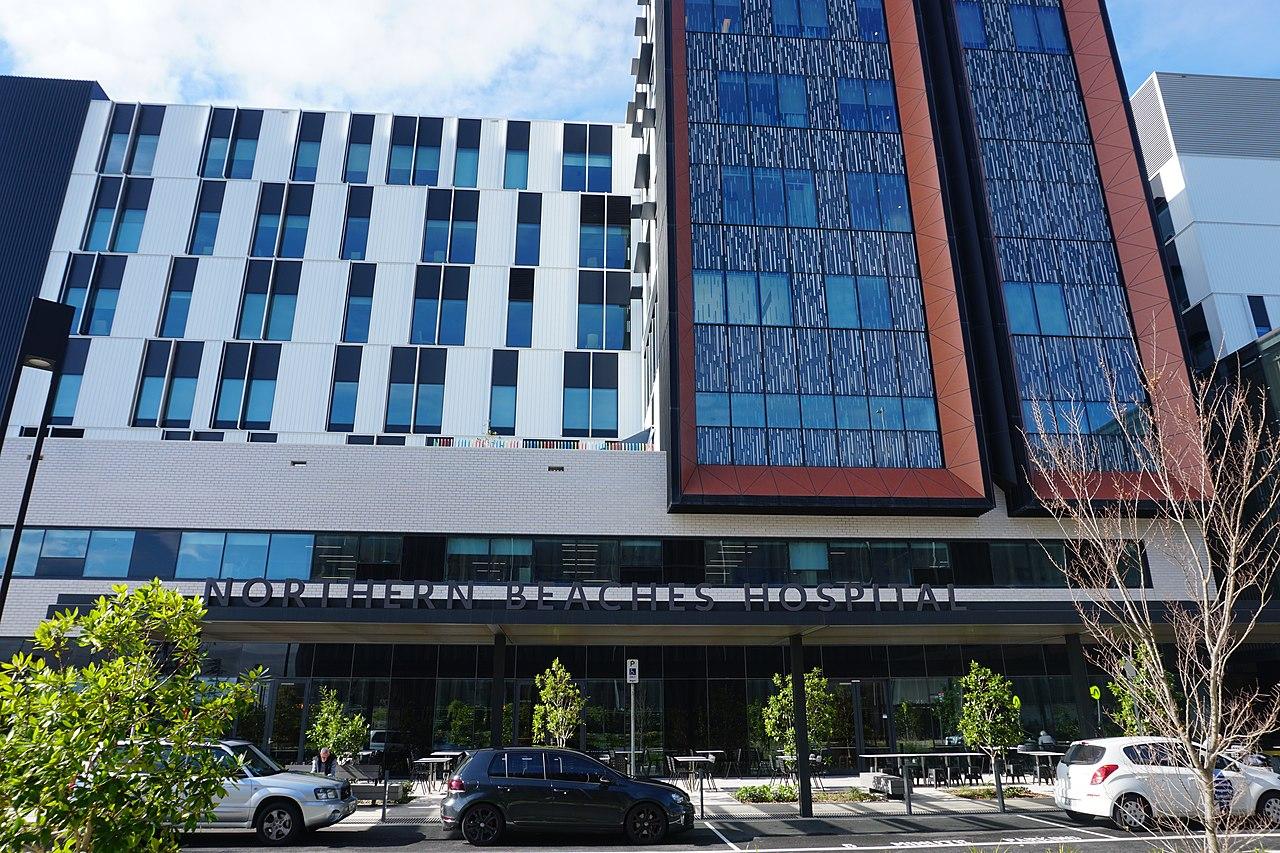
Analysis of the performance of the Northern Beaches Hospital in the first quarter it became a fully public hospital records a significant rise of patients being admitted.
The data records Admitted patient episodes of care were 12,059 - up 62.3% compared with same quarter in 2025.
Likewise, the amount of elective surgeries has risen exponentially as well - although these cannot be included in data for the State’s first High Volume Planned Surgery Centre, announced in January 2026, as this hub did not open until July 1 2026.
Elective surgeries performed were 1,494 - a rise of 72.1% compared with same quarter the previous year.
Patients on the elective surgery waiting list at end of quarter is at 1,582 - a rise of 13.7% compared with same quarter the previous year.
ED attendances were 16,009, a rise of 6.1% compared with the same quarter the previous year.
Patients starting ED treatment on time was at 61.5%, a drop of 10.5 percentage points compared with same quarter the previous year.
The Median time from arrival at ED to leaving was 4h 31m, a rise of 24 mins compared with the same quarter the previous year.
Arrivals by ambulance are recorded as 4,540, a rise of 1.0% from the 2025 April to June quarter.
Patients transferred from paramedics to ED staff within 30 minutes is listed at 90.5%, a fall of 1.6 percentage points compared to 2025.
Although 87% of patients found they were ‘Always’ treated with respect and dignity while in the hospital, only 22% thought the food was 'very good'.
Babies born in this quarter at NBH was 345, a rise of 3.6% compared with the same quarter the previous year.
Stranded aged care and NDIS patients predicted to reach 1,700 in 2027
The NSW Government stated that NSW emergency departments are treating more patients on time and ambulances are getting back on the road faster, despite growing pressure from patients who are medically ready to leave hospital but are waiting for aged care or NDIS support.
'The latest Bureau of Health Information quarterly data shows 68.7 per cent of patients were treated on time in the April to June quarter, up from 62.8 per cent four years ago, while timely transfers from ambulances to emergency departments improved from 72.5 per cent to 80.3 per cent over the same period.' the government stated
'But those improvements are being made against a growing challenge inside NSW hospitals: more than 1,300 patients who no longer need hospital treatment cannot leave because they are waiting for Commonwealth funded aged care or NDIS support.
That number increased by almost 300 in the past year and NSW Health estimates it could reach almost 1,700 by June 2027 if current trends continue.'
'For patients, that can mean spending weeks or months in hospital when they would be better cared for at home, in aged care or appropriate disability accommodation. For hospitals, it means fewer beds available for people coming through emergency departments who need them.'
'The scale of the challenge means the equivalent of one in every eight beds accessible from NSW emergency departments is currently occupied by someone who is medically ready to leave hospital but cannot – up from around one in ten a year ago.'
'Older people waiting for aged care account for much of the increase, rising almost 40 per cent in a year from 761 to 1,063 patients.' the government stated
Bed block growing across Sydney
The impact of Commonwealth aged care and NDIS delays is being felt in some of Sydney's busiest hospitals.
The number of patients waiting for aged care or NDIS support in South Eastern Sydney increased from 68 to 157 in the year to June 2026.
At St George Hospital, the number increased from 17 to 64 – the largest increase and highest number of any hospital in NSW – while Prince of Wales increased from 20 to 47.
In South Western Sydney, the number increased from 118 to 180, including:
- Bankstown Hospital – 15 to 30
- Campbelltown Hospital – 37 to 54
- Liverpool Hospital – 22 to 52.
In Western Sydney, the number increased from 99 to 111, including:
- Blacktown Hospital – 17 to 22
- Westmead Hospital – 50 to 62.
In Sydney Local Health District, the number increased from 62 to 114, including:
- RPA – 11 to 29
- Canterbury Hospital – 8 to 25.
Aged Care Response Package
The NSW Government stated on Wednesday it is investing $35.7 million into an Aged Care Response Package, to deliver much-needed relief for older people experiencing discharge delays.
The NSW Government is also working with the Commonwealth to expand services helping older people remain well and safely at home, reducing avoidable hospital presentations and admissions. These initiatives include:
- Expanding Aged Care Outreach Services to provide short-term multidisciplinary care in the home to avoid unnecessary hospitalisations
- Rolling out Virtual Specialist Geriatric Care which delivers specialist geriatric support to people aged 65 years and over at home, helping to avoid hospital admissions and supporting earlier discharge where appropriate
Hospital performance
Despite these challenges, the Bureau of Health Information has released quarterly data which shows there has been some improvements in emergency department performance and the number of people accessing care outside of the hospital.
'The proportion of triage category two patients – people with life threatening conditions – being treated on time improved in the April to June 2026 quarter to 56.8 per cent compared to four years ago (51.6 per cent in 2022 under the former Liberal National Government), significantly improving in Western Sydney which increased from 25.1 per cent under the Liberals to 41 per cent.' the government stated
'The overall proportion of patients being treated on time improved in the April to June 2026 quarter to 68.7 per cent compared to four years ago (62.8 per cent in 2022 under the Liberals), including in Western Sydney which improved from 40.3 per cent to 56.5 over the same time period.'
More hospitals, more beds, more staff, more services
'This improvement in performance coincides with an increased uptake of alternative pathways to care outside of the hospital, including Healthdirect, the expansion of virtual care services across NSW with $124 million invested for urgent care services; over $500 million invested into ED relief; more beds and the recruitment of more health workers including over 900 nurses, 740 paramedics, 1,400 doctors and 1,500 allied health workers over the past three years.' the government stated
'We’re investing $10.3 billion to help recruit an additional 9,000 health workers, deliver record pay rises for nurses and midwives, expand services, including 33,000 more ED presentations and an additional 2,900 planned surgeries per year, as well as $11.9 billion to deliver 32 new and upgraded hospitals and more than 2,500 additional beds and treatment spaces across the state, including over 800 in Western Sydney.'
NSW Minister for Health, the Hon. Ryan Park, stated on September 9:
“The number of people waiting for aged care and NDIS placements stranded in NSW hospitals is growing at an unprecedented and unsustainable level.
“For the first time, NSW Health has confirmed that one in eight ED accessible beds in NSW public hospitals cannot be used as a result.
“Waiting indefinitely in a hospital is not good for patient mobility, recovery or quality of life.
“Despite these challenges, we are continuing to see progress in emergency department wait times which has coincided with a significant investment from the Minns Labor Government into ED relief – and I want to thank our health workers for their hard work and commitment to our health system.”
AMA (NSW) President Dr. Fred Betros stated:
''The latest Bureau of Health Information report is a dashboard full of warning lights, but the NSW government continues driving.
''Our emergency departments are the barometer of the health system. Ambulance responses reached a record 395,042 between April and June, while fewer than one in three admitted or transferred patients left an emergency department within six hours.
Only 56.8 per cent of elective surgeries at Bankstown-Lidcombe and 63.4 per cent at Campbelltown were performed on time, with both results deteriorating over the past year. Nepean Hospital’s waiting list grew by 8.3 per cent to 3,937 patients.
And yet the answer is obvious – we must invest in preventative healthcare to reduce avoidable hospital admissions. This means better access to chronic disease management, mental healthcare, outpatient specialist services and coordinated community care.
We welcome the preventative health summit next month – but we need more than one-off sugar hits to get us through the next crisis.
Disappointingly, last Friday’s Health Ministers’ Meeting in Sydney does not appear to have delivered any tangible outcomes for patients or doctors.
We need more doctors and staffed beds today, alongside investment in prevention and early intervention to reduce avoidable demand tomorrow. The system needs help now. Patients cannot keep paying the price for governments’ failure to plan.
We have a sick health system – and if we don’t act, we risk its slow decay.''
The Insights Series – Emergency department use and experiences for children and young people: 2019–20 to 2024–25
The Bureau of Health Information (BHI) released a second report on the NSW health system on Wednesday, the other being focused on younger people.
Children and young people (0–17 years old) made more than 700,000 visits to NSW public hospital emergency departments (EDs) in 2024–25, accounting for 22.3% of all ED visits state-wide. Infants had the highest rates of ED use, with 60.6% attending at least once during their first year of life.
A small group of children and young people (11.8%) were frequent users of ED services, attending three or more times during the year. This group represented 30.3% of all visits made by children and young people.
Experiences of ED care were generally positive in feedback provided by more than 23,000 children and young people in the Emergency Department Patient Survey between 2019–20 and 2024–25.
BHI Chief Executive Adjunct Professor Heiko Spallek said: "Children and young people have different healthcare needs and experiences to adults. Understanding what matters most to them and their families can help health services deliver care that is safe, timely and centred on the needs of young patients."
In 2024–25, 89% of children and young people rated their overall ED care as 'very good' or 'good'. They were less likely to have to return to an ED within 48 hours of discharge if they reported receiving consistent information about their condition or treatment, adequate discharge information and effective pain management.
The BHI Healthcare Quarterly April to June 2026 report may be downloaded here
The BHI Insights Series Emergency department use and experiences for children and young people report may be downloaded here