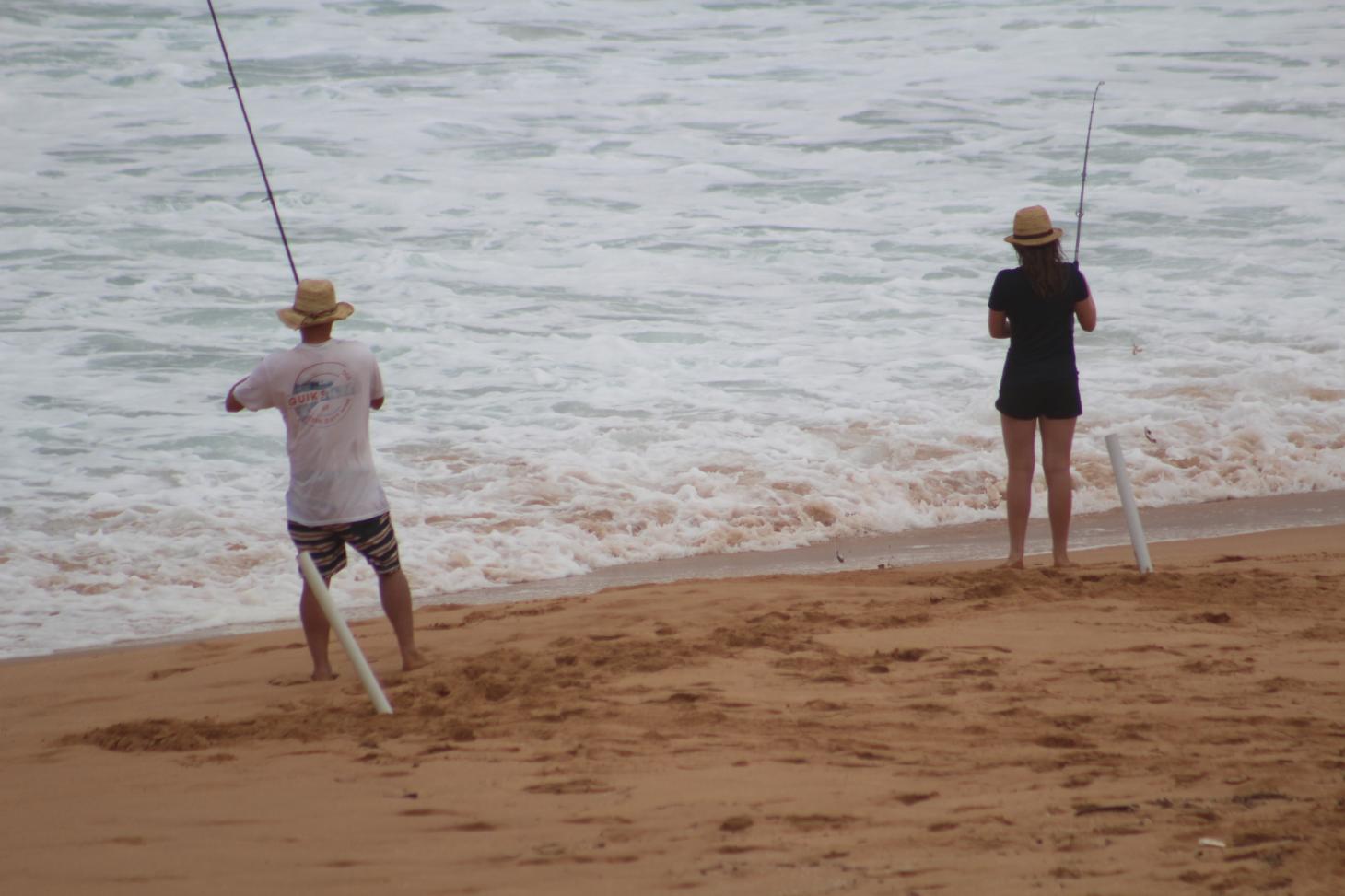
Enhancing Recreational Fishing in NSW Action Plan 2026-2031: Consultation open until April 24
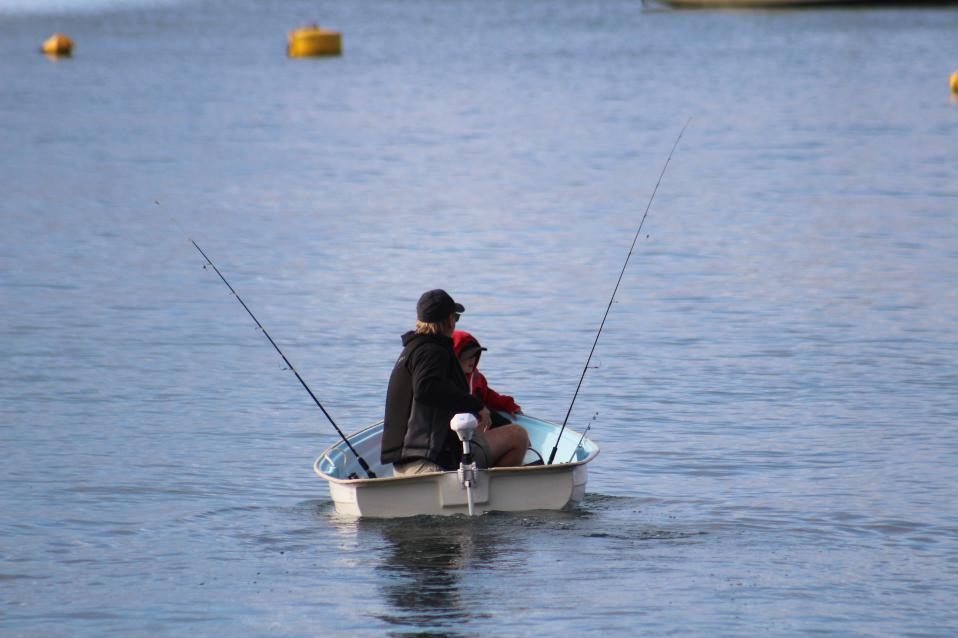
The Minns Government announced on March 2 2026 it has reached a significant milestone in recreational fishing by releasing the draft Enhancing Recreational Fishing in NSW Action Plan 2026-2031 for consultation and opening Expressions of Interest for the board of a new independent recreational fishing peak body.
Together, the draft Action Plan and the establishment of the peak body will lay the foundation for a vibrant and representative recreational fishing sector in NSW.
The Minns Government is committed to giving the wide and varied group of recreational fishers a voice to government, healthier waterways, and more opportunities to enjoy the state’s salt and freshwater landscapes and fishing opportunities.
The draft Enhancing Recreational Fishing in NSW Action Plan 2026-2031 aims to deliver greater participation in fishing, promote environmental stewardship of our waterways, promote the benefits of fishing to wellbeing and social lifestyles, and fast track the recovery of depleted species.
Recreational fishing is seeing a rise of interest among young people as demonstrated by the significant content about the activity in social media and the engagement for the plan and the EOI aims to attract the next generation of fishers.
The Government invites feedback and consultation with people across the state to consider the Plan. Some highlights include:
- Boost participation of women and kids, and people with disabilities by 10 percent, with more fishing workshops, promotion, accessible fishing platforms and facilities.
- Make “Gone Fishing Day” a bigger and better event across NSW to celebrate fishing, our iconic coastal and inland locations, and our seafood through deeper and wider partnerships.
- Stock 30 million fish into NSW waterways with improved hatchery infrastructure and focus on sportfish like Mulloway and Dusky Flathead, and iconic natives like Murray Cod.
- Create 50 new fishing sites in regional and metropolitan areas to provide more places for people to fish by improving access, infrastructure and habitat.
- Boost sustainable fishing through responsible practices, reducing wildlife impacts and waste, and empower fishers to be citizen stewards of fisheries and aquatic environments.
Public consultation on the draft action plan is now open and will close on 24 April 2026 giving people the opportunity to provide feedback and contribute to the final plan.
To view the draft Enhancing Recreational Fishing in NSW Action Plan 2026-2031 and provide feedback, head to -- www.haveyoursay.nsw.gov.au/rec-fishing-ap
The Government is also opening Expressions of Interest for the board of a new independent recreational fishing peak body comprising of a chair and up to nine other board members, made up of dedicated recreational fishers, professionals and talented individuals.
People with a broad knowledge of recreational fishing and a range of experiences and skills such as effective leadership, communications and innovation can submit their EOI via fisheries.info@dpird.nsw.gov.au by 30 March 2026.
For more information visit www.dpi.nsw.gov.au/fishing/recreational/resources/proposed-recreational-fishing-peak-body
The Australian Fishing Trade Association (AFTA) has welcomed the announcement of a state peak body for NSW, stating 'We have been advocating for its introduction for some time.'
''The Minns Government is committed to giving the wide and varied group of recreational fishers a voice in government, healthier waterways, and more opportunities to enjoy the state’s salt and freshwater landscapes and fishing opportunities.
The draft Enhancing Recreational Fishing in NSW Action Plan 2026-2031 aims to deliver greater participation in fishing, promote environmental stewardship of our waterways, promote the benefits of fishing to wellbeing and social lifestyles, and fast-track the recovery of depleted species.
Recreational fishing is seeing a rise in interest among young people, as demonstrated by the significant social media content about the activity and the engagement with the plan and the EOI aims to attract the next generation of fishers.''
Details to be finalised
Pittwater, which has three fishing clubs and those who make their living from fishing, were wondering where the ‘50 new fishing locations’ were as there was no list or map in the document.
''The document reads like a list of motherhood statements with a bunch of pretty photos - why can't we have the details now?'' one local fisher said
A spokesperson from DPIRD said this week,
‘’The NSW Government’s draft five-year Enhancing Recreational Fishing in NSW Action Plan (the plan) aims to guide development of future programs and activities to make fishing even better, now and into the future.
One of the key outcomes of the plan is to create more places to enjoy quality fishing. The plan sets a target of 50 new fishing locations over five years, which is proposed to be achieved by the various actions outlined on page 10 of the plan under 'More places to fish'.
The new fishing locations will be identified when the final plan is implemented. The fishing locations will include sites that require action to turn them into a new public fishing location, such as a lake that has no current public access. Fishers can propose new locations as part of their feedback through the current consultation process.’’
30% by 2030
Residents have also expressed concerns about New South Wales meeting its ‘30% by 2030’ targets, especially if previously closed to fishing areas are reopened.
The Australian Government has set a national target to protect and conserve 30% of Australia’s landmass and 30% of Australia’s marine areas by 2030 (the ‘30 by 30’ target). This aligns with Target 3 of the Kunming-Montreal Global Biodiversity Framework (GBF) under the Convention on Biological Diversity (CBD).
In October 2022, all Australian environment ministers agreed to work together to reach the national 30 by 30 target.
About 24% of Australian waters, or 2.2 million square kilometres, are in highly protected ‘no-take’ areas.
The Australian Government said on January 19 2026 the latest release of the Collaborative Australia Protected Areas Database (CAPAD 2024) shows that the NRS covered more than 22% of Australia’s land at 30 June 2024. This is over 170 million hectares.
Between June 2024 and November 2025, the Commonwealth government recognised the expansion of 1 and dedication of 9 new Indigenous Protected Areas. That’s an additional 17.76 million hectares for the NRS. It also means that around 24.88% of Australia’s land is protected.
To reach the 30% land target, we need to protect or conserve around another 39 million hectares.
New South Wales (NSW) is significantly behind in achieving the national "30 by 2030" goal—protecting 30% of land and seas—with less than 10% of its land currently protected, notes The Australian Greens. To meet this target, NSW must protect roughly 14 million hectares (2 million hectares annually), which is challenging due to climate-driven disasters and slow conservation progress.
NSW has one of the worst extinction rates in the country, increasing the urgency for habitat protection.
The Biodiversity Council stated on February 7 2025, more than one-third (37%) of our freshwater fish species are at risk of extinction, including 35 species not even listed as threatened.
''Some species have declined to the extent that they could disappear after a single disturbance, such as ash washed into streams after a bushfire or the arrival of an invasive non-native fish such as trout.'' the Biodiversity Council stated
''We also found one New South Wales species, the Kangaroo River perch, is now extinct.''
''The top three drivers of decline are invasive fish (which threaten 92% of threatened freshwater fish species), modified stream flows and ecosystems (82%), and climate change and extreme weather (54%).
The endangered eastern freshwater cod has dwindled in part due to historic fish kills linked to dynamite blasting and pollution from mines and agriculture. It remains threatened by changes to river flows, removal of woody snags, and other damage to its habitat.''
The Biodiversity Council has undertaken the first comprehensive assessment of Australia’s freshwater fish species. They examined extinction risks and drivers of decline, before reviewing existing conservation measures.
See study: Troubled waters in the land down under: Pervasive threats and high extinction risks demand urgent conservation actions to protect Australia's native freshwater fishes, Biological Conservation, Volume 300
The 2025 review of the Water Sharing Plan for the New South Wales Murray and Lower Darling Regulated Rivers Water Sources 2016 highlighted the urgent need to change water-sharing rules in northern NSW to ensure enough water stays in the rivers, allowing them to flow and connect as they must.
The Natural Resources Commission stated;
'We recommended that the water sharing plan be replaced to improve social, environmental, cultural and economic outcomes taking into consideration recommendations from our plan review. The Minister has responded to our review report. The Plan is currently in force and is due to be replaced or extended by 1 July 2026..'
Rules for Menindee Lakes and the Lower Darling/Baaka River have been changing in recent weeks under the current state government. Under the new 250GL trigger, irrigators will be prevented from harvesting water until Menindee Lakes reach a higher storage level than the previous 195GL setting.
The Regional Water Strategy – Western contains several triggers associated with cease to flow and commencement to flow volumes in Menindee lakes to reduce risks to environmental and human water needs in extremely dry conditions. The triggers are to ensure that there is a volume of water in the Lower Darling to supply those needs and provide for up to 12 months of water availability.
Through a co-signed omnibus amendment to multiple water sharing plans, the Minister for Water and the Minister for Environment have altered the rules governing access to overland flows in the Gwydir, Macquarie, Cudgegong, and Border Rivers systems.
This change may reduce the number of days or weeks in which water can be taken by irrigators in those valleys.
The current consultation provides an opportunity to address all these concerns, or support more changes to reduce the risks to environmental and - fish habitat - needs, and follows on from 2024 supports for fishing.
See: NSW Government delivers millions in funding to support all recreational fishers + fish habitat
To view the draft Enhancing Recreational Fishing in NSW Action Plan 2026-2031 and provide feedback, head to -- www.haveyoursay.nsw.gov.au/rec-fishing-ap
Minister for Agriculture and Regional NSW, Tara Moriarty said:
“The Minns Government is committed to making fishing an inclusive, enjoyable and sustainable activity for everyone in NSW who wants to participate – whether you are throwing a line for the first time or devoting all your weekends to the pursuit.
“Providing feedback to the draft Enhancing Recreational Fishing in NSW Action Plan 2026-2031 will be important for making sure we get this right and make this plan work for all types of fishers, and those people who care about our native fish and wonderful coastline and streams.
“Recreational fishing continues to make a significant contribution to the NSW economy, supporting over 14,000 full-time jobs and generating billions in economic activity annually across our regional and coastal communities.
“This action plan demonstrates a strong commitment to both our inland waterway communities and our coastal communities. Our Government is ensuring the social, cultural and economic benefits of recreational fishing flow across the state and where they’re needed.
“I call upon talented people from anywhere across our state to consider contributing to the new peak body for recreational fishing. If you feel qualified to participate and would enjoy helping in this fascinating sector, please apply soon.
“This peak body will work closely with the NSW Government to recommend the best ways forward to sustainably manage recreational fishing and broaden its participation.”
Recreational Fishing NSW Advisory Council Former Chair, Professor Johann Bell said:
“NSW is renowned for having some of the best fishing locations in the country and recreational fishing is enjoyed by one million anglers every year.
“The Government is committed to making recreational fishing in both salt and freshwater environments better, more accessible, and more fun for everyone
“The Enhancing Recreational Fishing in NSW Action Plan 2026-2031 will help ensure more people have access and the ability to engage in fishing and experience the joy of this rewarding activity.”
Peak Body Working Group member and independent facilitator, Karl Mathers said:
“The board of the new recreational fishing peak body will need to comprise a diverse range of skills and expertise to ensure that the body hits the ground running.
“Members will be responsible for setting up the organisation for success, including appointing an executive officer to undertake the day to day running of the organisation.
“This peak body has been designed to ensure an inclusive and collaborative organisation to help advance the priorities and needs of NSW’s recreational fishers.”