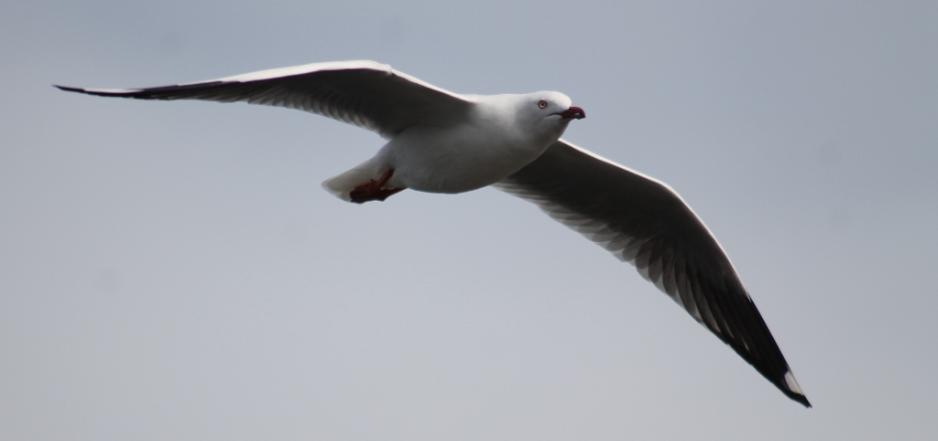
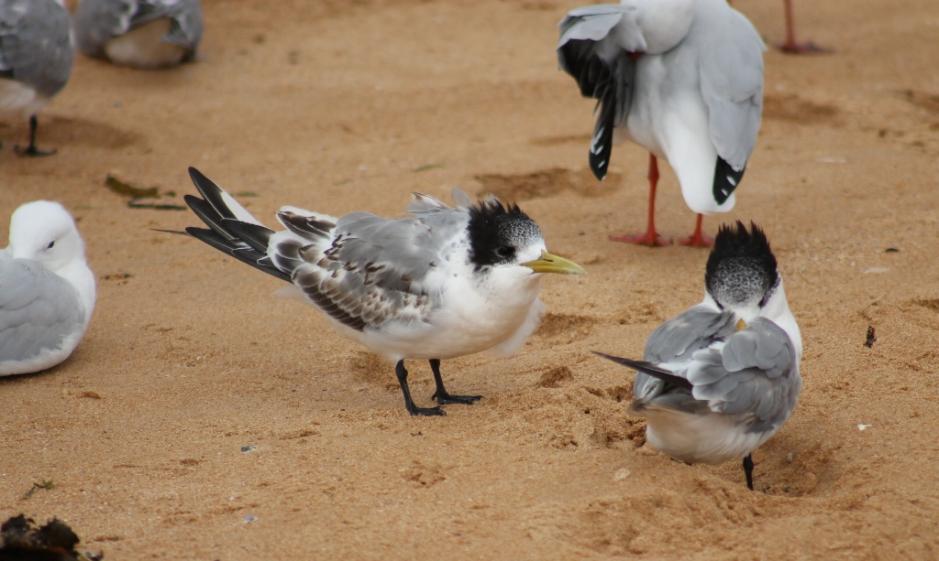
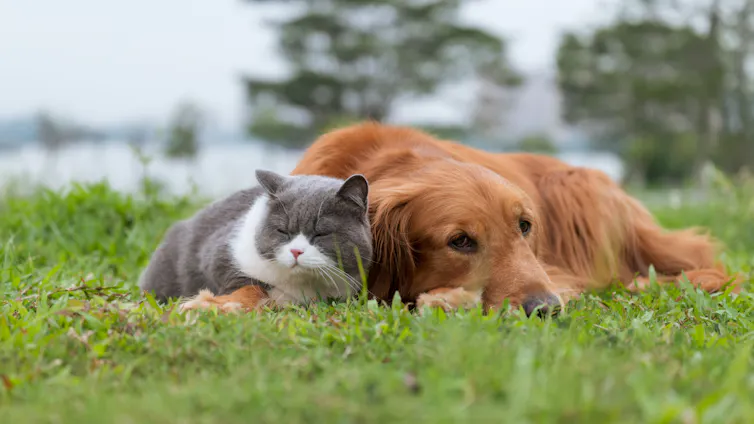
As a veterinarian who studies infectious diseases in cats, I’ve been repeatedly asked whether Australia’s outbreak of the H5 bird flu poses a risk to pets. The short answer is yes.
As this lethal virus continues to infect more mammals, poultry farmers and backyard chook owners remain on high alert. But outbreaks overseas suggest pets – particularly cats – can also contract H5 bird flu and develop severe disease.
To date, Australia has not recorded any cases of the deadly H5 bird flu in pets and the risk to most cats and dogs remains very low. But if infection does happen, the consequences can be serious.
As a nation of pet owners – with 7.7 million Australian households sharing their homes with a pet – we must understand how cats and dogs may become infected, what signs to watch for and which practical measures can reduce exposure to H5 bird flu.
Not just birds
Cats and dogs can catch bird flu in four main ways:
direct contact with infected wildlife
being in places where infected wildlife have been
eating or drinking infected animal products
coming into contact with the virus at home, including via clothing, shoes or equipment.
H5 bird flu outbreaks abroad – including in Poland, South Korea and Belgium – suggest infected cats can deteriorate rapidly and often die within days of exposure. Dogs can also become infected but appear less vulnerable to severe sickness. Many develop only mild symptoms or none at all.
Currently, no vaccinations are available for pets, and there is limited data on whether existing influenza antivirals could be a safe and effective treatment for cats and dogs.
This means prevention is the most effective tool we have.
How would I know if my pet is infected?
The early signs of H5 bird flu infection resemble those of many common animal diseases.
Infected pets may initially look unwell, develop a fever, become lethargic and go off their food. Common respiratory signs include coughing, difficulty breathing and discharge from the eyes or nose.
In cats, H5 bird flu can quickly progress and lead to serious neurological symptoms such as tremors, seizures or sudden blindness.
If your pet develops any of these symptoms, don’t arrive at your veterinary clinic unannounced. Call ahead and discuss your concerns with a vet, telling them if your pet has recently had contact with wild birds, wildlife or raw animal products. This will allow your vet to assess your pet’s level of risk and determine the safest way to examine them.
If your vet suspects your pet may have bird flu, they may conduct an initial assessment outside the hospital and implement additional infection control measures, such as wearing protective clothing and caring for your pet separately from other animals. They may also consult with the government veterinarian coordinating the bird flu response in your area.
If directed to do so by the government veterinarian, your vet may collect samples – most commonly respiratory swabs similar to COVID tests – to determine whether H5 bird flu could be involved. Currently, there is no in-house test that veterinary clinics can perform, so samples must be sent to a dedicated government laboratory for analysis.
What you can do
Here are four practical steps owners can take to help keep their pets safe.
1. Avoid contact with wildlife
Leashing dogs and keeping cats indoors where possible will stop them from touching, scavenging or hunting infected wildlife. This also prevents pets from hunting healthy native wildlife, which need all the help they can get as this virus spreads.
2. Stay away from contaminated environments
H5 bird flu can be present in bird droppings, feathers, carcasses and contaminated water. Depending on environmental conditions, the virus can survive for days or even weeks. To protect your pet, bring food and water bowls inside when not in use and cover outdoor cat enclosures with roofing or tarp to keep contaminated bird droppings out. You can also shift bird baths and feeders from areas your pet frequents or remove them altogether.
3. Steer clear of raw animal products
H5 bird flu is likely to spread into poultry or other farmed animals, making raw animal products a potential source of infection.
Most feline cases overseas occurred when cats ate raw foods – including raw meat, unpasteurised dairy products and improperly processed pet food – later found to be contaminated with the virus. Owners should avoid feeding their pets such products. And it’s worth noting, freezing or freeze-drying food does not reliably kill or inactivate avian influenza viruses.
4. Don’t bring the virus home
To avoid accidentally infecting your pet, it’s important to boost hygiene measures. This is especially true if you work with birds, wildlife or farmed poultry.
Only handle sick or injured wildlife if you are trained to do so. If you do have contact with them, wash your hands thoroughly, disinfect any equipment and change clothing and footwear before returning home.
For most Australian pets, the risk of getting H5 bird flu is extremely low. Taking some simple precautions can help keep it that way.
If you encounter sick or dead wildlife, remember to “avoid, record and report” any sightings to the Emergency Animal Disease Hotline on 1800 675 888. You can stay informed about where H5 bird flu has been detected by regularly checking the Australian government’s bird flu website and detection map.
Sally Coggins, Postdoctoral Research Fellow (Diseases and Treatment of Cats), University of Sydney
This article is republished from The Conversation under a Creative Commons license. Read the original article.