.JPG?timestamp=1673651999984)
One of the nation’s most iconic symbols of public safety returns to the coastline on Saturday September 26, with more than 22,000 volunteer lifesavers marking the beginning of the 2026/27 patrol season by bringing the red and yellow flags back to the beach.
NSW Minister for Emergency Services, Jihad Dib joined surf lifesavers and Nippers for the symbolic raising of the red and yellow flags at Maroubra Saturday morning, recognising the important role volunteers play within the state’s emergency service landscape.
For the next seven months lifesavers will patrol beaches all over NSW, with volunteer flags up on weekends and public holidays from today (Saturday 26 September) until Monday 27 April 2027.
The return of patrolling lifesavers comes at an important time – just last weekend unseasonable warmth brought many to the beach and coast, with three drownings at locations across NSW marking a horror 24 hours on our coastline.
Then just two days ago, a swimmer drowned at the unpatrolled Marley Beach, south of Cronulla.
It brings the state’s coastal and ocean drowning toll since 1 July 2026 to nine (9). From 1 July 2025 to 30 June 2026, 60 people drowned along the NSW coastline. All these drownings occurred outside the red and yellow flags, at unpatrolled locations or away from lifesaving services.
Rockfishing Safety
In line with flags going up, Surf Life Saving NSW will also host the second Rock Fishing Safety workshop in a program to rollout between now and March 2027.
Targeting high-risk demographics where rock fishing deaths are disproportionately represented, the Gone Fishing program engages with at-risk communities through targeted education promoting life jacket usage and safer fishing practices.
AI Camera Tech
Public safety initiatives this season include a 14-month trial, due for completion in November, of AI cameras positioned at identified dangerous coastal sites in Little Bay and Kiama Blowhole, where video surveillance of rock platforms uses AI technology to detect rockfishers who are at risk or are washed into the ocean.
These are two of many initiatives Surf Life Saving NSW will champion this season, with the support of the NSW Government, to curb the rates of coastal and ocean drownings in the state.
“The return of the red and yellow flags is a sure sign that summer is on its way, and a reminder of the extraordinary work of our dedicated Surf Life Saving volunteers,” Minister Dib said.
“Our Surf Life Saving volunteers give their time to protect others, respond to emergencies and help ensure people return home safely to their families.
“We are proud to support these volunteers with record investment in rescue equipment and technology, ensuring our lifesavers have resources they need to protect beachgoers this summer.
“Whether you’re swimming at Bondi, surfing on the South Coast or spending a day on the sand in Newcastle, the message is simple: swim between the flags and follow the advice of lifesavers and lifeguards.”
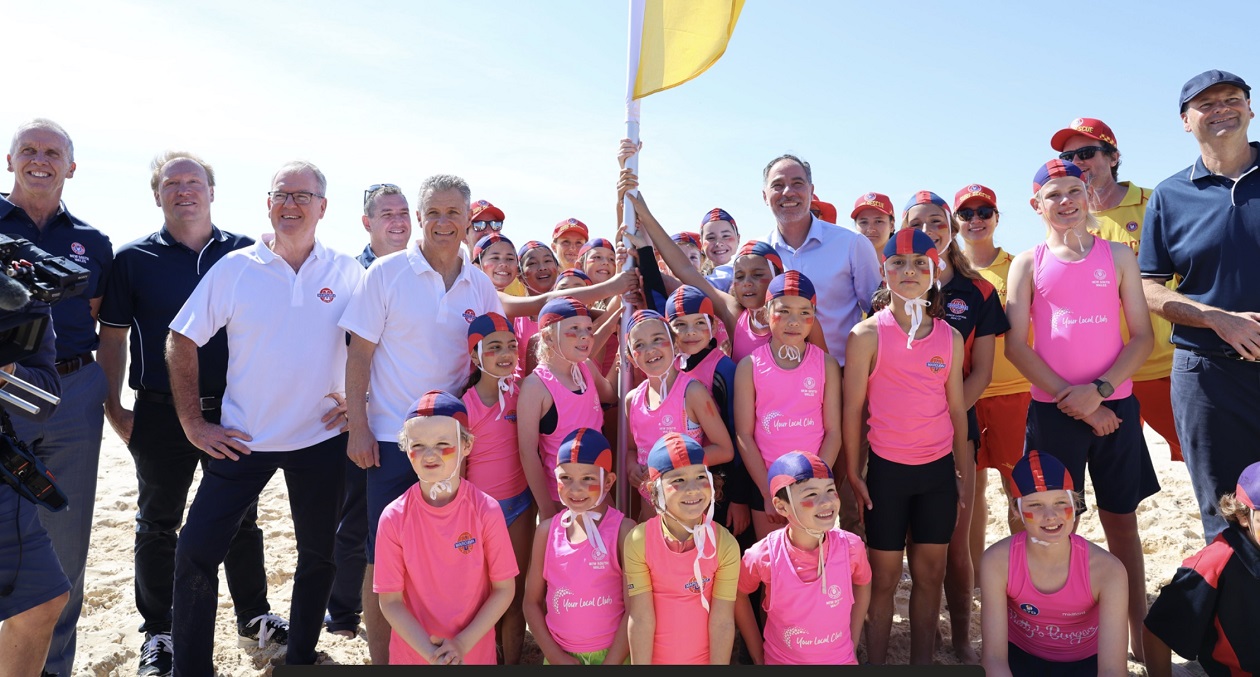
2026 Raising of the Flags Ceremony at Maroubra. Photo: Surf Life Saving New South Wales
Volunteer Numbers are Up
Surf Life Saving in NSW continues to grow, and the organisation proudly enters the new season buoyed by significant member milestones – last year, total membership grew by 4% to reach a new record high of 86,456.
Active patrolling membership rose by 2% to 22,123 and Nipper numbers increased by 4.7%, totalling 31,023.
Despite this, forecasts for an extremely hot, dry summer means more people are expected to head to our beaches and waterways. This places greater demand on our volunteer lifesavers and lifeguards.
“We’re incredibly proud to have more than 86,000 volunteer lifesavers across NSW, our largest membership base yet, all eager to return to the beach and embrace the season ahead,” SLSNSW President Elissa Hancock said.
“This summer is shaping up to be one of the most demanding on record. As millions of people head to our beaches, Surf Life Saving will be on the frontline of public safety, backed by an enhanced shark drone surveillance program delivering greater coverage and protection along the NSW coast.
“We have a significantly expanded shark drone surveillance capability, with greater coverage across more beaches and for longer hours throughout the state.”
Additionally, lifeguards with the Australian Lifeguard Service (ALS) will commence patrols across many of its locations this weekend and on weekdays during the school holidays, working alongside surf clubs and their volunteers to keep beachgoers safe.
ALS lifeguards will be back on beaches from Port Stephens to the Tweed Shire with more beaches to commence patrols towards the summer holidays.
Beachgoers are reminded to always follow the advice of lifeguards and lifesavers, know their limits in the water, and most importantly — always swim between the red and yellow flags.
These simple actions can prevent tragedy and ensure everyone enjoys a safe and memorable trip to the coastline.
Member for Manly, James Griffin MP said the beginning of the beach patrol season was an important reminder for everyone to make safety their first priority when heading to the coast.
“The message is simple; swim between the flags, pay attention to the conditions and signage, listen to our lifesavers and never overestimate your ability in the water.”
Historically, the peak summer period accounts for 40 per cent of coastal drowning nationwide, with 37 per cent of these drownings in NSW occurring at beaches and 53 per cent taking place greater than 1km from surf lifesaving services.
Through the hard work of Surf Life Saving Australia, coastal drownings in NSW have seen a 5 per cent reduction over a five-year period, with surf lifesavers performing 1,307 rescues, 395,248 preventative actions and 4,391 first aid treatments.
These actions have been estimated to have saved an additional 263 lives, with more than 157 critical injuries prevented.
“Every summer, our amazing local surf lifesaving volunteers give their time to keep millions of people safe along our coastline, and we cannot thank them enough for what they do,” Mr Griffin said.
“The best way we can support our lifesavers is by making responsible choices before we enter the water and following their advice when we are at the beach.”
Surf Life Saving Australia advises beachgoers to STOP before entering the water, LOOK at the conditions and consider their own abilities so they can STAY ALIVE.
For more information on beach safety or to find your nearest patrolled beach, visit Beachsafe or the ALS website.
The volunteer surf patrol season runs until 27 April 2027.
Report: Surf Life Saving New South Wales